كيف أصبحت Donkey Republic رائدة في مجال التنقل الدقيق
25/2/2025
الحد الأدنى للقراءة

%20(1).png)
شهدت مشاركة الدراجات رحلة برية على مدى السنوات العشر الماضية. قامت بعض الشركات بإلقاء آلاف الدراجات في شوارع المدينة دون إذن، بينما أنفقت شركات أخرى أطنانًا من المال لكنها لم تستطع معرفة كيفية تحقيق الربح. اتبعت Donkey Republic نهجًا مختلفًا - وقد نجح.
بدأت في كوبنهاغن في عام 2014، جمهورية دونكي لم تتسرع في التوسع أو الاعتماد على المستثمرين الكبار. وبدلاً من ذلك، ركزت على العمل مع المدن، والحفاظ على بساطة الأمور، والتأكد من قدرة الشركة على جني الأموال بالفعل. في عام 2023، حققت الشركة 15.4 مليون يورو (115.2 مليون كرونة دانمركية)، بزيادة 70٪ عن العام السابق، والأهم من ذلك أنها حققت ربحًا قدره 1.27 مليون يورو (9.5 مليون كرونة دانمركية).
حصل مؤسس الشركة، Erdem Ovacik، على الفكرة عندما رأى صديقًا يستخدم الأقفال المركبة لمشاركة الدراجات مع الآخرين في كوبنهاغن. لقد اعتقد أنه يجب أن تكون هناك طريقة أفضل. الجواب؟ تطبيق جوال وأقفال ذكية، حتى يتمكن الأشخاص من استئجار دراجة بسرعة دون الحاجة إلى محطة إرساء.
في عام 2015، بدأت Donkey Republic بـ 30 دراجة فقط. وبدلاً من إغراق الشوارع بالدراجات والأمل في الأفضل، عملت بشكل مباشر مع حكومات المدن للحصول على الموافقة. ساعد ذلك في تجنب المشاكل التي تحبها الشركات أوفو و موبايك واجهتهم عندما توسعوا بسرعة كبيرة ثم انهاروا.
تحاول الكثير من شركات الدراجات والسكوتر النمو بأسرع ما يمكن، وتنفق الكثير من المال وتأمل في تحقيق ربح لاحقًا. دونكي ريبابليك لم تفعل ذلك. بحلول عام 2020، توسعت إلى 13 دولة، بما في ذلك ألمانيا وإسبانيا وهولندا وفنلندا، ولكن دائمًا بطريقة خاضعة للرقابة.
يأتي جزء كبير من نجاحها من العمل مع المدن بدلاً من محاربتها. بدلاً من مجرد إسقاط الدراجات في الشارع والأمل في ألا يشكو أحد، عقدت Donkey Republic اتفاقيات مع الحكومات المحلية. هذا يعني أن الشركة لا داعي للقلق كثيرًا بشأن الحظر المفاجئ أو تغيير القواعد.
على سبيل المثال، في عام 2023، حظرت باريس تأجير الدراجات البخارية الإلكترونية، والتي كانت كارثة للشركات الأخرى. ولكن نظرًا لأن Donkey Republic تركز على الدراجات، فإنها لم تتأثر.
أظهرت Donkey Republic تقدمًا ماليًا مثيرًا للإعجاب في السنوات الأخيرة. في عام 2023، سجلت الشركة إيرادات قدرها 115.2 مليون كرونة دانمركية - بزيادة 70٪ مقارنة بالعام السابق. والأهم من ذلك أنها حققت أرباحًا إيجابية قبل الفوائد والضرائب والاستهلاك والإطفاء بلغت 9.5 مليون كرونة دانمركية، مما يمثل تحولًا نحو الربحية.

كان عام 2024 أقوى من ذلك بالنسبة لشركة دونكي ريبابليك. سجلت الشركة إيرادات قدرها 145 مليون كرونة دانمركية، وهو ما يمثل زيادة بنسبة 25٪ عن عام 2023. وللمرة الأولى، سجلوا أيضًا عائدًا إيجابيًا قبل الفوائد والضرائب قدره مليون كرونة دانمركية. وهذا يدل على أن استراتيجيتهم طويلة الأجل للعمل مع المدن وتحسين العمليات تؤتي ثمارها.
ساهمت عدة عوامل في نجاح Donkey Republic:
في حين أظهرت Donkey Republic أن التنقل المصغر يمكن أن يكون مربحًا، فإن الطريق أمامنا لا يخلو من التحديات. المنافسة شرسة، وتقوم شركات أخرى بتوسيع أساطيل الدراجات الإلكترونية بسرعة للتنافس في مساحة Donkey Republic. بالإضافة إلى ذلك، في حين توفر الشراكات بين المدن الاستقرار، فإنها تحد أيضًا من التوسع السريع - تستغرق العقود البلدية وقتًا لتأمينها، وتفضل بعض المدن الاستثمار في برامج مشاركة الدراجات العامة الخاصة بها.
ومع ذلك، تراهن Donkey Republic على أن الطلب على النقل المستدام والصديق للمدينة سوف ينمو فقط. مع قيام المناطق الحضرية في جميع أنحاء أوروبا بقمع استخدام السيارات - مثل منطقة الانبعاثات المنخفضة للغاية (ULEZ) في لندن وسياسات تقييد السيارات في باريس - أصبحت مشاركة الدراجات في وضع جيد للازدهار.
لذلك، بينما يستمر مشغلو السكوتر في محاربة المشاكل التنظيمية وصراعات الأرباح، تثبت Donkey Republic أن النهج المنضبط الذي يركز على المدينة أولاً قد يكون مجرد مفتاح النجاح الدائم في التنقل الدقيق.
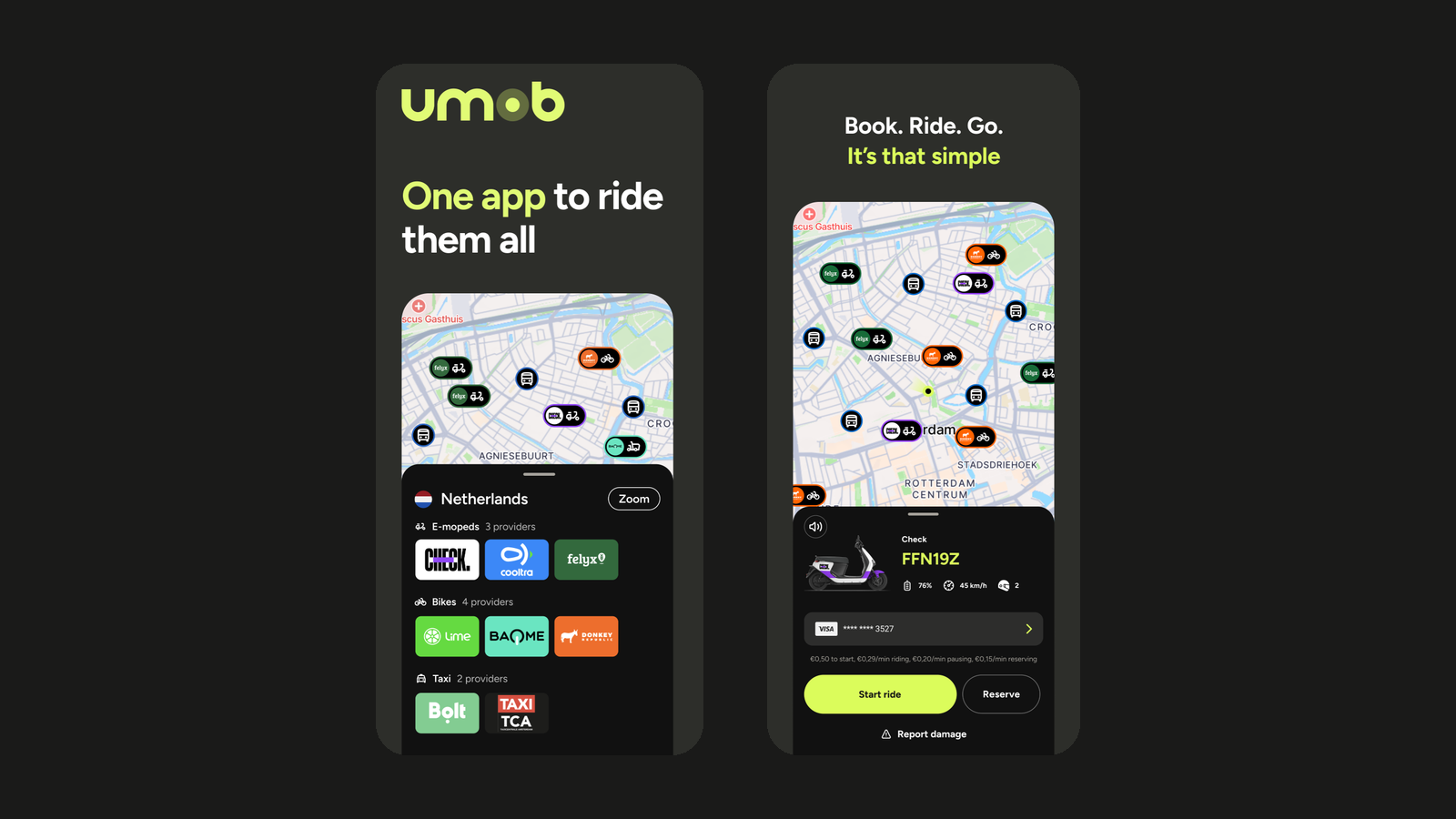
🌍 يمكنك الوصول إلى المزيد من الركاب مع ATOM Mobility وUmob. يمنح هذا التكامل مشغلي التنقل المشترك قناة توزيع إضافية، مما يساعد في جذب عملاء جدد، وزيادة الحجوزات، وتحسين معدلات استخدام الأسطول.
مستقبل التنقل لا يقتصر فقط على تشغيل المركبات، بل يتعلق بابتكار رحلات مريحة تجمع بين خيارات النقل المختلفة في تجربة مستخدم واحدة بسيطة.
ولهذا السبب يسعدنا تسليط الضوء على شراكتنا مع Umob، مما يساعد مشغلي التنقل على توسيع نطاق وصولهم وأن يصبحوا جزءاً من منظومة تنقل متعددة الوسائط متنامية.
سواء كنت تدير سيارات أو سكوترات أو دراجات هوائية أو دراجات نارية مشتركة عبر منصة ATOM Mobility، فإن التكامل مع Umob يجعل خدمتك متاحة لـ آلاف مستخدمي Umob الباحثين عن وسيلة تنقل مريحة.
يتوقع مستخدمو اليوم مرونة عالية؛ فهم لا يفكرون في مزودي خدمات التنقل بشكل منفصل، بل يريدون ببساطة أسرع وأسهل وأكثر الطرق ملاءمة للانتقال من النقطة (أ) إلى النقطة (ب).
تجمع Umob بين مختلف مزودي خدمات التنقل وخيارات النقل في تطبيق واحد. يمكن للمستخدمين العثور على خيارات التنقل المختلفة ومقارنتها وحجزها والدفع مقابلها دون الحاجة إلى تنزيل تطبيق منفصل أو إنشاء حساب جديد لكل مزود خدمة.
من خلال ربط أسطولك بـ Umob، يمكن للمشغلين:
بالنسبة لعملاء ATOM Mobility، صُمم هذا التكامل لتوفير طريقة مباشرة لفتح فرص توزيع جديدة مع الاستمرار في إدارة عملياتهم الأساسية من خلال منصة ATOM Mobility.
من خلال منصة ATOM Mobility، يمكن للمشغلين المشاركين ربط أساطيلهم بـ Umob، مما يتيح للمستخدمين اكتشاف المركبات المتاحة واستخدامها مباشرة عبر تطبيق Umob.
بمجرد الربط، ستظهر مركبات المشغلين المشاركين في Umob إلى جانب خيارات التنقل الأخرى المتاحة، مما يمنح المستخدمين نظرة عامة واضحة على الطرق المختلفة التي يمكنهم من خلالها الانتقال من النقطة (أ) إلى النقطة (ب).
يمكن للمستخدمين العثور على مركبة متاحة، وحجزها وفتح قفلها، وبدء رحلتهم وإنهائها، والدفع مباشرة من خلال تطبيق Umob.
صُمم هذا التكامل لدعم:
يواصل المشغلون إدارة أساطيلهم، وتسعيرهم، ومناطق الخدمة، والعمليات اليومية من خلال منصة ATOM Mobility، بينما توفر Umob قناة إضافية يمكن للمستخدمين من خلالها العثور على المركبات والوصول إليها.
بالنسبة لمشغلي التنقل، يتيح الربط مع Umob قناة توزيع إضافية دون تغيير الطريقة التي يديرون بها عملياتهم اليومية عبر ATOM Mobility.
من خلال إتاحة المركبات لآلاف مستخدمي Umob، يمكن للمشغلين زيادة ظهورهم في اللحظة التي يبحث فيها الأشخاص بنشاط عن وسيلة تنقل. وهذا يخلق إمكانية لجذب مستخدمين جدد، وتحقيق المزيد من الحجوزات، وتحسين معدل استخدام الأسطول بمرور الوقت.
يختلف كل سوق عن الآخر، لكن العديد من المشغلين يرون في شراكات "التنقل كخدمة" (MaaS) جزءاً مهماً من استراتيجية نموهم طويلة الأمد.
أحد أوائل مشغلي ATOM Mobility الذين انطلقوا من خلال تكامل Umob هو ZEUS Mobility، وهو مزود أوروبي طموح لخدمات مشاركة السكوتر الكهربائي، يركز بقوة على الابتكار، ويتبنى نهجاً ديناميكياً، ويسعى لمنافسة اللاعبين الراسخين في السوق.
ومن المناسب أن الشراكة بحد ذاتها بدأت من خلال شبكة ATOM Mobility.
التقت ZEUS وUmob لأول مرة في فعالية ATOM Mobility في ريغا. وعلى الرغم من أن التعارف الأولي حدث أثناء الفعالية، إلا أن المحادثة الجدية بدأت فعلياً خلال جلسة غير رسمية في وقت لاحق من ذلك المساء.
كانت ZEUS قد صادفت علامة Umob التجارية على مركبات التنقل أثناء السفر، وقد أُعجبت بالنهج المهني الذي تتبعه الشركة. وسرعان ما تحول ذلك التعرف إلى محادثة حول كيفية تعزيز الشركتين لعروضهما من خلال العمل معاً.
ومن هناك، تقدمت عملية التكامل بسرعة. وتصف ZEUS عملية الإعداد والتكامل حتى الآن بأنها "نظيفة واحترافية وسلسة."
بالنسبة لشركة ZEUS، تمثل هذه الشراكة فرصة لتعزيز حضور علامتها التجارية، والوصول إلى عملاء جدد، ودعم طموحاتها التوسعية في أوروبا.
عقب استحواذها على Superpedestrian في مايو 2026، تتطلع ZEUS إلى تسريع وتيرة نموها خلال عامي 2026 و2027، وتعد شراكتها مع Umob جزءاً من هذا الطموح.
"نحن في ZEUS سعداء للغاية بالشراكة مع Umob في الأسواق الأوروبية. فبعد استحواذنا على Superpedestrian في مايو 2026، نسعى في ZEUS إلى تحقيق نمو سريع خلال عامي 2026 و2027. ستساعدنا هذه الشراكة في دفع عجلة هذا النمو والوصول إلى عملاء جدد في أسواق جديدة. نتطلع إلى شراكة مثمرة." - داميان يونغ، ZEUS Mobility
تطبيق واحد لكل تنقلاتك. Umob هي منصة تنقل شاملة تجمع بين مختلف مزودي خدمات التنقل وخيارات النقل في تطبيق واحد.
يمكن للمستخدمين العثور على الدراجات المشتركة، والدراجات الكهربائية، والسكوتر، والدراجات النارية، ووسائل النقل العام، وسيارات الأجرة، وغيرها من خيارات التنقل المتاحة، ومقارنتها وحجزها والدفع مقابلها من خلال حساب واحد وتجربة دفع موحدة. فبدلاً من تنزيل تطبيق منفصل والتسجيل فيه لكل مزود خدمة أو في كل مدينة جديدة، يمكن للمستخدمين فتح تطبيق Umob والاطلاع على خيارات التنقل المتاحة من حولهم.
تتوفر Umob اليوم في أكثر من 28 دولة و300 مدينة، مما يتيح لآلاف المستخدمين طريقة أسهل للوصول إلى مختلف وسائل التنقل سواء في مدنهم أو أثناء السفر.
حقائق رئيسية
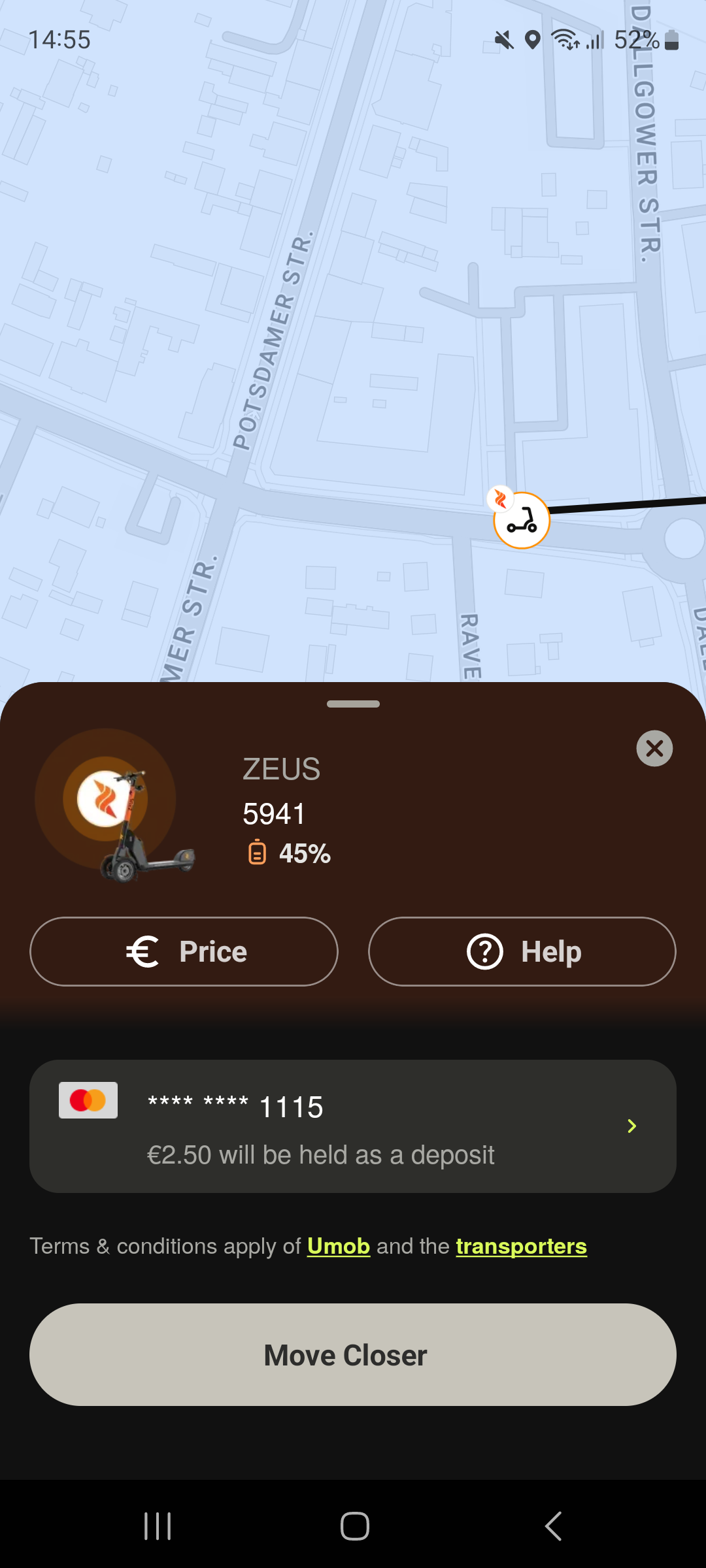
إذا كنت تدير بالفعل خدمة التنقل المشترك الخاصة بك على منصة ATOM Mobility، فإن الربط مع Umob قد يكون الخطوة التالية نحو الوصول إلى المزيد من المستخدمين وأن تصبح جزءاً من منظومة تنقل مترابطة حقاً.
إذا كنت مهتماً بتفعيل هذا التكامل أو معرفة المزيد حول كيفية عمله، تواصل مع فريقنا. نحن نتطلع إلى مساعدة المزيد من المشغلين على التواصل والتعاون وجعل التنقل المستدام أسهل للجميع.
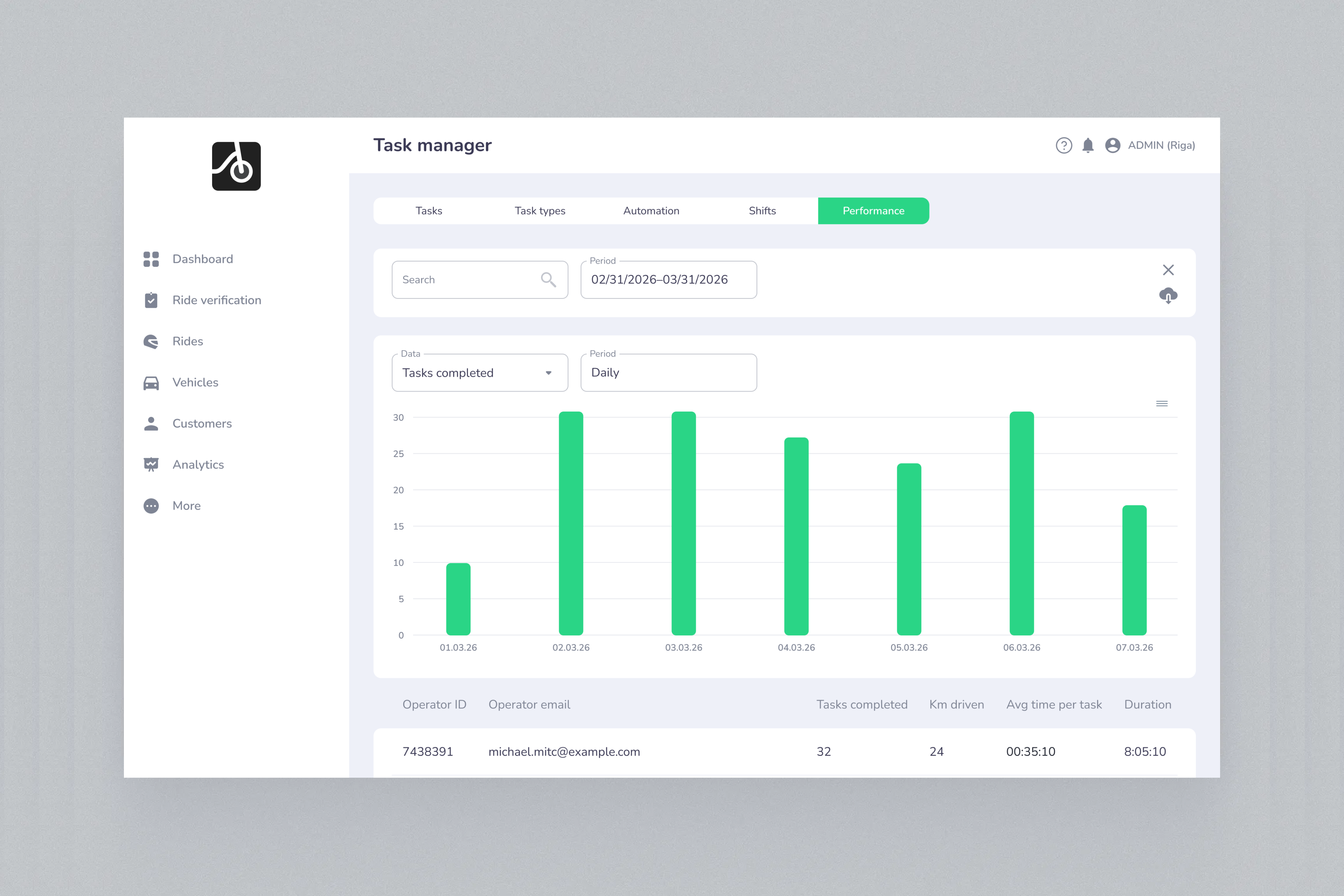
👷📊 يتجاوز مدير مهام ATOM الآن مجرد توزيع المهام بفضل وظائف الورديات وأداء المشغلين الجديدة. تتبع مسارات الورديات، والمسافة المقطوعة، والمهام المنجزة، والوقت المستغرق لكل مهمة، وأداء كل مشغل على حدة، مما يمنح مديري الأساطيل رؤية أوضح بكثير للعمليات الميدانية ومستوى الكفاءة.
لا تقتصر إدارة أسطول كبير للتنقل المشترك أو التأجير على معرفة المهام التي تم إنجازهافحسب، بل تتعلق أيضاً بفهم مدى كفاءة عمل الفرق الميدانية. لقد قمنا بتوسيع مدير مهام ATOM Mobility بشكل كبير بإضافة وظائف الورديات والأداء، مما يمنح مديري الأساطيل رؤية أفضل بكثير لنشاط المشغلين، وعبء العمل، والمسارات، ومستوى الأداء.
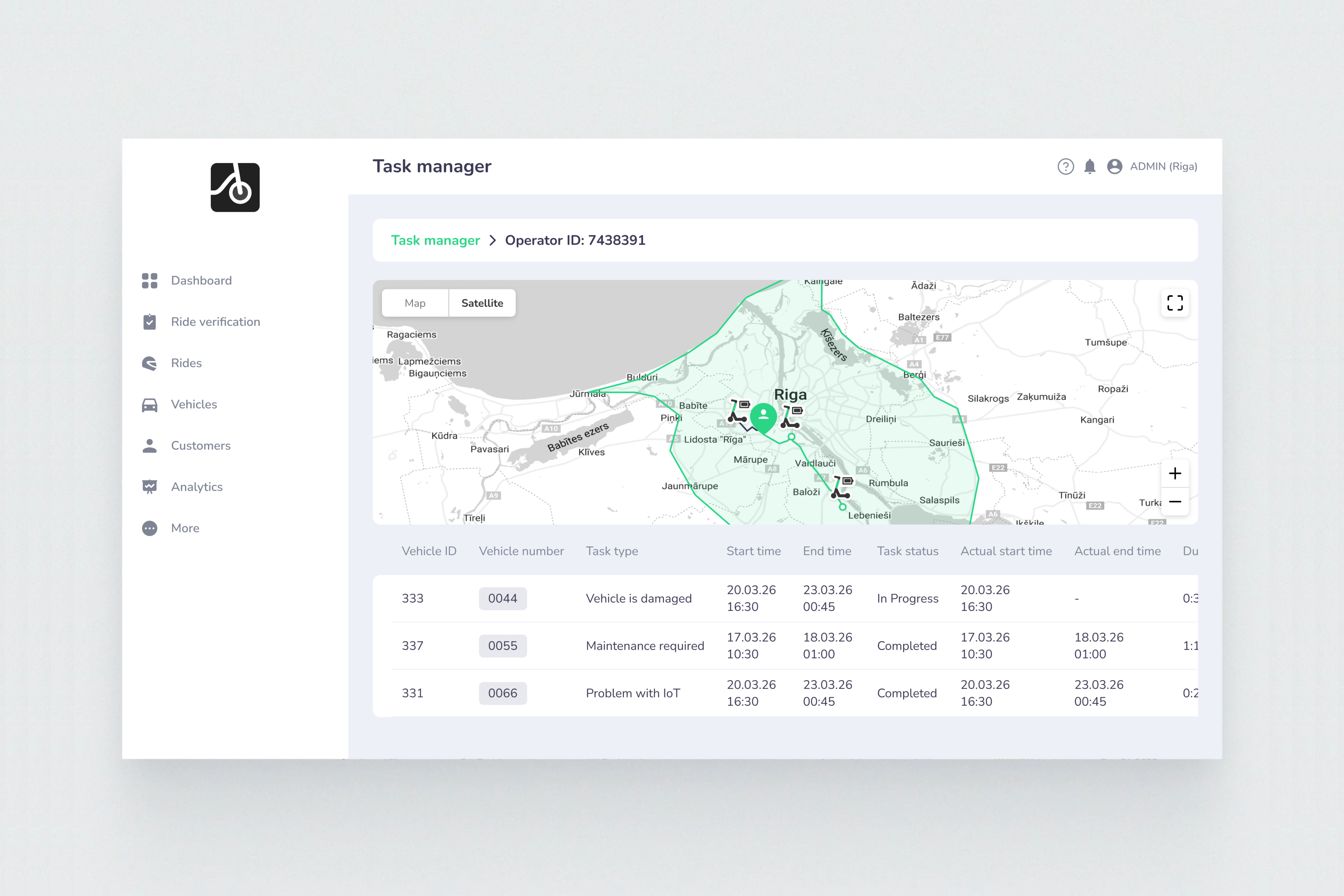
تمنحك علامة التبويب الورديات الجديدة للمديرين نظرة عامة مركزية على جميع ورديات المشغلين، بما في ذلك:
يمكن للمديرين فتح أي وردية فردية للاطلاع على الصورة التشغيلية الكاملة. فلكل مهمة، يمكنك رؤية المركبة، ونوع المهمة، ووقت البدء المخطط له والموعد النهائي، وأوقات البدء والانتهاء الفعلية، والحالة، والمدة الإجمالية للمهمة.
تتضمن كل وردية أيضاً خريطة توضح حركة المشغل الكاملة أثناء الوردية والمواقع التي تم تنفيذ المهام الفردية فيهابالنسبة للنوبات الجارية حالياً، يمكن للمديرين أيضاً الاطلاع على الموقع الحالي للمشغل.
وهذا يسهل كثيراً فهم المسار الفعلي، وحجم العمل، والقرارات المتخذة خلال كل نوبة، بالإضافة إلى تحديد فرص تحسين كيفية إدارة فرق العمل الميدانية لصيانة الأسطول وعملياته.
علامة التبويب الأداء الجديدة تجمع النتائج التشغيلية لكل مشغل خلال فترة زمنية محددة.
يمكن للمديرين تتبع:
بدلاً من مراجعة مئات المهام الفردية، يمكن للمديرين مقارنة المشغلين بسرعة، وتحديد أصحاب الأداء المتميز، ورصد المجالات التي قد تحتاج إلى تدريب إضافي أو تحسينات تشغيلية.
لجعل بيانات الأداء دقيقة ومفيدة، قدمنا أيضاً سير عمل جديد للنوبات والمهام في تطبيق ATOM للمشغلين. يبدأ المشغلون الآن نوبات عملهم وينهونها مباشرة من خلال التطبيق، بينما يتم تسجيل أوقات بدء المهام الفردية وإتمامها تلقائياً.
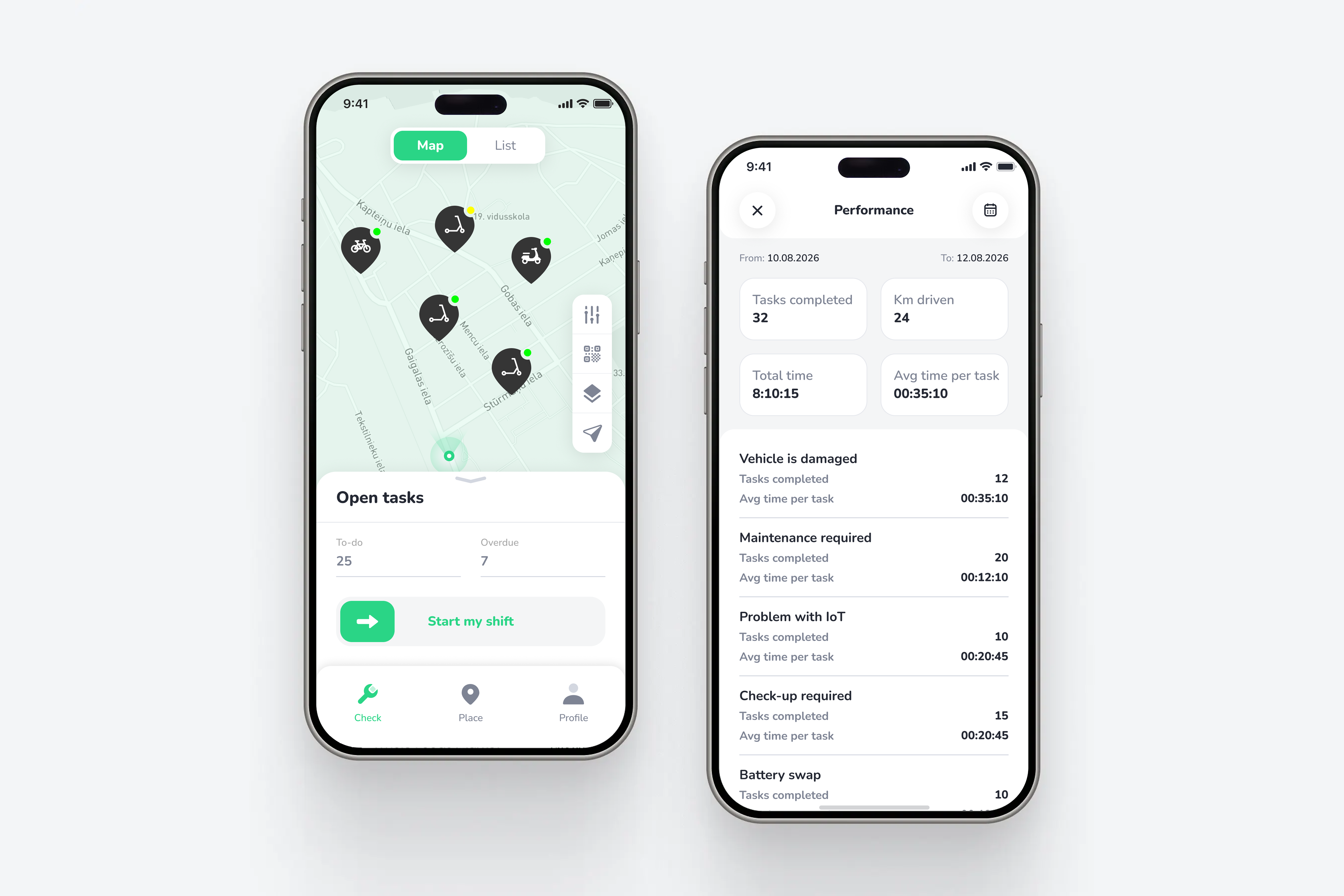
لقد أضفنا أيضاً:
معاً، تحول هذه التحديثات ATOM Task Manager من مجرد أداة لتوزيع المهام إلى نظام أكثر تكاملاً لأداء وتحسين العمليات الميدانية. يحصل المشغلون على سير عمل أوضح ورؤية أفضل لأدائهم الشخصي، بينما يحصل المديرون على البيانات التي يحتاجونها لفهم كيفية سير عملياتهم الميدانية فعلياً وتحديد مجالات تحسين الكفاءة.
الوظائف الجديدة متاحة لوحدات مشاركة المركبات و التأجير الرقمي في ATOM Mobility.
👉 اقرأ المزيد عن آخر تحديثات منصتنا:
https://www.atommobility.com/atomupdates
استخدم بيانات اعتماد الاختبار لتسجيل الدخول - رقم الهاتف: +1 123123123، الكود: 777777


بيانات اعتماد الإصدار التجريبي من تطبيق Driver - البريد الإلكتروني: test@atom.com، كلمة المرور: برنامج التشغيل