Enchérissez votre prix : ATOM Mobility lance une fonction de tarification contrôlée par le conducteur
August 4, 2025
min. de lecture

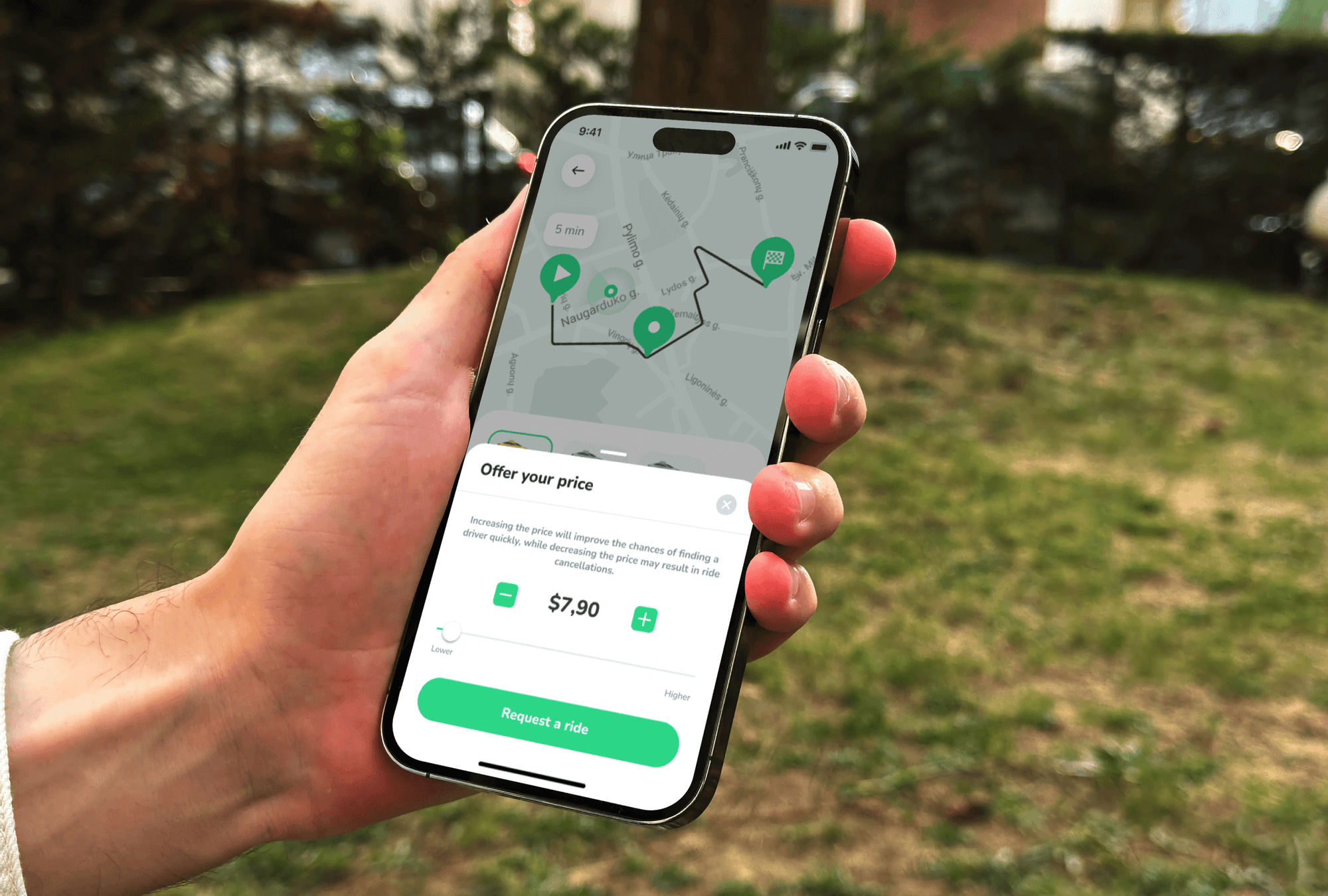
Le marché du VTC est en constante évolution. De l'Amérique latine à l'Europe de l'Est, des plateformes comme InDrive ont popularisé une nouvelle norme : laisser les passagers suggérer le montant qu'ils souhaitent payer. Aujourd'hui, en réponse à cette tendance mondiale croissante, ATOM Mobility est fière de vous présenter : Offrez votre prix — une fonction de tarification entièrement configurable intégrée directement dans l'application de votre chauffeur.
Disponible sur tous les projets de transport, cette fonctionnalité permet aux passagers de proposer un prix — supérieur ou inférieur au tarif par défaut — dans les limites définies par l'opérateur. Les conducteurs peuvent alors accepter ou refuser sur la base de l'offre.
Voici comment cela redéfinit l'expérience :
Votre tableau de bord d'administration définit les limites, par exemple : jusqu'à +500 % par rapport au prix régulier et jusqu'à -30 % — et l'application calcule automatiquement la taille des pas :
La position du curseur s'adapte de manière dynamique, en fonction de la plage que vous avez définie. Et oui, la couleur et le style des boutons peuvent être personnalisés pour correspondre à votre marque 🎨.
Vous y trouverez un contrôle et une clarté complets :
Dans l'application pour conducteurs :
Des entreprises du monde réel prouvent déjà que la tarification définie par le conducteur fonctionne :
🚘 InDrive (Amérique latine, Afrique, Asie)
Aujourd'hui l'un des principaux acteurs mondiaux du transport en dehors des États-Unis (plus de 200 millions de téléchargements, actif dans plus de 700 villes dans plus de 45 pays), InDrive a construit sa marque autour de prix négociés par les pilotes. Cela les aide à se démarquer sur les marchés sensibles aux prix et à convaincre à la fois les conducteurs et les passagers grâce à une dynamique tarifaire plus transparente.
🚖 Comin (Francia)
Succès local, Comin a adopté une tarification flexible pour les passagers afin de gagner du terrain dans plusieurs villes françaises (plus de 6 000 conducteurs ont intégré plus de 6 000 conducteurs). Cette fonctionnalité leur donne un avantage sur les grandes plateformes, en leur offrant plus de liberté pour les utilisateurs et une meilleure utilisation pour les conducteurs.
Ces exemples montrent que laisser les passagers enchérir sur leur prix n'est pas qu'un gadget, c'est une stratégie de croissance.
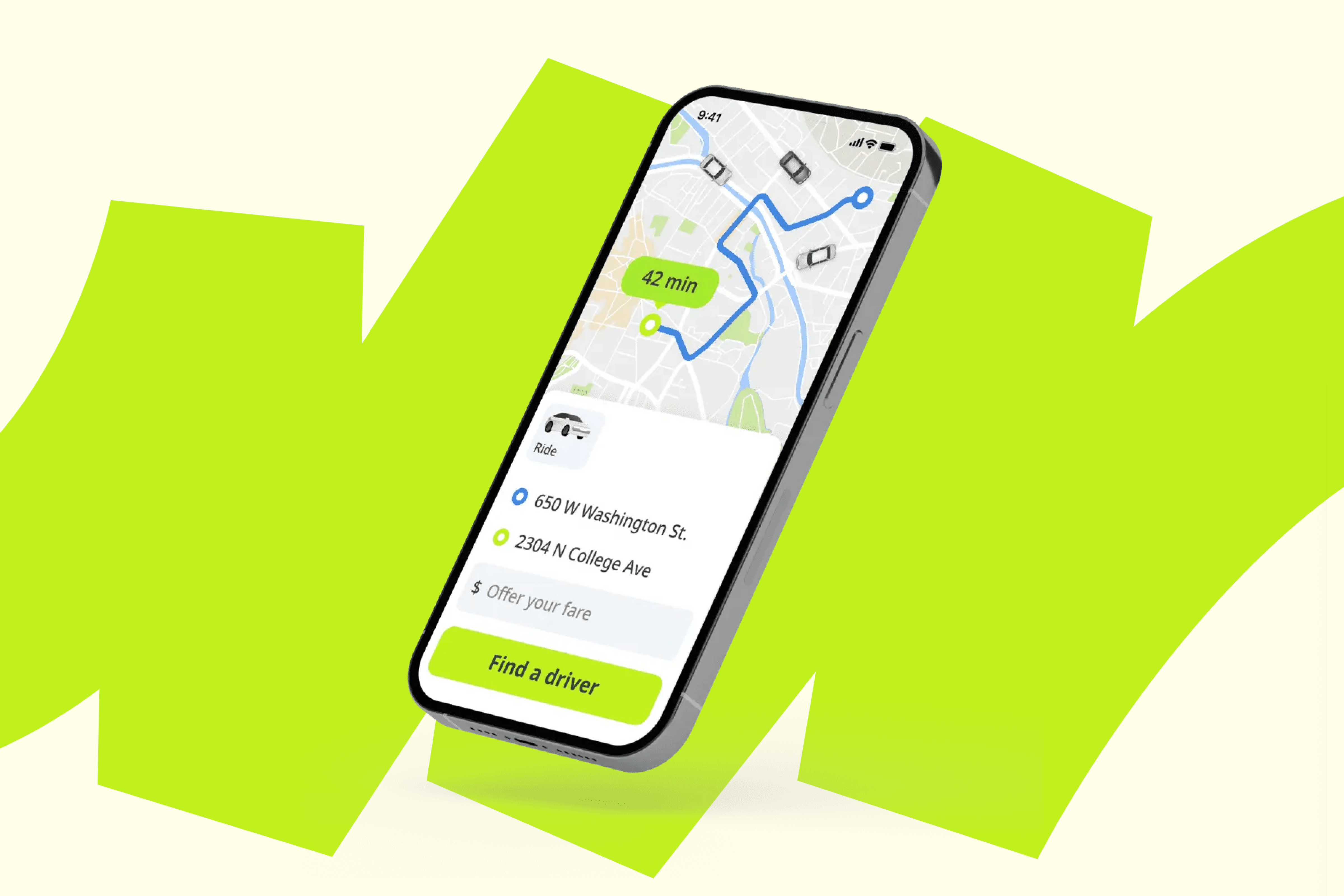
De notre blog précédent « Comment trouver votre niche sur le marché du covoiturage », nous avons vu comment localisation et contrôle de l'utilisateur favorisez la fidélité et la conversion.
Cette nouvelle flexibilité tarifaire prend en charge :
Ce n'est qu'un des Plus de 300 fonctionnalités disponible sur la plateforme de transport en marque blanche d'ATOM.
Voyons comment lancer ou mettre à niveau votre application avec « Offrez votre prix », une logique de tarification avancée et d'autres outils pour dominer votre créneau.
👉 Contactez notre équipe et découvrez comment devenir le leader du marché : www.atommobility.com
Cliquez ci-dessous pour en savoir plus ou demander une démonstration.

The micromobility industry doesn’t need another generic mobility conference. 🚫🎤 It needs real conversations between operators who are actually in the field. ⚙️ That’s exactly what ATOM Connect 2026 is built for. 🎯🤝
The shared mobility industry is evolving rapidly. Operators are navigating scaling challenges, regulatory complexity, hardware decisions, fleet optimization, and new integration models, all while aiming for sustainable growth.
That’s exactly why ATOM Mobility is organizing ATOM Connect 2026.
Our previous edition of ATOM Connect brought together professionals from the car sharing and rental industry for focused, high-quality discussions and networking. This year, we are narrowing the focus and dedicating the entire event to one fast-moving segment of the industry: shared micromobility.
ATOM Connect 2026 is designed specifically for operators, partners, and decision-makers working in shared micromobility. It is not a broad mobility conference or a public exhibition. It is a curated space for industry professionals to exchange practical experience, insights, and lessons learned.
On May 14th, 2026 in Riga, we will once again bring the community together, this time with a clear focus on micromobility.
This year’s agenda will address the real operational and strategic questions shaping shared micromobility today:
As usual, we aim to host both local and international operators from smaller, fast-growing fleets to established large-scale players alongside hardware providers and ecosystem partners.
On stage, you’ll hear from leading shared mobility companies - including Segway on hardware partnerships, Umob on MaaS integration, Anadue on data-driven fleet intelligence, Elerent on multi-vehicle operational realities and more insightful discussions.
The goal is simple: meaningful discussions with people who understand the operational realities of the industry.
ATOM Connect is free to attend, but participation is industry-focused (each submission is manually reviewed and verified). We are intentionally keeping the audience relevant and aligned to ensure high-quality conversations and valuable networking.
If you work in shared micromobility and would like to join the event, you can find the full agenda and register here:
👉 https://www.atommobility.com/atom-connect-2026
In the coming weeks, we will be revealing more speakers and additional agenda updates. We look forward to bringing the industry together again.
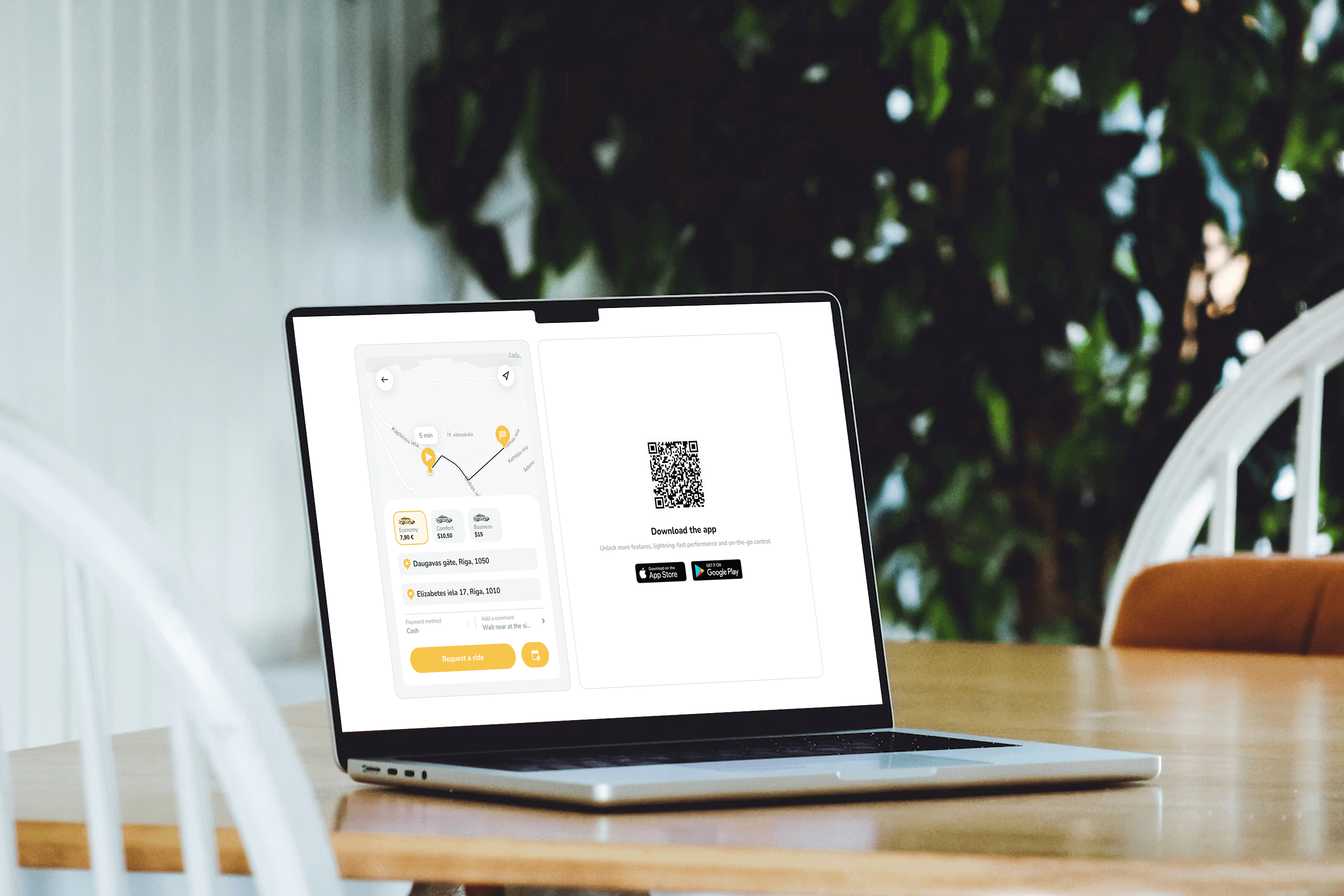
🚕 Web-booker is a lightweight ride-hail widget that lets users book rides directly from a website or mobile browser - no app install required. It reduces booking friction, supports hotel and partner demand, and keeps every ride fully synced with the taxi operator’s app and dashboard.
What if ordering a taxi was as easy as booking a room or clicking “Reserve table” on a website?
Meet Web-booker - a lightweight ride-hail booking widget that lets users request a cab directly from a website, without installing or opening the mobile app.
Perfect for hotels, business centers, event venues, airports, and corporate partners.
👉 Live demo: https://app.atommobility.com/taxi-widget
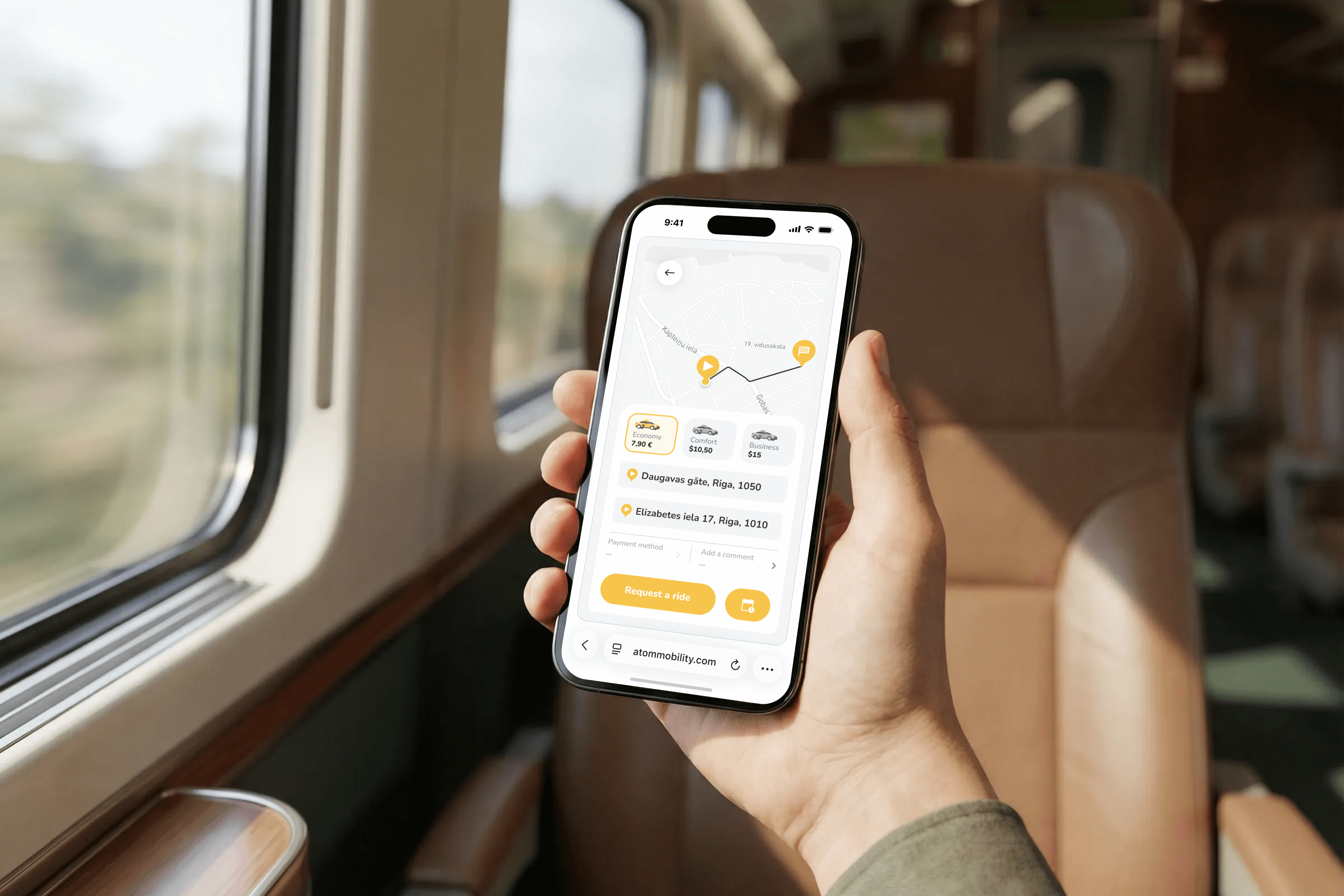
Web-booker is a browser-based ride-hail widget that operators can embed or link to from any website.
The booking happens on the web, but the ride is fully synchronized with the mobile app and operator dashboard.
No redirects. No app-store friction. No lost users.
This keeps fraud low while preserving conversion.
Web-booker addresses one of the most common friction points in ride-hailing: users who need a ride now but are not willing to download an app first. By allowing bookings directly from a website, operators can capture high-intent demand at the exact moment it occurs - whether that is on a hotel website, an event page, or a partner landing page.
At the same time, Web-booker makes partnerships with hotels and venues significantly easier. Instead of complex integrations or manual ordering flows, partners can simply place a button or link and immediately enable ride ordering for their guests. Importantly, this approach does not block long-term app growth. The booking flow still promotes the mobile app through QR codes and store links, allowing operators to convert web users into app users over time - without forcing the install upfront.
Web-booker is not designed to replace the mobile app. It extends the acquisition funnel by adding a low-friction entry point, while keeping all bookings fully synchronized with the operator’s app and dashboard.
👉 Try the demo
https://app.atommobility.com/taxi-widget
Want to explore a ride-hail or taxi solution for your business - or migrate to a more flexible platform? Visit: https://www.atommobility.com/products/ride-hailing
Informations d'identification pour la démonstration de Driver App - E-mail : test@atom.com, mot de passe : chauffeur

