Ofereça seu preço: ATOM Mobility lança recurso de preços controlado pelo passageiro
August 4, 2025
leitura mínima

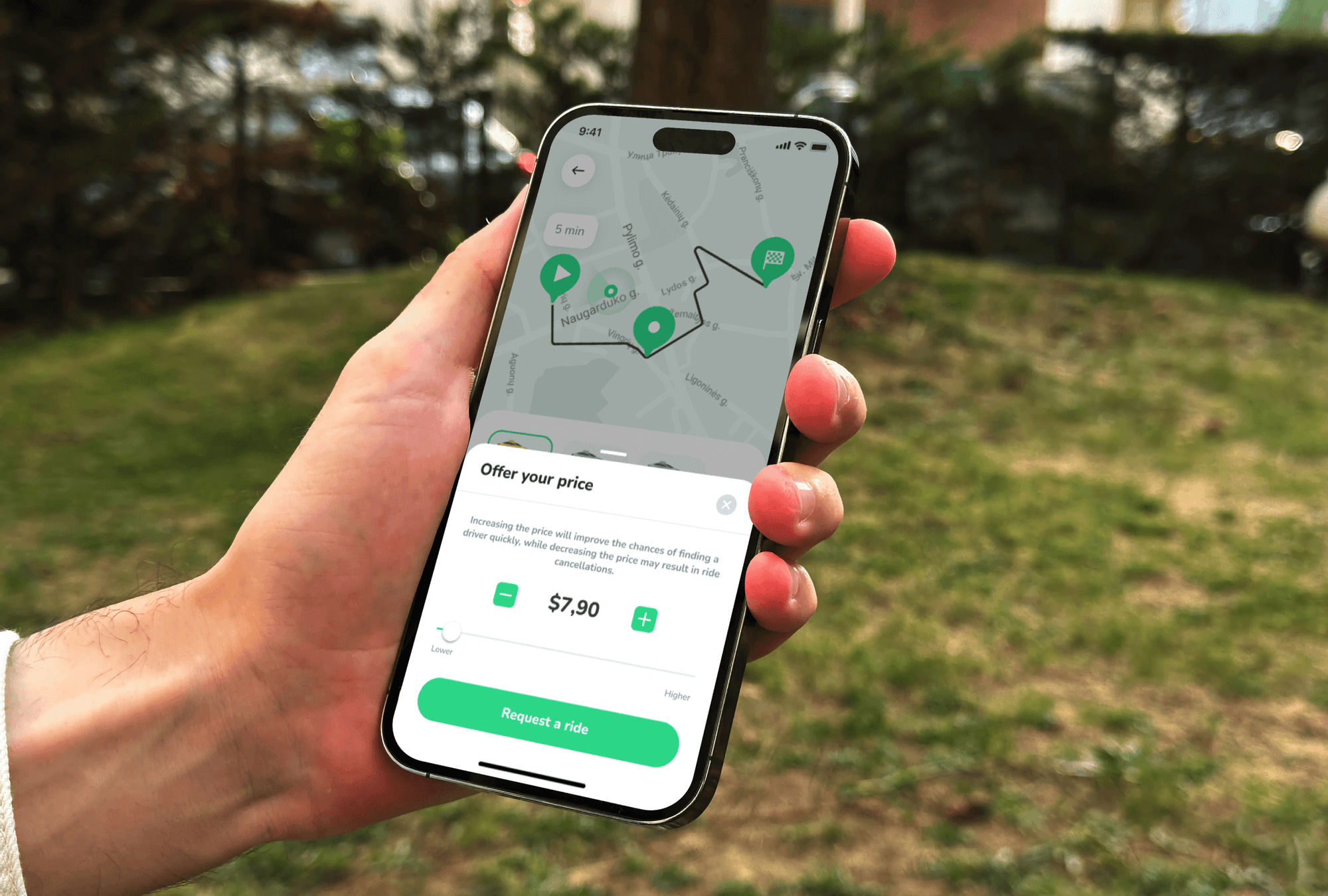
O mercado de carona está sempre mudando. Da América Latina à Europa Oriental, plataformas como InDrive popularizaram uma nova norma: permitindo que os passageiros sugiram o que querem pagar. Agora, em resposta a essa tendência global crescente, A ATOM Mobility tem o orgulho de apresentar: Ofereça seu preço — um recurso de preços totalmente configurável incorporado diretamente no seu aplicativo de passageiro.
Disponível em todos os projetos de carona, esse recurso permite que os passageiros proponham um preço — maior ou menor do que a tarifa padrão — dentro dos limites estabelecidos pelo operador. Os motoristas podem então aceitar ou recusar com base na oferta.
Veja como isso remodela a experiência:
Seu painel de administração define os limites — digamos, até +500% do preço normal e até -30% — e o aplicativo calcula o tamanho dos passos automaticamente:
A posição do controle deslizante se adapta dinamicamente, dependendo da faixa definida. E sim — a cor e o estilo do botão podem ser personalizados para combinar com sua marca 🎨.
Você encontrará controle e clareza completos:
No aplicativo do motorista:
Empresas do mundo real já estão provando que os preços definidos pelo passageiro funcionam:
🚘 InDrive (LATAM, África, Ásia)
Agora uma das principais empresas globais de carona compartilhada fora dos EUA (mais de 200 milhões de downloads, ativa em mais de 700 cidades em mais de 45 países), a InDrive construiu sua marca em torno de preços negociados pelo passageiro. Isso os ajuda a se destacar em mercados sensíveis ao preço e conquistar motoristas e passageiros com uma dinâmica de preços mais transparente.
🚖 Comin (França)
Uma história de sucesso local, a Comin adotou preços flexíveis para passageiros para ganhar força em várias cidades francesas (embarcou mais de 6.000 motoristas). O recurso oferece a eles uma vantagem em relação a plataformas maiores, oferecendo mais liberdade para os usuários e melhor utilização para os motoristas.
Esses exemplos mostram que permitir que os passageiros ofereçam seu preço não é apenas um truque — é uma estratégia de crescimento.
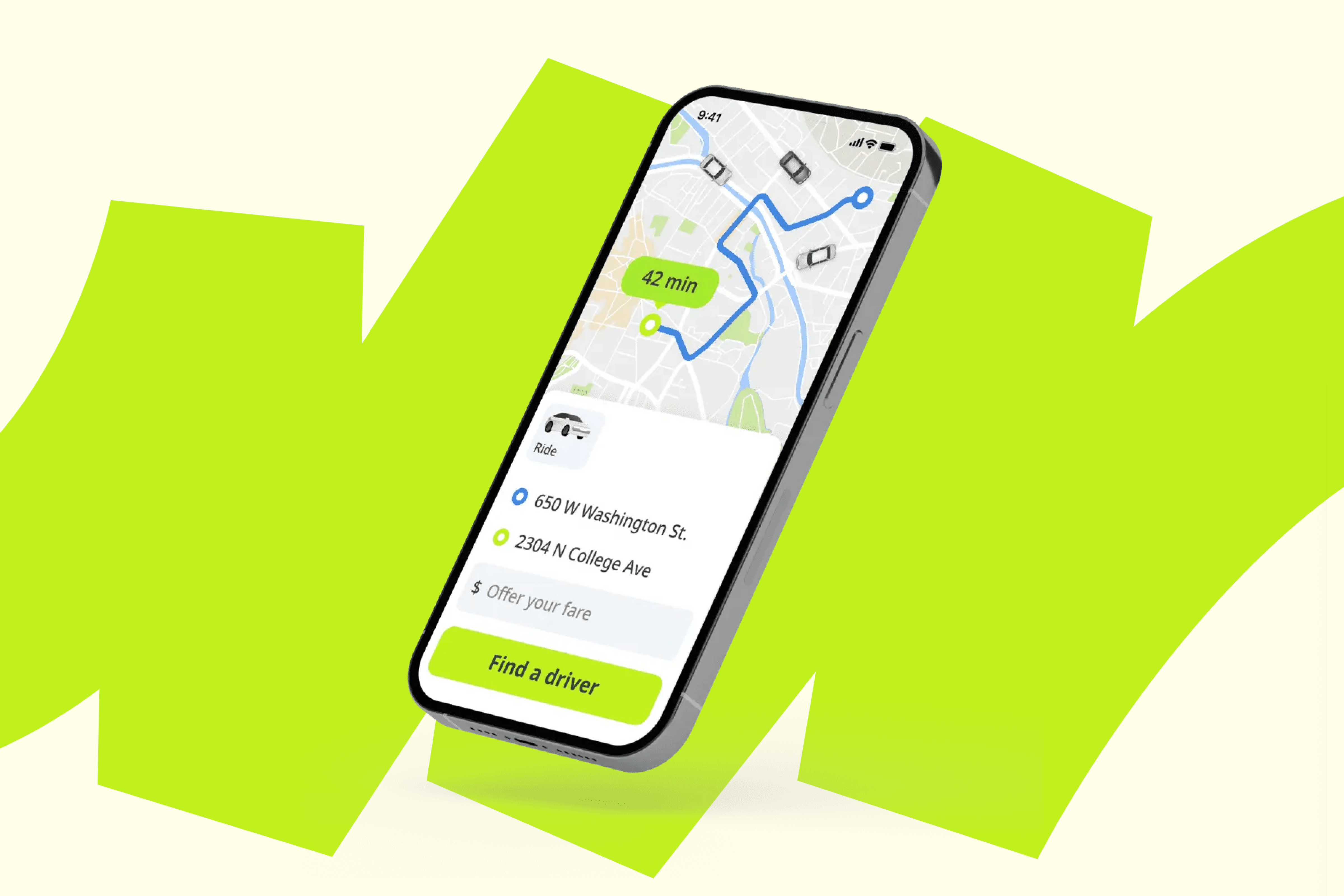
Do nosso blog anterior “Como encontrar seu nicho no mercado de carona”, vimos como localização e controle do usuário impulsionar a lealdade e a conversão.
Essa nova flexibilidade de preços oferece suporte a:
Este é apenas um dos Mais de 300 recursos disponível na plataforma de carona branca da ATOM.
Vamos falar sobre como iniciar ou atualizar seu aplicativo com “Ofereça seu preço”, lógica avançada de preços e mais ferramentas para dominar seu nicho.
👉 Entre em contato com nossa equipe e explore como se tornar líder de mercado: www.atommobility.com
Clique abaixo para saber mais ou solicitar uma demonstração.

The micromobility industry doesn’t need another generic mobility conference. 🚫🎤 It needs real conversations between operators who are actually in the field. ⚙️ That’s exactly what ATOM Connect 2026 is built for. 🎯🤝
The shared mobility industry is evolving rapidly. Operators are navigating scaling challenges, regulatory complexity, hardware decisions, fleet optimization, and new integration models, all while aiming for sustainable growth.
That’s exactly why ATOM Mobility is organizing ATOM Connect 2026.
Our previous edition of ATOM Connect brought together professionals from the car sharing and rental industry for focused, high-quality discussions and networking. This year, we are narrowing the focus and dedicating the entire event to one fast-moving segment of the industry: shared micromobility.
ATOM Connect 2026 is designed specifically for operators, partners, and decision-makers working in shared micromobility. It is not a broad mobility conference or a public exhibition. It is a curated space for industry professionals to exchange practical experience, insights, and lessons learned.
On May 14th, 2026 in Riga, we will once again bring the community together, this time with a clear focus on micromobility.
This year’s agenda will address the real operational and strategic questions shaping shared micromobility today:
As usual, we aim to host both local and international operators from smaller, fast-growing fleets to established large-scale players alongside hardware providers and ecosystem partners.
On stage, you’ll hear from leading shared mobility companies - including Segway on hardware partnerships, Umob on MaaS integration, Anadue on data-driven fleet intelligence, Elerent on multi-vehicle operational realities and more insightful discussions.
The goal is simple: meaningful discussions with people who understand the operational realities of the industry.
ATOM Connect is free to attend, but participation is industry-focused (each submission is manually reviewed and verified). We are intentionally keeping the audience relevant and aligned to ensure high-quality conversations and valuable networking.
If you work in shared micromobility and would like to join the event, you can find the full agenda and register here:
👉 https://www.atommobility.com/atom-connect-2026
In the coming weeks, we will be revealing more speakers and additional agenda updates. We look forward to bringing the industry together again.
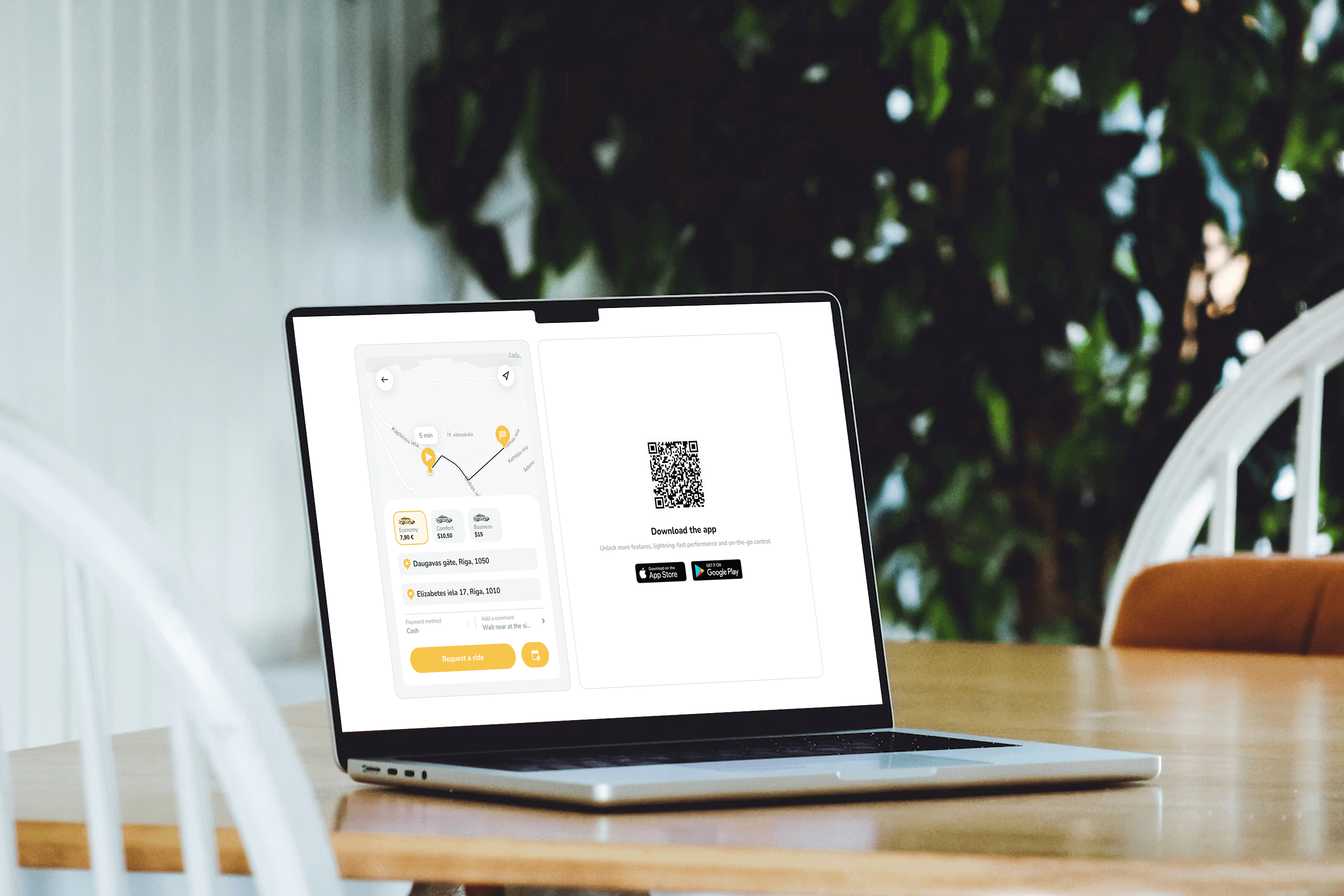
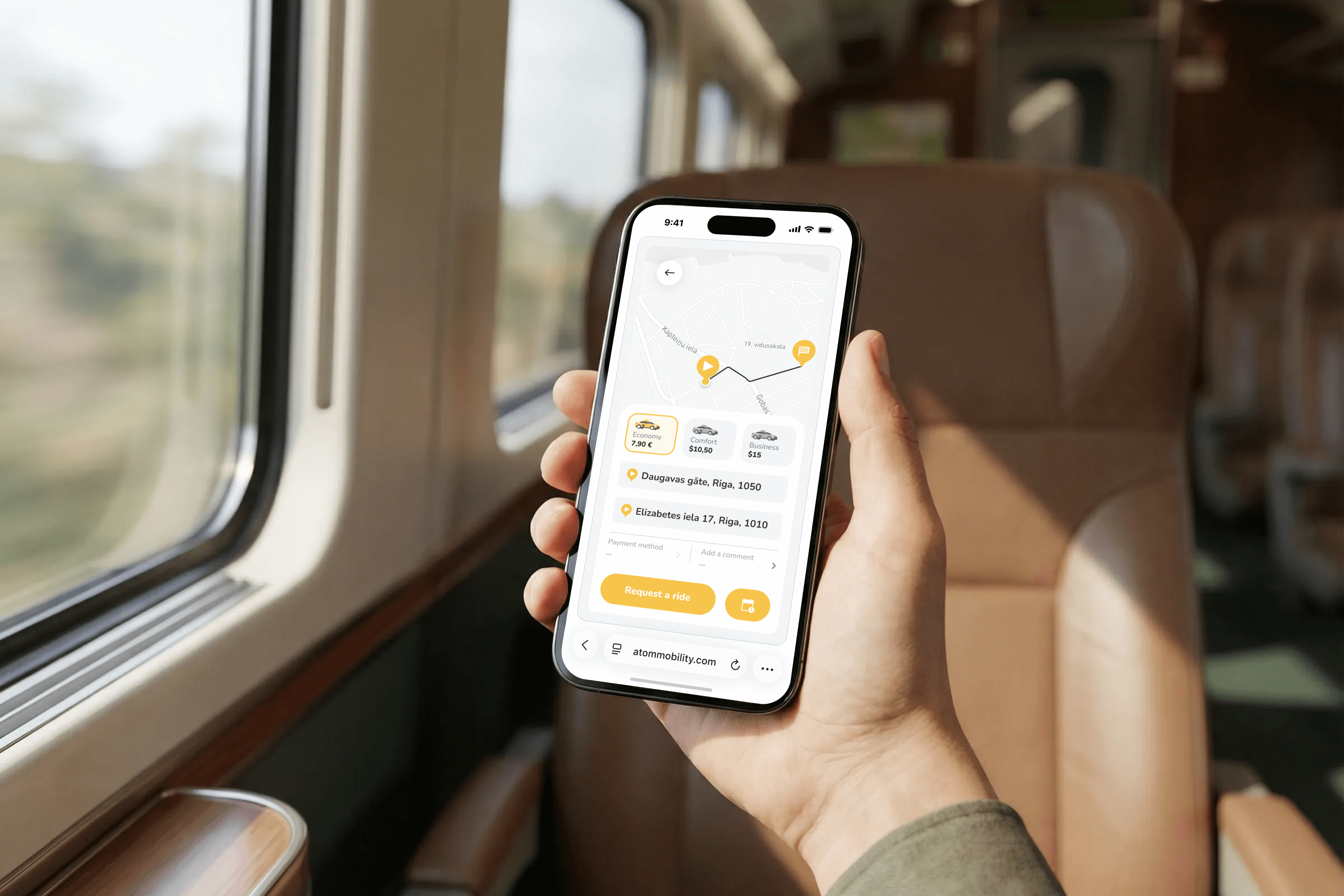
🚕 Web-booker is a lightweight ride-hail widget that lets users book rides directly from a website or mobile browser - no app install required. It reduces booking friction, supports hotel and partner demand, and keeps every ride fully synced with the taxi operator’s app and dashboard.
What if ordering a taxi was as easy as booking a room or clicking “Reserve table” on a website?
Meet Web-booker - a lightweight ride-hail booking widget that lets users request a cab directly from a website, without installing or opening the mobile app.
Perfect for hotels, business centers, event venues, airports, and corporate partners.
👉 Live demo: https://app.atommobility.com/taxi-widget
Web-booker is a browser-based ride-hail widget that operators can embed or link to from any website.
The booking happens on the web, but the ride is fully synchronized with the mobile app and operator dashboard.
No redirects. No app-store friction. No lost users.
This keeps fraud low while preserving conversion.
Web-booker addresses one of the most common friction points in ride-hailing: users who need a ride now but are not willing to download an app first. By allowing bookings directly from a website, operators can capture high-intent demand at the exact moment it occurs - whether that is on a hotel website, an event page, or a partner landing page.
At the same time, Web-booker makes partnerships with hotels and venues significantly easier. Instead of complex integrations or manual ordering flows, partners can simply place a button or link and immediately enable ride ordering for their guests. Importantly, this approach does not block long-term app growth. The booking flow still promotes the mobile app through QR codes and store links, allowing operators to convert web users into app users over time - without forcing the install upfront.
Web-booker is not designed to replace the mobile app. It extends the acquisition funnel by adding a low-friction entry point, while keeping all bookings fully synchronized with the operator’s app and dashboard.
👉 Try the demo
https://app.atommobility.com/taxi-widget
Want to explore a ride-hail or taxi solution for your business - or migrate to a more flexible platform? Visit: https://www.atommobility.com/products/ride-hailing
Credenciais de demonstração do Driver App - E-mail: test@atom.com, Senha: motorista

