تخصيص تطبيق ATOM Mobility - ما هي خياراتك؟
15/6/2023
الحد الأدنى للقراءة


واحدة من المزايا الرئيسية لاستخدام برنامج ATOM Mobility لعملك هي خيارات التخصيص السخية. يمكنك تصميم حل ATOM القوي لاحتياجات ومتطلبات علامتك التجارية، مما يسمح لها بالتعبير عن هويتك بصوت عالٍ وواضح.
ولكن بالنسبة لخدمات التنقل، لا يتعلق الأمر فقط بالعلامة التجارية للشركة - بل يتعلق أيضًا بالتكيف مع البيئة التي تعمل فيها خدمتك. يجب تصميم المظهر والجو وأنواع الدفع والحوافز المقدمة خصيصًا لتتماشى مع تفضيلات ومتطلبات السوق المعينة.
يعد التخصيص أمرًا بالغ الأهمية لنجاح الأعمال، حيث يتيح لك أن تصبح معروفًا ولا يُنسى وكسب قلوب السكان المحليين. إذن، كيف يمكنك فعل ذلك باستخدام تطبيق ATOM Mobility؟ هل العلامة التجارية هي الشيء الوحيد الذي يمكنك تخصيصه؟ تابع القراءة لمعرفة ذلك!
يجعل ATOM Mobility تخصيص التطبيق أمرًا بسيطًا وفعالًا بشكل لا يصدق عبر مشغل قوي (هذا أنت!) لوحة القيادة. إلى جانب التخصيص وإعداد التكوين، تتيح لك لوحة القيادة إدارة طلبات الأسطول والفريق والعملاء في مكان واحد. يمكنك تتبع مركباتك في الوقت الفعلي، والاطلاع على خرائط حرارة العملاء والتحليلات، والمزيد.
ولكن عندما يتعلق الأمر بتخصيص تطبيق العميل أو الراكب، فإليك نظرة عامة على جميع الأشياء التي يمكنك القيام بها لإنشاء حل فريد للتنقل.
يبدأ تخصيص تطبيق ATOM Mobility بما هو واضح - إضافة علامتك التجارية عبر لوحة القيادة. يتضمن ذلك:

ستؤدي إضافة برامج تعليمية مخصصة للمستخدم إلى تطبيقك إلى تسهيل الحياة بشكل ملحوظ للمستخدمين ودعم العملاء أيضًا. سيتم تغطية الأسئلة الشائعة الأساسية للمستخدمين، وسيكون لدى دعم العملاء المزيد من الوقت للتعامل مع المشكلات المعقدة.

يمكنك إضافة برامج تعليمية مختصرة للمستخدمين حول أي شيء، وستظهر في قسم البرامج التعليمية الخاصة على تطبيقك. في ما يلي قائمة بالبرامج التعليمية للمستخدمين التي يتم اختيارها بشكل شائع لإلهامك:
علاوة على ذلك، يمكنك تخصيص البرامج التعليمية للمستخدمين عن طريق إضافة الصور ومقاطع الفيديو القصيرة والأوصاف المخصصة. يمكنك أيضًا تقسيم كل برنامج تعليمي إلى عدة خطوات لتسهيل استيعاب المعلومات.
يقدم تطبيق عملاء ATOM Mobility مجموعة واسعة من الخيارات لتسعير المستخدم، مما يسمح لك باختيار أفضل الحزم لعملائك.
باستخدام تطبيق ATOM Mobility، يمكنك إصدار فاتورة للمستخدمين بثلاث طرق:
فيما يتعلق بالمحفظة الرقمية، فإن عملية التعبئة قابلة للتخصيص أيضًا. يمكنك اختيار مبالغ التعبئة، أو تعيين عدة مستويات للتعبئة، أو إضافة خيار التعبئة التلقائية - على سبيل المثال، إذا وصلت المحفظة الرقمية للمستخدم إلى مبلغ X من المال، فسيتم تعبئتها تلقائيًا بمبلغ Y. علاوة على ذلك، يمكنك تعيين حد أدنى للرصيد للمحفظة الرقمية لتجنب المدينين.

بالإضافة إلى ذلك، هناك العديد من الخيارات لحساب رسوم الرحلة. يمكنك:
ما هو ملائم أيضًا - يوفر تطبيق ATOM Mobility خيار إضافة حزم اشتراك مدفوعة مسبقًا. تتوفر تصاريح يومية أو أسبوعية أو شهرية، ويمكنك تخصيص مجموعة واسعة من الائتمانات والصفقات لكل حزمة. على سبيل المثال، أي من مركبات مشغل التطبيق المتاحة للاستخدام في غضون 30 يومًا، وإلغاء قفل عشر مركبات + X دقيقة للركوب + Y دقائق التوقف المتاحة ضمن التذكرة اليومية، والمزيد.

هناك خيار آخر متاح عند تخصيص أسعار تطبيقك وهو تعيين خصومات للمركبات التي لم يتم استخدامها لعدد معين من الساعات. بهذه الطريقة، يمكنك الترويج لاستخدام أكثر تكافؤًا لمركباتك.
باستخدام ATOM Mobility، يمكنك أيضًا تخصيص مناطق وقوف السيارات. يتيح لك ذلك تقسيم مدينتك بسهولة إلى مناطق خالية أو خالية من مواقف السيارات - ستظهر باللون الأخضر أو الأحمر على التطبيق.

علاوة على ذلك، يمكنك إنشاء ما يسمى بمناطق المكافآت - إذا كانت السيارة متوقفة هناك، يحصل المستخدم على خصم 10٪ على رحلته. تساعد إضافة مناطق وقوف السيارات الإضافية على تحفيز مواقف السيارات في «النقاط الساخنة» بالمدينة - وهو أمر مفيد من منظور الأعمال.
بالإضافة إلى ذلك، يمكنك إضافة مناطق وقوف السيارات المدفوعة حيث لا يُحظر وقوف السيارات، ولكن يتم تحصيل مبلغ معين من المستخدمين إذا أوقفوا سياراتهم هناك. مرة أخرى، يسمح لك هذا بتنظيم مكان وقوف المركبات الخاصة بك للحصول على كرة العمل هذه.
من الممكن أيضًا إضافة مناطق حدود السرعة إلى الحل الخاص بك لمساعدة المستخدمين على متابعة السرعة القصوى المسموح بها في مناطق المشاة. في حين أن الامتثال لحدود السرعة يجب أن يكون بديهيًا، إلا أننا نعلم جميعًا أن السرعة تحدث أحيانًا، مما يتسبب في مخاطر حوادث المرور غير الضرورية.
دعم العملاء الممتاز والمريح هو الشيء الحاسم التالي لأي تطبيق تنقل يعمل بشكل جيد. باستخدام ATOM Mobility، يمكنك إضافة العديد من خيارات دعم العملاء إلى قسم التطبيق:

ميزة مفيدة يقدمها برنامج ATOM Mobility هي الفواتير الآلية. عندما ينهي المستخدمون رحلتهم، يتلقون فاتورة في صندوق الوارد الخاص بهم، دون أي عمل يدوي من جانبك.
علاوة على ذلك، يمكن تخصيص الفواتير أيضًا. يمكنك إضافة علامتك التجارية - الشعار ونظام الألوان - وتخصيص حقول الفاتورة وإضافة ضريبة القيمة المضافة للبلد ومتطلبات إعداد التقارير الضريبية والمزيد.

ليس سراً أن برامج الإحالة يمكن أن تجلب عملاء جدد، وتزيد من ولاء العملاء، وتحسن رضا العملاء، وتقلل تكاليف اكتساب العملاء، وأكثر من ذلك. تقدم ATOM Mobility إضافة برنامج إحالة إلى تطبيقك الفريد حتى تتمكن من الحصول على هذه المزايا وغيرها.
يمكنك إعداد رمز ترويجي يمكن للمستخدمين توزيعه على أصدقائهم، الذين سيحصلون على مكافأة أو خصم مقابل رحلتهم الأولى. سيحصل موزعو الرمز الترويجي أيضًا على مكافأة في محفظتهم الرقمية أو خصمًا على رحلتهم التالية بعد أن يكمل الوافد الجديد رحلته الأولى.

مع ATOM Mobility، لن تضطر إلى الالتزام بنوع واحد من خدمات التنقل. يمكنك - ويجب عليك - توسيع نطاق عملك إلى قطاعات أخرى كلما رأيت ذلك ممكنًا.
لهذا السبب تقدم ATOM Mobility خيار وضع ثلاث وحدات أعمال على منصتك - مشاركة السيارة، الترحيب بركوب الخيل، و تأجير رقمي. قم بتوسيع خدماتك، وكن منصة التنقل المفضلة لمدينتك في أي وقت من الأوقات.
الآن بعد أن عرفت خيارات التخصيص الرئيسية التي يقدمها تطبيق ATOM Mobility، فإن خطوتك التالية هي انغمس في صياغة حل التنقل المخصص الخاص بك. لن يستغرق الأمر الكثير من الوقت - يمكننا إطلاق مجموعة البرامج المخصصة الخاصة بك في أقل من 20 يومًا. بالإضافة إلى ذلك، يمكن إجراء 98٪ من تخصيصات التطبيق عبر لوحة تحكم مشغل التطبيق.
ولدت جوهرنا وقيمك وأفضل حل للتنقل لمدينتك!
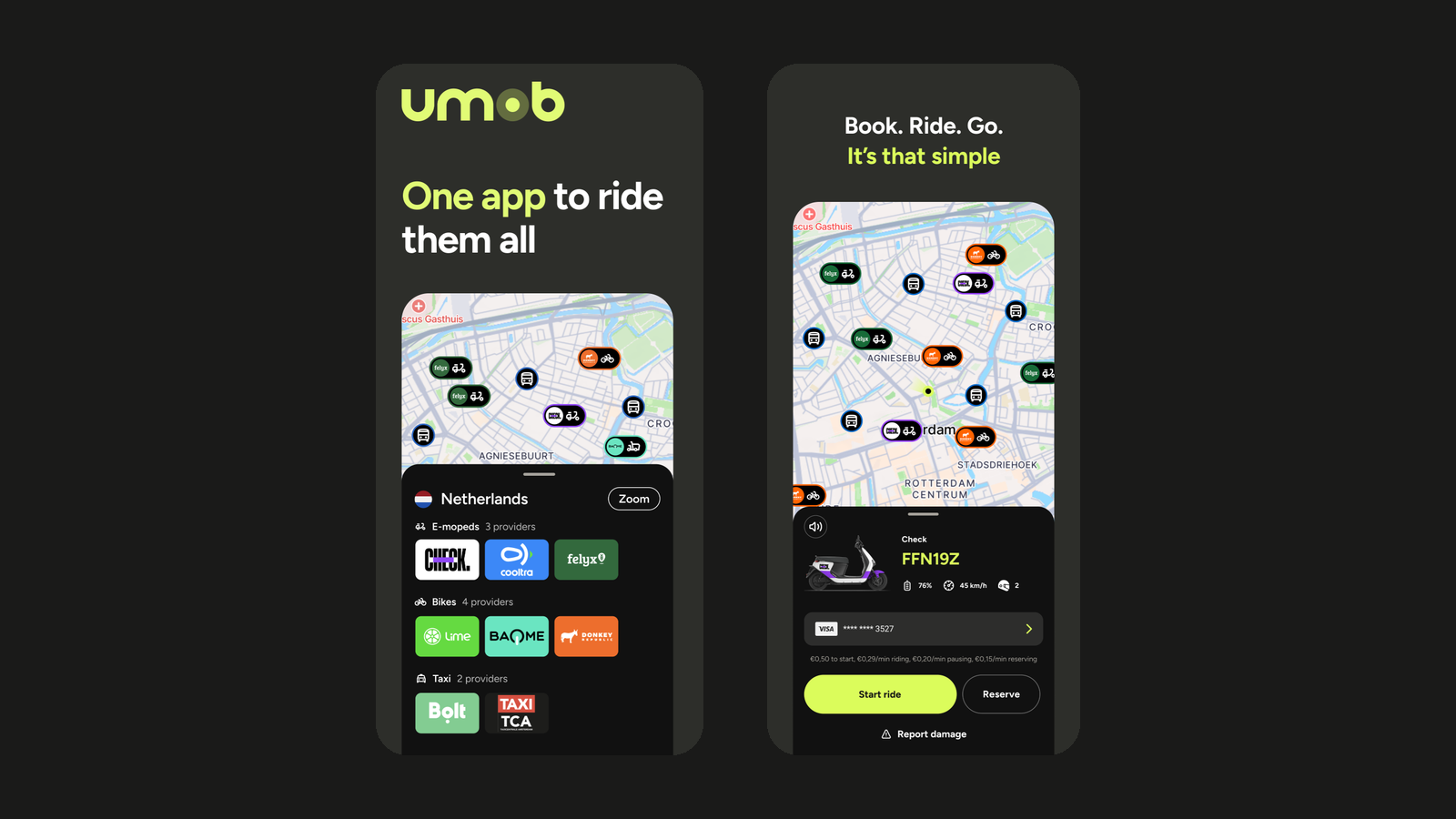
🌍 يمكنك الوصول إلى المزيد من الركاب مع ATOM Mobility وUmob. يمنح هذا التكامل مشغلي التنقل المشترك قناة توزيع إضافية، مما يساعد في جذب عملاء جدد، وزيادة الحجوزات، وتحسين معدلات استخدام الأسطول.
مستقبل التنقل لا يقتصر فقط على تشغيل المركبات، بل يتعلق بابتكار رحلات مريحة تجمع بين خيارات النقل المختلفة في تجربة مستخدم واحدة بسيطة.
ولهذا السبب يسعدنا تسليط الضوء على شراكتنا مع Umob، مما يساعد مشغلي التنقل على توسيع نطاق وصولهم وأن يصبحوا جزءاً من منظومة تنقل متعددة الوسائط متنامية.
سواء كنت تدير سيارات أو سكوترات أو دراجات هوائية أو دراجات نارية مشتركة عبر منصة ATOM Mobility، فإن التكامل مع Umob يجعل خدمتك متاحة لـ آلاف مستخدمي Umob الباحثين عن وسيلة تنقل مريحة.
يتوقع مستخدمو اليوم مرونة عالية؛ فهم لا يفكرون في مزودي خدمات التنقل بشكل منفصل، بل يريدون ببساطة أسرع وأسهل وأكثر الطرق ملاءمة للانتقال من النقطة (أ) إلى النقطة (ب).
تجمع Umob بين مختلف مزودي خدمات التنقل وخيارات النقل في تطبيق واحد. يمكن للمستخدمين العثور على خيارات التنقل المختلفة ومقارنتها وحجزها والدفع مقابلها دون الحاجة إلى تنزيل تطبيق منفصل أو إنشاء حساب جديد لكل مزود خدمة.
من خلال ربط أسطولك بـ Umob، يمكن للمشغلين:
بالنسبة لعملاء ATOM Mobility، صُمم هذا التكامل لتوفير طريقة مباشرة لفتح فرص توزيع جديدة مع الاستمرار في إدارة عملياتهم الأساسية من خلال منصة ATOM Mobility.
من خلال منصة ATOM Mobility، يمكن للمشغلين المشاركين ربط أساطيلهم بـ Umob، مما يتيح للمستخدمين اكتشاف المركبات المتاحة واستخدامها مباشرة عبر تطبيق Umob.
بمجرد الربط، ستظهر مركبات المشغلين المشاركين في Umob إلى جانب خيارات التنقل الأخرى المتاحة، مما يمنح المستخدمين نظرة عامة واضحة على الطرق المختلفة التي يمكنهم من خلالها الانتقال من النقطة (أ) إلى النقطة (ب).
يمكن للمستخدمين العثور على مركبة متاحة، وحجزها وفتح قفلها، وبدء رحلتهم وإنهائها، والدفع مباشرة من خلال تطبيق Umob.
صُمم هذا التكامل لدعم:
يواصل المشغلون إدارة أساطيلهم، وتسعيرهم، ومناطق الخدمة، والعمليات اليومية من خلال منصة ATOM Mobility، بينما توفر Umob قناة إضافية يمكن للمستخدمين من خلالها العثور على المركبات والوصول إليها.
بالنسبة لمشغلي التنقل، يتيح الربط مع Umob قناة توزيع إضافية دون تغيير الطريقة التي يديرون بها عملياتهم اليومية عبر ATOM Mobility.
من خلال إتاحة المركبات لآلاف مستخدمي Umob، يمكن للمشغلين زيادة ظهورهم في اللحظة التي يبحث فيها الأشخاص بنشاط عن وسيلة تنقل. وهذا يخلق إمكانية لجذب مستخدمين جدد، وتحقيق المزيد من الحجوزات، وتحسين معدل استخدام الأسطول بمرور الوقت.
يختلف كل سوق عن الآخر، لكن العديد من المشغلين يرون في شراكات "التنقل كخدمة" (MaaS) جزءاً مهماً من استراتيجية نموهم طويلة الأمد.
أحد أوائل مشغلي ATOM Mobility الذين انطلقوا من خلال تكامل Umob هو ZEUS Mobility، وهو مزود أوروبي طموح لخدمات مشاركة السكوتر الكهربائي، يركز بقوة على الابتكار، ويتبنى نهجاً ديناميكياً، ويسعى لمنافسة اللاعبين الراسخين في السوق.
ومن المناسب أن الشراكة بحد ذاتها بدأت من خلال شبكة ATOM Mobility.
التقت ZEUS وUmob لأول مرة في فعالية ATOM Mobility في ريغا. وعلى الرغم من أن التعارف الأولي حدث أثناء الفعالية، إلا أن المحادثة الجدية بدأت فعلياً خلال جلسة غير رسمية في وقت لاحق من ذلك المساء.
كانت ZEUS قد صادفت علامة Umob التجارية على مركبات التنقل أثناء السفر، وقد أُعجبت بالنهج المهني الذي تتبعه الشركة. وسرعان ما تحول ذلك التعرف إلى محادثة حول كيفية تعزيز الشركتين لعروضهما من خلال العمل معاً.
ومن هناك، تقدمت عملية التكامل بسرعة. وتصف ZEUS عملية الإعداد والتكامل حتى الآن بأنها "نظيفة واحترافية وسلسة."
بالنسبة لشركة ZEUS، تمثل هذه الشراكة فرصة لتعزيز حضور علامتها التجارية، والوصول إلى عملاء جدد، ودعم طموحاتها التوسعية في أوروبا.
عقب استحواذها على Superpedestrian في مايو 2026، تتطلع ZEUS إلى تسريع وتيرة نموها خلال عامي 2026 و2027، وتعد شراكتها مع Umob جزءاً من هذا الطموح.
"نحن في ZEUS سعداء للغاية بالشراكة مع Umob في الأسواق الأوروبية. فبعد استحواذنا على Superpedestrian في مايو 2026، نسعى في ZEUS إلى تحقيق نمو سريع خلال عامي 2026 و2027. ستساعدنا هذه الشراكة في دفع عجلة هذا النمو والوصول إلى عملاء جدد في أسواق جديدة. نتطلع إلى شراكة مثمرة." - داميان يونغ، ZEUS Mobility
تطبيق واحد لكل تنقلاتك. Umob هي منصة تنقل شاملة تجمع بين مختلف مزودي خدمات التنقل وخيارات النقل في تطبيق واحد.
يمكن للمستخدمين العثور على الدراجات المشتركة، والدراجات الكهربائية، والسكوتر، والدراجات النارية، ووسائل النقل العام، وسيارات الأجرة، وغيرها من خيارات التنقل المتاحة، ومقارنتها وحجزها والدفع مقابلها من خلال حساب واحد وتجربة دفع موحدة. فبدلاً من تنزيل تطبيق منفصل والتسجيل فيه لكل مزود خدمة أو في كل مدينة جديدة، يمكن للمستخدمين فتح تطبيق Umob والاطلاع على خيارات التنقل المتاحة من حولهم.
تتوفر Umob اليوم في أكثر من 28 دولة و300 مدينة، مما يتيح لآلاف المستخدمين طريقة أسهل للوصول إلى مختلف وسائل التنقل سواء في مدنهم أو أثناء السفر.
حقائق رئيسية
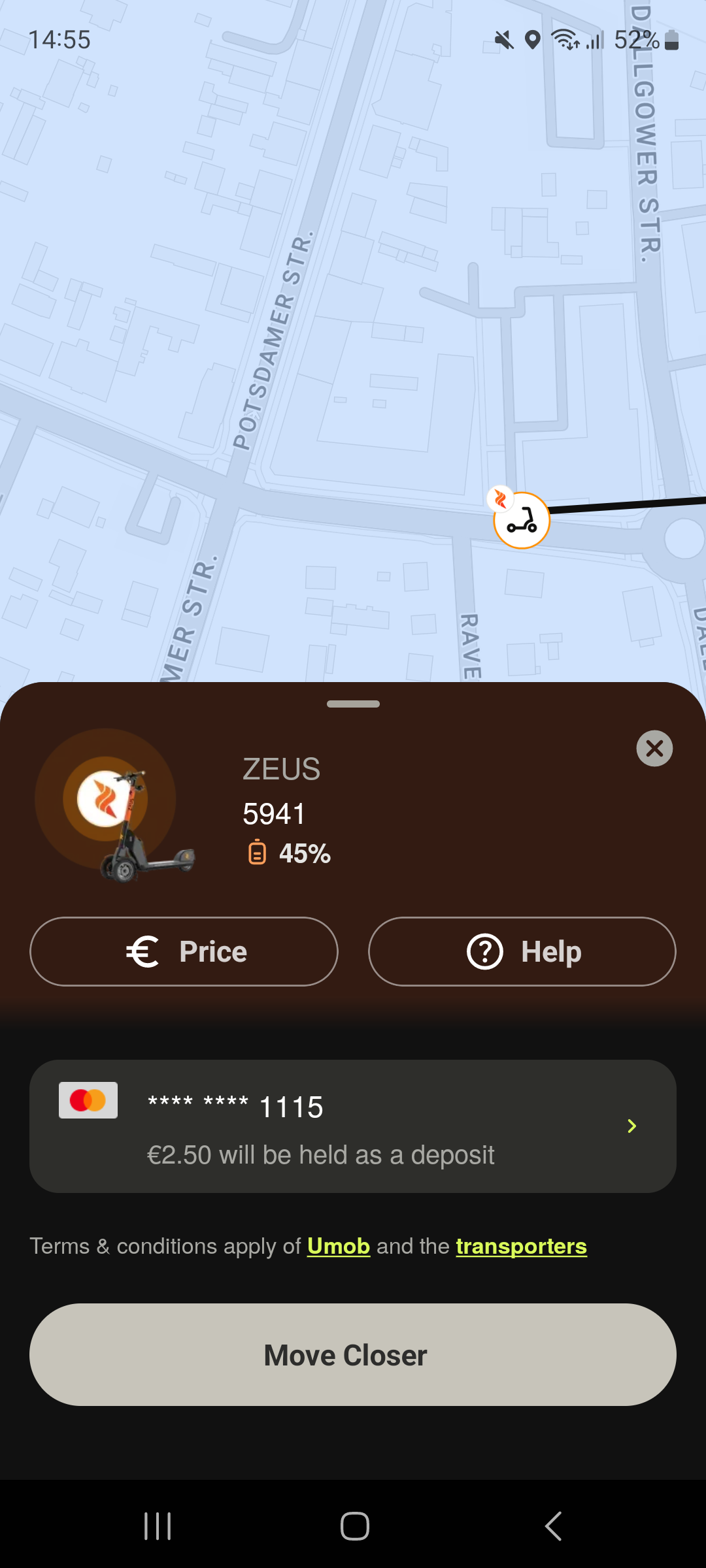
إذا كنت تدير بالفعل خدمة التنقل المشترك الخاصة بك على منصة ATOM Mobility، فإن الربط مع Umob قد يكون الخطوة التالية نحو الوصول إلى المزيد من المستخدمين وأن تصبح جزءاً من منظومة تنقل مترابطة حقاً.
إذا كنت مهتماً بتفعيل هذا التكامل أو معرفة المزيد حول كيفية عمله، تواصل مع فريقنا. نحن نتطلع إلى مساعدة المزيد من المشغلين على التواصل والتعاون وجعل التنقل المستدام أسهل للجميع.
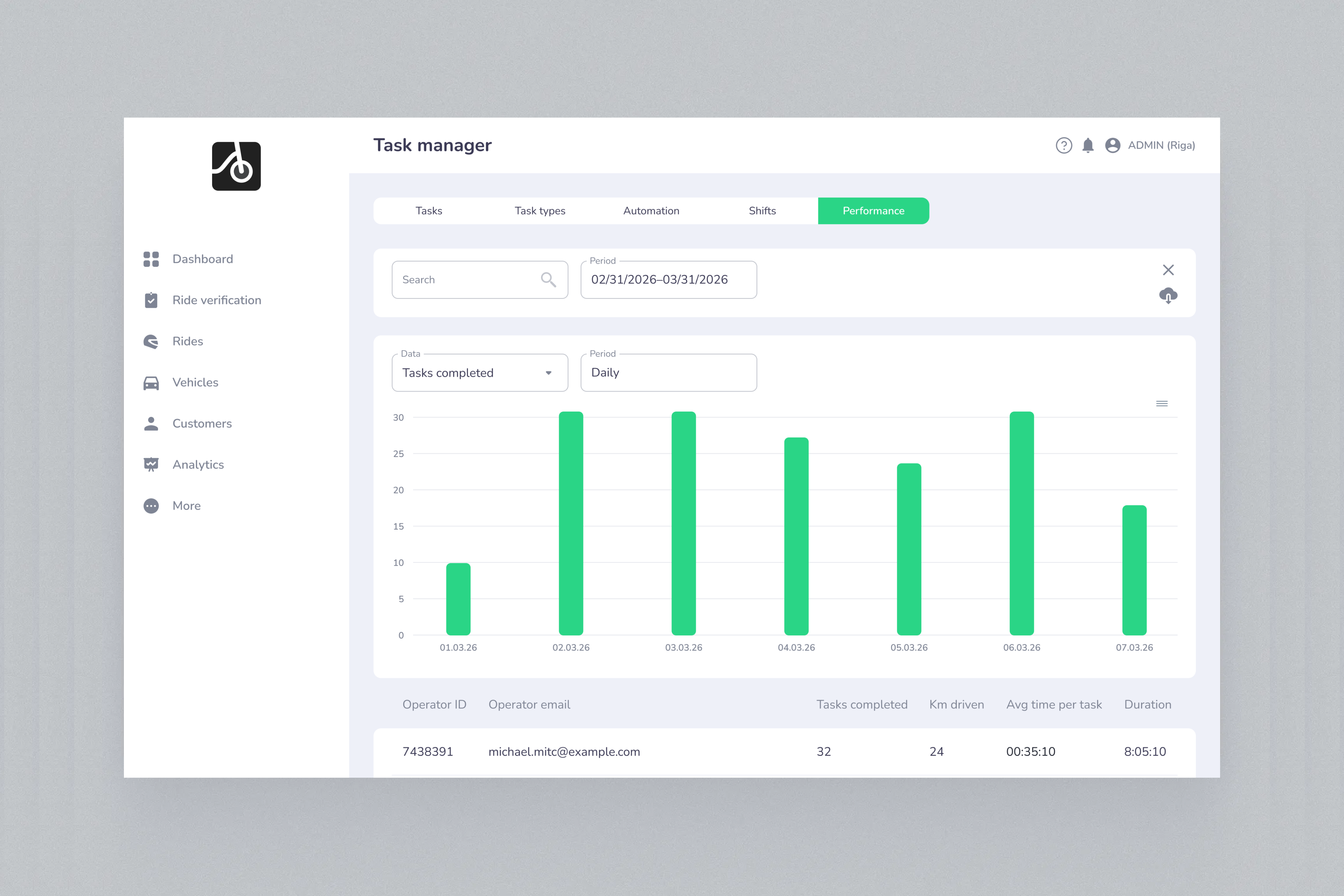
👷📊 يتجاوز مدير مهام ATOM الآن مجرد توزيع المهام بفضل وظائف الورديات وأداء المشغلين الجديدة. تتبع مسارات الورديات، والمسافة المقطوعة، والمهام المنجزة، والوقت المستغرق لكل مهمة، وأداء كل مشغل على حدة، مما يمنح مديري الأساطيل رؤية أوضح بكثير للعمليات الميدانية ومستوى الكفاءة.
لا تقتصر إدارة أسطول كبير للتنقل المشترك أو التأجير على معرفة المهام التي تم إنجازهافحسب، بل تتعلق أيضاً بفهم مدى كفاءة عمل الفرق الميدانية. لقد قمنا بتوسيع مدير مهام ATOM Mobility بشكل كبير بإضافة وظائف الورديات والأداء، مما يمنح مديري الأساطيل رؤية أفضل بكثير لنشاط المشغلين، وعبء العمل، والمسارات، ومستوى الأداء.
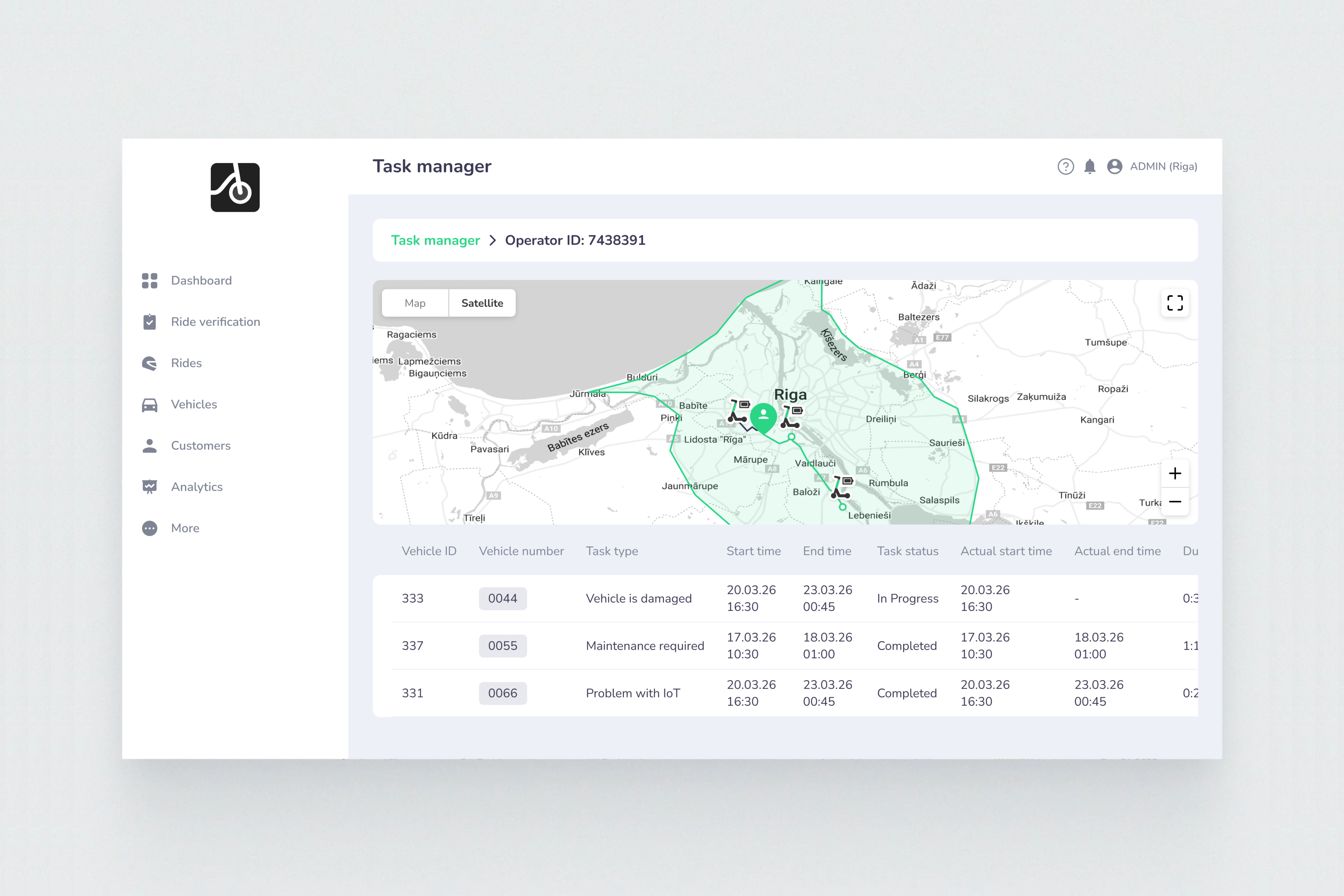
تمنحك علامة التبويب الورديات الجديدة للمديرين نظرة عامة مركزية على جميع ورديات المشغلين، بما في ذلك:
يمكن للمديرين فتح أي وردية فردية للاطلاع على الصورة التشغيلية الكاملة. فلكل مهمة، يمكنك رؤية المركبة، ونوع المهمة، ووقت البدء المخطط له والموعد النهائي، وأوقات البدء والانتهاء الفعلية، والحالة، والمدة الإجمالية للمهمة.
تتضمن كل وردية أيضاً خريطة توضح حركة المشغل الكاملة أثناء الوردية والمواقع التي تم تنفيذ المهام الفردية فيهابالنسبة للنوبات الجارية حالياً، يمكن للمديرين أيضاً الاطلاع على الموقع الحالي للمشغل.
وهذا يسهل كثيراً فهم المسار الفعلي، وحجم العمل، والقرارات المتخذة خلال كل نوبة، بالإضافة إلى تحديد فرص تحسين كيفية إدارة فرق العمل الميدانية لصيانة الأسطول وعملياته.
علامة التبويب الأداء الجديدة تجمع النتائج التشغيلية لكل مشغل خلال فترة زمنية محددة.
يمكن للمديرين تتبع:
بدلاً من مراجعة مئات المهام الفردية، يمكن للمديرين مقارنة المشغلين بسرعة، وتحديد أصحاب الأداء المتميز، ورصد المجالات التي قد تحتاج إلى تدريب إضافي أو تحسينات تشغيلية.
لجعل بيانات الأداء دقيقة ومفيدة، قدمنا أيضاً سير عمل جديد للنوبات والمهام في تطبيق ATOM للمشغلين. يبدأ المشغلون الآن نوبات عملهم وينهونها مباشرة من خلال التطبيق، بينما يتم تسجيل أوقات بدء المهام الفردية وإتمامها تلقائياً.
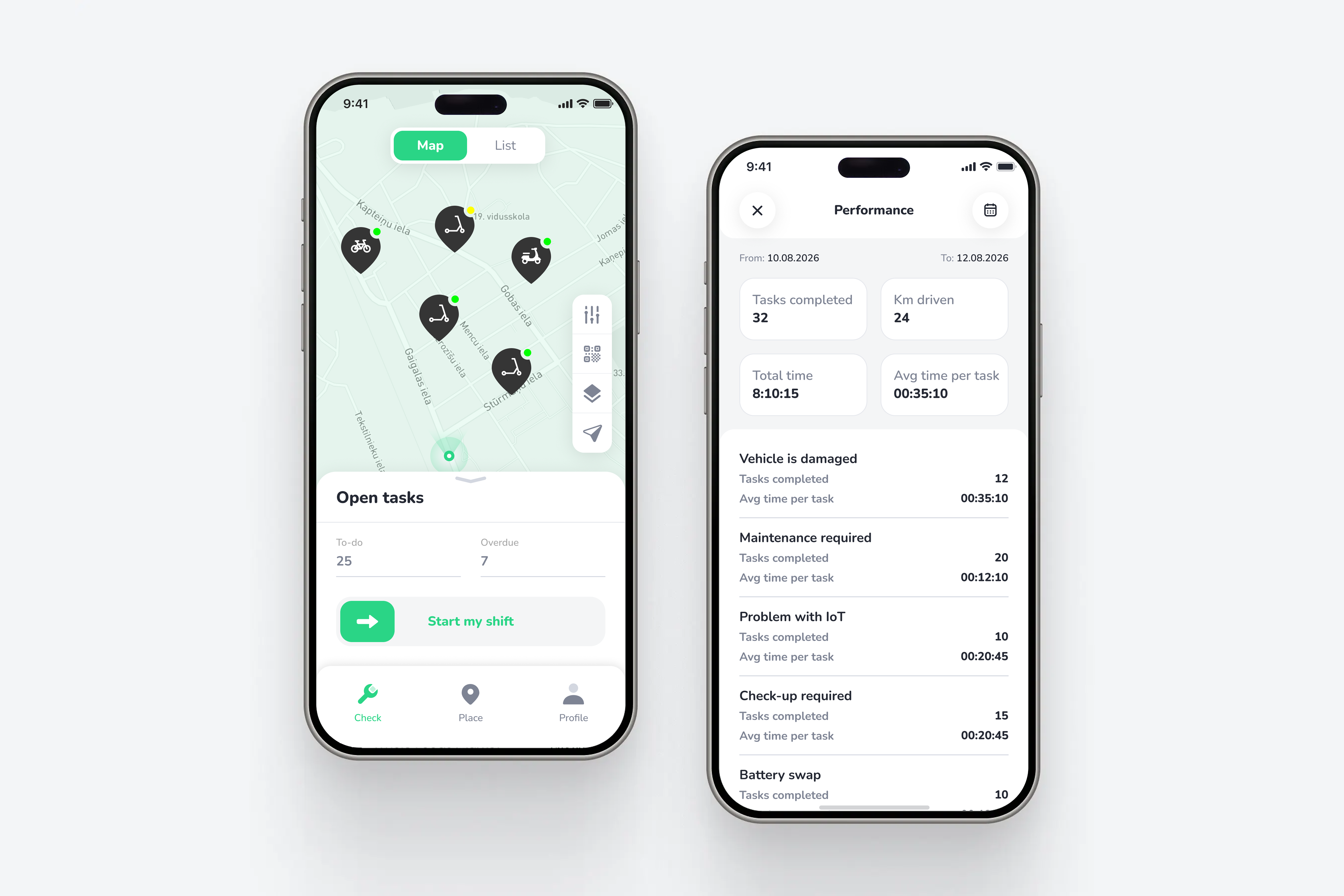
لقد أضفنا أيضاً:
معاً، تحول هذه التحديثات ATOM Task Manager من مجرد أداة لتوزيع المهام إلى نظام أكثر تكاملاً لأداء وتحسين العمليات الميدانية. يحصل المشغلون على سير عمل أوضح ورؤية أفضل لأدائهم الشخصي، بينما يحصل المديرون على البيانات التي يحتاجونها لفهم كيفية سير عملياتهم الميدانية فعلياً وتحديد مجالات تحسين الكفاءة.
الوظائف الجديدة متاحة لوحدات مشاركة المركبات و التأجير الرقمي في ATOM Mobility.
👉 اقرأ المزيد عن آخر تحديثات منصتنا:
https://www.atommobility.com/atomupdates
استخدم بيانات اعتماد الاختبار لتسجيل الدخول - رقم الهاتف: +1 123123123، الكود: 777777


بيانات اعتماد الإصدار التجريبي من تطبيق Driver - البريد الإلكتروني: test@atom.com، كلمة المرور: برنامج التشغيل