من النقر على الهاتف إلى القيادة السلسة: المجموعة التقنية وراء التنقل المشترك الحديث
2/12/2025
الحد الأدنى للقراءة

يمكنك فتح تطبيق، وتحديد السكوتر على الخريطة، وفي غضون ثوانٍ يتم فتحه بنقرة واحدة. تنطلق، وتتوقع أن يتم شحن البطارية، وأن تعمل الفرامل، وستشعر العملية برمتها بالسهولة. منذ الرحلة الأولى، وضع التنقل المشترك المعيار: يجب أن تكون المركبات دائمًا قريبة وجاهزة للانطلاق، ويجب أن تشعر التجربة بأكملها بالسلاسة. ومع ذلك، فإن ما لا يفكر فيه معظم الدراجين أبدًا هو المزيج المعقد من الأجهزة والبرامج التي تعمل في الخلفية لجعل كل رحلة سلسة ممكنة.
التكنولوجيا هي الأساس لنموذج أعمال التنقل المشترك. كل رحلة تعتمد عليها. تحتاج المركبات إلى أجهزة إنترنت الأشياء لقفلها وفتحها والإبلاغ عن حالتها. يجب أن يكون الاتصال مستقرًا حتى يعرف المشغلون دائمًا مكان الأصول والحالة التي توجد فيها.
من ناحية البرامج، يتوقع الركاب تطبيقات تبدو فورية وسهلة الاستخدام، بينما يعتمد المشغلون على لوحات المعلومات لصحة الأسطول والتسعير والدعم. أضف إلى ذلك حقائق السرقة ومقايضة البطاريات ووقت التعطل واللوائح المحلية، وستصبح المخاطر واضحة. فبدون مجموعة تقنية موثوقة، حتى الأعطال الصغيرة - السكوتر الذي لا يفتح القفل أو الدفع الذي يتوقف - يمكن أن تكسر ثقة المستخدم بسرعة وتضر بالعمل.
على مر السنين، دخلت العديد من الشركات المصنعة مساحة إنترنت الأشياء للتنقل المشترك، حيث قدمت تكوينات مختلفة للأجهزة وتقنيات الشبكات وعمليات الدمج. شركات مثل تيلتونيكا (ليتوانيا)، وحدة (إستونيا)، معكوس (ألمانيا) و OMNI (الصين) و أخرى إنتاج وحدات متوافقة مع أنواع المركبات المختلفة ومعايير الاتصال. يركز كل مزود على نقاط القوة المحددة - يعطي البعض الأولوية لكفاءة الطاقة أو التصميم المدمج، بينما يركز البعض الآخر على التغطية العالمية أو التشخيصات المتقدمة. يعتمد الاختيار بينهما على نوع المركبات والمقياس التشغيلي والنظام البيئي للبرامج الذي يخطط المشغل لاستخدامه.
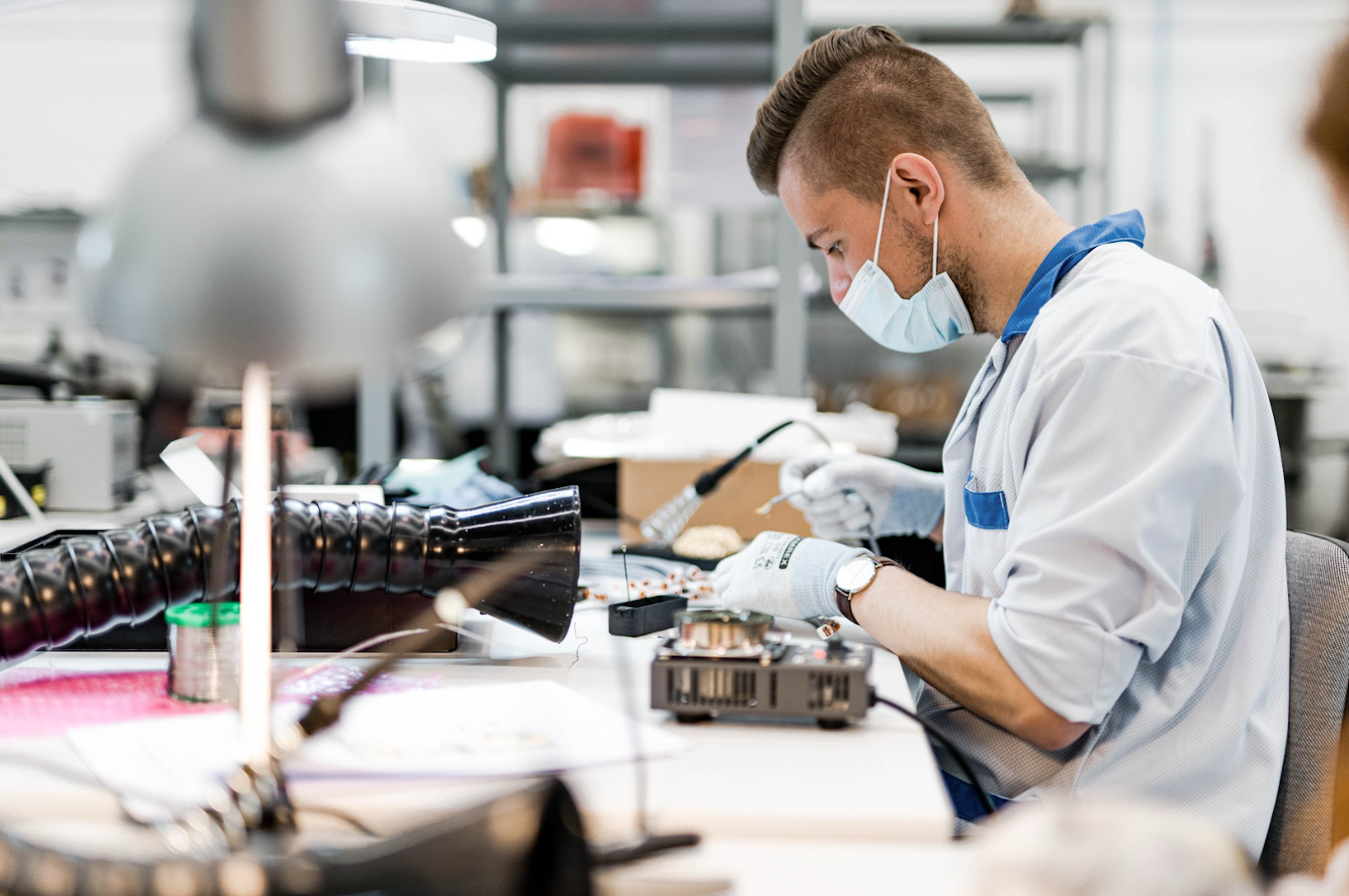
شريكنا، وحدة كانت تعمل بالفعل على تطوير إنترنت الأشياء للتنقل الدقيق عندما انتشر جائحة كورونا. بين عشية وضحاها، تغيرت المدن وأصبح الجميع بحاجة إلى طريقتهم الآمنة والخاصة للتنقل. تحولت الدراجات البخارية والدراجات المشتركة فجأة من خدمة متخصصة إلى جزء أساسي من النقل الحضري، وارتفع الطلب على إنترنت الأشياء بشكل كبير. بالنسبة لمصنعي إنترنت الأشياء، كان ذلك يعني أيامًا طويلة في التطوير والتصنيع، والسعي الجاد لتقديم أجهزة موثوقة على نطاق واسع لعلامات تجارية مثل Uber و Lime و Hive.
أجبرهم هذا الارتفاع الحاد في الطلب على النمو بسرعة وأعطاهم خبرة قيمة في تكنولوجيا البناء التي يمكن أن تعمل تحت ضغط حقيقي. تمتلك الأساطيل التي تثق في أجهزة Comodule عمودًا أساسيًا يمكنها الاعتماد عليه: المركبات التي يمكن تحديد موقعها وإلغاء قفلها وتأمينها وإدارتها دوليًا. وبنفس القدر من الأهمية، كان على إنترنت الأشياء أن يتكامل بسلاسة مع أنظمة البرامج (مثل ATOM Mobility). لهذا السبب أصبح بناء أدوات API و SDK القوية أمرًا بالغ الأهمية - مما يتيح للمشغلين توصيل الأجهزة بمنصاتهم والتحكم في الأساطيل في الوقت الفعلي والوصول إلى المعلومات اللازمة لمواصلة التحرك.
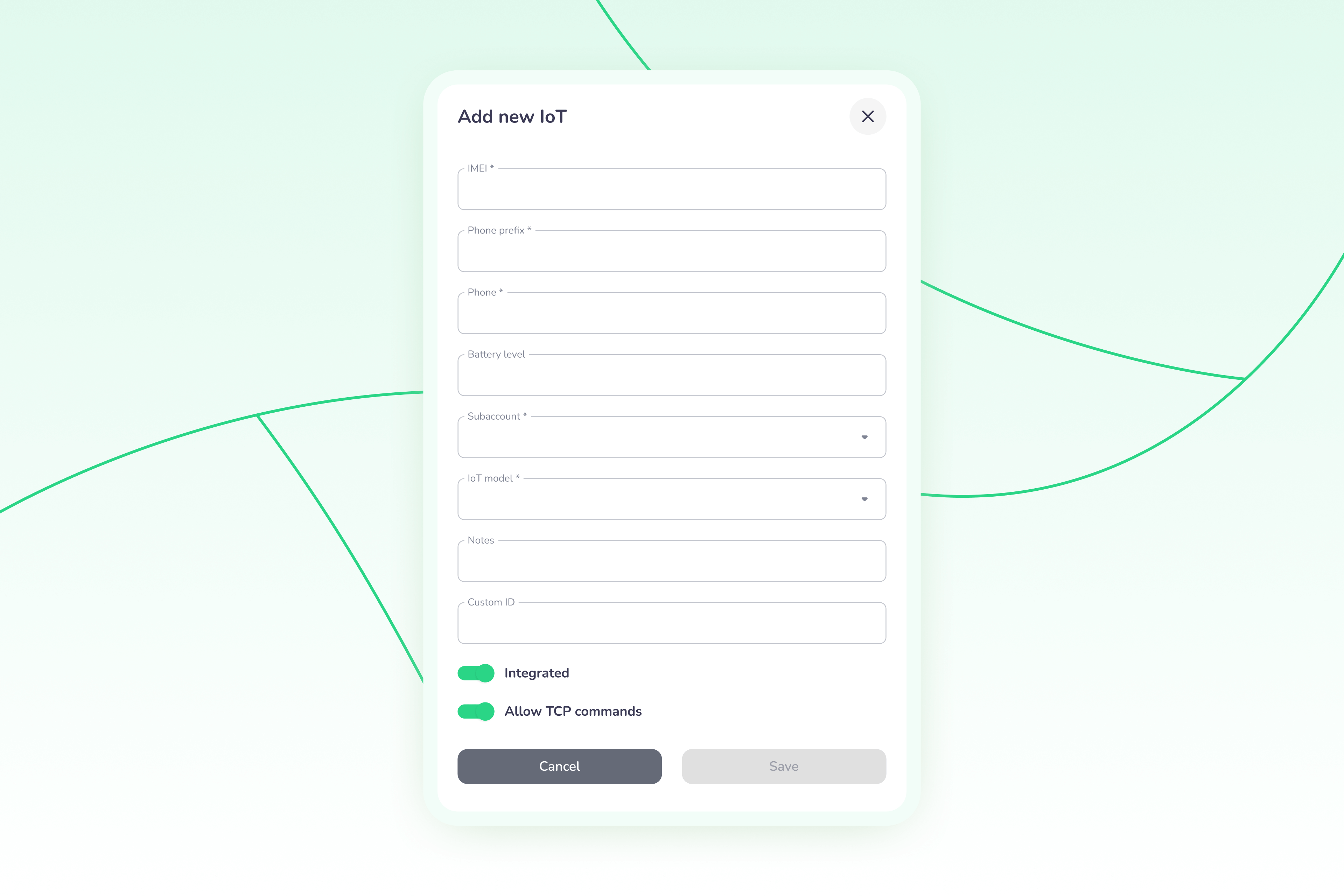
يوجد داخل كل سكوتر أو دراجة متصلة وحدة إنترنت الأشياء، وهي «الدماغ» الذي يربط السيارة بالسحابة. يتصل من خلال الشبكات الخلوية، ويرسل باستمرار بيانات حول الموقع والسرعة وحالة البطارية. عندما ينقر الراكب على «إلغاء القفل» في التطبيق، ينتقل هذا الأمر عبر السحابة إلى الوحدة، التي تقوم بتشغيل القفل الإلكتروني وإيقاظ السيارة. يسمح نفس الاتصال للمشغلين بتعيين مناطق حظر وقوف السيارات ذات السياج الجغرافي، أو دفع التحديثات عبر الهواء، أو تنشيط إنذار صوتي في حالة العبث بالسكوتر. تقوم مستشعرات البطارية داخل الوحدة بالإبلاغ عن دورات الشحن والحالة، حتى يعرف المشغلون بالضبط متى يجب تبديل الحزمة أو استبدالها.
يتم بث كل هذه البيانات في الوقت الفعلي إلى نظام إدارة الأسطول، مما يمنح مقدمي الخدمة القدرة على مراقبة مئات أو حتى آلاف المركبات في وقت واحد. بالنسبة للمشغلين، تعني هذه القدرات وقت تشغيل أعلى واسترداد أسرع للسرقة والتحكم الدقيق في الأسطول بأكمله - الفرق بين تشغيل عملية صعبة وعملية مربحة.
ومع نضوج التنقل المشترك، استمر المستوى في الارتفاع. جاءت أجيال السكوتر الجديدة مع بطاريات قابلة للتبديل وإطارات أكثر ثباتًا وإلكترونيات أفضل على متن الطائرة. اعتاد الراكبون على التطبيقات التي تستجيب على الفور، وتعالج المدفوعات في ثوانٍ، وتظهر مدى توفر السيارة بدقة بالغة.
في الوقت نفسه، ارتفعت المنافسة، ليس فقط من اللاعبين العالميين ولكن أيضًا من المشغلين المحليين الأصغر الذين يطلقون الأساطيل في مدنهم. بالنسبة لهذه الشركات، لم تعد الأجهزة الموثوقة كافية. لقد احتاجوا إلى طبقة البرامج التي تربط كل شيء: تطبيقات السائق السلسة، ولوحات معلومات المشغل القوية، و تحليلات لاتخاذ قرارات أكثر ذكاءً. ومع ذلك، كان الكثيرون يفتقرون إلى الوقت والموارد لبناء البرامج بأنفسهم.

ومع نمو الأساطيل واشتداد المنافسة، أدرك المشغلون أنه ليس لديهم الوقت أو الأموال لتطوير طبقة البرامج الخاصة بهم. لقد احتاجوا إلى منصة جاهزة للسوق تربط كل شيء معًا - تطبيقات يستمتع الراكبون باستخدامها ولوحات تحكم تمنح المشغلين التحكم الكامل في أعمالهم. هذا هو المكان الذي تأتي فيه حلول مثل ATOM Mobility.
تتصل المنصة مباشرة بـ Comodule IoT من خلال واجهات برمجة التطبيقات وحزم SDK، بحيث يتدفق كل أمر فتح أو رمز خطأ أو تحديث للبطارية على الفور بين تطبيق الراكب ولوحة معلومات المشغل. يمكن لأي شركة تقريبًا إطلاق أسطول بهذه المجموعة - من المشغلين الكبار إلى الوافدين الجدد المحليين الصغار.
عندما تعمل الأجهزة والبرامج بسلاسة، فإن تجربة الراكب تبدو سهلة. بنقرة بسيطة في التطبيق ترسل أمرًا عبر السحابة إلى إنترنت الأشياء، والذي يفتح السيارة ويعيد بث البيانات الحية مرة أخرى في أجزاء من الثانية. يرى المشغل على الفور حالة السيارة في لوحة القيادة: مستوى البطارية وموضع GPS وأي رموز خطأ.
إذا غادر السكوتر منطقة مسيجة جغرافيًا، يتفاعل النظام تلقائيًا. في حالة الحاجة إلى الصيانة، يتم وضع علامة على التنبيه قبل أن يتحول إلى عطل. من خلال الجمع بين الأجهزة والبرامج، يحصل مزودو الأساطيل على نظام بيئي كامل - مجموعة مصممة لإبقاء المركبات متصلة بالإنترنت ورضا المستخدمين.
من وجهة نظر الراكب، يجب أن يعمل التنقل المشترك دائمًا «فقط». هذا لن يتغير. لكن مجموعة التكنولوجيا التي تقف وراءها أصبحت أكثر تعقيدًا كل عام. تتطلب اللوائح الأكثر صرامة خدمات أكثر أمانًا وشفافية، بينما تضغط المدن من أجل الاندماج في منصات التنقل كخدمة الأوسع نطاقًا. توفر إنترنت الأشياء والبرامج معًا البيانات والتحكم الذي يحتاجه المشغلون، ليس فقط للبقاء متوافقين ولكن أيضًا لتحسين كفاءة الأسطول واستدامته وتقديم رؤى لتخطيط المدينة.
بالنسبة للمستخدمين، سيُترجم هذا التطور إلى شيء بسيط: خدمات أكثر موثوقية وأكثر أمانًا للجميع على الطريق وأكثر ذكاءً - مع بيانات من الاستخدام الحقيقي تساعد في تشكيل مركبات أفضل وبنية تحتية أفضل ومدن أفضل في المستقبل.
* تم إنشاء هذه المقالة مع شريكنا Comodule.
🌍 يمكنك الوصول إلى المزيد من الركاب مع ATOM Mobility وUmob. يمنح هذا التكامل مشغلي التنقل المشترك قناة توزيع إضافية، مما يساعد في جذب عملاء جدد، وزيادة الحجوزات، وتحسين معدلات استخدام الأسطول.
مستقبل التنقل لا يقتصر فقط على تشغيل المركبات، بل يتعلق بابتكار رحلات مريحة تجمع بين خيارات النقل المختلفة في تجربة مستخدم واحدة بسيطة.
ولهذا السبب يسعدنا تسليط الضوء على شراكتنا مع Umob، مما يساعد مشغلي التنقل على توسيع نطاق وصولهم وأن يصبحوا جزءاً من منظومة تنقل متعددة الوسائط متنامية.
سواء كنت تدير سيارات أو سكوترات أو دراجات هوائية أو دراجات نارية مشتركة عبر منصة ATOM Mobility، فإن التكامل مع Umob يجعل خدمتك متاحة لـ آلاف مستخدمي Umob الباحثين عن وسيلة تنقل مريحة.
يتوقع مستخدمو اليوم مرونة عالية؛ فهم لا يفكرون في مزودي خدمات التنقل بشكل منفصل، بل يريدون ببساطة أسرع وأسهل وأكثر الطرق ملاءمة للانتقال من النقطة (أ) إلى النقطة (ب).
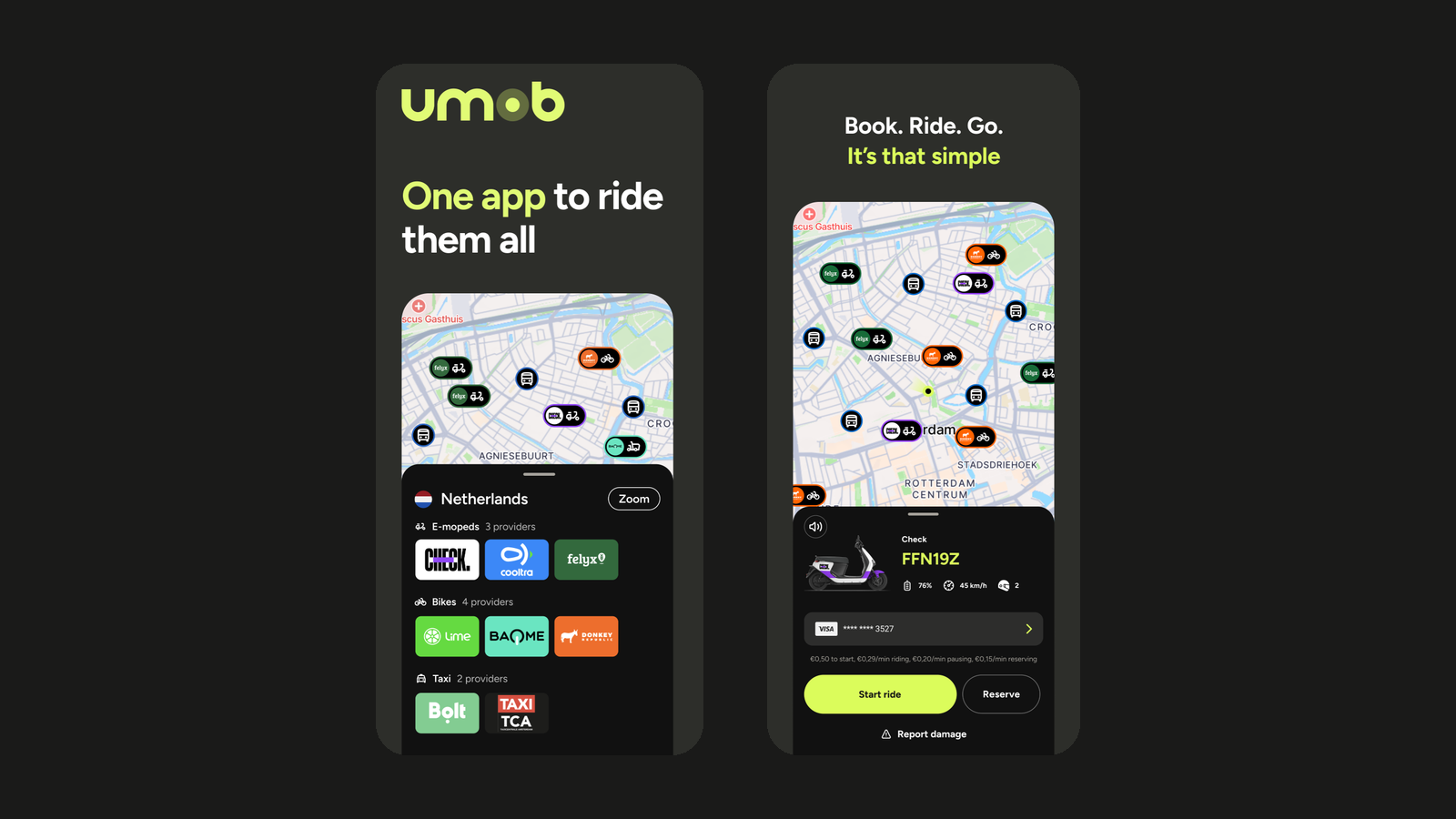
تجمع Umob بين مختلف مزودي خدمات التنقل وخيارات النقل في تطبيق واحد. يمكن للمستخدمين العثور على خيارات التنقل المختلفة ومقارنتها وحجزها والدفع مقابلها دون الحاجة إلى تنزيل تطبيق منفصل أو إنشاء حساب جديد لكل مزود خدمة.
من خلال ربط أسطولك بـ Umob، يمكن للمشغلين:
بالنسبة لعملاء ATOM Mobility، صُمم هذا التكامل لتوفير طريقة مباشرة لفتح فرص توزيع جديدة مع الاستمرار في إدارة عملياتهم الأساسية من خلال منصة ATOM Mobility.
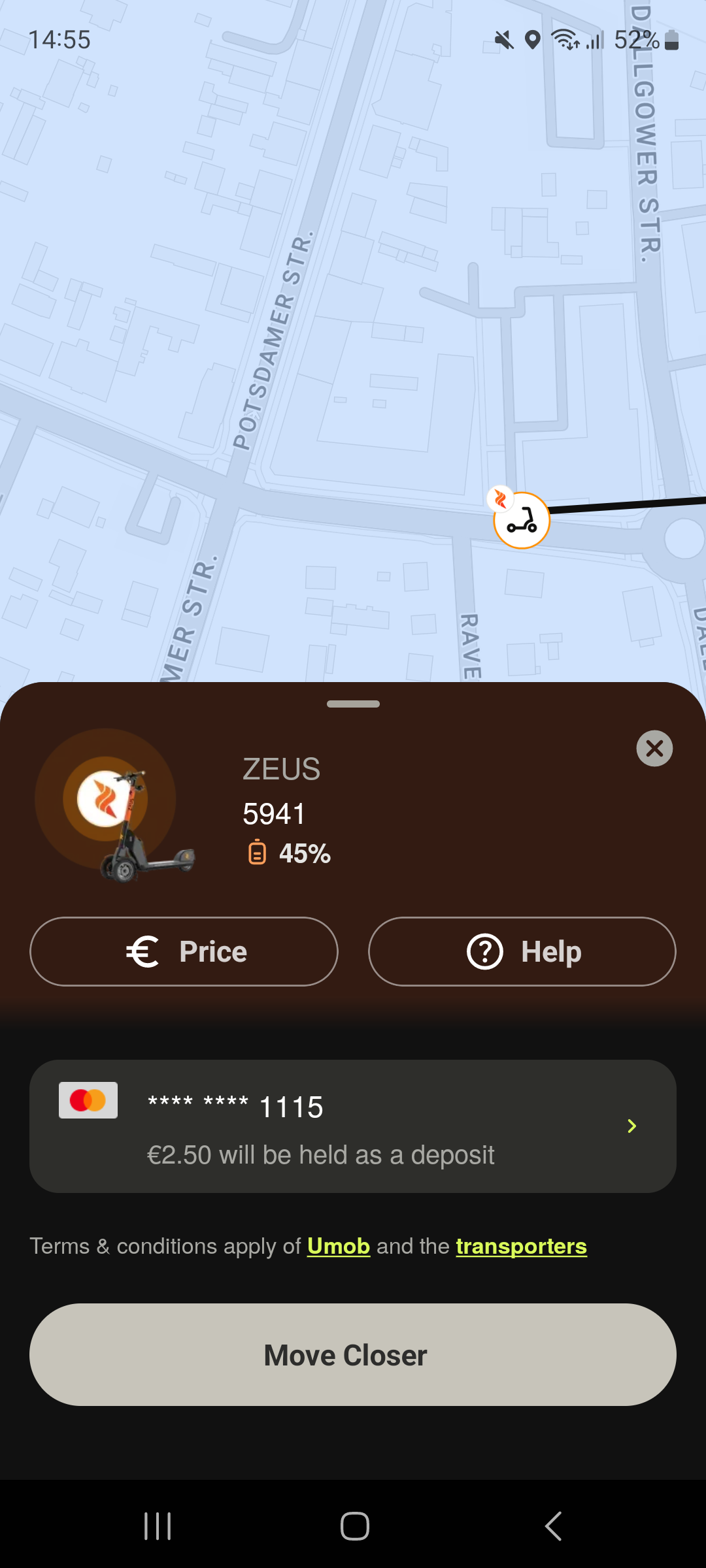
من خلال منصة ATOM Mobility، يمكن للمشغلين المشاركين ربط أساطيلهم بـ Umob، مما يتيح للمستخدمين اكتشاف المركبات المتاحة واستخدامها مباشرة عبر تطبيق Umob.
بمجرد الربط، ستظهر مركبات المشغلين المشاركين في Umob إلى جانب خيارات التنقل الأخرى المتاحة، مما يمنح المستخدمين نظرة عامة واضحة على الطرق المختلفة التي يمكنهم من خلالها الانتقال من النقطة (أ) إلى النقطة (ب).
يمكن للمستخدمين العثور على مركبة متاحة، وحجزها وفتح قفلها، وبدء رحلتهم وإنهائها، والدفع مباشرة من خلال تطبيق Umob.
صُمم هذا التكامل لدعم:
يواصل المشغلون إدارة أساطيلهم، وتسعيرهم، ومناطق الخدمة، والعمليات اليومية من خلال منصة ATOM Mobility، بينما توفر Umob قناة إضافية يمكن للمستخدمين من خلالها العثور على المركبات والوصول إليها.
بالنسبة لمشغلي التنقل، يتيح الربط مع Umob قناة توزيع إضافية دون تغيير الطريقة التي يديرون بها عملياتهم اليومية عبر ATOM Mobility.
من خلال إتاحة المركبات لآلاف مستخدمي Umob، يمكن للمشغلين زيادة ظهورهم في اللحظة التي يبحث فيها الأشخاص بنشاط عن وسيلة تنقل. وهذا يخلق إمكانية لجذب مستخدمين جدد، وتحقيق المزيد من الحجوزات، وتحسين معدل استخدام الأسطول بمرور الوقت.
يختلف كل سوق عن الآخر، لكن العديد من المشغلين يرون في شراكات "التنقل كخدمة" (MaaS) جزءاً مهماً من استراتيجية نموهم طويلة الأمد.
أحد أوائل مشغلي ATOM Mobility الذين انطلقوا من خلال تكامل Umob هو ZEUS Mobility، وهو مزود أوروبي طموح لخدمات مشاركة السكوتر الكهربائي، يركز بقوة على الابتكار، ويتبنى نهجاً ديناميكياً، ويسعى لمنافسة اللاعبين الراسخين في السوق.
ومن المناسب أن الشراكة بحد ذاتها بدأت من خلال شبكة ATOM Mobility.
التقت ZEUS وUmob لأول مرة في فعالية ATOM Mobility في ريغا. وعلى الرغم من أن التعارف الأولي حدث أثناء الفعالية، إلا أن المحادثة الجدية بدأت فعلياً خلال جلسة غير رسمية في وقت لاحق من ذلك المساء.
كانت ZEUS قد صادفت علامة Umob التجارية على مركبات التنقل أثناء السفر، وقد أُعجبت بالنهج المهني الذي تتبعه الشركة. وسرعان ما تحول ذلك التعرف إلى محادثة حول كيفية تعزيز الشركتين لعروضهما من خلال العمل معاً.
ومن هناك، تقدمت عملية التكامل بسرعة. وتصف ZEUS عملية الإعداد والتكامل حتى الآن بأنها "نظيفة واحترافية وسلسة."
بالنسبة لشركة ZEUS، تمثل هذه الشراكة فرصة لتعزيز حضور علامتها التجارية، والوصول إلى عملاء جدد، ودعم طموحاتها التوسعية في أوروبا.
عقب استحواذها على Superpedestrian في مايو 2026، تتطلع ZEUS إلى تسريع وتيرة نموها خلال عامي 2026 و2027، وتعد شراكتها مع Umob جزءاً من هذا الطموح.
"نحن في ZEUS سعداء للغاية بالشراكة مع Umob في الأسواق الأوروبية. فبعد استحواذنا على Superpedestrian في مايو 2026، نسعى في ZEUS إلى تحقيق نمو سريع خلال عامي 2026 و2027. ستساعدنا هذه الشراكة في دفع عجلة هذا النمو والوصول إلى عملاء جدد في أسواق جديدة. نتطلع إلى شراكة مثمرة." - داميان يونغ، ZEUS Mobility
تطبيق واحد لكل تنقلاتك. Umob هي منصة تنقل شاملة تجمع بين مختلف مزودي خدمات التنقل وخيارات النقل في تطبيق واحد.
يمكن للمستخدمين العثور على الدراجات المشتركة، والدراجات الكهربائية، والسكوتر، والدراجات النارية، ووسائل النقل العام، وسيارات الأجرة، وغيرها من خيارات التنقل المتاحة، ومقارنتها وحجزها والدفع مقابلها من خلال حساب واحد وتجربة دفع موحدة. فبدلاً من تنزيل تطبيق منفصل والتسجيل فيه لكل مزود خدمة أو في كل مدينة جديدة، يمكن للمستخدمين فتح تطبيق Umob والاطلاع على خيارات التنقل المتاحة من حولهم.
تتوفر Umob اليوم في أكثر من 28 دولة و300 مدينة، مما يتيح لآلاف المستخدمين طريقة أسهل للوصول إلى مختلف وسائل التنقل سواء في مدنهم أو أثناء السفر.
حقائق رئيسية
إذا كنت تدير بالفعل خدمة التنقل المشترك الخاصة بك على منصة ATOM Mobility، فإن الربط مع Umob قد يكون الخطوة التالية نحو الوصول إلى المزيد من المستخدمين وأن تصبح جزءاً من منظومة تنقل مترابطة حقاً.
إذا كنت مهتماً بتفعيل هذا التكامل أو معرفة المزيد حول كيفية عمله، تواصل مع فريقنا. نحن نتطلع إلى مساعدة المزيد من المشغلين على التواصل والتعاون وجعل التنقل المستدام أسهل للجميع.
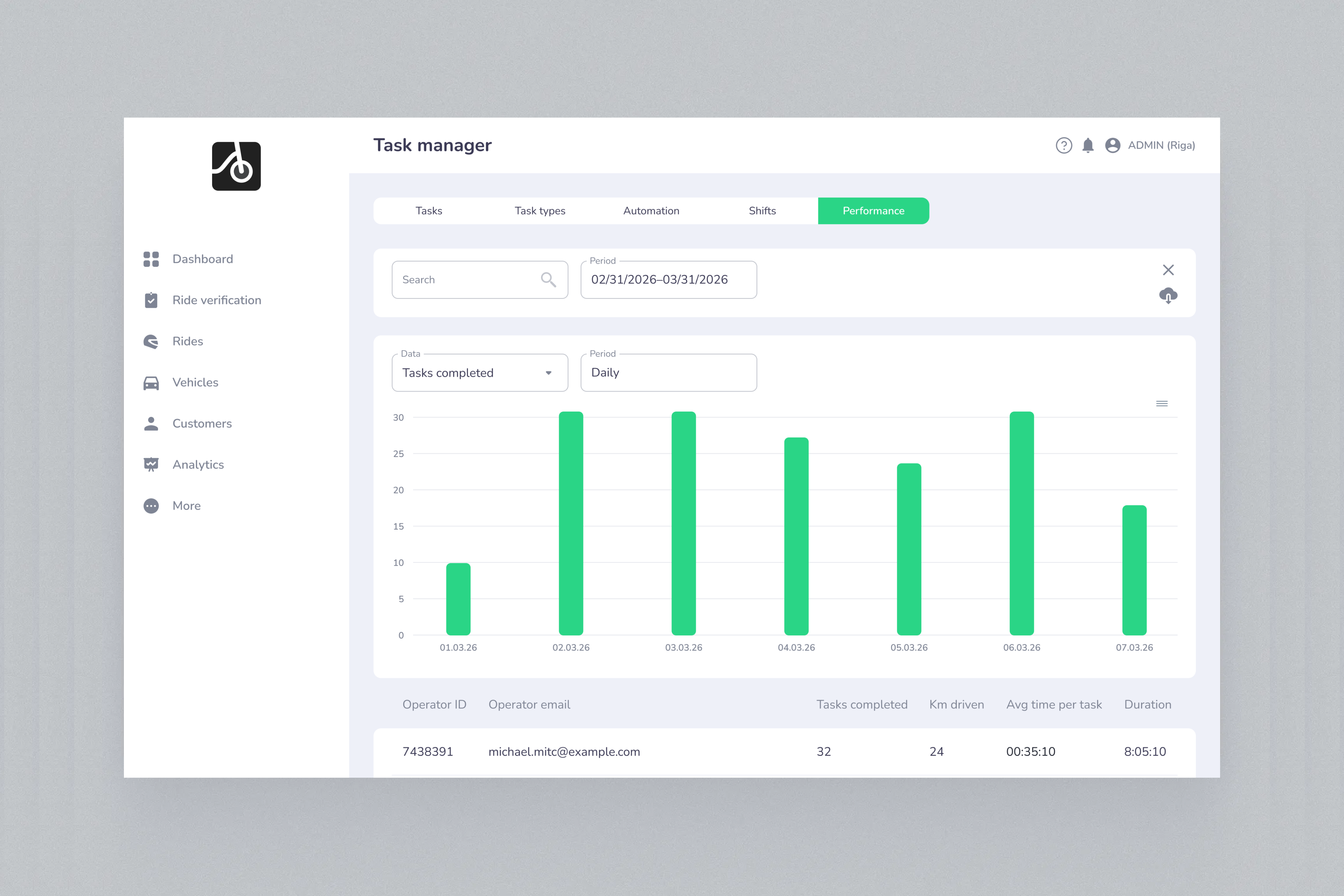
👷📊 يتجاوز مدير مهام ATOM الآن مجرد توزيع المهام بفضل وظائف الورديات وأداء المشغلين الجديدة. تتبع مسارات الورديات، والمسافة المقطوعة، والمهام المنجزة، والوقت المستغرق لكل مهمة، وأداء كل مشغل على حدة، مما يمنح مديري الأساطيل رؤية أوضح بكثير للعمليات الميدانية ومستوى الكفاءة.
لا تقتصر إدارة أسطول كبير للتنقل المشترك أو التأجير على معرفة المهام التي تم إنجازهافحسب، بل تتعلق أيضاً بفهم مدى كفاءة عمل الفرق الميدانية. لقد قمنا بتوسيع مدير مهام ATOM Mobility بشكل كبير بإضافة وظائف الورديات والأداء، مما يمنح مديري الأساطيل رؤية أفضل بكثير لنشاط المشغلين، وعبء العمل، والمسارات، ومستوى الأداء.
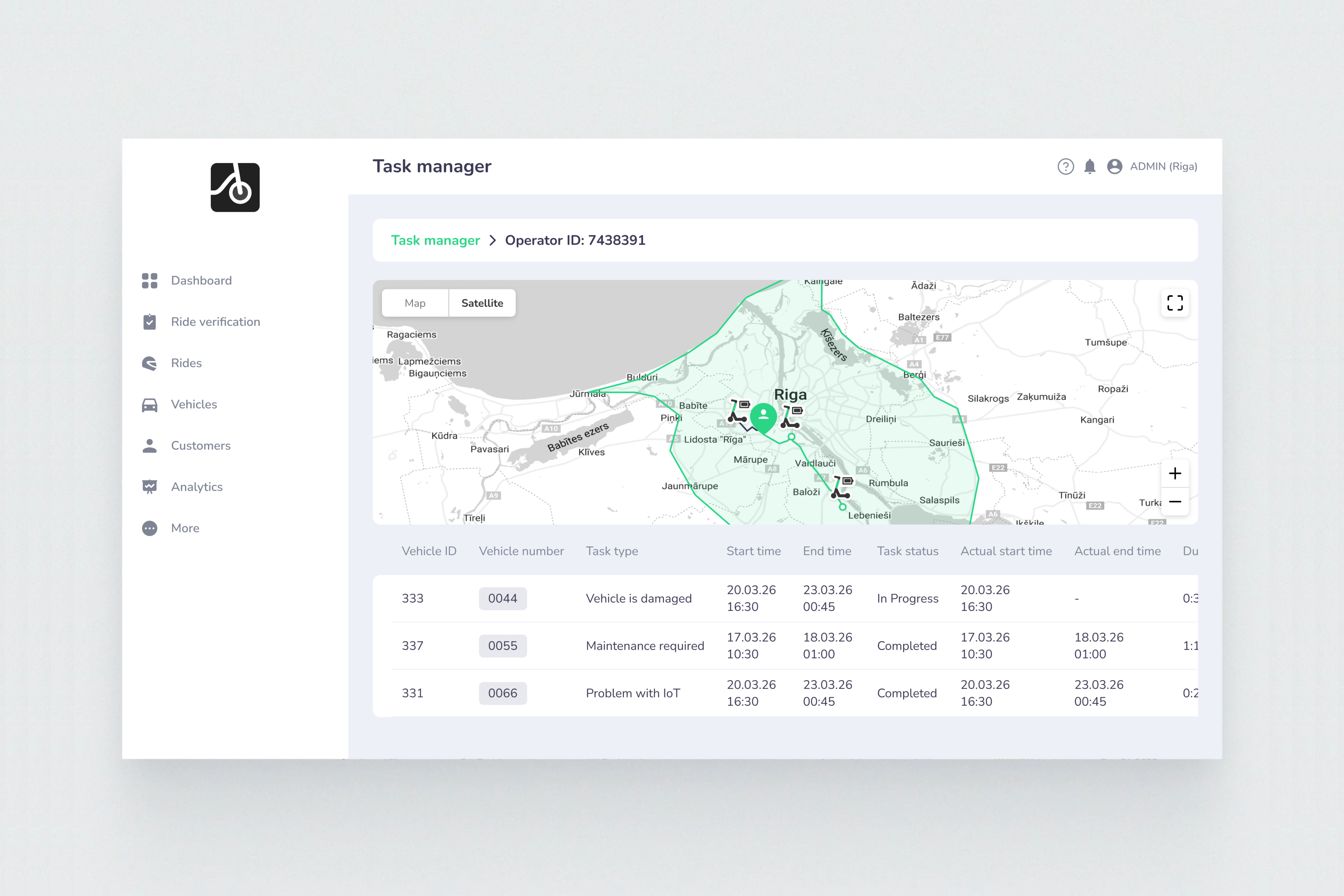
تمنحك علامة التبويب الورديات الجديدة للمديرين نظرة عامة مركزية على جميع ورديات المشغلين، بما في ذلك:
يمكن للمديرين فتح أي وردية فردية للاطلاع على الصورة التشغيلية الكاملة. فلكل مهمة، يمكنك رؤية المركبة، ونوع المهمة، ووقت البدء المخطط له والموعد النهائي، وأوقات البدء والانتهاء الفعلية، والحالة، والمدة الإجمالية للمهمة.
تتضمن كل وردية أيضاً خريطة توضح حركة المشغل الكاملة أثناء الوردية والمواقع التي تم تنفيذ المهام الفردية فيهابالنسبة للنوبات الجارية حالياً، يمكن للمديرين أيضاً الاطلاع على الموقع الحالي للمشغل.
وهذا يسهل كثيراً فهم المسار الفعلي، وحجم العمل، والقرارات المتخذة خلال كل نوبة، بالإضافة إلى تحديد فرص تحسين كيفية إدارة فرق العمل الميدانية لصيانة الأسطول وعملياته.
علامة التبويب الأداء الجديدة تجمع النتائج التشغيلية لكل مشغل خلال فترة زمنية محددة.
يمكن للمديرين تتبع:
بدلاً من مراجعة مئات المهام الفردية، يمكن للمديرين مقارنة المشغلين بسرعة، وتحديد أصحاب الأداء المتميز، ورصد المجالات التي قد تحتاج إلى تدريب إضافي أو تحسينات تشغيلية.
لجعل بيانات الأداء دقيقة ومفيدة، قدمنا أيضاً سير عمل جديد للنوبات والمهام في تطبيق ATOM للمشغلين. يبدأ المشغلون الآن نوبات عملهم وينهونها مباشرة من خلال التطبيق، بينما يتم تسجيل أوقات بدء المهام الفردية وإتمامها تلقائياً.
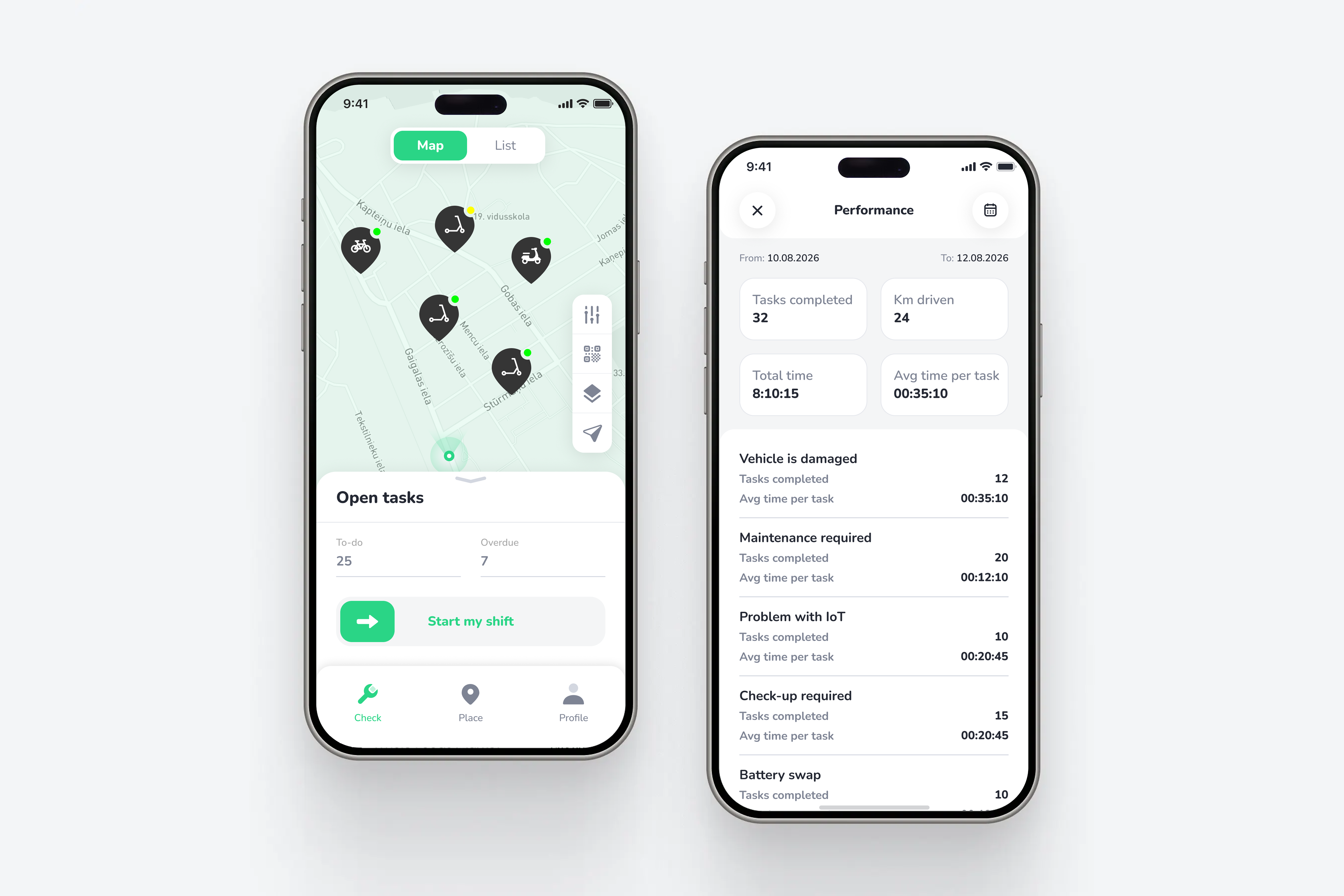
لقد أضفنا أيضاً:
معاً، تحول هذه التحديثات ATOM Task Manager من مجرد أداة لتوزيع المهام إلى نظام أكثر تكاملاً لأداء وتحسين العمليات الميدانية. يحصل المشغلون على سير عمل أوضح ورؤية أفضل لأدائهم الشخصي، بينما يحصل المديرون على البيانات التي يحتاجونها لفهم كيفية سير عملياتهم الميدانية فعلياً وتحديد مجالات تحسين الكفاءة.
الوظائف الجديدة متاحة لوحدات مشاركة المركبات و التأجير الرقمي في ATOM Mobility.
👉 اقرأ المزيد عن آخر تحديثات منصتنا:
https://www.atommobility.com/atomupdates
استخدم بيانات اعتماد الاختبار لتسجيل الدخول - رقم الهاتف: +1 123123123، الكود: 777777


بيانات اعتماد الإصدار التجريبي من تطبيق Driver - البريد الإلكتروني: test@atom.com، كلمة المرور: برنامج التشغيل