Dal tocco del telefono alla guida fluida: lo stack tecnologico alla base della moderna mobilità condivisa
December 2, 2025
lettura minima

Apri un'app, individua uno scooter sulla mappa e in pochi secondi si sblocca con un clic. Si parte, aspettandosi che la batteria sia carica, che i freni funzionino e che l'intero processo sia fluido. Fin dal primo viaggio, la mobilità condivisa ha stabilito lo standard: i veicoli dovrebbero essere sempre nelle vicinanze, pronti a partire e l'intera esperienza dovrebbe essere fluida. Ciò a cui la maggior parte dei motociclisti non pensa mai, però, è il complesso mix di hardware e software che lavora in background per rendere possibile ogni guida fluida.
La tecnologia è la base per il modello di business della mobilità condivisa. Ogni corsa dipende da questo. I veicoli necessitano di hardware IoT per bloccarsi, sbloccare e segnalare il loro stato. La connettività deve essere stabile in modo che gli operatori sappiano sempre dove si trovano gli asset e in che condizioni si trovano.
Dal punto di vista del software, i motociclisti si aspettano app istantanee e intuitive, mentre gli operatori si affidano a dashboard per lo stato della flotta, i prezzi e l'assistenza. Aggiungete la realtà dei furti, della sostituzione delle batterie, dei tempi di inattività e delle normative locali e la posta in gioco diventa chiara. Senza uno stack tecnologico affidabile, anche piccoli guasti, come uno scooter che non si sblocca o un pagamento che si blocca, possono rapidamente compromettere la fiducia degli utenti e danneggiare l'azienda.
Nel corso degli anni, diversi produttori sono entrati nello spazio IoT della mobilità condivisa, offrendo diverse configurazioni hardware, tecnologie di rete e integrazioni. Aziende come Teltonika (Lituania), Modulo (Estonia), Invers (Germania), OMNI (Cina) e altri produrre moduli compatibili con vari tipi di veicoli e standard di connettività. Ogni fornitore si concentra su punti di forza specifici: alcuni danno priorità all'efficienza energetica o al design compatto, altri enfatizzano la copertura globale o la diagnostica avanzata. La scelta tra questi dipende dal tipo di veicolo, dalla scala operativa e dall'ecosistema software che l'operatore intende utilizzare.
Il nostro partner, Modulo stava già sviluppando l'IoT per la micromobilità quando è scoppiata la pandemia di Corona. Da un giorno all'altro, le città sono cambiate e tutti avevano bisogno di un modo sicuro e privato per spostarsi. Gli scooter e le bici condivisi sono improvvisamente passati dall'essere un servizio di nicchia a una parte essenziale del trasporto urbano e la domanda di IoT è salita alle stelle. Per i produttori di dispositivi IoT, ha significato lunghe giornate di sviluppo e produzione, che hanno spinto al massimo la fornitura di dispositivi affidabili su larga scala per marchi come Uber, Lime e Hive.
Questo forte aumento della domanda li ha costretti a crescere rapidamente e ha fornito una preziosa esperienza nella tecnologia degli edifici in grado di funzionare sotto pressione reale. Le flotte che si affidavano ai dispositivi Comodule avevano una base su cui poter contare: veicoli che potevano essere localizzati, sbloccati, protetti e gestiti a livello internazionale. Altrettanto importante, l'IoT doveva integrarsi perfettamente con i sistemi software (come ATOM Mobility). Ecco perché è diventato fondamentale creare solidi strumenti API e SDK, che consentissero agli operatori di connettere l'hardware alle loro piattaforme, controllare le flotte in tempo reale e accedere alle informazioni necessarie per continuare a muoversi.
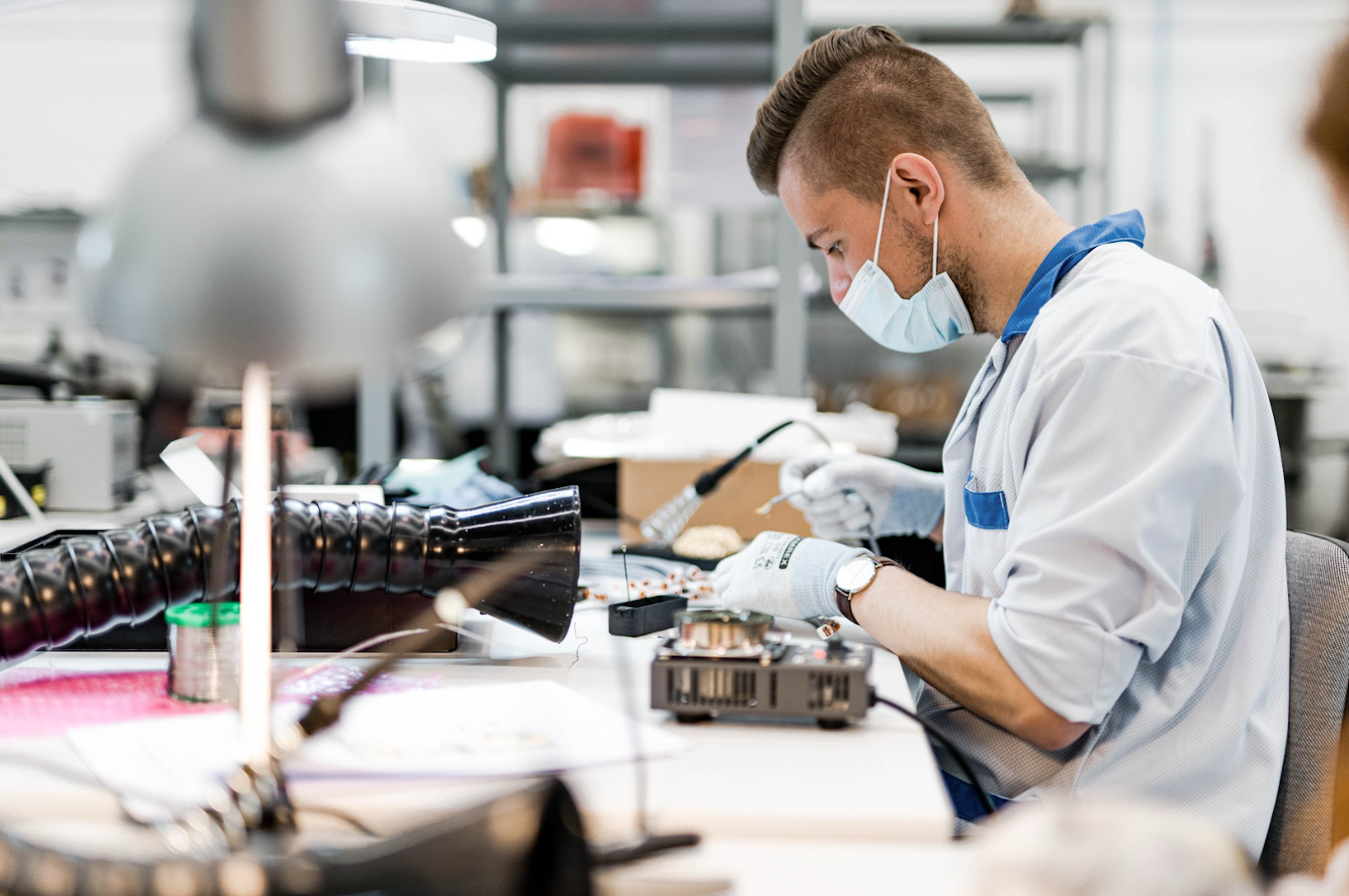
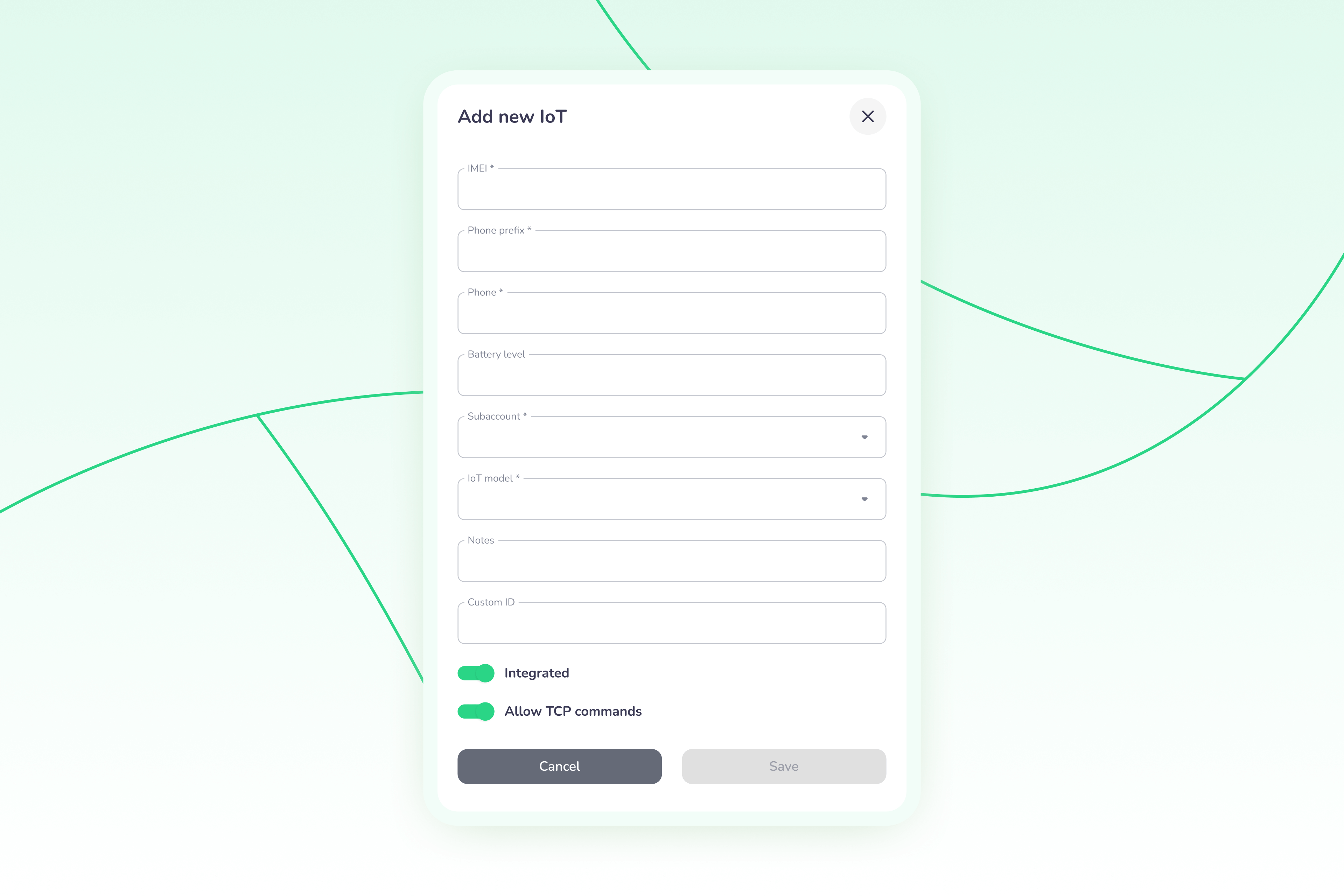
All'interno di ogni scooter o bici connesso si trova un modulo IoT, il «cervello» che collega il veicolo al cloud. Si connette tramite reti cellulari, inviando costantemente dati su posizione, velocità e stato della batteria. Quando un motociclista tocca «sblocca» nell'app, quel comando viaggia attraverso il cloud fino al modulo, che attiva la serratura elettronica e riattiva il veicolo. La stessa connessione consente agli operatori di impostare zone di divieto di parcheggio geofestate, inviare aggiornamenti via etere o attivare un allarme sonoro in caso di manomissione dello scooter. I sensori della batteria all'interno del modulo segnalano i cicli di ricarica e lo stato di salute, in modo che gli operatori sappiano esattamente quando uno zaino deve essere sostituito o sostituito.
Tutti questi dati vengono trasmessi in tempo reale al sistema di gestione della flotta, dando ai fornitori la possibilità di monitorare centinaia o addirittura migliaia di veicoli contemporaneamente. Per gli operatori, queste funzionalità si traducono in una maggiore operatività, un recupero più rapido dei furti e un controllo preciso dell'intera flotta: la differenza tra un'attività in difficoltà e una redditizia.
Man mano che la mobilità condivisa maturava, l'asticella continuava a salire. Le nuove generazioni di scooter arrivarono con batterie sostituibili, telai più robusti e una migliore elettronica di bordo. I motociclisti si sono abituati alle app che rispondono istantaneamente, elaborano i pagamenti in pochi secondi e mostrano la disponibilità dei veicoli con la massima precisione.
Allo stesso tempo, è aumentata la concorrenza, non solo da parte degli attori globali ma anche degli operatori locali più piccoli che lanciano flotte nelle proprie città. Per queste aziende, un hardware affidabile non era più sufficiente. Avevano bisogno di un livello software che collegasse tutto: app per motociclisti fluide, potenti dashboard per gli operatori e analisi per prendere decisioni più intelligenti. Eppure molti non avevano il tempo e le risorse per creare software da soli.

Con la crescita delle flotte e l'intensificarsi della concorrenza, gli operatori si sono resi conto di non avere tempo o fondi per sviluppare il proprio livello software. Avevano bisogno di una piattaforma pronta per il mercato che collegasse tutto insieme: app che i motociclisti usassero volentieri e dashboard che dessero agli operatori il pieno controllo della propria attività. È qui che entrano in gioco soluzioni come ATOM Mobility.
La piattaforma si connette direttamente a Comodule IoT tramite API e SDK, quindi ogni comando di sblocco, codice di errore o aggiornamento della batteria scorre istantaneamente tra l'app del ciclista e il cruscotto dell'operatore. Quasi tutte le aziende possono lanciare una flotta con questo stack, dagli operatori su larga scala ai piccoli nuovi arrivati locali.
Quando hardware e software funzionano perfettamente, l'esperienza di guida è fluida. Un semplice tocco nell'app invia un comando tramite il cloud all'IoT, che sblocca il veicolo e trasmette i dati in tempo reale in millisecondi. L'operatore vede istantaneamente lo stato del veicolo nel cruscotto: livello della batteria, posizione GPS ed eventuali codici di errore.
Se lo scooter esce da un'area geofrecintata, il sistema reagisce automaticamente. Se è necessaria una manutenzione, l'avviso viene segnalato prima che si trasformi in un guasto. Combinando l'hardware con il software, i fornitori di flotte ottengono un ecosistema completo, uno stack creato per mantenere i veicoli online e mantenere gli utenti soddisfatti.
Dal punto di vista di un ciclista, la mobilità condivisa dovrebbe sempre «funzionare». Questo non cambierà. Ma lo stack tecnologico alla base sta diventando ogni anno più sofisticato. Le normative più severe richiedono servizi più sicuri e trasparenti, mentre le città stanno spingendo per l'integrazione in piattaforme Mobility-as-a-Service più ampie. L'IoT e il software insieme forniscono i dati e il controllo di cui gli operatori hanno bisogno, non solo per mantenere la conformità, ma anche per migliorare l'efficienza e la sostenibilità della flotta e per fornire informazioni utili per la pianificazione urbana.
Per gli utenti, questa sofisticazione si tradurrà in qualcosa di semplice: servizi più affidabili, più sicuri per tutti sulla strada e più intelligenti, con dati provenienti dall'uso reale che aiuteranno a modellare veicoli migliori, infrastrutture migliori e città migliori in futuro.
*Questo articolo è stato creato insieme al nostro partner Comodule.
Fai clic qui sotto per saperne di più o richiedere una demo.

The micromobility industry doesn’t need another generic mobility conference. 🚫🎤 It needs real conversations between operators who are actually in the field. ⚙️ That’s exactly what ATOM Connect 2026 is built for. 🎯🤝
The shared mobility industry is evolving rapidly. Operators are navigating scaling challenges, regulatory complexity, hardware decisions, fleet optimization, and new integration models, all while aiming for sustainable growth.
That’s exactly why ATOM Mobility is organizing ATOM Connect 2026.
Our previous edition of ATOM Connect brought together professionals from the car sharing and rental industry for focused, high-quality discussions and networking. This year, we are narrowing the focus and dedicating the entire event to one fast-moving segment of the industry: shared micromobility.
ATOM Connect 2026 is designed specifically for operators, partners, and decision-makers working in shared micromobility. It is not a broad mobility conference or a public exhibition. It is a curated space for industry professionals to exchange practical experience, insights, and lessons learned.
On May 14th, 2026 in Riga, we will once again bring the community together, this time with a clear focus on micromobility.
This year’s agenda will address the real operational and strategic questions shaping shared micromobility today:
As usual, we aim to host both local and international operators from smaller, fast-growing fleets to established large-scale players alongside hardware providers and ecosystem partners.
On stage, you’ll hear from leading shared mobility companies - including Segway on hardware partnerships, Umob on MaaS integration, Anadue on data-driven fleet intelligence, Elerent on multi-vehicle operational realities and more insightful discussions.
The goal is simple: meaningful discussions with people who understand the operational realities of the industry.
ATOM Connect is free to attend, but participation is industry-focused (each submission is manually reviewed and verified). We are intentionally keeping the audience relevant and aligned to ensure high-quality conversations and valuable networking.
If you work in shared micromobility and would like to join the event, you can find the full agenda and register here:
👉 https://www.atommobility.com/atom-connect-2026
In the coming weeks, we will be revealing more speakers and additional agenda updates. We look forward to bringing the industry together again.
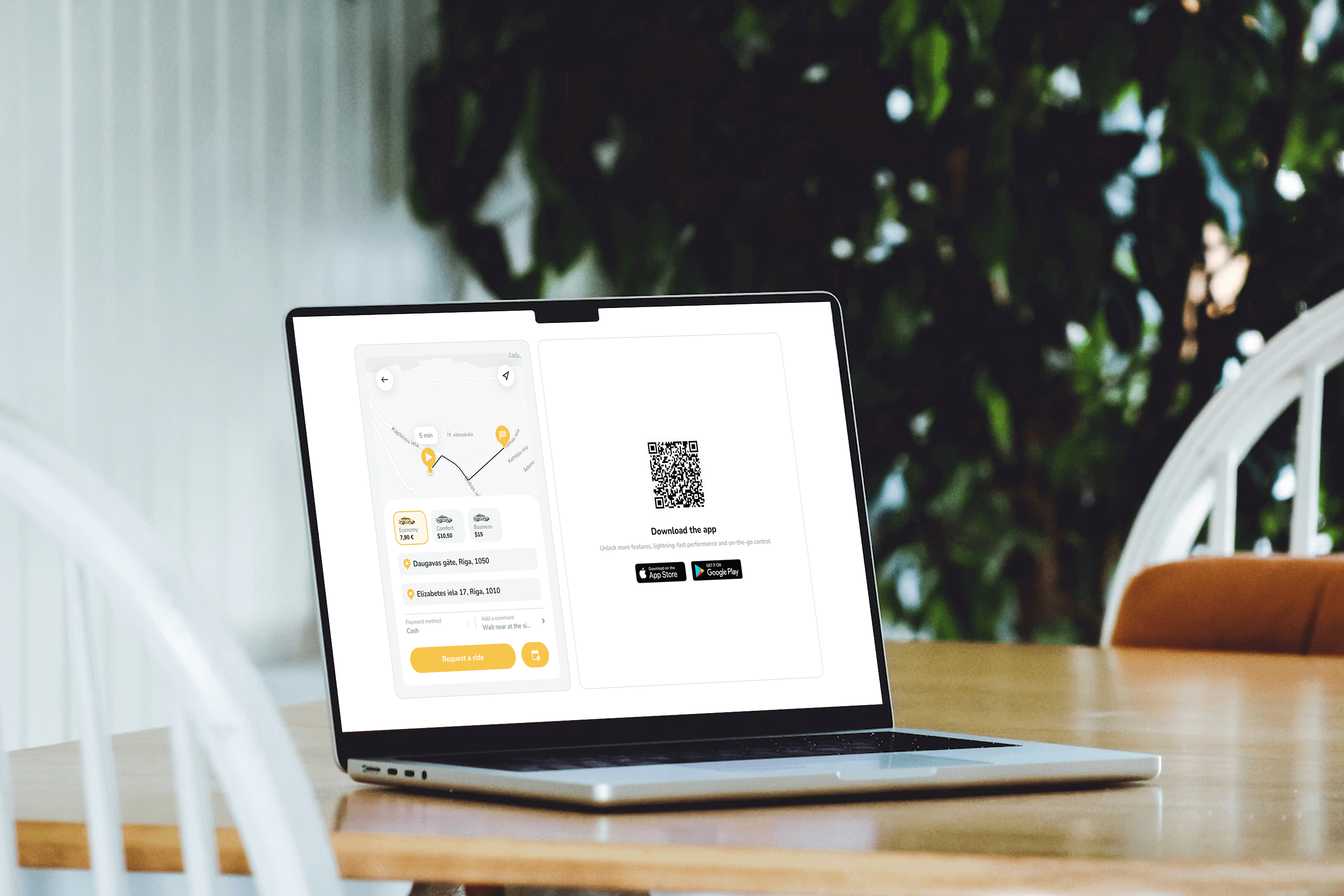
🚕 Web-booker is a lightweight ride-hail widget that lets users book rides directly from a website or mobile browser - no app install required. It reduces booking friction, supports hotel and partner demand, and keeps every ride fully synced with the taxi operator’s app and dashboard.
What if ordering a taxi was as easy as booking a room or clicking “Reserve table” on a website?
Meet Web-booker - a lightweight ride-hail booking widget that lets users request a cab directly from a website, without installing or opening the mobile app.
Perfect for hotels, business centers, event venues, airports, and corporate partners.
👉 Live demo: https://app.atommobility.com/taxi-widget
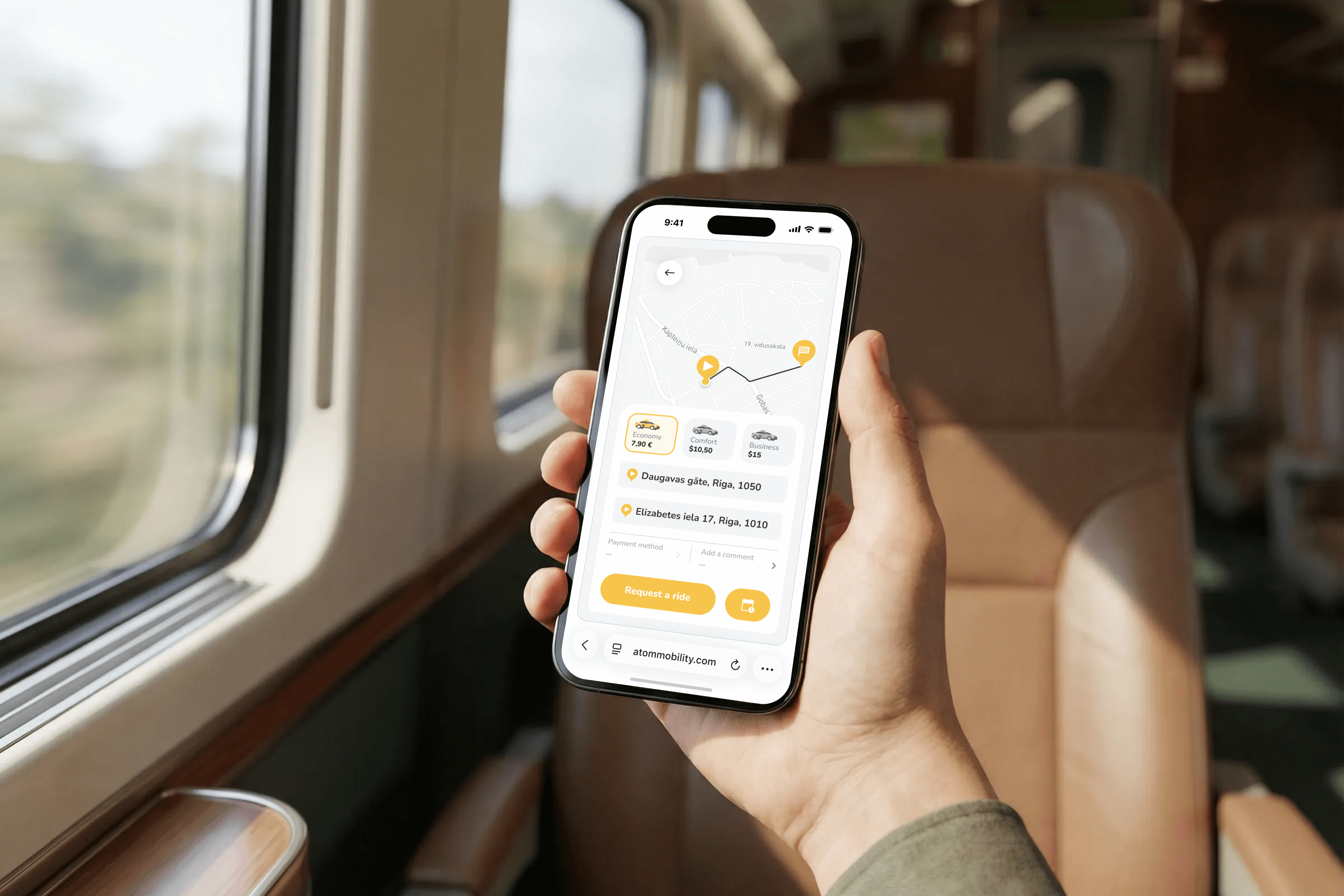
Web-booker is a browser-based ride-hail widget that operators can embed or link to from any website.
The booking happens on the web, but the ride is fully synchronized with the mobile app and operator dashboard.
No redirects. No app-store friction. No lost users.
This keeps fraud low while preserving conversion.
Web-booker addresses one of the most common friction points in ride-hailing: users who need a ride now but are not willing to download an app first. By allowing bookings directly from a website, operators can capture high-intent demand at the exact moment it occurs - whether that is on a hotel website, an event page, or a partner landing page.
At the same time, Web-booker makes partnerships with hotels and venues significantly easier. Instead of complex integrations or manual ordering flows, partners can simply place a button or link and immediately enable ride ordering for their guests. Importantly, this approach does not block long-term app growth. The booking flow still promotes the mobile app through QR codes and store links, allowing operators to convert web users into app users over time - without forcing the install upfront.
Web-booker is not designed to replace the mobile app. It extends the acquisition funnel by adding a low-friction entry point, while keeping all bookings fully synchronized with the operator’s app and dashboard.
👉 Try the demo
https://app.atommobility.com/taxi-widget
Want to explore a ride-hail or taxi solution for your business - or migrate to a more flexible platform? Visit: https://www.atommobility.com/products/ride-hailing
Credenziali demo dell'app Driver - Email: test@atom.com, Password: autista

