كيفية الاحتفاظ بالسائقين على منصة حجز السيارات الخاصة بك على المدى الطويل
23/9/2025
الحد الأدنى للقراءة


كيفية الاحتفاظ بالسائقين على منصة حجز السيارات الخاصة بك على المدى الطويل
في مجال نقل الركاب، يعد الحصول على عدد كافٍ من السائقين عبر الإنترنت أمرًا بالغ الأهمية. لكن إبقائهم هناك هو ما يدفع حقًا إلى النجاح على المدى الطويل. على عكس خدمات سيارات الأجرة التقليدية، فإن سائقي سيارات الأجرة هم مقاولون مستقلون. ليس لديهم نوبات ثابتة أو دخل مضمون أو عقود طويلة الأجل. يقومون بتسجيل الدخول عندما يناسبهم ذلك، وبنفس السرعة، يمكنهم تسجيل الخروج - أو التبديل إلى تطبيق آخر.
هذه المرونة تعني أنك لا تتنافس فقط على الدراجين. أنت أيضًا تتنافس على السائقين، كل يوم.
ما الذي يجعل خدمة نقل الركاب مختلفة للسائقين
وبالمقارنة مع سيارات الأجرة التقليدية، يوفر نموذج حجز السيارات للسائقين مزيدًا من الاستقلالية ولكن أقل أمانًا. عادة ما يعمل سائقو سيارات الأجرة تحت إشراف مرسل، ويستخدمون المركبات المملوكة للشركة، ويتبعون جدولًا محددًا. يستخدم سائقو سيارات الأجرة سيارتهم الخاصة ووقتهم الخاص وغالبًا ما يستخدمون تطبيقات متعددة.
الفوائد واضحة: المرونة، وانخفاض حواجز الدخول، والوصول الفوري إلى الأرباح. لكن الجوانب السلبية حقيقية تمامًا: الدخل غير المتوقع، ونقص الدعم، وعدم استقرار المنصة. بالنسبة للمنصات، هذا يعني أن ولاء السائق هش. يمكن أن تؤدي التغييرات الصغيرة - مثل المدفوعات المتأخرة أو عدد أقل من الرحلات - إلى مغادرة السائقين.
لماذا يُعد الاحتفاظ بالسائقين أمرًا مهمًا
يركز معظم مشغلي خدمات نقل الركاب بشكل كبير على نمو الركاب. ولكن بدون وجود محركات موثوقة كافية، يتحول الطلب إلى إحباط. عندما تزداد أوقات الانتظار أو لا تتوفر مركبات، يترك المستخدمون التطبيق. وهذا يجعل الاحتفاظ بالسائقين مقياسًا رئيسيًا - ليس فقط للعمليات ولكن أيضًا لثقة العلامة التجارية والربحية.
إن ركوب سائق جديد أكثر تكلفة من الاحتفاظ بسائق متمرس. توفر قاعدة السائقين المستقرة رحلات أكثر سلاسة وتصنيفات أعلى وتغطية أفضل للخدمة. إذا كان سائقوك يتحركون كل بضعة أسابيع، فستصبح عمليتك بأكملها تفاعلية.

داخل تقرير سائق Gig لعام 2025
يلقي استطلاع حديث أجرته Everee الضوء على ما يريده السائقون - وما الذي يجعلهم يستقيلون. في مايو 2025، تم مسح 419 من سائقي الوظائف المؤقتة في الولايات المتحدة. عمل معظمهم عبر تطبيقات متعددة، بما في ذلك Uber و Lyft و Shipt. النتائج الكاملة متوفرة في تقرير السائق الكبير لعام 2025 من إيفري.

النتائج الرئيسية:
توضح هذه الأرقام مدى حساسية الدوافع للتأخير والسياسات غير الواضحة وأوجه القصور. قد تكون نقطة احتكاك صغيرة في نظامك كافية لدفعهم إلى منافس.
لماذا يغادر السائقون
كما سلط الاستطلاع الضوء على الأسباب الأكثر شيوعًا لتوقف السائقين عن العمل مع المنصة:
باختصار، إذا شعر السائقون أن أرباحهم أو سيطرتهم معرضة للخطر، فإنهم يمضون قدمًا. تعتبر صناعة سيارات الأجرة تنافسية للغاية بالنسبة للمنصات بحيث لا تفترض أن السائقين سيبقون مخلصين دون دعم وتحسين مستمرين.
ما يمكن للمنصات القيام به للاحتفاظ بالسائقين
للاحتفاظ بالسائقين على المدى الطويل، تحتاج المنصات إلى العمل وفقًا لما يقدره السائقون أكثر من غيرهم. وفقًا للتقرير نفسه، فإن أهم ثلاثة مجالات من شأنها زيادة الولاء هي:
بالإضافة إلى ذلك، يرغب السائقون في الشعور باحترام وقتهم، وإعطاء الأولوية لسلامتهم، وعدم تركهم يخمنون المدفوعات أو تغييرات النظام الأساسي.
كيف تساعدك ATOM Mobility على بناء ولاء السائق
من خلال منصة ATOM Mobility، يمكن لمشغلي خدمة نقل الركاب الوصول إلى العديد من الميزات المصممة خصيصًا مع وضع السائقين في الاعتبار.
ميزة «عرض السعر الخاص بك» يسمح للركاب بتقديم عطاءات أكثر قليلاً أثناء ارتفاع الطلب أو ظروف المرور السيئة، مما يمنح السائقين فرصة كسب المزيد عندما يكون الأمر أكثر أهمية.
التسعير الديناميكي يتيح للمشغلين رفع الأسعار تلقائيًا خلال عطلات نهاية الأسبوع أو العطلات أو ساعات الذروة حتى يكسب السائقون المزيد عند ارتفاع الطلب.
واحدة من أكثر الشركات الأدوات المؤثرة هي نظام تقسيم الإيرادات الفوري، حيث يتم تحويل عمولة السائق مباشرة إلى سترايب كونيكت حساب بعد كل رحلة ناجحة. هذا يزيل أوقات الانتظار ويبني الثقة من خلال دفعات شفافة في الوقت الفعلي.
لجعل الأمور أكثر سلاسة، تقدم ATOM Mobility تطبيق سائق مخصص حيث يمكن للسائقين تتبع الأداء والاطلاع على الأرباح ومراجعة سجل المشاوير.
كل هذا يضيف إلى تجربة احترافية وشفافة للسائقين - وحافزًا أقوى للبقاء على منصتك على المدى الطويل.
يساعد تطبيق السائق المخصص السائقين على تتبع الأداء والأرباح وسجل الركوب. هذا النوع من الرؤية يزيد من المشاركة ويقلل من الارتباك. بدلاً من الاتصال بالدعم لأسئلة الدفع، يمكن للسائقين رؤية كل شيء مباشرة في التطبيق. تبدو التجربة أكثر احترافية وتنظيمًا - مما يزيد من فرصة بقائهم لفترة أطول.
يمكنك استكشاف تطبيق السائق المخصص بمزيد من التفاصيل نظرة عامة على تطبيق السائق.
يؤدي الإعداد الأسرع إلى التنشيط بشكل أسرع
جزء أساسي آخر من الاستبقاء هو مدى سرعة بدء السائقين. المنصات التي تجعل عملية الإعداد طويلة أو مربكة تفقد السائقين قبل الرحلة الأولى. يدعم ATOM Mobility تدفقات الإعداد المبسطة مع الحقول المملوءة مسبقًا والتحقق التلقائي من المستندات والأدلة المضمنة. في بعض الحالات، يمكن أن يكون السائقون على متن الطائرة ويتم التحقق منهم وجاهزيتهم للقيادة في غضون ساعات - وليس أيام.
تجربة أفضل تخلق الولاء
السائقون ليسوا مجرد مستخدمين لتطبيقك - فهم سفراء لعلامتك التجارية. كل تفاعل لديهم، من أول تسجيل إلى آخر دفع، يشكل شعورهم تجاه منصتك. إذا كان الأمر سلسًا وعادلًا ومجزيًا، فمن المحتمل أن يبقوا. إذا لم يكن الأمر كذلك، فسوف يذهبون قبل الذروة في عطلة نهاية الأسبوع القادمة.
من خلال الاستثمار في الأدوات المناسبة وفهم ما يهم السائقين حقًا، يمكن للمنصات تقليل الاضطراب وزيادة الرضا وبناء قاعدة سائقين مخلصين. وفي سوق يكون فيه العرض هو كل شيء، فإن هذا الولاء يؤتي ثماره.
إذا كنت تقوم بإنشاء عملية حجز سيارات وترغب في منح السائقين سببًا للبقاء، فإن ATOM Mobility يمنحك التكنولوجيا اللازمة لتحقيق ذلك. من الدفعات الفورية إلى التسعير الديناميكي وتطبيق السائق المخصص، تم تصميم كل شيء للحفاظ على نشاط أسطولك ومشاركته - على المدى الطويل.
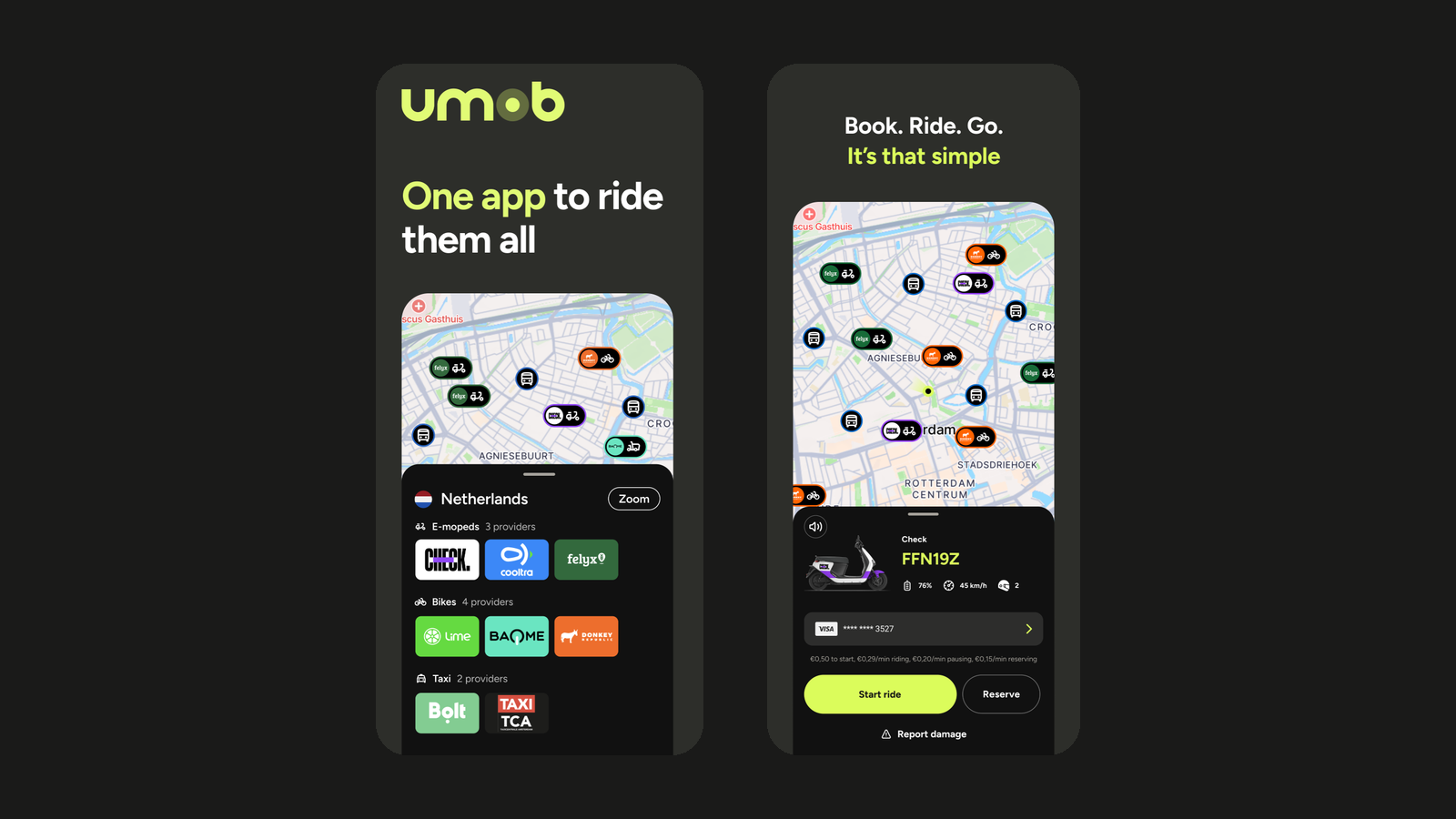
🌍 يمكنك الوصول إلى المزيد من الركاب مع ATOM Mobility وUmob. يمنح هذا التكامل مشغلي التنقل المشترك قناة توزيع إضافية، مما يساعد في جذب عملاء جدد، وزيادة الحجوزات، وتحسين معدلات استخدام الأسطول.
مستقبل التنقل لا يقتصر فقط على تشغيل المركبات، بل يتعلق بابتكار رحلات مريحة تجمع بين خيارات النقل المختلفة في تجربة مستخدم واحدة بسيطة.
ولهذا السبب يسعدنا تسليط الضوء على شراكتنا مع Umob، مما يساعد مشغلي التنقل على توسيع نطاق وصولهم وأن يصبحوا جزءاً من منظومة تنقل متعددة الوسائط متنامية.
سواء كنت تدير سيارات أو سكوترات أو دراجات هوائية أو دراجات نارية مشتركة عبر منصة ATOM Mobility، فإن التكامل مع Umob يجعل خدمتك متاحة لـ آلاف مستخدمي Umob الباحثين عن وسيلة تنقل مريحة.
يتوقع مستخدمو اليوم مرونة عالية؛ فهم لا يفكرون في مزودي خدمات التنقل بشكل منفصل، بل يريدون ببساطة أسرع وأسهل وأكثر الطرق ملاءمة للانتقال من النقطة (أ) إلى النقطة (ب).
تجمع Umob بين مختلف مزودي خدمات التنقل وخيارات النقل في تطبيق واحد. يمكن للمستخدمين العثور على خيارات التنقل المختلفة ومقارنتها وحجزها والدفع مقابلها دون الحاجة إلى تنزيل تطبيق منفصل أو إنشاء حساب جديد لكل مزود خدمة.
من خلال ربط أسطولك بـ Umob، يمكن للمشغلين:
بالنسبة لعملاء ATOM Mobility، صُمم هذا التكامل لتوفير طريقة مباشرة لفتح فرص توزيع جديدة مع الاستمرار في إدارة عملياتهم الأساسية من خلال منصة ATOM Mobility.
من خلال منصة ATOM Mobility، يمكن للمشغلين المشاركين ربط أساطيلهم بـ Umob، مما يتيح للمستخدمين اكتشاف المركبات المتاحة واستخدامها مباشرة عبر تطبيق Umob.
بمجرد الربط، ستظهر مركبات المشغلين المشاركين في Umob إلى جانب خيارات التنقل الأخرى المتاحة، مما يمنح المستخدمين نظرة عامة واضحة على الطرق المختلفة التي يمكنهم من خلالها الانتقال من النقطة (أ) إلى النقطة (ب).
يمكن للمستخدمين العثور على مركبة متاحة، وحجزها وفتح قفلها، وبدء رحلتهم وإنهائها، والدفع مباشرة من خلال تطبيق Umob.
صُمم هذا التكامل لدعم:
يواصل المشغلون إدارة أساطيلهم، وتسعيرهم، ومناطق الخدمة، والعمليات اليومية من خلال منصة ATOM Mobility، بينما توفر Umob قناة إضافية يمكن للمستخدمين من خلالها العثور على المركبات والوصول إليها.
بالنسبة لمشغلي التنقل، يتيح الربط مع Umob قناة توزيع إضافية دون تغيير الطريقة التي يديرون بها عملياتهم اليومية عبر ATOM Mobility.
من خلال إتاحة المركبات لآلاف مستخدمي Umob، يمكن للمشغلين زيادة ظهورهم في اللحظة التي يبحث فيها الأشخاص بنشاط عن وسيلة تنقل. وهذا يخلق إمكانية لجذب مستخدمين جدد، وتحقيق المزيد من الحجوزات، وتحسين معدل استخدام الأسطول بمرور الوقت.
يختلف كل سوق عن الآخر، لكن العديد من المشغلين يرون في شراكات "التنقل كخدمة" (MaaS) جزءاً مهماً من استراتيجية نموهم طويلة الأمد.
أحد أوائل مشغلي ATOM Mobility الذين انطلقوا من خلال تكامل Umob هو ZEUS Mobility، وهو مزود أوروبي طموح لخدمات مشاركة السكوتر الكهربائي، يركز بقوة على الابتكار، ويتبنى نهجاً ديناميكياً، ويسعى لمنافسة اللاعبين الراسخين في السوق.
ومن المناسب أن الشراكة بحد ذاتها بدأت من خلال شبكة ATOM Mobility.
التقت ZEUS وUmob لأول مرة في فعالية ATOM Mobility في ريغا. وعلى الرغم من أن التعارف الأولي حدث أثناء الفعالية، إلا أن المحادثة الجدية بدأت فعلياً خلال جلسة غير رسمية في وقت لاحق من ذلك المساء.
كانت ZEUS قد صادفت علامة Umob التجارية على مركبات التنقل أثناء السفر، وقد أُعجبت بالنهج المهني الذي تتبعه الشركة. وسرعان ما تحول ذلك التعرف إلى محادثة حول كيفية تعزيز الشركتين لعروضهما من خلال العمل معاً.
ومن هناك، تقدمت عملية التكامل بسرعة. وتصف ZEUS عملية الإعداد والتكامل حتى الآن بأنها "نظيفة واحترافية وسلسة."
بالنسبة لشركة ZEUS، تمثل هذه الشراكة فرصة لتعزيز حضور علامتها التجارية، والوصول إلى عملاء جدد، ودعم طموحاتها التوسعية في أوروبا.
عقب استحواذها على Superpedestrian في مايو 2026، تتطلع ZEUS إلى تسريع وتيرة نموها خلال عامي 2026 و2027، وتعد شراكتها مع Umob جزءاً من هذا الطموح.
"نحن في ZEUS سعداء للغاية بالشراكة مع Umob في الأسواق الأوروبية. فبعد استحواذنا على Superpedestrian في مايو 2026، نسعى في ZEUS إلى تحقيق نمو سريع خلال عامي 2026 و2027. ستساعدنا هذه الشراكة في دفع عجلة هذا النمو والوصول إلى عملاء جدد في أسواق جديدة. نتطلع إلى شراكة مثمرة." - داميان يونغ، ZEUS Mobility
تطبيق واحد لكل تنقلاتك. Umob هي منصة تنقل شاملة تجمع بين مختلف مزودي خدمات التنقل وخيارات النقل في تطبيق واحد.
يمكن للمستخدمين العثور على الدراجات المشتركة، والدراجات الكهربائية، والسكوتر، والدراجات النارية، ووسائل النقل العام، وسيارات الأجرة، وغيرها من خيارات التنقل المتاحة، ومقارنتها وحجزها والدفع مقابلها من خلال حساب واحد وتجربة دفع موحدة. فبدلاً من تنزيل تطبيق منفصل والتسجيل فيه لكل مزود خدمة أو في كل مدينة جديدة، يمكن للمستخدمين فتح تطبيق Umob والاطلاع على خيارات التنقل المتاحة من حولهم.
تتوفر Umob اليوم في أكثر من 28 دولة و300 مدينة، مما يتيح لآلاف المستخدمين طريقة أسهل للوصول إلى مختلف وسائل التنقل سواء في مدنهم أو أثناء السفر.
حقائق رئيسية
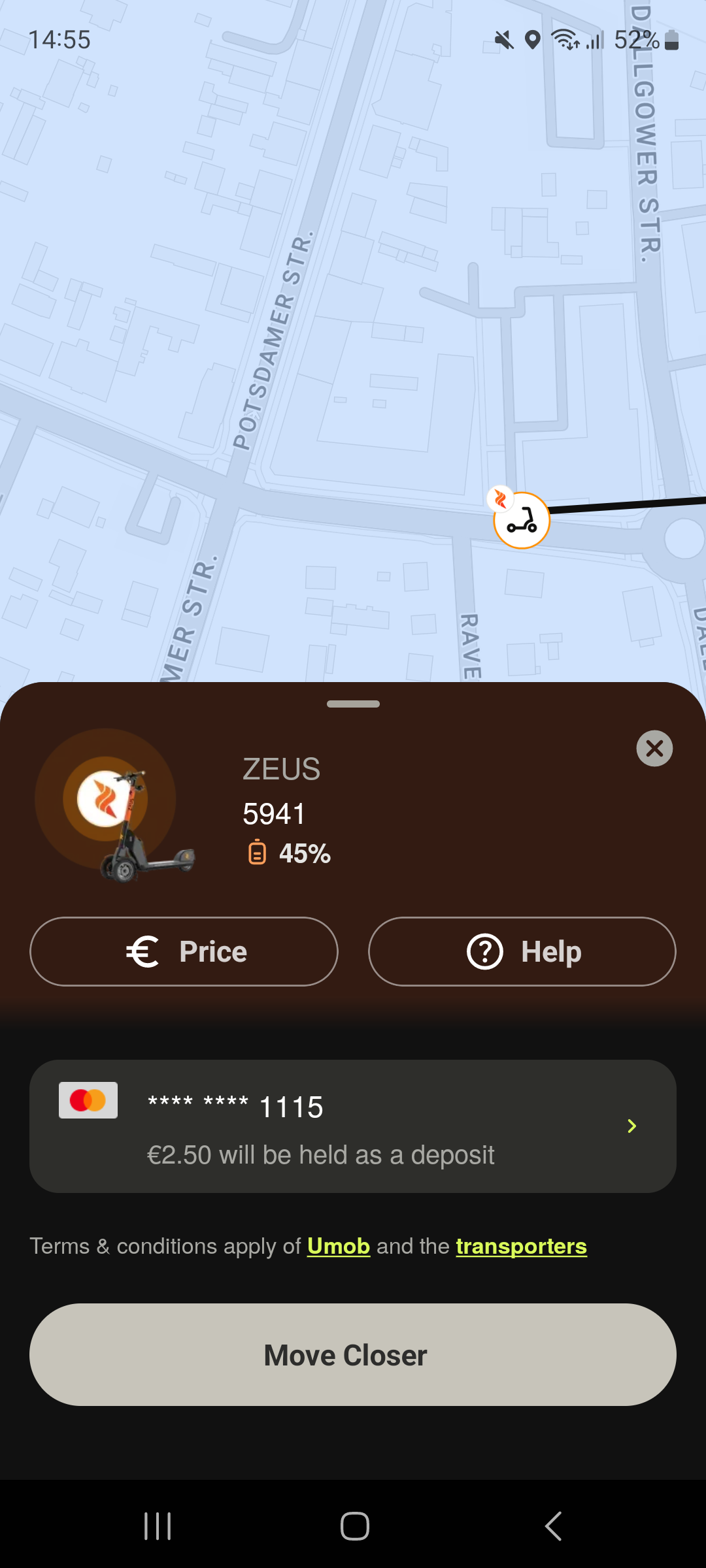
إذا كنت تدير بالفعل خدمة التنقل المشترك الخاصة بك على منصة ATOM Mobility، فإن الربط مع Umob قد يكون الخطوة التالية نحو الوصول إلى المزيد من المستخدمين وأن تصبح جزءاً من منظومة تنقل مترابطة حقاً.
إذا كنت مهتماً بتفعيل هذا التكامل أو معرفة المزيد حول كيفية عمله، تواصل مع فريقنا. نحن نتطلع إلى مساعدة المزيد من المشغلين على التواصل والتعاون وجعل التنقل المستدام أسهل للجميع.
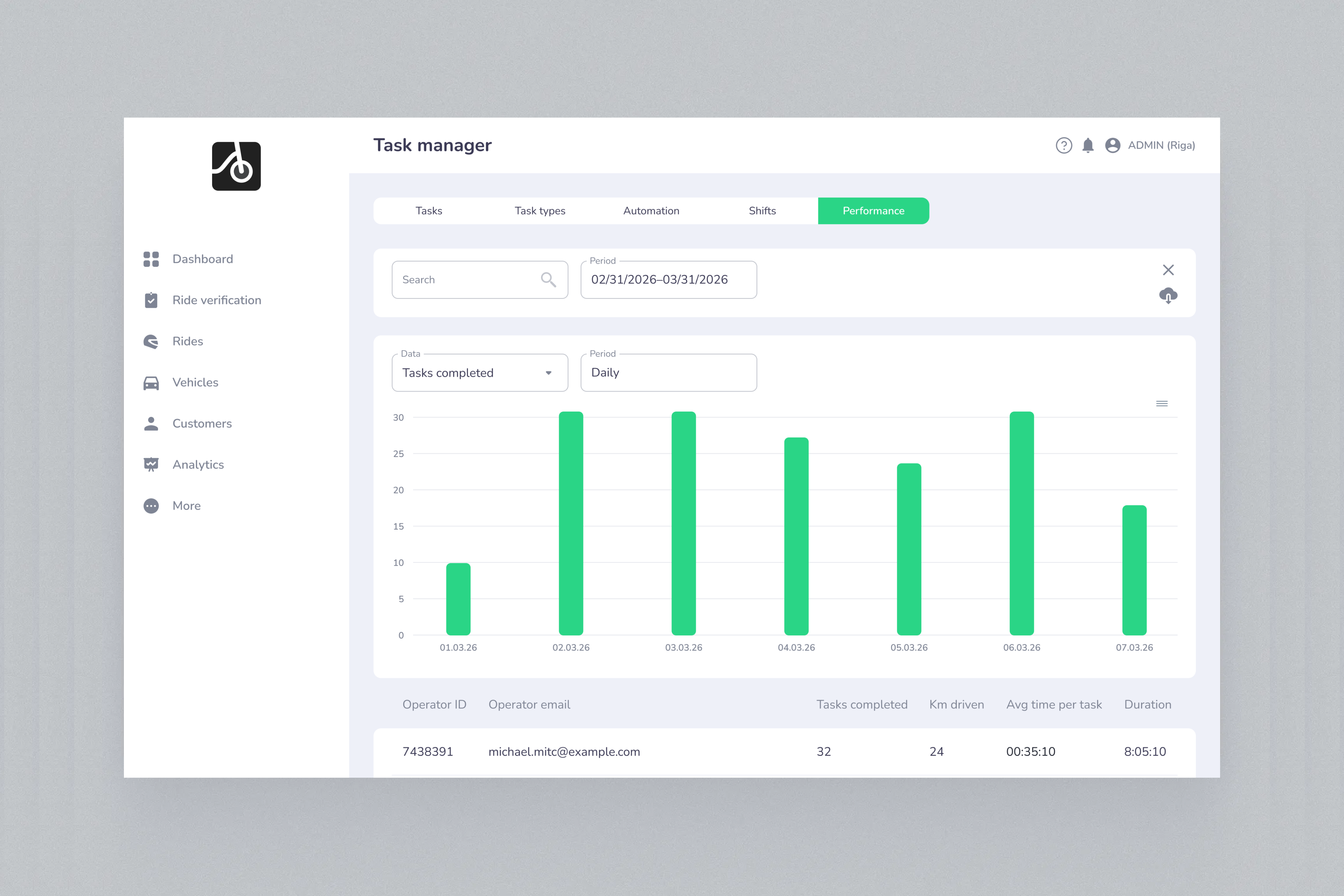
👷📊 يتجاوز مدير مهام ATOM الآن مجرد توزيع المهام بفضل وظائف الورديات وأداء المشغلين الجديدة. تتبع مسارات الورديات، والمسافة المقطوعة، والمهام المنجزة، والوقت المستغرق لكل مهمة، وأداء كل مشغل على حدة، مما يمنح مديري الأساطيل رؤية أوضح بكثير للعمليات الميدانية ومستوى الكفاءة.
لا تقتصر إدارة أسطول كبير للتنقل المشترك أو التأجير على معرفة المهام التي تم إنجازهافحسب، بل تتعلق أيضاً بفهم مدى كفاءة عمل الفرق الميدانية. لقد قمنا بتوسيع مدير مهام ATOM Mobility بشكل كبير بإضافة وظائف الورديات والأداء، مما يمنح مديري الأساطيل رؤية أفضل بكثير لنشاط المشغلين، وعبء العمل، والمسارات، ومستوى الأداء.
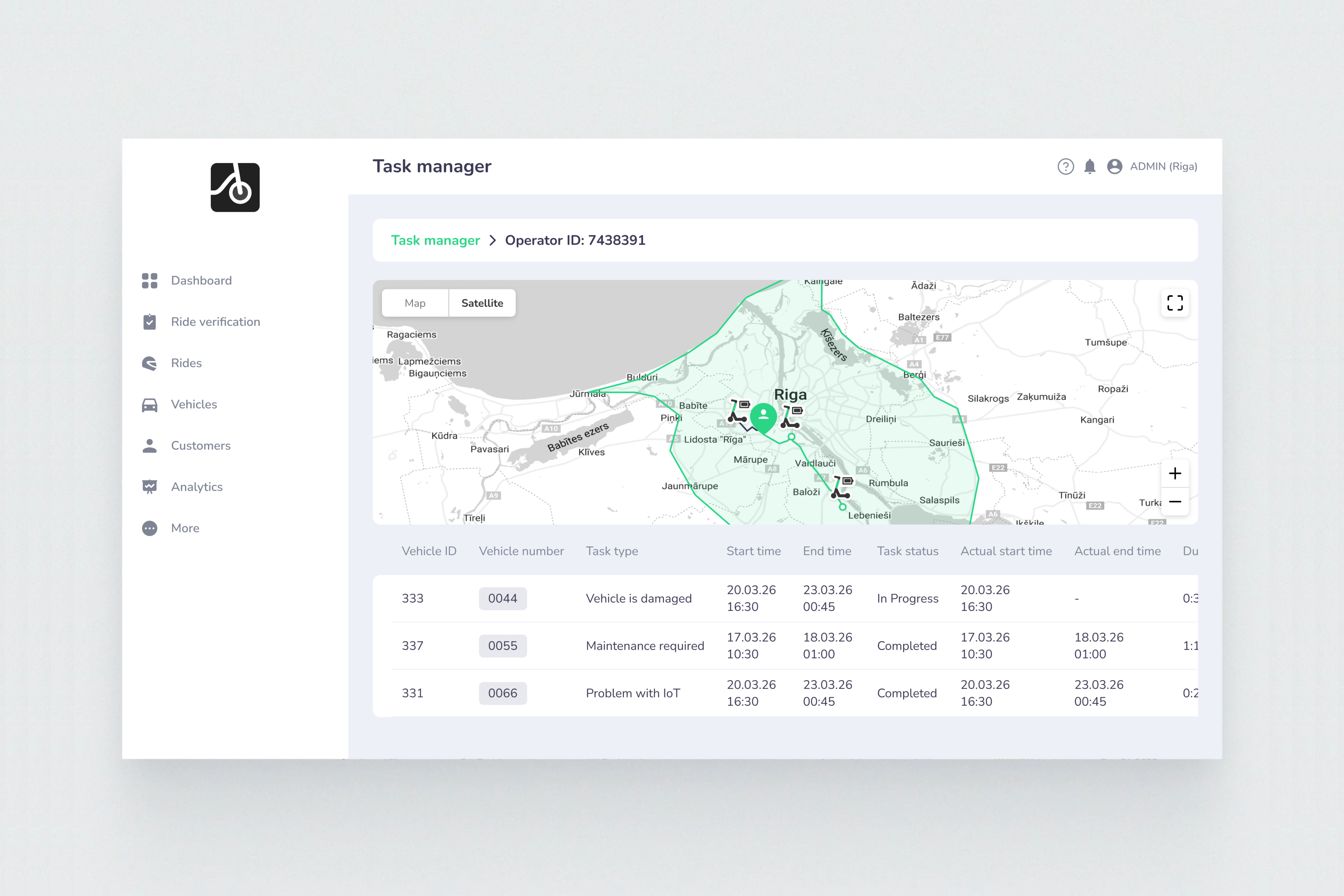
تمنحك علامة التبويب الورديات الجديدة للمديرين نظرة عامة مركزية على جميع ورديات المشغلين، بما في ذلك:
يمكن للمديرين فتح أي وردية فردية للاطلاع على الصورة التشغيلية الكاملة. فلكل مهمة، يمكنك رؤية المركبة، ونوع المهمة، ووقت البدء المخطط له والموعد النهائي، وأوقات البدء والانتهاء الفعلية، والحالة، والمدة الإجمالية للمهمة.
تتضمن كل وردية أيضاً خريطة توضح حركة المشغل الكاملة أثناء الوردية والمواقع التي تم تنفيذ المهام الفردية فيهابالنسبة للنوبات الجارية حالياً، يمكن للمديرين أيضاً الاطلاع على الموقع الحالي للمشغل.
وهذا يسهل كثيراً فهم المسار الفعلي، وحجم العمل، والقرارات المتخذة خلال كل نوبة، بالإضافة إلى تحديد فرص تحسين كيفية إدارة فرق العمل الميدانية لصيانة الأسطول وعملياته.
علامة التبويب الأداء الجديدة تجمع النتائج التشغيلية لكل مشغل خلال فترة زمنية محددة.
يمكن للمديرين تتبع:
بدلاً من مراجعة مئات المهام الفردية، يمكن للمديرين مقارنة المشغلين بسرعة، وتحديد أصحاب الأداء المتميز، ورصد المجالات التي قد تحتاج إلى تدريب إضافي أو تحسينات تشغيلية.
لجعل بيانات الأداء دقيقة ومفيدة، قدمنا أيضاً سير عمل جديد للنوبات والمهام في تطبيق ATOM للمشغلين. يبدأ المشغلون الآن نوبات عملهم وينهونها مباشرة من خلال التطبيق، بينما يتم تسجيل أوقات بدء المهام الفردية وإتمامها تلقائياً.
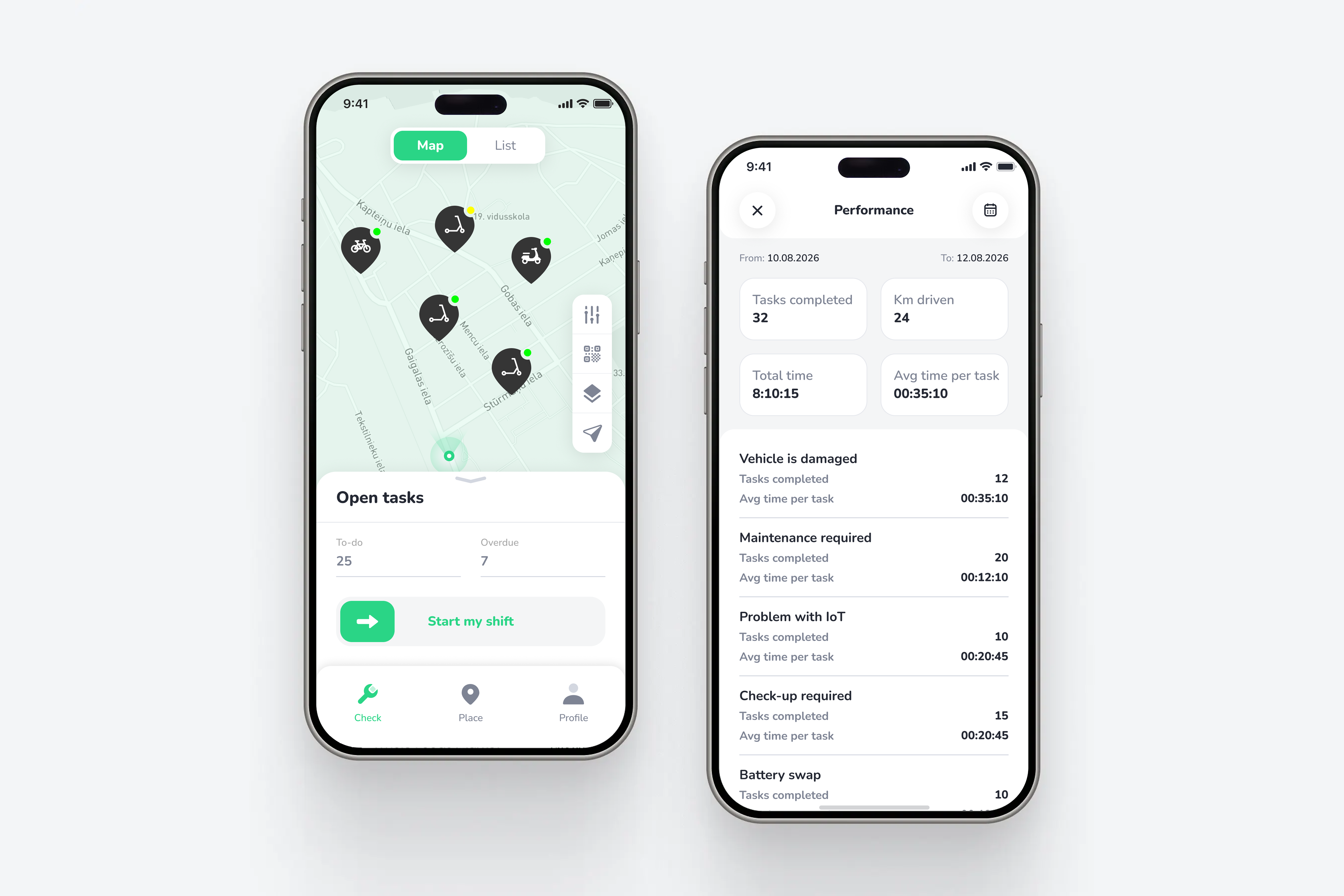
لقد أضفنا أيضاً:
معاً، تحول هذه التحديثات ATOM Task Manager من مجرد أداة لتوزيع المهام إلى نظام أكثر تكاملاً لأداء وتحسين العمليات الميدانية. يحصل المشغلون على سير عمل أوضح ورؤية أفضل لأدائهم الشخصي، بينما يحصل المديرون على البيانات التي يحتاجونها لفهم كيفية سير عملياتهم الميدانية فعلياً وتحديد مجالات تحسين الكفاءة.
الوظائف الجديدة متاحة لوحدات مشاركة المركبات و التأجير الرقمي في ATOM Mobility.
👉 اقرأ المزيد عن آخر تحديثات منصتنا:
https://www.atommobility.com/atomupdates
استخدم بيانات اعتماد الاختبار لتسجيل الدخول - رقم الهاتف: +1 123123123، الكود: 777777


بيانات اعتماد الإصدار التجريبي من تطبيق Driver - البريد الإلكتروني: test@atom.com، كلمة المرور: برنامج التشغيل