Top-Mobilitätskonferenzen, die Sie dieses Jahr besuchen sollten: Veranstaltungen, die Sie 2025 gesehen haben müssen
June 5, 2025
min. Lesedauer

.jpg)
Die Mobilitätsbranche entwickelt sich rasant, und um die Nase vorn zu haben, bedeutet, mit den richtigen Leuten in Kontakt zu treten, neue Technologien zu entdecken und von Experten zu lernen. Konferenzen sind eine großartige Möglichkeit, genau das zu tun. Egal, ob Sie ein politischer Entscheidungsträger, ein Unternehmer oder ein Flottenmanager sind, das kommende Jahr ist vollgepackt mit Veranstaltungen, bei denen Sie Ihr Netzwerk erweitern und wertvolle Einblicke gewinnen können. Hier finden Sie eine Liste der wichtigsten Mobilitätskonferenzen, die dieses Jahr stattfinden und die es wert sind, besucht zu werden!

Die Velo-City-Konferenz ist ein Muss für alle, die sich mit städtischem Verkehr befassen. Velo-City konzentriert sich auf Radfahren und nachhaltige Mobilität und bringt politische Entscheidungsträger, Stadtplaner und Verkehrsexperten zusammen, um zu diskutieren, wie Städte fahrradfreundlicher und nachhaltiger werden können.
In diesem Jahr ATOM Mobility wird auf der Veranstaltung mit einem Stand vertreten sein, Wenn Sie also teilnehmen, vergessen Sie nicht, vorbeizuschauen und mit unserem Team zu chatten. Es ist eine großartige Gelegenheit zu erkunden, wie neue Technologien den städtischen Verkehr intelligenter und effizienter machen können.
Wo: Danzig, Polen
Wann: 10.-13. Juni
Schau es dir an: https://www.velo-city-conference.com
Wenn Sie sich für Mikromobilität interessieren — ob E-Scooter, Fahrräder oder Mopeds — sind Sie bei Micromobility Europe genau richtig. Diese Konferenz ist die Drehscheibe für Mobilitätsunternehmer, Fahrzeughersteller und Betreiber von Sharing-Diensten. Sie werden von Innovatoren aus der Branche hören, die neuesten Produkte kennenlernen und an Workshops zu allen Themen teilnehmen, von der Regulierung bis hin zur Skalierung Ihrer Flotte.
Auf der Micromobility Europe wird ATOM Mobility nicht nur habe einen Stand aber unser CEO wird auch auf einer Podiumsdiskussion am zweiten Tag der Veranstaltung („Fleet Tech 2.0: Die Tools, die die nächste Generation von Bedienern antreiben“). Sie können sich die vollständige Agenda ansehen hier. Wir würden uns freuen, Sie kennenzulernen, also schauen Sie vorbei und sagen Sie Hallo.
Wo: Brüssel, Belgien
Wann: 17.-18. Juni
Schau es dir an: https://micromobility.io
Für Flottenmanager, Carsharing-Betreiber und Telematik-Experten ist die Gurtam Fleet Management Conference eine wichtige Veranstaltung, an der man teilnehmen sollte. Diese Konferenz konzentriert sich auf die Optimierung des Flottenbetriebs, die neuesten Entwicklungen im Bereich Fahrzeugverfolgung und Telematiktechnologien. ATOM Mobility wird unter den Besuchern sein, und wir werden auch auf der Bühne präsentieren, wo wir einige der neuesten Trends im Flottenmanagement und dem Einsatz von KI diskutieren werden („KI-gestützte Mobilität: Vision, Präzision, Vorhersage. Ein Blick darauf, wie KI die Einhaltung von Parkvorschriften für Flotten, die Erkennung von Fahrzeugschäden und die Bedarfsprognose transformiert.“)
Wenn Sie im Bereich Flottenmanagement tätig sind, ist dies eine großartige Veranstaltung, um Einblicke zu sammeln und Ideen mit gleichgesinnten Fachleuten auszutauschen.
Wo: Vilnius, Litauen
Wann: 10.-11. September
Schau es dir an: https://conference.gurtam.com
Die IAA Mobility ist eine der größten Mobilitätsveranstaltungen in Europa und bringt alle, von politischen Entscheidungsträgern bis hin zu Autoherstellern, zusammen, um über die Zukunft des Verkehrs zu diskutieren. Mit einem breiten Themenspektrum, darunter leichte Elektrofahrzeuge (LEVs), Mikromobilität, öffentlicher Verkehr und Mobility as a Service (MaaS), ist dies eine großartige Konferenz für alle, die sich für das breitere Spektrum der Mobilität interessieren.
Ganz gleich, ob Sie sich über die neuesten Entwicklungen in der Automobiltechnik informieren oder sich über politische Änderungen informieren möchten, die sich auf die Mobilitätsbranche auswirken, die IAA Mobility ist eine Veranstaltung, an der Sie unbedingt teilnehmen müssen.
Wo: München, Deutschland
Wann: 9.-12. September
Schau es dir an: https://www.iaa-mobility.com/en
Wenn Sie den wachsenden Mobilitätsmarkt in Saudi-Arabien und MENA erschließen möchten, ist Mobility Live Saudi eine der größten Veranstaltungen, die sich auf den städtischen Verkehr in der Region konzentriert. Die Konferenz bringt politische Entscheidungsträger, Mietwagenunternehmer und Entwickler der Mobilitätsinfrastruktur zusammen, um die neuesten Trends und Innovationen in den Bereichen vernetzte Fahrzeuge, MaaS und Mikromobilität zu erörtern.
Es ist eine spannende Veranstaltung, um die einzigartigen Herausforderungen und Chancen auf dem saudi-arabischen Markt zu erkunden, insbesondere in Bezug auf Infrastruktur und neue Mobilitätslösungen.
Wo: Riyadh, Saudi-Arabien
Wann: 9.-21. Oktober
Schau es dir an: https://www.terrapinn.com/exhibition/mobility-live-saudi
Jede dieser Veranstaltungen bietet eine einzigartige Gelegenheit, mit Menschen im Mobilitätsökosystem in Kontakt zu treten. Ganz gleich, ob Sie mehr über neue Technologien erfahren, von Branchenexperten hören oder sich mit potenziellen Partnern vernetzen möchten, die Teilnahme an diesen Konferenzen kann Ihnen helfen, Ihrer Zeit einen Schritt voraus zu sein.
Darüber hinaus bieten viele dieser Veranstaltungen eine persönliche Interaktion, was für den Aufbau starker Beziehungen und die Förderung einer sinnvollen Zusammenarbeit von entscheidender Bedeutung sein kann. Von politischen Änderungen bis hin zu neuen Technologien — auf diesen Konferenzen finden Sie die Erkenntnisse, die die Zukunft der Mobilität prägen können.
Wenn Sie an einer dieser Konferenzen teilnehmen möchten, sollten Sie unbedingt am Stand von ATOM Mobility vorbeischauen. Wir sprechen gerne darüber, wie wir Mikromobilität, Carsharing für Unternehmen und Mobilität effizienter, nachhaltiger und zugänglicher machen. Unser Team freut sich darauf, mit anderen Fachleuten in Kontakt zu treten, Erkenntnisse auszutauschen und zu diskutieren, wie wir alle zur Zukunft der Mobilität beitragen können.
Wir sehen uns dort!
Klicken Sie unten, um mehr zu erfahren oder eine Demo anzufordern.

The micromobility industry doesn’t need another generic mobility conference. 🚫🎤 It needs real conversations between operators who are actually in the field. ⚙️ That’s exactly what ATOM Connect 2026 is built for. 🎯🤝
The shared mobility industry is evolving rapidly. Operators are navigating scaling challenges, regulatory complexity, hardware decisions, fleet optimization, and new integration models, all while aiming for sustainable growth.
That’s exactly why ATOM Mobility is organizing ATOM Connect 2026.
Our previous edition of ATOM Connect brought together professionals from the car sharing and rental industry for focused, high-quality discussions and networking. This year, we are narrowing the focus and dedicating the entire event to one fast-moving segment of the industry: shared micromobility.
ATOM Connect 2026 is designed specifically for operators, partners, and decision-makers working in shared micromobility. It is not a broad mobility conference or a public exhibition. It is a curated space for industry professionals to exchange practical experience, insights, and lessons learned.
On May 14th, 2026 in Riga, we will once again bring the community together, this time with a clear focus on micromobility.
This year’s agenda will address the real operational and strategic questions shaping shared micromobility today:
As usual, we aim to host both local and international operators from smaller, fast-growing fleets to established large-scale players alongside hardware providers and ecosystem partners.
On stage, you’ll hear from leading shared mobility companies - including Segway on hardware partnerships, Umob on MaaS integration, Anadue on data-driven fleet intelligence, Elerent on multi-vehicle operational realities and more insightful discussions.
The goal is simple: meaningful discussions with people who understand the operational realities of the industry.
ATOM Connect is free to attend, but participation is industry-focused (each submission is manually reviewed and verified). We are intentionally keeping the audience relevant and aligned to ensure high-quality conversations and valuable networking.
If you work in shared micromobility and would like to join the event, you can find the full agenda and register here:
👉 https://www.atommobility.com/atom-connect-2026
In the coming weeks, we will be revealing more speakers and additional agenda updates. We look forward to bringing the industry together again.
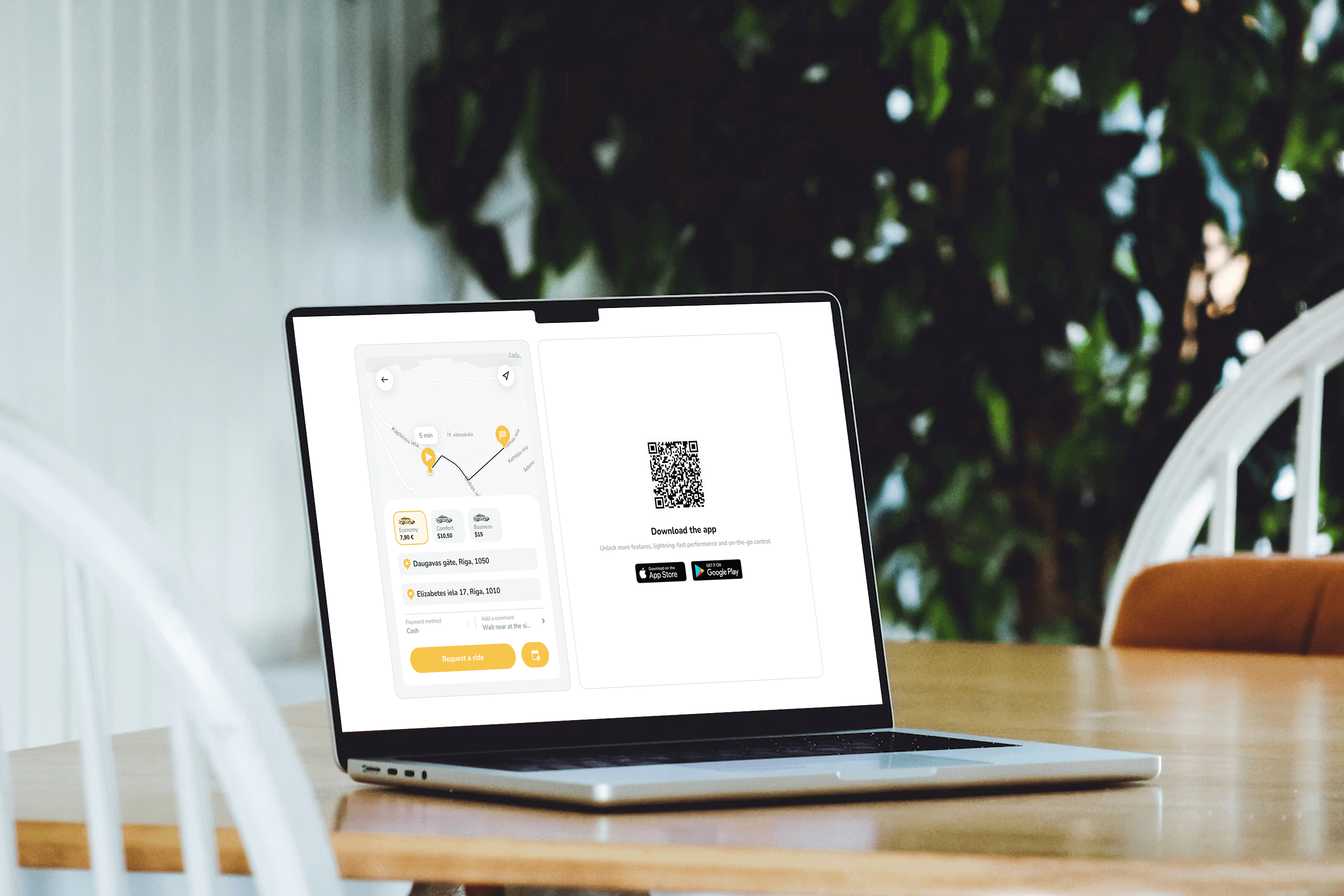
🚕 Web-booker is a lightweight ride-hail widget that lets users book rides directly from a website or mobile browser - no app install required. It reduces booking friction, supports hotel and partner demand, and keeps every ride fully synced with the taxi operator’s app and dashboard.
What if ordering a taxi was as easy as booking a room or clicking “Reserve table” on a website?
Meet Web-booker - a lightweight ride-hail booking widget that lets users request a cab directly from a website, without installing or opening the mobile app.
Perfect for hotels, business centers, event venues, airports, and corporate partners.
👉 Live demo: https://app.atommobility.com/taxi-widget
Web-booker is a browser-based ride-hail widget that operators can embed or link to from any website.
The booking happens on the web, but the ride is fully synchronized with the mobile app and operator dashboard.
No redirects. No app-store friction. No lost users.
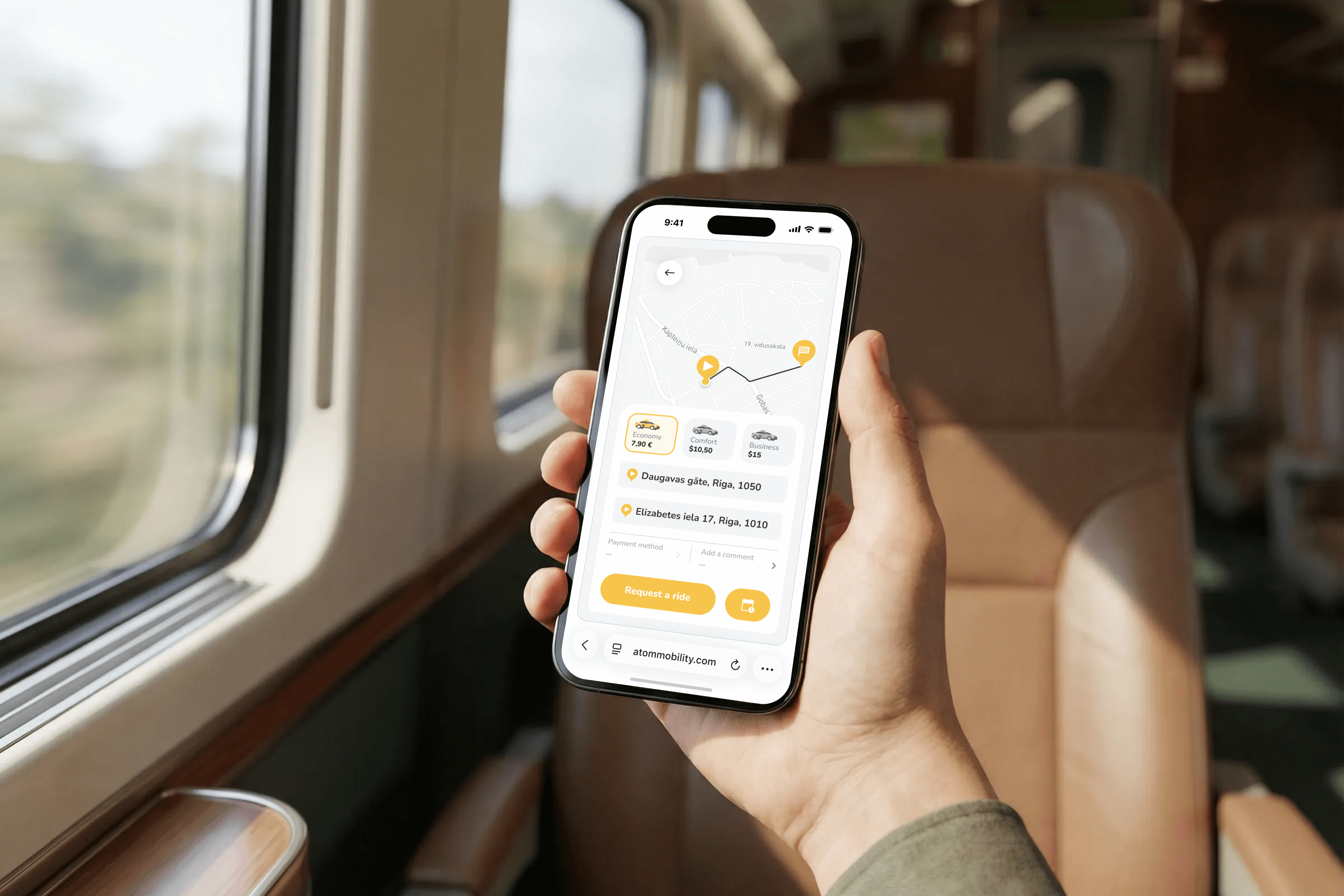
This keeps fraud low while preserving conversion.
Web-booker addresses one of the most common friction points in ride-hailing: users who need a ride now but are not willing to download an app first. By allowing bookings directly from a website, operators can capture high-intent demand at the exact moment it occurs - whether that is on a hotel website, an event page, or a partner landing page.
At the same time, Web-booker makes partnerships with hotels and venues significantly easier. Instead of complex integrations or manual ordering flows, partners can simply place a button or link and immediately enable ride ordering for their guests. Importantly, this approach does not block long-term app growth. The booking flow still promotes the mobile app through QR codes and store links, allowing operators to convert web users into app users over time - without forcing the install upfront.
Web-booker is not designed to replace the mobile app. It extends the acquisition funnel by adding a low-friction entry point, while keeping all bookings fully synchronized with the operator’s app and dashboard.
👉 Try the demo
https://app.atommobility.com/taxi-widget
Want to explore a ride-hail or taxi solution for your business - or migrate to a more flexible platform? Visit: https://www.atommobility.com/products/ride-hailing
Anmeldedaten für die Driver App-Demo - E-Mail: test@atom.com, Passwort: Treiber

