El programa de creación de empresas ATOM Mobility Hub pide a los emprendedores que lancen sus nuevas empresas de movilidad
August 3, 2022
lectura mínima


El programa de creación de empresas ATOM Mobility Hub está dirigido por la empresa de tecnología ATOM Mobility en estrecha colaboración con la empresa de gestión de la innovación Helve para ayudar a los emprendedores ambiciosos a crear empresas de movilidad desde cero. ATOM Mobility Hub es la primera aceleradora diseñada para nuevos emprendedores sin conocimientos de TI ni habilidades tecnológicas con la ambición de iniciar negocios de vehículos compartidos, transporte o entrega a pedido. Solicitudes para el programa de creación de empresas están abiertos a cualquier emprendedor con talento hasta el 13 de septiembre.
El programa de aceleración en línea de nueve semanas se creó para ayudar a los aspirantes a emprendedores y profesionales de la movilidad a lanzar su próxima empresa de movilidad en tres mercados verticales: movilidad compartida, transporte compartido o entrega a pedido. El programa se llevará a cabo de octubre a diciembre y bajo la guía de mentores experimentados de empresas como Adyen, Funderbeam, Movie, y Movilidad urbana del EIT y muchos otros, los participantes trabajarán en la ideación y el establecimiento de objetivos, la exploración del mercado, la creación de productos, las ventas y el marketing, así como en la planificación de rutas. Al final de ATOM Mobility Hub, los participantes estarán preparados para lanzar su producto mínimo viable (MVP), ponerse en contacto con inversores, tanto atraídos por el programa como no, para presentar sus nuevos conceptos empresariales para atraer inversiones y poner en marcha sus negocios de movilidad.
«Para nosotros en ATOM Mobility, la misión es ayudar a los emprendedores con talento a lanzar y ampliar sus negocios en el espacio de la movilidad. Vemos que algunos fundadores y empresas emergentes con mucho talento tienen un acceso limitado a la tecnología, la experiencia y la financiación necesarias. Hemos creado ATOM Mobility Hub para resolver exactamente este desafío. Como la tecnología es cara y su desarrollo lleva tiempo, con este programa podemos ayudar a acelerar el proceso y actuar como socios tecnológicos», afirma Arturs Burnins, fundador y director ejecutivo de ATOM Mobility.
El fondo total de premios de la aceleradora supera los 30 000 euros en apoyo tecnológico y empresarial y se dividirá entre los equipos más fuertes al final del programa. Además del software de ATOM Mobility, los equipos que estén dispuestos a innovar también competirán para recibir premios de socios aceleradores como Adyen, Funderbeam, Fluctuo, Sumsub, ACTON, Movmi y Knot, todo ello con el fin de facilitar el lanzamiento de sus empresas y ayudarlos a atraer financiación externa.

En la foto: Marija Ručevska, socia y fundadora de Helve, y Jurgen Sahtel, director de asociaciones de ATOM Mobility
«Los programas de creación de empresas como ATOM Mobility Hub permiten a los equipos crear nuevas empresas de manera eficiente con el apoyo que necesitan desde las primeras etapas. Los fundadores tienen acceso no solo a mentores y fundadores con experiencia, sino también directamente a profesionales de la movilidad con experiencia en el sector y conocimientos que transmitir. El mercado mundial de la movilidad en 2021 se estimó en casi 40 000 millones de dólares, con una tasa de crecimiento anual prevista del 25%. Esto indica que los participantes del programa tienen un gran potencial para continuar con lo que empezaron y convertir sus nuevas empresas en actores fuertes del mercado una vez finalizado el programa», revela Marija Ručevska, fundadora y socia de Helve.
ATOM Mobility y Helve invitan a cualquier emprendedor con talento a postularse al programa con su idea, ya sea de forma individual o en equipo. Las solicitudes están abiertas hasta el 13 de septiembre. El programa en línea comenzará el 3 de octubre y concluirá el 14 de diciembre con una jornada de demostración. Puede encontrar más información sobre ATOM Mobility Hub y el formulario de solicitud en el sitio web del programa
Haga clic a continuación para obtener más información o solicitar una demostración.

The micromobility industry doesn’t need another generic mobility conference. 🚫🎤 It needs real conversations between operators who are actually in the field. ⚙️ That’s exactly what ATOM Connect 2026 is built for. 🎯🤝
The shared mobility industry is evolving rapidly. Operators are navigating scaling challenges, regulatory complexity, hardware decisions, fleet optimization, and new integration models, all while aiming for sustainable growth.
That’s exactly why ATOM Mobility is organizing ATOM Connect 2026.
Our previous edition of ATOM Connect brought together professionals from the car sharing and rental industry for focused, high-quality discussions and networking. This year, we are narrowing the focus and dedicating the entire event to one fast-moving segment of the industry: shared micromobility.
ATOM Connect 2026 is designed specifically for operators, partners, and decision-makers working in shared micromobility. It is not a broad mobility conference or a public exhibition. It is a curated space for industry professionals to exchange practical experience, insights, and lessons learned.
On May 14th, 2026 in Riga, we will once again bring the community together, this time with a clear focus on micromobility.
This year’s agenda will address the real operational and strategic questions shaping shared micromobility today:
As usual, we aim to host both local and international operators from smaller, fast-growing fleets to established large-scale players alongside hardware providers and ecosystem partners.
On stage, you’ll hear from leading shared mobility companies - including Segway on hardware partnerships, Umob on MaaS integration, Anadue on data-driven fleet intelligence, Elerent on multi-vehicle operational realities and more insightful discussions.
The goal is simple: meaningful discussions with people who understand the operational realities of the industry.
ATOM Connect is free to attend, but participation is industry-focused (each submission is manually reviewed and verified). We are intentionally keeping the audience relevant and aligned to ensure high-quality conversations and valuable networking.
If you work in shared micromobility and would like to join the event, you can find the full agenda and register here:
👉 https://www.atommobility.com/atom-connect-2026
In the coming weeks, we will be revealing more speakers and additional agenda updates. We look forward to bringing the industry together again.
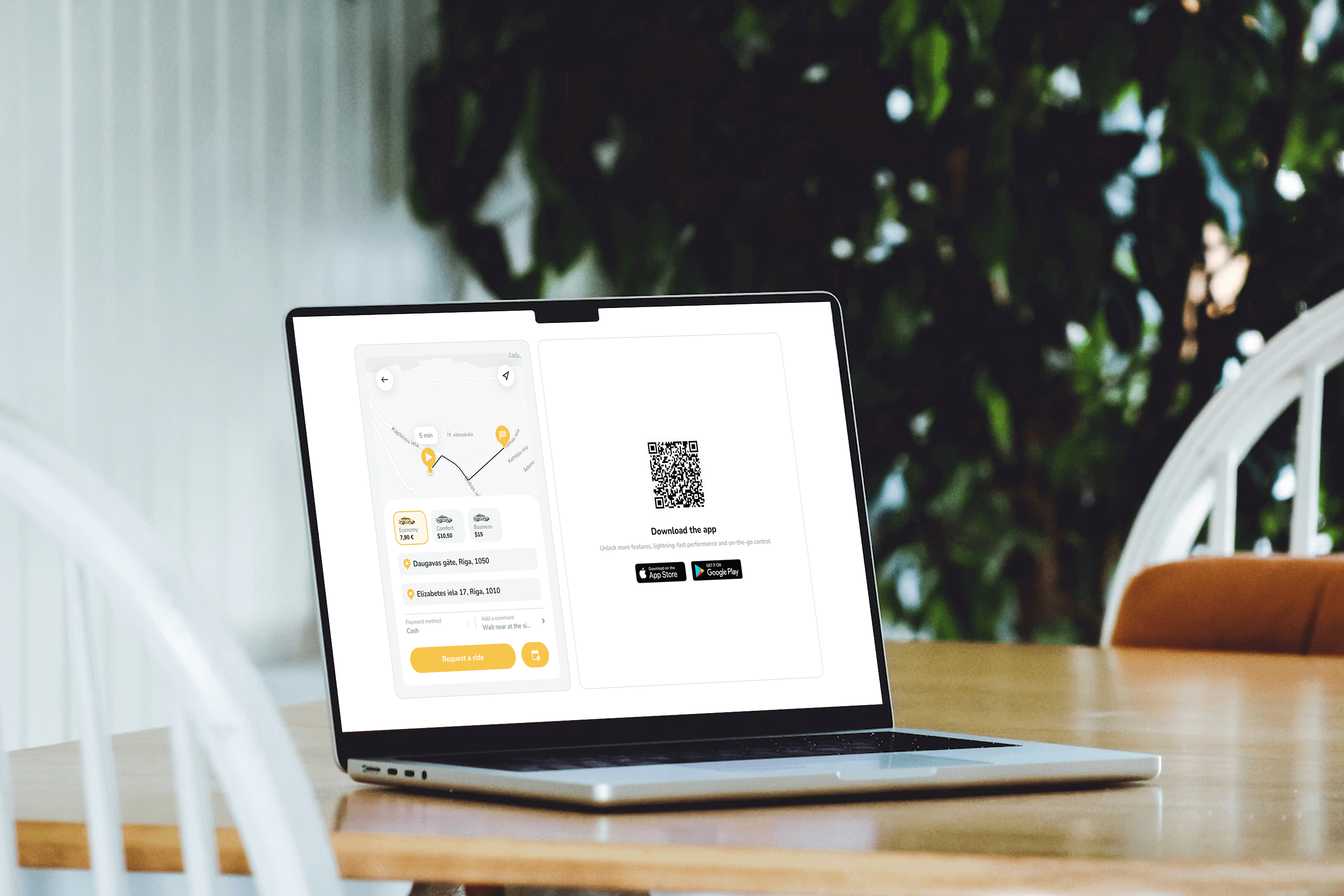
🚕 Web-booker is a lightweight ride-hail widget that lets users book rides directly from a website or mobile browser - no app install required. It reduces booking friction, supports hotel and partner demand, and keeps every ride fully synced with the taxi operator’s app and dashboard.
What if ordering a taxi was as easy as booking a room or clicking “Reserve table” on a website?
Meet Web-booker - a lightweight ride-hail booking widget that lets users request a cab directly from a website, without installing or opening the mobile app.
Perfect for hotels, business centers, event venues, airports, and corporate partners.
👉 Live demo: https://app.atommobility.com/taxi-widget
Web-booker is a browser-based ride-hail widget that operators can embed or link to from any website.
The booking happens on the web, but the ride is fully synchronized with the mobile app and operator dashboard.
No redirects. No app-store friction. No lost users.
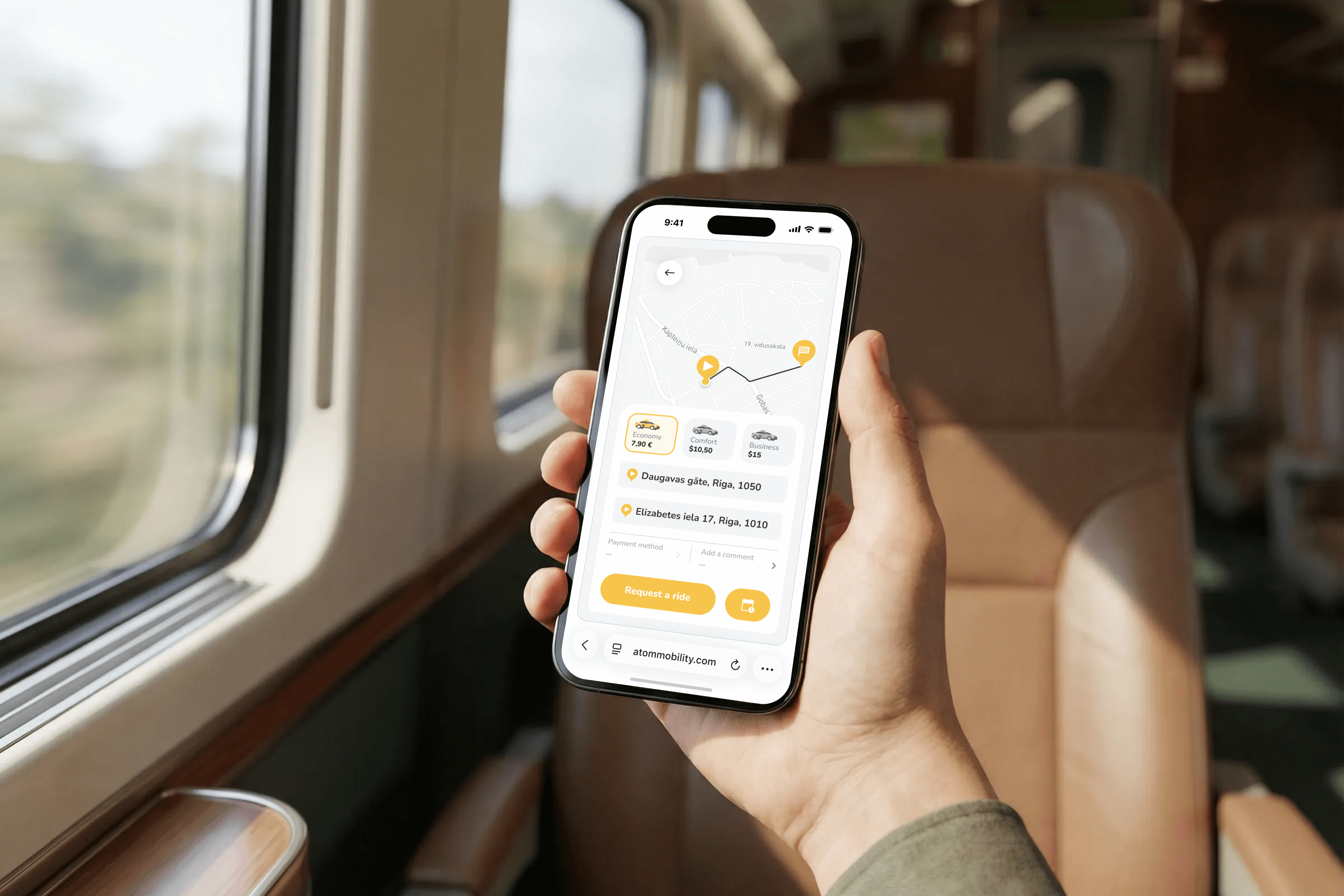
This keeps fraud low while preserving conversion.
Web-booker addresses one of the most common friction points in ride-hailing: users who need a ride now but are not willing to download an app first. By allowing bookings directly from a website, operators can capture high-intent demand at the exact moment it occurs - whether that is on a hotel website, an event page, or a partner landing page.
At the same time, Web-booker makes partnerships with hotels and venues significantly easier. Instead of complex integrations or manual ordering flows, partners can simply place a button or link and immediately enable ride ordering for their guests. Importantly, this approach does not block long-term app growth. The booking flow still promotes the mobile app through QR codes and store links, allowing operators to convert web users into app users over time - without forcing the install upfront.
Web-booker is not designed to replace the mobile app. It extends the acquisition funnel by adding a low-friction entry point, while keeping all bookings fully synchronized with the operator’s app and dashboard.
👉 Try the demo
https://app.atommobility.com/taxi-widget
Want to explore a ride-hail or taxi solution for your business - or migrate to a more flexible platform? Visit: https://www.atommobility.com/products/ride-hailing
Credenciales de demostración de Driver App - Correo electrónico: test@atom.com, contraseña: conductor

