Cómo encontrar su nicho en el competitivo mercado de transporte: ejemplos reales de empresas que triunpan
December 18, 2024
lectura mínima


El mercado de transporte público está abarrotado, es ferozmente competitivo y, a menudo, está dominado por nombres conocidos como Uber y Bolt. Pero no dejes que los gigantes te engañen haciéndote creer que no hay lugar para ti. Con un poco de creatividad y un ángulo único, puede ponerse en marcha con bastante rapidez. ¿El secreto? Encontrar lo único que te diferencia de los demás. Exploremos cómo algunos jugadores notables (tanto veteranos como recién llegados) han logrado precisamente eso.
InDrive: pionero en la negociación de precios
🔹 Más de 200 millones de descargas, activas en más de 700 ciudades de más de 45 países
🔹 Característica única: establece tu precio: ¡los pasajeros ofrecen una tarifa y los conductores pueden aceptarla o negociarla!
🔹 Los conductores no pagan comisiones, solo una pequeña suscripción mensual, lo que les brinda mejores ganancias.
🔹 Entrada única en el mercado: uso inicialmente gratuito para los conductores (sin comisiones, sin suscripción).

Antes de hablar de los jugadores más recientes, volvamos a visitar En Drive, una empresa que entró en el mercado hace años con un enfoque que parece casi demasiado simple para funcionar: ofrezca su precio.
La idea es sencilla. En lugar de aceptar una tarifa fija, los pasajeros sugieren cuánto están dispuestos a pagar. Los conductores, a su vez, pueden aceptar, contrarrestar o rechazar la oferta. Es una dinámica que refleja el regateo en un bazar, pero está digitalizada para el viajero moderno.
Este modelo resonó. Los pasajeros se sentían empoderados y los conductores apreciaban la flexibilidad, especialmente en los mercados sensibles en los que los precios justos son una preocupación. InDrive se expandió rápidamente en mercados emergentes como América Latina, Rusia y el sudeste asiático, regiones donde la asequibilidad y la negociación son normas culturales.
¿La comida para llevar aquí? El modelo «ofrece tu precio» de InDrive no era solo un truco divertido, sino una solución adaptada a mercados y grupos demográficos específicos, que ofrecía viajes justos a todo aquel que lo necesitara. Si te estás dedicando al transporte compartido, pregúntate: ¿qué matiz cultural o social único puedes aprovechar para revolucionar el mercado de la región?
BLACWOLF: El enfoque armado y preparado
🔹 Característica única: concéntrese en la seguridad de los pasajeros con conductores armados y entrenados 🛡️
🔹 Lanzado en Atlanta (2023), ¡ahora se expandirá en Arizona, Florida, Georgia, Tennessee y pronto en Houston, Austin y Dallas!
🔹 Más de 300 000 descargas en solo 1,5 años.

Ahora, pasemos rápidamente al presente y vayamos a los EE. UU., donde LOBO NEGRO ha entrado en escena (lanzado en Atlanta en 2023) y ahora se está expandiendo por Arizona, Florida, Georgia, Tennessee y pronto en Houston, Austin y Dallas, con un toque sorprendente: conductores que portan armas de fuego.
BLACWOLF se lanzó en respuesta a las preocupaciones sobre la seguridad de los conductores y pasajeros. Su USP (propuesta de venta única) es garantizar la tranquilidad de los conductores armados. Como dice su eslogan: «No reinventamos el transporte compartido, solo lo hicimos más seguro».
Aunque suene controvertido, está resonando en mercados específicos como Houston, donde la seguridad personal es una prioridad para muchos.
Este enfoque ha ganado terreno, especialmente entre los pasajeros que priorizan la seguridad o se sienten desatendidos por las plataformas de transporte existentes. Por supuesto, no está exento de desafíos. Me vienen a la mente los obstáculos regulatorios y las preocupaciones en materia de responsabilidad; sin embargo, BLACWOLF se está expandiendo rápidamente, lo que demuestra que un ángulo polarizador aún puede ser beneficioso.
No evite las ideas audaces que se adaptan a puntos problemáticos reales. Ya sea que se trate de seguridad, conveniencia o costo, identificar una necesidad desatendida puede ayudarlo a destacar en un mercado abarrotado.
COMIN: El disruptor francés de ofertas de viajes
🔹 Características únicas: ofrece una comisión justa del 10% y función Fija tu precio (similar a InDrive).
🔹 Incorporó rápidamente a 6000 conductores, capturando el 15% del mercado en un tiempo récord.

En Europa, un nuevo jugador llamado PRÓXIMAMENTE está sacudiendo las cosas en Francia. Este recién llegado ha incorporado a 6.000 conductores y se ha hecho con el 15% del mercado francés casi de la noche a la mañana, una hazaña que está llamando la atención de todo el sector.
¿La salsa secreta de COMIN? Un sistema de ofertas que permite a los pasajeros presentar ofertas de viajes, dando a los conductores la opción de aceptar o negociar. Sí, es como InDrive, pero con un toque hiperlocal adaptado a la dinámica del mercado francés.
Para impulsar su crecimiento, también han recaudado 300 000 euros en financiación inicial de Station F, la incubadora de empresas emergentes más grande de Europa. Al centrarse en un mercado y perfeccionar su modelo, COMIN ha evitado hacer demasiadas cosas a la vez, lo que demuestra que un enfoque centrado a menudo triunfa sobre intentar serlo todo para todos.
Para los aspirantes a emprendedores de transporte, COMIN sirve como un estudio de caso para empezar de a poco pero pensar en grande. Especializarte en una región o grupo demográfico antes de expandirte puede ayudarte a ganar terreno y a refinar tu oferta.
El mercado de transporte puede parecer una fortaleza, pero incluso las paredes más fuertes tienen grietas. Con creatividad, audacia y la plataforma adecuada para respaldar tu visión, no hay razón para que no puedas abrirte paso y prosperar. ¿Estás preparado?
Cómo puede ayudar ATOM Mobility
Así que tienes una idea innovadora. ¿Qué es lo siguiente? Para convertir tu visión en realidad, necesitarás una plataforma sólida sobre la que construir, y ahí es donde entra en juego ATOM Mobility.
ATOM proporciona una plataforma lista para usar para los emprendedores que buscan lanzar servicios de transporte o movilidad. Con herramientas personalizables, integraciones perfectas y tecnología escalable, ATOM te permite concentrarte en tu propuesta de valor única mientras nosotros nos ocupamos del backend.
¿Estás listo para dejar tu huella en el mundo del transporte? Únase a ATOM Mobility hoy ¡y comienza tu viaje!
Haga clic a continuación para obtener más información o solicitar una demostración.

The micromobility industry doesn’t need another generic mobility conference. 🚫🎤 It needs real conversations between operators who are actually in the field. ⚙️ That’s exactly what ATOM Connect 2026 is built for. 🎯🤝
The shared mobility industry is evolving rapidly. Operators are navigating scaling challenges, regulatory complexity, hardware decisions, fleet optimization, and new integration models, all while aiming for sustainable growth.
That’s exactly why ATOM Mobility is organizing ATOM Connect 2026.
Our previous edition of ATOM Connect brought together professionals from the car sharing and rental industry for focused, high-quality discussions and networking. This year, we are narrowing the focus and dedicating the entire event to one fast-moving segment of the industry: shared micromobility.
ATOM Connect 2026 is designed specifically for operators, partners, and decision-makers working in shared micromobility. It is not a broad mobility conference or a public exhibition. It is a curated space for industry professionals to exchange practical experience, insights, and lessons learned.
On May 14th, 2026 in Riga, we will once again bring the community together, this time with a clear focus on micromobility.
This year’s agenda will address the real operational and strategic questions shaping shared micromobility today:
As usual, we aim to host both local and international operators from smaller, fast-growing fleets to established large-scale players alongside hardware providers and ecosystem partners.
On stage, you’ll hear from leading shared mobility companies - including Segway on hardware partnerships, Umob on MaaS integration, Anadue on data-driven fleet intelligence, Elerent on multi-vehicle operational realities and more insightful discussions.
The goal is simple: meaningful discussions with people who understand the operational realities of the industry.
ATOM Connect is free to attend, but participation is industry-focused (each submission is manually reviewed and verified). We are intentionally keeping the audience relevant and aligned to ensure high-quality conversations and valuable networking.
If you work in shared micromobility and would like to join the event, you can find the full agenda and register here:
👉 https://www.atommobility.com/atom-connect-2026
In the coming weeks, we will be revealing more speakers and additional agenda updates. We look forward to bringing the industry together again.
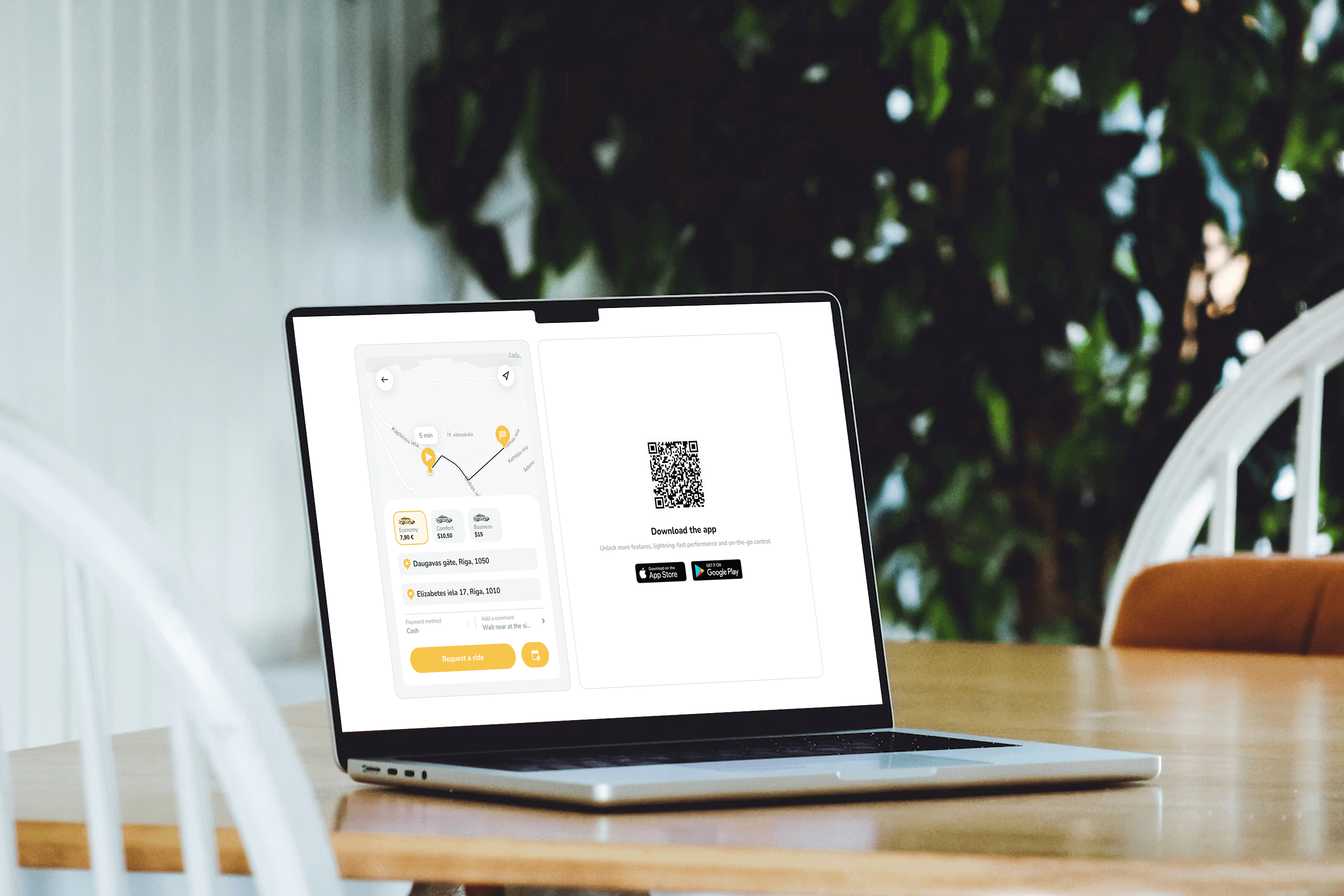
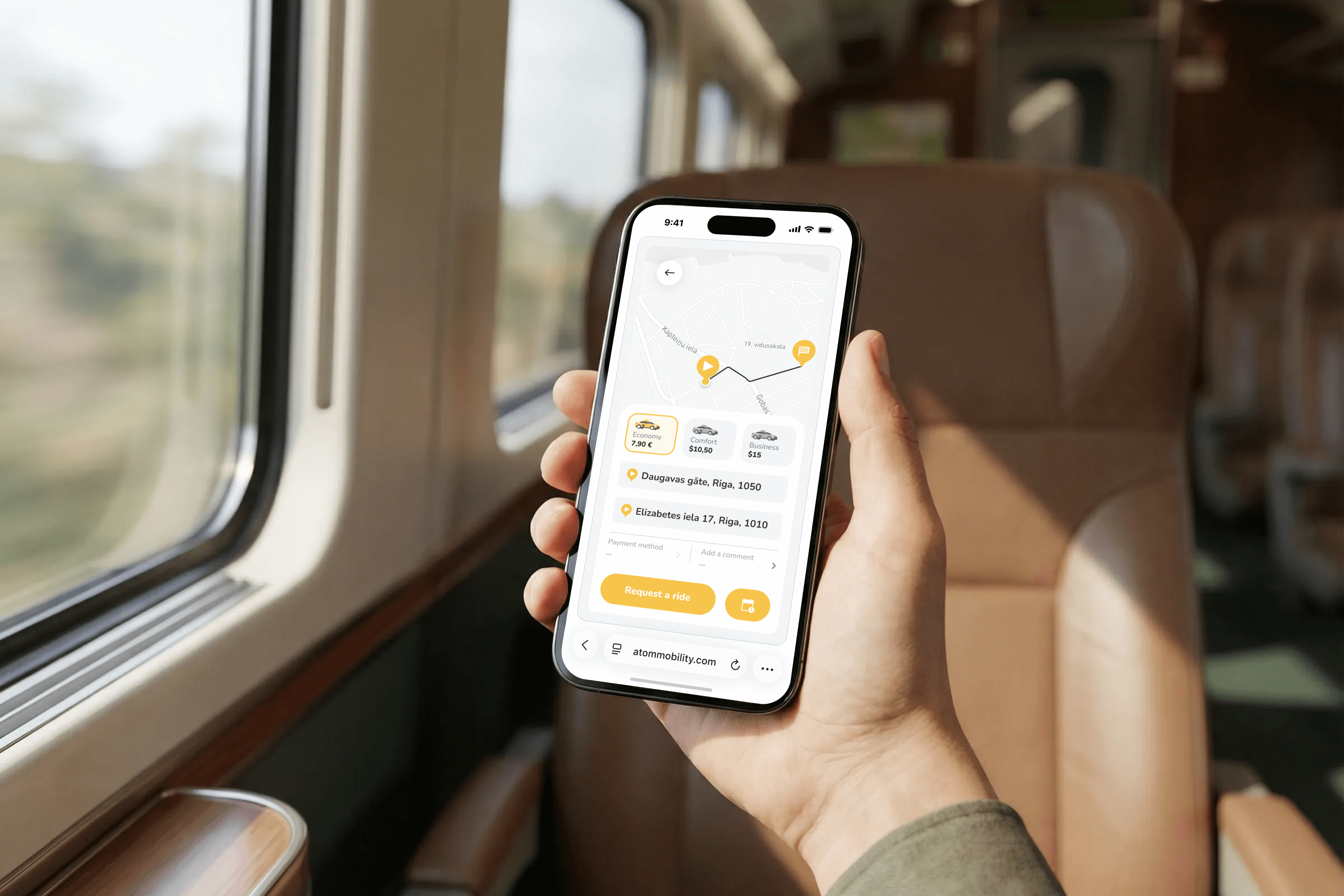
🚕 Web-booker is a lightweight ride-hail widget that lets users book rides directly from a website or mobile browser - no app install required. It reduces booking friction, supports hotel and partner demand, and keeps every ride fully synced with the taxi operator’s app and dashboard.
What if ordering a taxi was as easy as booking a room or clicking “Reserve table” on a website?
Meet Web-booker - a lightweight ride-hail booking widget that lets users request a cab directly from a website, without installing or opening the mobile app.
Perfect for hotels, business centers, event venues, airports, and corporate partners.
👉 Live demo: https://app.atommobility.com/taxi-widget
Web-booker is a browser-based ride-hail widget that operators can embed or link to from any website.
The booking happens on the web, but the ride is fully synchronized with the mobile app and operator dashboard.
No redirects. No app-store friction. No lost users.
This keeps fraud low while preserving conversion.
Web-booker addresses one of the most common friction points in ride-hailing: users who need a ride now but are not willing to download an app first. By allowing bookings directly from a website, operators can capture high-intent demand at the exact moment it occurs - whether that is on a hotel website, an event page, or a partner landing page.
At the same time, Web-booker makes partnerships with hotels and venues significantly easier. Instead of complex integrations or manual ordering flows, partners can simply place a button or link and immediately enable ride ordering for their guests. Importantly, this approach does not block long-term app growth. The booking flow still promotes the mobile app through QR codes and store links, allowing operators to convert web users into app users over time - without forcing the install upfront.
Web-booker is not designed to replace the mobile app. It extends the acquisition funnel by adding a low-friction entry point, while keeping all bookings fully synchronized with the operator’s app and dashboard.
👉 Try the demo
https://app.atommobility.com/taxi-widget
Want to explore a ride-hail or taxi solution for your business - or migrate to a more flexible platform? Visit: https://www.atommobility.com/products/ride-hailing
Credenciales de demostración de Driver App - Correo electrónico: test@atom.com, contraseña: conductor

