So finden Sie Ihre Nische auf dem umkämpften Ride-Hail-Markt: Beispiele aus der Praxis für Unternehmen, die Anklang finden
December 18, 2024
min. Lesedauer


Der Ride-Hail-Markt ist überfüllt, hart umkämpft und wird oft von bekannten Namen wie Uber und Bolt dominiert. Aber lassen Sie sich nicht von den Giganten täuschen und glauben, dass es keinen Platz für Sie gibt. Mit etwas kreativem Denken und einem einzigartigen Blickwinkel können Sie sich ziemlich schnell auf den Weg machen. Das Geheimnis? Die eine Sache zu finden, die dich von anderen unterscheidet. Lassen Sie uns untersuchen, wie einige namhafte Spieler (sowohl Veteranen als auch Neulinge) genau das geschafft haben.
InDrive: Ein Pionier in der Preisverhandlung
🔹 Über 200 Millionen Downloads, aktiv in über 700 Städten in über 45 Ländern
🔹 Einzigartiges Feature: Lege deinen Preis fest — die Fahrer bieten einen Tarif an und die Fahrer können ihn akzeptieren oder aushandeln!
🔹 Fahrer zahlen keine Provision, nur ein kleines monatliches Abonnement, wodurch sie bessere Einnahmen erzielen.
🔹 Einzigartiger Markteintritt: Anfänglich kostenlose Nutzung für Fahrer (keine Provision, kein Abo).

Bevor wir über die neuesten Spieler sprechen, schauen wir uns das noch einmal an InDrive, ein Unternehmen, das vor Jahren mit einem Ansatz auf den Markt gekommen ist, der fast zu einfach klingt, um zu funktionieren — bieten Sie Ihren Preis an.
Die Idee ist einfach. Anstatt einen festen Tarif zu akzeptieren, schlagen die Fahrer vor, wie viel sie bereit sind zu zahlen. Die Fahrer wiederum können das Angebot annehmen, kontern oder ablehnen. Es ist eine Dynamik, die das Feilschen auf einem Basar widerspiegelt, aber für den modernen Pendler digitalisiert ist.
Dieses Modell fand Anklang. Die Fahrer fühlten sich gestärkt, und die Fahrer schätzten die Flexibilität, insbesondere in sensiblen Märkten, in denen faire Preise ein Anliegen sind. InDrive expandierte schnell in Schwellenländern wie Lateinamerika, Russland und Südostasien, Regionen, in denen Erschwinglichkeit und Verhandlungen kulturelle Normen sind.
Das Essen zum Mitnehmen hier? Das Modell „Biete deinen Preis an“ von InDrive war nicht nur eine lustige Spielerei, sondern eine Lösung, die auf bestimmte Märkte und demografische Merkmale zugeschnitten ist und jedem, der sie benötigt, faire Fahrten bietet. Wenn Sie in den Bereich Ride-Hail einsteigen, fragen Sie sich: Welche einzigartige kulturelle oder soziale Nuance können Sie nutzen, um den Markt in der Region zu revolutionieren?
BLACKWOLF: Der bewaffnete und bereitwillige Anflug
🔹 Einzigartiges Feature: Konzentrieren Sie sich mit bewaffneten und geschulten Fahrern auf die Sicherheit der Fahrer 🛡️
🔹 In Atlanta (2023) gestartet und jetzt in Arizona, Florida, Georgia, Tennessee und bald auch in Houston, Austin und Dallas expandiert!
🔹 Über 300.000 Downloads in nur 1,5 Jahren.

Lassen Sie uns nun in die Gegenwart vorspulen und in die USA gehen, wo SCHWARZER WOLF hat die Szene betreten (gegründet in Atlanta, 2023) und expandiert nun in Arizona, Florida, Georgia, Tennessee und bald auch in Houston, Austin und Dallas mit einer augenbrauenaufreibenden Wendung: Fahrer, die Schusswaffen tragen.
BLACKWOLF wurde als Reaktion auf Bedenken hinsichtlich der Sicherheit von Fahrern und Beifahrern ins Leben gerufen. Ihr Alleinstellungsmerkmal (Alleinstellungsmerkmal) besteht darin, durch bewaffnete Fahrer für Sicherheit zu sorgen. Ihr Slogan lautet: „Wir haben das Ride-Hailing nicht neu erfunden, wir haben es nur sicherer gemacht.“
So umstritten es auch klingt, es findet in bestimmten Märkten wie Houston Anklang, wo die persönliche Sicherheit für viele eine Priorität ist.
Dieser Ansatz hat an Bedeutung gewonnen, insbesondere bei Passagieren, die Wert auf Sicherheit legen oder sich von den vorhandenen Ride-Hagel-Plattformen unterversorgt fühlen. Natürlich ist er nicht ohne Herausforderungen. Regulatorische Hürden und Haftungsbedenken kommen einem in den Sinn. BLACWOLF skaliert jedoch rasant und beweist, dass ein polarisierender Blickwinkel immer noch gewinnbringend sein kann.
Scheuen Sie sich nicht vor mutigen Ideen, die echte Probleme lösen. Ob es um Sicherheit, Komfort oder Kosten geht, die Identifizierung eines unterversorgten Bedarfs kann Ihnen helfen, sich in einem überfüllten Markt abzuheben.
COMIN: Frankreichs Disruptor für Fahrgeschäfte
🔹 Einzigartige Funktionen: Bieten Sie eine faire Provision von 10% an und legen Sie Ihre Preisfunktion fest (ähnlich wie bei InDrive).
🔹 Schnelles Onboarding von 6.000 Fahrern und eroberte damit in Rekordzeit 15% des Marktes.

Drüben in Europa rief ein neuer Spieler an KOMMEND bringt die Dinge in Frankreich durcheinander. Dieser Newcomer hat 6.000 Fahrer eingestellt und damit fast über Nacht 15% des französischen Marktes eingenommen, eine Leistung, die in der gesamten Branche für Aufsehen sorgt.
Die geheime Soße von COMIN? Ein Ausschreibungssystem, das es Fahrgästen ermöglicht, Angebote für Fahrten abzugeben, sodass die Fahrer die Wahl haben, sie anzunehmen oder zu verhandeln. Ja, es ist wie InDrive, aber mit einem hyperlokalen Touch, der auf die Marktdynamik Frankreichs zugeschnitten ist.
Um ihr Wachstum voranzutreiben, haben sie außerdem 300.000€ an Startkapital von Station F, Europas größtem Startup-Inkubator, eingeworben. Durch die Fokussierung auf einen Markt und die Perfektionierung ihres Modells hat COMIN vermieden, zu viel auf einmal zu tun — ein Beweis dafür, dass ein fokussierter Ansatz oft wichtiger ist als der Versuch, alles für alle zu bieten.
Für angehende Ride-Hail-Unternehmer dient COMIN als Fallstudie, um klein anzufangen, aber groß zu denken. Wenn Sie sich vor der Expansion auf eine Region oder demografische Gruppe spezialisieren, können Sie an Bedeutung gewinnen und Ihr Angebot verfeinern.
Der Ride-Hagelmarkt mag wie eine Festung aussehen, aber selbst die stärksten Mauern haben Risse. Mit Kreativität, Kühnheit und der richtigen Plattform, um Ihre Vision zu unterstützen, gibt es keinen Grund, warum Sie nicht erfolgreich sein und Erfolg haben könnten. Bist du bereit?
Wie ATOM Mobility helfen kann
Sie haben also Ihre bahnbrechende Idee. Was kommt als Nächstes? Um Ihre Vision Wirklichkeit werden zu lassen, benötigen Sie eine robuste Plattform, auf der Sie aufbauen können — und hier kommt ATOM Mobility ins Spiel.
ATOM bietet eine vorgefertigte Plattform für Unternehmer, die Ride-Hailing- oder Mobilitätsdienste anbieten möchten. Mit anpassbaren Tools, nahtlosen Integrationen und skalierbarer Technologie können Sie sich mit ATOM auf Ihr einzigartiges Wertversprechen konzentrieren, während wir uns um das Backend kümmern.
Bereit, sich in der Ride-Hail-Welt einen Namen zu machen? Trete ATOM Mobility noch heute bei und beginne deine Reise!
Klicken Sie unten, um mehr zu erfahren oder eine Demo anzufordern.

The micromobility industry doesn’t need another generic mobility conference. 🚫🎤 It needs real conversations between operators who are actually in the field. ⚙️ That’s exactly what ATOM Connect 2026 is built for. 🎯🤝
The shared mobility industry is evolving rapidly. Operators are navigating scaling challenges, regulatory complexity, hardware decisions, fleet optimization, and new integration models, all while aiming for sustainable growth.
That’s exactly why ATOM Mobility is organizing ATOM Connect 2026.
Our previous edition of ATOM Connect brought together professionals from the car sharing and rental industry for focused, high-quality discussions and networking. This year, we are narrowing the focus and dedicating the entire event to one fast-moving segment of the industry: shared micromobility.
ATOM Connect 2026 is designed specifically for operators, partners, and decision-makers working in shared micromobility. It is not a broad mobility conference or a public exhibition. It is a curated space for industry professionals to exchange practical experience, insights, and lessons learned.
On May 14th, 2026 in Riga, we will once again bring the community together, this time with a clear focus on micromobility.
This year’s agenda will address the real operational and strategic questions shaping shared micromobility today:
As usual, we aim to host both local and international operators from smaller, fast-growing fleets to established large-scale players alongside hardware providers and ecosystem partners.
On stage, you’ll hear from leading shared mobility companies - including Segway on hardware partnerships, Umob on MaaS integration, Anadue on data-driven fleet intelligence, Elerent on multi-vehicle operational realities and more insightful discussions.
The goal is simple: meaningful discussions with people who understand the operational realities of the industry.
ATOM Connect is free to attend, but participation is industry-focused (each submission is manually reviewed and verified). We are intentionally keeping the audience relevant and aligned to ensure high-quality conversations and valuable networking.
If you work in shared micromobility and would like to join the event, you can find the full agenda and register here:
👉 https://www.atommobility.com/atom-connect-2026
In the coming weeks, we will be revealing more speakers and additional agenda updates. We look forward to bringing the industry together again.
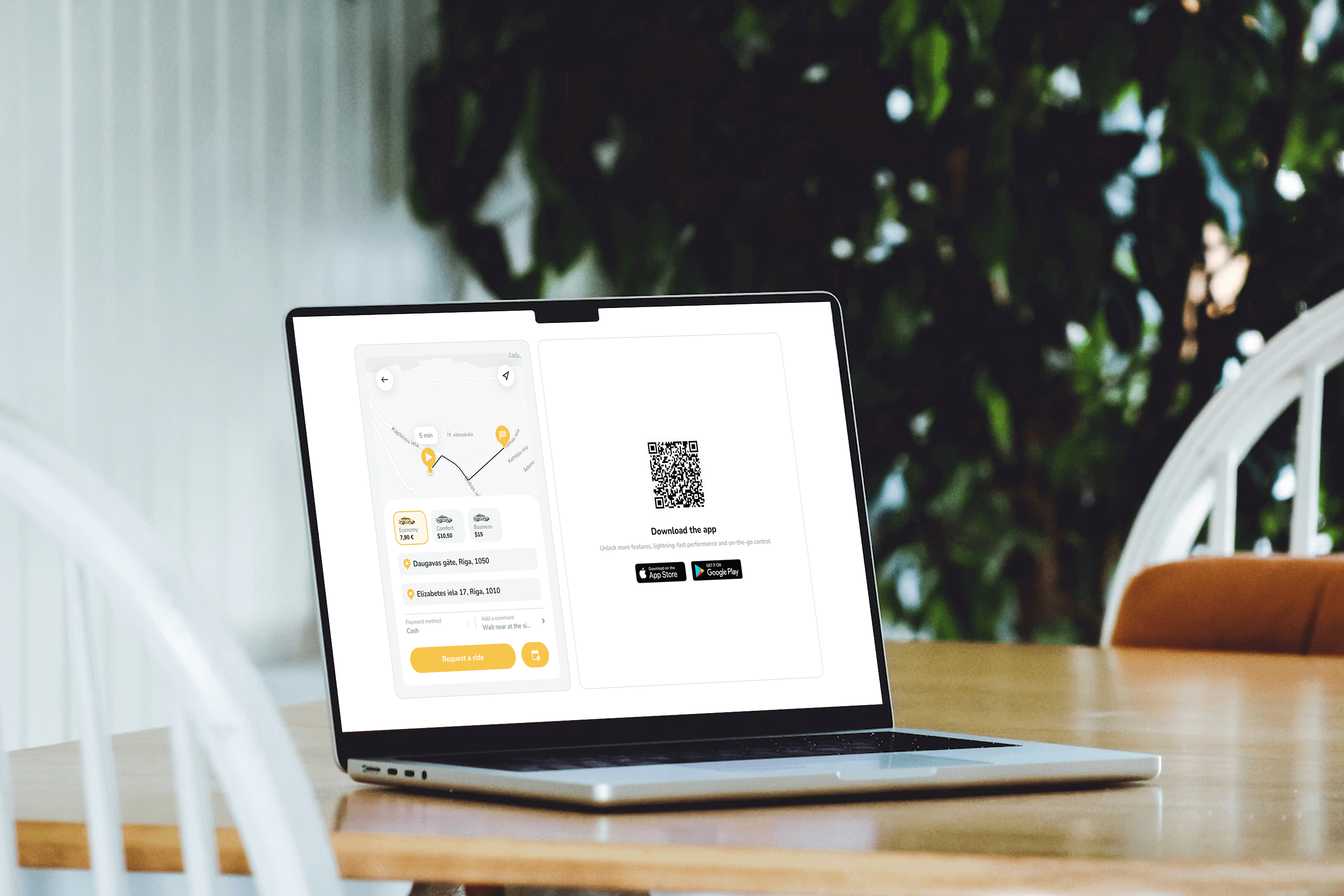
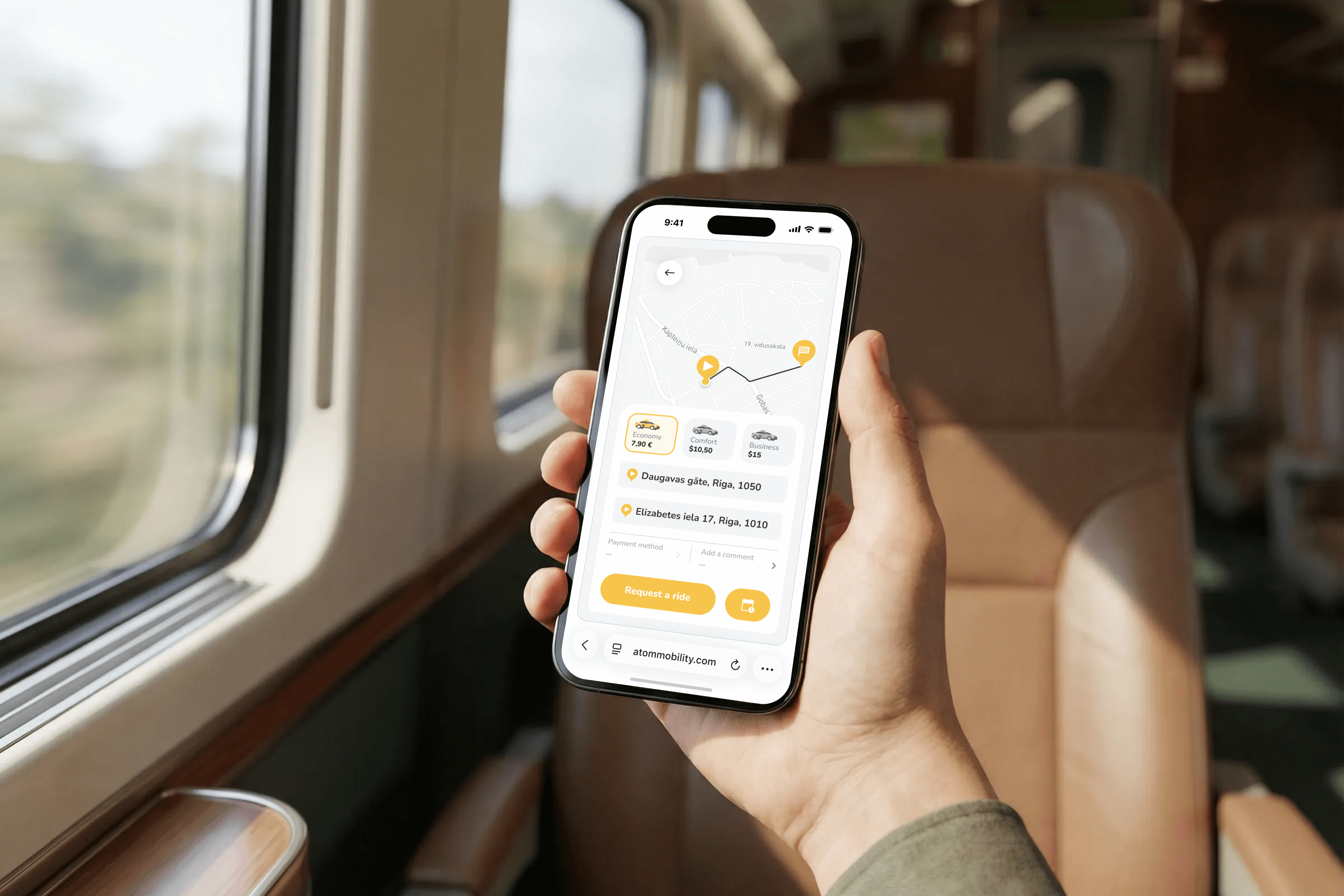
🚕 Web-booker is a lightweight ride-hail widget that lets users book rides directly from a website or mobile browser - no app install required. It reduces booking friction, supports hotel and partner demand, and keeps every ride fully synced with the taxi operator’s app and dashboard.
What if ordering a taxi was as easy as booking a room or clicking “Reserve table” on a website?
Meet Web-booker - a lightweight ride-hail booking widget that lets users request a cab directly from a website, without installing or opening the mobile app.
Perfect for hotels, business centers, event venues, airports, and corporate partners.
👉 Live demo: https://app.atommobility.com/taxi-widget
Web-booker is a browser-based ride-hail widget that operators can embed or link to from any website.
The booking happens on the web, but the ride is fully synchronized with the mobile app and operator dashboard.
No redirects. No app-store friction. No lost users.
This keeps fraud low while preserving conversion.
Web-booker addresses one of the most common friction points in ride-hailing: users who need a ride now but are not willing to download an app first. By allowing bookings directly from a website, operators can capture high-intent demand at the exact moment it occurs - whether that is on a hotel website, an event page, or a partner landing page.
At the same time, Web-booker makes partnerships with hotels and venues significantly easier. Instead of complex integrations or manual ordering flows, partners can simply place a button or link and immediately enable ride ordering for their guests. Importantly, this approach does not block long-term app growth. The booking flow still promotes the mobile app through QR codes and store links, allowing operators to convert web users into app users over time - without forcing the install upfront.
Web-booker is not designed to replace the mobile app. It extends the acquisition funnel by adding a low-friction entry point, while keeping all bookings fully synchronized with the operator’s app and dashboard.
👉 Try the demo
https://app.atommobility.com/taxi-widget
Want to explore a ride-hail or taxi solution for your business - or migrate to a more flexible platform? Visit: https://www.atommobility.com/products/ride-hailing
Anmeldedaten für die Driver App-Demo - E-Mail: test@atom.com, Passwort: Treiber

