Come trovare la tua nicchia nel competitivo mercato del ride-hail: esempi reali di aziende che risuonano
December 18, 2024
lettura minima


Il mercato del ride-hail è affollato, fortemente competitivo e spesso dominato da nomi noti come Uber e Bolt. Ma non lasciarti ingannare dai giganti facendoti credere che non ci sia posto per te. Con un po' di creatività e un'angolazione unica, puoi metterti in viaggio abbastanza velocemente. Il segreto? Trovare l'unica cosa che ti distingue dagli altri. Vediamo come alcuni giocatori importanti (sia veterani che nuovi arrivati) hanno fatto proprio questo.
InDrive: un pioniere nella negoziazione dei prezzi
🔹 Oltre 200 milioni di download, attivi in oltre 700 città in oltre 45 paesi
🔹 Caratteristica unica: imposta il prezzo: i motociclisti offrono una tariffa e i conducenti possono accettare o negoziare!
🔹 I conducenti non pagano alcuna commissione, solo un piccolo abbonamento mensile, che offre loro guadagni migliori.
🔹 Ingresso unico sul mercato: inizialmente utilizzo gratuito per i conducenti (nessuna commissione, nessun abbonamento).

Prima di parlare degli ultimi giocatori, rivisitiamo InDrive, un'azienda che è entrata nel mercato anni fa con un approccio che sembra quasi troppo semplice da lavorare: offri il tuo prezzo.
L'idea è semplice. Invece di accettare una tariffa fissa, i motociclisti suggeriscono quanto sono disposti a pagare. I conducenti, a loro volta, possono accettare, rifiutare o rifiutare l'offerta. È una dinamica che rispecchia la contrattazione in un bazar ma digitalizzata per i pendolari moderni.
Questo modello ha risuonato. I motociclisti si sono sentiti responsabilizzati e gli autisti hanno apprezzato la flessibilità, soprattutto nei mercati sensibili in cui la correttezza dei prezzi è un problema. InDrive si è rapidamente espanso nei mercati emergenti come America Latina, Russia e Sud-est asiatico, regioni in cui l'accessibilità economica e la negoziazione sono norme culturali.
Il cibo da asporto qui? Il modello «offri il tuo prezzo» di InDrive non era solo un espediente divertente, ma una soluzione su misura per mercati e dati demografici specifici, che offriva tariffe vantaggiose a chiunque ne avesse bisogno. Se stai entrando nel settore del ride-hail, chiediti: quale sfumatura culturale o sociale unica puoi sfruttare per rivoluzionare il mercato nella regione?
BLACWOLF: L'approccio armato e pronto
🔹 Caratteristica unica: concentrati sulla sicurezza dei motociclisti con autisti armati e addestrati 🛡️
🔹 Lanciato ad Atlanta (2023), ora in espansione in Arizona, Florida, Georgia, Tennessee e presto Houston, Austin e Dallas!
🔹 Oltre 300.000 download in soli 1,5 anni.

Ora, passiamo rapidamente al presente e dirigiamoci verso gli Stati Uniti, dove LUPO NERO è entrato in scena (lanciato ad Atlanta, 2023), ora si sta espandendo in Arizona, Florida, Georgia, Tennessee e presto Houston, Austin e Dallas con una svolta da far rizzare le sopracciglia: conducenti che portano armi da fuoco.
BLACWOLF è stato lanciato in risposta alle preoccupazioni relative alla sicurezza di conducenti e passeggeri. Il loro USP (unique selling proposition) è garantire la tranquillità attraverso conducenti armati. Come recita il loro slogan, «Non abbiamo reinventato il ride-hailing, lo abbiamo solo reso più sicuro».
Per quanto controverso possa sembrare, sta risuonando in mercati specifici come Houston, dove la sicurezza personale è una priorità per molti.
Questo approccio ha preso piede, soprattutto tra i passeggeri che danno priorità alla sicurezza o si sentono poco serviti dalle piattaforme di ride-hail esistenti. Naturalmente, non è privo di sfide. Mi vengono in mente gli ostacoli normativi e le preoccupazioni relative alla responsabilità; tuttavia, BLACWOLF sta crescendo rapidamente, dimostrando che un angolo di polarizzazione può ancora essere vincente.
Non rifuggire da idee audaci che soddisfano veri punti deboli. Che si tratti di sicurezza, convenienza o costi, identificare un'esigenza poco soddisfatta può aiutarti a distinguerti in un mercato affollato.
COMIN: il rivoluzionario modello francese dell'offerta
🔹 Caratteristiche uniche: offre una commissione equa del 10% e imposta il tuo prezzo (simile a InDrive).
🔹 Ha fatto salire rapidamente a bordo 6.000 autisti, conquistando il 15% del mercato in tempi record.

In Europa, un nuovo giocatore chiamato ARRIVANDO sta scuotendo le cose in Francia. Questo nuovo arrivato ha assunto 6.000 autisti, conquistando il 15% del mercato francese quasi da un giorno all'altro, un'impresa che sta facendo girare l'attenzione di tutto il settore.
La salsa segreta di COMIN? Un sistema di offerte che consente ai passeggeri di presentare offerte di viaggio, dando ai conducenti la possibilità di accettare o negoziare. Sì, è come InDrive, ma con un tocco iperlocale adattato alle dinamiche del mercato francese.
Per alimentare la loro crescita, hanno anche raccolto 300.000 euro in finanziamenti iniziali da Station F, il più grande incubatore di startup d'Europa. Concentrandosi su un mercato e perfezionando il proprio modello, COMIN ha evitato di fare troppe cose contemporaneamente, a riprova del fatto che un approccio mirato spesso prevale sul tentativo di essere tutto per tutti.
Per gli aspiranti imprenditori ride-hail, COMIN è un caso di studio per iniziare in piccolo ma pensare in grande. Specializzarsi in una regione o in un gruppo demografico prima di espandersi può aiutarvi a guadagnare terreno e a perfezionare la vostra offerta.
Il mercato della grandine può sembrare una fortezza, ma anche le mura più robuste presentano delle crepe. Con creatività, audacia e la piattaforma giusta per supportare la tua visione, non c'è motivo per cui non puoi sfondare e prosperare. Sei pronto?
In che modo ATOM Mobility può aiutare
Quindi, hai la tua idea rivoluzionaria. Qual è il prossimo passo? Per trasformare la tua visione in realtà, avrai bisogno di una piattaforma solida su cui basarti, ed è qui che entra in gioco ATOM Mobility.
ATOM fornisce una piattaforma pronta all'uso per gli imprenditori che desiderano lanciare servizi di ride-hailing o mobilità. Con strumenti personalizzabili, integrazioni perfette e tecnologia scalabile, ATOM ti consente di concentrarti sulla tua proposta di valore unica mentre noi ci occupiamo del backend.
Pronto a lasciare il segno nel mondo del ride-hail? Unisciti a ATOM Mobility oggi e inizia il tuo viaggio!
Fai clic qui sotto per saperne di più o richiedere una demo.

The micromobility industry doesn’t need another generic mobility conference. 🚫🎤 It needs real conversations between operators who are actually in the field. ⚙️ That’s exactly what ATOM Connect 2026 is built for. 🎯🤝
The shared mobility industry is evolving rapidly. Operators are navigating scaling challenges, regulatory complexity, hardware decisions, fleet optimization, and new integration models, all while aiming for sustainable growth.
That’s exactly why ATOM Mobility is organizing ATOM Connect 2026.
Our previous edition of ATOM Connect brought together professionals from the car sharing and rental industry for focused, high-quality discussions and networking. This year, we are narrowing the focus and dedicating the entire event to one fast-moving segment of the industry: shared micromobility.
ATOM Connect 2026 is designed specifically for operators, partners, and decision-makers working in shared micromobility. It is not a broad mobility conference or a public exhibition. It is a curated space for industry professionals to exchange practical experience, insights, and lessons learned.
On May 14th, 2026 in Riga, we will once again bring the community together, this time with a clear focus on micromobility.
This year’s agenda will address the real operational and strategic questions shaping shared micromobility today:
As usual, we aim to host both local and international operators from smaller, fast-growing fleets to established large-scale players alongside hardware providers and ecosystem partners.
On stage, you’ll hear from leading shared mobility companies - including Segway on hardware partnerships, Umob on MaaS integration, Anadue on data-driven fleet intelligence, Elerent on multi-vehicle operational realities and more insightful discussions.
The goal is simple: meaningful discussions with people who understand the operational realities of the industry.
ATOM Connect is free to attend, but participation is industry-focused (each submission is manually reviewed and verified). We are intentionally keeping the audience relevant and aligned to ensure high-quality conversations and valuable networking.
If you work in shared micromobility and would like to join the event, you can find the full agenda and register here:
👉 https://www.atommobility.com/atom-connect-2026
In the coming weeks, we will be revealing more speakers and additional agenda updates. We look forward to bringing the industry together again.
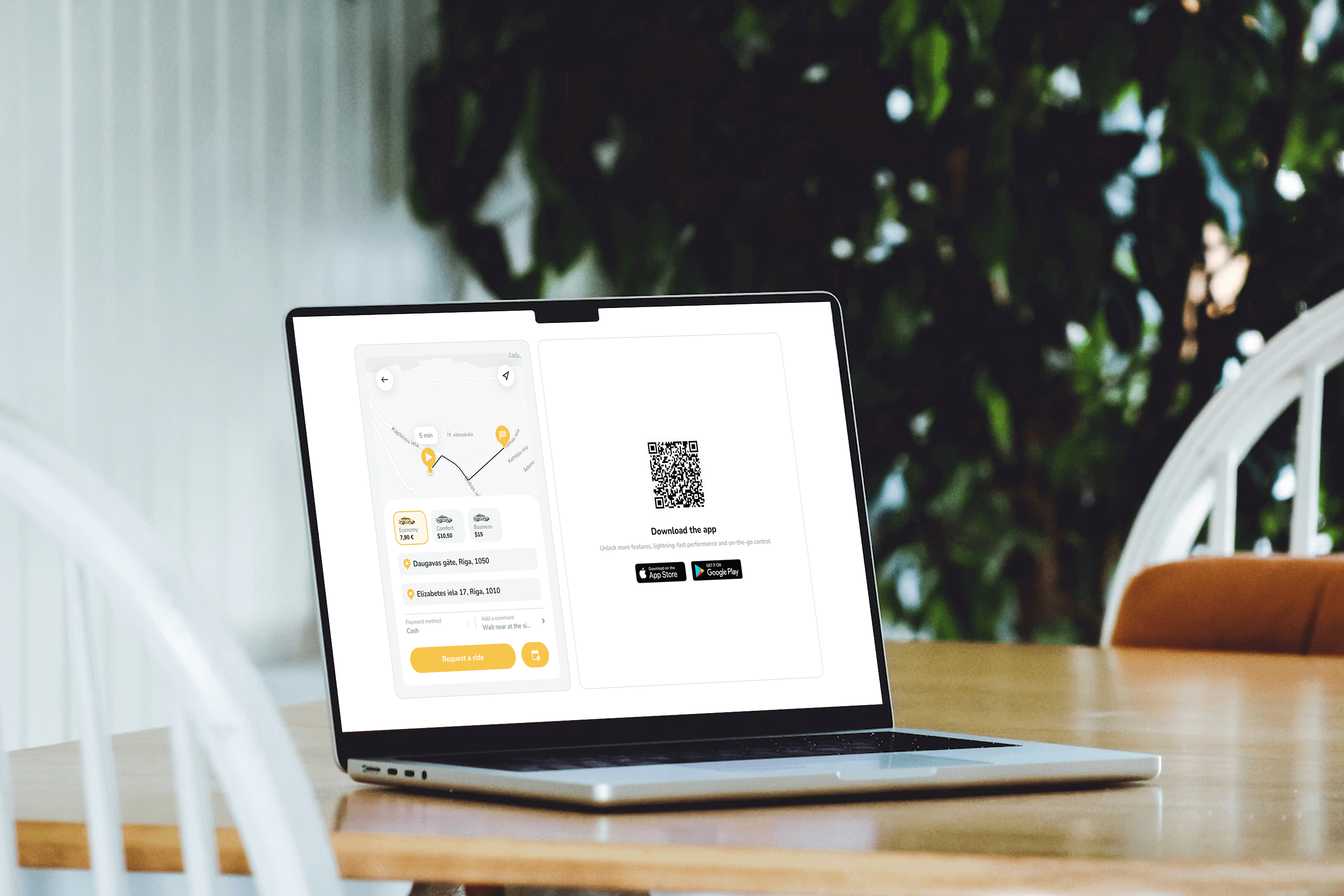
🚕 Web-booker is a lightweight ride-hail widget that lets users book rides directly from a website or mobile browser - no app install required. It reduces booking friction, supports hotel and partner demand, and keeps every ride fully synced with the taxi operator’s app and dashboard.
What if ordering a taxi was as easy as booking a room or clicking “Reserve table” on a website?
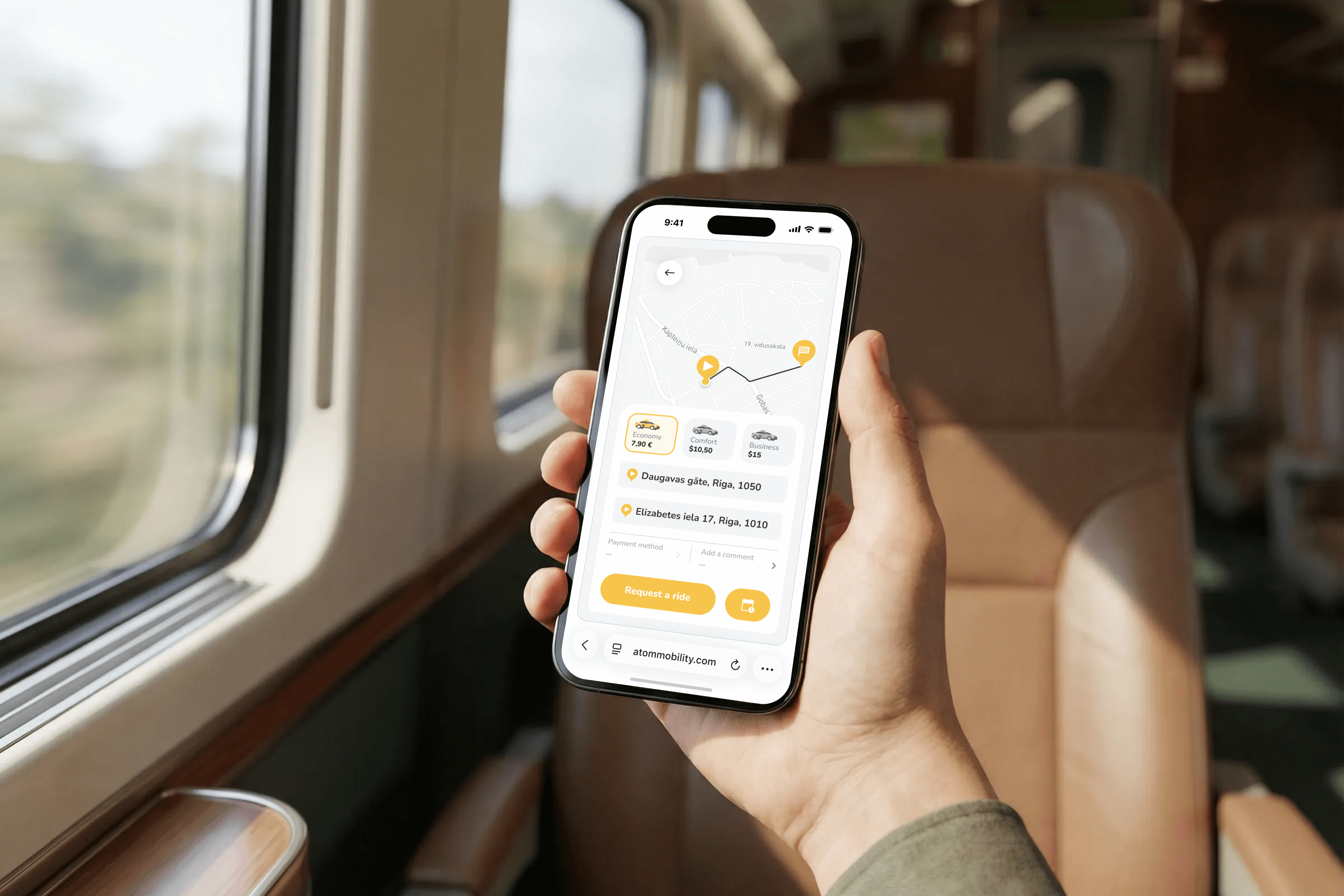
Meet Web-booker - a lightweight ride-hail booking widget that lets users request a cab directly from a website, without installing or opening the mobile app.
Perfect for hotels, business centers, event venues, airports, and corporate partners.
👉 Live demo: https://app.atommobility.com/taxi-widget
Web-booker is a browser-based ride-hail widget that operators can embed or link to from any website.
The booking happens on the web, but the ride is fully synchronized with the mobile app and operator dashboard.
No redirects. No app-store friction. No lost users.
This keeps fraud low while preserving conversion.
Web-booker addresses one of the most common friction points in ride-hailing: users who need a ride now but are not willing to download an app first. By allowing bookings directly from a website, operators can capture high-intent demand at the exact moment it occurs - whether that is on a hotel website, an event page, or a partner landing page.
At the same time, Web-booker makes partnerships with hotels and venues significantly easier. Instead of complex integrations or manual ordering flows, partners can simply place a button or link and immediately enable ride ordering for their guests. Importantly, this approach does not block long-term app growth. The booking flow still promotes the mobile app through QR codes and store links, allowing operators to convert web users into app users over time - without forcing the install upfront.
Web-booker is not designed to replace the mobile app. It extends the acquisition funnel by adding a low-friction entry point, while keeping all bookings fully synchronized with the operator’s app and dashboard.
👉 Try the demo
https://app.atommobility.com/taxi-widget
Want to explore a ride-hail or taxi solution for your business - or migrate to a more flexible platform? Visit: https://www.atommobility.com/products/ride-hailing
Credenziali demo dell'app Driver - Email: test@atom.com, Password: autista

