Startups européennes : ATOM présente une nouvelle solution en marque blanche
July 24, 2019
min. de lecture


La plateforme de trottinettes électriques ATOM, basée à Riga, a été la première du genre à être lancée dans la ville début 2019. Aujourd'hui, la start-up a annoncé le lancement d'une nouvelle solution en marque blanche, permettant aux opérateurs indépendants de gérer facilement leur propre flotte de véhicules partagés via une plateforme et une application. Grâce à la solution ATOM, toute personne possédant une flotte peut créer sa propre plateforme de covoiturage partout dans le monde en 20 jours, sans investir massivement dans une solution informatique.

Première version du tableau de bord de gestion (juillet 2019)
« Nous avons été la première plateforme de partage de trottinettes électriques lancée à Riga en avril 2019 », a déclaré Arturs Burnins, PDG d'ATOM. « Des milliers d'utilisateurs l'ont testée et nous avons déployé beaucoup d'efforts pour que la plateforme fonctionne parfaitement. Plus tard, nous nous sommes concentrés sur différentes fonctionnalités pouvant être personnalisées en fonction des besoins des clients et des exigences du marché. Désormais, toute personne intéressée par la création de sa propre plateforme de covoiturage peut le faire facilement dans n'importe quel pays du monde. »
À une époque où le marché du partage de scooters et de vélos est en pleine croissance, la plateforme ATOM est le moyen le plus rapide de lancer une activité de covoiturage. Les opérateurs individuels et les entreprises peuvent utiliser le logiciel ATOM pour se lancer plus rapidement et gagner des parts de marché. L'entreprise a déjà commencé à travailler avec plusieurs clients et développe des plateformes de covoiturage personnalisées. Le plus grand intérêt provient du Moyen-Orient et d'Europe, où l'équipe ATOM aide à personnaliser la plateforme conformément aux réglementations locales. La plateforme ATOM est déjà présente dans 6 pays et 2 autres seront disponibles d'ici fin 2019.
La solution d'ATOM comprend une application mobile de marque pour les passagers, qui est déjà opérationnelle sur iOS et Android, une application pour les employés/opérateurs et un tableau de bord pour gérer les véhicules, les trajets et suivre les indicateurs. L'application dispose d'un programme de parrainage intégré « Get a free ride » qui est facultatif et peut être désactivé. Plusieurs options d'enregistrement des utilisateurs sont disponibles : une carte d'identité, un permis de conduire ou d'autres documents sont requis lors de l'enregistrement. De même, un certain nombre d'options de paiement sont disponibles, notamment un portefeuille, le paiement par trajet, un abonnement et plus de 30 paramètres peuvent être personnalisés en fonction des besoins.
« Par exemple, nous travaillons actuellement sur un projet visant à développer une plateforme de partage de trottinettes électriques où toutes les bornes de recharge sont intégrées à l'application », explique Arturs Burnins. « Lorsque la trottinette électrique est emmenée sur place et connectée au chargeur, il n'est pas possible de la récupérer tant que sa batterie n'a pas été chargée à un niveau donné et que la trottinette n'est pas verrouillée. Ce projet est spécifique car nous mettons également en place différentes zones de vitesse dans la même ville et peu d'autres fonctionnalités intéressantes. »
En collaboration avec le partenaire, ATOM fournit aux clients la solution télématique qui permettra de contrôler à distance la vitesse, la distance, les lumières et même l'allumage. Le propriétaire de la plateforme peut voir l'emplacement exact du véhicule et l'historique de ses trajets sur le tableau de bord. Il existe également une solution de bloc-roues intégrée pour empêcher le vol ou le déplacement illégal du véhicule.
L'équipe d'ATOM soutient le personnel, partage les meilleures pratiques et met constamment à jour les logiciels. Et il ne faut que 20 jours pour que la plateforme et l'application soient opérationnelles.
Source originale : https://www.eu-startups.com/2019/07/riga-based-e-scooter-startup-atom-introduces-new-white-label-solution-that-allows-anyone-to-launch-a-ride-sharing-service/
#scootersharing #bikesharing #mopedsharing #carsharing #atommobility
Cliquez ci-dessous pour en savoir plus ou demander une démonstration.

The micromobility industry doesn’t need another generic mobility conference. 🚫🎤 It needs real conversations between operators who are actually in the field. ⚙️ That’s exactly what ATOM Connect 2026 is built for. 🎯🤝
The shared mobility industry is evolving rapidly. Operators are navigating scaling challenges, regulatory complexity, hardware decisions, fleet optimization, and new integration models, all while aiming for sustainable growth.
That’s exactly why ATOM Mobility is organizing ATOM Connect 2026.
Our previous edition of ATOM Connect brought together professionals from the car sharing and rental industry for focused, high-quality discussions and networking. This year, we are narrowing the focus and dedicating the entire event to one fast-moving segment of the industry: shared micromobility.
ATOM Connect 2026 is designed specifically for operators, partners, and decision-makers working in shared micromobility. It is not a broad mobility conference or a public exhibition. It is a curated space for industry professionals to exchange practical experience, insights, and lessons learned.
On May 14th, 2026 in Riga, we will once again bring the community together, this time with a clear focus on micromobility.
This year’s agenda will address the real operational and strategic questions shaping shared micromobility today:
As usual, we aim to host both local and international operators from smaller, fast-growing fleets to established large-scale players alongside hardware providers and ecosystem partners.
On stage, you’ll hear from leading shared mobility companies - including Segway on hardware partnerships, Umob on MaaS integration, Anadue on data-driven fleet intelligence, Elerent on multi-vehicle operational realities and more insightful discussions.
The goal is simple: meaningful discussions with people who understand the operational realities of the industry.
ATOM Connect is free to attend, but participation is industry-focused (each submission is manually reviewed and verified). We are intentionally keeping the audience relevant and aligned to ensure high-quality conversations and valuable networking.
If you work in shared micromobility and would like to join the event, you can find the full agenda and register here:
👉 https://www.atommobility.com/atom-connect-2026
In the coming weeks, we will be revealing more speakers and additional agenda updates. We look forward to bringing the industry together again.
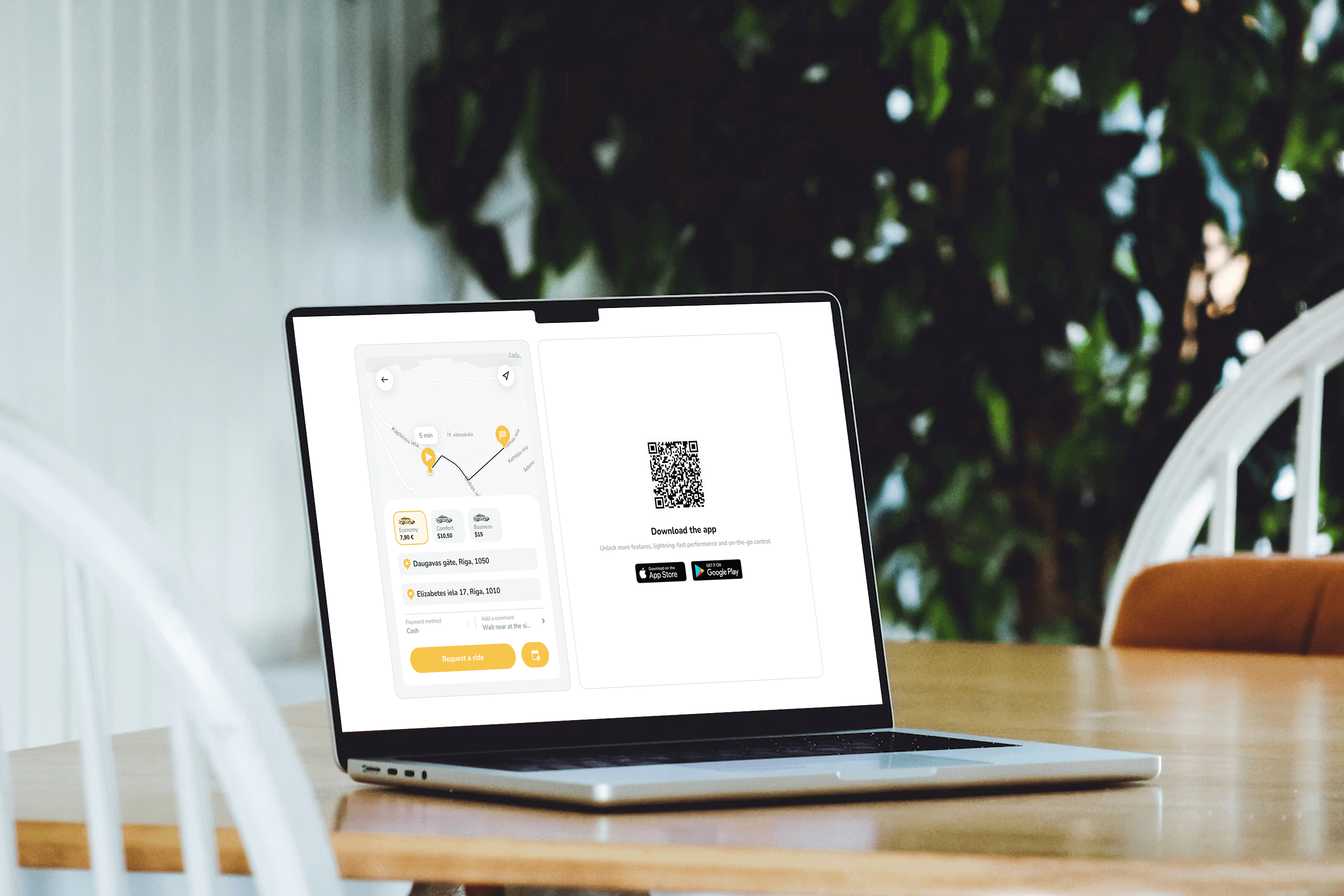
🚕 Web-booker is a lightweight ride-hail widget that lets users book rides directly from a website or mobile browser - no app install required. It reduces booking friction, supports hotel and partner demand, and keeps every ride fully synced with the taxi operator’s app and dashboard.
What if ordering a taxi was as easy as booking a room or clicking “Reserve table” on a website?
Meet Web-booker - a lightweight ride-hail booking widget that lets users request a cab directly from a website, without installing or opening the mobile app.
Perfect for hotels, business centers, event venues, airports, and corporate partners.
👉 Live demo: https://app.atommobility.com/taxi-widget
Web-booker is a browser-based ride-hail widget that operators can embed or link to from any website.
The booking happens on the web, but the ride is fully synchronized with the mobile app and operator dashboard.
No redirects. No app-store friction. No lost users.
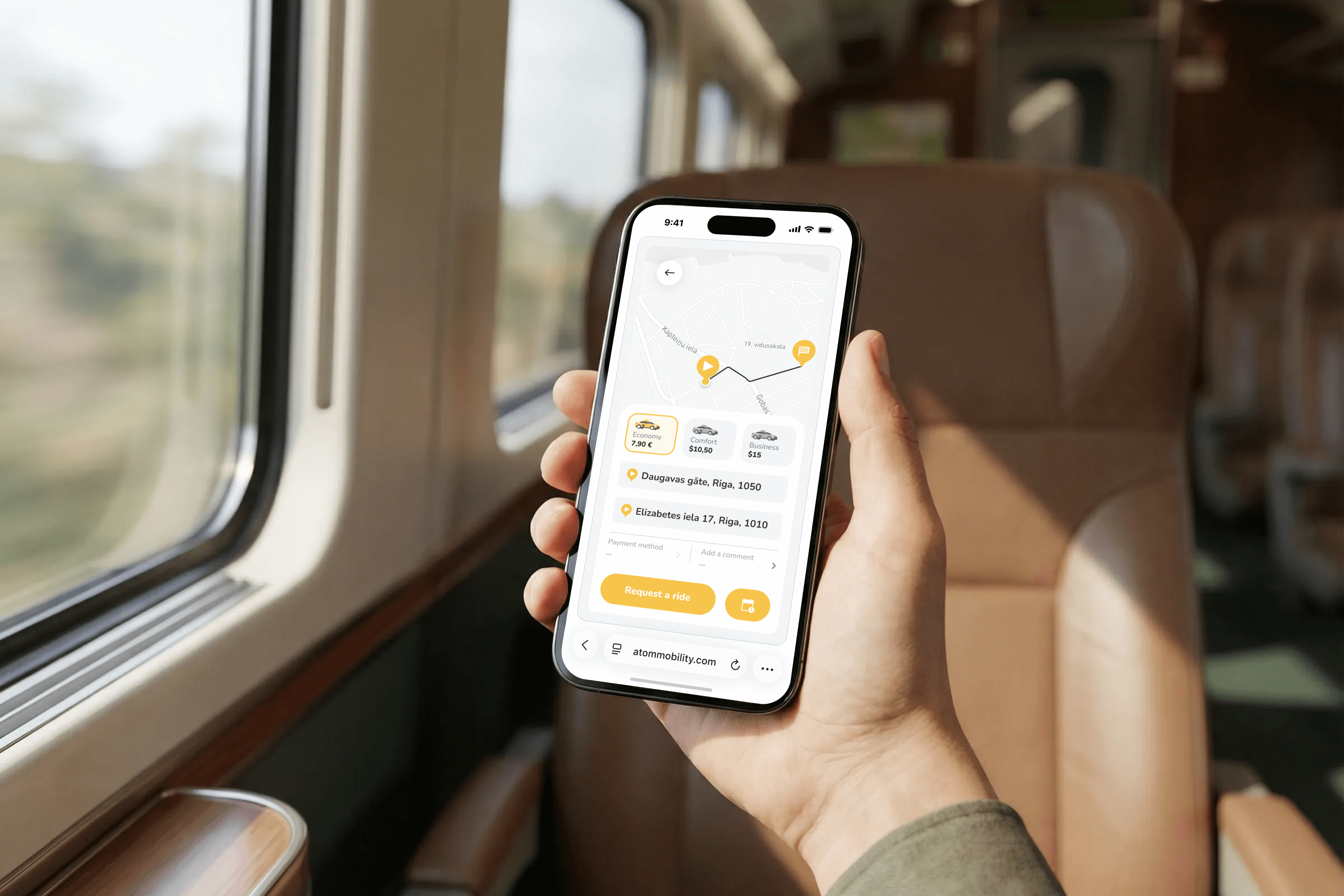
This keeps fraud low while preserving conversion.
Web-booker addresses one of the most common friction points in ride-hailing: users who need a ride now but are not willing to download an app first. By allowing bookings directly from a website, operators can capture high-intent demand at the exact moment it occurs - whether that is on a hotel website, an event page, or a partner landing page.
At the same time, Web-booker makes partnerships with hotels and venues significantly easier. Instead of complex integrations or manual ordering flows, partners can simply place a button or link and immediately enable ride ordering for their guests. Importantly, this approach does not block long-term app growth. The booking flow still promotes the mobile app through QR codes and store links, allowing operators to convert web users into app users over time - without forcing the install upfront.
Web-booker is not designed to replace the mobile app. It extends the acquisition funnel by adding a low-friction entry point, while keeping all bookings fully synchronized with the operator’s app and dashboard.
👉 Try the demo
https://app.atommobility.com/taxi-widget
Want to explore a ride-hail or taxi solution for your business - or migrate to a more flexible platform? Visit: https://www.atommobility.com/products/ride-hailing
Informations d'identification pour la démonstration de Driver App - E-mail : test@atom.com, mot de passe : chauffeur

