Come mantenere i conducenti sulla tua piattaforma di ride-hailing a lungo termine
September 23, 2025
lettura minima


Come mantenere i conducenti sulla tua piattaforma di ride-hailing a lungo termine
Nel settore del ride-hailing, è fondamentale reperire un numero sufficiente di autisti online. Ma mantenerli lì è ciò che determina davvero il successo a lungo termine. A differenza dei servizi di taxi tradizionali, gli autisti di ride-hailing sono appaltatori indipendenti. Non hanno turni fissi, reddito garantito o contratti a lungo termine. Accedono quando preferiscono e, altrettanto velocemente, possono disconnettersi o passare a un'altra app.
Questa flessibilità significa che non stai gareggiando solo per i ciclisti. Gareggiate anche per i piloti, ogni giorno.
Cosa rende diverso il ride-hailing per i conducenti
Rispetto ai taxi tradizionali, il modello di ride-hailing offre ai conducenti maggiore indipendenza ma meno sicurezza. I tassisti di solito lavoravano per conto di un centralino, utilizzavano veicoli di proprietà dell'azienda e seguivano un orario prestabilito. I conducenti di ride-hailing utilizzano la propria auto, il proprio tempo libero e spesso diverse app.
I vantaggi sono evidenti: flessibilità, minori barriere all'ingresso e accesso immediato ai guadagni. Ma i lati negativi sono altrettanto reali: entrate imprevedibili, mancanza di supporto e instabilità della piattaforma. Per le piattaforme, ciò significa che la fidelizzazione dei conducenti è fragile. Piccole modifiche, come ritardi nei pagamenti o un numero inferiore di corse, possono causare l'abbandono degli autisti.
Perché è importante fidelizzare i conducenti
La maggior parte degli operatori di ride-hailing si concentra fortemente sulla crescita dei passeggeri. Ma senza un numero sufficiente di autisti affidabili, la domanda si trasforma in frustrazione. Quando i tempi di attesa aumentano o non sono disponibili veicoli, gli utenti abbandonano l'app. Ciò rende la fidelizzazione dei conducenti una metrica chiave, non solo per le operazioni, ma anche per la fiducia e la redditività del marchio.
È più costoso far salire a bordo un nuovo autista che mantenerne uno esperto. Una base di conducenti stabile offre viaggi più fluidi, valutazioni più elevate e una migliore copertura del servizio. Se i conducenti si esauriscono ogni poche settimane, l'intera operazione diventa reattiva.

All'interno del Gig Driver Report 2025
Un recente sondaggio di Everee fa luce su cosa vogliono i conducenti e cosa li spinge a smettere. Nel maggio 2025, sono stati intervistati 419 gig driver negli Stati Uniti. La maggior parte di loro ha funzionato su più app, tra cui Uber, Lyft e Shipt. I risultati completi sono disponibili nel Rapporto Gig Driver 2025 di Everee.

Principali risultati:
Questi numeri mostrano quanto siano sensibili i conducenti a ritardi, politiche poco chiare e inefficienze. Un piccolo punto di attrito nel sistema potrebbe essere sufficiente a spingerli verso un concorrente.
Perché i conducenti se ne vanno
Il sondaggio ha anche evidenziato i motivi più comuni per cui i conducenti smettono di lavorare con una piattaforma:
In breve, se i conducenti ritengono che i loro guadagni o il loro controllo siano a rischio, vanno avanti. Il settore del ride-hailing è troppo competitivo perché le piattaforme diano per scontato che gli autisti resteranno fedeli senza supporto e miglioramento costanti.
Cosa possono fare le piattaforme per fidelizzare i conducenti
Per fidelizzare i conducenti a lungo termine, le piattaforme devono agire su ciò che i conducenti apprezzano di più. Secondo lo stesso rapporto, le tre principali aree che aumenterebbero la fedeltà sono:
Inoltre, i conducenti vogliono avere la sensazione che il loro tempo sia rispettato, che la loro sicurezza sia prioritaria e che non siano lasciati a indovinare i pagamenti o le modifiche alla piattaforma.
In che modo ATOM Mobility ti aiuta a fidelizzare i conducenti
Con la piattaforma di ATOM Mobility, gli operatori di ride-hailing hanno accesso a diverse funzionalità progettate specificamente per i conducenti.
La funzione «Offri il tuo prezzo» consente ai motociclisti di fare offerte leggermente superiori in caso di forte domanda o condizioni di traffico sfavorevoli, dando ai conducenti la possibilità di guadagnare di più quando è più importante.
Prezzi dinamici consente agli operatori di aumentare automaticamente le tariffe durante i fine settimana, i giorni festivi o le ore di punta in modo che i conducenti guadagnino di più quando la domanda aumenta.
Uno dei più impactful tools è il sistema di ripartizione istantanea delle entrate, dove la commissione del conducente viene trasferita direttamente al loro Connessione Stripe conto dopo ogni corsa andata a buon fine. Ciò elimina i tempi di attesa e crea fiducia attraverso pagamenti trasparenti e in tempo reale.
Per rendere le cose ancora più fluide, ATOM Mobility offre app dedicata per i conducenti dove i conducenti possono monitorare le prestazioni, visualizzare i guadagni e rivedere la cronologia delle corse.
Tutto ciò si aggiunge a un'esperienza professionale e trasparente per i conducenti e a un maggiore incentivo a rimanere sulla tua piattaforma a lungo termine.
Un'app dedicata ai conducenti aiuta i conducenti a tenere traccia delle prestazioni, dei guadagni e della cronologia delle corse. Questo tipo di visibilità aumenta il coinvolgimento e riduce la confusione. Invece di contattare l'assistenza per domande sui pagamenti, i conducenti possono vedere tutto direttamente nell'app. L'esperienza sembra più professionale e strutturata, il che aumenta le possibilità che restino più a lungo.
Puoi esplorare l'app dedicata per i conducenti in modo più dettagliato panoramica dell'app on driver.
Un onboarding più rapido porta a un'attivazione più rapida
Un altro elemento fondamentale della fidelizzazione è la rapidità con cui i conducenti possono iniziare. Le piattaforme che rendono l'onboarding lungo o confuso perdono i conducenti prima della prima corsa. ATOM Mobility supporta flussi di onboarding semplificati con campi precompilati, convalida automatica dei documenti e guide integrate. In alcuni casi, i conducenti possono essere imbarcati, verificati e pronti a guidare entro poche ore, non giorni.
Un'esperienza migliore crea fedeltà
I conducenti non sono solo utenti della tua app, sono ambasciatori del tuo marchio. Ogni interazione che hanno, dalla prima iscrizione all'ultimo pagamento, influenza la loro opinione sulla tua piattaforma. Se è fluida, equa e gratificante, è probabile che rimangano. In caso contrario, se ne andranno prima della frenesia del prossimo fine settimana.
Investendo negli strumenti giusti e comprendendo ciò che conta davvero per i conducenti, le piattaforme possono ridurre il tasso di abbandono, aumentare la soddisfazione e creare una base di conducenti fedeli. E in un mercato in cui l'offerta è tutto, la fedeltà paga.
Se stai costruendo un'attività di ride-hailing e vuoi dare ai tuoi autisti un motivo per rimanere, ATOM Mobility ti offre la tecnologia per realizzarlo. Dai pagamenti istantanei ai prezzi dinamici e a un'app dedicata per i conducenti, tutto è progettato per mantenere la tua flotta attiva e impegnata, a lungo termine.
Fai clic qui sotto per saperne di più o richiedere una demo.

The micromobility industry doesn’t need another generic mobility conference. 🚫🎤 It needs real conversations between operators who are actually in the field. ⚙️ That’s exactly what ATOM Connect 2026 is built for. 🎯🤝
The shared mobility industry is evolving rapidly. Operators are navigating scaling challenges, regulatory complexity, hardware decisions, fleet optimization, and new integration models, all while aiming for sustainable growth.
That’s exactly why ATOM Mobility is organizing ATOM Connect 2026.
Our previous edition of ATOM Connect brought together professionals from the car sharing and rental industry for focused, high-quality discussions and networking. This year, we are narrowing the focus and dedicating the entire event to one fast-moving segment of the industry: shared micromobility.
ATOM Connect 2026 is designed specifically for operators, partners, and decision-makers working in shared micromobility. It is not a broad mobility conference or a public exhibition. It is a curated space for industry professionals to exchange practical experience, insights, and lessons learned.
On May 14th, 2026 in Riga, we will once again bring the community together, this time with a clear focus on micromobility.
This year’s agenda will address the real operational and strategic questions shaping shared micromobility today:
As usual, we aim to host both local and international operators from smaller, fast-growing fleets to established large-scale players alongside hardware providers and ecosystem partners.
On stage, you’ll hear from leading shared mobility companies - including Segway on hardware partnerships, Umob on MaaS integration, Anadue on data-driven fleet intelligence, Elerent on multi-vehicle operational realities and more insightful discussions.
The goal is simple: meaningful discussions with people who understand the operational realities of the industry.
ATOM Connect is free to attend, but participation is industry-focused (each submission is manually reviewed and verified). We are intentionally keeping the audience relevant and aligned to ensure high-quality conversations and valuable networking.
If you work in shared micromobility and would like to join the event, you can find the full agenda and register here:
👉 https://www.atommobility.com/atom-connect-2026
In the coming weeks, we will be revealing more speakers and additional agenda updates. We look forward to bringing the industry together again.
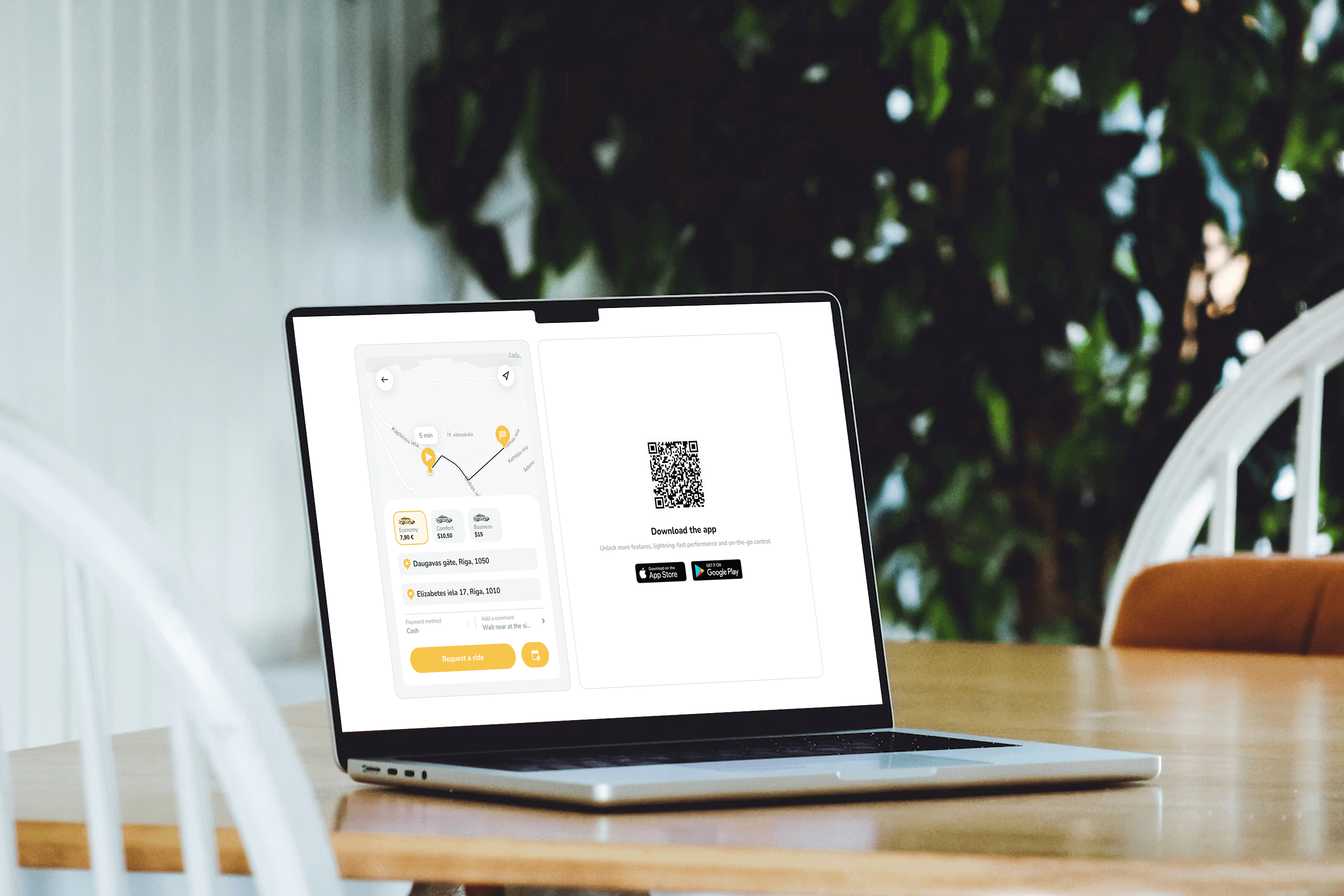
🚕 Web-booker is a lightweight ride-hail widget that lets users book rides directly from a website or mobile browser - no app install required. It reduces booking friction, supports hotel and partner demand, and keeps every ride fully synced with the taxi operator’s app and dashboard.
What if ordering a taxi was as easy as booking a room or clicking “Reserve table” on a website?
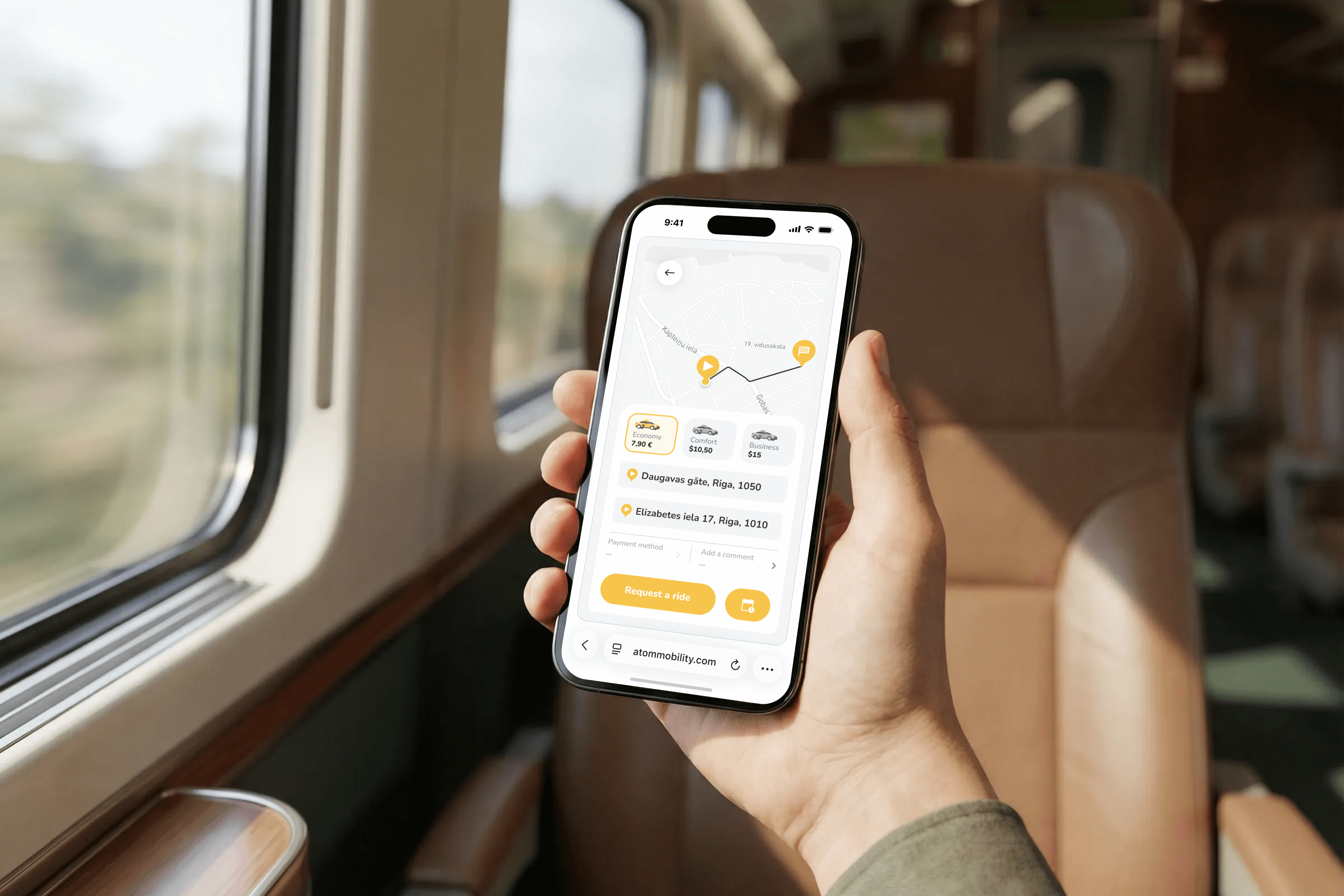
Meet Web-booker - a lightweight ride-hail booking widget that lets users request a cab directly from a website, without installing or opening the mobile app.
Perfect for hotels, business centers, event venues, airports, and corporate partners.
👉 Live demo: https://app.atommobility.com/taxi-widget
Web-booker is a browser-based ride-hail widget that operators can embed or link to from any website.
The booking happens on the web, but the ride is fully synchronized with the mobile app and operator dashboard.
No redirects. No app-store friction. No lost users.
This keeps fraud low while preserving conversion.
Web-booker addresses one of the most common friction points in ride-hailing: users who need a ride now but are not willing to download an app first. By allowing bookings directly from a website, operators can capture high-intent demand at the exact moment it occurs - whether that is on a hotel website, an event page, or a partner landing page.
At the same time, Web-booker makes partnerships with hotels and venues significantly easier. Instead of complex integrations or manual ordering flows, partners can simply place a button or link and immediately enable ride ordering for their guests. Importantly, this approach does not block long-term app growth. The booking flow still promotes the mobile app through QR codes and store links, allowing operators to convert web users into app users over time - without forcing the install upfront.
Web-booker is not designed to replace the mobile app. It extends the acquisition funnel by adding a low-friction entry point, while keeping all bookings fully synchronized with the operator’s app and dashboard.
👉 Try the demo
https://app.atommobility.com/taxi-widget
Want to explore a ride-hail or taxi solution for your business - or migrate to a more flexible platform? Visit: https://www.atommobility.com/products/ride-hailing
Credenziali demo dell'app Driver - Email: test@atom.com, Password: autista

