I 7 vantaggi del lancio di un'attività di mobilità condivisa in una piccola città
July 31, 2023
lettura minima


Che si tratti di car sharing, ciclomotori o scooter, la mobilità condivisa è generalmente associata a città grandi e vivaci. Più clienti potenziali, distanze più lunghe da percorrere e maggiore domanda di servizi di trasporto: questi spesso sembrano fattori aziendali chiave per gli aspiranti imprenditori della mobilità.
Ma anche le grandi città presentano degli ostacoli. Dall'intensa concorrenza all'aumento delle spese operative, stabilirsi in un grande centro urbano è una sfida costosa e ardua che diventa ogni giorno più difficile.
In risposta, gli imprenditori della mobilità guardano sempre più alle piccole città per le loro attività.
Il lancio di un'attività di mobilità condivisa in una piccola città comporta una serie distinta di vantaggi che possono essere particolarmente adatti a chi muove i primi passi nel settore. Sebbene i veterani del settore stiano anche esplorando le opportunità per espandere le proprie attività oltre le grandi città, le città più piccole potrebbero non raggiungere il livello di redditività desiderato e quindi sono generalmente trascurate.
Di seguito, descriveremo in dettaglio sette importanti vantaggi del lancio di un'attività di mobilità condivisa in una piccola città e daremo una rapida occhiata a come potrebbe essere un'operazione del genere.
A meno che tu non stia lavorando con ingenti capitali e sia disposto a entrare in guerra con diversi altri operatori, una piccola città può essere il luogo perfetto per iniziare il tuo viaggio aziendale di mobilità condivisa. Soprattutto se vieni da quella città o da una città vicina.
Uno dei vantaggi più significativi di operare in una piccola città è la capacità di soddisfare le reali esigenze di trasporto. Gli imprenditori locali, anch'essi parte della comunità, possiedono una profonda comprensione delle esigenze e dei comportamenti specifici dei loro concittadini.
Di conseguenza, può essere molto gratificante sia dal punto di vista finanziario che sociale fornire una soluzione di mobilità che affronti problemi specifici e nessuna grande concorrenza può farlo con la stessa rapidità ed efficienza di un imprenditore locale.
La collaborazione con le autorità locali nelle piccole città è spesso un processo più snello e collaborativo. Ciò semplifica notevolmente l'ottenimento dei permessi e le normative di navigazione rispetto alle città più grandi.
Le dimensioni ridotte e la natura affiatata di queste comunità consentono agli imprenditori e ai funzionari comunali di stabilire rapporti di lavoro più stretti, promuovendo una comunicazione aperta e una visione comune nello sviluppo delle soluzioni di mobilità più adatte alla città.
Le iniziative di marketing e pubblicità nelle piccole città possono essere notevolmente semplificate e più efficaci. A volte il marketing potrebbe addirittura non essere necessario. Gli imprenditori locali hanno il vantaggio di sfruttare gli eventi della comunità, le tradizioni e i legami personali per creare campagne di marketing di grande impatto che risuonino profondamente tra i residenti.
Questo approccio localizzato non solo migliora la visibilità del marchio, ma crea anche un senso di familiarità e fiducia tra i potenziali clienti, elementi che i marchi esterni potrebbero trovare molto difficili da replicare.
Uno degli aspetti più allettanti del lancio di un'attività di mobilità condivisa in una piccola città è la mancanza di concorrenza da parte dei principali attori. Le principali aziende potrebbero trascurare queste aree a causa del potenziale di redditività percepito limitato, lasciando il mercato aperto agli imprenditori locali per affermarsi come principale fornitore di servizi di mobilità.
Con poca o nessuna concorrenza da affrontare, gli imprenditori possono cogliere l'opportunità di conquistare una quota di mercato significativa e costruire una base di clienti fedeli sin dall'inizio.
Una delle principali sfide quando si lancia in una grande città è la lentezza dell'adozione. I viaggiatori hanno molte opzioni tra cui scegliere e in genere dispongono già di app mobili per i fornitori di servizi più diffusi. Di conseguenza, questo può renderli riluttanti a scaricare un'altra app o a cambiare le proprie abitudini.
Nelle città più piccole, questo non è un problema. Il passaparola si diffonde velocemente ed è molto più facile farsi notare quando c'è poca o nessuna concorrenza. In definitiva, questo aiuta la tua azienda di mobilità a iniziare a generare più entrate più velocemente.
La natura locale delle piccole città aumenta il potenziale di partnership e collaborazioni proficue. Essendo un'azienda locale, gli imprenditori che si occupano di mobilità condivisa sono più propensi a raccogliere l'interesse e il sostegno di altre organizzazioni nelle vicinanze. La creazione di partnership diventa più accessibile, in quanto vi è una comprensione condivisa delle esigenze della comunità e un interesse reciproco a promuovere un cambiamento positivo.
Ad esempio, stabilire collaborazioni con aziende locali per offrire servizi di flotta aziendale o lavorare in collaborazione con il governo locale per offrire sconti speciali per gruppi specifici di cittadini può creare accordi reciprocamente vantaggiosi. Queste partnership non solo ampliano la base clienti dell'azienda, ma ne rafforzano anche la reputazione.
Le piccole città, per loro stessa natura, offrono un vantaggio significativo in termini di operazioni a terra semplificate ed efficienti per le imprese di mobilità condivisa. Con aree geografiche e popolazioni più piccole, le sfide logistiche associate ad attività come la raccolta, il trasferimento e la manutenzione dei veicoli sono notevolmente ridotte al minimo.
Le dimensioni compatte delle piccole città spesso si traducono in costi operativi inferiori, consentendo agli imprenditori di mantenere un'attività snella ed economica, mantenendo alta la soddisfazione dei clienti.
Le esigenze di una città con una popolazione di 20-30.000 persone possono essere soddisfatte efficacemente con una flotta ragionevole di 80-150 scooter, che è un dimensione iniziale ottimale per le attività di condivisione di scooter. Come accennato, una flotta di questo tipo è anche facile da mantenere e mantiene bassi i costi operativi continui.
Le piccole città sono spesso circondate da altre città vicine più piccole di 510.000 abitanti, che offrono opportunità di espansione senza aumentare drasticamente i costi e gli sforzi di assistenza e manutenzione. Ciò consente di gestire la flotta da un solo dipendente sul campo, mantenendo la città centrale, con una popolazione di circa 20.000 abitanti, come hub operativo.
Dai nostri oltre 100 operatori, vediamo che gli operatori di piccole città senza altra concorrenza guadagnano più soldi per veicolo rispetto ai loro omologhi nelle città più grandi, un parametro molto importante, in particolare nelle prime fasi di creazione di un'attività di mobilità condivisa.
Quando senti «hamburger» pensi «McDonalds». Ma quando senti «i migliori hamburger della città» probabilmente pensi a qualche hamburger locale che sceglieresti rispetto a McDonalds tutti i giorni della settimana.
È una storia simile per le aziende di mobilità condivisa: la maggior parte degli imprenditori aspira a diventare Uber o Bolt, conquistare le grandi città e diventare un nome dominante nel settore. Ma la realtà è che puoi ottenere un grande successo aziendale brillando a livello locale.
Se sei interessato ad avviare la tua iniziativa di mobilità condivisa, unisciti al nostro Accademia ATOM per saperne di più e vedere se è giusto car sharing o condivisione di scooter software per te.
Fai clic qui sotto per saperne di più o richiedere una demo.

The micromobility industry doesn’t need another generic mobility conference. 🚫🎤 It needs real conversations between operators who are actually in the field. ⚙️ That’s exactly what ATOM Connect 2026 is built for. 🎯🤝
The shared mobility industry is evolving rapidly. Operators are navigating scaling challenges, regulatory complexity, hardware decisions, fleet optimization, and new integration models, all while aiming for sustainable growth.
That’s exactly why ATOM Mobility is organizing ATOM Connect 2026.
Our previous edition of ATOM Connect brought together professionals from the car sharing and rental industry for focused, high-quality discussions and networking. This year, we are narrowing the focus and dedicating the entire event to one fast-moving segment of the industry: shared micromobility.
ATOM Connect 2026 is designed specifically for operators, partners, and decision-makers working in shared micromobility. It is not a broad mobility conference or a public exhibition. It is a curated space for industry professionals to exchange practical experience, insights, and lessons learned.
On May 14th, 2026 in Riga, we will once again bring the community together, this time with a clear focus on micromobility.
This year’s agenda will address the real operational and strategic questions shaping shared micromobility today:
As usual, we aim to host both local and international operators from smaller, fast-growing fleets to established large-scale players alongside hardware providers and ecosystem partners.
On stage, you’ll hear from leading shared mobility companies - including Segway on hardware partnerships, Umob on MaaS integration, Anadue on data-driven fleet intelligence, Elerent on multi-vehicle operational realities and more insightful discussions.
The goal is simple: meaningful discussions with people who understand the operational realities of the industry.
ATOM Connect is free to attend, but participation is industry-focused (each submission is manually reviewed and verified). We are intentionally keeping the audience relevant and aligned to ensure high-quality conversations and valuable networking.
If you work in shared micromobility and would like to join the event, you can find the full agenda and register here:
👉 https://www.atommobility.com/atom-connect-2026
In the coming weeks, we will be revealing more speakers and additional agenda updates. We look forward to bringing the industry together again.
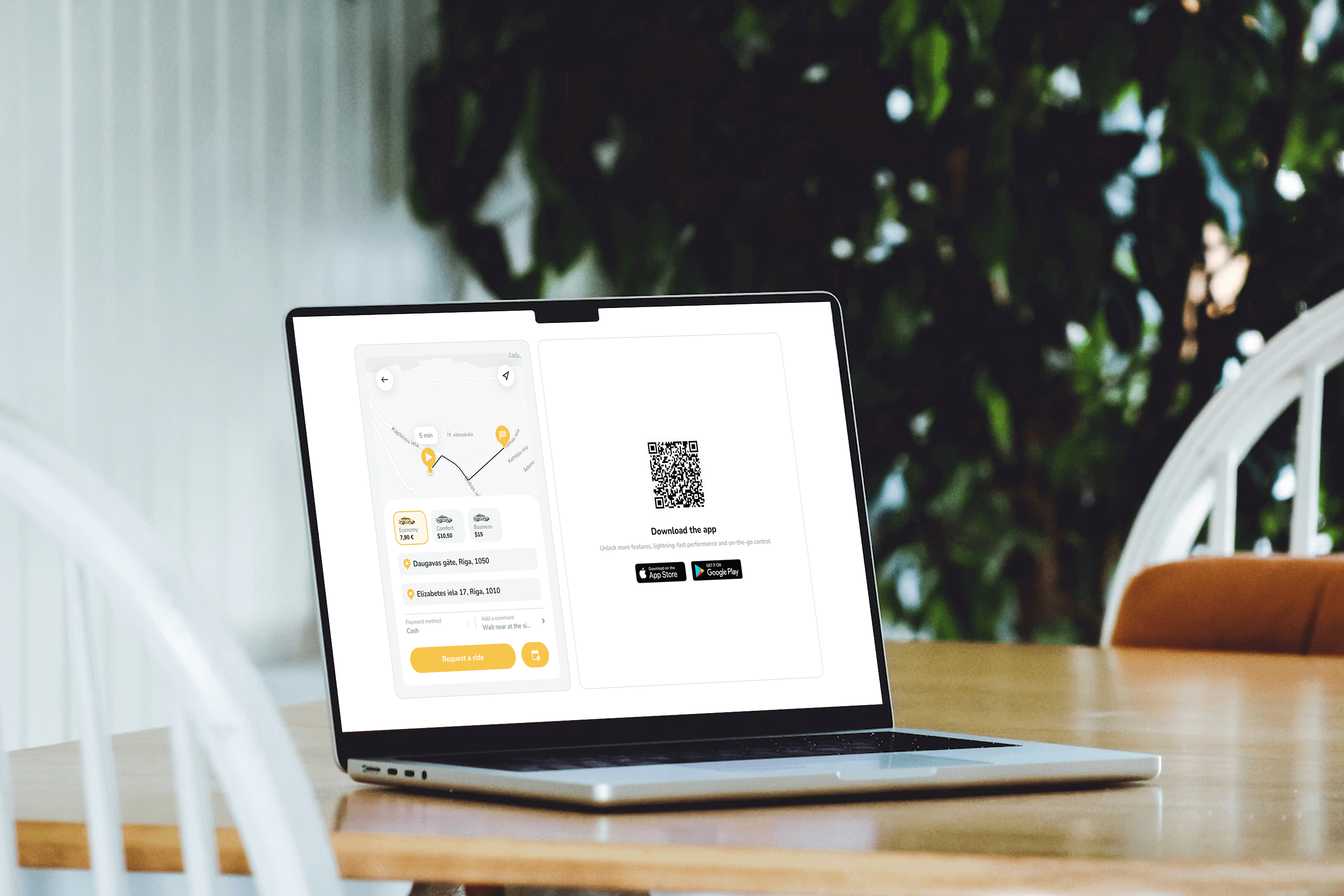
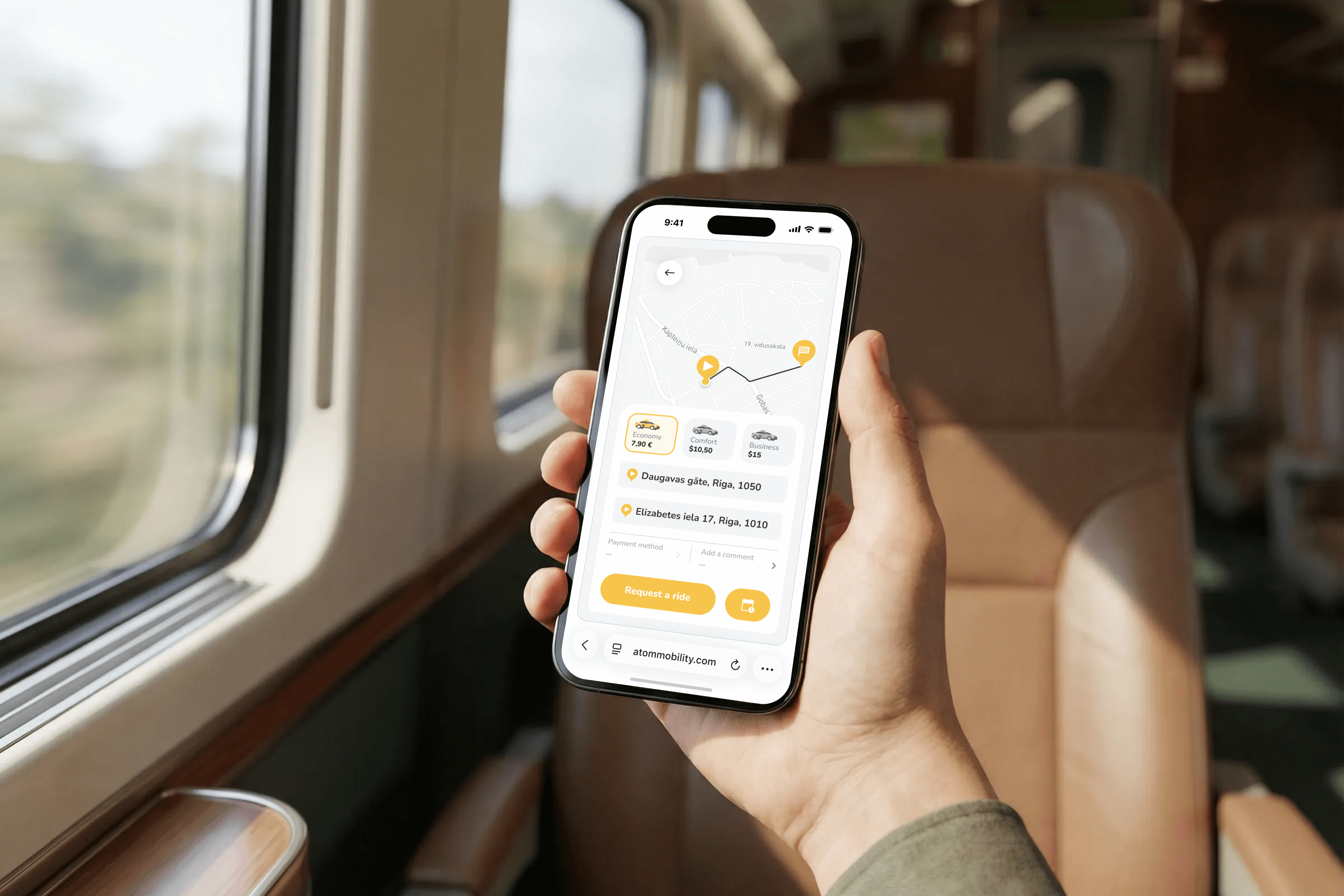
🚕 Web-booker is a lightweight ride-hail widget that lets users book rides directly from a website or mobile browser - no app install required. It reduces booking friction, supports hotel and partner demand, and keeps every ride fully synced with the taxi operator’s app and dashboard.
What if ordering a taxi was as easy as booking a room or clicking “Reserve table” on a website?
Meet Web-booker - a lightweight ride-hail booking widget that lets users request a cab directly from a website, without installing or opening the mobile app.
Perfect for hotels, business centers, event venues, airports, and corporate partners.
👉 Live demo: https://app.atommobility.com/taxi-widget
Web-booker is a browser-based ride-hail widget that operators can embed or link to from any website.
The booking happens on the web, but the ride is fully synchronized with the mobile app and operator dashboard.
No redirects. No app-store friction. No lost users.
This keeps fraud low while preserving conversion.
Web-booker addresses one of the most common friction points in ride-hailing: users who need a ride now but are not willing to download an app first. By allowing bookings directly from a website, operators can capture high-intent demand at the exact moment it occurs - whether that is on a hotel website, an event page, or a partner landing page.
At the same time, Web-booker makes partnerships with hotels and venues significantly easier. Instead of complex integrations or manual ordering flows, partners can simply place a button or link and immediately enable ride ordering for their guests. Importantly, this approach does not block long-term app growth. The booking flow still promotes the mobile app through QR codes and store links, allowing operators to convert web users into app users over time - without forcing the install upfront.
Web-booker is not designed to replace the mobile app. It extends the acquisition funnel by adding a low-friction entry point, while keeping all bookings fully synchronized with the operator’s app and dashboard.
👉 Try the demo
https://app.atommobility.com/taxi-widget
Want to explore a ride-hail or taxi solution for your business - or migrate to a more flexible platform? Visit: https://www.atommobility.com/products/ride-hailing
Credenziali demo dell'app Driver - Email: test@atom.com, Password: autista

