ATOM Academy: Aprenda com especialistas e lance seu negócio de mobilidade compartilhada

ATOM Academy: Aprenda com especialistas e lance seu negócio de mobilidade compartilhada

Para todos os entusiastas da mobilidade compartilhada, agora é a hora de agir. Você ainda está pensando se começar um negócio de compartilhamento de veículos é a decisão certa? Você vê um limite no mercado, mas não sabe como aproveitá-lo?

Boas notícias, agora de graça para começar: Academia ATOM é sua porta de entrada para o sucesso no setor de mobilidade compartilhada.

Projetado para capacitar empreendedores como você, este curso on-line abrangente fornece conhecimento prático, estratégias e insights para ajudá-lo a lançar e expandir seu próprio negócio de mobilidade. A ATOM Academy é dividida em três módulos principais de aprendizado: Introdução, Lançamento e Operação e Otimização e Crescimento. Vamos mergulhar em cada módulo e descobrir o que você aprenderá em sua jornada rumo ao empreendedorismo de mobilidade.

Módulo 1: Começando - Explore as possibilidades

No módulo Getting Started, você terá uma ideia do negócio de mobilidade compartilhada sem nenhum compromisso financeiro. Esta seção oferece acesso gratuito para explorar e entender se o setor de mobilidade compartilhada está alinhado com suas aspirações. Mergulhe em mais de 10 aulas que abrangem tópicos essenciais, como:

  • Modelos de negócios com ATOM: entenda os vários modelos de negócios disponíveis com o software ATOM e como eles se alinham às suas metas.
  • Estratégias de preços e geração de receita: aprenda modelos eficazes de preços, táticas promocionais e oportunidades de geração de receita.
  • Pesquisa de mercado e análise da concorrência: Adquira insights sobre as possibilidades do mercado e conduza pesquisas competitivas para tomar decisões informadas.
  • Fundamentos do planejamento financeiro: Desenvolva uma compreensão do orçamento, da previsão de receita e do gerenciamento de despesas para um negócio financeiramente sólido.
  • Visão geral dos requisitos de hardware: familiarize-se com veículos, IoTs, docas, fechaduras e custos associados, ajudando você a fazer as escolhas certas para sua frota.
  • Visão geral das opções de financiamento: explore diferentes fontes de financiamento e entenda o que os investidores estão procurando.
  • E muitos outros tópicos...

Módulo 2: Lançar e operar - Coloque seu negócio em movimento

Depois de concluir o módulo de introdução e decidir dar os próximos passos em sua jornada de mobilidade compartilhada, o módulo Launch and Operate (bloqueado por um paywall) guiará você pelas etapas essenciais para iniciar seu negócio. Este módulo, em 6 aulas, abrange os aspectos críticos, como:

  • Preparando-se para um lançamento bem-sucedido: obtenha informações de uma operadora de mobilidade compartilhada experiente que teve um lançamento incrivelmente bem-sucedido.
  • Estratégias de marketing de influência: aproveite o poder do marketing de influência para criar burburinho e impulsionar a aquisição de clientes durante sua fase de lançamento.
  • Introdução ao painel da ATOM Mobility: Familiarize-se com as principais funcionalidades do painel e do aplicativo da ATOM Mobility, permitindo que você gerencie suas operações com eficiência.
  • Suporte e engajamento do cliente: conheça as melhores práticas para suporte automatizado ao cliente, atendimento ao cliente e gerenciamento de avaliações de aplicativos para aumentar a satisfação do cliente.
  • E mais...

Módulo 3: Otimize e cresça - expanda seus negócios

Depois que seu negócio de mobilidade compartilhada estiver em funcionamento, é hora de otimizar e crescer. O módulo Otimize and Grow fornece o conhecimento, as ferramentas e as estratégias para expandir seus negócios e aumentar sua lucratividade. Alguns dos tópicos abordados incluem:

  • Modelos de negócios e utilização da frota: explore modelos de negócios avançados, incluindo assinaturas, parcerias e frotas privadas, para maximizar a utilização e a receita.
  • Uso avançado de software: Mergulhe mais fundo no software da ATOM Mobility, obtendo insights sobre seus recursos e funcionalidades mais avançados.
  • Principais métricas para o sucesso: conheça os indicadores-chave de desempenho (KPIs) vitais nos benchmarks comerciais e do setor de compartilhamento para monitorar e melhorar o desempenho de seus negócios.
  • Expandindo com aplicativos agregadores: descubra como aproveitar aplicativos agregadores e empreendedores locais para aumentar a presença de sua marca e expandir para novos locais.
  • Automatizando o suporte ao cliente: simplifique suas operações automatizando o suporte ao cliente usando as tecnologias e as melhores práticas mais recentes.
  • Otimize sua frota e operações terrestres: descubra possibilidades de maximizar o lucro por meio do gerenciamento ideal da frota, da força de trabalho e dos clientes.

Inscreva-se gratuitamente, já hoje

Não perca esta oportunidade de acelerar sua jornada empreendedora e desbloquear novas possibilidades com a ATOM Academy. Somente com a ajuda de empreendedores como você, podemos causar um impacto global para incentivar uma mudança de comportamento muito necessária em relação à mobilidade. Ajudamos a lançar mais de 100 operações de mobilidade compartilhada em mais de 140 cidades em todo o mundo.

Junte-se à ATOM Academy hoje e torne-se a próxima história de sucesso: https://www.atommobility.com/academy

Interessado em lançar sua própria plataforma de mobilidade?

Clique abaixo para saber mais ou solicitar uma demonstração.

Postagens relacionadas

Mais estudos de caso

Exibir tudoVeja todos os estudos de caso
Blog
🚀 New feature alert: Web-booker for ride-hail

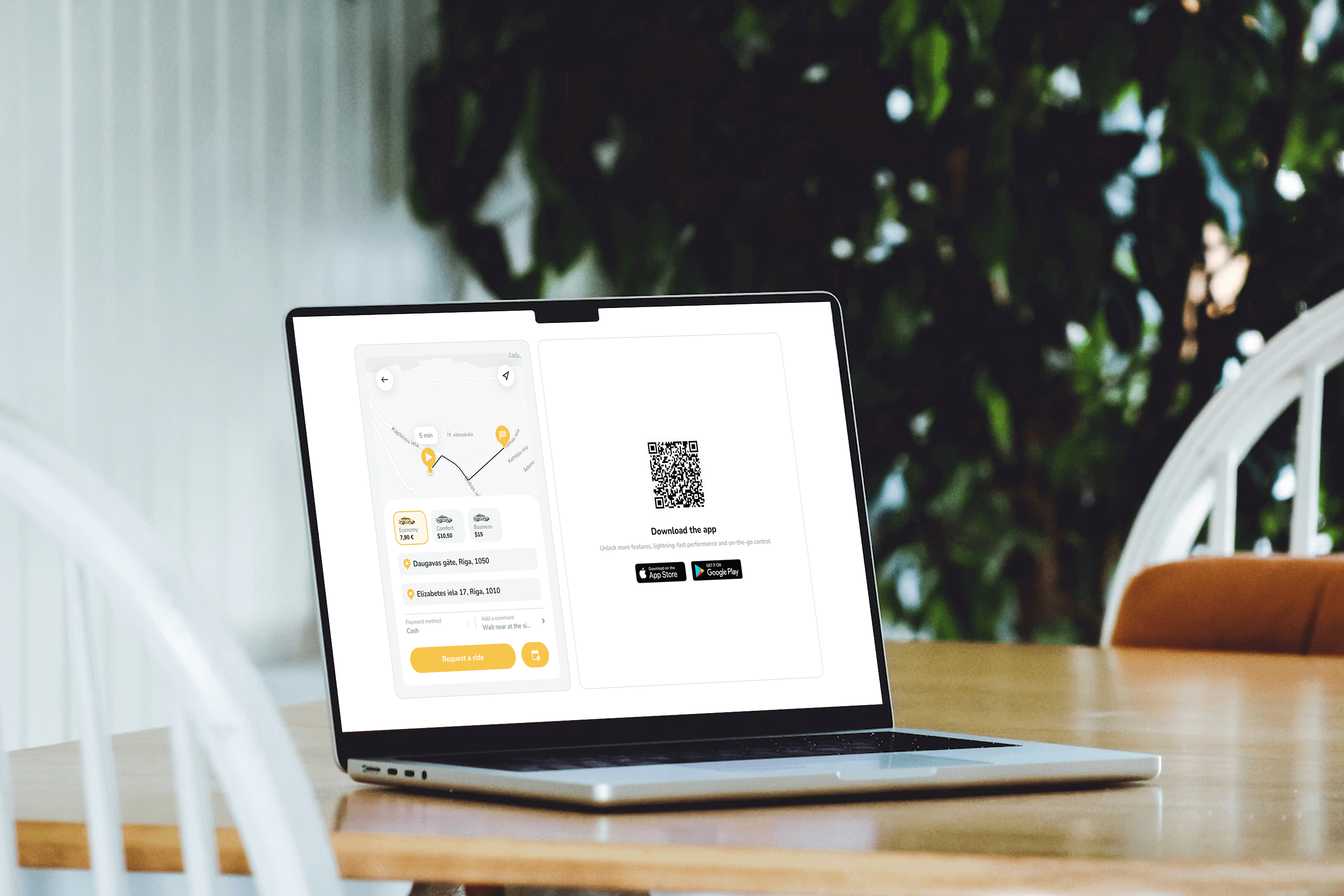
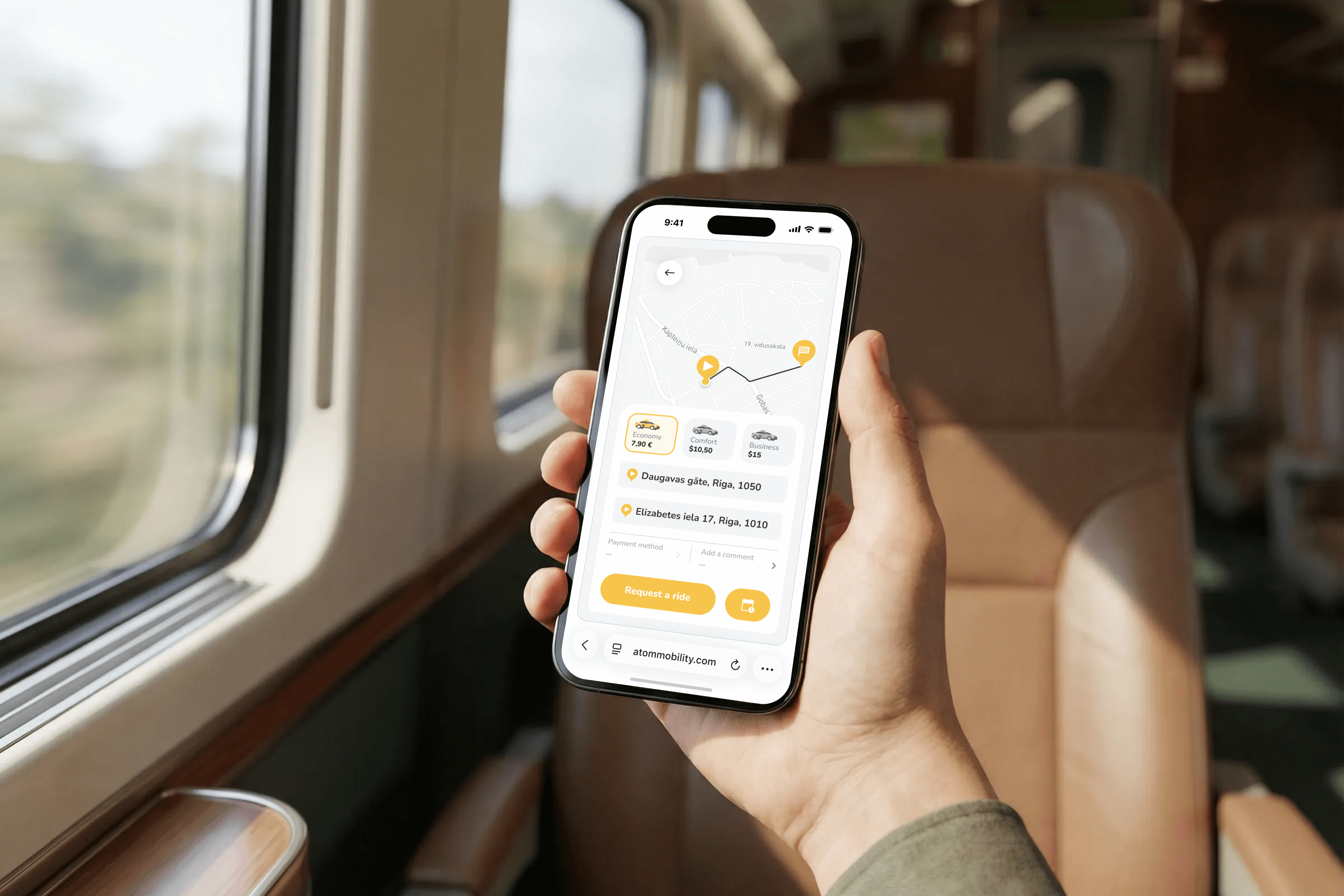
🚕 Web-booker is a lightweight ride-hail widget that lets users book rides directly from a website or mobile browser - no app install required. It reduces booking friction, supports hotel and partner demand, and keeps every ride fully synced with the taxi operator’s app and dashboard.

Leia a postagem

What if ordering a taxi was as easy as booking a room or clicking “Reserve table” on a website?

Meet Web-booker - a lightweight ride-hail booking widget that lets users request a cab directly from a website, without installing or opening the mobile app.
Perfect for hotels, business centers, event venues, airports, and corporate partners.

👉 Live demo: https://app.atommobility.com/taxi-widget

What is Web-booker?

Web-booker is a browser-based ride-hail widget that operators can embed or link to from any website.
The booking happens on the web, but the ride is fully synchronized with the mobile app and operator dashboard.

How it works (simple by design)
  • Client places a button or link on their website
  • Clicking it opens a new window with the ride-hail widget
  • The widget is branded, localized, and connected directly to the operator’s system
  • Booking instantly appears in the dashboard and mobile app

No redirects. No app-store friction. No lost users.
Key capabilities operators care about
🎨 Branded & consistent
  • Widget color automatically matches the client’s app branding
  • Feels like a natural extension of the operator’s ecosystem
  • Fully responsive and optimized for mobile browsers, so users can book a ride directly from their phone without installing the app
📱 App growth built in
  • QR code and App Store / Google Play links shown directly in the widget
  • Smooth upgrade path from web → app
🔄 Fully synced ecosystem
  • Country code auto-selected based on user location
  • Book via web → see the ride in the app (same user credentials)
  • Dashboard receives booking data instantly
  • Every booking is tagged with Source:
    - App
    - Web (dashboard bookings)
    - Booker (website widget)
    - API
🔐 Clean & secure session handling
  • User is logged out automatically when leaving the page
  • No persistent browser sessions
💵 Payments logic
  • New users: cash only
  • Existing users: can choose saved payment methods
  • If cash is not enabled → clear message prompts booking via the app

This keeps fraud low while preserving conversion.

✅ Default rollout
  • Enabled by default for all ride-hail merchants
  • No extra setup required
  • Operators decide where and how to use it (hotel partners, landing pages, QR posters, etc.)
Why this matters in practice

Web-booker addresses one of the most common friction points in ride-hailing: users who need a ride now but are not willing to download an app first. By allowing bookings directly from a website, operators can capture high-intent demand at the exact moment it occurs - whether that is on a hotel website, an event page, or a partner landing page.

At the same time, Web-booker makes partnerships with hotels and venues significantly easier. Instead of complex integrations or manual ordering flows, partners can simply place a button or link and immediately enable ride ordering for their guests. Importantly, this approach does not block long-term app growth. The booking flow still promotes the mobile app through QR codes and store links, allowing operators to convert web users into app users over time - without forcing the install upfront.

Web-booker is not designed to replace the mobile app. It extends the acquisition funnel by adding a low-friction entry point, while keeping all bookings fully synchronized with the operator’s app and dashboard.

👉 Try the demo
https://app.atommobility.com/taxi-widget

Blog
How bike-sharing apps encourage eco-friendly urban travel

🚲 Cleaner air, less traffic, and better city living - bike-sharing apps are making it happen. With seamless apps, smart integration, and the right infrastructure, shared bikes are becoming a real alternative to cars in cities across Europe.💡 See how bike-sharing supports sustainable mobility and what cities and operators can do to get it right.

Leia a postagem

Bike-sharing apps are reshaping urban mobility. What began as a practical way to get around without owning a bike is now part of a bigger shift toward sustainable transport. 

These services are doing more than replacing short car trips. They help cities cut emissions, reduce congestion, improve health, and connect better with public transport. 

As more cities rethink how people move, bike sharing continues to grow as one of the fastest and most affordable tools to support this change.

Why bike sharing is important

Bike-sharing services now operate in over 150 European cities, with more than 438,000 bikes in circulation. These systems help prevent around 46,000 tonnes of CO₂ emissions annually and reduce reliance on private cars in dense urban areas. They also improve air quality, lower noise levels, and make cities more pleasant to live in.

A recent study by EIT Urban Mobility and Cycling Industries Europe, carried out by EY, found that bike-sharing services generate around €305 million in annual benefits across Europe. This includes reduced emissions, lower healthcare costs, time saved from less congestion, and broader access to jobs and services.

For cities, the numbers speak for themselves: every euro invested yields a 10% annual return, generating €1.10 in positive externalities. By 2030, these benefits could triple to €1 billion if bike-sharing is prioritized.

Connecting with public transport

Bike sharing works best when it fits into the wider transport system. Most car trips that bike sharing replaces are short and often happen when public transport doesn’t quite reach the destination. That last kilometer between a bus stop and your home or office can be enough to make people choose the car instead.

Placing shared bikes near metro stations, tram stops, or bus terminals makes it easier for people to leave their cars behind. This “last-mile” connection helps more people use public transport for the long part of their trip and hop on a bike for the short part. Over time, that encourages more consistent use of both bikes and transit.

In cities where bike sharing is integrated into travel passes or mobility platforms, users can combine modes in a single journey. That flexibility supports wider access and makes shared bikes part of everyday mobility, not just something used occasionally.

What the app brings to the experience

The digital experience behind bike sharing is a big part of why it works. People can check availability, unlock a bike, pay, and end their trip – all in one app. This makes it quick, simple, and consistent.

Good bike-sharing apps also offer:

  • Real-time vehicle status
  • Contactless ID verification and onboarding
  • Support for short trips and subscriptions
  • Usage history and cost tracking
  • Optional features like carbon savings or route suggestions

When users don’t need to think twice about how the system works, they’re more likely to build regular habits around it. That habit shift is what makes a long-term difference for both users and cities.

Wider city-level benefits

Bike sharing isn’t just a transport service. It helps cities meet public goals – cleaner air, lower traffic, healthier residents, and better access to services. When someone chooses a bike instead of a car, it reduces the demand for fuel, parking, and space on the road.

The €305 million annual benefit includes health savings due to increased physical activity, avoided emissions, time gained from reduced congestion, and the creation of jobs tied to fleet operations. Many bike-sharing schemes also improve equity by giving people access to mobility in areas that are underserved by public transport or where car ownership isn’t affordable.

Shared bikes are especially useful in mid-sized cities where distances are manageable and car traffic still dominates. With the right policy support, even small fleets can have a noticeable impact on mobility patterns and public health.

What makes a system work well

Not every bike-sharing system succeeds. To be reliable and scalable, a few things must work together:

  • Safe, protected bike lanes
  • Well-placed stations near high-demand areas
  • Bikes that are easy to maintain and manage
  • Operators that monitor usage and shift bikes to where they’re needed
  • City policies that support cycling and reduce reliance on cars

Successful systems often grow in partnership with city governments, public transport agencies, and private operators who bring technology, logistics, and know-how.

The role of software and operations

Reliable software is what keeps all parts of the system connected. From unlocking a bike to seeing usage trends across the city, operators need tools that are stable, flexible, and easy to manage. For those launching or scaling a fleet, platforms like ATOM Mobility offer ready-made solutions that handle booking, payments, ID checks, live tracking, and fleet control in one place.

The platform supports both electric and mechanical bikes, offers branded apps, and integrates with smart locks or IoT modules for remote vehicle access. It also lets operators adjust pricing, monitor vehicle health, and manage customer support in real time. That means smaller teams can launch faster and scale smarter, without having to build every tool from scratch.

A small change with a big effect

Bike sharing won’t replace all car trips, but even a small shift makes a difference. A few short rides per week can reduce emissions, improve fitness, and save time spent in traffic. When these trips are supported by good infrastructure, public awareness, and seamless apps, the impact grows.

As cities continue to prioritise sustainability, shared micromobility will play a bigger role in helping people move in cleaner, healthier, and more flexible ways. With the right technology and planning, bike sharing becomes more than a service – it becomes a habit that supports better cities for everyone.

Lance sua plataforma de mobilidade em 20 dias!

Vários veículos. Escalável. Comprovado.