ATOM Academy : apprenez auprès d'experts et lancez votre activité de mobilité partagée

ATOM Academy : apprenez auprès d'experts et lancez votre activité de mobilité partagée

Pour tous les passionnés de mobilité partagée, le moment est venu de passer à l'action. Vous vous demandez toujours si démarrer une entreprise de partage de véhicules est la bonne décision ? Vous voyez une capitalisation boursière mais vous ne savez pas comment en tirer parti ?

Bonne nouvelle, maintenant c'est GRATUIT pour commencer : Académie ATOM est votre porte d'entrée vers le succès dans le secteur de la mobilité partagée.

Conçu pour responsabiliser les entrepreneurs comme vous, ce cours en ligne complet fournit des connaissances pratiques, des stratégies et des informations qui vous aideront à lancer et à développer votre propre entreprise de mobilité. L'ATOM Academy est divisée en trois modules d'apprentissage principaux : Getting Started, Launch and Operate, et Optimize and Grow. Examinons chaque module et découvrons ce que vous apprendrez au cours de votre parcours vers l'entrepreneuriat en matière de mobilité.

Module 1 : Mise en route - Explorez les possibilités

Dans le module Getting Started, vous aurez un aperçu du secteur de la mobilité partagée sans aucun engagement financier. Cette section offre un accès gratuit pour explorer et comprendre si le secteur de la mobilité partagée correspond à vos aspirations. Plongez dans plus de 10 leçons couvrant des sujets essentiels tels que :

  • Modèles commerciaux avec ATOM : Comprenez les différents modèles commerciaux disponibles avec le logiciel ATOM et comment ils correspondent à vos objectifs.
  • Stratégies de tarification et génération de revenus : découvrez des modèles de tarification efficaces, des tactiques promotionnelles et des opportunités de génération de revenus.
  • Étude de marché et analyse de la concurrence : obtenez des informations sur les possibilités du marché et effectuez des études concurrentielles pour prendre des décisions éclairées.
  • Principes de base de la planification financière : Développez une compréhension de la budgétisation, de la prévision des revenus et de la gestion des dépenses pour une entreprise financièrement saine.
  • Aperçu des exigences matérielles : familiarisez-vous avec les véhicules, l'IoT, les quais, les écluses et les coûts associés, afin de vous aider à faire les bons choix pour votre flotte.
  • Aperçu des options de financement : explorez différentes sources de financement et comprenez ce que recherchent les investisseurs.
  • Et bien d'autres sujets encore...

Module 2 : Lancer et exploiter - Mettez votre entreprise en marche

Une fois que vous aurez terminé le module Getting Started et décidé de passer aux prochaines étapes de votre parcours de mobilité partagée, le module Launch and Operate (verrouillé derrière un paywall) vous guidera à travers les étapes essentielles pour démarrer votre activité. Ce module, en 6 leçons, couvre les aspects critiques tels que :

  • Préparer un lancement réussi : découvrez les points de vue d'un opérateur de mobilité partagée expérimenté qui a connu un lancement incroyablement réussi.
  • Stratégies de marketing d'influence : exploitez la puissance du marketing d'influence pour créer du buzz et stimuler l'acquisition de clients pendant votre phase de lancement.
  • Présentation du tableau de bord d'ATOM Mobility : familiarisez-vous avec les fonctionnalités de base du tableau de bord et de l'application d'ATOM Mobility, qui vous permettront de gérer efficacement vos opérations.
  • Support client et engagement : découvrez les meilleures pratiques en matière d'assistance client automatisée, de service client et de gestion des avis sur les applications afin d'améliorer la satisfaction des clients.
  • Et bien plus encore...

Module 3 : Optimisez et développez - Développez votre entreprise

Une fois que votre activité de mobilité partagée est opérationnelle, il est temps de l'optimiser et de la développer. Le module Optimize and Grow vous fournit les connaissances, les outils et les stratégies nécessaires pour développer votre entreprise et augmenter sa rentabilité. Parmi les sujets abordés, citons :

  • Modèles commerciaux et utilisation de la flotte : explorez des modèles commerciaux avancés, notamment les abonnements, les partenariats et les flottes privées, afin de maximiser l'utilisation et les revenus.
  • Utilisation avancée des logiciels : approfondissez le logiciel d'ATOM Mobility et découvrez ses caractéristiques et fonctionnalités les plus avancées.
  • Indicateurs clés de réussite : découvrez les indicateurs clés de performance (KPI) essentiels dans le cadre du partage de repères commerciaux et sectoriels afin de suivre et d'améliorer les performances de votre entreprise.
  • Développement grâce à des applications d'agrégation : découvrez comment tirer parti des applications d'agrégation et des entrepreneurs locaux pour renforcer la présence de votre marque et vous étendre à de nouveaux sites.
  • Automatiser le support client : rationalisez vos opérations en automatisant le support client à l'aide des dernières technologies et des meilleures pratiques.
  • Optimisez votre flotte et vos opérations au sol : découvrez les possibilités de maximiser les profits grâce à une gestion optimale de la flotte, de la main-d'œuvre et des clients.

Inscrivez-vous gratuitement, dès aujourd'hui

Ne manquez pas cette opportunité d'accélérer votre parcours entrepreneurial et de découvrir de nouvelles possibilités grâce à l'ATOM Academy. Ce n'est qu'avec l'aide d'entrepreneurs tels que vous que nous sommes en mesure d'avoir un impact mondial pour encourager un changement de comportement indispensable en matière de mobilité. Nous avons contribué au lancement de plus de 100 opérations de mobilité partagée dans plus de 140 villes du monde entier.

Rejoignez l'ATOM Academy dès aujourd'hui et devenez la prochaine réussite : https://www.atommobility.com/academy

Vous souhaitez lancer votre propre plateforme de mobilité ?

Cliquez ci-dessous pour en savoir plus ou demander une démonstration.

Articles connexes

Plus d'études de cas

Afficher toutAfficher toutes les études de cas
Blogue
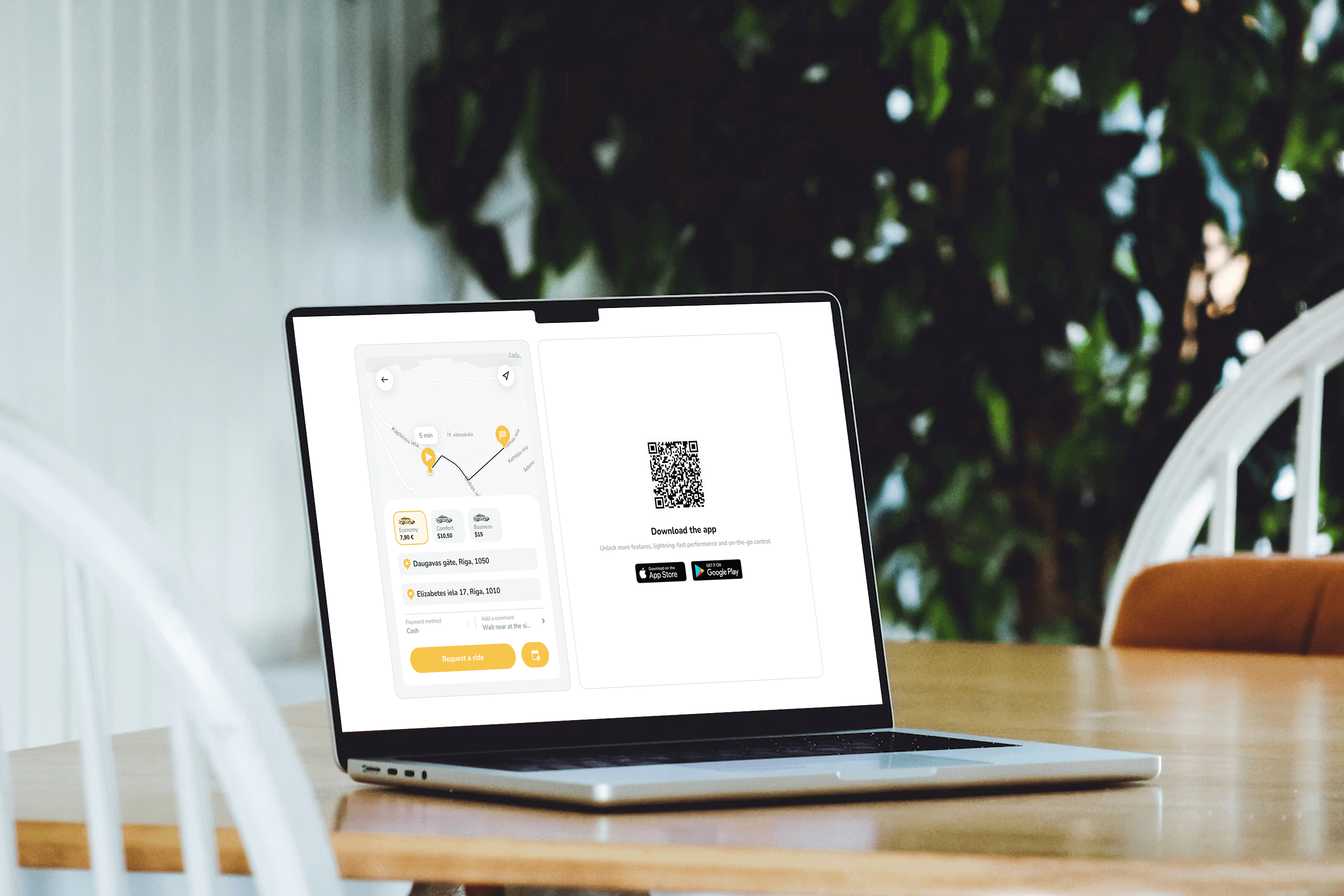
🚀 New feature alert: Web-booker for ride-hail

🚕 Web-booker is a lightweight ride-hail widget that lets users book rides directly from a website or mobile browser - no app install required. It reduces booking friction, supports hotel and partner demand, and keeps every ride fully synced with the taxi operator’s app and dashboard.

Lire le post

What if ordering a taxi was as easy as booking a room or clicking “Reserve table” on a website?

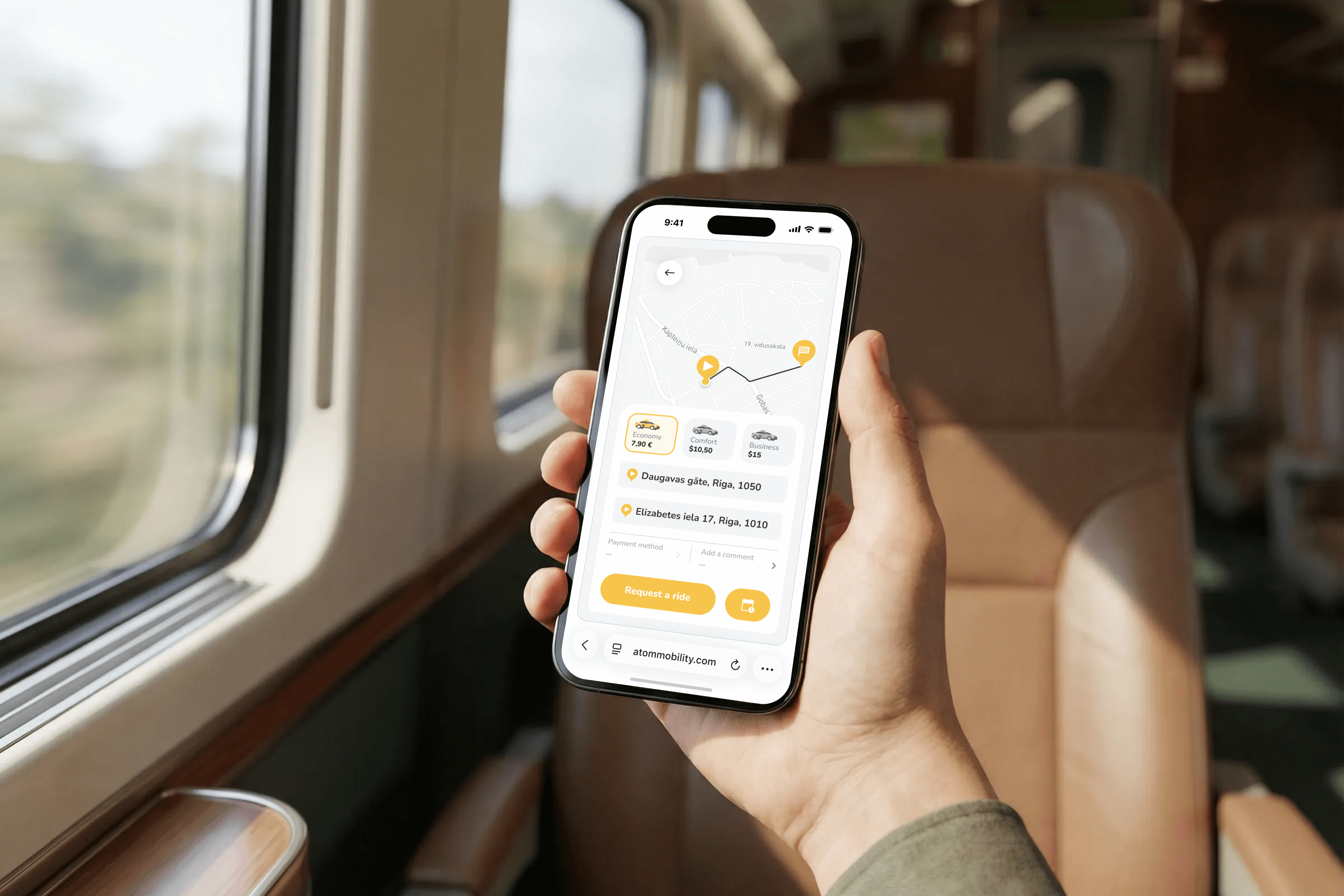
Meet Web-booker - a lightweight ride-hail booking widget that lets users request a cab directly from a website, without installing or opening the mobile app.
Perfect for hotels, business centers, event venues, airports, and corporate partners.

👉 Live demo: https://app.atommobility.com/taxi-widget

What is Web-booker?

Web-booker is a browser-based ride-hail widget that operators can embed or link to from any website.
The booking happens on the web, but the ride is fully synchronized with the mobile app and operator dashboard.

How it works (simple by design)
  • Client places a button or link on their website
  • Clicking it opens a new window with the ride-hail widget
  • The widget is branded, localized, and connected directly to the operator’s system
  • Booking instantly appears in the dashboard and mobile app

No redirects. No app-store friction. No lost users.
Key capabilities operators care about
🎨 Branded & consistent
  • Widget color automatically matches the client’s app branding
  • Feels like a natural extension of the operator’s ecosystem
  • Fully responsive and optimized for mobile browsers, so users can book a ride directly from their phone without installing the app
📱 App growth built in
  • QR code and App Store / Google Play links shown directly in the widget
  • Smooth upgrade path from web → app
🔄 Fully synced ecosystem
  • Country code auto-selected based on user location
  • Book via web → see the ride in the app (same user credentials)
  • Dashboard receives booking data instantly
  • Every booking is tagged with Source:
    - App
    - Web (dashboard bookings)
    - Booker (website widget)
    - API
🔐 Clean & secure session handling
  • User is logged out automatically when leaving the page
  • No persistent browser sessions
💵 Payments logic
  • New users: cash only
  • Existing users: can choose saved payment methods
  • If cash is not enabled → clear message prompts booking via the app

This keeps fraud low while preserving conversion.

✅ Default rollout
  • Enabled by default for all ride-hail merchants
  • No extra setup required
  • Operators decide where and how to use it (hotel partners, landing pages, QR posters, etc.)
Why this matters in practice

Web-booker addresses one of the most common friction points in ride-hailing: users who need a ride now but are not willing to download an app first. By allowing bookings directly from a website, operators can capture high-intent demand at the exact moment it occurs - whether that is on a hotel website, an event page, or a partner landing page.

At the same time, Web-booker makes partnerships with hotels and venues significantly easier. Instead of complex integrations or manual ordering flows, partners can simply place a button or link and immediately enable ride ordering for their guests. Importantly, this approach does not block long-term app growth. The booking flow still promotes the mobile app through QR codes and store links, allowing operators to convert web users into app users over time - without forcing the install upfront.

Web-booker is not designed to replace the mobile app. It extends the acquisition funnel by adding a low-friction entry point, while keeping all bookings fully synchronized with the operator’s app and dashboard.

👉 Try the demo
https://app.atommobility.com/taxi-widget

Blogue
How bike-sharing apps encourage eco-friendly urban travel

🚲 Cleaner air, less traffic, and better city living - bike-sharing apps are making it happen. With seamless apps, smart integration, and the right infrastructure, shared bikes are becoming a real alternative to cars in cities across Europe.💡 See how bike-sharing supports sustainable mobility and what cities and operators can do to get it right.

Lire le post

Bike-sharing apps are reshaping urban mobility. What began as a practical way to get around without owning a bike is now part of a bigger shift toward sustainable transport. 

These services are doing more than replacing short car trips. They help cities cut emissions, reduce congestion, improve health, and connect better with public transport. 

As more cities rethink how people move, bike sharing continues to grow as one of the fastest and most affordable tools to support this change.

Why bike sharing is important

Bike-sharing services now operate in over 150 European cities, with more than 438,000 bikes in circulation. These systems help prevent around 46,000 tonnes of CO₂ emissions annually and reduce reliance on private cars in dense urban areas. They also improve air quality, lower noise levels, and make cities more pleasant to live in.

A recent study by EIT Urban Mobility and Cycling Industries Europe, carried out by EY, found that bike-sharing services generate around €305 million in annual benefits across Europe. This includes reduced emissions, lower healthcare costs, time saved from less congestion, and broader access to jobs and services.

For cities, the numbers speak for themselves: every euro invested yields a 10% annual return, generating €1.10 in positive externalities. By 2030, these benefits could triple to €1 billion if bike-sharing is prioritized.

Connecting with public transport

Bike sharing works best when it fits into the wider transport system. Most car trips that bike sharing replaces are short and often happen when public transport doesn’t quite reach the destination. That last kilometer between a bus stop and your home or office can be enough to make people choose the car instead.

Placing shared bikes near metro stations, tram stops, or bus terminals makes it easier for people to leave their cars behind. This “last-mile” connection helps more people use public transport for the long part of their trip and hop on a bike for the short part. Over time, that encourages more consistent use of both bikes and transit.

In cities where bike sharing is integrated into travel passes or mobility platforms, users can combine modes in a single journey. That flexibility supports wider access and makes shared bikes part of everyday mobility, not just something used occasionally.

What the app brings to the experience

The digital experience behind bike sharing is a big part of why it works. People can check availability, unlock a bike, pay, and end their trip – all in one app. This makes it quick, simple, and consistent.

Good bike-sharing apps also offer:

  • Real-time vehicle status
  • Contactless ID verification and onboarding
  • Support for short trips and subscriptions
  • Usage history and cost tracking
  • Optional features like carbon savings or route suggestions

When users don’t need to think twice about how the system works, they’re more likely to build regular habits around it. That habit shift is what makes a long-term difference for both users and cities.

Wider city-level benefits

Bike sharing isn’t just a transport service. It helps cities meet public goals – cleaner air, lower traffic, healthier residents, and better access to services. When someone chooses a bike instead of a car, it reduces the demand for fuel, parking, and space on the road.

The €305 million annual benefit includes health savings due to increased physical activity, avoided emissions, time gained from reduced congestion, and the creation of jobs tied to fleet operations. Many bike-sharing schemes also improve equity by giving people access to mobility in areas that are underserved by public transport or where car ownership isn’t affordable.

Shared bikes are especially useful in mid-sized cities where distances are manageable and car traffic still dominates. With the right policy support, even small fleets can have a noticeable impact on mobility patterns and public health.

What makes a system work well

Not every bike-sharing system succeeds. To be reliable and scalable, a few things must work together:

  • Safe, protected bike lanes
  • Well-placed stations near high-demand areas
  • Bikes that are easy to maintain and manage
  • Operators that monitor usage and shift bikes to where they’re needed
  • City policies that support cycling and reduce reliance on cars

Successful systems often grow in partnership with city governments, public transport agencies, and private operators who bring technology, logistics, and know-how.

The role of software and operations

Reliable software is what keeps all parts of the system connected. From unlocking a bike to seeing usage trends across the city, operators need tools that are stable, flexible, and easy to manage. For those launching or scaling a fleet, platforms like ATOM Mobility offer ready-made solutions that handle booking, payments, ID checks, live tracking, and fleet control in one place.

The platform supports both electric and mechanical bikes, offers branded apps, and integrates with smart locks or IoT modules for remote vehicle access. It also lets operators adjust pricing, monitor vehicle health, and manage customer support in real time. That means smaller teams can launch faster and scale smarter, without having to build every tool from scratch.

A small change with a big effect

Bike sharing won’t replace all car trips, but even a small shift makes a difference. A few short rides per week can reduce emissions, improve fitness, and save time spent in traffic. When these trips are supported by good infrastructure, public awareness, and seamless apps, the impact grows.

As cities continue to prioritise sustainability, shared micromobility will play a bigger role in helping people move in cleaner, healthier, and more flexible ways. With the right technology and planning, bike sharing becomes more than a service – it becomes a habit that supports better cities for everyone.

Lancez votre plateforme de mobilité en 20 jours !

Véhicules multiples. Évolutif. Prouvé.