Substituição da frota: a chave para manter sua empresa na estrada
September 10, 2024
leitura mínima


Se você gerencia uma frota de veículos, provavelmente já enfrentou esse momento importante: decidir quando substituir seus veículos. Talvez seja depois da marca significativa de quilômetros ou quando os custos de reparo estejam consumindo seu orçamento de manutenção. Mas a substituição da frota não é apenas uma simples troca — é um componente essencial de uma estratégia mais ampla de substituição da frota que pode afetar seus negócios.
Vamos aprender mais sobre a substituição de frotas e por que essa tarefa aparentemente monótona é exatamente o que sua empresa precisa.
O que é substituição de frota?
Pense na sua frota como um conjunto de ferramentas. Com o tempo, essas ferramentas se desgastam e também param de funcionar. A substituição da frota consiste em trocar veículos antigos antes que eles comecem a causar problemas e custar muito em reparos.
Não se trata apenas de evitar avarias (embora isso seja uma grande ajuda). Trata-se de manter sua empresa funcionando sem problemas, sem surpresas, custos extras ou clientes esperando por causa de veículos não confiáveis.
Por que a substituição da frota é importante
Como todo o resto, os veículos têm um ciclo de vida natural. Primeiro, eles são brilhantes e novos, prontos para conquistar o mundo. Então, com o tempo, eles começam a se desgastar. O truque é descobrir o momento perfeito para dizer adeus — antes de se tornarem um fardo, mas depois de fornecerem o máximo de valor.
Uma estratégia sólida de gerenciamento de frota de veículos inclui um plano de substituição inteligente para manter suas operações fluidas e previsíveis. Além disso, uma frota bem mantida é mais segura e ecológica, o que é ótimo para reduzir sua pegada de carbono.
Quando devo substituir minha frota?
Então, quando exatamente você deve substituir sua frota? Não há uma resposta única. É um equilíbrio entre tempo, custo e desempenho do veículo. No entanto, existem algumas bandeiras vermelhas que indicam que é hora de começar a planejar sua próxima jogada:
Aqui estão algumas diretrizes gerais para ajudar você a entender quando o tópico de substituição da frota se torna urgente:
Para uma abordagem mais personalizada sobre quando substituir veículos da frota, Soluções de compartilhamento de veículos da ATOM Mobility pode ajudar a monitorar o desempenho da sua frota em tempo real e otimizar o gerenciamento do ciclo de vida do seu veículo.
Construindo uma estratégia de substituição de frota
Então, agora que você sabe o que procurar, como criar uma estratégia eficaz de substituição de frota? Aqui estão algumas dicas para começar:
1. Planeje com antecedência com um cronograma de substituição
Desenvolver um cronograma de substituição proativo é uma das melhores maneiras de gerenciar sua frota. Ao prever quando cada veículo precisará ser substituído, você pode fazer um orçamento e planejá-lo adequadamente. Isso evita impactos financeiros repentinos e mantém sua frota atualizada sem surpresas.
2. Use dados para orientar decisões
Seus veículos geram muitos dados. Use-o! Telemática, registros de manutenção e relatórios de eficiência de combustível podem fornecer informações valiosas sobre a saúde de cada veículo. Ao rastrear essas informações, você pode tomar decisões informadas sobre quando substituir veículos específicos. A plataforma da ATOM Mobility oferece ferramentas de gerenciamento de frota que permitem que você acompanhe todos esses dados em um painel fácil de usar.
3. Pense a longo prazo, não apenas a curto prazo
Claro, substituir sua frota acarreta custos iniciais, mas pense nas economias a longo prazo. Os veículos mais novos são mais eficientes, exigem menos manutenção e geralmente vêm com melhores recursos de segurança. Uma estratégia de gerenciamento de frota de veículos que prioriza ganhos de longo prazo economizará dinheiro a longo prazo e aumentará seus resultados financeiros.
4. Considere a locação versus a compra
Dependendo do seu modelo de negócios, alugar veículos pode fazer mais sentido do que comprar. O leasing pode oferecer custos iniciais mais baixos, pagamentos mensais previsíveis e a capacidade de substituir veículos com mais frequência sem sofrer um grande impacto financeiro.
O papel do gerenciamento do ciclo de vida na substituição de frotas
A substituição da frota é apenas uma parte do quebra-cabeça. A substituição eficaz da frota e o gerenciamento do ciclo de vida significam examinar todo o ciclo de vida de cada veículo, desde o momento em que ele se junta à sua frota até o momento em que é vendido ou retirado.
O gerenciamento do ciclo de vida envolve manutenção regular, análise de dados e uma compreensão clara de quando não vale mais a pena manter um veículo por perto. Com as ferramentas certas, é possível rastrear tudo isso em um só lugar, garantindo que nenhum veículo ultrapasse o prazo de validade.
Como o ATOM Mobility pode ajudar
Quer tirar a dor de cabeça da substituição da frota? As soluções inovadoras da ATOM Mobility facilitam o gerenciamento do ciclo de vida da sua frota do início ao fim. Desde o rastreamento das necessidades de manutenção até a otimização do tempo de substituição, podemos fornecer as ferramentas necessárias para manter sua frota funcionando sem problemas.
Confira nossos gerentes de frota produtos para ver como você pode simplificar sua estratégia de substituição de frota e garantir que seus veículos estejam trabalhando para você, não contra você.
A substituição da frota pode não ser a parte mais glamorosa do gerenciamento de veículos, mas é essencial para manter sua empresa funcionando sem problemas. Com uma estratégia sólida de substituição de frota, você reduzirá custos, melhorará a eficiência e manterá suas operações em dia. E lembre-se de que a ATOM Mobility está aqui para ajudar a tornar o processo o mais simples possível, para que você possa se concentrar no que realmente importa: expandir seus negócios.
Clique abaixo para saber mais ou solicitar uma demonstração.

The micromobility industry doesn’t need another generic mobility conference. 🚫🎤 It needs real conversations between operators who are actually in the field. ⚙️ That’s exactly what ATOM Connect 2026 is built for. 🎯🤝
The shared mobility industry is evolving rapidly. Operators are navigating scaling challenges, regulatory complexity, hardware decisions, fleet optimization, and new integration models, all while aiming for sustainable growth.
That’s exactly why ATOM Mobility is organizing ATOM Connect 2026.
Our previous edition of ATOM Connect brought together professionals from the car sharing and rental industry for focused, high-quality discussions and networking. This year, we are narrowing the focus and dedicating the entire event to one fast-moving segment of the industry: shared micromobility.
ATOM Connect 2026 is designed specifically for operators, partners, and decision-makers working in shared micromobility. It is not a broad mobility conference or a public exhibition. It is a curated space for industry professionals to exchange practical experience, insights, and lessons learned.
On May 14th, 2026 in Riga, we will once again bring the community together, this time with a clear focus on micromobility.
This year’s agenda will address the real operational and strategic questions shaping shared micromobility today:
As usual, we aim to host both local and international operators from smaller, fast-growing fleets to established large-scale players alongside hardware providers and ecosystem partners.
On stage, you’ll hear from leading shared mobility companies - including Segway on hardware partnerships, Umob on MaaS integration, Anadue on data-driven fleet intelligence, Elerent on multi-vehicle operational realities and more insightful discussions.
The goal is simple: meaningful discussions with people who understand the operational realities of the industry.
ATOM Connect is free to attend, but participation is industry-focused (each submission is manually reviewed and verified). We are intentionally keeping the audience relevant and aligned to ensure high-quality conversations and valuable networking.
If you work in shared micromobility and would like to join the event, you can find the full agenda and register here:
👉 https://www.atommobility.com/atom-connect-2026
In the coming weeks, we will be revealing more speakers and additional agenda updates. We look forward to bringing the industry together again.
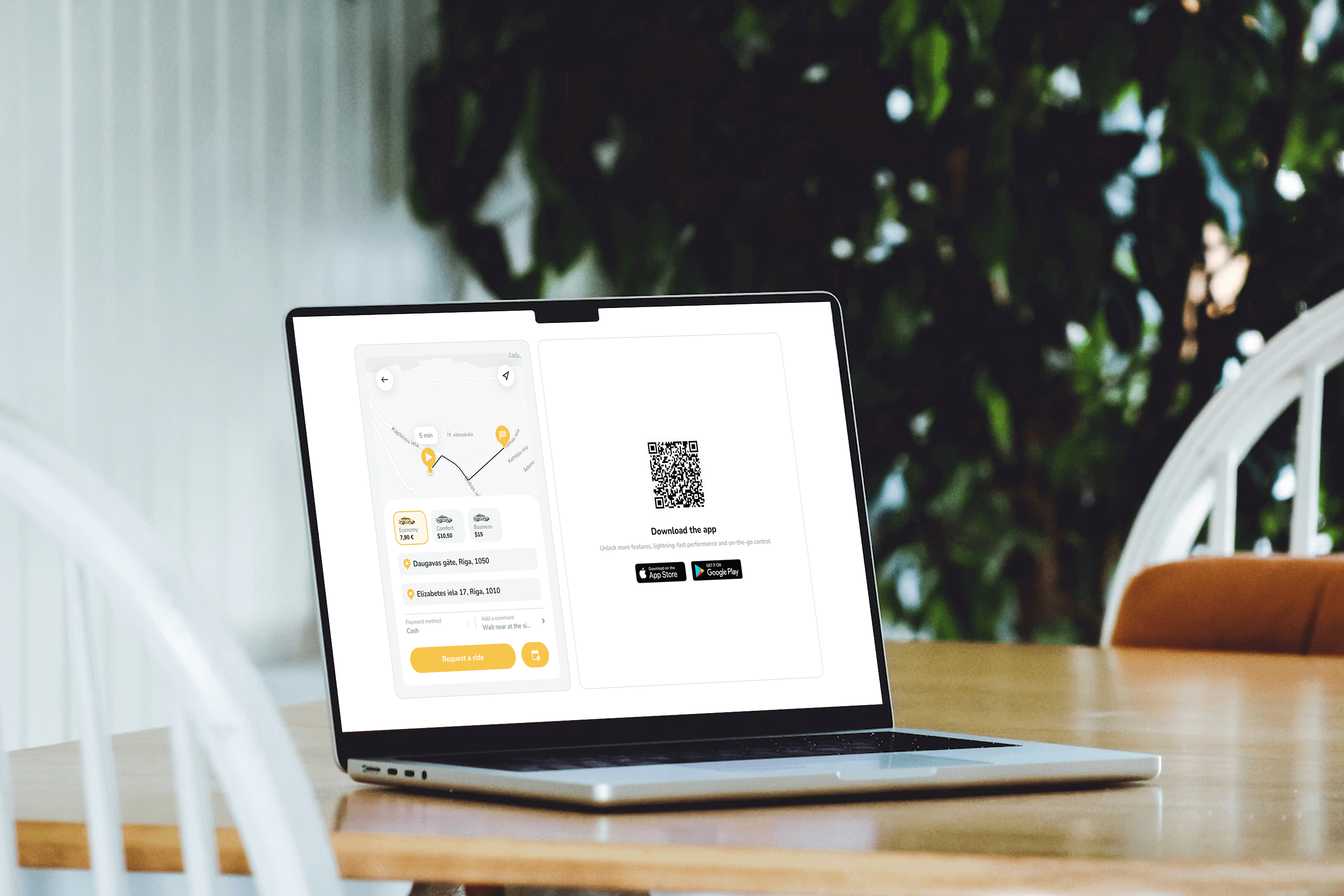
🚕 Web-booker is a lightweight ride-hail widget that lets users book rides directly from a website or mobile browser - no app install required. It reduces booking friction, supports hotel and partner demand, and keeps every ride fully synced with the taxi operator’s app and dashboard.
What if ordering a taxi was as easy as booking a room or clicking “Reserve table” on a website?
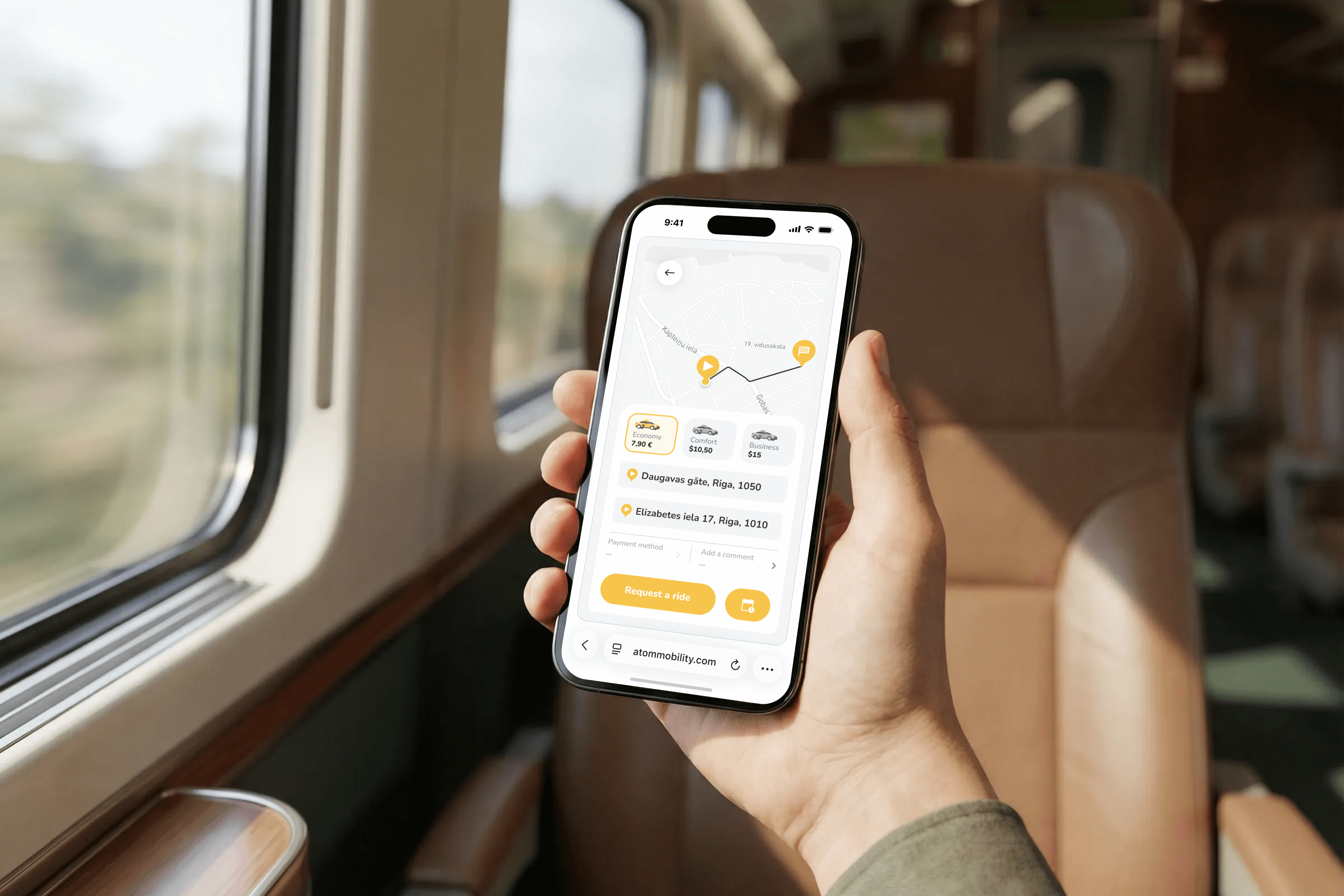
Meet Web-booker - a lightweight ride-hail booking widget that lets users request a cab directly from a website, without installing or opening the mobile app.
Perfect for hotels, business centers, event venues, airports, and corporate partners.
👉 Live demo: https://app.atommobility.com/taxi-widget
Web-booker is a browser-based ride-hail widget that operators can embed or link to from any website.
The booking happens on the web, but the ride is fully synchronized with the mobile app and operator dashboard.
No redirects. No app-store friction. No lost users.
This keeps fraud low while preserving conversion.
Web-booker addresses one of the most common friction points in ride-hailing: users who need a ride now but are not willing to download an app first. By allowing bookings directly from a website, operators can capture high-intent demand at the exact moment it occurs - whether that is on a hotel website, an event page, or a partner landing page.
At the same time, Web-booker makes partnerships with hotels and venues significantly easier. Instead of complex integrations or manual ordering flows, partners can simply place a button or link and immediately enable ride ordering for their guests. Importantly, this approach does not block long-term app growth. The booking flow still promotes the mobile app through QR codes and store links, allowing operators to convert web users into app users over time - without forcing the install upfront.
Web-booker is not designed to replace the mobile app. It extends the acquisition funnel by adding a low-friction entry point, while keeping all bookings fully synchronized with the operator’s app and dashboard.
👉 Try the demo
https://app.atommobility.com/taxi-widget
Want to explore a ride-hail or taxi solution for your business - or migrate to a more flexible platform? Visit: https://www.atommobility.com/products/ride-hailing
Credenciais de demonstração do Driver App - E-mail: test@atom.com, Senha: motorista

