6 حملات تسويقية ذكية للتنقل المشترك نحبها
19/4/2023
الحد الأدنى للقراءة


قبل ثلاثين عامًا، كانت السيارة هي الملك. لقد تغير الكثير منذ ذلك الحين، ويرى الناس بشكل متزايد القيمة في خيارات النقل الصغيرة الصديقة للبيئة. كل ما عليك فعله هو متابعة الأموال - بحلول عام 2030، وفقًا لشركة McKinsey، فإن سيحقق قطاع التنقل المشترك 1 تريليون دولار من الإنفاق.
كل هذا يعني أن التنقل الجزئي هو عمل جاد، ومثل جميع الشركات الجادة، يتعين عليهم التفكير في تسويق أنفسهم. لقد جمعنا بعضًا من حملات تسويق التنقل المشتركة الأكثر إبداعًا ومتعة وفعالية. تعرف على ما تفعله الشركات، وكيف تخاطب جماهيرها، واحصل على مصدر إلهام لحملاتك الخاصة.

مركبات التنقل: الدراجات البخارية الكهربائية، الدراجات الإلكترونية، الدراجات الإلكترونية
جغرافية الحملة: الولايات المتحدة والمملكة المتحدة وألمانيا
حول الحملة:
أطلقت شركة Lime، وهي شركة للتنقل المصغر موجودة في 150 مدينة في 30 دولة، حملتها «Break up with your ride» في صيف عام 2022، حيث قدمت لأصحاب السيارات حوافز تصل قيمتها إلى 3500 دولار للتوقف عن استخدام سياراتهم لفترة معينة من الوقت واختيار خيارات التنقل المشتركة بدلاً من ذلك.
وسلطوا الضوء على العديد من الجوانب السلبية لاستخدام السيارات - بدءًا من العوامل البيئية إلى الجلوس في حركة المرور - لإقناع السائقين بالحاجة إلى استراحة. كان النص الفرعي، على الرغم من عدم ذكره صراحة، هو أن التنقل المشترك أفضل للبيئة ويزيل أيضًا العديد من المشاكل المرتبطة بملكية السيارة.
قامت شركة Lime بتوقيت الحملة لتتزامن مع يوم الأرض، وتمكن السائقون من يتعهدون بقدر معين من الوقت بأنهم سيخرجون من السيارات. تمكن المشاركون من الفوز بسلع Lime وبطاقات الهدايا والدراجة الكهربائية وركوب Lime بقيمة تصل إلى 3500 دولار.
لماذا نحبها:
العديد من مستخدمي التنقل المشترك لا يملكون سيارات بالفعل. هذا هو السبب في أن المركبات المشتركة هي خدمة جذابة - فهي تساعدهم على التنقل. ما يجعل هذه الحملة فعالة بشكل خاص هو أنها تسعى وراء شريحة جديدة - أصحاب السيارات. من خلال ربط ذلك بيوم الأرض ووضع «الانفصال» كعمل بيئي لطيف، يمكنهم الاستفادة من إيثار مالكي السيارات واهتمامهم بالبيئة، بدلاً من محاولة بيعها على التنقل المشترك. وبالتالي، يُنظر إلى استخدام مركبات Lime الإلكترونية على أنه مجرد أثر جانبي لطيف - وهو مربح للجانبين.
حقيقة ممتعة:
لقد أثبتت هذه الحملة نجاحها الكبير، لدرجة أننا نرى نفس المفهوم الذي تطبقه خدمات التنقل الدقيق الأخرى مثل حملة بولت «Break up to Break».

مركبات التنقل: الدراجات البخارية الإلكترونية، ركوب الخيل، مشاركة السيارة
جغرافية الحملة: عالمي
حول الحملة:
لاحظ فريق العلامة التجارية في Bolt، خدمة التنقل الدقيق التي تتخذ من إستونيا مقراً لها، اتجاهًا متكررًا - حيث تستمتع قطط الشوارع بالاسترخاء على قاعدة الدراجات البخارية الخاصة بها (يتم مشاركة العديد من الصور من قبل مستخدمي Bolt)، وهي سوداء اللون وتسخن تحت أشعة الشمس. انطلقوا على الملاحظة، ووضعوا معًا عمود خدش من الورق المقوى يشبه تمامًا السكوتر المزلاج، مع وسادات للخدش ووسائد مريحة للاسترخاء الأمثل للقطط.
تم توثيق العملية ومشاركتها على القنوات الاجتماعية - بدءًا من سلسلة من الصور على لينكد إن إلى فيديو على تيك توك. لقد حققت المنشورات تفاعلًا كبيرًا، حيث حصل منشور Linkedin على أكثر من 2,000 رد، وحصل TikTok على أكثر من 291,000 مشاهدة - حاليًا الفيديو الأكثر مشاهدة على منصتهم (يبلغ متوسط المشاهدات حوالي 5-6 آلاف). يتضمن منشورهم رسالة نصية ورابطًا إلى مأوى حيواني إستوني محلي مع قطط تبحث عن منازل جديدة.
لماذا نحبها:
إنه مجرد القليل من المرح الجيد! من منا لا يحب الحملة الصحية التي ليس لها دوافع واضحة للمبيعات أو الربح، ومع صور ممتعة للقطط، على الأقل.
يعد هذا استخدامًا بارعًا للمحتوى الذي ينشئه العميل (صور القطط)، ومتعة بذل جهد إضافي، وإنشاء عمود خدش للقطط. إن تضمين CTA (عبارة تحث المستخدم على اتخاذ إجراء) لدعم مأوى الحيوانات المحلي يمنح المنشور الممتع رسالة أعمق ومسؤولة اجتماعيًا، ومن خلال إعادة استخدام المحتوى لمختلف المنصات الاجتماعية، يمكنهم نشر رسالتهم إلى مستخدميهم وإظهار قيم علامتهم التجارية أيضًا.

مركبات التنقل: الترحيب بركوب الخيل
جغرافية الحملة: عالمي
حول الحملة:
ردًا على الغزو الروسي لأوكرانيا، البلد الذي كانت أوبر حاضرة فيه، بدأ سائقو أوبر الأوكرانيون في استخدام التطبيق للمساعدة في إجلاء المواطنين المحتاجين. صعدت أوبر لدعم هذه المبادرات - حيث فتحت منصة للتبرعات العالمية لشراء سيارات الإسعاف التي تشتد الحاجة إليها، والتزمت أوبر نفسها بمضاهاة التبرعات التي تصل إلى مليون دولار.
ضمن نطاق الحملة، قام المخرج الأوكراني أوليغ تومين بتوثيق بعض السائقين الذين يقومون برحلات محفوفة بالمخاطر لإجلاء الأوكرانيين الذين تقطعت بهم السبل، و نشرت السلسلة على يوتيوب.
ال نتائج الحملة تشمل أكثر من 100,000 رحلة و 5 ملايين دولار من التبرعات من مستخدمي أوبر العالميين. تشارك أوبر في نقل موظفي الدعم الرئيسيين ونقل الأعمال الفنية والمحفوظات وإخلائها والحفاظ عليها.
لماذا نحبها:
في حين أن شركات التنقل المصغر ليست سوى شركات - فقد أظهرت أوبر ريادتها في وقت الأزمات، حيث حشدت مواردها من أجل دعم الأوكرانيين في أوقات الحاجة وتوليد الدعم باستخدام منصتها العالمية.
لا شك أن النقل جزء من البنية التحتية الحيوية، وتمكنت أوبر من لعب دور رئيسي في التأكد من أن أنظمتها، التي كانت موجودة بالفعل، يمكن الاستفادة منها. على الرغم من أن الحملة لم تكن مدفوعة بالربح، إلا أنها أظهرت إنسانية العلامة التجارية، وهي قيمة لن ينساها على الأرجح العديد من الأشخاص الذين تأثروا بالحرب في أوكرانيا.

مركبات التنقل: مشاركة السيارة
الجغرافيا: الولايات المتحدة الأمريكية والمملكة المتحدة وأستراليا
حول الحملة:
عائلة تورو «ابحث عن محرك الأقراص الخاص بك» تسلط الحملة الضوء على الاقتران الفريد بين الشخص والسيارة، ومطابقة لون السيارة و «مظهرها» مع شخص يرتدي ملابس مماثلة. يشير النص الفرعي إلى أن اختيارك للسيارة هو تجسيد مباشر لأسلوب الشخص. يقول Turo، الذي يتيح للمستخدمين الاختيار من بين العديد من المركبات (بما في ذلك الموديلات الممتعة وغير التقليدية والحصرية)، أن هناك شيئًا يناسب الجميع.
لماذا نحبها:
تتميز الحملة بالذكاء في بساطتها - لم تكن هناك حاجة لميزانيات إنتاج ضخمة لنقل الرسالة الرئيسية، وهي في هذه الحالة أنه مهما كانت شخصيتك وتفضيلاتك، ستكون هناك سيارة للإيجار ستحبها.
يمكن إعادة استخدام هذه الصور لمجموعة متنوعة من المنصات، بدءًا من اللوحات الإعلانية إلى المحتوى عبر الإنترنت. تضمن التنوع في الأشخاص الذين تم تصويرهم أن الحملة تحدثت إلى مجموعة متنوعة من الأشخاص، وبالتالي الوصول إلى جمهور أوسع.

مركبات التنقل: الدراجات البخارية الكهربائية والدراجات الإلكترونية والدراجات الإلكترونية
جغرافية الحملة: لندن، باريس
حول الحملة:
في حين أن استخدام السكوتر الكهربائي آخذ في الارتفاع، إلا أنه يظل نقطة خلاف في بعض المدن أكثر من غيرها. لمعالجة هذا القلق، أنشأت Lime سلسلة من الإعلانات المطبوعة تعرض بعض الآراء السلبية الرئيسية المتعلقة بالدراجات البخارية الكهربائية، مع بعض الملصقات التي كتب عليها «Sh*tty scooters!» ، «الدراجات البخارية تزعجني حقًا» و «هذه الدراجات البخارية تسبب ألمًا شديدًا».
كان الهدف هو إظهار المجتمع أنهم يستمعون وأنهم يفعلون شيئًا لتثبيط السلوك السيئ، بينما يأملون أيضًا في تثقيف الجمهور ومستخدميهم حول استخدام السكوتر المحترم في المدينة.
لماذا نحبها:
هذه الحملة ملفتة للنظر وتثير ضجة بفضل قيمتها الصادمة. أكثر من ذلك، إنها أيضًا طريقة بسيطة لكنها فعالة للغاية لمعالجة مخاوف المجتمع ككل، مع تعليم ركابها دون وعي آداب السكوتر.

مركبات التنقل: الدراجات الإلكترونية
جغرافية الحملة: روتردام
حول الحملة:
Felyx، منصة مشاركة الدراجات الإلكترونية الموجودة في هولندا وبلجيكا، أطلقت حملة على وسائل التواصل الاجتماعي الاستفادة من علامات التصنيف لعرض الأماكن التي يمكنك الذهاب إليها باستخدام دراجات Felyx. تم إطلاق حملتين هاشتاغ، إحداهما #FelyxGreenFavorites والأخرى #Felyxhotspots.
لقد استضافوا جلسات تصوير لإنشاء سلسلة من الصور التي توضح الوجهات المثيرة للاهتمام في رحلة الدراجة، بالإضافة إلى طرق مختلفة للعيش بأسلوب حياة أكثر خضرة باستخدام دراجات Felyx - من الاستمتاع بالطبيعة إلى زيارة متاجر النباتات.
لماذا نحبها:
تقدم الحملة الاجتماعية في الوقت نفسه أفكارًا للناس حول كيفية استخدام الدراجات، ومن خلال دمجها مع الرسائل البيئية، فإنها تزيد من احتمالية تذكر الأفراد المهتمين بالبيئة لاختيار Felyx بدلاً من خيارات التنقل الأخرى. من خلال توفير مجموعة متنوعة من الوجهات، يمكنهم جذب الأفكار الإبداعية لمستخدميهم، وبالتالي زيادة الطلب على خدماتهم. ما هو أكثر من ذلك هو أن هذه حملة بسيطة للغاية للتنفيذ، وتوفر محتوى الوسائط الاجتماعية - وهو أمر تتطلبه علامتك التجارية على أي حال.
توضح لنا هذه الأمثلة أنه لا توجد قواعد عندما يتعلق الأمر بحملات تسويق التنقل المشتركة. غالبًا ما تكون البساطة مؤثرة، ولا يجب أن تكون الحملات دائمًا مدفوعة بالربح. يمكنك استخدام حملاتك للترويج لقيم علامتك التجارية وشخصيتك، وبالتالي جذب العملاء الذين هم على نفس الموجة. في النهاية، سيصبحون أكثر عملائك ولاءً.
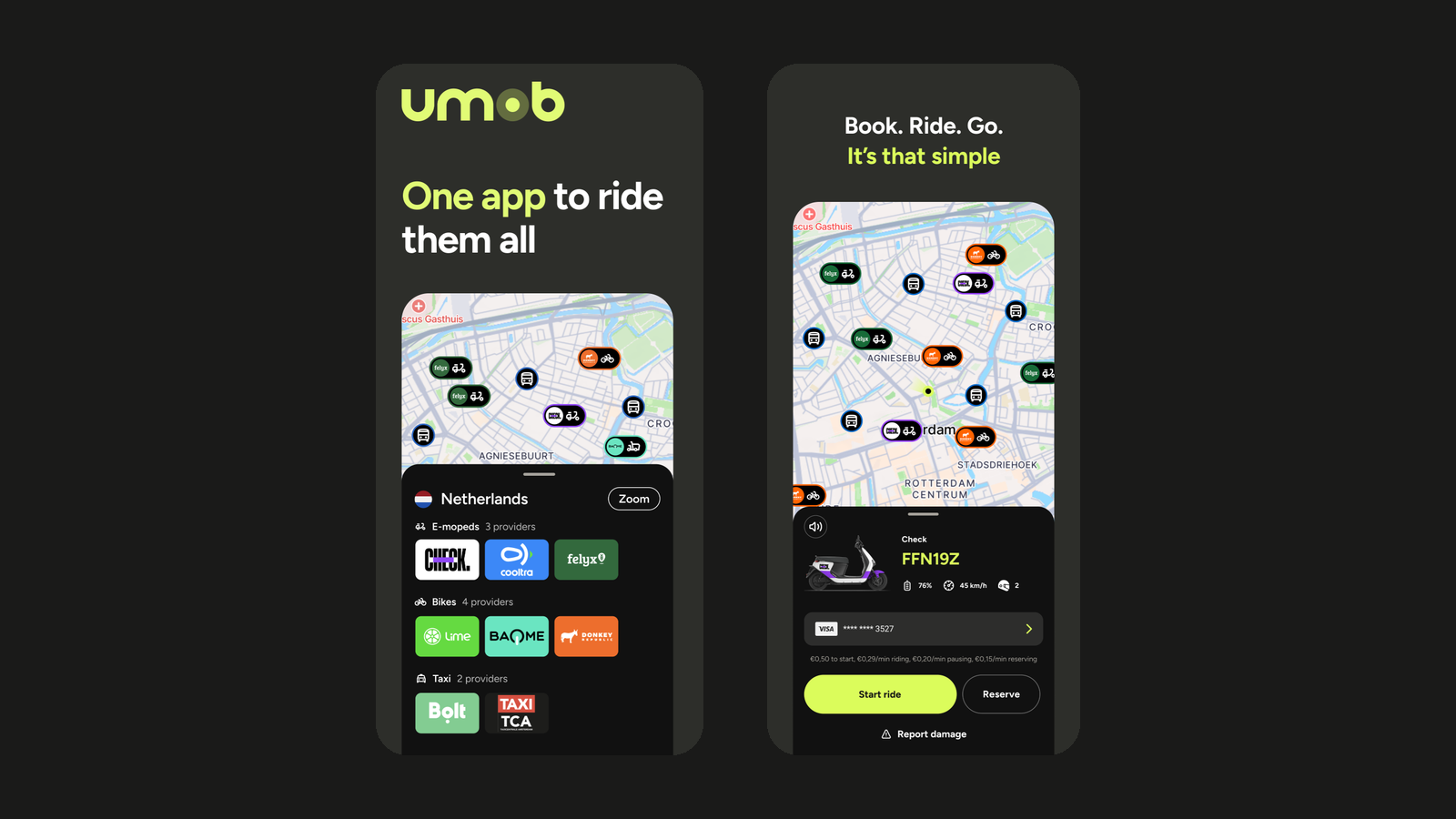
🌍 يمكنك الوصول إلى المزيد من الركاب مع ATOM Mobility وUmob. يمنح هذا التكامل مشغلي التنقل المشترك قناة توزيع إضافية، مما يساعد في جذب عملاء جدد، وزيادة الحجوزات، وتحسين معدلات استخدام الأسطول.
مستقبل التنقل لا يقتصر فقط على تشغيل المركبات، بل يتعلق بابتكار رحلات مريحة تجمع بين خيارات النقل المختلفة في تجربة مستخدم واحدة بسيطة.
ولهذا السبب يسعدنا تسليط الضوء على شراكتنا مع Umob، مما يساعد مشغلي التنقل على توسيع نطاق وصولهم وأن يصبحوا جزءاً من منظومة تنقل متعددة الوسائط متنامية.
سواء كنت تدير سيارات أو سكوترات أو دراجات هوائية أو دراجات نارية مشتركة عبر منصة ATOM Mobility، فإن التكامل مع Umob يجعل خدمتك متاحة لـ آلاف مستخدمي Umob الباحثين عن وسيلة تنقل مريحة.
يتوقع مستخدمو اليوم مرونة عالية؛ فهم لا يفكرون في مزودي خدمات التنقل بشكل منفصل، بل يريدون ببساطة أسرع وأسهل وأكثر الطرق ملاءمة للانتقال من النقطة (أ) إلى النقطة (ب).
تجمع Umob بين مختلف مزودي خدمات التنقل وخيارات النقل في تطبيق واحد. يمكن للمستخدمين العثور على خيارات التنقل المختلفة ومقارنتها وحجزها والدفع مقابلها دون الحاجة إلى تنزيل تطبيق منفصل أو إنشاء حساب جديد لكل مزود خدمة.
من خلال ربط أسطولك بـ Umob، يمكن للمشغلين:
بالنسبة لعملاء ATOM Mobility، صُمم هذا التكامل لتوفير طريقة مباشرة لفتح فرص توزيع جديدة مع الاستمرار في إدارة عملياتهم الأساسية من خلال منصة ATOM Mobility.
من خلال منصة ATOM Mobility، يمكن للمشغلين المشاركين ربط أساطيلهم بـ Umob، مما يتيح للمستخدمين اكتشاف المركبات المتاحة واستخدامها مباشرة عبر تطبيق Umob.
بمجرد الربط، ستظهر مركبات المشغلين المشاركين في Umob إلى جانب خيارات التنقل الأخرى المتاحة، مما يمنح المستخدمين نظرة عامة واضحة على الطرق المختلفة التي يمكنهم من خلالها الانتقال من النقطة (أ) إلى النقطة (ب).
يمكن للمستخدمين العثور على مركبة متاحة، وحجزها وفتح قفلها، وبدء رحلتهم وإنهائها، والدفع مباشرة من خلال تطبيق Umob.
صُمم هذا التكامل لدعم:
يواصل المشغلون إدارة أساطيلهم، وتسعيرهم، ومناطق الخدمة، والعمليات اليومية من خلال منصة ATOM Mobility، بينما توفر Umob قناة إضافية يمكن للمستخدمين من خلالها العثور على المركبات والوصول إليها.
بالنسبة لمشغلي التنقل، يتيح الربط مع Umob قناة توزيع إضافية دون تغيير الطريقة التي يديرون بها عملياتهم اليومية عبر ATOM Mobility.
من خلال إتاحة المركبات لآلاف مستخدمي Umob، يمكن للمشغلين زيادة ظهورهم في اللحظة التي يبحث فيها الأشخاص بنشاط عن وسيلة تنقل. وهذا يخلق إمكانية لجذب مستخدمين جدد، وتحقيق المزيد من الحجوزات، وتحسين معدل استخدام الأسطول بمرور الوقت.
يختلف كل سوق عن الآخر، لكن العديد من المشغلين يرون في شراكات "التنقل كخدمة" (MaaS) جزءاً مهماً من استراتيجية نموهم طويلة الأمد.
أحد أوائل مشغلي ATOM Mobility الذين انطلقوا من خلال تكامل Umob هو ZEUS Mobility، وهو مزود أوروبي طموح لخدمات مشاركة السكوتر الكهربائي، يركز بقوة على الابتكار، ويتبنى نهجاً ديناميكياً، ويسعى لمنافسة اللاعبين الراسخين في السوق.
ومن المناسب أن الشراكة بحد ذاتها بدأت من خلال شبكة ATOM Mobility.
التقت ZEUS وUmob لأول مرة في فعالية ATOM Mobility في ريغا. وعلى الرغم من أن التعارف الأولي حدث أثناء الفعالية، إلا أن المحادثة الجدية بدأت فعلياً خلال جلسة غير رسمية في وقت لاحق من ذلك المساء.
كانت ZEUS قد صادفت علامة Umob التجارية على مركبات التنقل أثناء السفر، وقد أُعجبت بالنهج المهني الذي تتبعه الشركة. وسرعان ما تحول ذلك التعرف إلى محادثة حول كيفية تعزيز الشركتين لعروضهما من خلال العمل معاً.
ومن هناك، تقدمت عملية التكامل بسرعة. وتصف ZEUS عملية الإعداد والتكامل حتى الآن بأنها "نظيفة واحترافية وسلسة."
بالنسبة لشركة ZEUS، تمثل هذه الشراكة فرصة لتعزيز حضور علامتها التجارية، والوصول إلى عملاء جدد، ودعم طموحاتها التوسعية في أوروبا.
عقب استحواذها على Superpedestrian في مايو 2026، تتطلع ZEUS إلى تسريع وتيرة نموها خلال عامي 2026 و2027، وتعد شراكتها مع Umob جزءاً من هذا الطموح.
"نحن في ZEUS سعداء للغاية بالشراكة مع Umob في الأسواق الأوروبية. فبعد استحواذنا على Superpedestrian في مايو 2026، نسعى في ZEUS إلى تحقيق نمو سريع خلال عامي 2026 و2027. ستساعدنا هذه الشراكة في دفع عجلة هذا النمو والوصول إلى عملاء جدد في أسواق جديدة. نتطلع إلى شراكة مثمرة." - داميان يونغ، ZEUS Mobility
تطبيق واحد لكل تنقلاتك. Umob هي منصة تنقل شاملة تجمع بين مختلف مزودي خدمات التنقل وخيارات النقل في تطبيق واحد.
يمكن للمستخدمين العثور على الدراجات المشتركة، والدراجات الكهربائية، والسكوتر، والدراجات النارية، ووسائل النقل العام، وسيارات الأجرة، وغيرها من خيارات التنقل المتاحة، ومقارنتها وحجزها والدفع مقابلها من خلال حساب واحد وتجربة دفع موحدة. فبدلاً من تنزيل تطبيق منفصل والتسجيل فيه لكل مزود خدمة أو في كل مدينة جديدة، يمكن للمستخدمين فتح تطبيق Umob والاطلاع على خيارات التنقل المتاحة من حولهم.
تتوفر Umob اليوم في أكثر من 28 دولة و300 مدينة، مما يتيح لآلاف المستخدمين طريقة أسهل للوصول إلى مختلف وسائل التنقل سواء في مدنهم أو أثناء السفر.
حقائق رئيسية
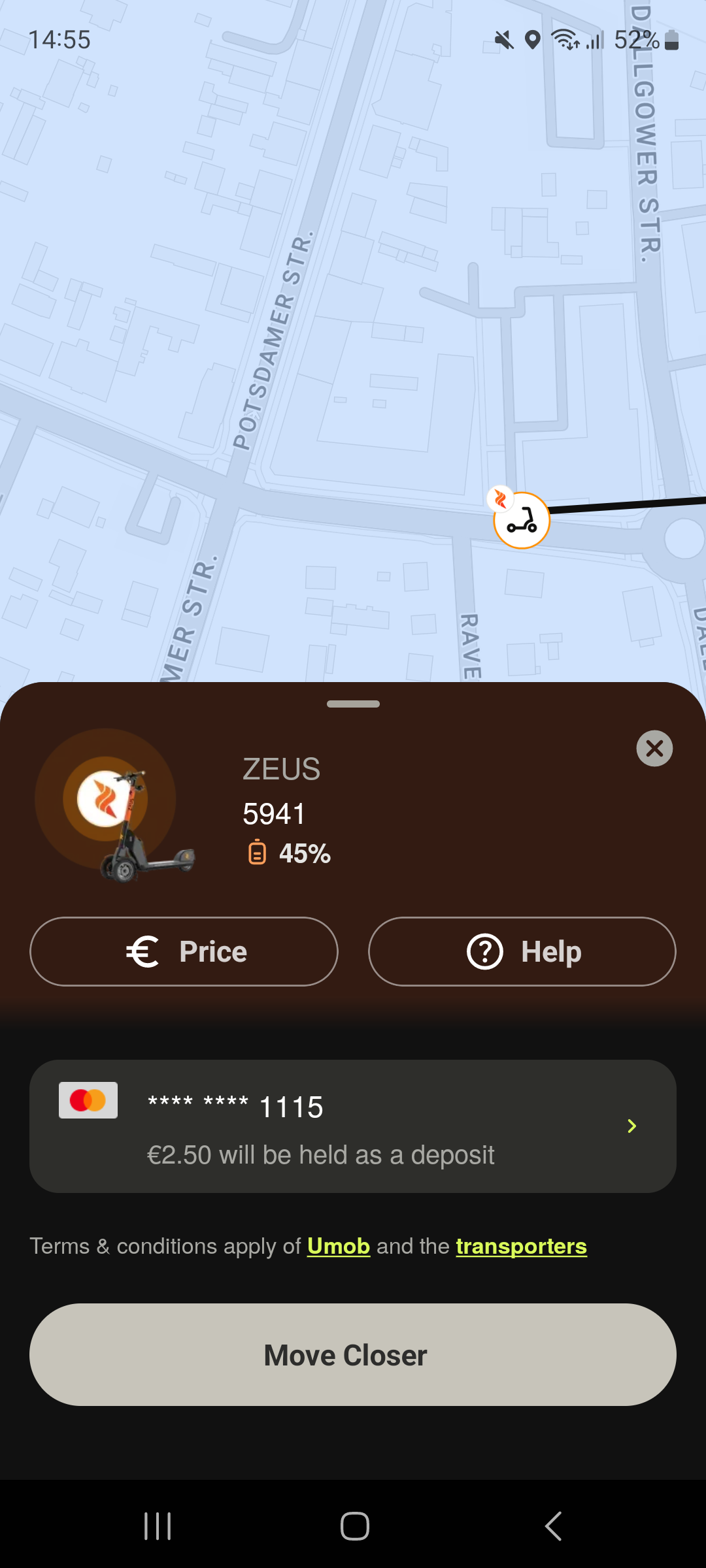
إذا كنت تدير بالفعل خدمة التنقل المشترك الخاصة بك على منصة ATOM Mobility، فإن الربط مع Umob قد يكون الخطوة التالية نحو الوصول إلى المزيد من المستخدمين وأن تصبح جزءاً من منظومة تنقل مترابطة حقاً.
إذا كنت مهتماً بتفعيل هذا التكامل أو معرفة المزيد حول كيفية عمله، تواصل مع فريقنا. نحن نتطلع إلى مساعدة المزيد من المشغلين على التواصل والتعاون وجعل التنقل المستدام أسهل للجميع.
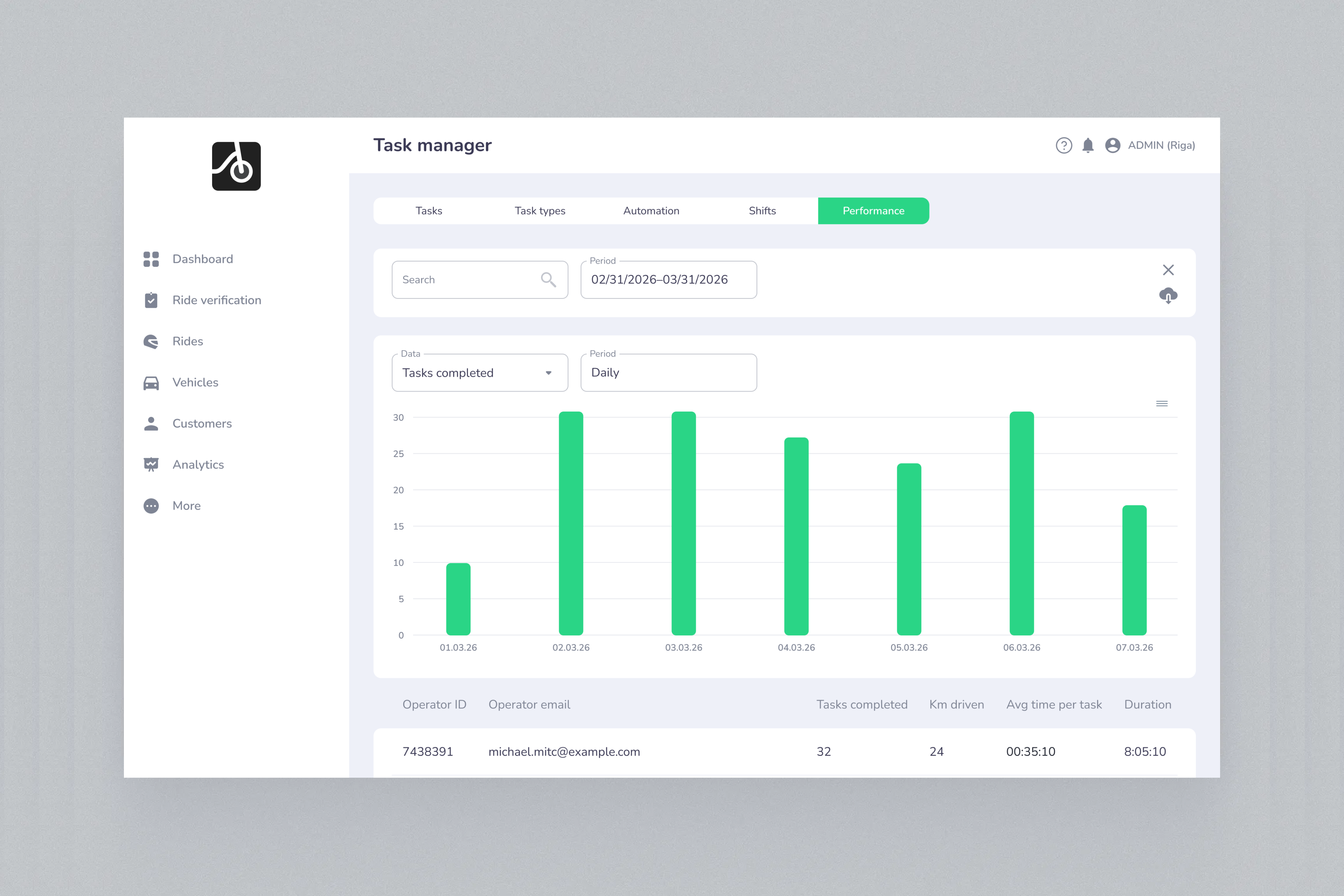
👷📊 يتجاوز مدير مهام ATOM الآن مجرد توزيع المهام بفضل وظائف الورديات وأداء المشغلين الجديدة. تتبع مسارات الورديات، والمسافة المقطوعة، والمهام المنجزة، والوقت المستغرق لكل مهمة، وأداء كل مشغل على حدة، مما يمنح مديري الأساطيل رؤية أوضح بكثير للعمليات الميدانية ومستوى الكفاءة.
لا تقتصر إدارة أسطول كبير للتنقل المشترك أو التأجير على معرفة المهام التي تم إنجازهافحسب، بل تتعلق أيضاً بفهم مدى كفاءة عمل الفرق الميدانية. لقد قمنا بتوسيع مدير مهام ATOM Mobility بشكل كبير بإضافة وظائف الورديات والأداء، مما يمنح مديري الأساطيل رؤية أفضل بكثير لنشاط المشغلين، وعبء العمل، والمسارات، ومستوى الأداء.
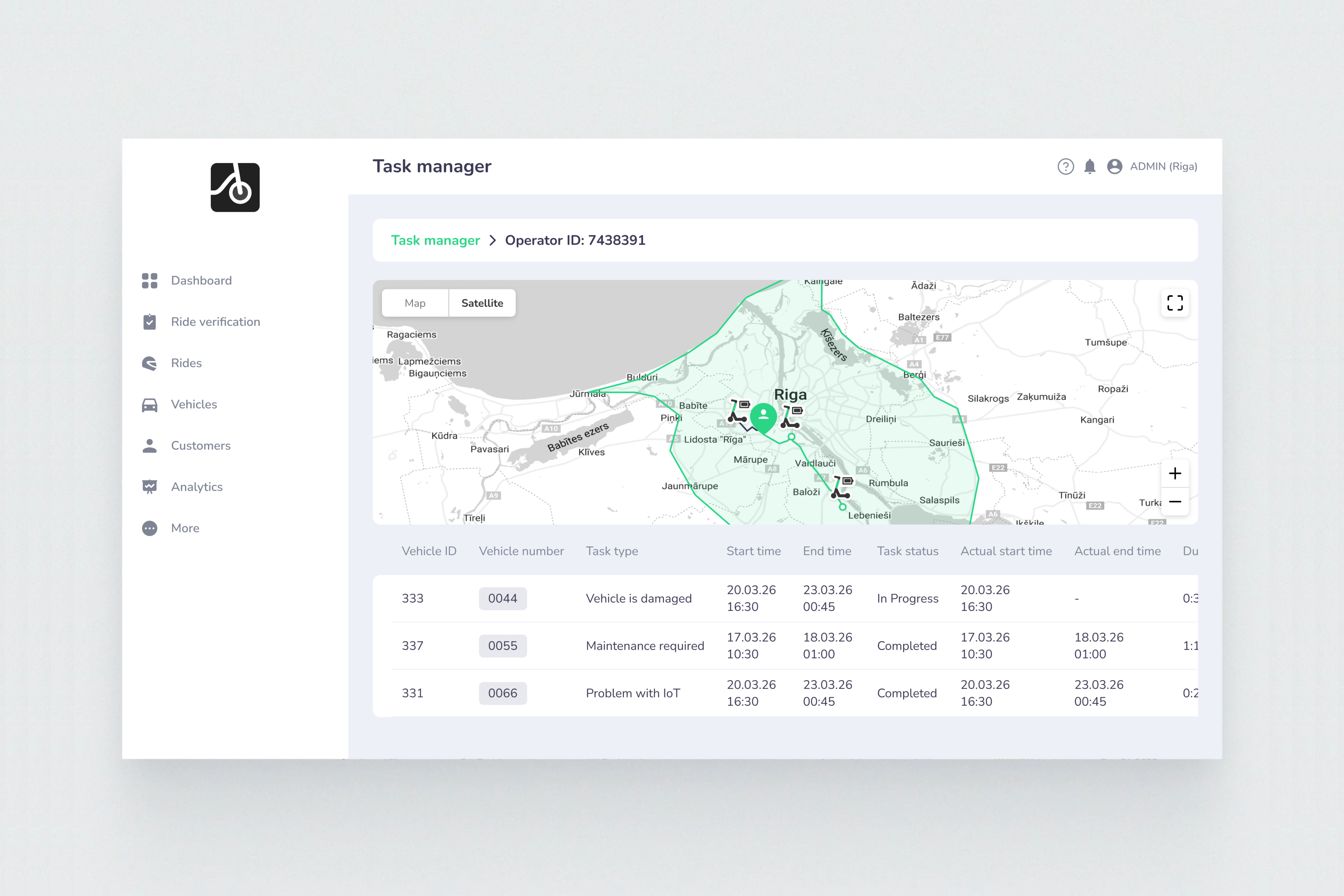
تمنحك علامة التبويب الورديات الجديدة للمديرين نظرة عامة مركزية على جميع ورديات المشغلين، بما في ذلك:
يمكن للمديرين فتح أي وردية فردية للاطلاع على الصورة التشغيلية الكاملة. فلكل مهمة، يمكنك رؤية المركبة، ونوع المهمة، ووقت البدء المخطط له والموعد النهائي، وأوقات البدء والانتهاء الفعلية، والحالة، والمدة الإجمالية للمهمة.
تتضمن كل وردية أيضاً خريطة توضح حركة المشغل الكاملة أثناء الوردية والمواقع التي تم تنفيذ المهام الفردية فيهابالنسبة للنوبات الجارية حالياً، يمكن للمديرين أيضاً الاطلاع على الموقع الحالي للمشغل.
وهذا يسهل كثيراً فهم المسار الفعلي، وحجم العمل، والقرارات المتخذة خلال كل نوبة، بالإضافة إلى تحديد فرص تحسين كيفية إدارة فرق العمل الميدانية لصيانة الأسطول وعملياته.
علامة التبويب الأداء الجديدة تجمع النتائج التشغيلية لكل مشغل خلال فترة زمنية محددة.
يمكن للمديرين تتبع:
بدلاً من مراجعة مئات المهام الفردية، يمكن للمديرين مقارنة المشغلين بسرعة، وتحديد أصحاب الأداء المتميز، ورصد المجالات التي قد تحتاج إلى تدريب إضافي أو تحسينات تشغيلية.
لجعل بيانات الأداء دقيقة ومفيدة، قدمنا أيضاً سير عمل جديد للنوبات والمهام في تطبيق ATOM للمشغلين. يبدأ المشغلون الآن نوبات عملهم وينهونها مباشرة من خلال التطبيق، بينما يتم تسجيل أوقات بدء المهام الفردية وإتمامها تلقائياً.
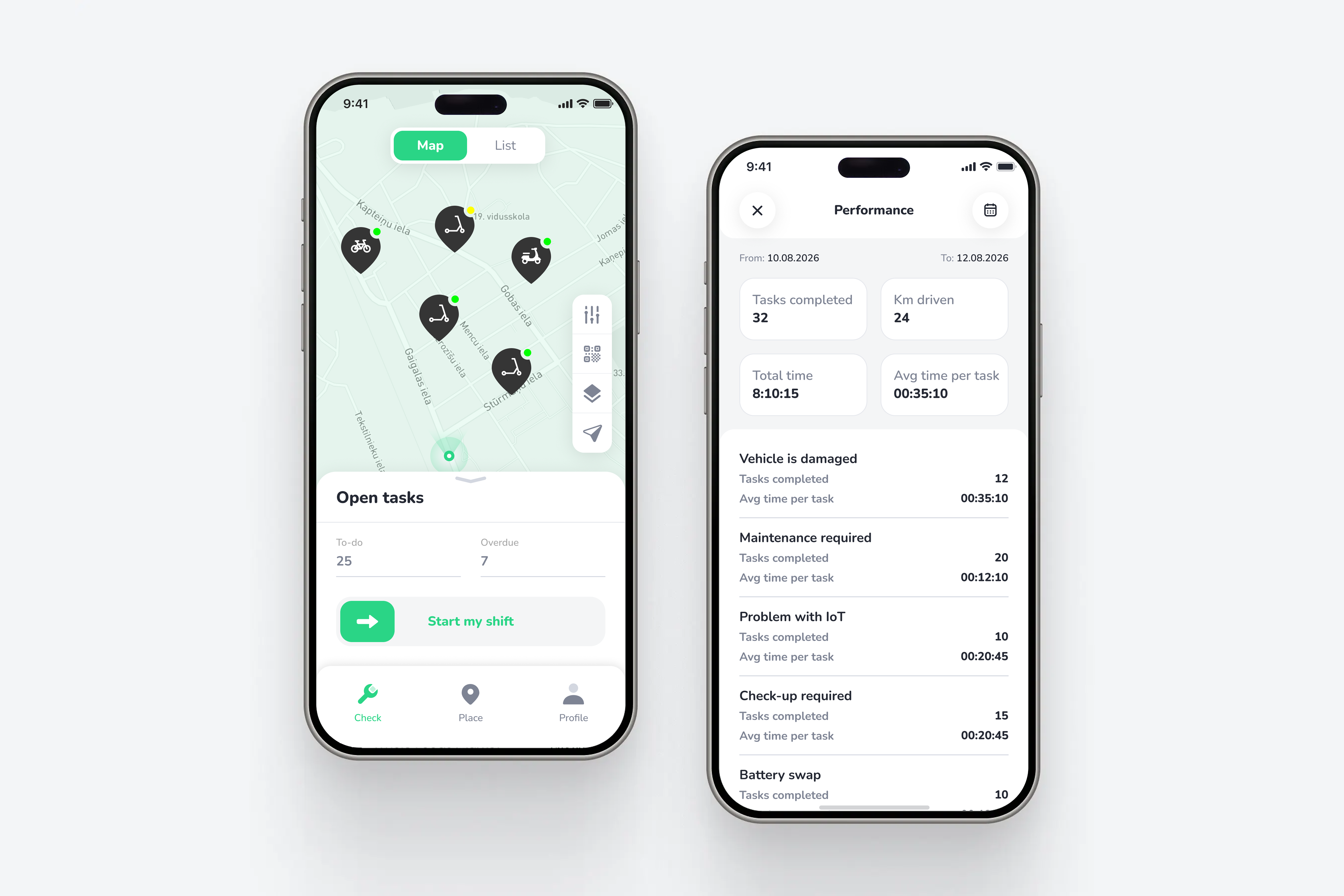
لقد أضفنا أيضاً:
معاً، تحول هذه التحديثات ATOM Task Manager من مجرد أداة لتوزيع المهام إلى نظام أكثر تكاملاً لأداء وتحسين العمليات الميدانية. يحصل المشغلون على سير عمل أوضح ورؤية أفضل لأدائهم الشخصي، بينما يحصل المديرون على البيانات التي يحتاجونها لفهم كيفية سير عملياتهم الميدانية فعلياً وتحديد مجالات تحسين الكفاءة.
الوظائف الجديدة متاحة لوحدات مشاركة المركبات و التأجير الرقمي في ATOM Mobility.
👉 اقرأ المزيد عن آخر تحديثات منصتنا:
https://www.atommobility.com/atomupdates
استخدم بيانات اعتماد الاختبار لتسجيل الدخول - رقم الهاتف: +1 123123123، الكود: 777777


بيانات اعتماد الإصدار التجريبي من تطبيق Driver - البريد الإلكتروني: test@atom.com، كلمة المرور: برنامج التشغيل