يختار برنامج ATOM Mobility Hub لبناء المشاريع 12 فريقًا واعدًا
13/10/2022
الحد الأدنى للقراءة


مرة أخرى في أغسطس، جنبا إلى جنب مع شركة إدارة الابتكار هيلف، أطلقنا الدعوة المفتوحة لـ ATOM Mobility Lab، وهو برنامج مجاني لبناء المشاريع/التسريع يساعد رواد الأعمال الطموحين على بناء شركات التنقل من ZERO في 9 أسابيع فقط. إلى جانب شهر أكتوبر، تأتي بداية برنامجنا لمدة 9 أسابيع. من بين أكثر من 100 تطبيق، اخترنا 12 فريقًا من 11 دولة لتطوير العديد من خدمات التنقل المشترك، وخدمات النقل، وخدمات الطلب. لقد حان الوقت لمقابلتهم!
أفر موبيليتي (بلغاريا) 🇧🇬
النهج النفعي للتنقل المشترك.
Aver Mobility هي شركة مشاركة سيارات تشارك في حل تحديات التنقل الحضري. تتمثل مهمتهم في توسيع اعتماد التنقل المشترك مع وسائل نقل صديقة للبيئة في أوروبا الشرقية دون مطالبة أي شخص بالخروج من سياراتهم. كما نعلم جميعًا، تعتبر السيارة الشخصية طرفًا لا يمكن الاستغناء عنه بالنسبة لمتوسط أوروبا الشرقية. تعرف Aver Mobility أنها لا تستطيع التأثير على ذلك. إنهم لا يريدون القيام بذلك أيضًا. إنهم يريدون أن يخطوا على هذا الافتراض ولكن يجعلونه أكثر خضرة. ستطلق الشركة أسطولًا من المركبات الكهربائية بنسبة 100٪ في صوفيا (بلغاريا) وتخطط لتكرار نفس النهج النفعي أثناء تصدير النموذج التشغيلي في بقية أوروبا الشرقية.
تشارجيم (ألمانيا) 🇩🇪
نظام التنقل الصغير المشترك الشامل لموديلات A2A
توفر Chargem حلاً شاملاً للضيوف والموظفين والمستأجرين: السكوتر الإلكتروني ومحطة الشحن اللاسلكي والتطبيق ووضع العلامات والعمليات. تسمح الشركة للمواقع بتوفير حل تنقل إضافي بشكل سلبي للاستفادة من كل رحلة. يأتي النظام مع بنية تحتية للشحن اللاسلكي للدراجات البخارية الإلكترونية المشتركة لتقليل تكاليف جمع/تبديل وإعادة شحن المركبات بشكل كبير. سيسمح حل الشحن الآلي الخاص بهم لمقدمي الخدمات بالوصول إلى الربحية في وقت أقرب وجعل التنقل الصغير أكثر استدامة - بيئيًا واقتصاديًا واجتماعيًا.
دوداي (إثيوبيا) 🇪🇹
ملكية التنقل بأسعار معقولة في إثيوبيا
Dodai عبارة عن منصة لتمويل الأصول توفر للعملاء الذين يعانون من نقص الخدمات المصرفية إمكانية الوصول إلى المنتجات والخدمات التي تعزز الحياة. توفر الشركة ملكية التنقل بأسعار معقولة للعاملين الإثيوبيين الذين ينوون زيادة أرباحهم وراحتهم من خلال تمويل المركبات الكهربائية ذات العجلتين.
دروب (رومانيا) 🇷🇴
عمليات التسليم الكهربائية في الميل الأخير
Drop هو حل شامل، لا يقدم التسليم كحل فحسب، بل يغطي أيضًا مجموعة كبيرة من الخدمات الأخرى مثل إدارة إمدادات الركاب، وخيارات الإيجار التشغيلي والتأجير للمركبات الكهربائية والمركبات الكهربائية، والوفاء الجزئي كخدمة، وتسليم OOH.
إيكوتاكسي (إستونيا) 🇪🇪
التنقل الآمن والشامل والمستدام
EcoTaxi هي أول شركة لوجستية شاملة ومستدامة في دول البلطيق تعتزم حل مشاكل الانبعاثات من خلال توفير منصة للمركبات المستدامة فقط. ستعمل منصتهم بشكل فعال على الحد من الاعتداء من الذكور إلى الإناث من خلال استيعاب المزيد من السائقات وتسهيل الوصول للأشخاص ذوي القدرات المختلفة. عملاء ExoTaxi هم أشخاص يهتمون بالكوكب ويهتمون باستخدام طرق مستدامة للوصول إلى أي مكان يريدون الذهاب إليه.
غرينكليك (الولايات المتحدة) 🇺🇸
تعطيل المكاتب التي لا تحتاج إلى وصفة طبية باستخدام التكنولوجيا
تعمل Greenclick على توسيع سوق تأجير السيارات في الموقع في الفنادق حيث تقدم أكثر من 1٪ في الولايات المتحدة خدمات تأجير السيارات من أصل 70 ألف فندق. إنهم ينشئون سوقًا جديدًا لتأجير السيارات من خلال حل الازدحام والطوابير الطويلة والانتظار في المطارات وخدمة الضيوف عند إغلاق جميع مواقع التأجير، مما يؤدي إلى تعطيل المكاتب التي لا تستلزم وصفة طبية باستخدام التكنولوجيا. من خلال قطاعها الرأسي، تعمل على تسريع اعتماد السيارات الكهربائية وتزويد سوق استهلاكي واسع بأول اختبار قيادة لسيارة كهربائية.
جيت (فرنسا) 🇫🇷
خدمة الاشتراك في التأجير بدون التزام
JETT هي خدمة اشتراك لتأجير الدراجات الإلكترونية دون التزام. خطة سهلة ومرنة، أسبوعية أو شهرية، بدون رسوم خفية أو رسوم اشتراك! إنهم يتعاملون مع كل شيء: التأمين والصيانة والخوذة وحتى التسليم إلى عتبة داركم! عليك فقط الاستمتاع بـ JETT الخاص بك!
MaaS في السياحة (اليونان) 🇬🇷
تطبيق التنقل للسياح والمواطنين لاستخدامه في وجهتهم
سيقوم تطبيق MaaS in Tourism بدمج جميع وسائل النقل المتوفرة في الوجهة السياحية التي سيتم تطويرها بهدف رئيسي هو تقليل استخدام السيارات ذات الانبعاثات الكربونية. كما أنهم يريدون تعزيز استخدام وسائل النقل العام جنبًا إلى جنب مع خيارات التنقل الأخرى الصديقة للبيئة مثل الدراجات البخارية الكهربائية أو الدراجات. سيكون هذا منتجًا من منتجات g2c/b2c وستكون المجموعة المستهدفة في الغالب البلديات في اليونان التي تعد وجهات سياحية وتقدم مجموعة متنوعة من وسائل النقل والخدمات حول التنقل. تريد الشركة أن تجعل المواطنين يحبون مدينتهم أكثر والسياح للاستمتاع بعطلتهم بطريقة أكثر استدامة ومتعة.
موبييف (مصر) 🇪🇬
جلب التنقل الصغير والراحة إلى مصر
تقوم شركة MobiEV بمهمة جلب EV Micro-Mobility إلى السوق المصرية التي يبلغ عدد سكانها 100 مليون نسمة و 13 مليون سائح سنويًا. هدفهم هو الجمع بين الراحة والمتعة في الخدمة من خلال وضع المركبات الكهربائية بشكل استراتيجي لخدمة النقاط التجارية والسياحية الساخنة. ستستفيد MobiEV من التكنولوجيا وأسعار الطاقة التنافسية و 350 يومًا من أشعة الشمس لتوفير التنقل المشترك المستدام لعملائها.
سكوترات شرينك (المملكة المتحدة) 🇬🇧
أول منصة لمشاركة السكوتر ذات الوعي الاجتماعي يديرها الطلاب في المملكة المتحدة
SHRINK Scooters هي أول منصة لمشاركة السكوتر ذات الوعي الاجتماعي يديرها الطلاب في المملكة المتحدة وتدمج الطلاب الذين يعيشون في المناطق الطرفية لمدينة دورهام في الحياة الجامعية. تخطط الشركة لإشراك أسطول من 30-40 دراجة بخارية في البداية وتقوم حاليًا بتبادل الخطاب مع الجامعة، وبدعم من العديد من الاستشاريين، تستعد لمواجهة التحدي المتمثل في الحصول على ترخيص من المجلس.
صن سبيريت (لاتفيا) 🇱🇻
جلب حركة المياه المستدامة إلى RigaSun Spirit يعتقد أن ريغا لديها مورد لم يتم استخدامه بشكل صحيح - نهر Daugava. إنهم يريدون بناء حركة مرور خضراء تعمل بالطاقة وعديمة الرائحة وصامتة وحديثة ومستدامة داخل النهر وجعلها ممتعة لسكان المدينة والضيوف. احجز أثناء التنقل وانطلق أو انطلق وقتما تشاء.
مدينة المبادلة (لاتفيا) 🇱🇻
مشاركة السيارات المدمجة بأقل الأسعار
Swap-City هي خدمة مقرها في ريغا متخصصة في مشاركة السيارات الكهربائية، باستخدام السيارات المدمجة الفريدة فقط مع البطاريات القابلة للتبديل. هذا يجعل هذه السيارات متاحة دائمًا، ولا تنفد طاقتها أبدًا. يتم تصنيع معظم قطع الغيار الخارجية والداخلية بواسطة طابعة ثلاثية الأبعاد. سيارات خفيفة وصغيرة ذات مقعدين يمكنها السفر لمسافة تصل إلى 150 كم. إنهم يجلبون معظم السيارات المدمجة بأقل الأسعار!
خلال الشهرين المقبلين، ستعمل هذه الفرق الـ 12 بشكل وثيق مع مرشدينا الرئيسيين جوهانا براون و ماريو جامبر لإطلاق أعمالهم بنجاح في نهاية البرنامج. سيختتم البرنامج بيوم تجريبي في 1 ديسمبر (16:00 بتوقيت وسط أوروبا)، حيث ستقدم الفرق التقدم وخطط العمل إلى لجنة من المحلفين للتنافس على جوائز بقيمة تصل إلى 30 ألف يورو مقدمة من ATOM Mobility و Funderbeam و KNOT و ACTON و Fluctiro و Sumsum و movmi.
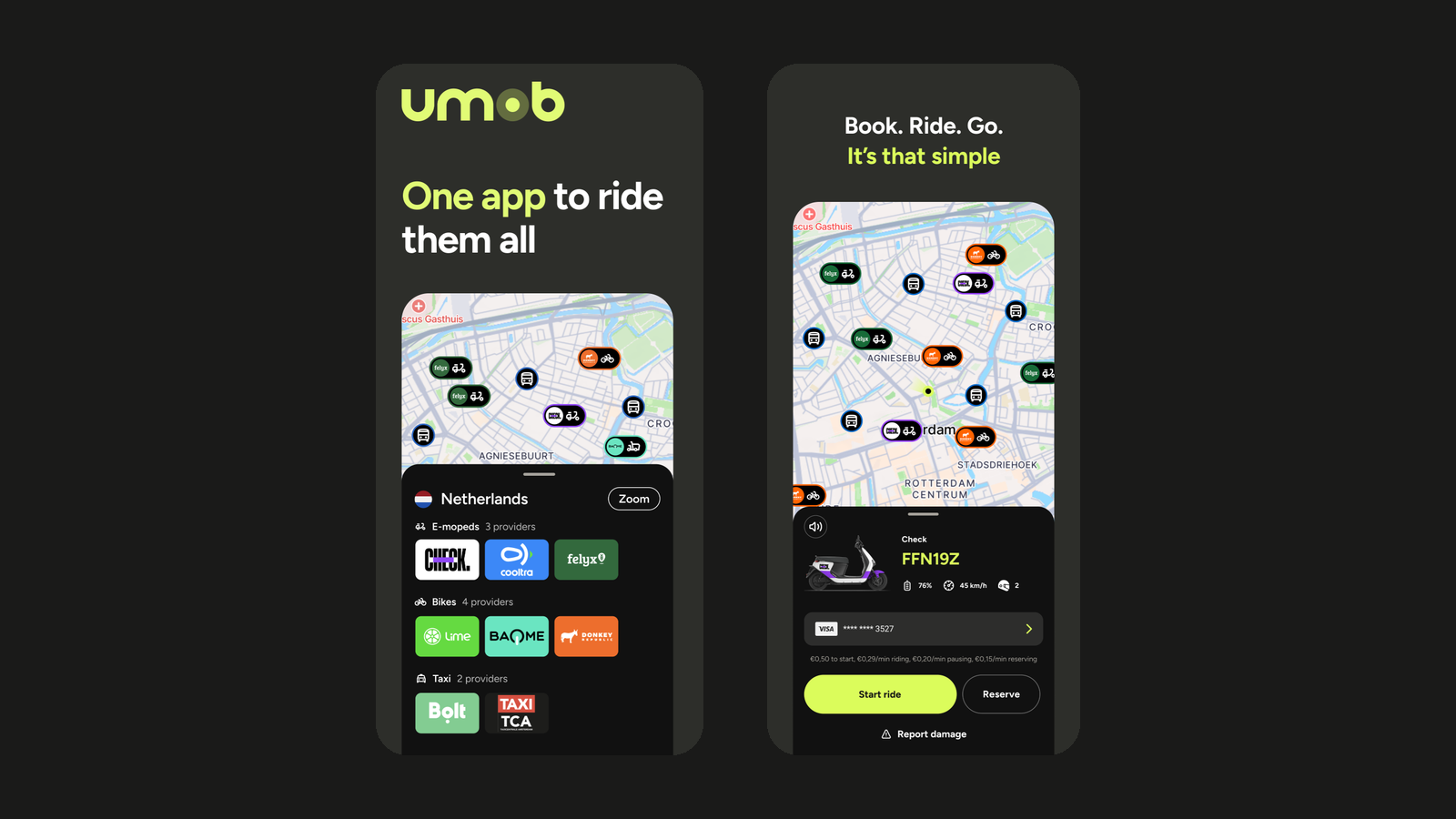
🌍 يمكنك الوصول إلى المزيد من الركاب مع ATOM Mobility وUmob. يمنح هذا التكامل مشغلي التنقل المشترك قناة توزيع إضافية، مما يساعد في جذب عملاء جدد، وزيادة الحجوزات، وتحسين معدلات استخدام الأسطول.
مستقبل التنقل لا يقتصر فقط على تشغيل المركبات، بل يتعلق بابتكار رحلات مريحة تجمع بين خيارات النقل المختلفة في تجربة مستخدم واحدة بسيطة.
ولهذا السبب يسعدنا تسليط الضوء على شراكتنا مع Umob، مما يساعد مشغلي التنقل على توسيع نطاق وصولهم وأن يصبحوا جزءاً من منظومة تنقل متعددة الوسائط متنامية.
سواء كنت تدير سيارات أو سكوترات أو دراجات هوائية أو دراجات نارية مشتركة عبر منصة ATOM Mobility، فإن التكامل مع Umob يجعل خدمتك متاحة لـ آلاف مستخدمي Umob الباحثين عن وسيلة تنقل مريحة.
يتوقع مستخدمو اليوم مرونة عالية؛ فهم لا يفكرون في مزودي خدمات التنقل بشكل منفصل، بل يريدون ببساطة أسرع وأسهل وأكثر الطرق ملاءمة للانتقال من النقطة (أ) إلى النقطة (ب).
تجمع Umob بين مختلف مزودي خدمات التنقل وخيارات النقل في تطبيق واحد. يمكن للمستخدمين العثور على خيارات التنقل المختلفة ومقارنتها وحجزها والدفع مقابلها دون الحاجة إلى تنزيل تطبيق منفصل أو إنشاء حساب جديد لكل مزود خدمة.
من خلال ربط أسطولك بـ Umob، يمكن للمشغلين:
بالنسبة لعملاء ATOM Mobility، صُمم هذا التكامل لتوفير طريقة مباشرة لفتح فرص توزيع جديدة مع الاستمرار في إدارة عملياتهم الأساسية من خلال منصة ATOM Mobility.
من خلال منصة ATOM Mobility، يمكن للمشغلين المشاركين ربط أساطيلهم بـ Umob، مما يتيح للمستخدمين اكتشاف المركبات المتاحة واستخدامها مباشرة عبر تطبيق Umob.
بمجرد الربط، ستظهر مركبات المشغلين المشاركين في Umob إلى جانب خيارات التنقل الأخرى المتاحة، مما يمنح المستخدمين نظرة عامة واضحة على الطرق المختلفة التي يمكنهم من خلالها الانتقال من النقطة (أ) إلى النقطة (ب).
يمكن للمستخدمين العثور على مركبة متاحة، وحجزها وفتح قفلها، وبدء رحلتهم وإنهائها، والدفع مباشرة من خلال تطبيق Umob.
صُمم هذا التكامل لدعم:
يواصل المشغلون إدارة أساطيلهم، وتسعيرهم، ومناطق الخدمة، والعمليات اليومية من خلال منصة ATOM Mobility، بينما توفر Umob قناة إضافية يمكن للمستخدمين من خلالها العثور على المركبات والوصول إليها.
بالنسبة لمشغلي التنقل، يتيح الربط مع Umob قناة توزيع إضافية دون تغيير الطريقة التي يديرون بها عملياتهم اليومية عبر ATOM Mobility.
من خلال إتاحة المركبات لآلاف مستخدمي Umob، يمكن للمشغلين زيادة ظهورهم في اللحظة التي يبحث فيها الأشخاص بنشاط عن وسيلة تنقل. وهذا يخلق إمكانية لجذب مستخدمين جدد، وتحقيق المزيد من الحجوزات، وتحسين معدل استخدام الأسطول بمرور الوقت.
يختلف كل سوق عن الآخر، لكن العديد من المشغلين يرون في شراكات "التنقل كخدمة" (MaaS) جزءاً مهماً من استراتيجية نموهم طويلة الأمد.
أحد أوائل مشغلي ATOM Mobility الذين انطلقوا من خلال تكامل Umob هو ZEUS Mobility، وهو مزود أوروبي طموح لخدمات مشاركة السكوتر الكهربائي، يركز بقوة على الابتكار، ويتبنى نهجاً ديناميكياً، ويسعى لمنافسة اللاعبين الراسخين في السوق.
ومن المناسب أن الشراكة بحد ذاتها بدأت من خلال شبكة ATOM Mobility.
التقت ZEUS وUmob لأول مرة في فعالية ATOM Mobility في ريغا. وعلى الرغم من أن التعارف الأولي حدث أثناء الفعالية، إلا أن المحادثة الجدية بدأت فعلياً خلال جلسة غير رسمية في وقت لاحق من ذلك المساء.
كانت ZEUS قد صادفت علامة Umob التجارية على مركبات التنقل أثناء السفر، وقد أُعجبت بالنهج المهني الذي تتبعه الشركة. وسرعان ما تحول ذلك التعرف إلى محادثة حول كيفية تعزيز الشركتين لعروضهما من خلال العمل معاً.
ومن هناك، تقدمت عملية التكامل بسرعة. وتصف ZEUS عملية الإعداد والتكامل حتى الآن بأنها "نظيفة واحترافية وسلسة."
بالنسبة لشركة ZEUS، تمثل هذه الشراكة فرصة لتعزيز حضور علامتها التجارية، والوصول إلى عملاء جدد، ودعم طموحاتها التوسعية في أوروبا.
عقب استحواذها على Superpedestrian في مايو 2026، تتطلع ZEUS إلى تسريع وتيرة نموها خلال عامي 2026 و2027، وتعد شراكتها مع Umob جزءاً من هذا الطموح.
"نحن في ZEUS سعداء للغاية بالشراكة مع Umob في الأسواق الأوروبية. فبعد استحواذنا على Superpedestrian في مايو 2026، نسعى في ZEUS إلى تحقيق نمو سريع خلال عامي 2026 و2027. ستساعدنا هذه الشراكة في دفع عجلة هذا النمو والوصول إلى عملاء جدد في أسواق جديدة. نتطلع إلى شراكة مثمرة." - داميان يونغ، ZEUS Mobility
تطبيق واحد لكل تنقلاتك. Umob هي منصة تنقل شاملة تجمع بين مختلف مزودي خدمات التنقل وخيارات النقل في تطبيق واحد.
يمكن للمستخدمين العثور على الدراجات المشتركة، والدراجات الكهربائية، والسكوتر، والدراجات النارية، ووسائل النقل العام، وسيارات الأجرة، وغيرها من خيارات التنقل المتاحة، ومقارنتها وحجزها والدفع مقابلها من خلال حساب واحد وتجربة دفع موحدة. فبدلاً من تنزيل تطبيق منفصل والتسجيل فيه لكل مزود خدمة أو في كل مدينة جديدة، يمكن للمستخدمين فتح تطبيق Umob والاطلاع على خيارات التنقل المتاحة من حولهم.
تتوفر Umob اليوم في أكثر من 28 دولة و300 مدينة، مما يتيح لآلاف المستخدمين طريقة أسهل للوصول إلى مختلف وسائل التنقل سواء في مدنهم أو أثناء السفر.
حقائق رئيسية
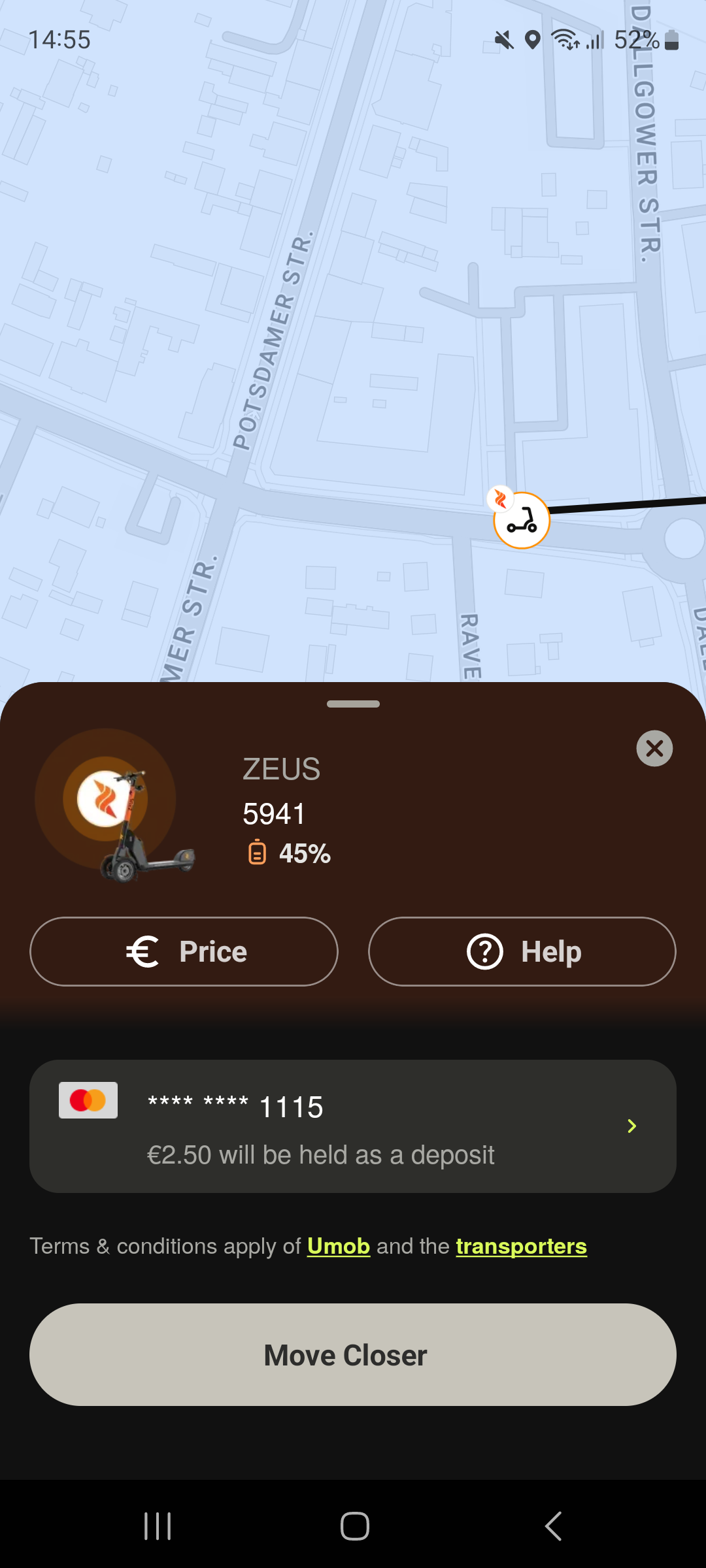
إذا كنت تدير بالفعل خدمة التنقل المشترك الخاصة بك على منصة ATOM Mobility، فإن الربط مع Umob قد يكون الخطوة التالية نحو الوصول إلى المزيد من المستخدمين وأن تصبح جزءاً من منظومة تنقل مترابطة حقاً.
إذا كنت مهتماً بتفعيل هذا التكامل أو معرفة المزيد حول كيفية عمله، تواصل مع فريقنا. نحن نتطلع إلى مساعدة المزيد من المشغلين على التواصل والتعاون وجعل التنقل المستدام أسهل للجميع.
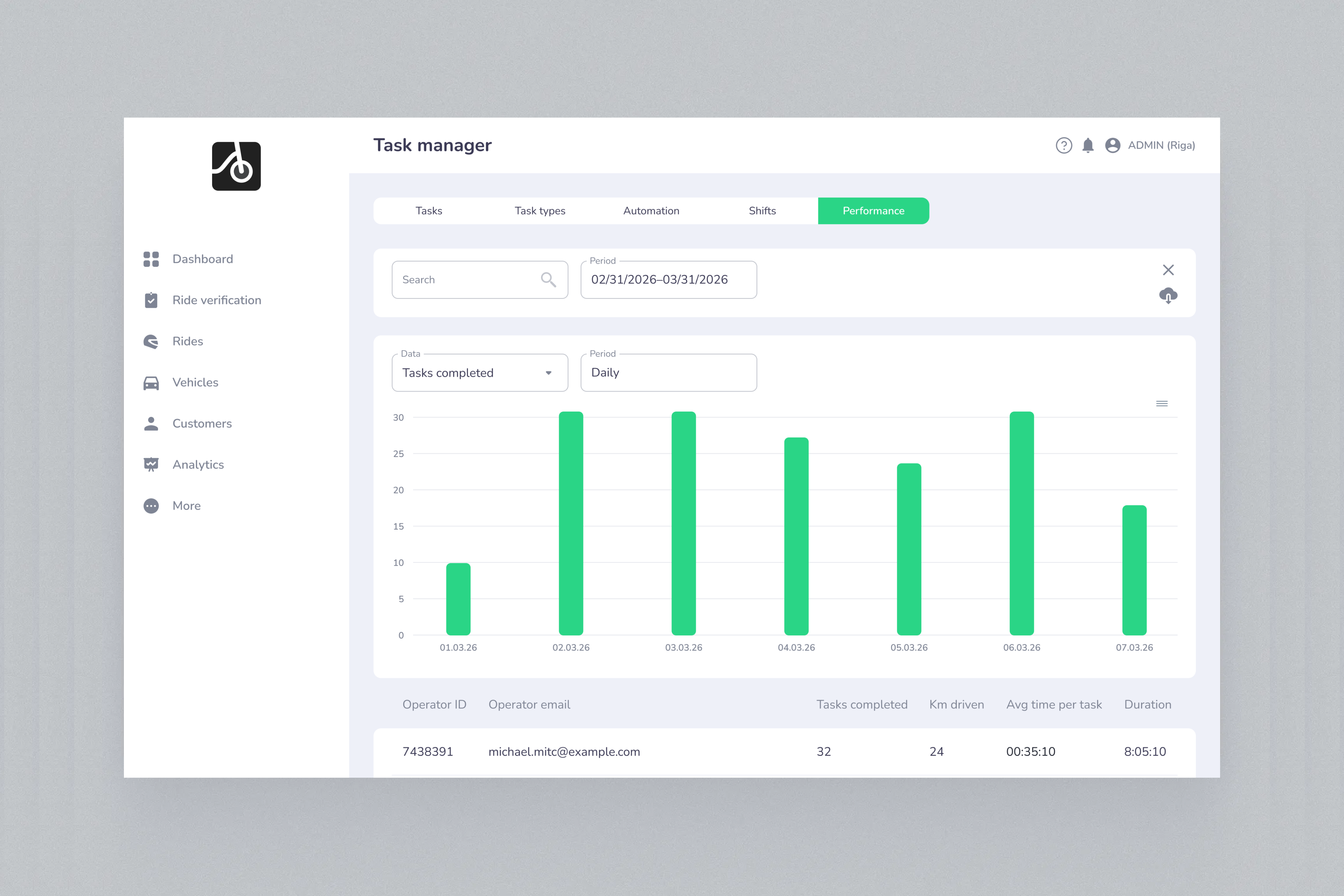
👷📊 يتجاوز مدير مهام ATOM الآن مجرد توزيع المهام بفضل وظائف الورديات وأداء المشغلين الجديدة. تتبع مسارات الورديات، والمسافة المقطوعة، والمهام المنجزة، والوقت المستغرق لكل مهمة، وأداء كل مشغل على حدة، مما يمنح مديري الأساطيل رؤية أوضح بكثير للعمليات الميدانية ومستوى الكفاءة.
لا تقتصر إدارة أسطول كبير للتنقل المشترك أو التأجير على معرفة المهام التي تم إنجازهافحسب، بل تتعلق أيضاً بفهم مدى كفاءة عمل الفرق الميدانية. لقد قمنا بتوسيع مدير مهام ATOM Mobility بشكل كبير بإضافة وظائف الورديات والأداء، مما يمنح مديري الأساطيل رؤية أفضل بكثير لنشاط المشغلين، وعبء العمل، والمسارات، ومستوى الأداء.
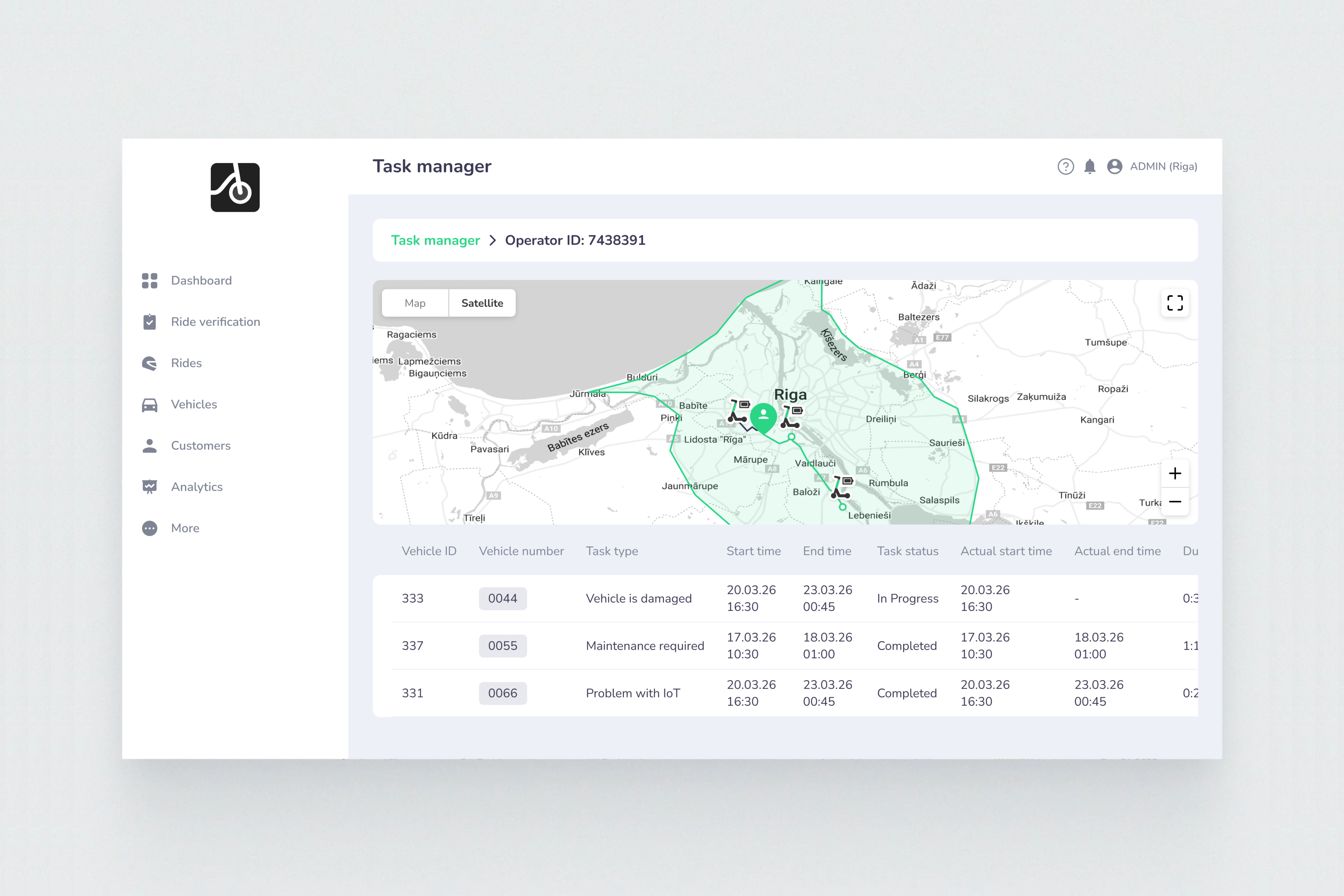
تمنحك علامة التبويب الورديات الجديدة للمديرين نظرة عامة مركزية على جميع ورديات المشغلين، بما في ذلك:
يمكن للمديرين فتح أي وردية فردية للاطلاع على الصورة التشغيلية الكاملة. فلكل مهمة، يمكنك رؤية المركبة، ونوع المهمة، ووقت البدء المخطط له والموعد النهائي، وأوقات البدء والانتهاء الفعلية، والحالة، والمدة الإجمالية للمهمة.
تتضمن كل وردية أيضاً خريطة توضح حركة المشغل الكاملة أثناء الوردية والمواقع التي تم تنفيذ المهام الفردية فيهابالنسبة للنوبات الجارية حالياً، يمكن للمديرين أيضاً الاطلاع على الموقع الحالي للمشغل.
وهذا يسهل كثيراً فهم المسار الفعلي، وحجم العمل، والقرارات المتخذة خلال كل نوبة، بالإضافة إلى تحديد فرص تحسين كيفية إدارة فرق العمل الميدانية لصيانة الأسطول وعملياته.
علامة التبويب الأداء الجديدة تجمع النتائج التشغيلية لكل مشغل خلال فترة زمنية محددة.
يمكن للمديرين تتبع:
بدلاً من مراجعة مئات المهام الفردية، يمكن للمديرين مقارنة المشغلين بسرعة، وتحديد أصحاب الأداء المتميز، ورصد المجالات التي قد تحتاج إلى تدريب إضافي أو تحسينات تشغيلية.
لجعل بيانات الأداء دقيقة ومفيدة، قدمنا أيضاً سير عمل جديد للنوبات والمهام في تطبيق ATOM للمشغلين. يبدأ المشغلون الآن نوبات عملهم وينهونها مباشرة من خلال التطبيق، بينما يتم تسجيل أوقات بدء المهام الفردية وإتمامها تلقائياً.
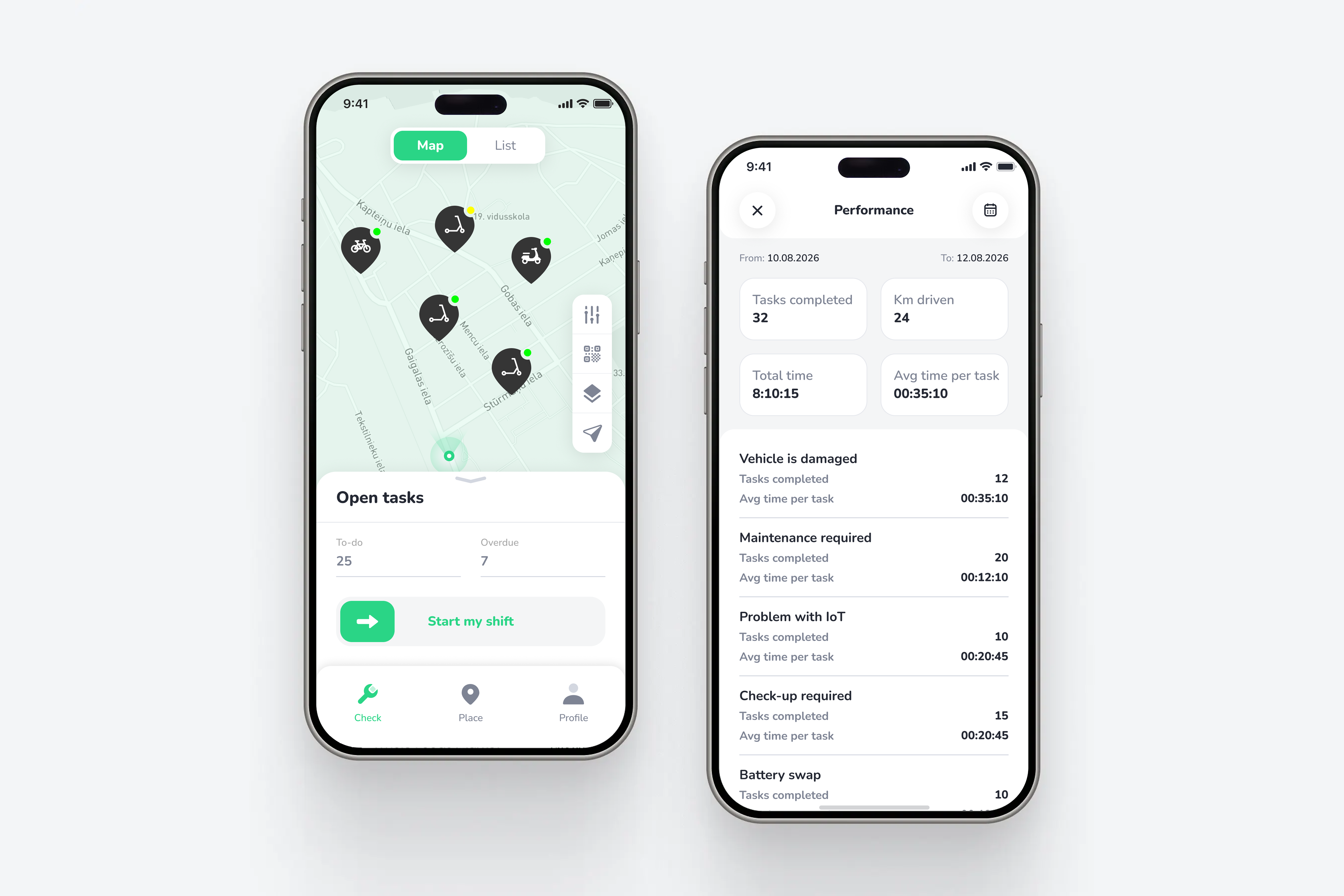
لقد أضفنا أيضاً:
معاً، تحول هذه التحديثات ATOM Task Manager من مجرد أداة لتوزيع المهام إلى نظام أكثر تكاملاً لأداء وتحسين العمليات الميدانية. يحصل المشغلون على سير عمل أوضح ورؤية أفضل لأدائهم الشخصي، بينما يحصل المديرون على البيانات التي يحتاجونها لفهم كيفية سير عملياتهم الميدانية فعلياً وتحديد مجالات تحسين الكفاءة.
الوظائف الجديدة متاحة لوحدات مشاركة المركبات و التأجير الرقمي في ATOM Mobility.
👉 اقرأ المزيد عن آخر تحديثات منصتنا:
https://www.atommobility.com/atomupdates
استخدم بيانات اعتماد الاختبار لتسجيل الدخول - رقم الهاتف: +1 123123123، الكود: 777777


بيانات اعتماد الإصدار التجريبي من تطبيق Driver - البريد الإلكتروني: test@atom.com، كلمة المرور: برنامج التشغيل