فرصة لحلول التنقل المشتركة المحلية حيث تكافح Bird و Micromobility.com لجني الأرباح
30/5/2023
الحد الأدنى للقراءة


ظهرت شركتا التنقل المشترك Bird و Micromobility.com (Helbiz سابقًا) على الساحة من خلال تقديم حلول نقل مبتكرة ومريحة، وجذبت انتباه سكان المدن في جميع أنحاء العالم.
ومع ذلك، مع دخول صناعة التنقل المصغر مرحلة أكثر نضجًا، تستمر شركات مثل Bird و Micromobility.com في مواجهة العقبات عندما يتعلق الأمر بتحقيق الاستقرار المالي. وقد دفعهم هذا إلى إعادة تقييم استراتيجيات التوسع الطموحة للغاية.
ما العوامل التي تساهم في هذه التحديات، وما الآثار المترتبة على ذلك على الصناعة ككل؟ هل يمكن لمشاريع التنقل الصغيرة المحلية أن توفر حلاً ممتازًا لتلبية الطلب المتزايد على هذه الخدمات؟ دعونا نتعمق أكثر في المأزق المالي لـ Bird and Micromobility.com لاكتساب فهم أفضل.
تأسست شركة Bird في عام 2017، وهي شركة صغيرة للتنقل تقدم حلول النقل الكهربائي في الولايات المتحدة وأوروبا. تشمل مجموعة المركبات المشتركة الدراجات البخارية الإلكترونية والدراجات الإلكترونية. تبيع الشركة أيضًا المركبات للموزعين وتجار التجزئة والعملاء المباشرين. من خلال مقرها الرئيسي في ميامي بولاية فلوريدا، توظف بيرد حاليًا 425 فردًا وتعمل في 105 مدينة.
في الآونة الأخيرة، شركة Bird's البيانات المالية للربع الأول من عام 2023 كشفت عن تحديات في الحفاظ على الركاب والإيرادات. على الرغم من تنفيذ تدابير خفض التكاليف، فشل أداء الشركة في إقناع المستثمرين بقدرتها على تحقيق الربحية - سهم الشركة انخفض ما يقرب من 19٪ بعد الإعلان عن أرباح الربع الأول.
في عام 2022، واجه بيرد عامًا مليئًا بالتحديات. الشركة الخطط المعلنة للخروج تمامًا من ألمانيا والسويد والنرويج، بالإضافة إلى إنهاء العمليات في العديد من الأسواق الأخرى، وخاصة الصغيرة والمتوسطة الحجم، في جميع أنحاء الولايات المتحدة وأوروبا والشرق الأوسط وأفريقيا. كما قاموا بتخفيض عدد موظفيهم بمقدار 23%.
على الرغم من الزيادة الإيجابية في الإيرادات بنسبة 12.06٪ في 2022، واجهت الشركة خسائر كبيرة بلغ مجموعها 358.74 مليون دولار، مسجلة زيادة كبيرة بنسبة 66.9٪ مقارنة بعام 2021. استمرت التحديات في عام 2023 حيث شهد بيرد انخفاض عدد الرحلات والمركبات المنتشرة. مع تسجيل خسارة صافية قدرها 44.3 مليون دولار في نهاية الربع الأول من عام 2023، فمن المحتمل أن تستمر الشركة في تقليص عملياتها.
تم تأسيس Micromobility.com في عام 2015 ومقرها في نيويورك، ويقدم خدمات التنقل الدقيق في إيطاليا والولايات المتحدة وسنغافورة (43 مدينة في المجموع)، والتي تشمل الدراجات البخارية الإلكترونية والدراجات الإلكترونية والدراجات البخارية الإلكترونية. كما تدير Helbiz Kitchen، وهو مطعم مطبخ أشباح للتوصيل فقط، ومنصة البث المباشر Helbiz. توظف الشركة حاليًا 284 شخصًا.
في عام 2023، قامت الشركة، المعروفة سابقًا باسم Helbiz، خضع لتغيير العلامة التجارية وتحولت إلى Micromobility.com Inc. تزامنت عملية تغيير العلامة التجارية هذه مع خطط إطلاق متاجر البيع بالتجزئة في جميع أنحاء الولايات المتحدة.
في عام 2022، أكملت Micromobility.com بنجاح الاستحواذ على عجلات، وهي مشغل مشترك للتنقل المصغر، إلى جانب وعود لمستثمريها بأن الاندماج سيؤدي إلى مضاعفة الإيرادات السنوية وتسهيل الطريق إلى الربحية. وضعت الشركة نصب عينيها الاستفادة من قاعدة مستخدمي Wheels الواسعة التي تضم 5 ملايين راكب والمغامرة في الأسواق غير المستغلة.
على الرغم من هذه الآمال، شهد موقع Micromobility.com نتائج مالية أقل من ممتازة في 2022. حققت الشركة إيرادات قدرها 15.54 مليون دولار، مما يشير إلى نمو بنسبة 21.07٪ مقارنة بالعام السابق البالغ 12.83 مليون دولار. ومع ذلك، تكبدت الشركة أيضًا خسائر بلغت - 82.07 مليون دولار، مما يعكس زيادة بنسبة 13.3٪ مقارنة بعام 2021.
في عام 2023، أعلنت شركة Micromobility.com عن تجزئة الأسهم العكسية لتلبية متطلبات الحد الأدنى لسعر العرض في Nasdaq Capital Market وجعل أسهمها العادية أكثر جاذبية للمستثمرين. لم تكن هذه الخطوة مفاجأة، بالنظر إلى أن الشركة تلقت تحذير بالشطب من بورصة ناسداك في عام 2022. إلى جانب سجلها الحافل بالخسائر التشغيلية والتدفقات النقدية السلبية بمرور الوقت، فإن التوقعات العامة للأداء المالي للشركة محبطة إلى حد ما.
يمكن تفسير الصعوبات التي تواجهها Bird و Micromobility.com جزئيًا من خلال نموذج الأعمال المدعوم برأس المال الاستثماري. لقد شهدوا توسعًا سريعًا بينما نزفوا مبالغ كبيرة من المال. وكلما توسعوا، كلما نزفوا المزيد من الأموال. الآن، ليس من المستغرب أن نشهد نماذج أعمالهم المدعومة بشكل كبير وهي تحول أولوياتها من النمو القوي إلى تخفيف الخسائر والسعي لتحقيق الربحية.
في السنوات الأخيرة، كان هناك زيادة في الشعبية من شركات الاستحواذ ذات الأغراض الخاصة للتنقل المشترك (SPAC). يتم إنشاء هذه الشركات فقط لغرض زيادة رأس المال من خلال طرح عام أولي وليس لديها عمليات تجارية خاصة بها. الهدف النهائي لـ SPAC هو الاستحواذ على شركة قائمة أو الاندماج معها.
أصبحت الصراعات المالية موضوع مشترك بين مساحات التنقل المشتركة يمكن أن يُعزى ذلك إلى اندفاع الشركات إلى طرح أسهمها للاكتتاب العام دون إنشاء نموذج أعمال مستدام أولاً - ولا يُعد Bird و Micromobility.com استثناءً من هذا الاتجاه. تؤكد التحديات التي تواجهها هذه الشركات على أهمية بناء أساس قوي وقابل للتطبيق قبل دخول السوق العامة.
لقد أثبت السعي الحثيث للتوسع أنه استراتيجية غير فعالة. على سبيل المثال، بعض الخبراء تشير إلى أن قرار بيرد بالاستعانة بمصادر خارجية لعملياتها للامتيازات جعل من الصعب إقناع المدن وتأمين العقود. أدى تركيزهم على الاتساع بدلاً من العمق إلى عدم فهم المجتمعات المحلية والفروق الدقيقة في التشريعات المحلية. نتيجة لذلك، يحب اللاعبون الرئيسيون طائر و ميكروموبيليتي. كوم قاموا بسحب أساطيلهم من المدن «الأقل ربحية».
وفقًا لـ دراسة ماكينزي، يتمتع سوق التنقل الصغير المشترك بإمكانية الوصول إلى مبلغ مذهل يتراوح بين 50 مليار دولار و 90 مليار دولار بحلول عام 2030، مع معدل نمو سنوي يقدر بنحو 40٪ بين عامي 2019 و 2030. بحلول عام 2030، يمكن أن يشكل التنقل الجزئي المشترك حوالي 10٪ من إجمالي سوق التنقل المشترك.
في هذا السياق، لا ينبغي النظر إلى التحديات المالية الأخيرة التي واجهتها Bird و Micromobility.com على أنها مؤشر على مستقبل قاتم للصناعة بأكملها. بدلاً من ذلك، تسلط هذه النكسات الضوء على عدم الاستدامة المتأصلة لنماذج الأعمال العدوانية والواسعة داخل مشهد التنقل الصغير المشترك.
يتمتع المشغلون المحليون الذين لديهم فرق أرضية أصغر بميزة ملحوظة على شركات مثل Bird و Micromobility.com. من خلال التركيز على الأسواق المحرومة والحصول على فهم عميق لمجتمعاتهم، يمكن لهؤلاء المشغلين تقديم خدمة فائقة مع الحفاظ على تكاليف أقل وهوامش ربح ثابتة.
وبالعودة إلى التقرير المالي لشركة Bird للربع الأول من عام 2023، أبلغوا أيضًا عن 0.9 رحلة لكل مركبة منتشرة يوميًا. الآن، دعونا نقارن هذا الرقم بالمشغلين الآخرين. لقد أجرينا استبيانًا شمل اثنين من المشغلين المقيمين في الاتحاد الأوروبي الذين يستخدمون Atom Mobility:
مع زيادة أحجام الأسطول، يميل متوسط الركوب لكل مركبة إلى الانخفاض، كما رأينا مع المشغل 1 و Bird. ومع ذلك، فإن الرقم من المشغل 2 يسلط الضوء على إمكانات المشغلين المحليين في الازدهار في المدن المحرومة التي قد تهملها شركات التنقل المشتركة الكبيرة.
لقد رأينا أمثلة على ذلك - جو جرين سيتي، وهي شركة سويسرية لمشاركة الدراجات الكهربائية، تقدم خدماتها حاليًا في زيورخ وبازل. إن فريقهم الصغير والمتماسك يعطي الأولوية للمعرفة المحلية، مما يمكنهم من العمل بمرونة ورشاقة معززة - وهو مستوى من الخدمة ستجد الشركات الكبيرة مثل Bird أو Micromobility.com صعوبة في مطابقته. بشكل عام، أطلق أكثر من 100 مشروع بنجاح مشاريع التنقل المشتركة مع مساعدة أتوم موبيليتي، تعمل في أكثر من 140 مدينة في جميع أنحاء العالم.
مع نمو الرغبة في خدمات التنقل الدقيق المشتركة - مع التركيز على سلامة المجتمع والتكامل الأخلاقي لوسائل النقل هذه في نظام النقل الحضري الشامل - يبدو أن المشغلين المحليين لديهم ميزة مميزة على الشركات متعددة الجنسيات الكبيرة.
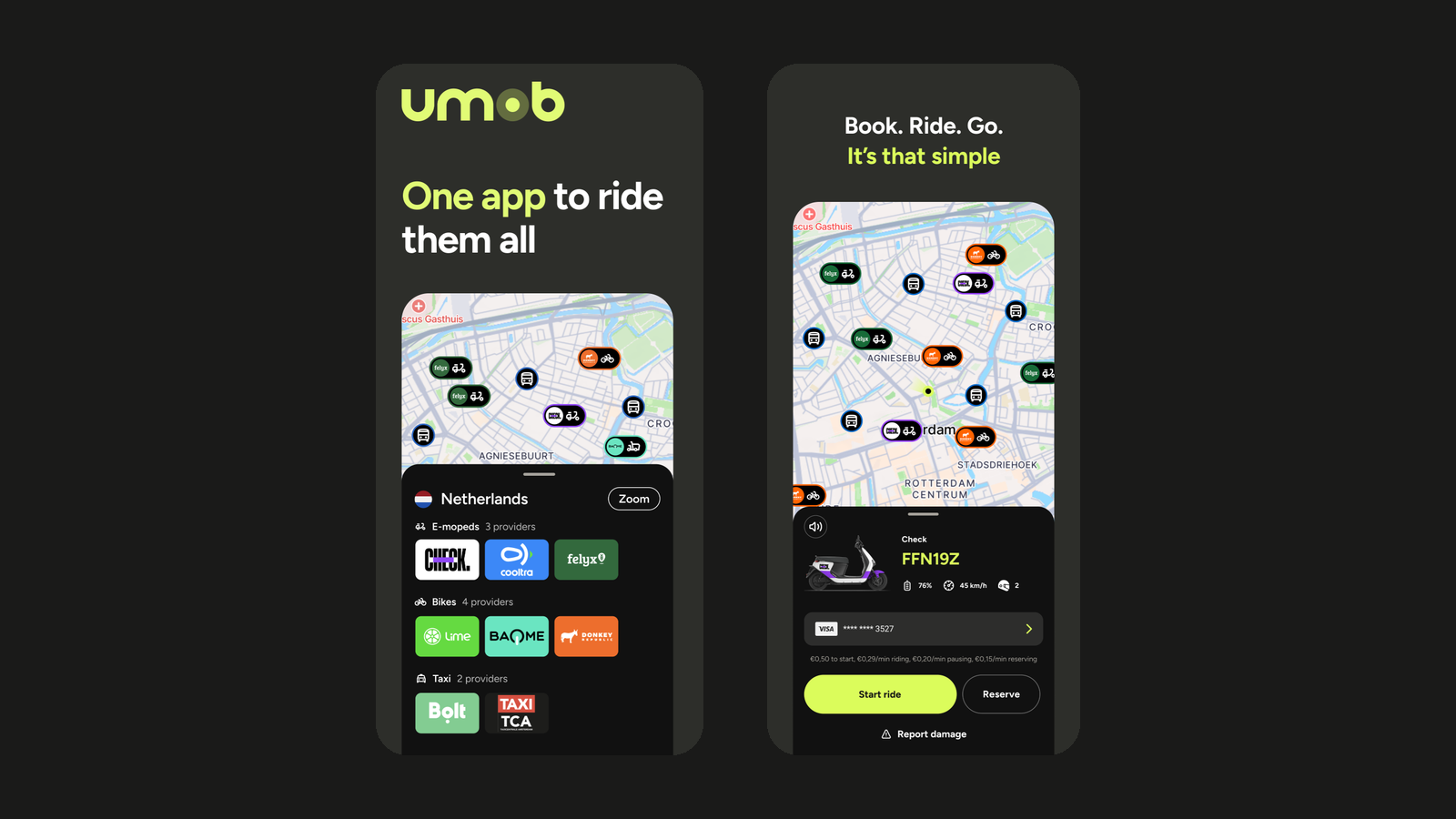
🌍 يمكنك الوصول إلى المزيد من الركاب مع ATOM Mobility وUmob. يمنح هذا التكامل مشغلي التنقل المشترك قناة توزيع إضافية، مما يساعد في جذب عملاء جدد، وزيادة الحجوزات، وتحسين معدلات استخدام الأسطول.
مستقبل التنقل لا يقتصر فقط على تشغيل المركبات، بل يتعلق بابتكار رحلات مريحة تجمع بين خيارات النقل المختلفة في تجربة مستخدم واحدة بسيطة.
ولهذا السبب يسعدنا تسليط الضوء على شراكتنا مع Umob، مما يساعد مشغلي التنقل على توسيع نطاق وصولهم وأن يصبحوا جزءاً من منظومة تنقل متعددة الوسائط متنامية.
سواء كنت تدير سيارات أو سكوترات أو دراجات هوائية أو دراجات نارية مشتركة عبر منصة ATOM Mobility، فإن التكامل مع Umob يجعل خدمتك متاحة لـ آلاف مستخدمي Umob الباحثين عن وسيلة تنقل مريحة.
يتوقع مستخدمو اليوم مرونة عالية؛ فهم لا يفكرون في مزودي خدمات التنقل بشكل منفصل، بل يريدون ببساطة أسرع وأسهل وأكثر الطرق ملاءمة للانتقال من النقطة (أ) إلى النقطة (ب).
تجمع Umob بين مختلف مزودي خدمات التنقل وخيارات النقل في تطبيق واحد. يمكن للمستخدمين العثور على خيارات التنقل المختلفة ومقارنتها وحجزها والدفع مقابلها دون الحاجة إلى تنزيل تطبيق منفصل أو إنشاء حساب جديد لكل مزود خدمة.
من خلال ربط أسطولك بـ Umob، يمكن للمشغلين:
بالنسبة لعملاء ATOM Mobility، صُمم هذا التكامل لتوفير طريقة مباشرة لفتح فرص توزيع جديدة مع الاستمرار في إدارة عملياتهم الأساسية من خلال منصة ATOM Mobility.
من خلال منصة ATOM Mobility، يمكن للمشغلين المشاركين ربط أساطيلهم بـ Umob، مما يتيح للمستخدمين اكتشاف المركبات المتاحة واستخدامها مباشرة عبر تطبيق Umob.
بمجرد الربط، ستظهر مركبات المشغلين المشاركين في Umob إلى جانب خيارات التنقل الأخرى المتاحة، مما يمنح المستخدمين نظرة عامة واضحة على الطرق المختلفة التي يمكنهم من خلالها الانتقال من النقطة (أ) إلى النقطة (ب).
يمكن للمستخدمين العثور على مركبة متاحة، وحجزها وفتح قفلها، وبدء رحلتهم وإنهائها، والدفع مباشرة من خلال تطبيق Umob.
صُمم هذا التكامل لدعم:
يواصل المشغلون إدارة أساطيلهم، وتسعيرهم، ومناطق الخدمة، والعمليات اليومية من خلال منصة ATOM Mobility، بينما توفر Umob قناة إضافية يمكن للمستخدمين من خلالها العثور على المركبات والوصول إليها.
بالنسبة لمشغلي التنقل، يتيح الربط مع Umob قناة توزيع إضافية دون تغيير الطريقة التي يديرون بها عملياتهم اليومية عبر ATOM Mobility.
من خلال إتاحة المركبات لآلاف مستخدمي Umob، يمكن للمشغلين زيادة ظهورهم في اللحظة التي يبحث فيها الأشخاص بنشاط عن وسيلة تنقل. وهذا يخلق إمكانية لجذب مستخدمين جدد، وتحقيق المزيد من الحجوزات، وتحسين معدل استخدام الأسطول بمرور الوقت.
يختلف كل سوق عن الآخر، لكن العديد من المشغلين يرون في شراكات "التنقل كخدمة" (MaaS) جزءاً مهماً من استراتيجية نموهم طويلة الأمد.
أحد أوائل مشغلي ATOM Mobility الذين انطلقوا من خلال تكامل Umob هو ZEUS Mobility، وهو مزود أوروبي طموح لخدمات مشاركة السكوتر الكهربائي، يركز بقوة على الابتكار، ويتبنى نهجاً ديناميكياً، ويسعى لمنافسة اللاعبين الراسخين في السوق.
ومن المناسب أن الشراكة بحد ذاتها بدأت من خلال شبكة ATOM Mobility.
التقت ZEUS وUmob لأول مرة في فعالية ATOM Mobility في ريغا. وعلى الرغم من أن التعارف الأولي حدث أثناء الفعالية، إلا أن المحادثة الجدية بدأت فعلياً خلال جلسة غير رسمية في وقت لاحق من ذلك المساء.
كانت ZEUS قد صادفت علامة Umob التجارية على مركبات التنقل أثناء السفر، وقد أُعجبت بالنهج المهني الذي تتبعه الشركة. وسرعان ما تحول ذلك التعرف إلى محادثة حول كيفية تعزيز الشركتين لعروضهما من خلال العمل معاً.
ومن هناك، تقدمت عملية التكامل بسرعة. وتصف ZEUS عملية الإعداد والتكامل حتى الآن بأنها "نظيفة واحترافية وسلسة."
بالنسبة لشركة ZEUS، تمثل هذه الشراكة فرصة لتعزيز حضور علامتها التجارية، والوصول إلى عملاء جدد، ودعم طموحاتها التوسعية في أوروبا.
عقب استحواذها على Superpedestrian في مايو 2026، تتطلع ZEUS إلى تسريع وتيرة نموها خلال عامي 2026 و2027، وتعد شراكتها مع Umob جزءاً من هذا الطموح.
"نحن في ZEUS سعداء للغاية بالشراكة مع Umob في الأسواق الأوروبية. فبعد استحواذنا على Superpedestrian في مايو 2026، نسعى في ZEUS إلى تحقيق نمو سريع خلال عامي 2026 و2027. ستساعدنا هذه الشراكة في دفع عجلة هذا النمو والوصول إلى عملاء جدد في أسواق جديدة. نتطلع إلى شراكة مثمرة." - داميان يونغ، ZEUS Mobility
تطبيق واحد لكل تنقلاتك. Umob هي منصة تنقل شاملة تجمع بين مختلف مزودي خدمات التنقل وخيارات النقل في تطبيق واحد.
يمكن للمستخدمين العثور على الدراجات المشتركة، والدراجات الكهربائية، والسكوتر، والدراجات النارية، ووسائل النقل العام، وسيارات الأجرة، وغيرها من خيارات التنقل المتاحة، ومقارنتها وحجزها والدفع مقابلها من خلال حساب واحد وتجربة دفع موحدة. فبدلاً من تنزيل تطبيق منفصل والتسجيل فيه لكل مزود خدمة أو في كل مدينة جديدة، يمكن للمستخدمين فتح تطبيق Umob والاطلاع على خيارات التنقل المتاحة من حولهم.
تتوفر Umob اليوم في أكثر من 28 دولة و300 مدينة، مما يتيح لآلاف المستخدمين طريقة أسهل للوصول إلى مختلف وسائل التنقل سواء في مدنهم أو أثناء السفر.
حقائق رئيسية
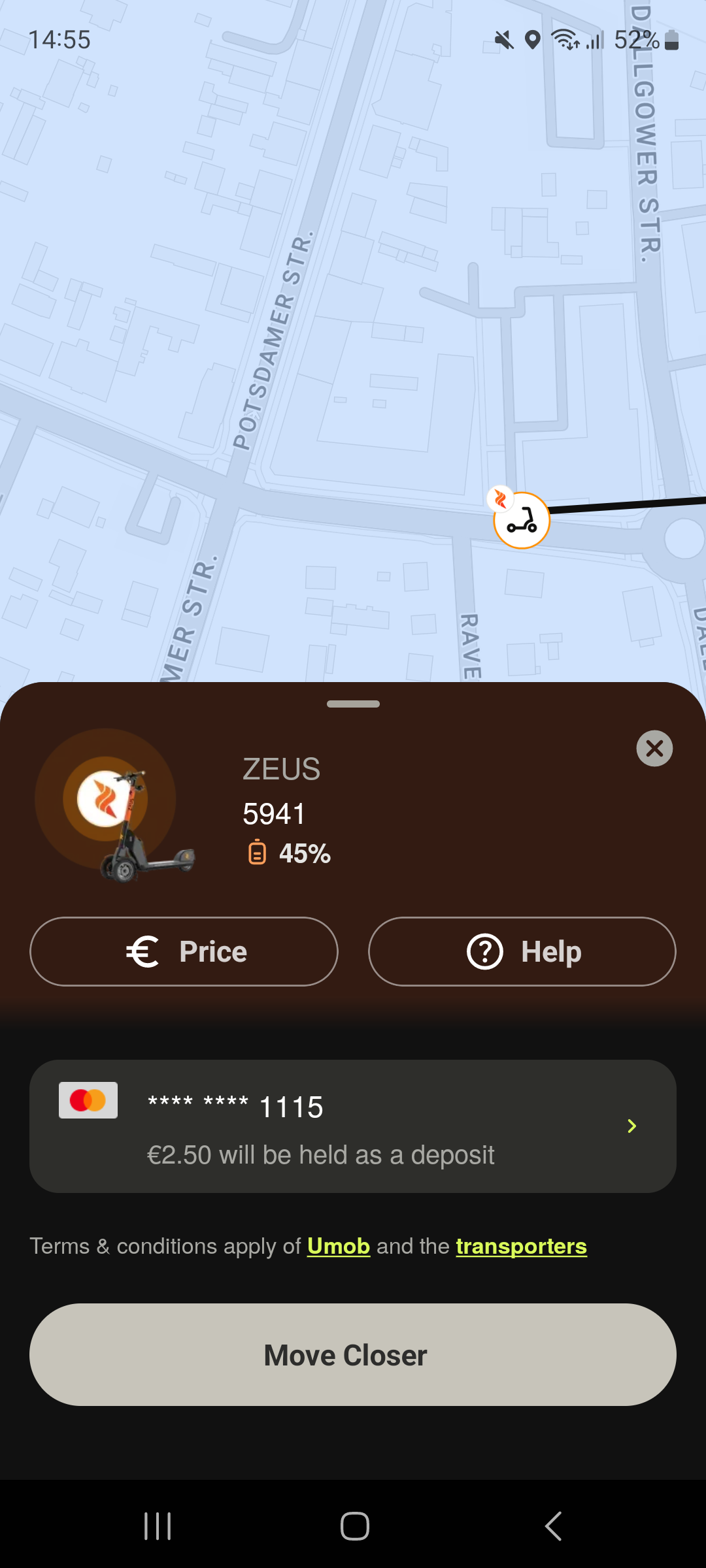
إذا كنت تدير بالفعل خدمة التنقل المشترك الخاصة بك على منصة ATOM Mobility، فإن الربط مع Umob قد يكون الخطوة التالية نحو الوصول إلى المزيد من المستخدمين وأن تصبح جزءاً من منظومة تنقل مترابطة حقاً.
إذا كنت مهتماً بتفعيل هذا التكامل أو معرفة المزيد حول كيفية عمله، تواصل مع فريقنا. نحن نتطلع إلى مساعدة المزيد من المشغلين على التواصل والتعاون وجعل التنقل المستدام أسهل للجميع.
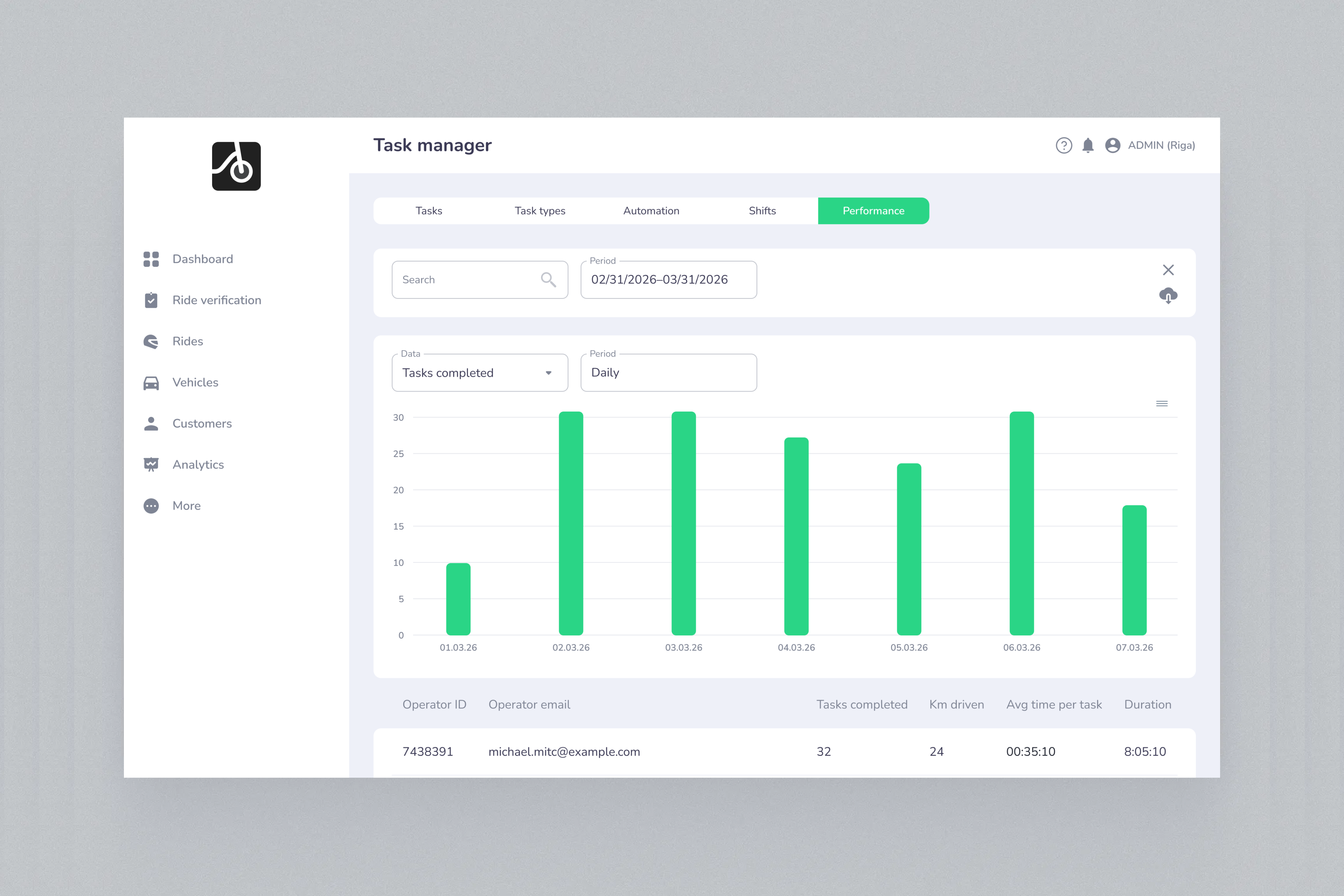
👷📊 يتجاوز مدير مهام ATOM الآن مجرد توزيع المهام بفضل وظائف الورديات وأداء المشغلين الجديدة. تتبع مسارات الورديات، والمسافة المقطوعة، والمهام المنجزة، والوقت المستغرق لكل مهمة، وأداء كل مشغل على حدة، مما يمنح مديري الأساطيل رؤية أوضح بكثير للعمليات الميدانية ومستوى الكفاءة.
لا تقتصر إدارة أسطول كبير للتنقل المشترك أو التأجير على معرفة المهام التي تم إنجازهافحسب، بل تتعلق أيضاً بفهم مدى كفاءة عمل الفرق الميدانية. لقد قمنا بتوسيع مدير مهام ATOM Mobility بشكل كبير بإضافة وظائف الورديات والأداء، مما يمنح مديري الأساطيل رؤية أفضل بكثير لنشاط المشغلين، وعبء العمل، والمسارات، ومستوى الأداء.
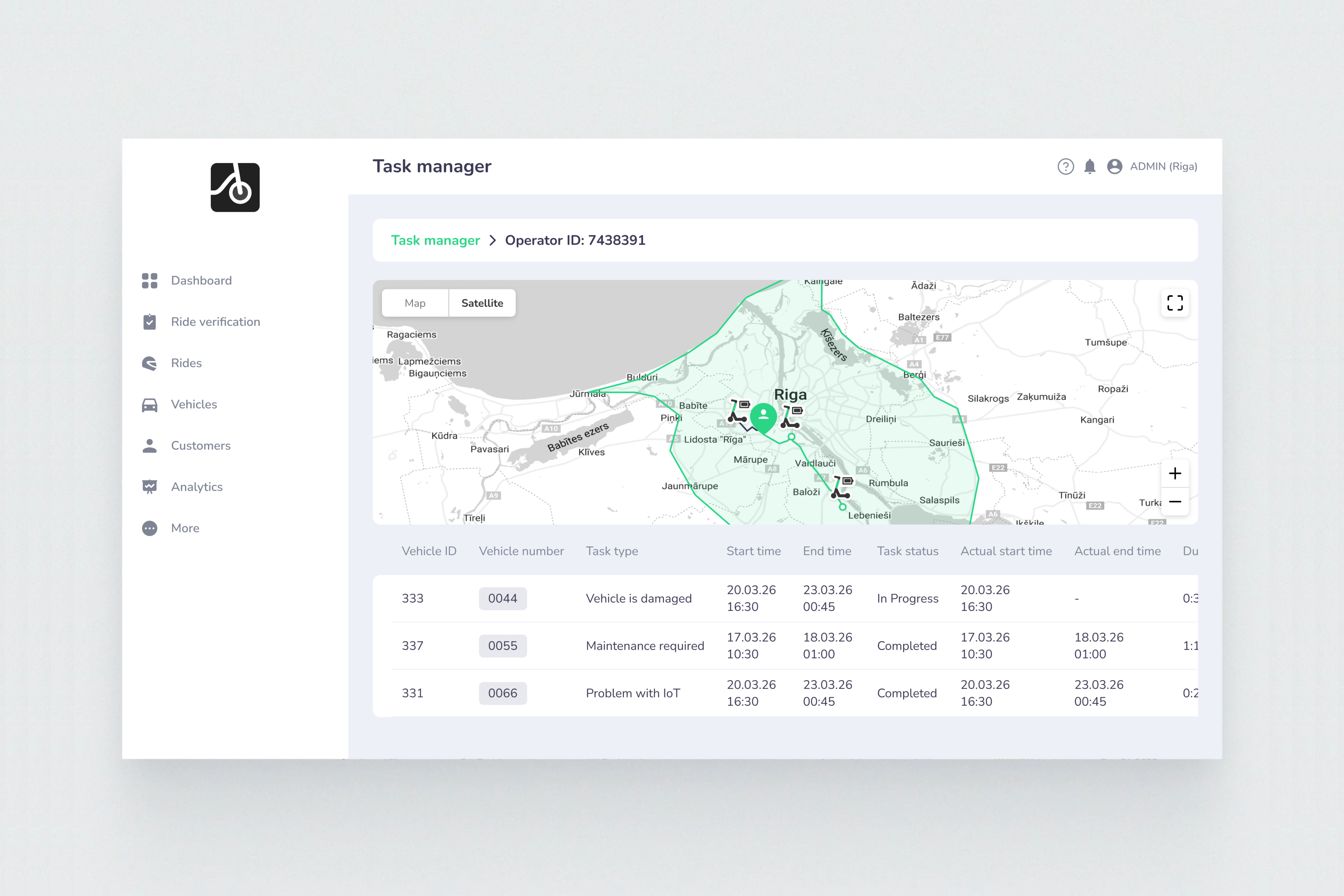
تمنحك علامة التبويب الورديات الجديدة للمديرين نظرة عامة مركزية على جميع ورديات المشغلين، بما في ذلك:
يمكن للمديرين فتح أي وردية فردية للاطلاع على الصورة التشغيلية الكاملة. فلكل مهمة، يمكنك رؤية المركبة، ونوع المهمة، ووقت البدء المخطط له والموعد النهائي، وأوقات البدء والانتهاء الفعلية، والحالة، والمدة الإجمالية للمهمة.
تتضمن كل وردية أيضاً خريطة توضح حركة المشغل الكاملة أثناء الوردية والمواقع التي تم تنفيذ المهام الفردية فيهابالنسبة للنوبات الجارية حالياً، يمكن للمديرين أيضاً الاطلاع على الموقع الحالي للمشغل.
وهذا يسهل كثيراً فهم المسار الفعلي، وحجم العمل، والقرارات المتخذة خلال كل نوبة، بالإضافة إلى تحديد فرص تحسين كيفية إدارة فرق العمل الميدانية لصيانة الأسطول وعملياته.
علامة التبويب الأداء الجديدة تجمع النتائج التشغيلية لكل مشغل خلال فترة زمنية محددة.
يمكن للمديرين تتبع:
بدلاً من مراجعة مئات المهام الفردية، يمكن للمديرين مقارنة المشغلين بسرعة، وتحديد أصحاب الأداء المتميز، ورصد المجالات التي قد تحتاج إلى تدريب إضافي أو تحسينات تشغيلية.
لجعل بيانات الأداء دقيقة ومفيدة، قدمنا أيضاً سير عمل جديد للنوبات والمهام في تطبيق ATOM للمشغلين. يبدأ المشغلون الآن نوبات عملهم وينهونها مباشرة من خلال التطبيق، بينما يتم تسجيل أوقات بدء المهام الفردية وإتمامها تلقائياً.
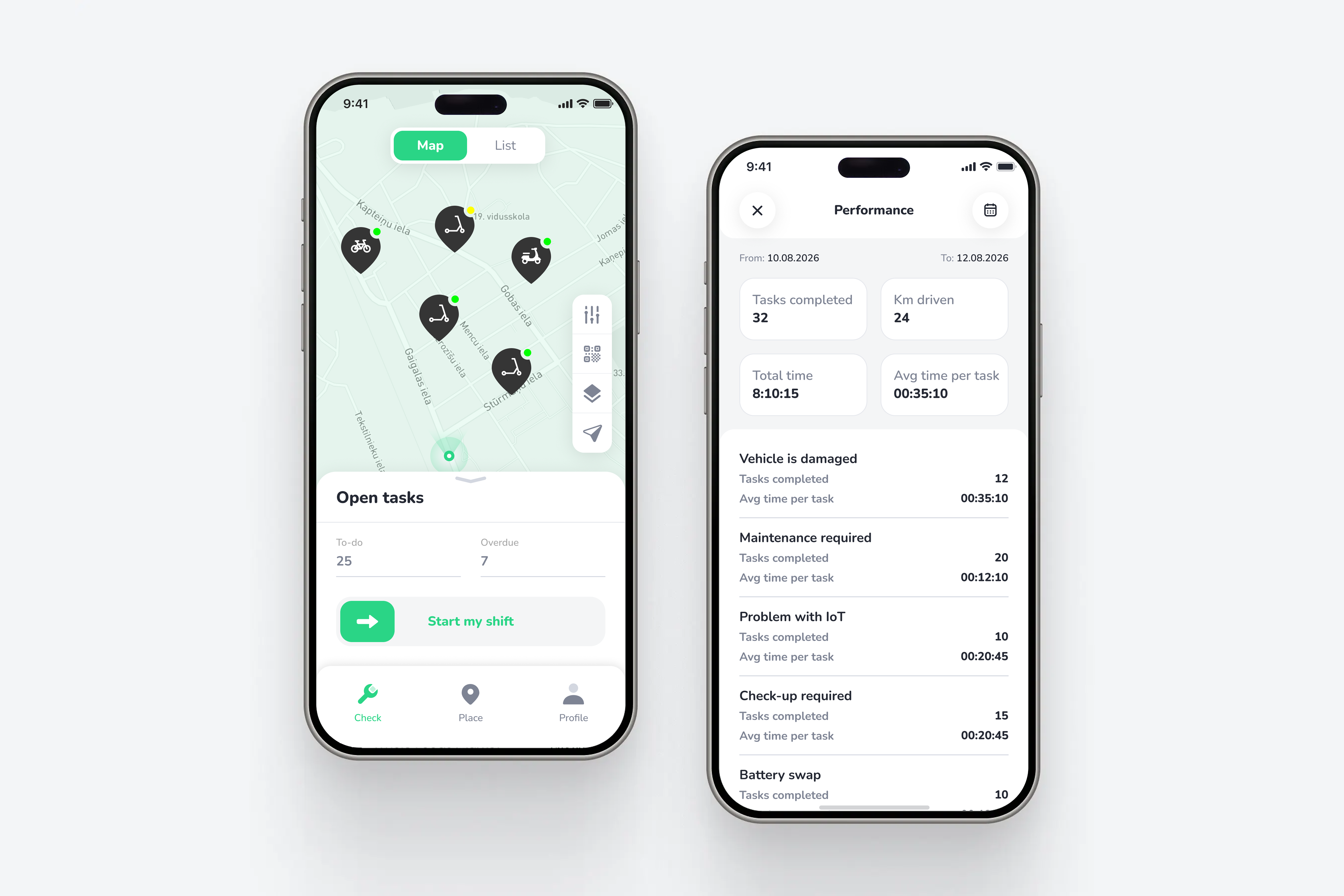
لقد أضفنا أيضاً:
معاً، تحول هذه التحديثات ATOM Task Manager من مجرد أداة لتوزيع المهام إلى نظام أكثر تكاملاً لأداء وتحسين العمليات الميدانية. يحصل المشغلون على سير عمل أوضح ورؤية أفضل لأدائهم الشخصي، بينما يحصل المديرون على البيانات التي يحتاجونها لفهم كيفية سير عملياتهم الميدانية فعلياً وتحديد مجالات تحسين الكفاءة.
الوظائف الجديدة متاحة لوحدات مشاركة المركبات و التأجير الرقمي في ATOM Mobility.
👉 اقرأ المزيد عن آخر تحديثات منصتنا:
https://www.atommobility.com/atomupdates
استخدم بيانات اعتماد الاختبار لتسجيل الدخول - رقم الهاتف: +1 123123123، الكود: 777777


بيانات اعتماد الإصدار التجريبي من تطبيق Driver - البريد الإلكتروني: test@atom.com، كلمة المرور: برنامج التشغيل