أنجح شركات التنقل الصغير في جميع أنحاء العالم - كيف فعلت ذلك؟
5/7/2021
الحد الأدنى للقراءة


سرعان ما أصبحت مشاركة المركبات والتنقل الجزئي اتجاهًا حقق نجاحًا هائلاً لرواد الأعمال الذين قفزوا إلى رحلة مجنونة من خلال تأسيس شركة في هذا المجال. وصل تقييم بيرد إلى مليار دولار في سبعة أشهر، وبذلك أصبح أسرع شركة ناشئة على الإطلاق للوصول إلى حالة يونيكورن. وصل لايم إلى وضع يونيكورن في 18 شهرًا. تخطط Helbiz هذا العام لتصبح أول شركة للتنقل الصغير مدرجة في NASDAQ. لا تزال مشاركة المركبات والتنقل الجزئي في ازدياد ولا يزال من الممكن إنشاء مشروع تجاري ناجح.
وفقًا لشركة McKinsey & Company»فحص ميكروموبيليتي لمسافة 15 ألف ميل«التقرير، إمكانات السوق بحلول عام 2030 هي:
- 200 مليار دولار إلى 300 مليار دولار في الولايات المتحدة؛
- 100 مليار دولار إلى 150 مليار دولار في أوروبا؛
- 30 مليار دولار إلى 50 مليار دولار في الصين.
وهذا يعادل حوالي ربع إمكانات سوق القيادة الذاتية المشتركة العالمية المتوقعة لشركة McKinsey & Company والتي تبلغ حوالي 1,600 مليار دولار في عام 2030. لذلك إذا كنت تفكر في بدء نشاطك التجاري الخاص بالمشاركة، فهذا هو الوقت المناسب للقيام بذلك. ولكن دعونا نلقي نظرة على أداء القادة، ومعالم نجاح أعمالهم، والاتجاهات التي يضعونها للمستقبل في مجال المشاركة.
أسرع يونيكورن مزدوج على الإطلاق
الشركة طائر حصلت على هذه المكانة بعد فترة وجيزة من تأسيسها في سبتمبر 2017 من قبل ترافيس فاندرزاندن. كان بالفعل على دراية بالسوق حيث عمل سابقًا كمدير تنفيذي في ليفت و أوبر. حصلت Bird على الجولة الأولى من التمويل في فبراير 2018 حيث جمعت 15 مليون دولار. تبعت جولة السلسلة B في مارس مقابل 100 مليون دولار. ومنحت جولة التمويل البالغة 150 مليون دولار في مايو أسرع وضع وحيد القرن على الإطلاق. في يونيو 2018، جمعت بيرد 300 مليون دولار إضافية، وقيّمت الشركة بمبلغ 2 مليار دولار. قبل بيرد، لم يتم الوصول إلى هذا التقييم بهذه السرعة من قبل أي شركة ناشئة. في الوقت الحالي، يقدر تقييمها بـ 2.3 مليار دولار. جمعت Bird 765 مليون دولار من إجمالي التمويل عبر خمس جولات تمويل. وتخطط الشركة للوصول إلى إجمالي ربح قدره 308 مليون دولار بحلول عام 2023.
Bird هي خدمة تأجير السكوتر الكهربائي في الميل الأخير. المهم هنا - حققت الشركة نجاحها بنوع واحد فقط من المركبات بينما أضافت شركات أخرى عدة أنواع من المركبات إلى محفظتها. تعمل Bird في 200 مدينة على مستوى العالم. بشكل عام، تم إجراء أكثر من 95 مليون رحلة حتى الآن.

بدأت بيرد أعمالها من خلال تقديم سكوتر Xiaomi M365 للعملاء. مع إطلاق طراز BirDone، قامت الشركة توقفت عن شراء وتوزيع نماذج Segway.
سعر الخدمة هو 1 يورو أو 1 دولار (حسب البلد) لفتح السكوتر. تبلغ تكلفة الرحلة لمدة دقيقة واحدة على السكوتر 0.15 يورو/0.15 دولار. هناك أيضًا رسوم شهرية متاحة لاستئجار دراجة بخارية - 25 دولارًا. ومع ذلك، قد تختلف الأسعار اعتمادًا على البلد والعملة والقوانين المحلية.
في بداية هذا العام، قدم بيرد بطاقة جلوبال رايد - خطط تسعير جديدة مصممة لتوفير المال وتسريع التحول بعيدًا عن السيارات لرحلات المسافات القصيرة. تتوفر حاليًا أربعة خيارات جديدة لبطاقة Global Ride Pass:
- تذكرة يومية غير محدودة للجولات
- تذكرة ركوب شهرية غير محدودة
- بطاقة Unlocks الشهرية غير المحدودة
- بطاقة فتح غير محدودة لمدة 3 أشهر
في النصف الثاني من عام 2020، أطلقت الشركة دفع الطيور تم تجريبه في مركزين في كاليفورنيا. يوفر هذا للمستخدمين فرصة الدفع عبر تطبيق Bird للشراء في المتاجر المحلية أو المطاعم أو شاحنات الطعام أثناء تنقلهم على السكوتر.
أعلنت شركة Bird هذا العام أن الشركة تستثمر 150 مليون دولار في أوروبا. قالت الشركة ذلك سيتم استخدام الأموال لفتح برامج التنقل الصغيرة الآمنة والمستدامة في أكثر من 50 مدينة أوروبية جديدة. الشركة هي تخطط أيضًا للاكتتاب العام من خلال الاندماج مع شركة الاستحواذ ذات الأغراض الخاصة Switchback II. ومع ذلك، ليس من الواضح بعد متى يمكن أن يحدث هذا.
كتب أليكس فيلهلم، الصحفي في TechCrunch في عام 2018 أن الهامش الإجمالي لبيرد هو 19 في المئة. وأوضح أن الإيرادات مقسمة على النحو التالي - 47٪ شحن، 14٪ إصلاحات، 11٪ معالجة بطاقات الائتمان، 5٪ تكاليف تنظيمية، و 3٪ دعم العملاء والتأمين.
الوصيف في فئة يونيكورن
جير هي العلامة التجارية لشركة النقل Neutron Holdings، Inc.، والتي كانت تُعرف سابقًا أيضًا باسم LimeBike. يقع مقر الشركة في سان فرانسيسكو بالولايات المتحدة الأمريكية. بالمقارنة مع Bird، تتخذ أعمال Lime لمشاركة المركبات أشكالًا مختلفة: الدراجات البخارية الكهربائية والدراجات الكهربائية والدراجات ذات الدواسة العادية والدراجات الكهربائية وأنظمة مشاركة السيارات في مدن مختلفة حول العالم. تعمل Lime بمركبات بدون رصيف يجدها المستخدمون ويفتحونها عبر تطبيق جوال. يعثر على موقع المركبات المتاحة عبر GPS.
تأسست شركة Lime في يناير 2017 من قبل براد باو و توبي صن - المدراء التنفيذيون السابقون لشركة رأس المال الاستثماري شركة فوسون الدولية. على مدى شهرين، جمعت الشركة 12 مليون دولار أمريكي من تمويل المشاريع بقيادة أندريسن هورويتز. كان موقع Lime الأول هو جامعة نورث كارولينا في جرينسبورو وتم إطلاقها بـ 125 دراجة. في أكتوبر 2017، أغلقت الشركة جولة السلسلة B. بعد ذلك أعلنت شركة Lime أن قيمتها بلغت 225 مليون دولار. أصبحت يونيكورن في عام 2018 بعد جولة تمويل بقيمة 335 مليون دولار وتقييمات بقيمة 1.1 مليار دولار. حتى الآن، جمعت Lime 935 مليون دولار من إجمالي التمويل عبر خمس جولات.
تعمل شركة Lime في أكثر من 120 مدينة أكثر من 30 دولة اعتبارًا من سبتمبر 2019. بدأت عام 2020 بإعلان أنها أضافت 11 موقعًا إلى هذه القائمة، بما في ذلك العديد من المناطق الحضرية الأمريكية مثل أتلانتا. في الربع الأول من عام 2021، أعلنت شركة Lime أنها خصصت 50 مليون دولار لعملية مشاركة الدراجات، وهو استثمار تم استخدامه لتطوير دراجة إلكترونية جديدة وستمول توسعها هذا العام إلى 25 مدينة أخرى في أمريكا الشمالية وأوروبا وأستراليا ونيوزيلندا.
جاء هذا الإعلان بعد شهر من إعلان شركة Lime عن خطط لإضافة دراجات كهربائية إلى منصة التنقل الدقيقة الخاصة بها. تطلق Lime هذا الجهد من خلال نشر 600 دراجة كهربائية على منصتها في واشنطن العاصمة، كما تعمل الشركة مع المسؤولين لتجربة الدراجات في باريس. الدراجات الهوائية هي المصنعة من قبل NIU، وهي شركة صينية تقوم أيضًا بتوريد الدراجات إلى شركة Revel للتنقل التي تتخذ من مدينة نيويورك مقراً لها. تتراوح دراجات NIU عادةً بين 25 و 100 ميل. ستقتصر سرعة دراجات Lime على 28 ميلاً في الساعة ويمكن التحكم فيها ومراقبتها عبر الاتصال اللاسلكي.
تستخدم Lime العديد من الشركات المصنعة المختلفة لإنتاج الدراجات والدراجات البخارية. تشمل المركبات الأخرى في أسطول Lime:
- الدراجات البخارية الكهربائية Lime-S - هناك أربعة نماذج مختلفة قيد الاستخدام حاليًا: Lime-S Ninebot ES4، من صنع Segway مع البطارية الإضافية المرفقة بالقطب الرئيسي، Lime-S الجيل 1، Lime-S الجيل 2، Lime-S الجيل 3، Lime-S الجيل 4.
- دراجات المساعدة الكهربائية Lime-E.
- LimeBike - الدراجة الكلاسيكية الخالية من الرصيف.
- LimePod - طراز Fiat 500s ذو العلامة التجارية الملونة، وهو طراز صغير ذو بابين.
تبلغ رسوم بدء أي رحلة Lime 1.00 دولار ويجب دفعها بغض النظر عن أي شيء. بعد ذلك، يتعين على المستخدم الدفع لكل دقيقة للركوب. يتم تقريب الرسوم إلى أقرب دقيقة والأسعار والعروض الترويجية. يدفع المستخدمون أيضًا دولارًا واحدًا لفتح السيارة و 40 سنتًا إضافيًا في الدقيقة التي يقودونها.
في مايو 2021، طرحت شركة لايم خدمة الاشتراك الشهري الجديدة لدراجتها البخارية الكهربائية المسماة Lime Prime. مقابل 5.99 دولارًا في الشهر، لن يضطر المستخدمون إلى دفع رسوم أولية. وفي الأسواق التي لا توجد بها رسوم إلغاء القفل، سيحصل الركاب على خصم بنسبة 25 في المائة على سعر رحلتهم. سيظل المشتركون يدفعون رسوم الدقيقة، لكن Lime تقول إن الشخص الذي يستخدم إحدى دراجاتها البخارية يوميًا سيوفر ما يقرب من 25 دولارًا شهريًا بموجب خطة الاشتراك.
حققت Lime أول أرباح ربع سنوية لها في الربع الثالث من عام 2019 وفقًا لوكالة رويترز. قال واين تينغ، الرئيس التنفيذي لشركة Lime، إن الشركة حققت تدفقًا نقديًا حرًا إيجابيًا في الربع الثالث، بعد أن خرجت من بعض الأسواق حيث كانت تخسر المال، وحسّنت تشغيل مركباتها ذات العجلتين، وخفضت تكاليف المكتب الرئيسي. وقال لرويترز في مقابلة «مع هذه التحسينات، أعتقد أننا على الطريق الصحيح لتحقيق أرباح كاملة في عام 2021".
مع التنقل الجزئي إلى NASDAQ
يبدو أن الشركة الأولى التي تقدم خدمات التنقل الصغير وتعوض عن NASDAQ هي هيلبيز. تعمل في أمريكا الشمالية وأوروبا. مع أكثر من 200 موظف حول العالم، تعد الشركة رائدة السوق في إيطاليا وتدير الدراجات البخارية الإلكترونية والدراجات الإلكترونية والدراجات الإلكترونية في أكثر من 20 مدينة حول العالم بما في ذلك واشنطن العاصمة والإسكندرية وأرلينجتون وأتلانتا وميامي وريتشموند وميلانو وروما. تأسست Helbiz في 16 أكتوبر 2015 من قبل رجل أعمال متسلسل إيطالي، سالفاتور باليلا وكانت أول شركة تقدم نموذج السكوتر الكهربائي المشترك في إيطاليا في أكتوبر 2018 من خلال تقنين وتنظيم الدراجات البخارية الكهربائية في إيطاليا.
أعلنت شركة Helbiz عن نيتها في طرح عام في بورصة NASDAQ وفي بورصة Italiana AIM Italia. في أغسطس 2019، أعلنت الشركة أنها أكملت جولة الاستثمار الأولية بحوالي 7.13 مليون دولار. في أكتوبر 2019، استحوذت شركة Forever Sharing، وهي شركة مقرها الصين تنتج مركبات التنقل الذكية الكهربائية، على 5٪ من Helbiz. استثمرت هذه الشركة الصينية 8 ملايين دولار في Helbiz من خلال تقييمها بـ 160 مليون دولار. ونتيجة لذلك، وافقت Forever Sharing على تزويد Helbiz بـ 20,000 دراجة كهربائية وسكوتر إلكتروني بحلول نهاية عام 2019 وبداية عام 2020 لنشرها عالميًا. لم يكن هناك اكتتاب عام أولي.
جمعت Helbiz ما مجموعه 56.9 مليون دولار من التمويل على مدى 10 جولات. وصلت إيرادات الشركة إلى ما يقرب من 4 ملايين دولار في عام 2020 ولكنها تخطط لتحقيق إيرادات 449 مليون دولار بحلول عام 2025.

تقدم Helbiz ثلاثة أنواع من المركبات - الدراجات البخارية الإلكترونية والدراجات الإلكترونية والدراجات الإلكترونية. تقدم الشركة نفس خطة الدفع لعملائها مثل منافسيها - يدفع المستخدمون دولارًا واحدًا لفتح السيارة و 30 سنتًا إضافيًا في الدقيقة. الاستثناء هو الدراجة الإلكترونية التي تتقاضى 26 سنتًا فقط في الدقيقة. يحتوي Helbiz أيضًا على برنامج غير محدود يكلف 29.99 دولارًا في الشهر.
تخطط Helbiz للمضي قدمًا باستخدام الاختراق وقاعدة المستخدمين لإطلاق منتجات جديدة - تكامل النقل العام وحجز التذاكر، وتوصيل الطعام من HelbizKitchen، والمحفظة الأصلية ونظام الدفع. الشركة بصدد الحصول على ترخيص التكنولوجيا المالية في أوروبا.
لتلخيص كل ذلك:

هناك الكثير الذي يمكننا تعلمه من نجاح هذه الشركات الكبرى. ومع ذلك، فإنها عادة ما تركز على المدن الكبيرة ذات الكثافة السكانية الضخمة والبنية التحتية المعقدة والاستثمار الكبير المطلوب للانطلاق هناك. في الوقت نفسه، تسعى المدن الصغيرة في جميع أنحاء العالم إلى تحسين قدراتها على التنقل الصغير. وهذه هي الفرصة. فريق أتوم سيهتم بالبرنامج - أحد أكثر الأجزاء تعقيدًا في هذا العمل. نظرًا لأن لدينا عدة سنوات من الخبرة في مجال مشاركة المركبات، يسعدنا أيضًا مساعدتك في أي أسئلة أخرى قد تكون لديك. من الممكن البدء بسرعة وإطلاق مشروع تجاري لمشاركة المركبات في أي وقت من الأوقات. هنا رابط مدونتنا. ستجد الكثير من المعلومات المفيدة هناك.
ملاحظة: روابط مفيدة:
عرض لمستثمر الطيور: انقر هنا
عرض هيلبيز للمستثمرين: انقر هنا
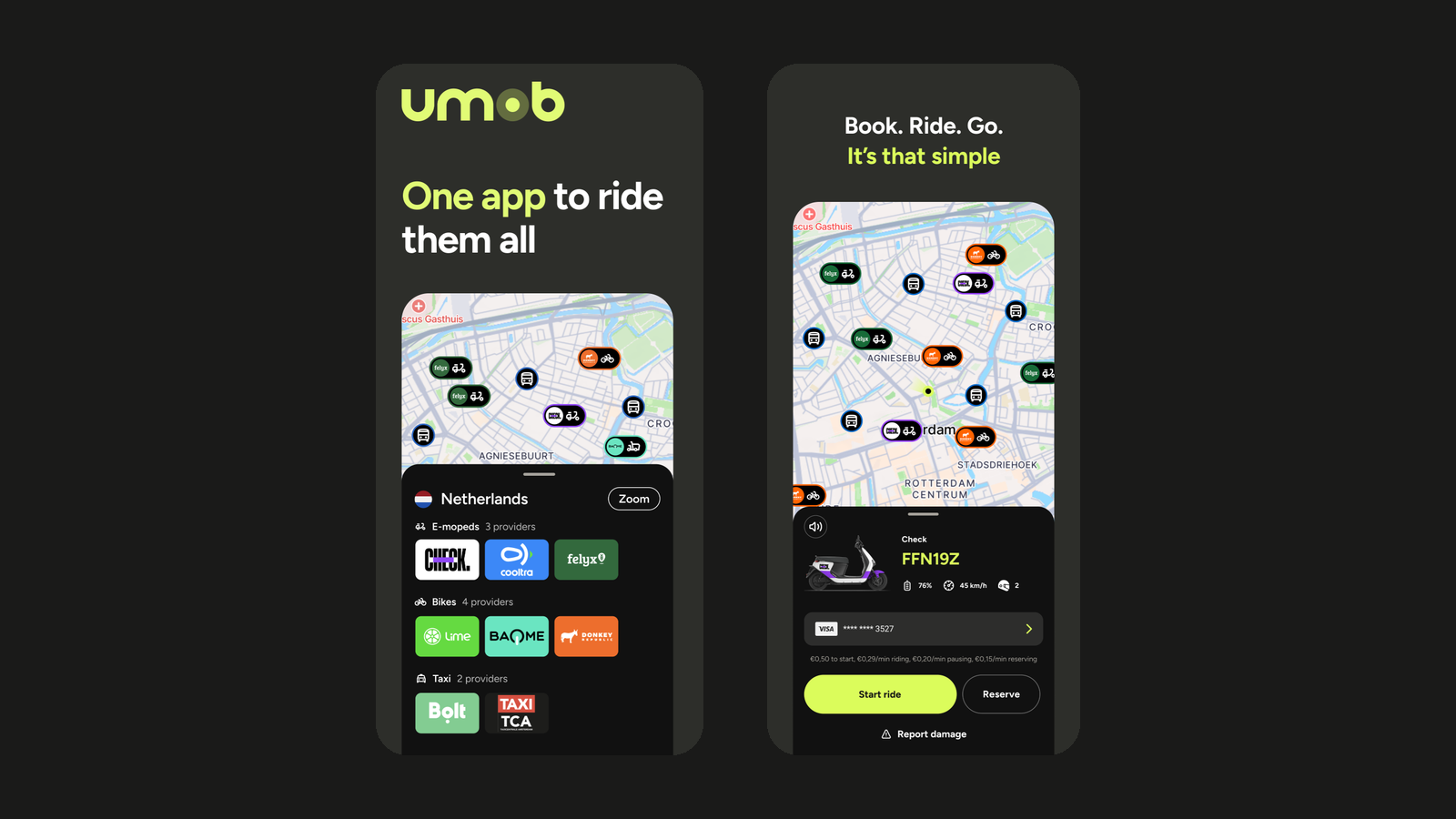
🌍 يمكنك الوصول إلى المزيد من الركاب مع ATOM Mobility وUmob. يمنح هذا التكامل مشغلي التنقل المشترك قناة توزيع إضافية، مما يساعد في جذب عملاء جدد، وزيادة الحجوزات، وتحسين معدلات استخدام الأسطول.
مستقبل التنقل لا يقتصر فقط على تشغيل المركبات، بل يتعلق بابتكار رحلات مريحة تجمع بين خيارات النقل المختلفة في تجربة مستخدم واحدة بسيطة.
ولهذا السبب يسعدنا تسليط الضوء على شراكتنا مع Umob، مما يساعد مشغلي التنقل على توسيع نطاق وصولهم وأن يصبحوا جزءاً من منظومة تنقل متعددة الوسائط متنامية.
سواء كنت تدير سيارات أو سكوترات أو دراجات هوائية أو دراجات نارية مشتركة عبر منصة ATOM Mobility، فإن التكامل مع Umob يجعل خدمتك متاحة لـ آلاف مستخدمي Umob الباحثين عن وسيلة تنقل مريحة.
يتوقع مستخدمو اليوم مرونة عالية؛ فهم لا يفكرون في مزودي خدمات التنقل بشكل منفصل، بل يريدون ببساطة أسرع وأسهل وأكثر الطرق ملاءمة للانتقال من النقطة (أ) إلى النقطة (ب).
تجمع Umob بين مختلف مزودي خدمات التنقل وخيارات النقل في تطبيق واحد. يمكن للمستخدمين العثور على خيارات التنقل المختلفة ومقارنتها وحجزها والدفع مقابلها دون الحاجة إلى تنزيل تطبيق منفصل أو إنشاء حساب جديد لكل مزود خدمة.
من خلال ربط أسطولك بـ Umob، يمكن للمشغلين:
بالنسبة لعملاء ATOM Mobility، صُمم هذا التكامل لتوفير طريقة مباشرة لفتح فرص توزيع جديدة مع الاستمرار في إدارة عملياتهم الأساسية من خلال منصة ATOM Mobility.
من خلال منصة ATOM Mobility، يمكن للمشغلين المشاركين ربط أساطيلهم بـ Umob، مما يتيح للمستخدمين اكتشاف المركبات المتاحة واستخدامها مباشرة عبر تطبيق Umob.
بمجرد الربط، ستظهر مركبات المشغلين المشاركين في Umob إلى جانب خيارات التنقل الأخرى المتاحة، مما يمنح المستخدمين نظرة عامة واضحة على الطرق المختلفة التي يمكنهم من خلالها الانتقال من النقطة (أ) إلى النقطة (ب).
يمكن للمستخدمين العثور على مركبة متاحة، وحجزها وفتح قفلها، وبدء رحلتهم وإنهائها، والدفع مباشرة من خلال تطبيق Umob.
صُمم هذا التكامل لدعم:
يواصل المشغلون إدارة أساطيلهم، وتسعيرهم، ومناطق الخدمة، والعمليات اليومية من خلال منصة ATOM Mobility، بينما توفر Umob قناة إضافية يمكن للمستخدمين من خلالها العثور على المركبات والوصول إليها.
بالنسبة لمشغلي التنقل، يتيح الربط مع Umob قناة توزيع إضافية دون تغيير الطريقة التي يديرون بها عملياتهم اليومية عبر ATOM Mobility.
من خلال إتاحة المركبات لآلاف مستخدمي Umob، يمكن للمشغلين زيادة ظهورهم في اللحظة التي يبحث فيها الأشخاص بنشاط عن وسيلة تنقل. وهذا يخلق إمكانية لجذب مستخدمين جدد، وتحقيق المزيد من الحجوزات، وتحسين معدل استخدام الأسطول بمرور الوقت.
يختلف كل سوق عن الآخر، لكن العديد من المشغلين يرون في شراكات "التنقل كخدمة" (MaaS) جزءاً مهماً من استراتيجية نموهم طويلة الأمد.
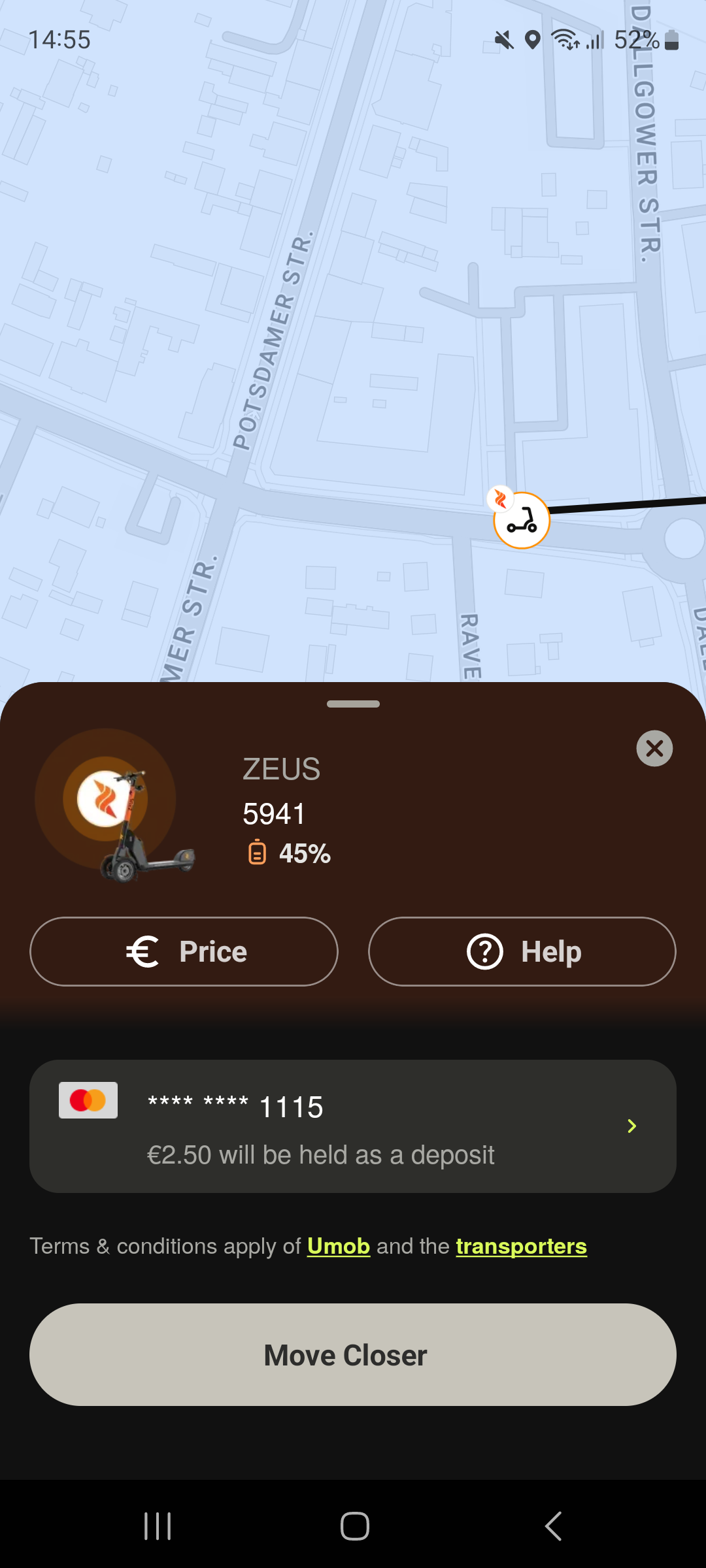
أحد أوائل مشغلي ATOM Mobility الذين انطلقوا من خلال تكامل Umob هو ZEUS Mobility، وهو مزود أوروبي طموح لخدمات مشاركة السكوتر الكهربائي، يركز بقوة على الابتكار، ويتبنى نهجاً ديناميكياً، ويسعى لمنافسة اللاعبين الراسخين في السوق.
ومن المناسب أن الشراكة بحد ذاتها بدأت من خلال شبكة ATOM Mobility.
التقت ZEUS وUmob لأول مرة في فعالية ATOM Mobility في ريغا. وعلى الرغم من أن التعارف الأولي حدث أثناء الفعالية، إلا أن المحادثة الجدية بدأت فعلياً خلال جلسة غير رسمية في وقت لاحق من ذلك المساء.
كانت ZEUS قد صادفت علامة Umob التجارية على مركبات التنقل أثناء السفر، وقد أُعجبت بالنهج المهني الذي تتبعه الشركة. وسرعان ما تحول ذلك التعرف إلى محادثة حول كيفية تعزيز الشركتين لعروضهما من خلال العمل معاً.
ومن هناك، تقدمت عملية التكامل بسرعة. وتصف ZEUS عملية الإعداد والتكامل حتى الآن بأنها "نظيفة واحترافية وسلسة."
بالنسبة لشركة ZEUS، تمثل هذه الشراكة فرصة لتعزيز حضور علامتها التجارية، والوصول إلى عملاء جدد، ودعم طموحاتها التوسعية في أوروبا.
عقب استحواذها على Superpedestrian في مايو 2026، تتطلع ZEUS إلى تسريع وتيرة نموها خلال عامي 2026 و2027، وتعد شراكتها مع Umob جزءاً من هذا الطموح.
"نحن في ZEUS سعداء للغاية بالشراكة مع Umob في الأسواق الأوروبية. فبعد استحواذنا على Superpedestrian في مايو 2026، نسعى في ZEUS إلى تحقيق نمو سريع خلال عامي 2026 و2027. ستساعدنا هذه الشراكة في دفع عجلة هذا النمو والوصول إلى عملاء جدد في أسواق جديدة. نتطلع إلى شراكة مثمرة." - داميان يونغ، ZEUS Mobility
تطبيق واحد لكل تنقلاتك. Umob هي منصة تنقل شاملة تجمع بين مختلف مزودي خدمات التنقل وخيارات النقل في تطبيق واحد.
يمكن للمستخدمين العثور على الدراجات المشتركة، والدراجات الكهربائية، والسكوتر، والدراجات النارية، ووسائل النقل العام، وسيارات الأجرة، وغيرها من خيارات التنقل المتاحة، ومقارنتها وحجزها والدفع مقابلها من خلال حساب واحد وتجربة دفع موحدة. فبدلاً من تنزيل تطبيق منفصل والتسجيل فيه لكل مزود خدمة أو في كل مدينة جديدة، يمكن للمستخدمين فتح تطبيق Umob والاطلاع على خيارات التنقل المتاحة من حولهم.
تتوفر Umob اليوم في أكثر من 28 دولة و300 مدينة، مما يتيح لآلاف المستخدمين طريقة أسهل للوصول إلى مختلف وسائل التنقل سواء في مدنهم أو أثناء السفر.
حقائق رئيسية
إذا كنت تدير بالفعل خدمة التنقل المشترك الخاصة بك على منصة ATOM Mobility، فإن الربط مع Umob قد يكون الخطوة التالية نحو الوصول إلى المزيد من المستخدمين وأن تصبح جزءاً من منظومة تنقل مترابطة حقاً.
إذا كنت مهتماً بتفعيل هذا التكامل أو معرفة المزيد حول كيفية عمله، تواصل مع فريقنا. نحن نتطلع إلى مساعدة المزيد من المشغلين على التواصل والتعاون وجعل التنقل المستدام أسهل للجميع.
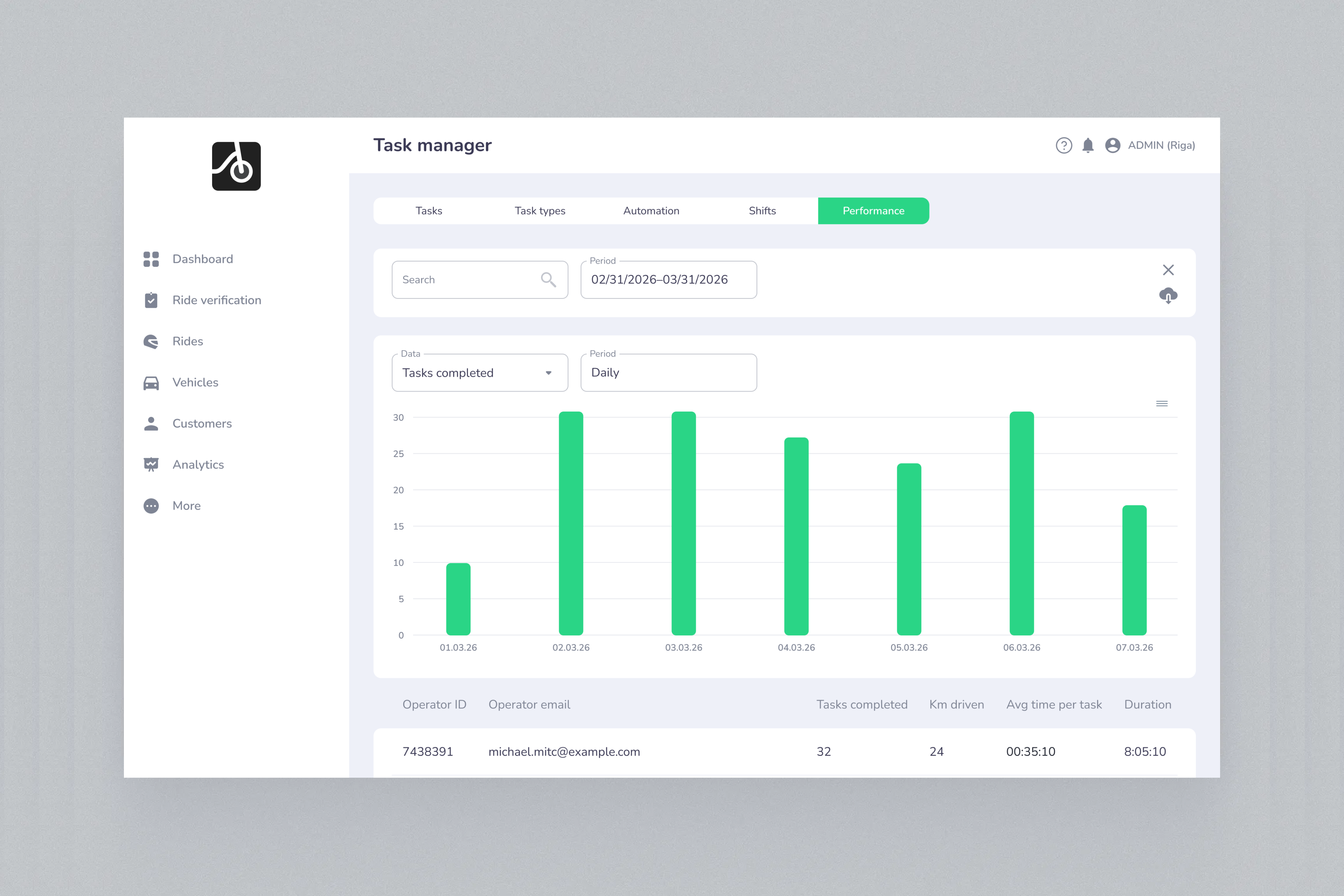
👷📊 يتجاوز مدير مهام ATOM الآن مجرد توزيع المهام بفضل وظائف الورديات وأداء المشغلين الجديدة. تتبع مسارات الورديات، والمسافة المقطوعة، والمهام المنجزة، والوقت المستغرق لكل مهمة، وأداء كل مشغل على حدة، مما يمنح مديري الأساطيل رؤية أوضح بكثير للعمليات الميدانية ومستوى الكفاءة.
لا تقتصر إدارة أسطول كبير للتنقل المشترك أو التأجير على معرفة المهام التي تم إنجازهافحسب، بل تتعلق أيضاً بفهم مدى كفاءة عمل الفرق الميدانية. لقد قمنا بتوسيع مدير مهام ATOM Mobility بشكل كبير بإضافة وظائف الورديات والأداء، مما يمنح مديري الأساطيل رؤية أفضل بكثير لنشاط المشغلين، وعبء العمل، والمسارات، ومستوى الأداء.
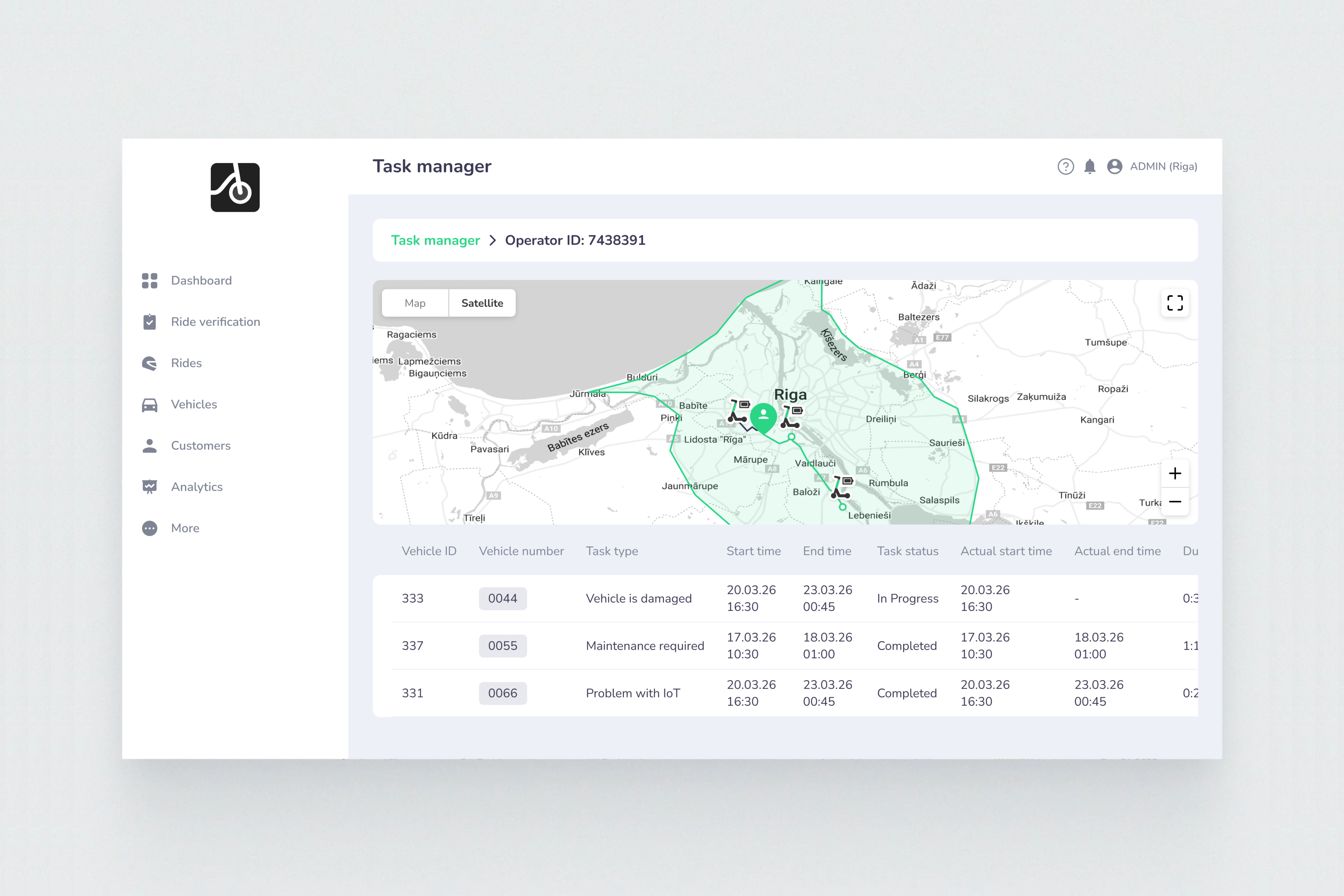
تمنحك علامة التبويب الورديات الجديدة للمديرين نظرة عامة مركزية على جميع ورديات المشغلين، بما في ذلك:
يمكن للمديرين فتح أي وردية فردية للاطلاع على الصورة التشغيلية الكاملة. فلكل مهمة، يمكنك رؤية المركبة، ونوع المهمة، ووقت البدء المخطط له والموعد النهائي، وأوقات البدء والانتهاء الفعلية، والحالة، والمدة الإجمالية للمهمة.
تتضمن كل وردية أيضاً خريطة توضح حركة المشغل الكاملة أثناء الوردية والمواقع التي تم تنفيذ المهام الفردية فيهابالنسبة للنوبات الجارية حالياً، يمكن للمديرين أيضاً الاطلاع على الموقع الحالي للمشغل.
وهذا يسهل كثيراً فهم المسار الفعلي، وحجم العمل، والقرارات المتخذة خلال كل نوبة، بالإضافة إلى تحديد فرص تحسين كيفية إدارة فرق العمل الميدانية لصيانة الأسطول وعملياته.
علامة التبويب الأداء الجديدة تجمع النتائج التشغيلية لكل مشغل خلال فترة زمنية محددة.
يمكن للمديرين تتبع:
بدلاً من مراجعة مئات المهام الفردية، يمكن للمديرين مقارنة المشغلين بسرعة، وتحديد أصحاب الأداء المتميز، ورصد المجالات التي قد تحتاج إلى تدريب إضافي أو تحسينات تشغيلية.
لجعل بيانات الأداء دقيقة ومفيدة، قدمنا أيضاً سير عمل جديد للنوبات والمهام في تطبيق ATOM للمشغلين. يبدأ المشغلون الآن نوبات عملهم وينهونها مباشرة من خلال التطبيق، بينما يتم تسجيل أوقات بدء المهام الفردية وإتمامها تلقائياً.
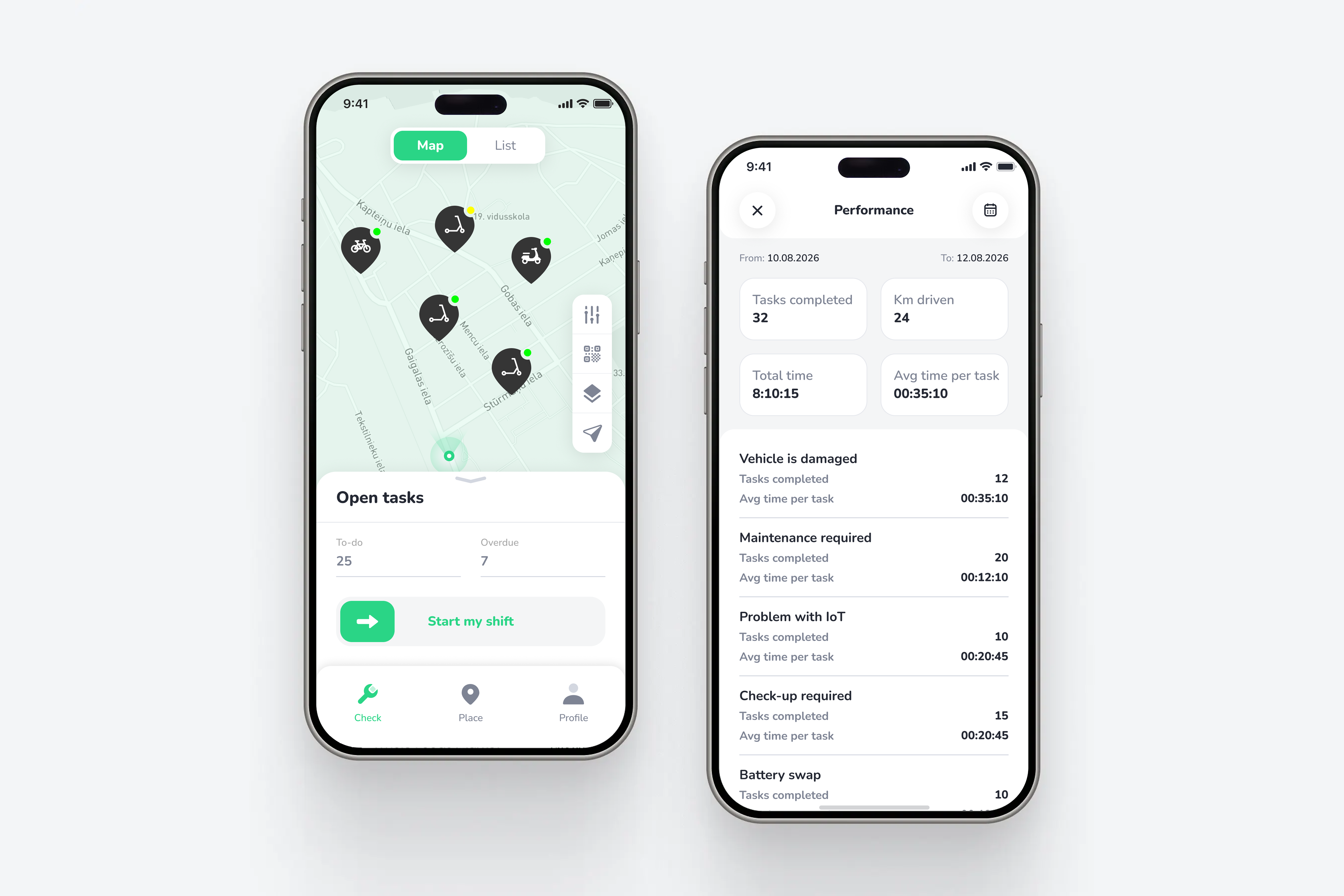
لقد أضفنا أيضاً:
معاً، تحول هذه التحديثات ATOM Task Manager من مجرد أداة لتوزيع المهام إلى نظام أكثر تكاملاً لأداء وتحسين العمليات الميدانية. يحصل المشغلون على سير عمل أوضح ورؤية أفضل لأدائهم الشخصي، بينما يحصل المديرون على البيانات التي يحتاجونها لفهم كيفية سير عملياتهم الميدانية فعلياً وتحديد مجالات تحسين الكفاءة.
الوظائف الجديدة متاحة لوحدات مشاركة المركبات و التأجير الرقمي في ATOM Mobility.
👉 اقرأ المزيد عن آخر تحديثات منصتنا:
https://www.atommobility.com/atomupdates
استخدم بيانات اعتماد الاختبار لتسجيل الدخول - رقم الهاتف: +1 123123123، الكود: 777777


بيانات اعتماد الإصدار التجريبي من تطبيق Driver - البريد الإلكتروني: test@atom.com، كلمة المرور: برنامج التشغيل