تأجير السيارات التقليدي عبر التطبيق - إنه هنا
25/4/2022
الحد الأدنى للقراءة


على الرغم من أن جيل الشباب يستخدم تكنولوجيا الهاتف المحمول في كل شيء، إلا أن معظم شركات تأجير السيارات لا تزال تعمل بنفس الطريقة التي كانت تعمل بها قبل 20 عامًا - هناك عدادات وموظفون سيصدرون المفاتيح ويوقعون الأوراق ويتحققون من المستندات ويعالجون الدفع ثم يتجولون في السيارة مع الشخص الذي يستأجر للتأكد من أنهم على وفاق تام فيما يتعلق بالأضرار الحالية. تستغرق هذه العملية وقتًا طويلاً، وعندما تصل الرحلة، تكون أكشاك تأجير السيارات في طوابير تصل إلى البوابات.
ومع ذلك، فقد أدخلت بعض شركات تأجير السيارات بالفعل تجربة تشغيل الهاتف المحمول أولاً المؤتمتة بالكامل للتخلص من المشكلات التي يواجهها النهج التقليدي. إذا كنت تدير شركة لتأجير السيارات، فستكتشف الحل أدناه.

أوضح المثال السابق نقاط الألم في تأجير السيارات في المطار. لا تتمتع معظم شركات تأجير السيارات داخل المدينة بهذا النوع من ساعات الذروة التي تتمتع بها فروع المطار. حتى أن بعض شركات تأجير السيارات قامت بإعداد نظام حجز كامل عبر الإنترنت يسمح لك بحجز السيارة والتحقق من هويتك والدفع مقدمًا ثم الانتظار حتى يقوم الموظف بإحضار السيارة إلى عتبة داركم.
ومع ذلك، حتى في السيناريو المذكور أعلاه، هناك نفس الأشخاص الذين يعملون وراء الكواليس لتحقيق كل هذا. الفرق هو أنهم لا يجلسون في المقصورة ويتواصلون مع العميل وجهًا لوجه. إنهم يجلسون في المكتب ويتعاملون مع كل ذلك عن بُعد. وعندما يتم تسليم السيارة، تظل عمليات التسليم شخصية.
في حين أن التجربة الكاملة عبر الإنترنت تحل بعض المشكلات التي يواجهها نموذج تأجير السيارات التقليدي، فهل هذه حقًا هي الطريقة التي يريد الناس بها استئجار السيارات؟ بينما تتحسن تصميمات مواقع الويب وواجهات المستخدم كل يوم، لا تزال عمليات التنقل والحجز في كثير من الأحيان تجارب مؤلمة للمستخدمين.
يتطلب الأمر الكثير من الموارد لإنشاء نظام حجز متوافق مع الجوّال قائم على المتصفح، مثل AirBnB أو Booking.com. ومع ذلك، إذا كنت تستخدم هاتفًا عند تصفح موقعهم، فحتى أنهم يوجهونك بشكل طبيعي لتنزيل تطبيقهم للحصول على تجربة مستخدم أفضل.
يدير جيل الشباب جميع مهامهم اليومية من هواتفهم، لذلك بطبيعة الحال، سيفعلون الشيء نفسه عند استئجار سيارتهم. وسيكون من الأفضل إذا لم يضطروا إلى رؤية إنسان آخر في عملية الحصول على سيارتهم وإعادتها - ألا يبدو ذلك مألوفًا ويشبه تمامًا نموذج تسجيل الوصول الذاتي القياسي لشركة AirBnB؟
إذا كانت التطبيقات تقدم تجربة مستخدم أفضل على الهاتف المحمول، فلماذا لا تسمح لعملائك باستئجار السيارات عبر تطبيق الهاتف المحمول الخاص بك؟
تكاليف التطوير - حتى الآن كانت العقبة الرئيسية هي حقيقة أن شركات تأجير السيارات لا تريد أن تصبح مطوري برامج، وتوظيف شركة لبناء التطبيقات التي تعمل بالفعل سيكون مكلفًا للغاية لتحقيق عائد على الاستثمار في المستقبل القريب. لهذا السبب سيكون من الأسهل التمسك بالوضع الراهن.
القيود الفنية - سبب آخر لعدم تحول التطبيقات إلى وسيلة شائعة لتأجير السيارات هو أن التطبيقات بها قيود فنية، ولا يزال التفاعل البشري مطلوبًا لإصدار المفاتيح وتوقيع المستندات والتأكد من أن السيارة في حالة جيدة عند إرجاعها.
نرى اتجاهًا كبيرًا في استخدام التطبيقات لمشاركة السيارات عند الطلب، وهو نموذج عمل مختلف تمامًا. نظرًا لأن صناعة مشاركة السيارات صغيرة نسبيًا، فإن الشركات ليست مقيدة بالبيروقراطية والإجراءات التي تواجهها شركات تأجير السيارات التقليدية. في حين أن تطبيقات مشاركة السيارات قد تأخذ أعمال الرحلات القصيرة بعيدًا عن تأجير السيارات التقليدية، إلا أنها لن تهدد أكل عيشها في الوقت الحالي.
كيف يمكن لشركة تأجير سيارات تقليدية أن تدخل القرن الحادي والعشرين وأتمتة عملية التأجير بأكملها دون إنفاق ثروة على تطوير التطبيقات مع التأكد من الاستمرار في الاستفادة من إجراءات التشغيل القياسية وممارسات إدارة المخاطر الحالية؟
مع مجموعة التكنولوجيا المناسبة التي لا تكلف مبلغًا كبيرًا - https://atommobility.com/products-rent
تقدم ATOM Mobility العلامة البيضاء حلول برمجية لصناعة التنقل منذ عام 2019. مع وجود عملاء في أكثر من 40 دولة و 140 مدينة حول العالم، ستكون أي شركة لتأجير السيارات في شركة جيدة.
تدفق مثالي لتأجير السيارات - مع ATOM Mobility، ستحصل شركة تأجير السيارات على تطبيقاتها الخاصة لنظامي IOS و Android، حيث سيخوض المستخدمون الرحلة التالية (المبسطة):
قم بتنزيل التطبيق والتسجيل.
قم بتحميل رخصة قيادة سيتم التحقق منها بواسطة الذكاء الاصطناعي (AI).
اختر التواريخ والموقع والطراز.
ادفع مقدمًا.
افتح السيارة باستخدام التطبيق.
استمتع بالسيارة المستأجرة.
قم بالعودة وإكمال فحص التسليم القياسي أثناء التجول في السيارة والذي يتم تشغيله بواسطة فوكالكس يتعرف تلقائيًا على أي خدوش ويبلغ عنها.
تتم العملية بأكملها تلقائيًا، وستكون المعلومات الخاصة بكل معاملة تأجير متاحة في الواجهة الخلفية لشركات تأجير السيارات.
تُعد الحرية التي يوفرها هذا التدفق الجديد الذي يعطي الأولوية للأجهزة المحمولة لكل من المستخدمين وشركات التأجير مثالًا رائعًا على الكيفية التي يمكن أن تساعد بها التكنولوجيا في تقديم خدمة أفضل. يعد فتح موقع جديد أمرًا بسيطًا مثل قيادة السيارات إلى موقف سيارات جديد.
إذا كنت تدير شركة لتأجير السيارات، فسيسعدنا الدردشة - https://atommobility.com/demo
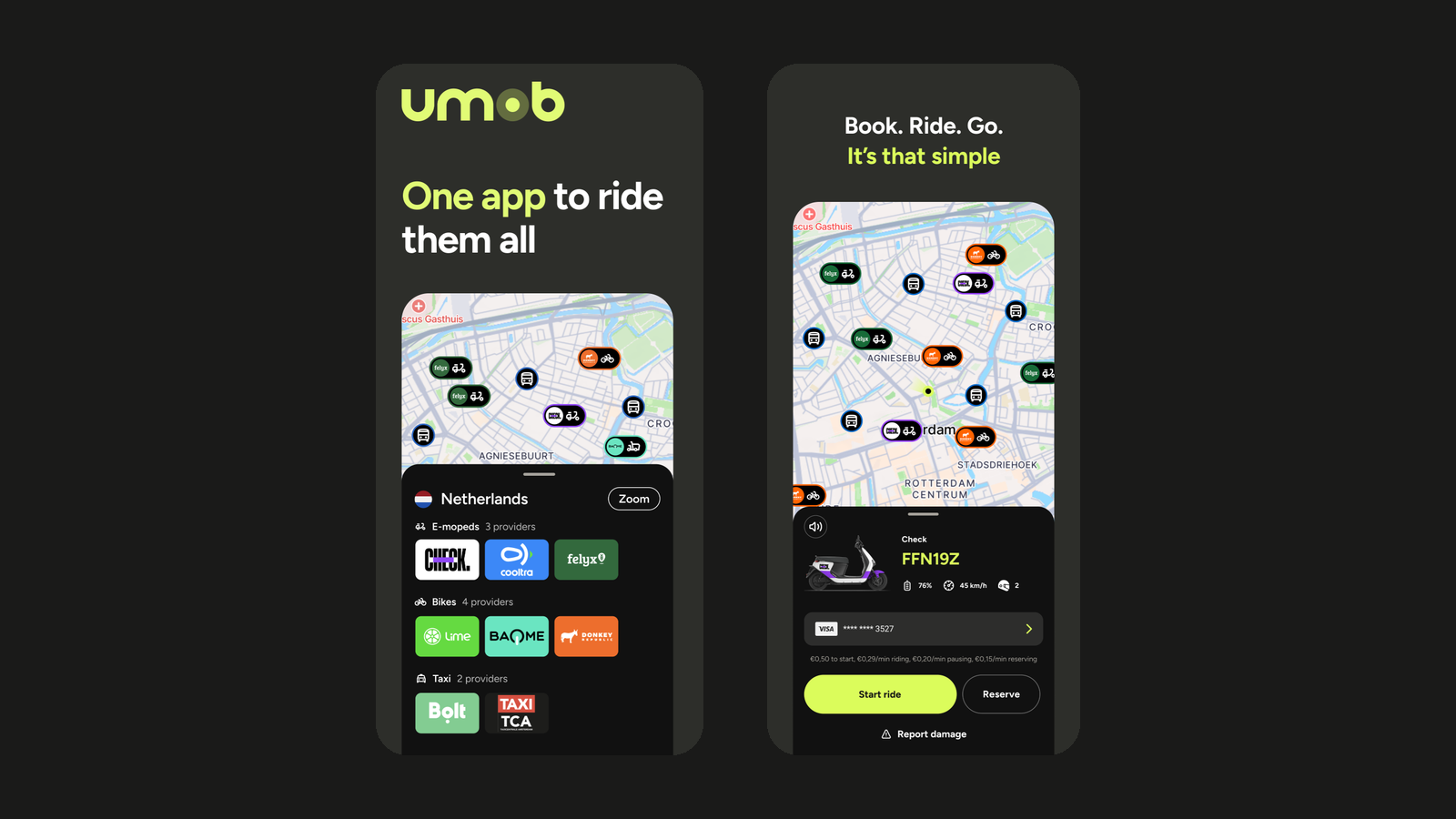
🌍 يمكنك الوصول إلى المزيد من الركاب مع ATOM Mobility وUmob. يمنح هذا التكامل مشغلي التنقل المشترك قناة توزيع إضافية، مما يساعد في جذب عملاء جدد، وزيادة الحجوزات، وتحسين معدلات استخدام الأسطول.
مستقبل التنقل لا يقتصر فقط على تشغيل المركبات، بل يتعلق بابتكار رحلات مريحة تجمع بين خيارات النقل المختلفة في تجربة مستخدم واحدة بسيطة.
ولهذا السبب يسعدنا تسليط الضوء على شراكتنا مع Umob، مما يساعد مشغلي التنقل على توسيع نطاق وصولهم وأن يصبحوا جزءاً من منظومة تنقل متعددة الوسائط متنامية.
سواء كنت تدير سيارات أو سكوترات أو دراجات هوائية أو دراجات نارية مشتركة عبر منصة ATOM Mobility، فإن التكامل مع Umob يجعل خدمتك متاحة لـ آلاف مستخدمي Umob الباحثين عن وسيلة تنقل مريحة.
يتوقع مستخدمو اليوم مرونة عالية؛ فهم لا يفكرون في مزودي خدمات التنقل بشكل منفصل، بل يريدون ببساطة أسرع وأسهل وأكثر الطرق ملاءمة للانتقال من النقطة (أ) إلى النقطة (ب).
تجمع Umob بين مختلف مزودي خدمات التنقل وخيارات النقل في تطبيق واحد. يمكن للمستخدمين العثور على خيارات التنقل المختلفة ومقارنتها وحجزها والدفع مقابلها دون الحاجة إلى تنزيل تطبيق منفصل أو إنشاء حساب جديد لكل مزود خدمة.
من خلال ربط أسطولك بـ Umob، يمكن للمشغلين:
بالنسبة لعملاء ATOM Mobility، صُمم هذا التكامل لتوفير طريقة مباشرة لفتح فرص توزيع جديدة مع الاستمرار في إدارة عملياتهم الأساسية من خلال منصة ATOM Mobility.
من خلال منصة ATOM Mobility، يمكن للمشغلين المشاركين ربط أساطيلهم بـ Umob، مما يتيح للمستخدمين اكتشاف المركبات المتاحة واستخدامها مباشرة عبر تطبيق Umob.
بمجرد الربط، ستظهر مركبات المشغلين المشاركين في Umob إلى جانب خيارات التنقل الأخرى المتاحة، مما يمنح المستخدمين نظرة عامة واضحة على الطرق المختلفة التي يمكنهم من خلالها الانتقال من النقطة (أ) إلى النقطة (ب).
يمكن للمستخدمين العثور على مركبة متاحة، وحجزها وفتح قفلها، وبدء رحلتهم وإنهائها، والدفع مباشرة من خلال تطبيق Umob.
صُمم هذا التكامل لدعم:
يواصل المشغلون إدارة أساطيلهم، وتسعيرهم، ومناطق الخدمة، والعمليات اليومية من خلال منصة ATOM Mobility، بينما توفر Umob قناة إضافية يمكن للمستخدمين من خلالها العثور على المركبات والوصول إليها.
بالنسبة لمشغلي التنقل، يتيح الربط مع Umob قناة توزيع إضافية دون تغيير الطريقة التي يديرون بها عملياتهم اليومية عبر ATOM Mobility.
من خلال إتاحة المركبات لآلاف مستخدمي Umob، يمكن للمشغلين زيادة ظهورهم في اللحظة التي يبحث فيها الأشخاص بنشاط عن وسيلة تنقل. وهذا يخلق إمكانية لجذب مستخدمين جدد، وتحقيق المزيد من الحجوزات، وتحسين معدل استخدام الأسطول بمرور الوقت.
يختلف كل سوق عن الآخر، لكن العديد من المشغلين يرون في شراكات "التنقل كخدمة" (MaaS) جزءاً مهماً من استراتيجية نموهم طويلة الأمد.
أحد أوائل مشغلي ATOM Mobility الذين انطلقوا من خلال تكامل Umob هو ZEUS Mobility، وهو مزود أوروبي طموح لخدمات مشاركة السكوتر الكهربائي، يركز بقوة على الابتكار، ويتبنى نهجاً ديناميكياً، ويسعى لمنافسة اللاعبين الراسخين في السوق.
ومن المناسب أن الشراكة بحد ذاتها بدأت من خلال شبكة ATOM Mobility.
التقت ZEUS وUmob لأول مرة في فعالية ATOM Mobility في ريغا. وعلى الرغم من أن التعارف الأولي حدث أثناء الفعالية، إلا أن المحادثة الجدية بدأت فعلياً خلال جلسة غير رسمية في وقت لاحق من ذلك المساء.
كانت ZEUS قد صادفت علامة Umob التجارية على مركبات التنقل أثناء السفر، وقد أُعجبت بالنهج المهني الذي تتبعه الشركة. وسرعان ما تحول ذلك التعرف إلى محادثة حول كيفية تعزيز الشركتين لعروضهما من خلال العمل معاً.
ومن هناك، تقدمت عملية التكامل بسرعة. وتصف ZEUS عملية الإعداد والتكامل حتى الآن بأنها "نظيفة واحترافية وسلسة."
بالنسبة لشركة ZEUS، تمثل هذه الشراكة فرصة لتعزيز حضور علامتها التجارية، والوصول إلى عملاء جدد، ودعم طموحاتها التوسعية في أوروبا.
عقب استحواذها على Superpedestrian في مايو 2026، تتطلع ZEUS إلى تسريع وتيرة نموها خلال عامي 2026 و2027، وتعد شراكتها مع Umob جزءاً من هذا الطموح.
"نحن في ZEUS سعداء للغاية بالشراكة مع Umob في الأسواق الأوروبية. فبعد استحواذنا على Superpedestrian في مايو 2026، نسعى في ZEUS إلى تحقيق نمو سريع خلال عامي 2026 و2027. ستساعدنا هذه الشراكة في دفع عجلة هذا النمو والوصول إلى عملاء جدد في أسواق جديدة. نتطلع إلى شراكة مثمرة." - داميان يونغ، ZEUS Mobility
تطبيق واحد لكل تنقلاتك. Umob هي منصة تنقل شاملة تجمع بين مختلف مزودي خدمات التنقل وخيارات النقل في تطبيق واحد.
يمكن للمستخدمين العثور على الدراجات المشتركة، والدراجات الكهربائية، والسكوتر، والدراجات النارية، ووسائل النقل العام، وسيارات الأجرة، وغيرها من خيارات التنقل المتاحة، ومقارنتها وحجزها والدفع مقابلها من خلال حساب واحد وتجربة دفع موحدة. فبدلاً من تنزيل تطبيق منفصل والتسجيل فيه لكل مزود خدمة أو في كل مدينة جديدة، يمكن للمستخدمين فتح تطبيق Umob والاطلاع على خيارات التنقل المتاحة من حولهم.
تتوفر Umob اليوم في أكثر من 28 دولة و300 مدينة، مما يتيح لآلاف المستخدمين طريقة أسهل للوصول إلى مختلف وسائل التنقل سواء في مدنهم أو أثناء السفر.
حقائق رئيسية
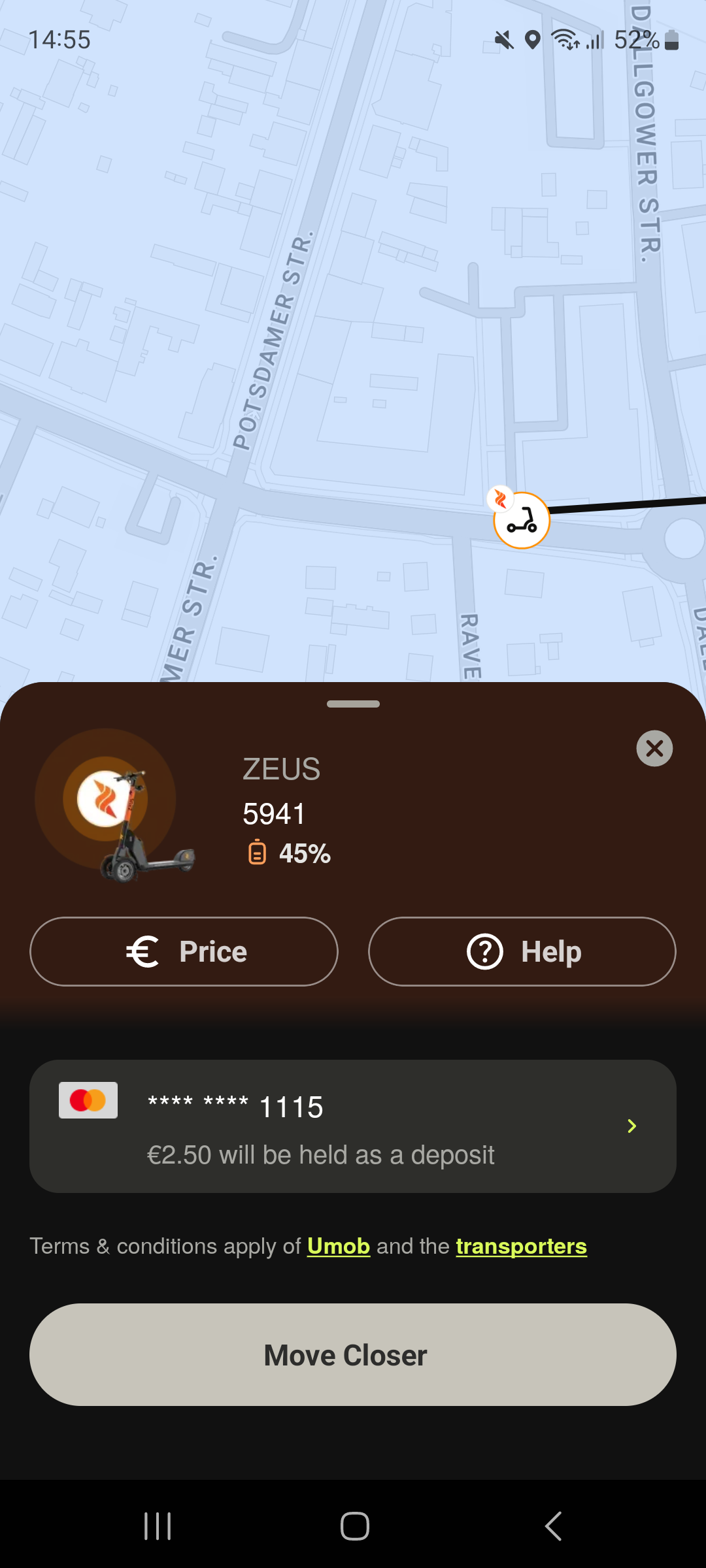
إذا كنت تدير بالفعل خدمة التنقل المشترك الخاصة بك على منصة ATOM Mobility، فإن الربط مع Umob قد يكون الخطوة التالية نحو الوصول إلى المزيد من المستخدمين وأن تصبح جزءاً من منظومة تنقل مترابطة حقاً.
إذا كنت مهتماً بتفعيل هذا التكامل أو معرفة المزيد حول كيفية عمله، تواصل مع فريقنا. نحن نتطلع إلى مساعدة المزيد من المشغلين على التواصل والتعاون وجعل التنقل المستدام أسهل للجميع.
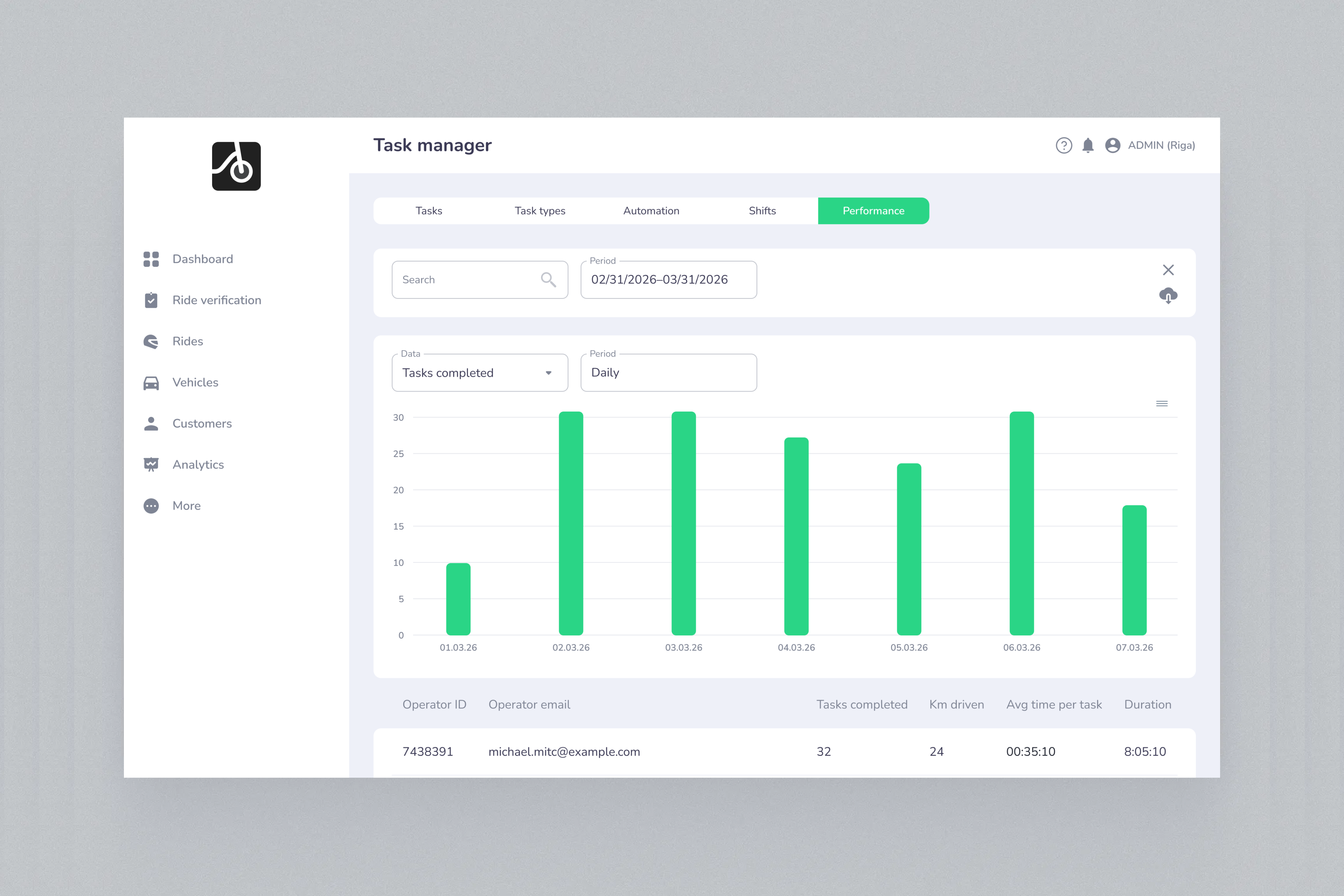
👷📊 يتجاوز مدير مهام ATOM الآن مجرد توزيع المهام بفضل وظائف الورديات وأداء المشغلين الجديدة. تتبع مسارات الورديات، والمسافة المقطوعة، والمهام المنجزة، والوقت المستغرق لكل مهمة، وأداء كل مشغل على حدة، مما يمنح مديري الأساطيل رؤية أوضح بكثير للعمليات الميدانية ومستوى الكفاءة.
لا تقتصر إدارة أسطول كبير للتنقل المشترك أو التأجير على معرفة المهام التي تم إنجازهافحسب، بل تتعلق أيضاً بفهم مدى كفاءة عمل الفرق الميدانية. لقد قمنا بتوسيع مدير مهام ATOM Mobility بشكل كبير بإضافة وظائف الورديات والأداء، مما يمنح مديري الأساطيل رؤية أفضل بكثير لنشاط المشغلين، وعبء العمل، والمسارات، ومستوى الأداء.
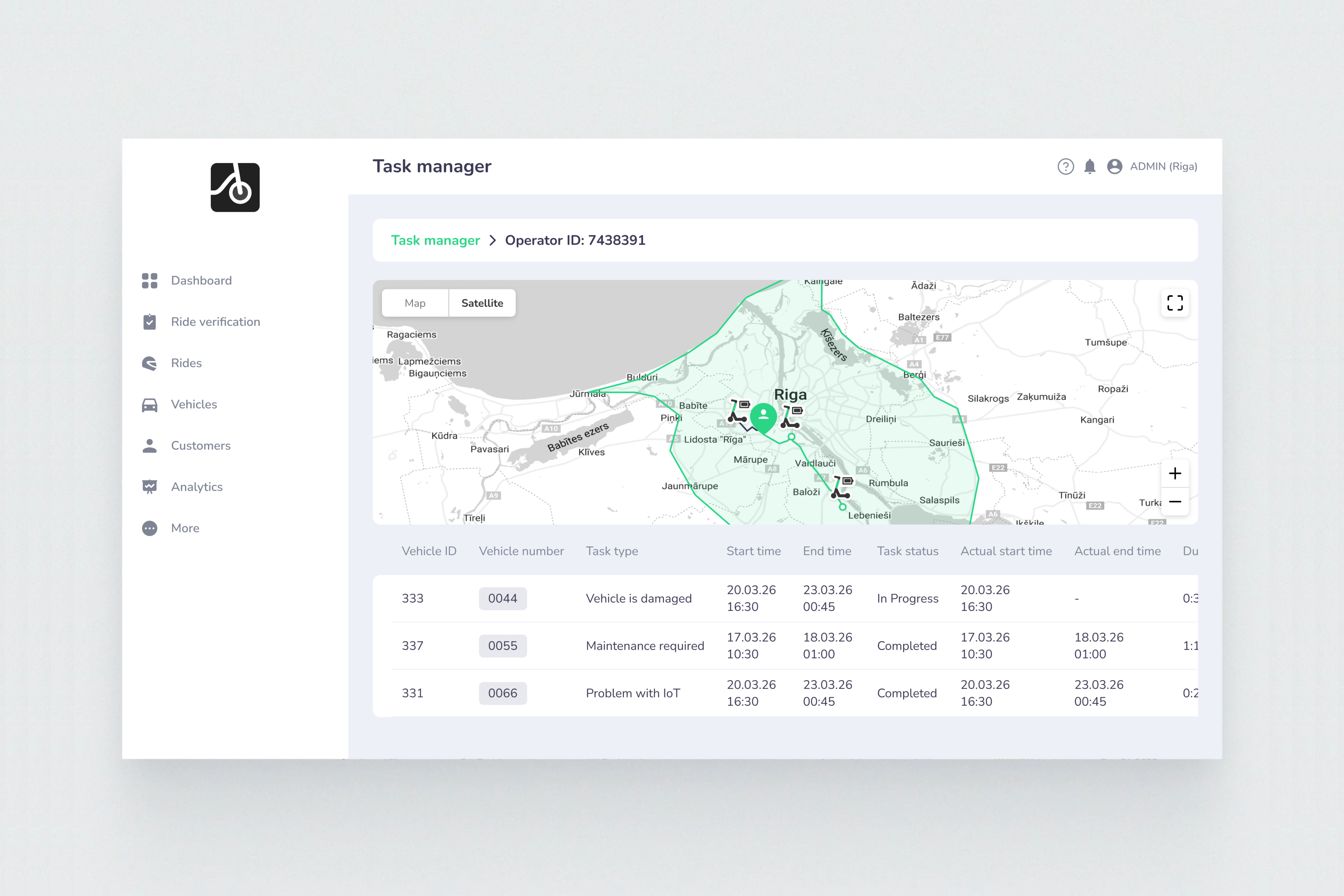
تمنحك علامة التبويب الورديات الجديدة للمديرين نظرة عامة مركزية على جميع ورديات المشغلين، بما في ذلك:
يمكن للمديرين فتح أي وردية فردية للاطلاع على الصورة التشغيلية الكاملة. فلكل مهمة، يمكنك رؤية المركبة، ونوع المهمة، ووقت البدء المخطط له والموعد النهائي، وأوقات البدء والانتهاء الفعلية، والحالة، والمدة الإجمالية للمهمة.
تتضمن كل وردية أيضاً خريطة توضح حركة المشغل الكاملة أثناء الوردية والمواقع التي تم تنفيذ المهام الفردية فيهابالنسبة للنوبات الجارية حالياً، يمكن للمديرين أيضاً الاطلاع على الموقع الحالي للمشغل.
وهذا يسهل كثيراً فهم المسار الفعلي، وحجم العمل، والقرارات المتخذة خلال كل نوبة، بالإضافة إلى تحديد فرص تحسين كيفية إدارة فرق العمل الميدانية لصيانة الأسطول وعملياته.
علامة التبويب الأداء الجديدة تجمع النتائج التشغيلية لكل مشغل خلال فترة زمنية محددة.
يمكن للمديرين تتبع:
بدلاً من مراجعة مئات المهام الفردية، يمكن للمديرين مقارنة المشغلين بسرعة، وتحديد أصحاب الأداء المتميز، ورصد المجالات التي قد تحتاج إلى تدريب إضافي أو تحسينات تشغيلية.
لجعل بيانات الأداء دقيقة ومفيدة، قدمنا أيضاً سير عمل جديد للنوبات والمهام في تطبيق ATOM للمشغلين. يبدأ المشغلون الآن نوبات عملهم وينهونها مباشرة من خلال التطبيق، بينما يتم تسجيل أوقات بدء المهام الفردية وإتمامها تلقائياً.
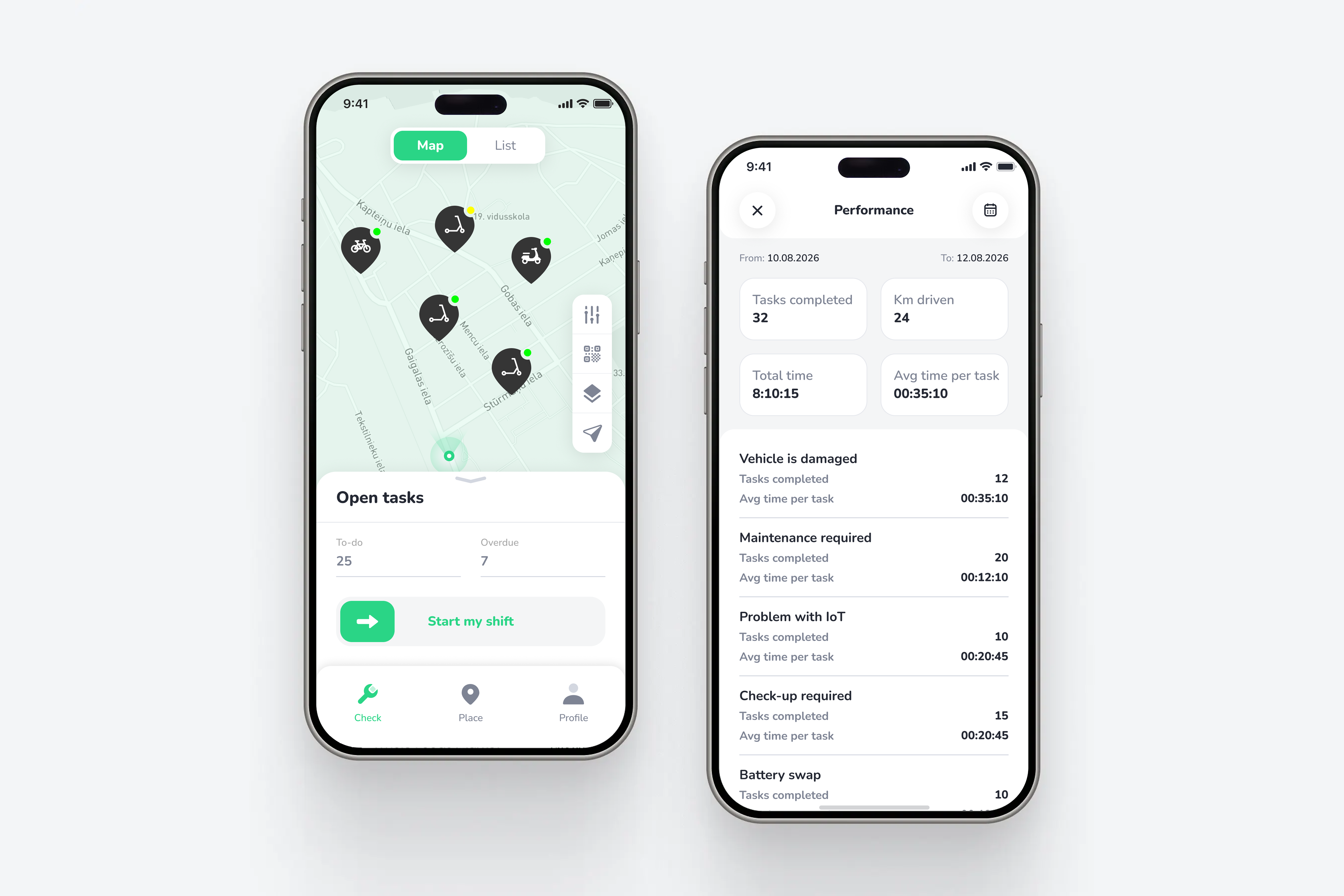
لقد أضفنا أيضاً:
معاً، تحول هذه التحديثات ATOM Task Manager من مجرد أداة لتوزيع المهام إلى نظام أكثر تكاملاً لأداء وتحسين العمليات الميدانية. يحصل المشغلون على سير عمل أوضح ورؤية أفضل لأدائهم الشخصي، بينما يحصل المديرون على البيانات التي يحتاجونها لفهم كيفية سير عملياتهم الميدانية فعلياً وتحديد مجالات تحسين الكفاءة.
الوظائف الجديدة متاحة لوحدات مشاركة المركبات و التأجير الرقمي في ATOM Mobility.
👉 اقرأ المزيد عن آخر تحديثات منصتنا:
https://www.atommobility.com/atomupdates
استخدم بيانات اعتماد الاختبار لتسجيل الدخول - رقم الهاتف: +1 123123123، الكود: 777777


بيانات اعتماد الإصدار التجريبي من تطبيق Driver - البريد الإلكتروني: test@atom.com، كلمة المرور: برنامج التشغيل