التمويل الجماعي لنشاطك التجاري في مجال مشاركة المركبات - ما هي الخيارات وكيفية البدء
18/7/2022
الحد الأدنى للقراءة


نادرًا ما يكون امتلاك فكرة عمل رائعة كافيًا - فأنت بحاجة أيضًا إلى المال للمبادرة. ولكن ماذا لو لم يكن لديك عشرات الآلاف فقط لبدء عملك؟ أو لا ترغب في اتباع الطريقة التقليدية وجذب تمويل VC مقابل عدد كبير من أسهم الشركة؟
هذا هو المكان الذي يختار فيه العديد من المؤسسين التمويل الجماعي.
التمويل الجماعي هو وسيلة لجمع الأموال لعملك من عدد كبير من الأشخاص من خلال منصات الإنترنت. في عام 2000، أصبحت ArtistShare أول منصة مخصصة للتمويل الجماعي، ومنذ ذلك الحين، أصبح التمويل الجماعي أحد أهم مصادر التمويل للشركات، مع السوق العالمية من المتوقع أن تصل 300 مليار دولار بحلول عام 2030.
إذا كنت تتطلع إلى تمويل نشاطك التجاري في مجال مشاركة المركبات، فقد يكون التمويل الجماعي أحد الخيارات. لا يمكن أن يساعدك فقط في جذب الأموال ولكن أيضًا اختبار فكرة عملك في المقام الأول. في النهاية، إذا كان هناك عدد كافٍ من الأشخاص المستعدين لدعم فكرتك، فهذه علامة واضحة على أن لها مكانًا في السوق.

لقطة شاشة من منصة التمويل الجماعي www.funderbeam.com.
بالنسبة لنشاطك التجاري في مجال مشاركة المركبات، هناك ثلاثة أنواع رئيسية من التمويل الجماعي يجب وضعها في الاعتبار - المكافآت والديون والأسهم. دعونا نلقي نظرة فاحصة على كل منها!
يعتبر هذا النوع «التقليدي» من التمويل الجماعي وهو الأكثر شيوعًا حاليًا. الفكرة بسيطة - يساهم الأشخاص في فكرة العمل، ويتوقعون الحصول على مكافأة، مثل المنتجات أو الخدمات، في مرحلة لاحقة.
منصات للتمويل الجماعي القائم على المكافآت (بعض الأمثلة):
من هم الداعمون؟
الأشخاص العاديون الذين لديهم خبرة قليلة أو معدومة في الاستثمار؛ المتبنون الأوائل - الأشخاص الذين يتبنون أشياء جديدة قبل معظم الآخرين. بشكل عام، يستثمر هؤلاء الأشخاص لأنهم يؤمنون حقًا بالفكرة ويريدون مساعدتها على الظهور، وكذلك لأنهم يريدون فقط أن يكونوا أول من يحصل على المنتج في العالم.
الأفضل لـ:
الأعمال في المراحل المبكرة - الفكرة أو التطوير المبكر. التمويل الجماعي للمكافآت مخصص أيضًا للشركات القائمة التي تتطلع إلى إطلاق منتج جديد أو التوسع في أسواق جديدة.
التمويل الجماعي القائم على الديون - المعروف أيضًا باسم الإقراض من نظير إلى نظير (P2P) - يعني أن الجمهور يقرض المال لشركة ما، والتي تحتاج إلى سدادها بفائدة بحلول موعد نهائي معين. تشبه الفكرة اقتراض قرض من أحد البنوك، باستثناء أنه في هذه الحالة، هناك العديد من المقرضين بدلاً من واحد.
منصات للتمويل الجماعي القائم على الديون (بعض الأمثلة):
من هم المقرضون؟
المقرضون الذين يدعمون الشركات من خلال التمويل الجماعي القائم على الديون هم مستثمرون فرديون يتطلعون إلى تحقيق ربح أعلى من مدخراتهم النقدية و/أو تنويع محفظتهم. يهتم هؤلاء المستثمرون بشيئين - ما إذا كانت الشركة ستتمكن من سداد القرض والمبلغ الذي سيكسبونه من مدفوعات الفائدة. كل شيء آخر ثانوي.
الأفضل لـ:
الشركات ذات الإيرادات المستقرة التي يمكنها التنبؤ بدقة إلى حد ما بتدفقاتها النقدية لسداد مقرضيها. بشكل عام، هذا للشركات في مراحل مختلفة عندما تبدأ في جني الأرباح.
يسمح التمويل الجماعي القائم على الأسهم للشركات بالتخلي عن جزء من شركتها لعدد من المستثمرين مقابل الاستثمار. يتلقى المستثمرون أسهمًا في الشركة بناءً على مقدار الأموال التي ساهموا بها.
عادةً ما يتم التمويل الجماعي القائم على الأسهم بطريقة تؤدي أولاً إلى قيام منصة التمويل الجماعي بأخذ أسهم الشركة، ثم بيع الأسهم على منصتها.
منصات للتمويل الجماعي القائم على الأسهم (بعض الأمثلة):
من هم المستثمرون؟
عادةً ما يكون هؤلاء مستثمرون متمرسون جدًا لديهم خبرة في الأسهم و/أو استثمارات الشركات الناشئة الذين يبحثون الآن عن استثمارات عالية المخاطر وذات عائد أعلى. قد يكون هؤلاء الأشخاص أقل اهتمامًا بالفكرة أو السبب وراء الشركة وأكثر في نموها المستقبلي المحتمل وأرباحها.
الأفضل لـ:
الشركات في جميع مراحل النمو، باستثناء مرحلة الخروج/الاستحواذ.
يمكن أن يختلف مقدار ما تجنيه حملة التمويل الجماعي الناجحة اختلافًا كبيرًا اعتمادًا على مرحلة نشاطك التجاري ونوع التمويل الجماعي الذي اخترته.
على سبيل المثال، وفقًا لمنصة التمويل الجماعي القائمة على الأسهم بذاراتعادةً ما تجمع الشركات التي لديها MVPs ما بين 30 ألف يورو و 50 ألف يورو، في حين أن الشركات في المراحل المبكرة - بين 50 ألف يورو و 250 ألف يورو.
في غضون ذلك، في كيك ستارتر، منصة التمويل الجماعي القائمة على المكافآت، تجمع غالبية المشاريع الممولة بنجاح أقل من 10 آلاف دولار. عادةً ما تجمع المنتجات التقنية ما بين 20 ألف يورو و 100 ألف يورو.
ماذا عن شركات مشاركة المركبات؟ فيما يلي مثالان ناجحان:
لبدء نشاط تجاري لمشاركة الدراجات أو الدراجات البخارية مع 40 مركبة، يجب أن تهدف إلى الحصول على 40 ألف يورو على الأقل. يمكن القيام بذلك مع جميع أنواع نماذج التمويل الجماعي إذا تم ذلك بشكل صحيح.
الآن، دعونا نرى ما تعنيه كلمة «صحيح» وكيفية جعل حملة التمويل الجماعي الخاصة بك ناجحة.
يمكن أن تساعدك حملة التمويل الجماعي الناجحة على استقرار نشاطك التجاري وجمع أموال أكثر مما كنت تتوقع. لكن الواقع القاسي هو: ما يصل إلى 85% من حملات التمويل الجماعي تفشل ولا تصل أبدًا إلى هدفها المحدد.
لزيادة فرصك في حملة تمويل جماعي ناجحة، إليك قائمة المهام الأساسية الخاصة بك:
يعتمد هذا على هدف التمويل الخاص بك، ومرحلة عملك، ونوع منتجك، وحتى السوق المستهدف. على سبيل المثال، AppBackr عبارة عن منصة تمويل جماعي خاصة بالتطبيق، StartNext مخصصة لمنتجات السوق الألمانية، في حين أن Kickstarter متاح فقط لمنشئي المحتوى في 25 دولة.
يمكن أن يختلف الأشخاص الذين يدعمون المشاريع على Kickstarter مقابل Funderbeam اختلافًا كبيرًا. على سبيل المثال، في Kickstarter، يهتم الناس أكثر بـ «روعة» المنتج، في حين أن المستثمرين الذين يمولون الشركات عبر منصات التمويل الجماعي القائمة على الديون أو الأسهم يهتمون أكثر بالنمو المتوقع للشركة والتدفق النقدي، والأموال التي سيجنيها هذا الاستثمار. ضع ذلك في الاعتبار عند صياغة العرض التقديمي الخاص بك!
أحد الأسرار الرئيسية لإطلاق حملة تمويل جماعي ناجحة هو الاستثمار بكثافة في توليد العملاء المحتملين قبل الحملة. ابدأ في بناء مجتمع وقائمة بريد إلكتروني بالمؤيدين في أقرب وقت ممكن - سيعطي هؤلاء الأشخاص حملتك الدفعة الأولى اللازمة لتحقيق النجاح. يجب أن تهدف إلى جمع 30٪ من هدف التمويل الخاص بك خلال الأسبوع الأول - ثم من المرجح أن تصل الحملة إلى الهدف.
رواية القصص الجيدة هي مفتاح نجاح حملتك، بغض النظر عن هوية المستثمرين. ومع ذلك، تختلف القصص التي يريدون سماعها. بالنسبة للحملة القائمة على المكافآت، قم بصياغة قصة حول منتجك تثير المشاعر - اجعل الناس يضحكون، أو ساعدهم على تخيل أنفسهم مع منتجك، أو كن غاضبًا من المشكلة التي سيحلها. بالنسبة للحملة القائمة على الأسهم، يجب أن تركز أكثر على إبراز نقاط قوة فريقك ومعرفته بالسوق والرؤية طويلة المدى.
بصرف النظر عن خيار شراء منتجك، يوصى بتضمين بعض الخيارات ذات الأسعار المنخفضة للأشخاص الذين يرغبون فقط في دعمك. على سبيل المثال:
تشمل الأشياء الأخرى التي يمكن أن تساعدك في إطلاق حملة تمويل جماعي ناجحة ما يلي:
أحد أكبر الأخطاء التي يرتكبها المؤسسون هو افتراض أنه يكفي إطلاق حملتهم على منصة التمويل الجماعي المختارة، وسيأتي الناس ويستثمرون فيها.
لكن الحقيقة هي:
تتطلب الحملة الناجحة الكثير من العمل خارج منصة التمويل الجماعي - تحتاج إلى البحث بشكل استباقي ومنهجي عن المؤيدين وإقناعهم بالاستثمار. لذلك، لتحسين فرصك في النجاح، ابدأ التحضير قبل أشهر من إطلاق الحملة.
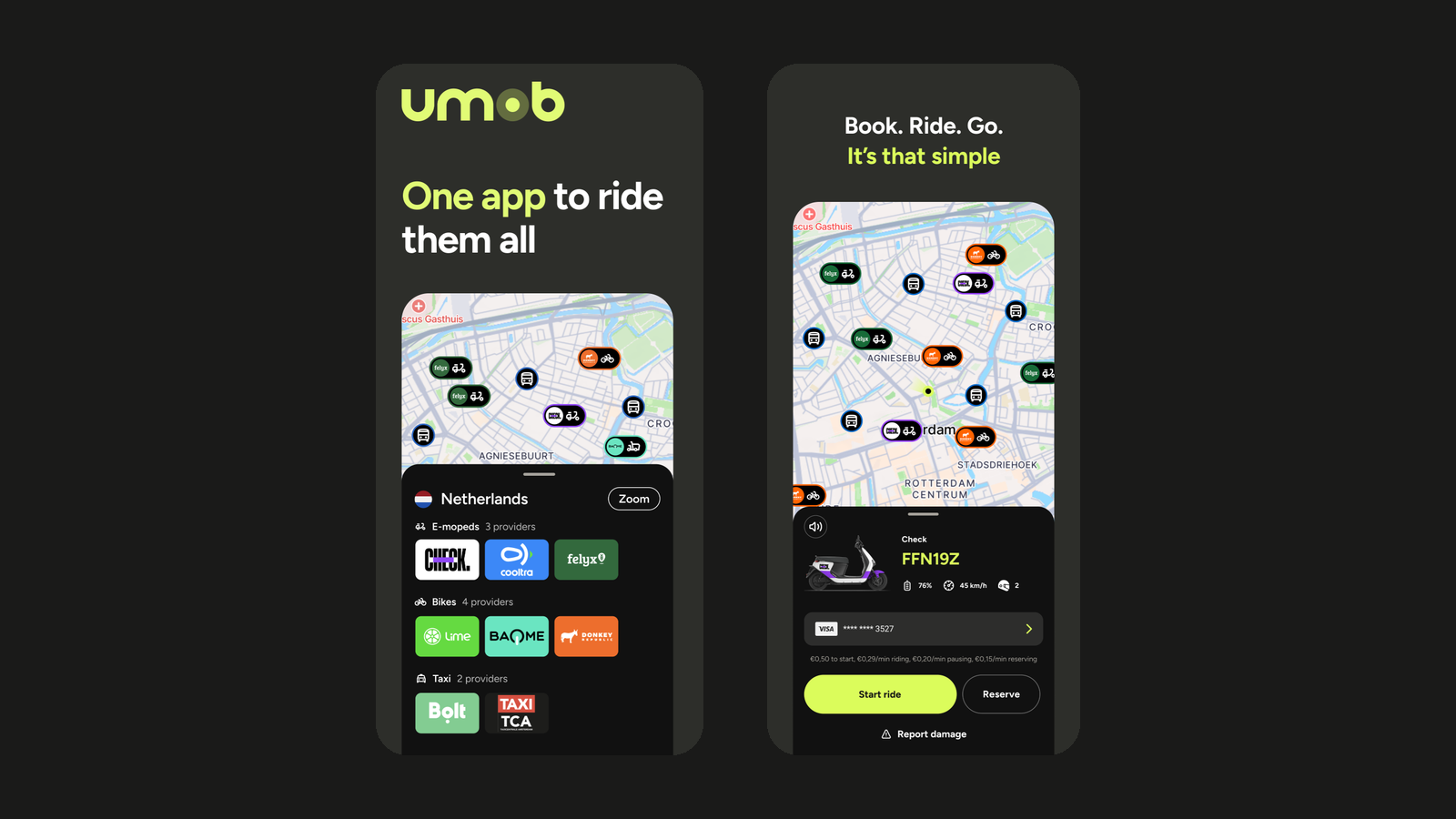
🌍 يمكنك الوصول إلى المزيد من الركاب مع ATOM Mobility وUmob. يمنح هذا التكامل مشغلي التنقل المشترك قناة توزيع إضافية، مما يساعد في جذب عملاء جدد، وزيادة الحجوزات، وتحسين معدلات استخدام الأسطول.
مستقبل التنقل لا يقتصر فقط على تشغيل المركبات، بل يتعلق بابتكار رحلات مريحة تجمع بين خيارات النقل المختلفة في تجربة مستخدم واحدة بسيطة.
ولهذا السبب يسعدنا تسليط الضوء على شراكتنا مع Umob، مما يساعد مشغلي التنقل على توسيع نطاق وصولهم وأن يصبحوا جزءاً من منظومة تنقل متعددة الوسائط متنامية.
سواء كنت تدير سيارات أو سكوترات أو دراجات هوائية أو دراجات نارية مشتركة عبر منصة ATOM Mobility، فإن التكامل مع Umob يجعل خدمتك متاحة لـ آلاف مستخدمي Umob الباحثين عن وسيلة تنقل مريحة.
يتوقع مستخدمو اليوم مرونة عالية؛ فهم لا يفكرون في مزودي خدمات التنقل بشكل منفصل، بل يريدون ببساطة أسرع وأسهل وأكثر الطرق ملاءمة للانتقال من النقطة (أ) إلى النقطة (ب).
تجمع Umob بين مختلف مزودي خدمات التنقل وخيارات النقل في تطبيق واحد. يمكن للمستخدمين العثور على خيارات التنقل المختلفة ومقارنتها وحجزها والدفع مقابلها دون الحاجة إلى تنزيل تطبيق منفصل أو إنشاء حساب جديد لكل مزود خدمة.
من خلال ربط أسطولك بـ Umob، يمكن للمشغلين:
بالنسبة لعملاء ATOM Mobility، صُمم هذا التكامل لتوفير طريقة مباشرة لفتح فرص توزيع جديدة مع الاستمرار في إدارة عملياتهم الأساسية من خلال منصة ATOM Mobility.
من خلال منصة ATOM Mobility، يمكن للمشغلين المشاركين ربط أساطيلهم بـ Umob، مما يتيح للمستخدمين اكتشاف المركبات المتاحة واستخدامها مباشرة عبر تطبيق Umob.
بمجرد الربط، ستظهر مركبات المشغلين المشاركين في Umob إلى جانب خيارات التنقل الأخرى المتاحة، مما يمنح المستخدمين نظرة عامة واضحة على الطرق المختلفة التي يمكنهم من خلالها الانتقال من النقطة (أ) إلى النقطة (ب).
يمكن للمستخدمين العثور على مركبة متاحة، وحجزها وفتح قفلها، وبدء رحلتهم وإنهائها، والدفع مباشرة من خلال تطبيق Umob.
صُمم هذا التكامل لدعم:
يواصل المشغلون إدارة أساطيلهم، وتسعيرهم، ومناطق الخدمة، والعمليات اليومية من خلال منصة ATOM Mobility، بينما توفر Umob قناة إضافية يمكن للمستخدمين من خلالها العثور على المركبات والوصول إليها.
بالنسبة لمشغلي التنقل، يتيح الربط مع Umob قناة توزيع إضافية دون تغيير الطريقة التي يديرون بها عملياتهم اليومية عبر ATOM Mobility.
من خلال إتاحة المركبات لآلاف مستخدمي Umob، يمكن للمشغلين زيادة ظهورهم في اللحظة التي يبحث فيها الأشخاص بنشاط عن وسيلة تنقل. وهذا يخلق إمكانية لجذب مستخدمين جدد، وتحقيق المزيد من الحجوزات، وتحسين معدل استخدام الأسطول بمرور الوقت.
يختلف كل سوق عن الآخر، لكن العديد من المشغلين يرون في شراكات "التنقل كخدمة" (MaaS) جزءاً مهماً من استراتيجية نموهم طويلة الأمد.
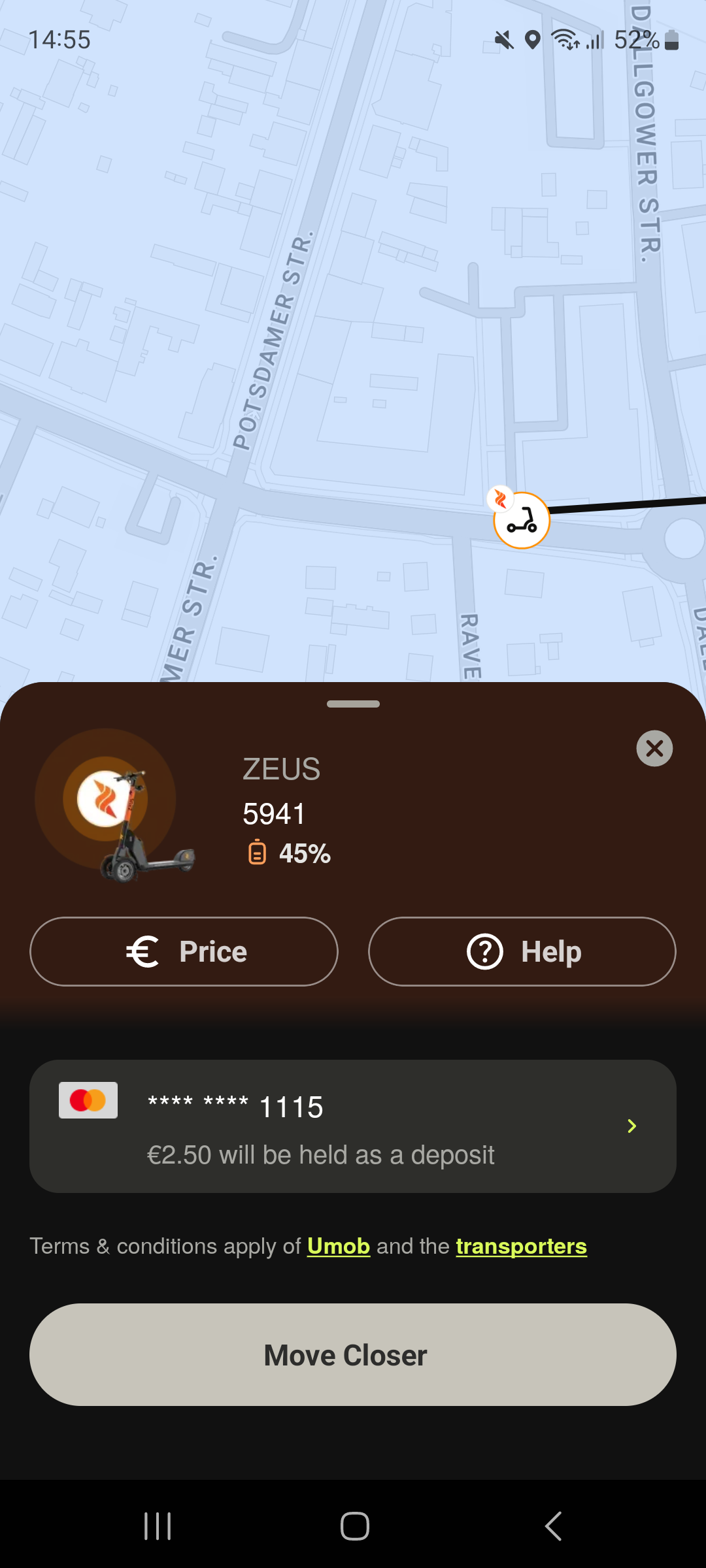
أحد أوائل مشغلي ATOM Mobility الذين انطلقوا من خلال تكامل Umob هو ZEUS Mobility، وهو مزود أوروبي طموح لخدمات مشاركة السكوتر الكهربائي، يركز بقوة على الابتكار، ويتبنى نهجاً ديناميكياً، ويسعى لمنافسة اللاعبين الراسخين في السوق.
ومن المناسب أن الشراكة بحد ذاتها بدأت من خلال شبكة ATOM Mobility.
التقت ZEUS وUmob لأول مرة في فعالية ATOM Mobility في ريغا. وعلى الرغم من أن التعارف الأولي حدث أثناء الفعالية، إلا أن المحادثة الجدية بدأت فعلياً خلال جلسة غير رسمية في وقت لاحق من ذلك المساء.
كانت ZEUS قد صادفت علامة Umob التجارية على مركبات التنقل أثناء السفر، وقد أُعجبت بالنهج المهني الذي تتبعه الشركة. وسرعان ما تحول ذلك التعرف إلى محادثة حول كيفية تعزيز الشركتين لعروضهما من خلال العمل معاً.
ومن هناك، تقدمت عملية التكامل بسرعة. وتصف ZEUS عملية الإعداد والتكامل حتى الآن بأنها "نظيفة واحترافية وسلسة."
بالنسبة لشركة ZEUS، تمثل هذه الشراكة فرصة لتعزيز حضور علامتها التجارية، والوصول إلى عملاء جدد، ودعم طموحاتها التوسعية في أوروبا.
عقب استحواذها على Superpedestrian في مايو 2026، تتطلع ZEUS إلى تسريع وتيرة نموها خلال عامي 2026 و2027، وتعد شراكتها مع Umob جزءاً من هذا الطموح.
"نحن في ZEUS سعداء للغاية بالشراكة مع Umob في الأسواق الأوروبية. فبعد استحواذنا على Superpedestrian في مايو 2026، نسعى في ZEUS إلى تحقيق نمو سريع خلال عامي 2026 و2027. ستساعدنا هذه الشراكة في دفع عجلة هذا النمو والوصول إلى عملاء جدد في أسواق جديدة. نتطلع إلى شراكة مثمرة." - داميان يونغ، ZEUS Mobility
تطبيق واحد لكل تنقلاتك. Umob هي منصة تنقل شاملة تجمع بين مختلف مزودي خدمات التنقل وخيارات النقل في تطبيق واحد.
يمكن للمستخدمين العثور على الدراجات المشتركة، والدراجات الكهربائية، والسكوتر، والدراجات النارية، ووسائل النقل العام، وسيارات الأجرة، وغيرها من خيارات التنقل المتاحة، ومقارنتها وحجزها والدفع مقابلها من خلال حساب واحد وتجربة دفع موحدة. فبدلاً من تنزيل تطبيق منفصل والتسجيل فيه لكل مزود خدمة أو في كل مدينة جديدة، يمكن للمستخدمين فتح تطبيق Umob والاطلاع على خيارات التنقل المتاحة من حولهم.
تتوفر Umob اليوم في أكثر من 28 دولة و300 مدينة، مما يتيح لآلاف المستخدمين طريقة أسهل للوصول إلى مختلف وسائل التنقل سواء في مدنهم أو أثناء السفر.
حقائق رئيسية
إذا كنت تدير بالفعل خدمة التنقل المشترك الخاصة بك على منصة ATOM Mobility، فإن الربط مع Umob قد يكون الخطوة التالية نحو الوصول إلى المزيد من المستخدمين وأن تصبح جزءاً من منظومة تنقل مترابطة حقاً.
إذا كنت مهتماً بتفعيل هذا التكامل أو معرفة المزيد حول كيفية عمله، تواصل مع فريقنا. نحن نتطلع إلى مساعدة المزيد من المشغلين على التواصل والتعاون وجعل التنقل المستدام أسهل للجميع.
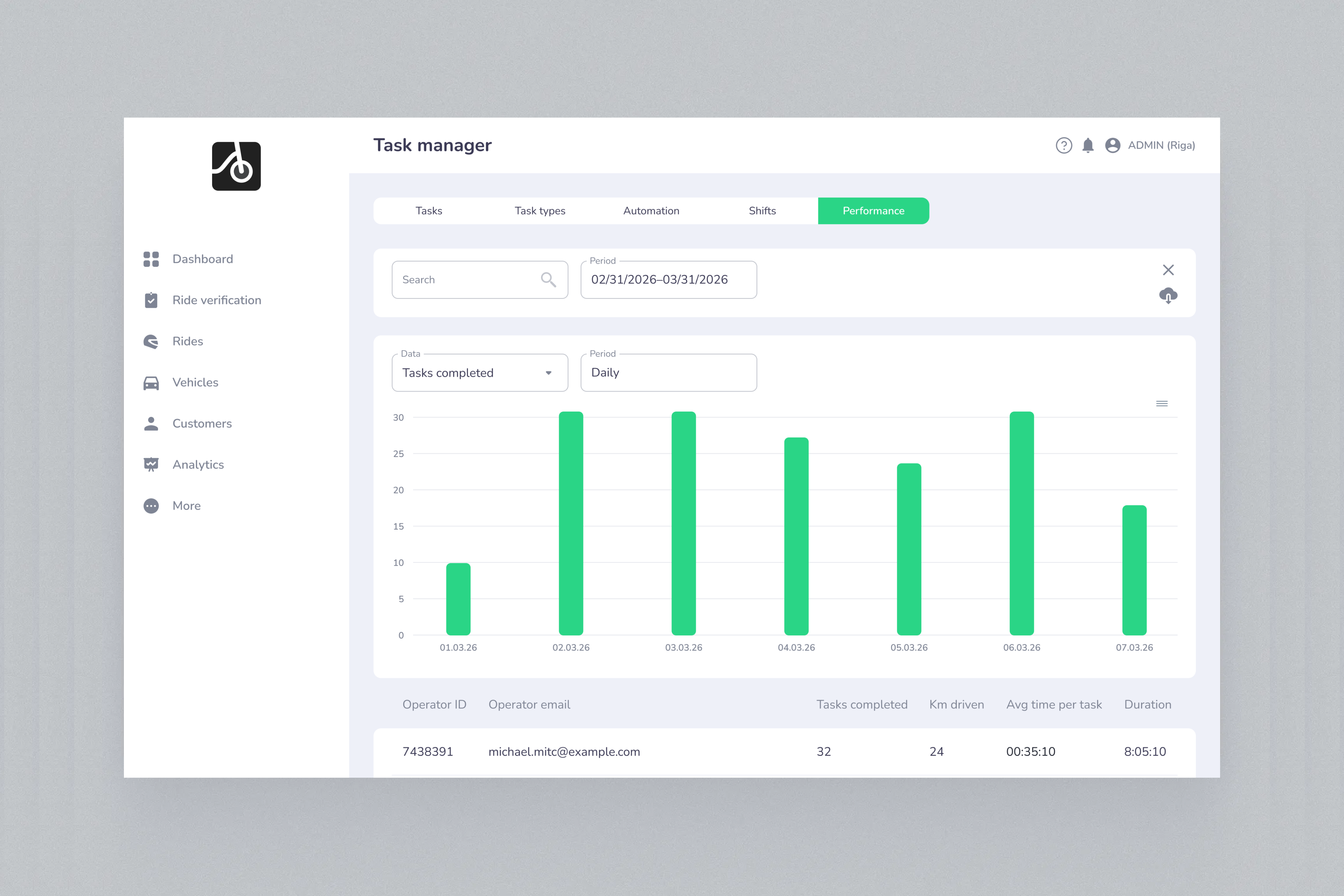
👷📊 يتجاوز مدير مهام ATOM الآن مجرد توزيع المهام بفضل وظائف الورديات وأداء المشغلين الجديدة. تتبع مسارات الورديات، والمسافة المقطوعة، والمهام المنجزة، والوقت المستغرق لكل مهمة، وأداء كل مشغل على حدة، مما يمنح مديري الأساطيل رؤية أوضح بكثير للعمليات الميدانية ومستوى الكفاءة.
لا تقتصر إدارة أسطول كبير للتنقل المشترك أو التأجير على معرفة المهام التي تم إنجازهافحسب، بل تتعلق أيضاً بفهم مدى كفاءة عمل الفرق الميدانية. لقد قمنا بتوسيع مدير مهام ATOM Mobility بشكل كبير بإضافة وظائف الورديات والأداء، مما يمنح مديري الأساطيل رؤية أفضل بكثير لنشاط المشغلين، وعبء العمل، والمسارات، ومستوى الأداء.
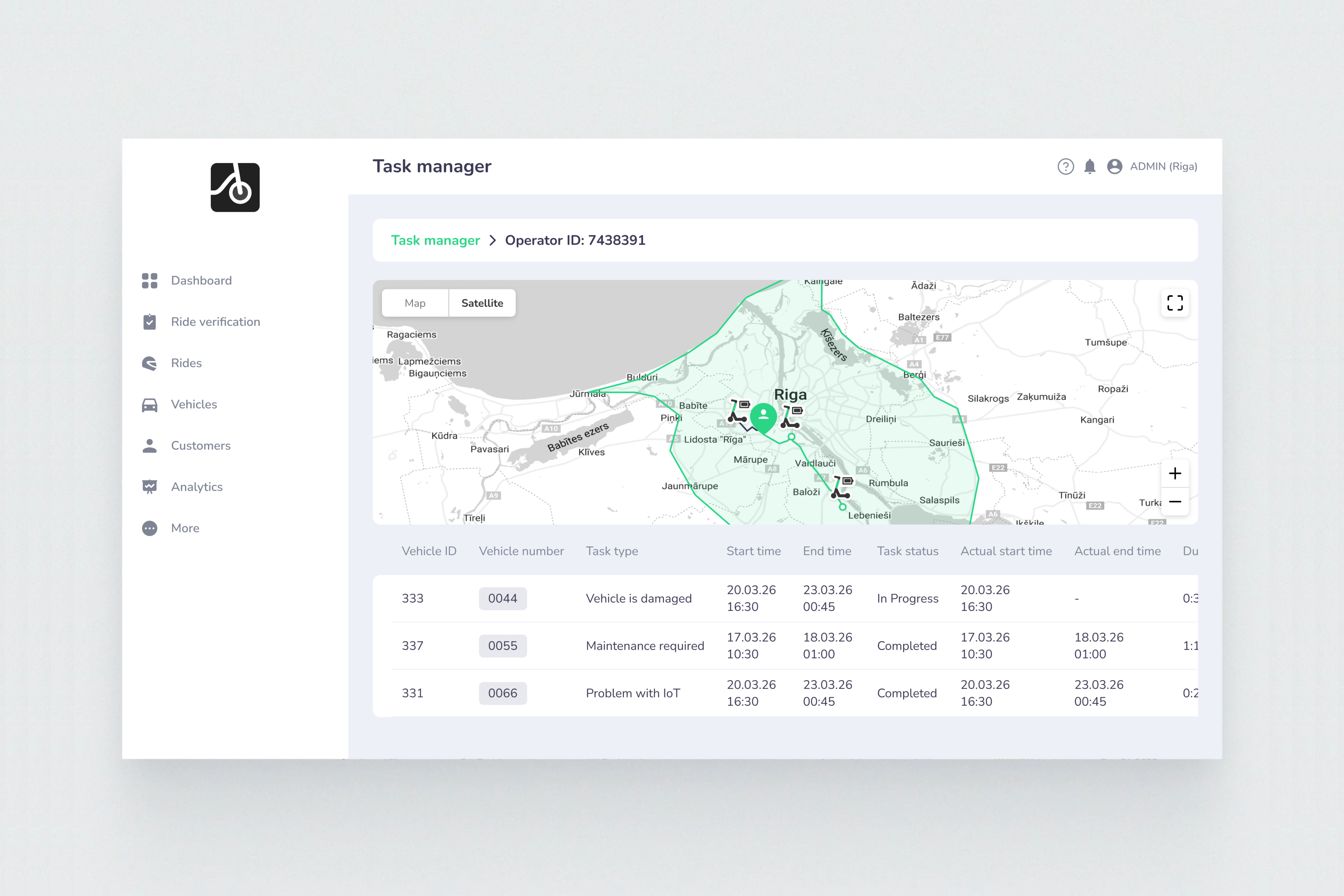
تمنحك علامة التبويب الورديات الجديدة للمديرين نظرة عامة مركزية على جميع ورديات المشغلين، بما في ذلك:
يمكن للمديرين فتح أي وردية فردية للاطلاع على الصورة التشغيلية الكاملة. فلكل مهمة، يمكنك رؤية المركبة، ونوع المهمة، ووقت البدء المخطط له والموعد النهائي، وأوقات البدء والانتهاء الفعلية، والحالة، والمدة الإجمالية للمهمة.
تتضمن كل وردية أيضاً خريطة توضح حركة المشغل الكاملة أثناء الوردية والمواقع التي تم تنفيذ المهام الفردية فيهابالنسبة للنوبات الجارية حالياً، يمكن للمديرين أيضاً الاطلاع على الموقع الحالي للمشغل.
وهذا يسهل كثيراً فهم المسار الفعلي، وحجم العمل، والقرارات المتخذة خلال كل نوبة، بالإضافة إلى تحديد فرص تحسين كيفية إدارة فرق العمل الميدانية لصيانة الأسطول وعملياته.
علامة التبويب الأداء الجديدة تجمع النتائج التشغيلية لكل مشغل خلال فترة زمنية محددة.
يمكن للمديرين تتبع:
بدلاً من مراجعة مئات المهام الفردية، يمكن للمديرين مقارنة المشغلين بسرعة، وتحديد أصحاب الأداء المتميز، ورصد المجالات التي قد تحتاج إلى تدريب إضافي أو تحسينات تشغيلية.
لجعل بيانات الأداء دقيقة ومفيدة، قدمنا أيضاً سير عمل جديد للنوبات والمهام في تطبيق ATOM للمشغلين. يبدأ المشغلون الآن نوبات عملهم وينهونها مباشرة من خلال التطبيق، بينما يتم تسجيل أوقات بدء المهام الفردية وإتمامها تلقائياً.
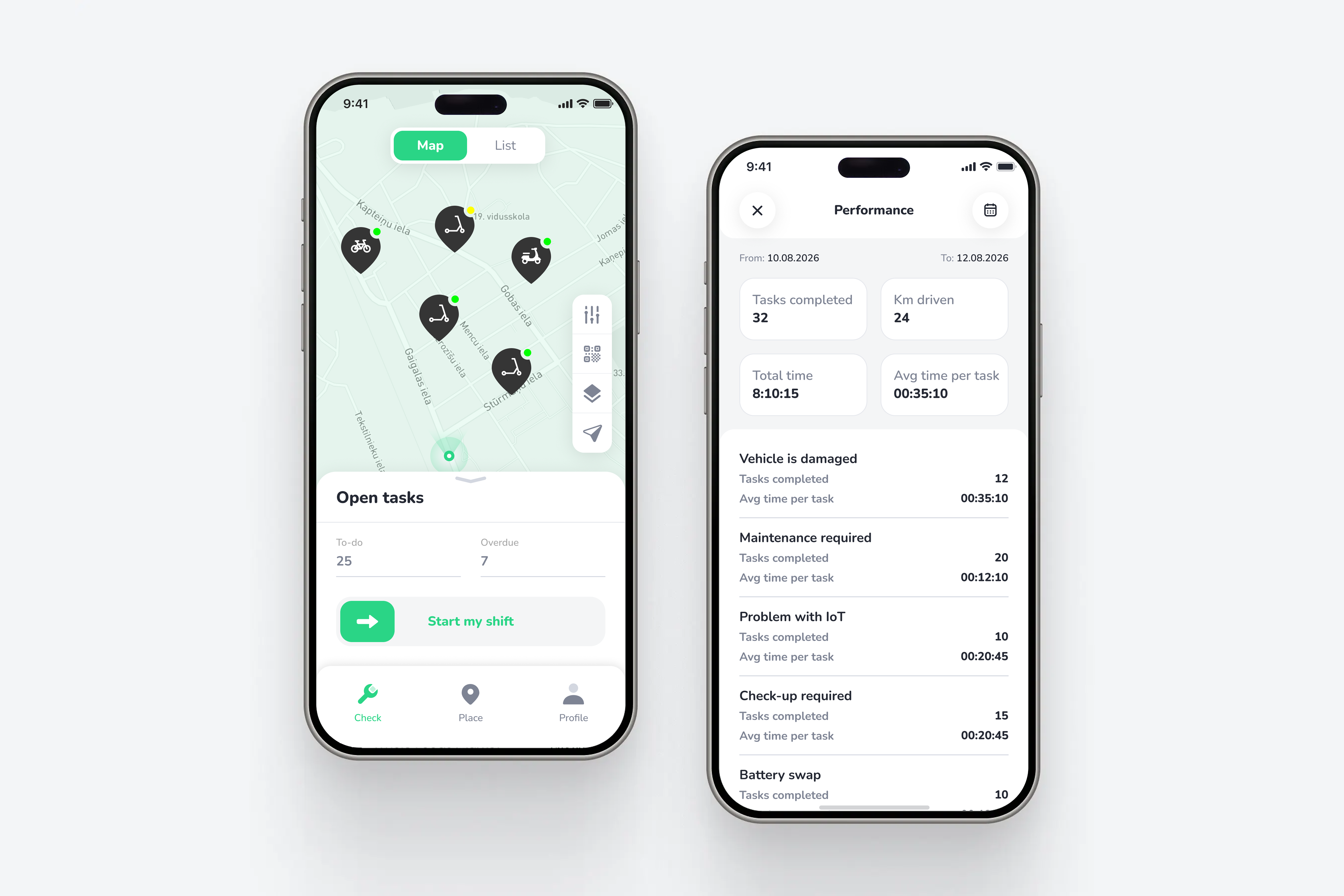
لقد أضفنا أيضاً:
معاً، تحول هذه التحديثات ATOM Task Manager من مجرد أداة لتوزيع المهام إلى نظام أكثر تكاملاً لأداء وتحسين العمليات الميدانية. يحصل المشغلون على سير عمل أوضح ورؤية أفضل لأدائهم الشخصي، بينما يحصل المديرون على البيانات التي يحتاجونها لفهم كيفية سير عملياتهم الميدانية فعلياً وتحديد مجالات تحسين الكفاءة.
الوظائف الجديدة متاحة لوحدات مشاركة المركبات و التأجير الرقمي في ATOM Mobility.
👉 اقرأ المزيد عن آخر تحديثات منصتنا:
https://www.atommobility.com/atomupdates
استخدم بيانات اعتماد الاختبار لتسجيل الدخول - رقم الهاتف: +1 123123123، الكود: 777777


بيانات اعتماد الإصدار التجريبي من تطبيق Driver - البريد الإلكتروني: test@atom.com، كلمة المرور: برنامج التشغيل