Crowdfunding per la tua attività di car sharing: quali sono le opzioni e come iniziare
July 18, 2022
lettura minima


Avere una grande idea imprenditoriale è raramente sufficiente: hai anche bisogno di soldi per far partire la palla. Ma cosa succede se non ne hai decine di migliaia in giro solo per avviare la tua attività? Oppure non volete seguire la via tradizionale e attirare finanziamenti di capitale di rischio in cambio di un gran numero di azioni della società?
È qui che molti fondatori scelgono il crowdfunding.
Il crowdfunding è un modo per raccogliere fondi per la tua attività da un gran numero di persone attraverso piattaforme online. Nel 2000, ArtistShare è diventata la prima piattaforma di crowdfunding dedicata e da allora il crowdfunding è diventato una delle principali fonti di finanziamento per le aziende, con il mercato globale stimato per raggiungere 300 miliardi di dollari entro il 2030.
Se stai cercando di finanziare la tua attività di car sharing, il crowdfunding potrebbe essere una delle opzioni. Non solo può aiutarti ad attirare denaro, ma anche a testare la tua idea di business in primo luogo. Dopotutto, se un numero sufficiente di persone è pronto a sostenere la tua idea, è un chiaro segno che ha un posto nel mercato.

Screenshot dalla piattaforma di crowdfunding www.funderbeam.com.
Per la tua attività di car sharing, ci sono tre tipi principali di crowdfunding da considerare: premi, debito ed equità. Diamo un'occhiata più da vicino a ciascuno di essi!
Questo è considerato il tipo di crowdfunding «tradizionale» ed è attualmente il più popolare. L'idea è semplice: le persone contribuiscono a un'idea imprenditoriale, aspettandosi di ricevere una ricompensa, ad esempio prodotti o servizi, in una fase successiva.
Piattaforme per il crowdfunding basato sui premi (alcuni esempi):
Chi sono i finanziatori?
Persone normali con poca o nessuna esperienza in materia di investimenti; early adopter: persone che abbracciano cose nuove prima della maggior parte degli altri. In genere, queste persone investono perché credono veramente nell'idea e vogliono aiutarla a prendere vita, oltre che perché vogliono semplicemente essere i primi al mondo a ricevere il prodotto.
Ideale per:
Aziende in fase iniziale: idea o sviluppo iniziale. Il crowdfunding Rewards è rivolto anche alle aziende affermate che desiderano lanciare un nuovo prodotto o espandersi in nuovi mercati.
Il crowdfunding basato sul debito, noto anche come prestito peer-to-peer (P2P), significa che la folla presta denaro a un'azienda, che deve rimborsare con gli interessi entro una determinata scadenza. L'idea è simile a quella di prendere in prestito un prestito da una banca, tranne per il fatto che in questo caso ci sono molti prestatori invece di uno.
Piattaforme per il crowdfunding basato sul debito (alcuni esempi):
Chi sono gli istituti di credito?
Gli istituti di credito che supportano le aziende tramite il crowdfunding basato sul debito sono investitori individuali che desiderano ottenere maggiori profitti dai propri risparmi in contanti e/o diversificare il proprio portafoglio. A questi investitori interessano due cose: se la società sarà in grado di rimborsare il prestito e quanto guadagneranno in pagamenti di interessi. Tutto il resto è secondario.
Ideale per:
Società con un fatturato stabile in grado di prevedere più o meno accuratamente il proprio flusso di cassa per rimborsare i propri finanziatori. In genere, si tratta di aziende che si trovano in fasi diverse in cui hanno iniziato a realizzare profitti.
Il crowdfunding basato su azioni consente alle aziende di cedere una parte della propria azienda a diversi investitori in cambio di investimenti. Gli investitori ricevono azioni della società in base a quanto denaro hanno contribuito.
In genere, il crowdfunding basato su azioni viene effettuato in modo tale che prima la piattaforma di crowdfunding preleva il capitale della società, quindi vende le azioni sulla propria piattaforma.
Piattaforme per il crowdfunding basato sull'equità (alcuni esempi):
Chi sono gli investitori?
In genere, si tratta di investitori piuttosto esperti con esperienza in investimenti azionari e/o in startup che ora sono alla ricerca di investimenti a più alto rischio e rendimento più elevato. Queste persone potrebbero essere meno interessate all'idea o alla causa alla base del business e più alla sua potenziale crescita e ai suoi profitti futuri.
Ideale per:
Aziende in tutte le fasi di crescita, ad eccezione della fase di uscita/acquisizione.
I guadagni di una campagna di crowdfunding di successo possono variare notevolmente a seconda della fase della tua attività e del tipo di crowdfunding che hai scelto.
Ad esempio, secondo la piattaforma di crowdfunding basata su azioni Seminatrici, le aziende con MVP di solito raccolgono tra 30.000 e 50.000 euro, mentre le aziende in fase iniziale, tra 50.000 e 250.000 euro.
Nel frattempo, su Kickstarter, la piattaforma di crowdfunding basata sui premi, la maggior parte dei progetti finanziati con successo raccoglie meno di 10.000 dollari. I prodotti tecnologici raccolgono in genere tra 20.000 e 100.000 euro.
Che ne dici delle aziende di car sharing? Ecco due esempi di successo:
Per avviare un'attività di bike sharing o noleggio scooter con 40 veicoli, dovresti puntare ad almeno 40.000€. Questo è possibile con tutti i tipi di modelli di crowdfunding se fatto bene.
Vediamo ora cosa significa «giusto» e come rendere la tua campagna di crowdfunding un successo.
Una campagna di crowdfunding di successo può aiutarti a far decollare la tua attività e raccogliere ancora più fondi di quanto ti aspettassi. La dura realtà, tuttavia, è questa: tanti 85% delle campagne di crowdfunding falliscono e non raggiungono mai l'obiettivo prefissato.
Per aumentare le tue possibilità di una campagna di crowdfunding di successo, ecco la tua lista di cose da fare di base:
Dipende dal tuo obiettivo di finanziamento, dalla fase della tua attività, dal tipo di prodotto e persino dal tuo mercato di riferimento. Ad esempio, AppBackr è una piattaforma di crowdfunding specifica per app, StartNext è per prodotti destinati al mercato tedesco, mentre Kickstarter è disponibile solo per i creatori in 25 paesi.
Le persone che sostengono i progetti su Kickstarter e Funderbeam possono essere molto diverse. Ad esempio, su Kickstarter, le persone sono più interessate alla «freschezza» del prodotto, mentre gli investitori che finanziano le società tramite piattaforme di crowdfunding basate sul debito o sul capitale azionario si preoccupano maggiormente della crescita e del flusso di cassa previsti dell'azienda e dei soldi che questo investimento porterà loro. Tienilo a mente quando crei la tua proposta!
Uno dei segreti chiave per lanciare una campagna di crowdfunding di successo è investire molto nella generazione di lead prima della campagna. Inizia a creare una community e una mailing list di sostenitori il prima possibile: queste persone daranno alla tua campagna la spinta necessaria per avere successo. Dovresti mirare a raccogliere il 30% del tuo obiettivo di finanziamento entro la prima settimana, dopodiché è probabile che la campagna raggiunga l'obiettivo.
Una buona narrazione è la chiave del successo della tua campagna, indipendentemente da chi siano i tuoi investitori. Detto questo, le storie che vogliono ascoltare sono diverse. Per una campagna basata sui premi, crea attorno al tuo prodotto una storia che susciti emozioni: fai ridere le persone, aiutale a immaginarsi con il tuo prodotto o arrabbiati per il problema che risolverà. Per una campagna basata sull'equità, dovresti concentrarti maggiormente sull'evidenziazione dei punti di forza, della conoscenza del mercato e della visione a lungo termine del tuo team.
Oltre all'opzione per l'acquisto del prodotto, si consiglia di includere alcune opzioni più economiche per le persone che vogliono solo supportarti. Ad esempio:
Altre cose che possono aiutarti a lanciare una campagna di crowdfunding di successo includono:
Uno dei più grandi errori commessi dai fondatori è supporre che sia sufficiente che la loro campagna venga lanciata sulla piattaforma di crowdfunding prescelta e che le persone arrivino e investano in essa.
La realtà, tuttavia, è questa:
Una campagna di successo richiede molto lavoro al di fuori della piattaforma di crowdfunding: è necessario cercare in modo proattivo e sistematico i sostenitori e convincerli a investire. Quindi, per aumentare le tue possibilità di successo, inizia a prepararti mesi prima del lancio della campagna.
Fai clic qui sotto per saperne di più o richiedere una demo.

The micromobility industry doesn’t need another generic mobility conference. 🚫🎤 It needs real conversations between operators who are actually in the field. ⚙️ That’s exactly what ATOM Connect 2026 is built for. 🎯🤝
The shared mobility industry is evolving rapidly. Operators are navigating scaling challenges, regulatory complexity, hardware decisions, fleet optimization, and new integration models, all while aiming for sustainable growth.
That’s exactly why ATOM Mobility is organizing ATOM Connect 2026.
Our previous edition of ATOM Connect brought together professionals from the car sharing and rental industry for focused, high-quality discussions and networking. This year, we are narrowing the focus and dedicating the entire event to one fast-moving segment of the industry: shared micromobility.
ATOM Connect 2026 is designed specifically for operators, partners, and decision-makers working in shared micromobility. It is not a broad mobility conference or a public exhibition. It is a curated space for industry professionals to exchange practical experience, insights, and lessons learned.
On May 14th, 2026 in Riga, we will once again bring the community together, this time with a clear focus on micromobility.
This year’s agenda will address the real operational and strategic questions shaping shared micromobility today:
As usual, we aim to host both local and international operators from smaller, fast-growing fleets to established large-scale players alongside hardware providers and ecosystem partners.
On stage, you’ll hear from leading shared mobility companies - including Segway on hardware partnerships, Umob on MaaS integration, Anadue on data-driven fleet intelligence, Elerent on multi-vehicle operational realities and more insightful discussions.
The goal is simple: meaningful discussions with people who understand the operational realities of the industry.
ATOM Connect is free to attend, but participation is industry-focused (each submission is manually reviewed and verified). We are intentionally keeping the audience relevant and aligned to ensure high-quality conversations and valuable networking.
If you work in shared micromobility and would like to join the event, you can find the full agenda and register here:
👉 https://www.atommobility.com/atom-connect-2026
In the coming weeks, we will be revealing more speakers and additional agenda updates. We look forward to bringing the industry together again.
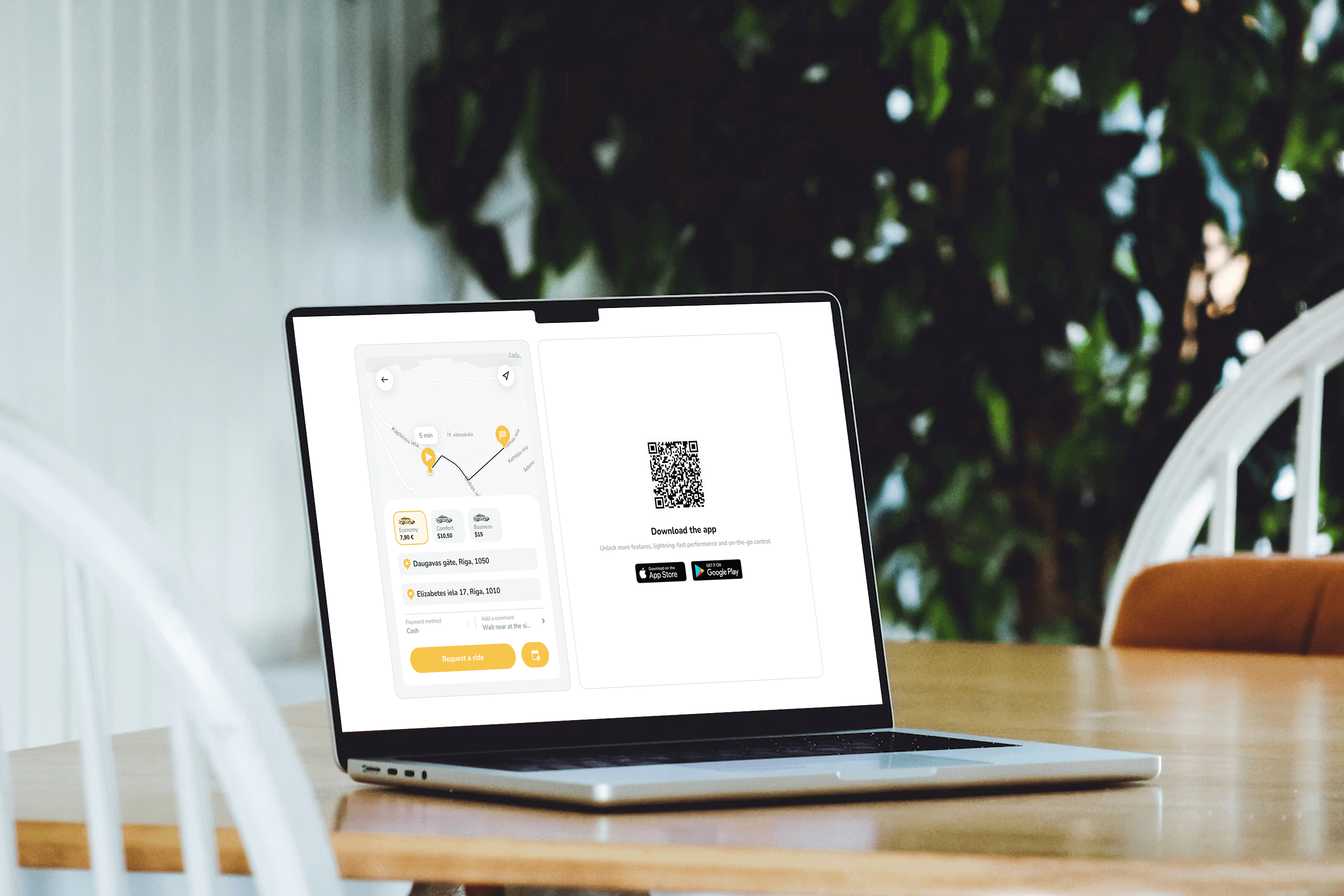
🚕 Web-booker is a lightweight ride-hail widget that lets users book rides directly from a website or mobile browser - no app install required. It reduces booking friction, supports hotel and partner demand, and keeps every ride fully synced with the taxi operator’s app and dashboard.
What if ordering a taxi was as easy as booking a room or clicking “Reserve table” on a website?
Meet Web-booker - a lightweight ride-hail booking widget that lets users request a cab directly from a website, without installing or opening the mobile app.
Perfect for hotels, business centers, event venues, airports, and corporate partners.
👉 Live demo: https://app.atommobility.com/taxi-widget
Web-booker is a browser-based ride-hail widget that operators can embed or link to from any website.
The booking happens on the web, but the ride is fully synchronized with the mobile app and operator dashboard.
No redirects. No app-store friction. No lost users.
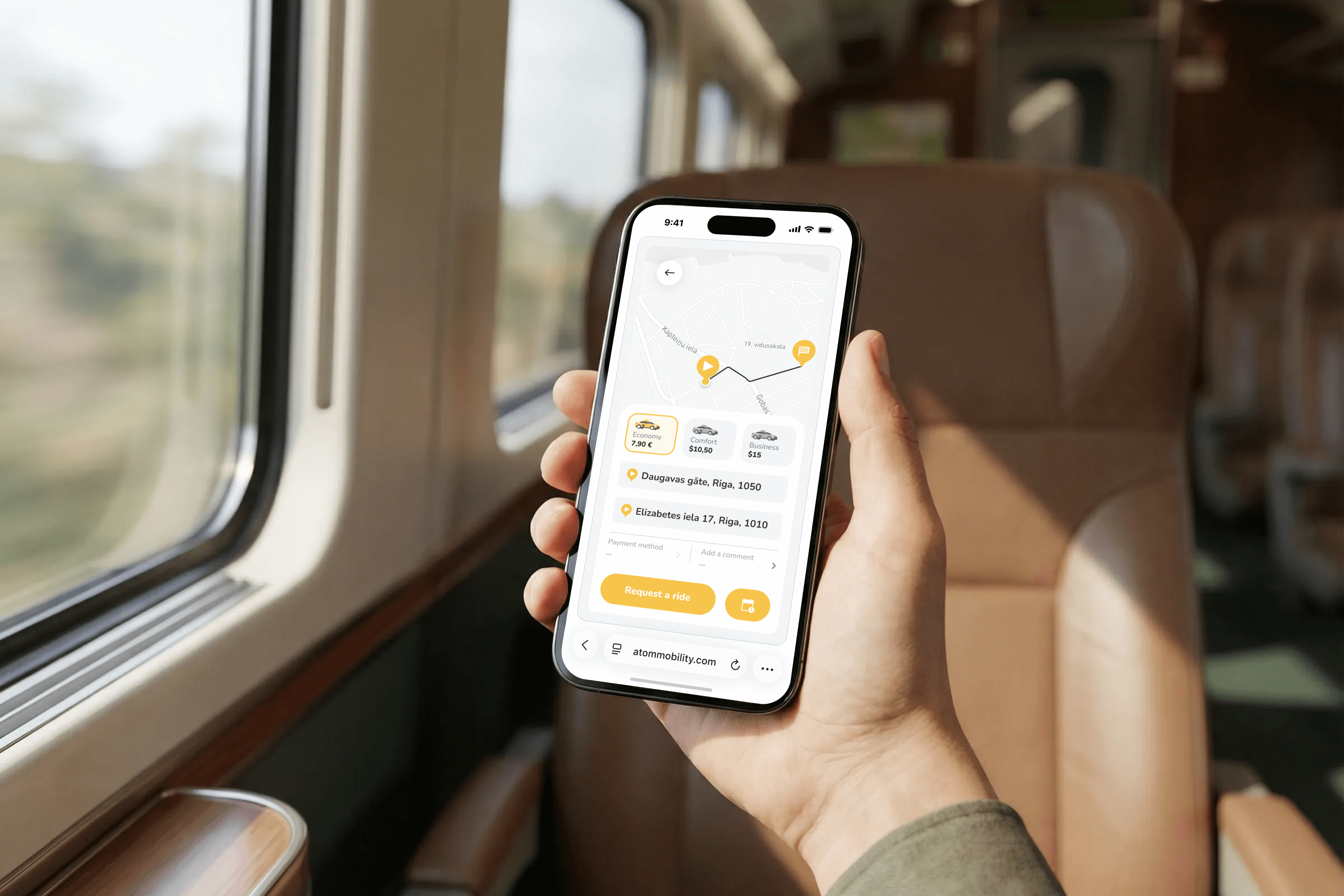
This keeps fraud low while preserving conversion.
Web-booker addresses one of the most common friction points in ride-hailing: users who need a ride now but are not willing to download an app first. By allowing bookings directly from a website, operators can capture high-intent demand at the exact moment it occurs - whether that is on a hotel website, an event page, or a partner landing page.
At the same time, Web-booker makes partnerships with hotels and venues significantly easier. Instead of complex integrations or manual ordering flows, partners can simply place a button or link and immediately enable ride ordering for their guests. Importantly, this approach does not block long-term app growth. The booking flow still promotes the mobile app through QR codes and store links, allowing operators to convert web users into app users over time - without forcing the install upfront.
Web-booker is not designed to replace the mobile app. It extends the acquisition funnel by adding a low-friction entry point, while keeping all bookings fully synchronized with the operator’s app and dashboard.
👉 Try the demo
https://app.atommobility.com/taxi-widget
Want to explore a ride-hail or taxi solution for your business - or migrate to a more flexible platform? Visit: https://www.atommobility.com/products/ride-hailing
Credenziali demo dell'app Driver - Email: test@atom.com, Password: autista

