ما هي ميزات أفضل برامج مشاركة الأسطول؟
5/8/2021
الحد الأدنى للقراءة


إذا كنت قد قررت إطلاق مشروع مشاركة المركبات الخاص بك باستخدام البرامج الموجودة، بدون تطويرها من الصفر، ستساعدك هذه المقالة على فهم ميزات البرامج التي يمكنك البحث عنها وطلبها.
تنمو أعمال المشاركة في جميع أنحاء العالم، وكذلك عدد مزودي تطبيقات المشاركة. في ATOM Mobility من وقت لآخر، نلتقي بالعملاء الذين يستخدمون بالفعل بعض المنصات، لكنهم ليسوا سعداء تمامًا بها. علاوة على ذلك، لا يعرفون العديد من الميزات المضمنة التي يمكنهم الحصول عليها دون أي تكلفة إضافية. لذلك دعونا نلقي نظرة على بعض الميزات الافتراضية بالإضافة إلى الميزات «الرائعة» التي يجب أن تتمتع بها أفضل حلول برامج المشاركة.
بدء الرحلة
هناك العديد من الخيارات لبدء الرحلة، لذلك يجب أن يكون البرنامج قابلاً للتعديل لجميع الخيارات. من الممكن وضع رمز QR على السيارة بحيث يمكن مسح الرمز من خلال التطبيق من قبل المستخدم. بالنسبة للبرنامج، فهذا يعني أنه يجب أن تكون هناك وظيفة في التطبيق تسمح بمسح رمز QR ضوئيًا، والعثور على السيارة المعينة، والسماح للمستخدم بقيادتها بالإضافة إلى السماح للنظام والآخرين بمعرفة أن هذه السيارة غير متوفرة حاليًا.
هناك خيار آخر للمستخدم لبدء الرحلة وهو النقر فوق الزر الموجود في التطبيق، وبالتالي إلغاء قفله. تحظى هذه الوظيفة بشعبية خاصة في مشاركة السيارات والدراجات. يجب أن يربط التطبيق المستخدم المحدد بالسيارة ويجب أن يسمح البرنامج بالرحلة. على الرغم من حقيقة أن رموز QR أكثر شيوعًا، فإننا في ATOM ندعو عملائنا للتفكير في الأمر. يمكن أن يكون إلغاء القفل عبر التطبيق في بعض الأحيان خيارًا أكثر موثوقية لأن رموز QR قد تكون معطلة أو غير مرئية بالكامل. بالإضافة إلى ذلك، قد يواجه المستخدمون مشكلات مع الكاميرات الخاصة بهم، فلماذا لا تبدأ الرحلة بنقرة واحدة فقط؟
على الرغم من أنها لا تحظى بشعبية كبيرة، إلا أن بعض شركات مشاركة المركبات لا تزال تقدم للمستخدمين خيار إجراء حجز للسيارة. في هذه الحالة، يجب أن يقوم البرنامج بجميع المهام - يقوم المستخدم بتحديد السيارة على الخريطة، ويقوم بالحجز، ويجب على السيارة بعد ذلك انتظار هذا المستخدم المحدد، الذي يقوم بمسح رمز QR أو الضغط على الزر عندما يكون جاهزًا للركوب. يجب أيضًا إدارة وظيفة الاحتفاظ بالسيارة لفترة معينة وتقديمها لاحقًا لمستخدم آخر تلقائيًا بواسطة البرنامج.
التحدي الآخر هو كيفية تجنب مشكلة المستخدمين الذين فاتتهم الرحلة السابقة عند إجراء حجز للرحلة التالية؟ وماذا يحدث إذا لم يظهر المستخدم نفسه مرتين على التوالي؟ يجب أن تكون هذه القيود على الحجوزات متاحة أيضًا بشكل مباشر على المنصة.
وماذا يحدث إذا بدأ المستخدم في استخدام مركبة أخرى غير تلك التي تم حجزها له؟ احتمالية حدوث ذلك منخفضة، ولكن لا يزال يتعين اختبارها.
الاتصال وتتبع السيارة
يقع الاتصال بإنترنت الأشياء على كتفين - جهاز إنترنت الأشياء الموجود على السيارة والبرنامج. من المهم بالنسبة لك وللمشغلين أن يعرفوا دائمًا مكان السيارة وحالتها الحالية. يجب أن يوفر البرنامج الفرصة لتتبع المركبات والحصول على معلومات شاملة حول سرعة القيادة والتسارع والأخطاء. يجب أن تحتوي أيضًا على تنبيهات النظام في حالة حدوث شيء ما؛ على سبيل المثال، يحاول شخص ما سرقة السيارة أو يقود الراكب خارج منطقة وقوف السيارات.
تذكر أن كل مركبة تجني المال لعملك في كل دقيقة تقضيها في الشارع. إذا كان هناك خطأ ما، فمن مصلحتك أن تعرف ذلك في أقرب وقت ممكن، وكذلك تحديد موقع السيارة وإرسال فريق الخدمة لإجراء فحص طبي. بالإضافة إلى ذلك، إذا كنت تعتني بالأسطول وتحافظ عليه في حالة جيدة، فسيتم تقليل مخاطر الأعطال والتكاليف الإضافية على المدى الطويل.
يدعم برنامج ATOM Mobility حاليًا أجهزة إنترنت الأشياء من سيجواي وتيلتونيكا وأكتون وأومني وأوكاي وفيترايدر وفريجو وزيمو وكومودول وهونغجي وياديا ونيوو. تسمح عمليات الدمج الحالية لعملاء ATOM Mobility بتوسيع نطاق الأسطول بسرعة واختبار وإضافة نماذج مركبات جديدة، ولا تقتصر على خططهم. بالطبع، من الممكن أيضًا إجراء عمليات تكامل مخصصة عند الطلب.
كل شيء يدور حول المدفوعات ومنع الاحتيال
قبل القيام بأي شيء يتعلق بالمستخدم، من الضروري التعرف عليه. بل إنه إلزامي في بعض البلدان، بما في ذلك خدمات مشاركة السكوتر والدراجات. ولكنه مهم أيضًا لسلامتك. بدأت ATOM Mobility مؤخرًا في التعاون مع Veriff - واجهة برمجة تطبيقات حل يسمح لأي موقع ويب وتطبيق جوال بمطابقة شخص مع بطاقة الهوية الصادرة عن جهة حكومية. لذلك إذا كان مزود خدمة مشاركة المركبات يستخدم برنامج ATOM Mobility، فإن واجهة برمجة تطبيقات Veriff ستمكن بشكل مباشر من دمج عمليات التحقق في تطبيقات الأجهزة المحمولة. يستغرق Veriff أقل من دقيقتين للتحقق تلقائيًا من المستند. يدعم ATOM Mobility أيضًا أدوات التحقق من الهوية الأخرى مثل Sumsub. ومع ذلك، من الضروري التأكد من أن الأداة قوية، وتوفر تجربة مستخدم جيدة، وأنها مؤتمتة وسريعة للغاية قبل دمجها.
بالمناسبة، تجربة المستخدم مهمة جدًا ليس فقط فيما يتعلق بتحديد الهوية أو المدفوعات أو الميزات المنفصلة الأخرى ولكن أيضًا فيما يتعلق بالراحة العامة لاستخدام المنصة. يناضل اللاعبون في مجال مشاركة المركبات من أجل التحويلات. وهذا يمكن أن يعني الكثير من حيث المال. على سبيل المثال، إذا كان البرنامج يحتوي على معدل تحويل يبلغ 20٪ في المتوسط، فإن التسجيل لأول رحلة من 100,000 عميل تم الوصول إليه سيحقق مبيعات أقل من 225,000 يورو شهريًا مقارنة بالشركة التي يبلغ متوسط معدل التحويل فيها 50٪.
عندما يتعلق الأمر بالمدفوعات، يوجد في الوقت الحاضر الكثير من مزودي الدفع الذين يمكن دمجهم مع برامج مشاركة التنقل. قبل اختيار واحدة، من الضروري جمع التعليقات والتأكد من أن التكامل يحتوي على واجهة مستخدم مريحة، وأنه آمن ومزود الخدمة مستقر، أي لن تكون هناك أي اضطرابات كبيرة. عادةً ما يستخدم عملاء ATOM Mobility أشهر مزودي الدفع العالميين مثل Stripe و Adyen و Paypal و Klarna. في بعض الحالات، هناك حاجة إلى مزودي الدفع المحليين بسبب القيود القانونية، على سبيل المثال، في المملكة العربية السعودية نتعاون مع Hyperpay وفي أوكرانيا، نتشارك مع Concord. لذلك تم إعداد التكامل مع مزودي الدفع هؤلاء بالفعل داخل برنامج ATOM Mobility. بالطبع، يمكن أيضًا إجراء عمليات تكامل مخصصة وإضافة مزودي خدمة إضافيين.
بعد إجراء الدفع وإكمال الرحلة، يجب تسليم الفاتورة مباشرة إلى صندوق البريد الإلكتروني للمستخدم وإتاحتها أيضًا من خلال ملف تعريف العميل على التطبيق. من أجل الوعي بالعلامة التجارية وراحة المستخدم، من الجيد أن يكون البرنامج قادرًا على تخصيص الفاتورة عن طريق إضافة الشعار وتفاصيل الشركة الأخرى. ربما يمكنك أيضًا إضافة رسائل ترويجية للرحلة التالية. ويجب عليك التحقق مما إذا كانت الفاتورة الإلكترونية التي يتم تسليمها مباشرة إلى عنوان البريد الإلكتروني إلزامية، لأنها في بعض البلدان إلزامية.
بطبيعة الحال، فإن العميل الأكثر قيمة للشركة هو الشخص الذي يقوم بالدفع المتكرر وركوب الخيل أكثر من مرة. أعلن اللاعبون الرئيسيون في هذا المجال مؤخرًا عن خدمات الاشتراك. في مايو 2021 طرحت Lime الاشتراك الشهري خدمة لايم برايم. في المقابل، تقدم Bird رسومًا شهرية استئجار الدراجات البخارية الخاصة بهم. أفضل مشاركة للأسطول البرنامج يحتوي على وظيفة اشتراك متاحة، لذلك يجب عليك بالتأكيد التفكير في استخدامه أيضًا لعملك.
الوصول من خلال لوحة القيادة والميزات الأكثر تقدمًا
يجب الوصول إلى جميع المعلومات والوظائف المذكورة أعلاه وأكثر من ذلك بكثير من خلال لوحة التحكم المتاحة، جنبًا إلى جنب مع البرنامج والتطبيق. يجب أن يتمتع كل موظف في الشركة يشارك في عملية تنظيم مشاركة المركبات بإمكانية الوصول إليها بسهولة من أي جهاز متاح. ومع ذلك، يجب أن تكون هناك فرصة لتنظيم المستخدم الذي يمكنه الوصول إلى الميزات - لأسباب مختلفة، لا يحتاج كل عضو في الفريق إلى الوصول الكامل إلى لوحة التحكم.
عادةً ما تساعد لوحة التحكم في إدارة الأسطول والرحلات والعملاء. لتسهيل تحليل البيانات، يجب أن تحتوي لوحة المعلومات على إمكانات إعداد التقارير وتصدير البيانات. هناك ميزة إضافية تحتاج بالتأكيد إلى البحث عنها وهي خرائط الحرارة واقتراحات إعادة التوازن، والتي ستساعدك على تخطيط أسطولك وموقع مركباتك من خلال التنبؤ بالمناطق الأكثر ازدحامًا في المدينة، حيث تكون المركبات هي الأكثر طلبًا خلال ساعات معينة من اليوم. تتوفر هذه الوظيفة تلقائيًا أيضًا من خلال أفضل البرامج.
الأساطيل الخاصة والعمل مع الشركات
وأخيرًا وليس آخرًا. في بعض الأحيان تكون هناك فرصة لجعل جزء على الأقل من أسطولك خاصًا. هذا هو مخطط مشاركة الشركات والقطاع الخاص. في مخططات مشاركة الشركات، على سبيل المثال، يمكنك تقديم جزء من أسطولك لبعض الشركات الكبيرة، بحيث يتمتع موظفو هذه الشركة بوصول حصري إلى هذا الأسطول. في أنظمة المشاركة الخاصة، يمكنك منح حق الوصول الحصري إلى المركبات للمقيمين في فندق أو مبنى معين. هناك العديد من الخيارات الأخرى المتاحة، ولكن الرسالة الرئيسية هي أنه حتى هذه الوظيفة مدمجة في أفضل برامج مشاركة الأسطول، لذلك اختر شريك البرنامج الخاص بك بعناية وحكمة.
موثوقية البرامج
لا تهم أي من الميزات التي تمت مناقشتها هنا إذا لم يكن لديك نظام أساسي مناسب. أكبر الشكاوى من المستخدمين النهائيين التي تتلقاها الشركات المشاركة تتعلق بعدم استقرار المنصة. لذلك تذكر دائمًا أن تبدأ بالتحقق من SLA. إنه مؤشر الاستقرار الذي يوضح عدد الدقائق خلال الشهر الذي واجه فيه النظام بعض المشكلات. يجب أن تحتوي المنصة على مؤشر 99.5٪ -99.9٪. إذا كانت اتفاقية مستوى الخدمة أقل، فإن جميع الميزات الأخرى لا معنى لها حيث ستتلقى بالتأكيد الكثير من الشكاوى من المستخدم بأن شيئًا ما لا يعمل. إذا كانت لديك أي أسئلة إضافية أو كنت مهتمًا بدمج بعض الميزات المخصصة، فاتصل بفريق ATOM Mobility لمعرفة المزيد. نحن أحد أكبر اللاعبين وأكثرهم خبرة في السوق.
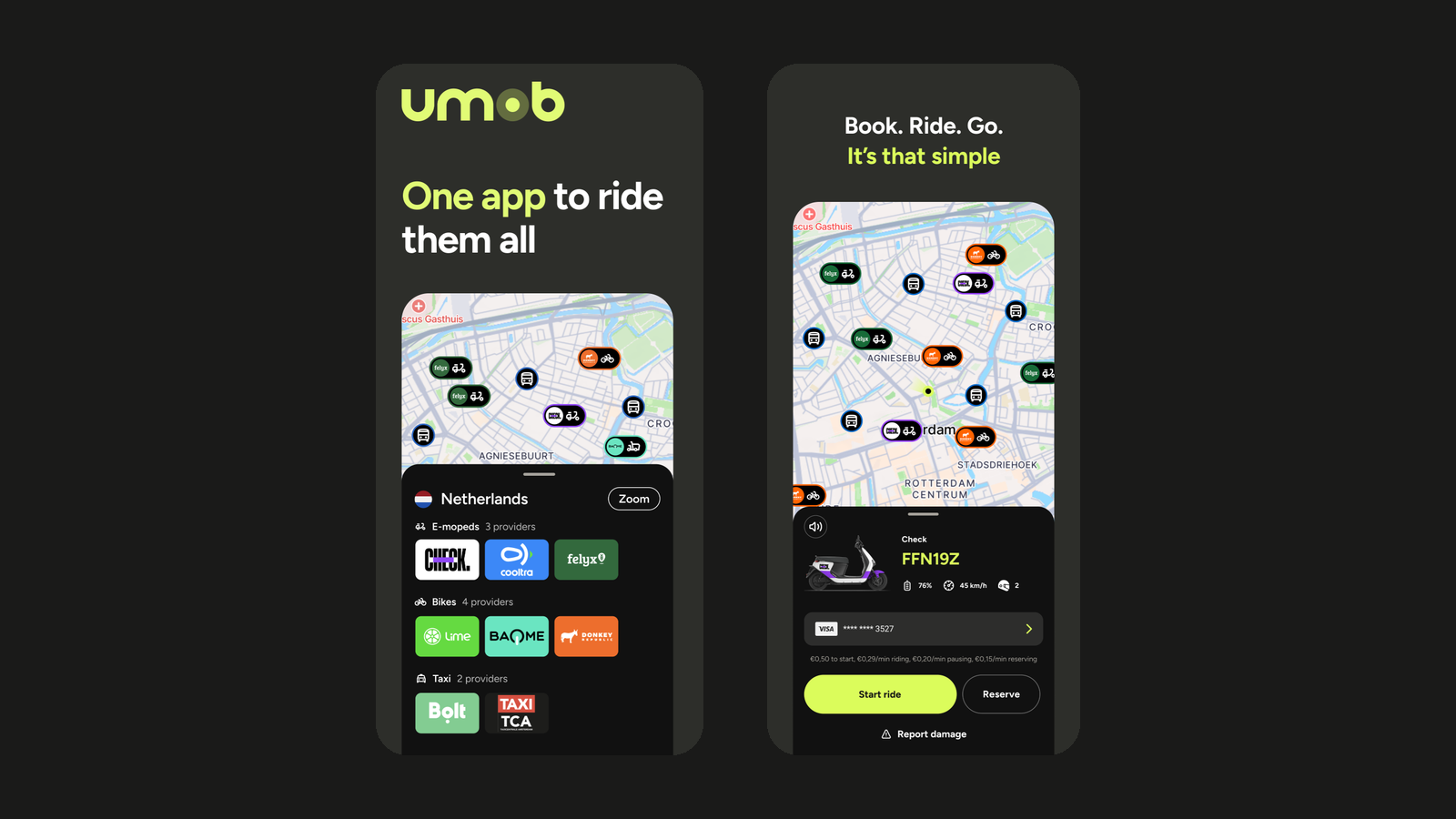
🌍 يمكنك الوصول إلى المزيد من الركاب مع ATOM Mobility وUmob. يمنح هذا التكامل مشغلي التنقل المشترك قناة توزيع إضافية، مما يساعد في جذب عملاء جدد، وزيادة الحجوزات، وتحسين معدلات استخدام الأسطول.
مستقبل التنقل لا يقتصر فقط على تشغيل المركبات، بل يتعلق بابتكار رحلات مريحة تجمع بين خيارات النقل المختلفة في تجربة مستخدم واحدة بسيطة.
ولهذا السبب يسعدنا تسليط الضوء على شراكتنا مع Umob، مما يساعد مشغلي التنقل على توسيع نطاق وصولهم وأن يصبحوا جزءاً من منظومة تنقل متعددة الوسائط متنامية.
سواء كنت تدير سيارات أو سكوترات أو دراجات هوائية أو دراجات نارية مشتركة عبر منصة ATOM Mobility، فإن التكامل مع Umob يجعل خدمتك متاحة لـ آلاف مستخدمي Umob الباحثين عن وسيلة تنقل مريحة.
يتوقع مستخدمو اليوم مرونة عالية؛ فهم لا يفكرون في مزودي خدمات التنقل بشكل منفصل، بل يريدون ببساطة أسرع وأسهل وأكثر الطرق ملاءمة للانتقال من النقطة (أ) إلى النقطة (ب).
تجمع Umob بين مختلف مزودي خدمات التنقل وخيارات النقل في تطبيق واحد. يمكن للمستخدمين العثور على خيارات التنقل المختلفة ومقارنتها وحجزها والدفع مقابلها دون الحاجة إلى تنزيل تطبيق منفصل أو إنشاء حساب جديد لكل مزود خدمة.
من خلال ربط أسطولك بـ Umob، يمكن للمشغلين:
بالنسبة لعملاء ATOM Mobility، صُمم هذا التكامل لتوفير طريقة مباشرة لفتح فرص توزيع جديدة مع الاستمرار في إدارة عملياتهم الأساسية من خلال منصة ATOM Mobility.
من خلال منصة ATOM Mobility، يمكن للمشغلين المشاركين ربط أساطيلهم بـ Umob، مما يتيح للمستخدمين اكتشاف المركبات المتاحة واستخدامها مباشرة عبر تطبيق Umob.
بمجرد الربط، ستظهر مركبات المشغلين المشاركين في Umob إلى جانب خيارات التنقل الأخرى المتاحة، مما يمنح المستخدمين نظرة عامة واضحة على الطرق المختلفة التي يمكنهم من خلالها الانتقال من النقطة (أ) إلى النقطة (ب).
يمكن للمستخدمين العثور على مركبة متاحة، وحجزها وفتح قفلها، وبدء رحلتهم وإنهائها، والدفع مباشرة من خلال تطبيق Umob.
صُمم هذا التكامل لدعم:
يواصل المشغلون إدارة أساطيلهم، وتسعيرهم، ومناطق الخدمة، والعمليات اليومية من خلال منصة ATOM Mobility، بينما توفر Umob قناة إضافية يمكن للمستخدمين من خلالها العثور على المركبات والوصول إليها.
بالنسبة لمشغلي التنقل، يتيح الربط مع Umob قناة توزيع إضافية دون تغيير الطريقة التي يديرون بها عملياتهم اليومية عبر ATOM Mobility.
من خلال إتاحة المركبات لآلاف مستخدمي Umob، يمكن للمشغلين زيادة ظهورهم في اللحظة التي يبحث فيها الأشخاص بنشاط عن وسيلة تنقل. وهذا يخلق إمكانية لجذب مستخدمين جدد، وتحقيق المزيد من الحجوزات، وتحسين معدل استخدام الأسطول بمرور الوقت.
يختلف كل سوق عن الآخر، لكن العديد من المشغلين يرون في شراكات "التنقل كخدمة" (MaaS) جزءاً مهماً من استراتيجية نموهم طويلة الأمد.
أحد أوائل مشغلي ATOM Mobility الذين انطلقوا من خلال تكامل Umob هو ZEUS Mobility، وهو مزود أوروبي طموح لخدمات مشاركة السكوتر الكهربائي، يركز بقوة على الابتكار، ويتبنى نهجاً ديناميكياً، ويسعى لمنافسة اللاعبين الراسخين في السوق.
ومن المناسب أن الشراكة بحد ذاتها بدأت من خلال شبكة ATOM Mobility.
التقت ZEUS وUmob لأول مرة في فعالية ATOM Mobility في ريغا. وعلى الرغم من أن التعارف الأولي حدث أثناء الفعالية، إلا أن المحادثة الجدية بدأت فعلياً خلال جلسة غير رسمية في وقت لاحق من ذلك المساء.
كانت ZEUS قد صادفت علامة Umob التجارية على مركبات التنقل أثناء السفر، وقد أُعجبت بالنهج المهني الذي تتبعه الشركة. وسرعان ما تحول ذلك التعرف إلى محادثة حول كيفية تعزيز الشركتين لعروضهما من خلال العمل معاً.
ومن هناك، تقدمت عملية التكامل بسرعة. وتصف ZEUS عملية الإعداد والتكامل حتى الآن بأنها "نظيفة واحترافية وسلسة."
بالنسبة لشركة ZEUS، تمثل هذه الشراكة فرصة لتعزيز حضور علامتها التجارية، والوصول إلى عملاء جدد، ودعم طموحاتها التوسعية في أوروبا.
عقب استحواذها على Superpedestrian في مايو 2026، تتطلع ZEUS إلى تسريع وتيرة نموها خلال عامي 2026 و2027، وتعد شراكتها مع Umob جزءاً من هذا الطموح.
"نحن في ZEUS سعداء للغاية بالشراكة مع Umob في الأسواق الأوروبية. فبعد استحواذنا على Superpedestrian في مايو 2026، نسعى في ZEUS إلى تحقيق نمو سريع خلال عامي 2026 و2027. ستساعدنا هذه الشراكة في دفع عجلة هذا النمو والوصول إلى عملاء جدد في أسواق جديدة. نتطلع إلى شراكة مثمرة." - داميان يونغ، ZEUS Mobility
تطبيق واحد لكل تنقلاتك. Umob هي منصة تنقل شاملة تجمع بين مختلف مزودي خدمات التنقل وخيارات النقل في تطبيق واحد.
يمكن للمستخدمين العثور على الدراجات المشتركة، والدراجات الكهربائية، والسكوتر، والدراجات النارية، ووسائل النقل العام، وسيارات الأجرة، وغيرها من خيارات التنقل المتاحة، ومقارنتها وحجزها والدفع مقابلها من خلال حساب واحد وتجربة دفع موحدة. فبدلاً من تنزيل تطبيق منفصل والتسجيل فيه لكل مزود خدمة أو في كل مدينة جديدة، يمكن للمستخدمين فتح تطبيق Umob والاطلاع على خيارات التنقل المتاحة من حولهم.
تتوفر Umob اليوم في أكثر من 28 دولة و300 مدينة، مما يتيح لآلاف المستخدمين طريقة أسهل للوصول إلى مختلف وسائل التنقل سواء في مدنهم أو أثناء السفر.
حقائق رئيسية
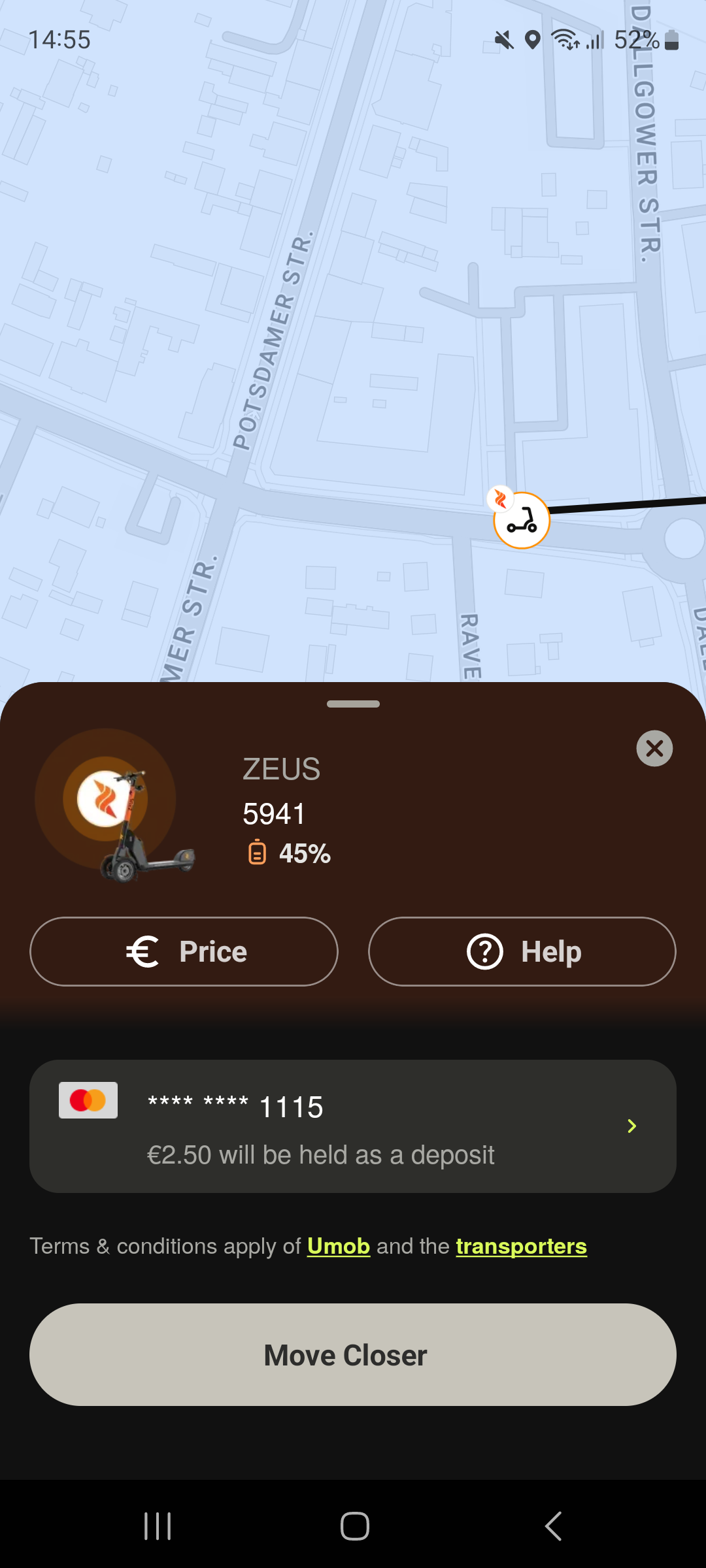
إذا كنت تدير بالفعل خدمة التنقل المشترك الخاصة بك على منصة ATOM Mobility، فإن الربط مع Umob قد يكون الخطوة التالية نحو الوصول إلى المزيد من المستخدمين وأن تصبح جزءاً من منظومة تنقل مترابطة حقاً.
إذا كنت مهتماً بتفعيل هذا التكامل أو معرفة المزيد حول كيفية عمله، تواصل مع فريقنا. نحن نتطلع إلى مساعدة المزيد من المشغلين على التواصل والتعاون وجعل التنقل المستدام أسهل للجميع.
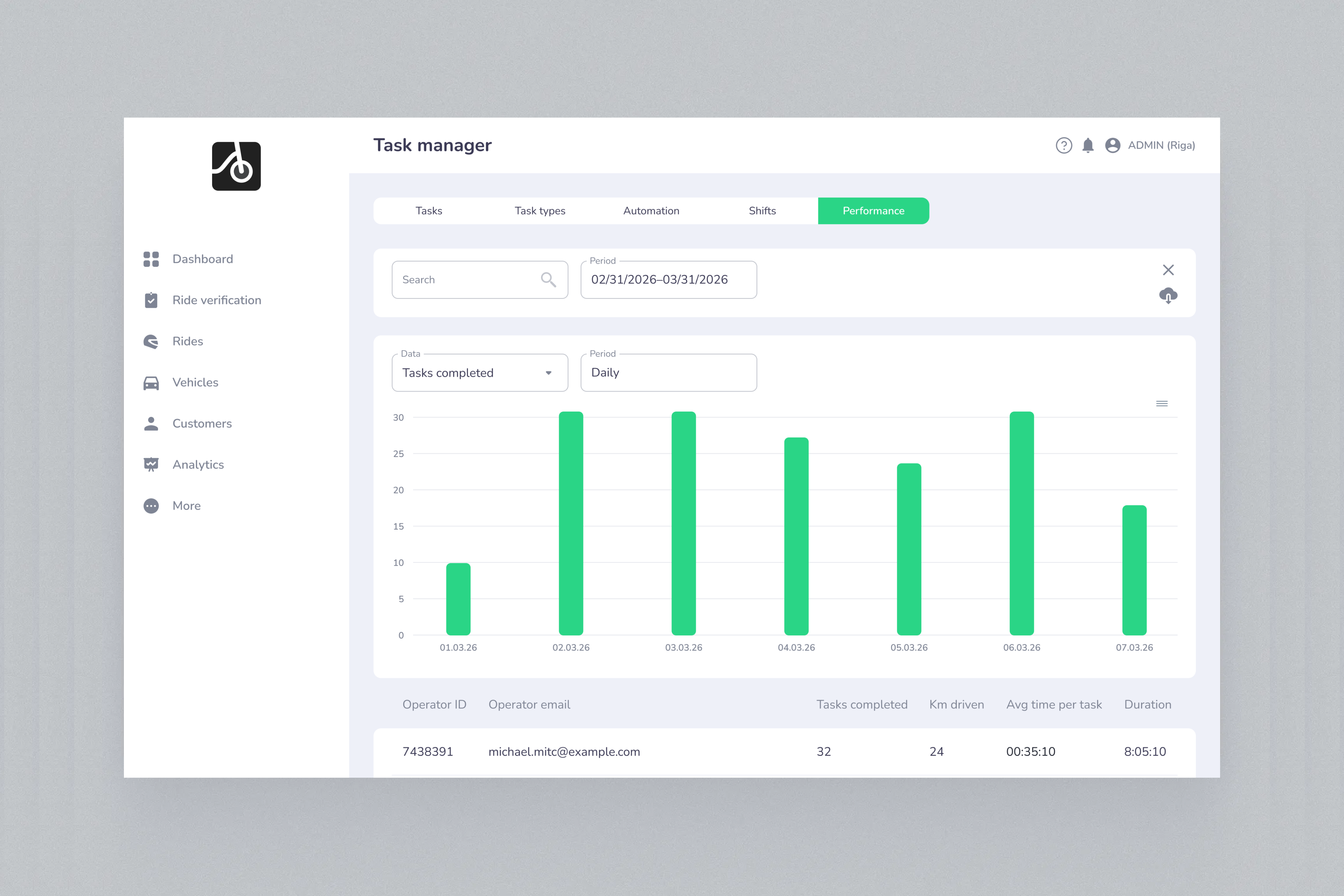
👷📊 يتجاوز مدير مهام ATOM الآن مجرد توزيع المهام بفضل وظائف الورديات وأداء المشغلين الجديدة. تتبع مسارات الورديات، والمسافة المقطوعة، والمهام المنجزة، والوقت المستغرق لكل مهمة، وأداء كل مشغل على حدة، مما يمنح مديري الأساطيل رؤية أوضح بكثير للعمليات الميدانية ومستوى الكفاءة.
لا تقتصر إدارة أسطول كبير للتنقل المشترك أو التأجير على معرفة المهام التي تم إنجازهافحسب، بل تتعلق أيضاً بفهم مدى كفاءة عمل الفرق الميدانية. لقد قمنا بتوسيع مدير مهام ATOM Mobility بشكل كبير بإضافة وظائف الورديات والأداء، مما يمنح مديري الأساطيل رؤية أفضل بكثير لنشاط المشغلين، وعبء العمل، والمسارات، ومستوى الأداء.
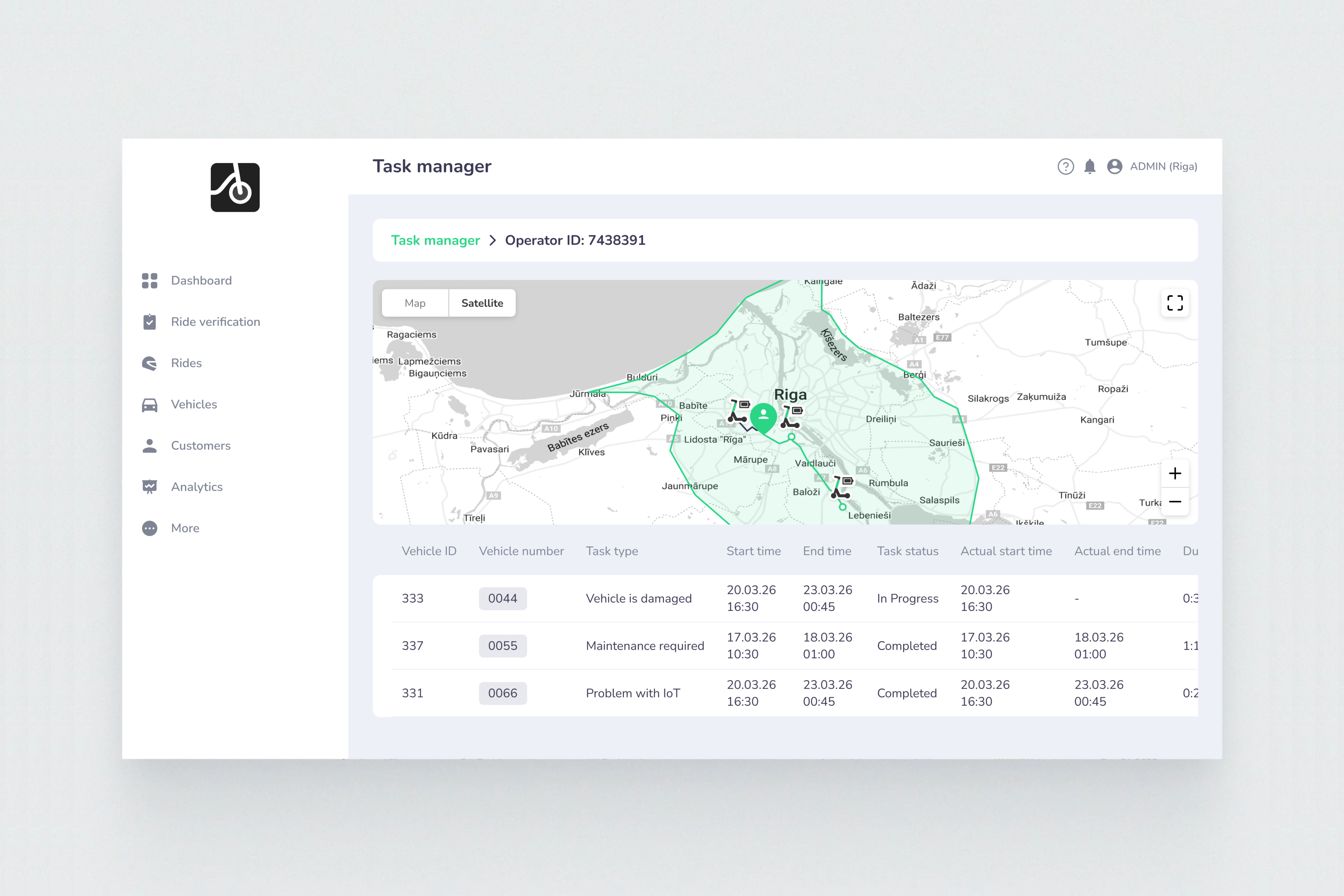
تمنحك علامة التبويب الورديات الجديدة للمديرين نظرة عامة مركزية على جميع ورديات المشغلين، بما في ذلك:
يمكن للمديرين فتح أي وردية فردية للاطلاع على الصورة التشغيلية الكاملة. فلكل مهمة، يمكنك رؤية المركبة، ونوع المهمة، ووقت البدء المخطط له والموعد النهائي، وأوقات البدء والانتهاء الفعلية، والحالة، والمدة الإجمالية للمهمة.
تتضمن كل وردية أيضاً خريطة توضح حركة المشغل الكاملة أثناء الوردية والمواقع التي تم تنفيذ المهام الفردية فيهابالنسبة للنوبات الجارية حالياً، يمكن للمديرين أيضاً الاطلاع على الموقع الحالي للمشغل.
وهذا يسهل كثيراً فهم المسار الفعلي، وحجم العمل، والقرارات المتخذة خلال كل نوبة، بالإضافة إلى تحديد فرص تحسين كيفية إدارة فرق العمل الميدانية لصيانة الأسطول وعملياته.
علامة التبويب الأداء الجديدة تجمع النتائج التشغيلية لكل مشغل خلال فترة زمنية محددة.
يمكن للمديرين تتبع:
بدلاً من مراجعة مئات المهام الفردية، يمكن للمديرين مقارنة المشغلين بسرعة، وتحديد أصحاب الأداء المتميز، ورصد المجالات التي قد تحتاج إلى تدريب إضافي أو تحسينات تشغيلية.
لجعل بيانات الأداء دقيقة ومفيدة، قدمنا أيضاً سير عمل جديد للنوبات والمهام في تطبيق ATOM للمشغلين. يبدأ المشغلون الآن نوبات عملهم وينهونها مباشرة من خلال التطبيق، بينما يتم تسجيل أوقات بدء المهام الفردية وإتمامها تلقائياً.
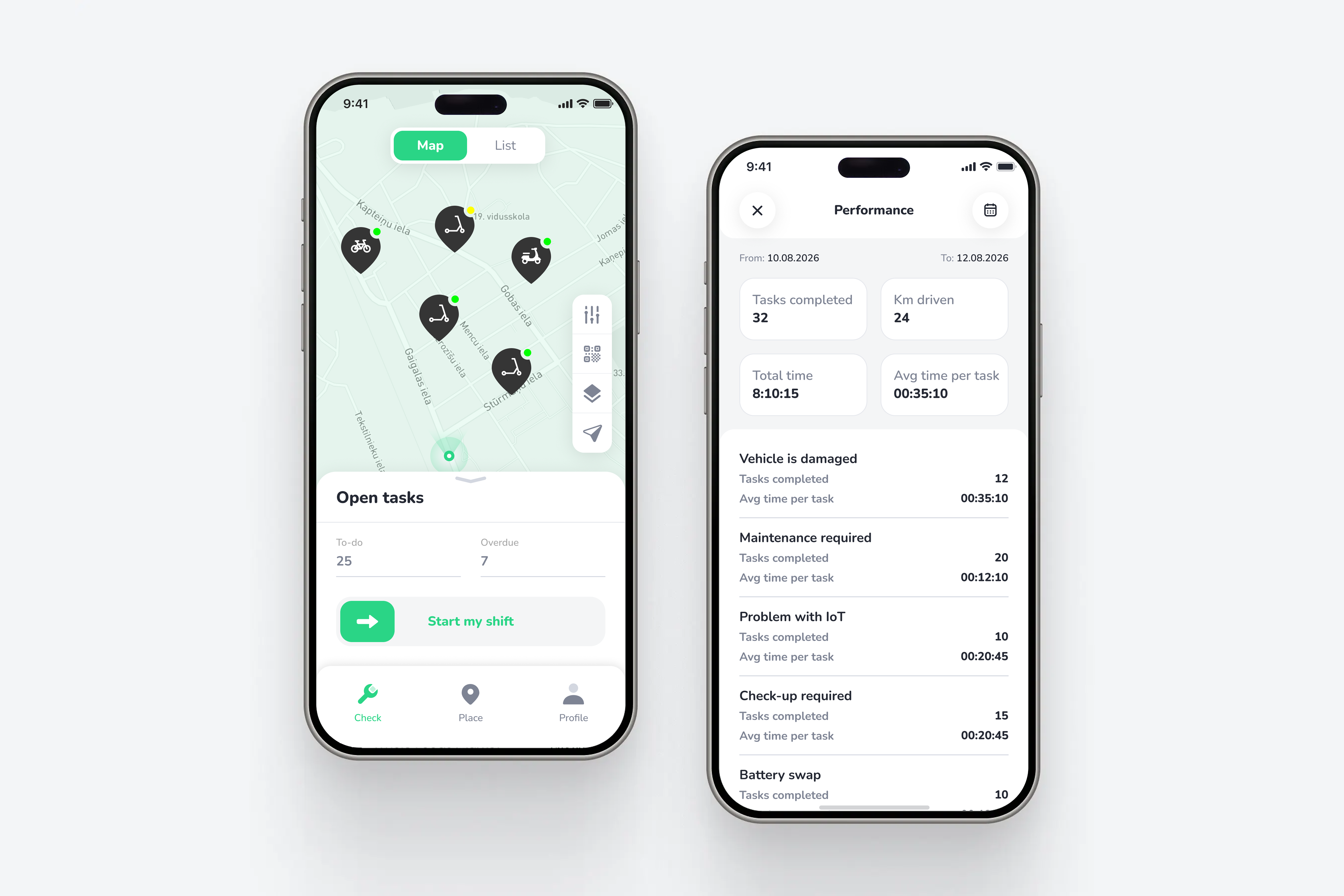
لقد أضفنا أيضاً:
معاً، تحول هذه التحديثات ATOM Task Manager من مجرد أداة لتوزيع المهام إلى نظام أكثر تكاملاً لأداء وتحسين العمليات الميدانية. يحصل المشغلون على سير عمل أوضح ورؤية أفضل لأدائهم الشخصي، بينما يحصل المديرون على البيانات التي يحتاجونها لفهم كيفية سير عملياتهم الميدانية فعلياً وتحديد مجالات تحسين الكفاءة.
الوظائف الجديدة متاحة لوحدات مشاركة المركبات و التأجير الرقمي في ATOM Mobility.
👉 اقرأ المزيد عن آخر تحديثات منصتنا:
https://www.atommobility.com/atomupdates
استخدم بيانات اعتماد الاختبار لتسجيل الدخول - رقم الهاتف: +1 123123123، الكود: 777777


بيانات اعتماد الإصدار التجريبي من تطبيق Driver - البريد الإلكتروني: test@atom.com، كلمة المرور: برنامج التشغيل