كيف يمكن أن تساعد مشاركة السيارات في إنقاذ الكوكب؟ (المكافأة: مراجعة تطبيقات مشاركة السيارات الأكثر شيوعًا)
27/9/2021
الحد الأدنى للقراءة


لقد حذرتنا التغيرات المناخية هذا الصيف بشكل لم يسبق له مثيل. انبعاثات غازات الاحتباس الحراري (GHG) من يمثل النقل حوالي 29 بالمائة من إجمالي انبعاثات غازات الاحتباس الحراري في الولايات المتحدة وحدهامما يجعلها أكبر مساهم في انبعاثات غازات الدفيئة في الولايات المتحدة. ليس من السهل رفض الراحة التي توفرها ملكية السيارة. ومع ذلك، في الوقت الحاضر لديك خيار مشاركة السيارات واستخدامها فقط عند الضرورة.
للوهلة الأولى، يبدو امتلاك سيارة أمرًا مريحًا، وهو في الواقع من حيث القيادة. ولكنه يعني أيضًا التكاليف الثابتة وفقدان قيمة الممتلكات الخاصة بك - سيارتك. يقول الخبراء أن السيارة تخسر بين 15% و 20% من قيمتها كل عام.
ما الأشياء الأخرى التي يدفع مالكو السيارات مقابلها؟ يجب القيام باستثمارات مستمرة في الإصلاحات والصيانة، على سبيل المثال، عند غسل السيارة أو تغيير الزيت وتعبئته بالغاز، أو الشحن في حالة السيارة الكهربائية. بالإضافة إلى ذلك، تعد التعديلات على الظروف الجوية إلزامية، على سبيل المثال، تغيير الإطارات قبل فصلي الشتاء والصيف. يجب أن يكون للسيارة تأمين أثناء حركة المرور ويجب عليك أيضًا تغطية تكاليف وقوف السيارات ناهيك عن حقيقة أنه يجب أن يكون لديك أماكن لإيقاف سيارتك يمكن الوصول إليها بسهولة من المنزل وكذلك من المكتب.
يمكنك تجنب كل هذه المشاكل عند اختيار خيار مشاركة الركوب - ستكون سيارتك دائمًا مليئة بالغاز أو مشحونة ونظيفة ومع المعدات التي يتم تعديلها وفقًا للموسم. لا توجد تكاليف إضافية - ما عليك سوى دفع ثمن رحلتك وترك السيارة في المكان المناسب لك. علاوة على ذلك، إذا كنت بحاجة إلى سيارة أكبر للركوب مع جميع أفراد الأسرة، فيمكنك الحصول عليها! ما عليك سوى اختيار سيارة دفع رباعي أقرب إليك مع خيار مشاركة السيارة. وادفع أقل مقابل سيارة صغيرة إذا كنت تركب بمفردك.
تعد مشاركة السيارة أيضًا أكثر ملاءمة من استئجار سيارة. يعني التأجير دائمًا التخطيط والجدولة والوصول إلى موقف السيارات للسيارات المستأجرة. يتضمن التأجير أحيانًا أيضًا تكاليف خفية. تعد مشاركة السيارة أسهل - إذا لم تكن السيارة متوفرة في الوقت الحالي في أقرب مكان لموقعك، فابحث في التطبيق وستجد بالتأكيد مكانًا تتوفر فيه سيارة بالقرب منك.
ما يقرب من 90٪ من الأمريكيين يمتلكون سيارات. لسوء الحظ، هذا لا يعني فقط الراحة لأصحاب السيارات ولكن أيضًا الاختناقات المرورية والتلوث. و وفقًا لصحيفة الجارديان، هذه الكمية من السيارات تكلف الاقتصاد 124 مليار دولار. لذلك يُنظر إلى مشاركة السيارات على أنها تغيير حقيقي لقواعد اللعبة. وفقًا لدراسة بيركلي، يمكن لسيارة واحدة للمشاركة أن تحل محل 7 إلى 11 مركبة مملوكة للقطاع الخاص. وبالتالي يمكن للمدن أن تصبح أكثر خضرة ليس فقط في سياق انخفاض مستويات تلوث الهواء، ولكن أيضًا في مواقف السيارات المخفضة بشكل كبير. علاوة على ذلك، فإن هذا يعني تقليل التآكل على الطرق مع انخفاض عدد السيارات التي تسير في الشوارع.
حسنًا، ولكن ما هي الميزة الحقيقية، عندما لا يزال هناك الكثير من السيارات في الشارع؟ كيف يساعد هذا بالفعل في إنقاذ الكوكب؟ حسنًا، مع مشاركة السيارات، سيظل هناك عدد أقل من السيارات في الشوارع وفي حركة المرور. يفكر مقدمو خدمات مشاركة السيارات في أعمالهم حتى يختاروا دائمًا السيارات الأكثر كفاءة في استهلاك الوقود. كلما كان ذلك ممكنًا، سيتم تضمين السيارات الكهربائية في أسطولها. السيارات الكهربائية لها انبعاثات صفرية. أيضًا، ستتوفر المزيد من السيارات الصغيرة لأن الأشخاص الذين يقودون بمفردهم لا يحتاجون إلى سيارات كبيرة أو سيارات تستهلك الكثير من الوقود. هذا يعني تقليل تلوث الهواء. كما أن الهواء أقل تلوثًا أثناء عملية التصنيع بسبب تأتي 1/5 من الانبعاثات الصادرة في عمر السيارة من إنتاجها. هذه الكمية أقل حتى مع السيارات الكهربائية لأنها أصغر حجمًا بحيث تتسبب في تقليل انبعاثات غازات الاحتباس الحراري في الإنتاج.
بالطبع، هناك أيضًا بعض الجوانب السلبية للتحول إلى مشاركة السيارة. على سبيل المثال، لا يمكن للمصنعين أن يكونوا سعداء بالطلب الأقل. يعتمد الكثير من عمال المصانع وعائلاتهم على الطلب والدخل من إنتاج السيارات. بالإضافة إلى ذلك، فإن انخفاض عدد مستخدمي وسائل النقل العام يعني دخلاً أقل لشركات النقل العام.
لا يزال هناك الكثير من النضالات من أجل أعمال مشاركة السيارات الملاك. على سبيل المثال، يؤكد الخبراء أن مشاركة السيارات مفيدة فقط في المناطق ذات الكثافة السكانية المناسبة. بمعنى آخر، يجب أن يكون هناك طلب على الخدمة. يتمثل التحدي الأكبر في مجال مشاركة السيارات في البقاء على قيد الحياة في القرى الصغيرة حيث يسافر الناس عادةً لمسافات كبيرة للعمل ويكون امتلاك سياراتهم الخاصة أكثر ملاءمة وربما أرخص بالنسبة لهم.
القضية الأخرى الجديرة بالذكر، والتي تمثل تحديًا تواجهه المدن الكبرى هي مواقف السيارات. يجب أن تكون هناك مساحات خالية كافية في المدينة لإيقاف السيارات. خاصة في المناطق عالية الكثافة. إذا لم يكن هذا الاحتمال متاحًا وكان على المستخدمين السفر لمسافات طويلة من موقف السيارات إلى المكتب أو المنزل، فسيفقد المستخدمون قريبًا الاهتمام بالخدمة.
ما هي العقبات الأخرى التي يجب على أصحاب أعمال مشاركة السيارات أخذها في الاعتبار؟ الطلب على السيارات عبر المشاركة ليس ثابتًا. هناك ساعات ذروة يصعب إدارتها بسبب الكمية المحدودة من المركبات، بينما ينزعج المستخدمون بسهولة إذا لم تكن السيارة متوفرة عندما يحتاجون إليها. بالإضافة إلى ذلك، يرغب الأشخاص في استخدام مشاركة السيارات عبر أكبر منطقة جغرافية ممكنة. وهذا يخلق تحديات لأصحاب أعمال مشاركة السيارات، حيث يجب أن يكون هناك عدد كافٍ من المستخدمين في كل مكان، والذين يرغبون في استخدام الخدمة.
تصنيف متجر التطبيقات: 4.8/5
تصنيف جوجل بلاي: 4.4/5
لا توجد رسوم شهرية أو رسوم عضوية - يدفع المستخدمون أثناء استخدام الخدمة. تعتمد الأسعار على السيارة والموقع ويتم تضمين الغاز في السعر حتى لا تكون هناك حاجة للتزود بالوقود. هناك حد 24 ساعة لوقت الإيجار أو خيار تحديد حزمة الرحلة مع الإشارة إلى طول الرحلة. لا يلزم الحجز - قم باستلام السيارة وإنزالها في أي مكان داخل منطقة التشغيل.
تصنيف متجر التطبيقات: 4.5/5
تصنيف جوجل بلاي: 3.8/5
تتقاضى Zipcar 7 دولارات شهريًا أو 70 دولارًا سنويًا كرسوم عضوية. هناك أيضًا رسوم طلب لمرة واحدة بقيمة 25 دولارًا. تبلغ تكلفة خدمة مشاركة السيارات 10 دولارات في الساعة أو 82 دولارًا في اليوم. من الممكن استئجار سيارة لساعات أو أيام ولكن هناك بعض الخطط المتاحة. تختلف الأسعار حسب الموقع. يتم تضمين الغاز والتأمين و 180 ميلاً في السعر.
تصنيف متجر التطبيقات: 4.7/5
تصنيف جوجل بلاي: 3.7/5
يحتوي هذا التطبيق على رسوم أجهزة بقيمة 99 دولارًا. بعد ثلاثة أشهر، تبدأ رسوم الاشتراك البالغة 20 دولارًا شهريًا. يمكن أن تتراوح أسعار الإيجار اليومية من 20 دولارًا إلى 80 دولارًا اعتمادًا على جودة السيارة والتأمين مشمول في السعر. تتوفر مجموعة متنوعة من السيارات والشاحنات الصغيرة المملوكة للقطاع الخاص. من الممكن استئجارها باليوم أو بالساعات. يدفع السائقون مقابل الغاز ويستبدلون ما استخدموه.
تصنيف متجر التطبيقات: 4.8/5
تصنيف جوجل بلاي: 4.9/5
تتوفر السيارات على التطبيق في أي مكان يتراوح من 20 دولارًا إلى 100 دولار اعتمادًا على جودة السيارة ويمكن فقط الإيجارات اليومية. لديها سيارات كلاسيكية ومتخصصة. يدفع السائقون مقابل الغاز ويجب أن يستبدلوا ما استخدموه. يمكن أيضًا تسليم السيارات إلى موقع إذا لزم الأمر.
يمكنك المشاركة في أعمال مشاركة السيارات كمستخدم، بالإضافة إلى مالك أعمال مشاركة السيارات. إذا كنت ترغب في إنشاء منصة خاصة بك، هذا ما عليك مراعاته وتأخذه في الاعتبار.
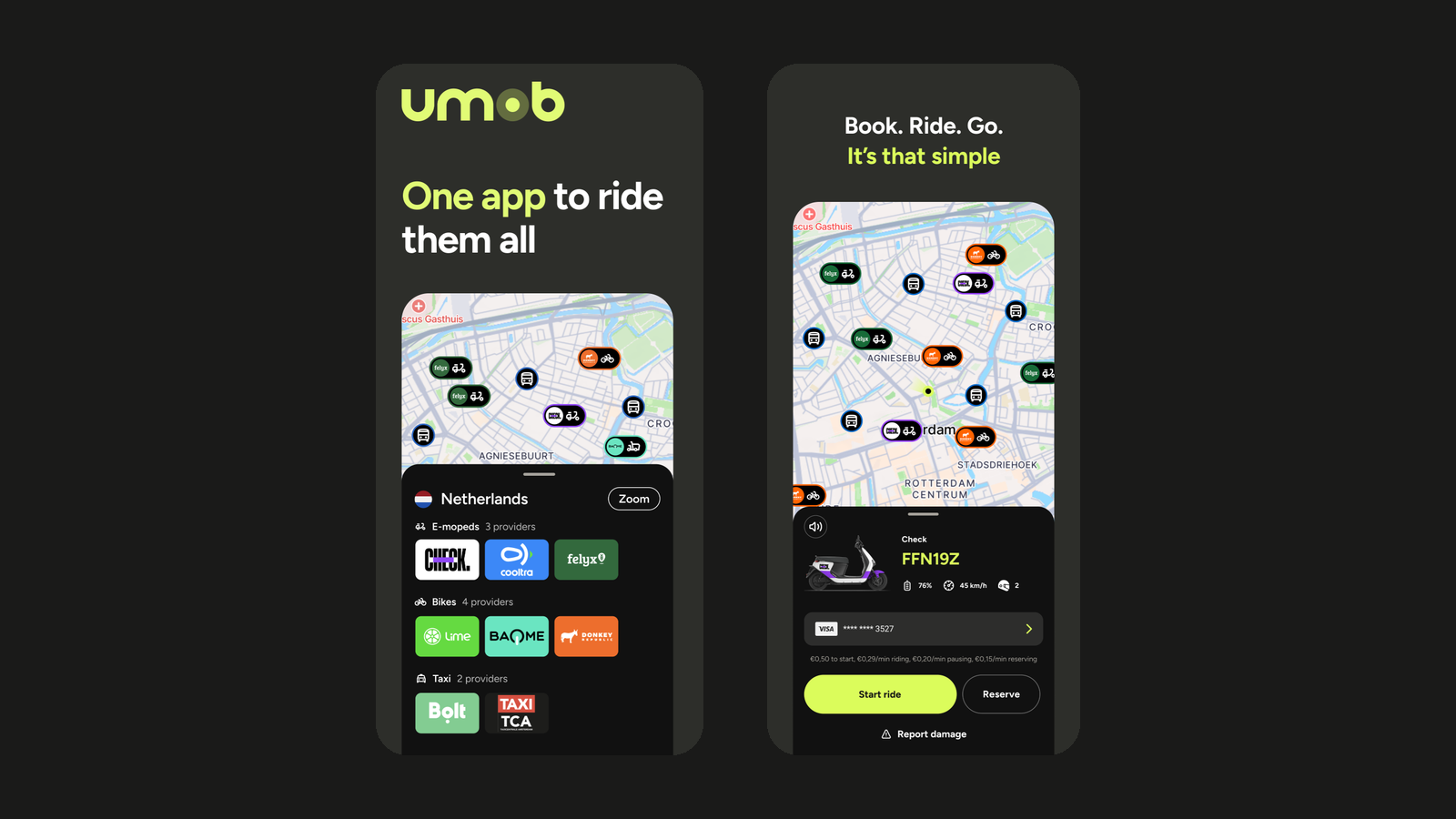
🌍 يمكنك الوصول إلى المزيد من الركاب مع ATOM Mobility وUmob. يمنح هذا التكامل مشغلي التنقل المشترك قناة توزيع إضافية، مما يساعد في جذب عملاء جدد، وزيادة الحجوزات، وتحسين معدلات استخدام الأسطول.
مستقبل التنقل لا يقتصر فقط على تشغيل المركبات، بل يتعلق بابتكار رحلات مريحة تجمع بين خيارات النقل المختلفة في تجربة مستخدم واحدة بسيطة.
ولهذا السبب يسعدنا تسليط الضوء على شراكتنا مع Umob، مما يساعد مشغلي التنقل على توسيع نطاق وصولهم وأن يصبحوا جزءاً من منظومة تنقل متعددة الوسائط متنامية.
سواء كنت تدير سيارات أو سكوترات أو دراجات هوائية أو دراجات نارية مشتركة عبر منصة ATOM Mobility، فإن التكامل مع Umob يجعل خدمتك متاحة لـ آلاف مستخدمي Umob الباحثين عن وسيلة تنقل مريحة.
يتوقع مستخدمو اليوم مرونة عالية؛ فهم لا يفكرون في مزودي خدمات التنقل بشكل منفصل، بل يريدون ببساطة أسرع وأسهل وأكثر الطرق ملاءمة للانتقال من النقطة (أ) إلى النقطة (ب).
تجمع Umob بين مختلف مزودي خدمات التنقل وخيارات النقل في تطبيق واحد. يمكن للمستخدمين العثور على خيارات التنقل المختلفة ومقارنتها وحجزها والدفع مقابلها دون الحاجة إلى تنزيل تطبيق منفصل أو إنشاء حساب جديد لكل مزود خدمة.
من خلال ربط أسطولك بـ Umob، يمكن للمشغلين:
بالنسبة لعملاء ATOM Mobility، صُمم هذا التكامل لتوفير طريقة مباشرة لفتح فرص توزيع جديدة مع الاستمرار في إدارة عملياتهم الأساسية من خلال منصة ATOM Mobility.
من خلال منصة ATOM Mobility، يمكن للمشغلين المشاركين ربط أساطيلهم بـ Umob، مما يتيح للمستخدمين اكتشاف المركبات المتاحة واستخدامها مباشرة عبر تطبيق Umob.
بمجرد الربط، ستظهر مركبات المشغلين المشاركين في Umob إلى جانب خيارات التنقل الأخرى المتاحة، مما يمنح المستخدمين نظرة عامة واضحة على الطرق المختلفة التي يمكنهم من خلالها الانتقال من النقطة (أ) إلى النقطة (ب).
يمكن للمستخدمين العثور على مركبة متاحة، وحجزها وفتح قفلها، وبدء رحلتهم وإنهائها، والدفع مباشرة من خلال تطبيق Umob.
صُمم هذا التكامل لدعم:
يواصل المشغلون إدارة أساطيلهم، وتسعيرهم، ومناطق الخدمة، والعمليات اليومية من خلال منصة ATOM Mobility، بينما توفر Umob قناة إضافية يمكن للمستخدمين من خلالها العثور على المركبات والوصول إليها.
بالنسبة لمشغلي التنقل، يتيح الربط مع Umob قناة توزيع إضافية دون تغيير الطريقة التي يديرون بها عملياتهم اليومية عبر ATOM Mobility.
من خلال إتاحة المركبات لآلاف مستخدمي Umob، يمكن للمشغلين زيادة ظهورهم في اللحظة التي يبحث فيها الأشخاص بنشاط عن وسيلة تنقل. وهذا يخلق إمكانية لجذب مستخدمين جدد، وتحقيق المزيد من الحجوزات، وتحسين معدل استخدام الأسطول بمرور الوقت.
يختلف كل سوق عن الآخر، لكن العديد من المشغلين يرون في شراكات "التنقل كخدمة" (MaaS) جزءاً مهماً من استراتيجية نموهم طويلة الأمد.
أحد أوائل مشغلي ATOM Mobility الذين انطلقوا من خلال تكامل Umob هو ZEUS Mobility، وهو مزود أوروبي طموح لخدمات مشاركة السكوتر الكهربائي، يركز بقوة على الابتكار، ويتبنى نهجاً ديناميكياً، ويسعى لمنافسة اللاعبين الراسخين في السوق.
ومن المناسب أن الشراكة بحد ذاتها بدأت من خلال شبكة ATOM Mobility.
التقت ZEUS وUmob لأول مرة في فعالية ATOM Mobility في ريغا. وعلى الرغم من أن التعارف الأولي حدث أثناء الفعالية، إلا أن المحادثة الجدية بدأت فعلياً خلال جلسة غير رسمية في وقت لاحق من ذلك المساء.
كانت ZEUS قد صادفت علامة Umob التجارية على مركبات التنقل أثناء السفر، وقد أُعجبت بالنهج المهني الذي تتبعه الشركة. وسرعان ما تحول ذلك التعرف إلى محادثة حول كيفية تعزيز الشركتين لعروضهما من خلال العمل معاً.
ومن هناك، تقدمت عملية التكامل بسرعة. وتصف ZEUS عملية الإعداد والتكامل حتى الآن بأنها "نظيفة واحترافية وسلسة."
بالنسبة لشركة ZEUS، تمثل هذه الشراكة فرصة لتعزيز حضور علامتها التجارية، والوصول إلى عملاء جدد، ودعم طموحاتها التوسعية في أوروبا.
عقب استحواذها على Superpedestrian في مايو 2026، تتطلع ZEUS إلى تسريع وتيرة نموها خلال عامي 2026 و2027، وتعد شراكتها مع Umob جزءاً من هذا الطموح.
"نحن في ZEUS سعداء للغاية بالشراكة مع Umob في الأسواق الأوروبية. فبعد استحواذنا على Superpedestrian في مايو 2026، نسعى في ZEUS إلى تحقيق نمو سريع خلال عامي 2026 و2027. ستساعدنا هذه الشراكة في دفع عجلة هذا النمو والوصول إلى عملاء جدد في أسواق جديدة. نتطلع إلى شراكة مثمرة." - داميان يونغ، ZEUS Mobility
تطبيق واحد لكل تنقلاتك. Umob هي منصة تنقل شاملة تجمع بين مختلف مزودي خدمات التنقل وخيارات النقل في تطبيق واحد.
يمكن للمستخدمين العثور على الدراجات المشتركة، والدراجات الكهربائية، والسكوتر، والدراجات النارية، ووسائل النقل العام، وسيارات الأجرة، وغيرها من خيارات التنقل المتاحة، ومقارنتها وحجزها والدفع مقابلها من خلال حساب واحد وتجربة دفع موحدة. فبدلاً من تنزيل تطبيق منفصل والتسجيل فيه لكل مزود خدمة أو في كل مدينة جديدة، يمكن للمستخدمين فتح تطبيق Umob والاطلاع على خيارات التنقل المتاحة من حولهم.
تتوفر Umob اليوم في أكثر من 28 دولة و300 مدينة، مما يتيح لآلاف المستخدمين طريقة أسهل للوصول إلى مختلف وسائل التنقل سواء في مدنهم أو أثناء السفر.
حقائق رئيسية
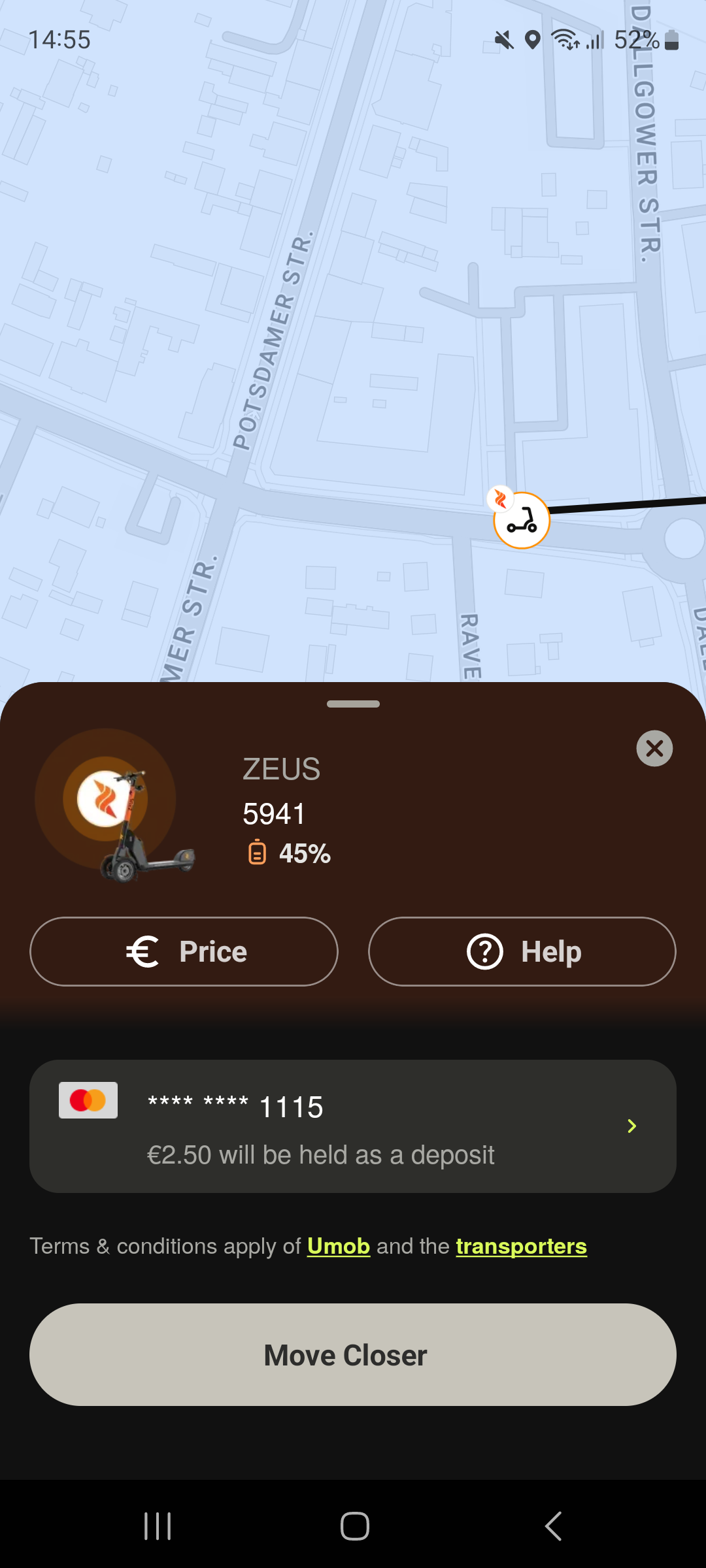
إذا كنت تدير بالفعل خدمة التنقل المشترك الخاصة بك على منصة ATOM Mobility، فإن الربط مع Umob قد يكون الخطوة التالية نحو الوصول إلى المزيد من المستخدمين وأن تصبح جزءاً من منظومة تنقل مترابطة حقاً.
إذا كنت مهتماً بتفعيل هذا التكامل أو معرفة المزيد حول كيفية عمله، تواصل مع فريقنا. نحن نتطلع إلى مساعدة المزيد من المشغلين على التواصل والتعاون وجعل التنقل المستدام أسهل للجميع.
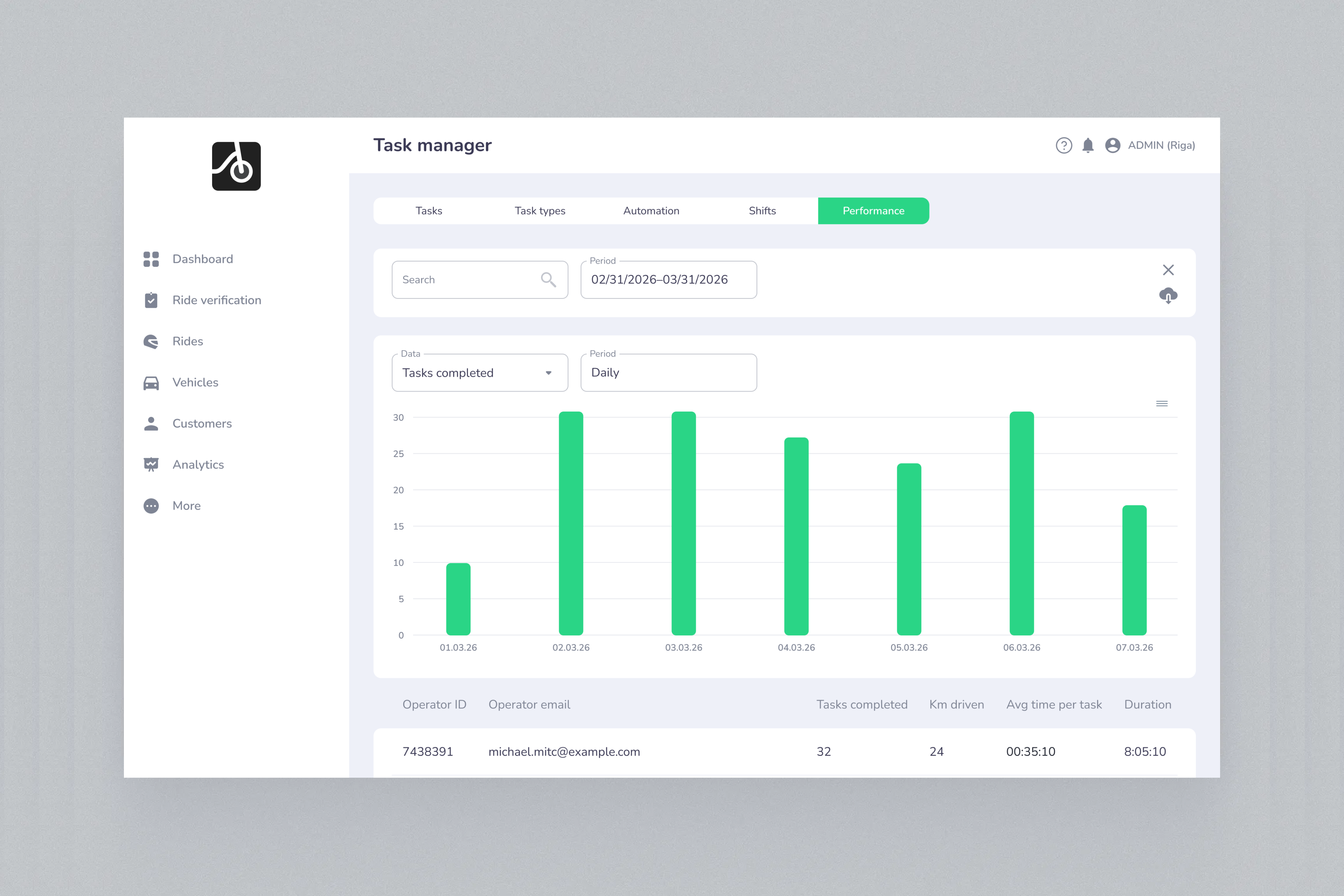
👷📊 يتجاوز مدير مهام ATOM الآن مجرد توزيع المهام بفضل وظائف الورديات وأداء المشغلين الجديدة. تتبع مسارات الورديات، والمسافة المقطوعة، والمهام المنجزة، والوقت المستغرق لكل مهمة، وأداء كل مشغل على حدة، مما يمنح مديري الأساطيل رؤية أوضح بكثير للعمليات الميدانية ومستوى الكفاءة.
لا تقتصر إدارة أسطول كبير للتنقل المشترك أو التأجير على معرفة المهام التي تم إنجازهافحسب، بل تتعلق أيضاً بفهم مدى كفاءة عمل الفرق الميدانية. لقد قمنا بتوسيع مدير مهام ATOM Mobility بشكل كبير بإضافة وظائف الورديات والأداء، مما يمنح مديري الأساطيل رؤية أفضل بكثير لنشاط المشغلين، وعبء العمل، والمسارات، ومستوى الأداء.
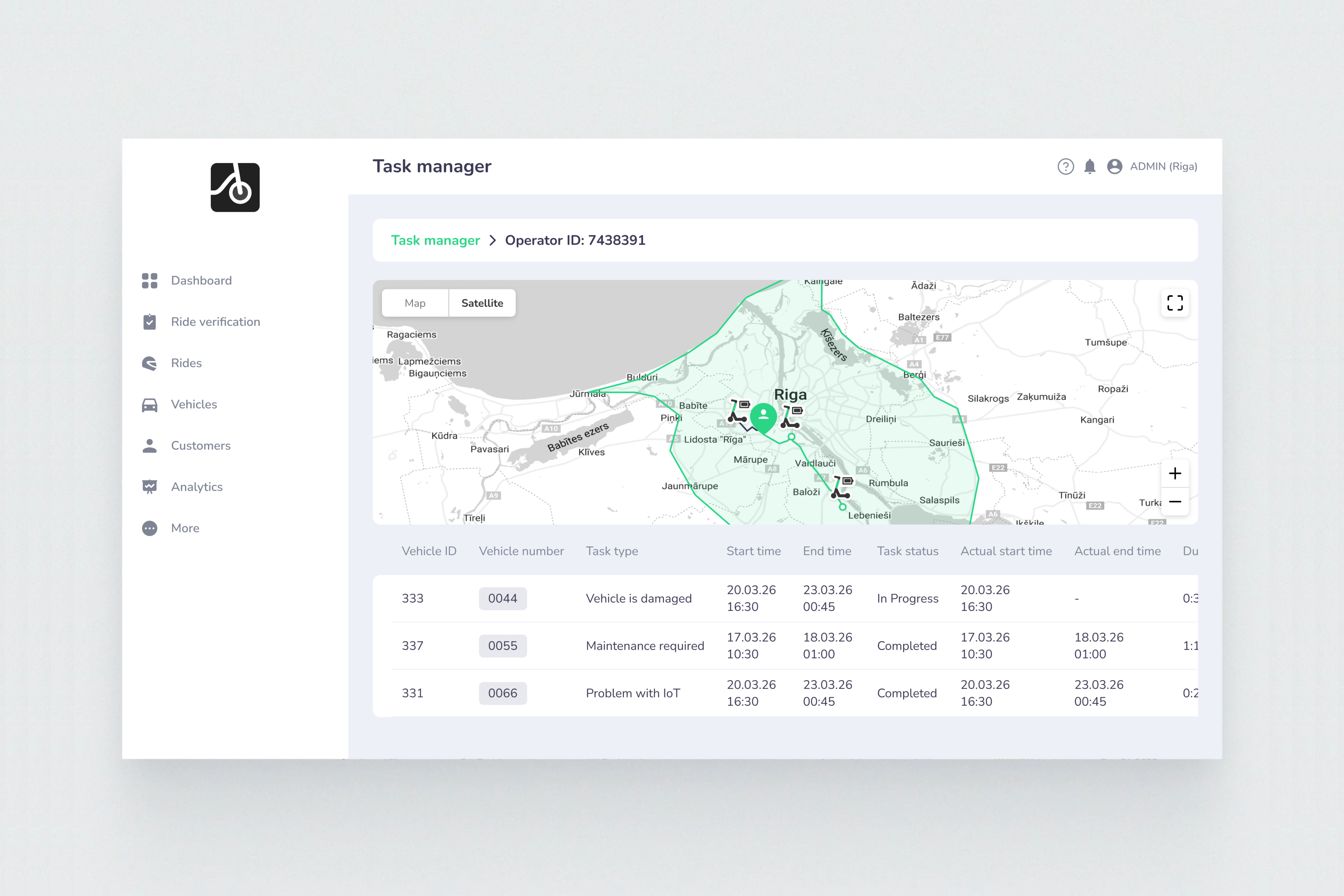
تمنحك علامة التبويب الورديات الجديدة للمديرين نظرة عامة مركزية على جميع ورديات المشغلين، بما في ذلك:
يمكن للمديرين فتح أي وردية فردية للاطلاع على الصورة التشغيلية الكاملة. فلكل مهمة، يمكنك رؤية المركبة، ونوع المهمة، ووقت البدء المخطط له والموعد النهائي، وأوقات البدء والانتهاء الفعلية، والحالة، والمدة الإجمالية للمهمة.
تتضمن كل وردية أيضاً خريطة توضح حركة المشغل الكاملة أثناء الوردية والمواقع التي تم تنفيذ المهام الفردية فيهابالنسبة للنوبات الجارية حالياً، يمكن للمديرين أيضاً الاطلاع على الموقع الحالي للمشغل.
وهذا يسهل كثيراً فهم المسار الفعلي، وحجم العمل، والقرارات المتخذة خلال كل نوبة، بالإضافة إلى تحديد فرص تحسين كيفية إدارة فرق العمل الميدانية لصيانة الأسطول وعملياته.
علامة التبويب الأداء الجديدة تجمع النتائج التشغيلية لكل مشغل خلال فترة زمنية محددة.
يمكن للمديرين تتبع:
بدلاً من مراجعة مئات المهام الفردية، يمكن للمديرين مقارنة المشغلين بسرعة، وتحديد أصحاب الأداء المتميز، ورصد المجالات التي قد تحتاج إلى تدريب إضافي أو تحسينات تشغيلية.
لجعل بيانات الأداء دقيقة ومفيدة، قدمنا أيضاً سير عمل جديد للنوبات والمهام في تطبيق ATOM للمشغلين. يبدأ المشغلون الآن نوبات عملهم وينهونها مباشرة من خلال التطبيق، بينما يتم تسجيل أوقات بدء المهام الفردية وإتمامها تلقائياً.
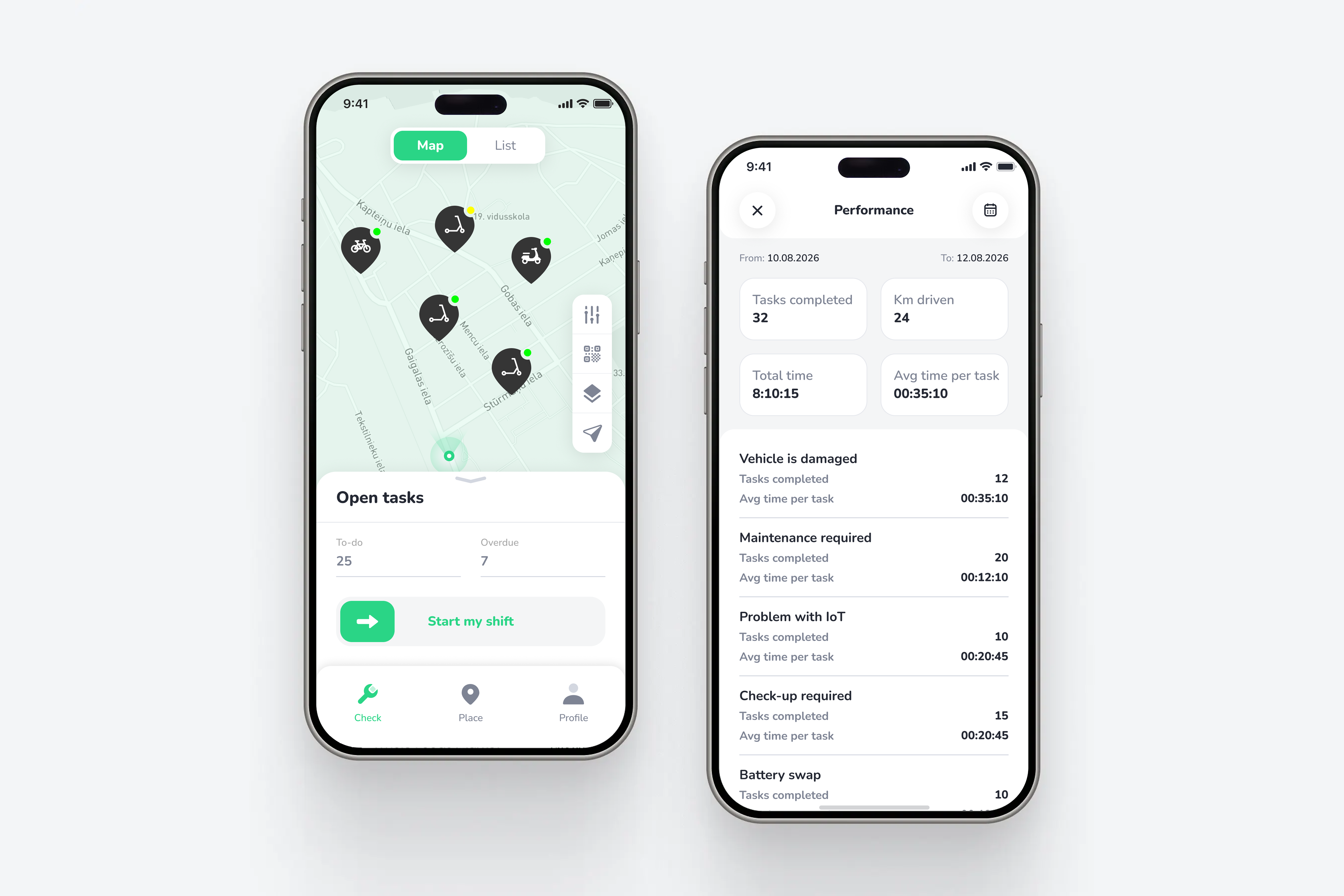
لقد أضفنا أيضاً:
معاً، تحول هذه التحديثات ATOM Task Manager من مجرد أداة لتوزيع المهام إلى نظام أكثر تكاملاً لأداء وتحسين العمليات الميدانية. يحصل المشغلون على سير عمل أوضح ورؤية أفضل لأدائهم الشخصي، بينما يحصل المديرون على البيانات التي يحتاجونها لفهم كيفية سير عملياتهم الميدانية فعلياً وتحديد مجالات تحسين الكفاءة.
الوظائف الجديدة متاحة لوحدات مشاركة المركبات و التأجير الرقمي في ATOM Mobility.
👉 اقرأ المزيد عن آخر تحديثات منصتنا:
https://www.atommobility.com/atomupdates
استخدم بيانات اعتماد الاختبار لتسجيل الدخول - رقم الهاتف: +1 123123123، الكود: 777777


بيانات اعتماد الإصدار التجريبي من تطبيق Driver - البريد الإلكتروني: test@atom.com، كلمة المرور: برنامج التشغيل