تحسين عمليات مشاركة المركبات الخاصة بك باستخدام ميزات ATOM الفريدة
7/10/2023
الحد الأدنى للقراءة


هل تفكر في إطلاق مشروع تجاري لمشاركة المركبات، أو ربما تكون بالفعل في اللعبة؟ بغض النظر عن مكان وجودك في رحلة عملك، من الضروري أن تفهم أنه في هذه الصناعة، يمكن للبرامج أن تغير قواعد اللعبة عندما يتعلق الأمر بنجاحك.
يمكن لمنصة سهلة الاستخدام وبديهية مع مجموعة شاملة من الميزات جذب العملاء والحفاظ على عودتهم. بالنسبة للمشغلين، يتعلق الأمر باستخراج رؤى قيمة من البرنامج لإدارة أعمالهم بشكل أفضل.
الخبر السار هو أن ATOM Mobility لديها مجموعة من الميزات الرائعة التي يمكن أن تأخذ مشروع مشاركة السيارة الخاص بك إلى المستوى التالي. في منشور المدونة هذا، سنتعمق في هذه الميزات ونكتشف كيف يمكنها تحسين نشاطك التجاري.
دعونا نبدأ!
مع ATOM، يمكن لشركات مشاركة المركبات توسيع خدماتها لتشمل شركات أخرى من خلال حسابات الشركات وفواتير الشركات. تسهل هذه الميزة شراكة فريدة ومفيدة للطرفين بين مزودي مشاركة المركبات والشركات المهتمة بخدماتهم.
تخيل، على سبيل المثال، بنكًا يتطلع إلى المستقبل يهدف إلى تعزيز نهج أكثر مراعاة للبيئة وأكثر استدامة للتنقل لموظفيه. بدلاً من اعتماد كل موظف على سياراته الفردية أو طرق النقل التقليدية، يقرر البنك التعاون مع مشغل مشاركة المركبات. يتضمن هذا التعاون إعداد حساب شركة داخل منصة ATOM.

في هذا السيناريو، يمكن للموظفين الوصول إلى أسطول من المركبات المشتركة المسجلة تحت حساب الشركة هذا. يمكن أن تشمل هذه المركبات السيارات والدراجات والدراجات البخارية أو أي وسيلة نقل متوفرة في شبكة مشاركة المركبات. يمكن للإدارة أيضًا تحديد وإعداد قيود للاستخدام، على سبيل المثال، تعيين حد أقصى قدره 200 يورو شهريًا لكل موظف لتغطية نفقات النقل أو السماح باستخدام طريقة دفع الشركات فقط خلال أيام الأسبوع.
تخلق هذه الميزة سيناريو يربح فيه الجميع، حيث يمكن للشركات تعزيز الممارسات المستدامة بين موظفيها - بينما يكتسب مشغلو مشاركة المركبات مصدرًا موثوقًا للإيرادات من خلال شراكات الشركات.
أجهزة أتوم للتنقل وحدة الولاء يضيف بعدًا ممتعًا إلى منصة العلامة البيضاء القابلة للتخصيص. يعزز تكامل الألعاب هذا تجربة المستخدم الإجمالية ويسمح للمشغلين بالتميز عن المنافسة.
.png)
إذن، ما الذي يجعل استخدام الألعاب ميزة رائعة؟
فهي تجعل التطبيقات أكثر متعة من خلال إضافة عناصر تشبه الألعاب، مما يعزز رضا المستخدم. نجحت التطبيقات الشهيرة مثل Duolingo و Fitbit و Headspace في استخدام الألعاب لإشراك المستخدمين. قادت ATOM Mobility صناعة التنقل المشترك ذات العلامة البيضاء من خلال تقديم هذه الميزة لأول مرة في صيف عام 2023. بشكل عام، يوفر التلعيب:
باستخدام وحدة الولاء، يمكن للمشغلين الوصول إلى لوحة معلومات خاصة لخلق التحديات. يمكن تخصيصها بالعناوين والأهداف المستندة إلى النقاط والمدة والمكافآت الجذابة مثل خصومات الركوب. تضيف التحديات متعددة المستويات الإثارة وتحافظ على تفاعل المستخدمين.
يمكن للمشغلين تخصيص الوحدة عن طريق ضبط النقاط ومنطق حساب النقاط وطول التحدي والمزيد. عندما يكمل المستخدمون التحديات، يحصلون على مكافآت. تساعد رؤى البيانات المشغلين على قياس مشاركة وفعالية جهودهم.
لاحظ عملاء ATOM زيادة في مشاركة العملاء والمزيد من الرحلات بمجرد أن بدأوا في استخدام وحدة الولاء. يمكنك أيضًا، تمامًا مثل المشغلين الآخرين، الاستمتاع بهذه المزايا عن طريق اختيار ATOM.
تقدم ATOM أيضًا ميزتين فريدتين تقدمان مزايا لكل من العملاء والمشغلين: الخصومات الجماعية ومناطق المكافآت.
تسمح منصة ATOM Mobility للمشغلين بتنفيذ خصومات جماعية. سواء كنت تستهدف الطلاب أو الأنشطة التجارية أو مجموعات محددة أخرى، يمكن للمشغلين إنشاء مستويات خصم مخصصة. في الواجهة الخلفية، يمكنهم بسهولة إدارة عضويات المجموعة.
الأمر بسيط - عندما يقوم أعضاء المجموعة بتسجيل الدخول، فإنهم يرون أسعارًا مخفضة مصممة خصيصًا لمجموعتهم. لا تجذب هذه الميزة جمهورًا أوسع فحسب، بل تعزز أيضًا الولاء بين المجموعات المستهدفة، مما يجعلها عرضًا جذابًا لمختلف الفئات السكانية.
لتعزيز المناطق ذات الطلب المرتفع وتحفيز الدراجين، قدمت ATOM Mobility مفهوم مناطق المكافآت. تشجع هذه المناطق المستخدمين على إنهاء رحلاتهم في مواقع شعبية محددة. عندما يمتثل المستخدمون، يحصلون على مكافآت.
الجانب المبتكر هو أن المكافأة يتم تطبيقها قبل تحصيل رسوم الرحلة، مما يعني حصول المستخدمين على خصم فوري. على سبيل المثال، إذا كانت تكلفة رحلة المستخدم 4 يورو وتم تعيين مكافأة بنسبة 10٪، فسيتم تحصيل 3.60 يورو فقط، مع خصم 0.40 يورو كمكافأة. يمكن للمستخدمين أيضًا استخدام المكافآت المتراكمة لدفع تكاليف المشاوير بالكامل، مما يجعلها طريقة مقنعة لتشجيع تكرار الأعمال ومكافأة ولاء المستخدم.
الإضافات المتاحة من خلال لوحة معلومات ATOM هي أداة متعددة الاستخدامات مصممة لتزويد الدراجين بخدمات متنوعة، بما في ذلك التأمين والتبرعات والمشاركة في اليانصيب أو أي خدمة أخرى تتوافق مع عروضك.
إليك كيفية عملها:
قبل بدء المشوار، يمكن لمستخدمي التطبيق تفعيل الإضافات التي أنشأتها، والتي ستتم محاسبتها بالإضافة إلى رسوم المشاوير القياسية. يتضمن هيكل التسعير للإضافات رسومًا ثابتة ورسومًا على أساس الوقت ورسومًا على أساس المسافة، ويمكن للمشغلين تعديل هذه العناصر ومزجها على النحو الذي يرونه مناسبًا.
.png)
توفر الإضافات في منصة ATOM Mobility مزايا لكل من المستخدمين والمشغلين. من منظور المستخدم، فإنها توفر التخصيص والقيمة والتحكم، مما يسمح للركاب بتخصيص تجربتهم واختيار خدمات مثل التأمين أو التبرعات بناءً على تفضيلاتهم.
بالنسبة للمشغلين، يمكن للإضافات إنشاء تدفقات إيرادات جديدة وتمييز الخدمات. كما أنها توفر رؤى قيمة للبيانات حول سلوك المستخدم وتفضيلاته، مما يتيح اتخاذ قرارات تعتمد على البيانات وإمكانية إقامة شراكات مع مزودي خدمات الطرف الثالث، مثل شركات التأمين.
يمكنك الآن التأكد من تعديل أسعار خدماتك تلقائيًا استنادًا إلى أوقات اليوم وأيام الأسبوع - تتيح لك هذه الميزة إجراء تعديلات تلقائية على الأسعار عن طريق تعيين مضاعفات حساسة للوقت من شأنها زيادة أو تقليل أسعار خدمتك، على سبيل المثال، ضعف السعر العادي لأمسيات نهاية الأسبوع أو خصم 30٪ في وقت مبكر من صباح الثلاثاء والأربعاء.
كيف يعمل؟
سيأخذ النظام السعر القياسي لطراز السيارة (وحدة مشاركة السيارة) أو فئة السيارة (وحدة الركوب - الانتظار) ويضربه في المضاعف المحدد في التسعير الديناميكي إذا تم بدء/طلب المشوار في أوقات وأيام محددة.
.png)
كما المزيد من المستهلكين عند اختيار النقل المستدام، من المقرر أن تشهد صناعة مشاركة المركبات زيادة الطلب في السنوات المقبلة. سيؤدي هذا الطلب المتزايد إلى جلب المزيد من المشغلين إلى الميدان، مما يؤدي إلى تكثيف المنافسة.
تتمثل إحدى طرق تمييز نفسك في تقديم تجربة مستخدم استثنائية من خلال البرنامج. إلى جانب الميزات الفريدة التي اكتشفناها، توفر ATOM Mobility أيضًا جميع العناصر الأساسية المميزات كما تتوقع، بما في ذلك تطبيق الراكب القابل للتخصيص، ولوحة معلومات المشغل الغنية بالميزات، وتحليل المركبات المدعوم بالذكاء الاصطناعي، والبيانات القوية وأدوات التحليلات لدعم قرارات العمل المستنيرة.
لا تفوت فرصة جذب المستخدمين والتميز في صناعة التنقل المشترك!
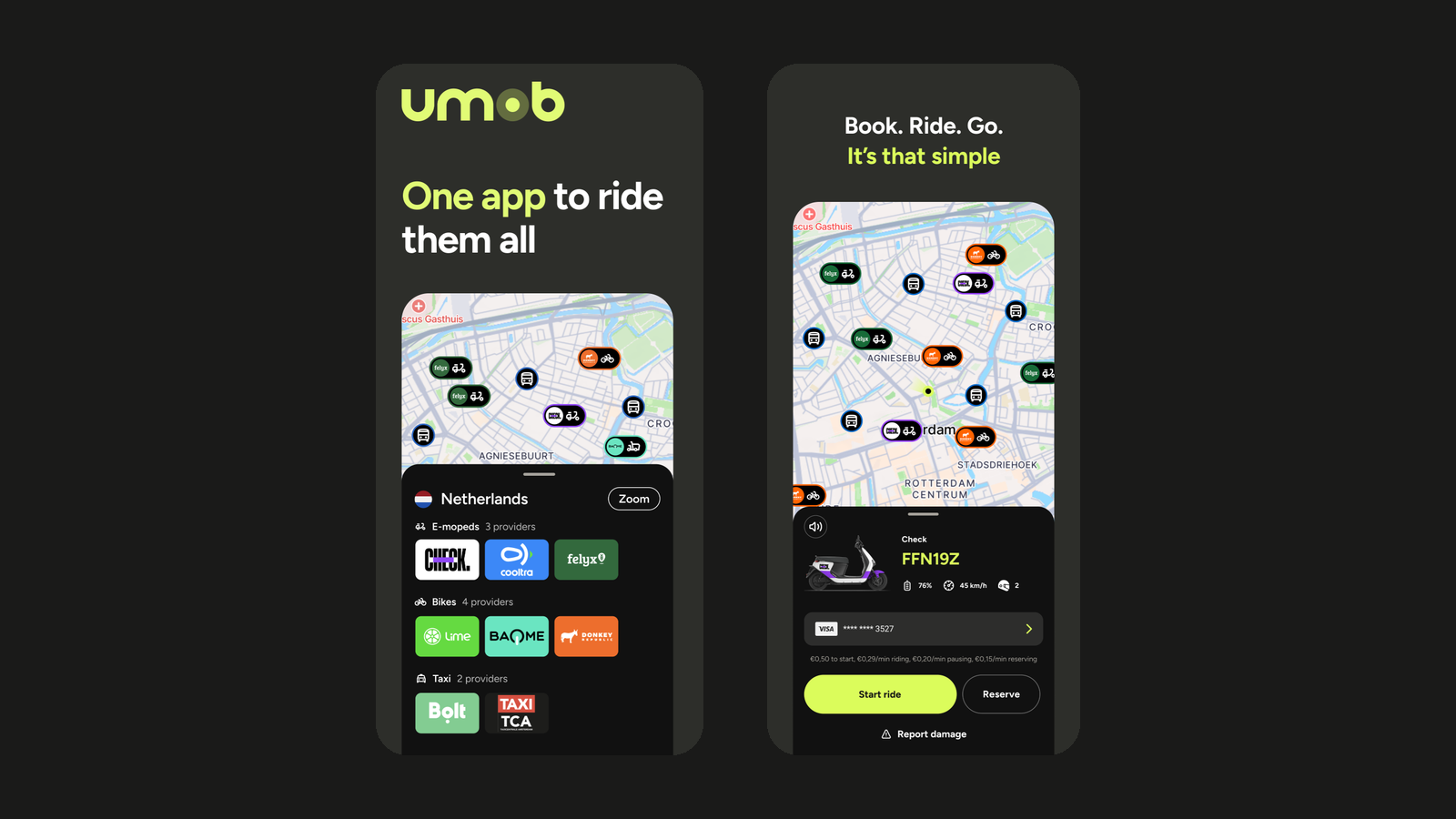
🌍 يمكنك الوصول إلى المزيد من الركاب مع ATOM Mobility وUmob. يمنح هذا التكامل مشغلي التنقل المشترك قناة توزيع إضافية، مما يساعد في جذب عملاء جدد، وزيادة الحجوزات، وتحسين معدلات استخدام الأسطول.
مستقبل التنقل لا يقتصر فقط على تشغيل المركبات، بل يتعلق بابتكار رحلات مريحة تجمع بين خيارات النقل المختلفة في تجربة مستخدم واحدة بسيطة.
ولهذا السبب يسعدنا تسليط الضوء على شراكتنا مع Umob، مما يساعد مشغلي التنقل على توسيع نطاق وصولهم وأن يصبحوا جزءاً من منظومة تنقل متعددة الوسائط متنامية.
سواء كنت تدير سيارات أو سكوترات أو دراجات هوائية أو دراجات نارية مشتركة عبر منصة ATOM Mobility، فإن التكامل مع Umob يجعل خدمتك متاحة لـ آلاف مستخدمي Umob الباحثين عن وسيلة تنقل مريحة.
يتوقع مستخدمو اليوم مرونة عالية؛ فهم لا يفكرون في مزودي خدمات التنقل بشكل منفصل، بل يريدون ببساطة أسرع وأسهل وأكثر الطرق ملاءمة للانتقال من النقطة (أ) إلى النقطة (ب).
تجمع Umob بين مختلف مزودي خدمات التنقل وخيارات النقل في تطبيق واحد. يمكن للمستخدمين العثور على خيارات التنقل المختلفة ومقارنتها وحجزها والدفع مقابلها دون الحاجة إلى تنزيل تطبيق منفصل أو إنشاء حساب جديد لكل مزود خدمة.
من خلال ربط أسطولك بـ Umob، يمكن للمشغلين:
بالنسبة لعملاء ATOM Mobility، صُمم هذا التكامل لتوفير طريقة مباشرة لفتح فرص توزيع جديدة مع الاستمرار في إدارة عملياتهم الأساسية من خلال منصة ATOM Mobility.
من خلال منصة ATOM Mobility، يمكن للمشغلين المشاركين ربط أساطيلهم بـ Umob، مما يتيح للمستخدمين اكتشاف المركبات المتاحة واستخدامها مباشرة عبر تطبيق Umob.
بمجرد الربط، ستظهر مركبات المشغلين المشاركين في Umob إلى جانب خيارات التنقل الأخرى المتاحة، مما يمنح المستخدمين نظرة عامة واضحة على الطرق المختلفة التي يمكنهم من خلالها الانتقال من النقطة (أ) إلى النقطة (ب).
يمكن للمستخدمين العثور على مركبة متاحة، وحجزها وفتح قفلها، وبدء رحلتهم وإنهائها، والدفع مباشرة من خلال تطبيق Umob.
صُمم هذا التكامل لدعم:
يواصل المشغلون إدارة أساطيلهم، وتسعيرهم، ومناطق الخدمة، والعمليات اليومية من خلال منصة ATOM Mobility، بينما توفر Umob قناة إضافية يمكن للمستخدمين من خلالها العثور على المركبات والوصول إليها.
بالنسبة لمشغلي التنقل، يتيح الربط مع Umob قناة توزيع إضافية دون تغيير الطريقة التي يديرون بها عملياتهم اليومية عبر ATOM Mobility.
من خلال إتاحة المركبات لآلاف مستخدمي Umob، يمكن للمشغلين زيادة ظهورهم في اللحظة التي يبحث فيها الأشخاص بنشاط عن وسيلة تنقل. وهذا يخلق إمكانية لجذب مستخدمين جدد، وتحقيق المزيد من الحجوزات، وتحسين معدل استخدام الأسطول بمرور الوقت.
يختلف كل سوق عن الآخر، لكن العديد من المشغلين يرون في شراكات "التنقل كخدمة" (MaaS) جزءاً مهماً من استراتيجية نموهم طويلة الأمد.
أحد أوائل مشغلي ATOM Mobility الذين انطلقوا من خلال تكامل Umob هو ZEUS Mobility، وهو مزود أوروبي طموح لخدمات مشاركة السكوتر الكهربائي، يركز بقوة على الابتكار، ويتبنى نهجاً ديناميكياً، ويسعى لمنافسة اللاعبين الراسخين في السوق.
ومن المناسب أن الشراكة بحد ذاتها بدأت من خلال شبكة ATOM Mobility.
التقت ZEUS وUmob لأول مرة في فعالية ATOM Mobility في ريغا. وعلى الرغم من أن التعارف الأولي حدث أثناء الفعالية، إلا أن المحادثة الجدية بدأت فعلياً خلال جلسة غير رسمية في وقت لاحق من ذلك المساء.
كانت ZEUS قد صادفت علامة Umob التجارية على مركبات التنقل أثناء السفر، وقد أُعجبت بالنهج المهني الذي تتبعه الشركة. وسرعان ما تحول ذلك التعرف إلى محادثة حول كيفية تعزيز الشركتين لعروضهما من خلال العمل معاً.
ومن هناك، تقدمت عملية التكامل بسرعة. وتصف ZEUS عملية الإعداد والتكامل حتى الآن بأنها "نظيفة واحترافية وسلسة."
بالنسبة لشركة ZEUS، تمثل هذه الشراكة فرصة لتعزيز حضور علامتها التجارية، والوصول إلى عملاء جدد، ودعم طموحاتها التوسعية في أوروبا.
عقب استحواذها على Superpedestrian في مايو 2026، تتطلع ZEUS إلى تسريع وتيرة نموها خلال عامي 2026 و2027، وتعد شراكتها مع Umob جزءاً من هذا الطموح.
"نحن في ZEUS سعداء للغاية بالشراكة مع Umob في الأسواق الأوروبية. فبعد استحواذنا على Superpedestrian في مايو 2026، نسعى في ZEUS إلى تحقيق نمو سريع خلال عامي 2026 و2027. ستساعدنا هذه الشراكة في دفع عجلة هذا النمو والوصول إلى عملاء جدد في أسواق جديدة. نتطلع إلى شراكة مثمرة." - داميان يونغ، ZEUS Mobility
تطبيق واحد لكل تنقلاتك. Umob هي منصة تنقل شاملة تجمع بين مختلف مزودي خدمات التنقل وخيارات النقل في تطبيق واحد.
يمكن للمستخدمين العثور على الدراجات المشتركة، والدراجات الكهربائية، والسكوتر، والدراجات النارية، ووسائل النقل العام، وسيارات الأجرة، وغيرها من خيارات التنقل المتاحة، ومقارنتها وحجزها والدفع مقابلها من خلال حساب واحد وتجربة دفع موحدة. فبدلاً من تنزيل تطبيق منفصل والتسجيل فيه لكل مزود خدمة أو في كل مدينة جديدة، يمكن للمستخدمين فتح تطبيق Umob والاطلاع على خيارات التنقل المتاحة من حولهم.
تتوفر Umob اليوم في أكثر من 28 دولة و300 مدينة، مما يتيح لآلاف المستخدمين طريقة أسهل للوصول إلى مختلف وسائل التنقل سواء في مدنهم أو أثناء السفر.
حقائق رئيسية
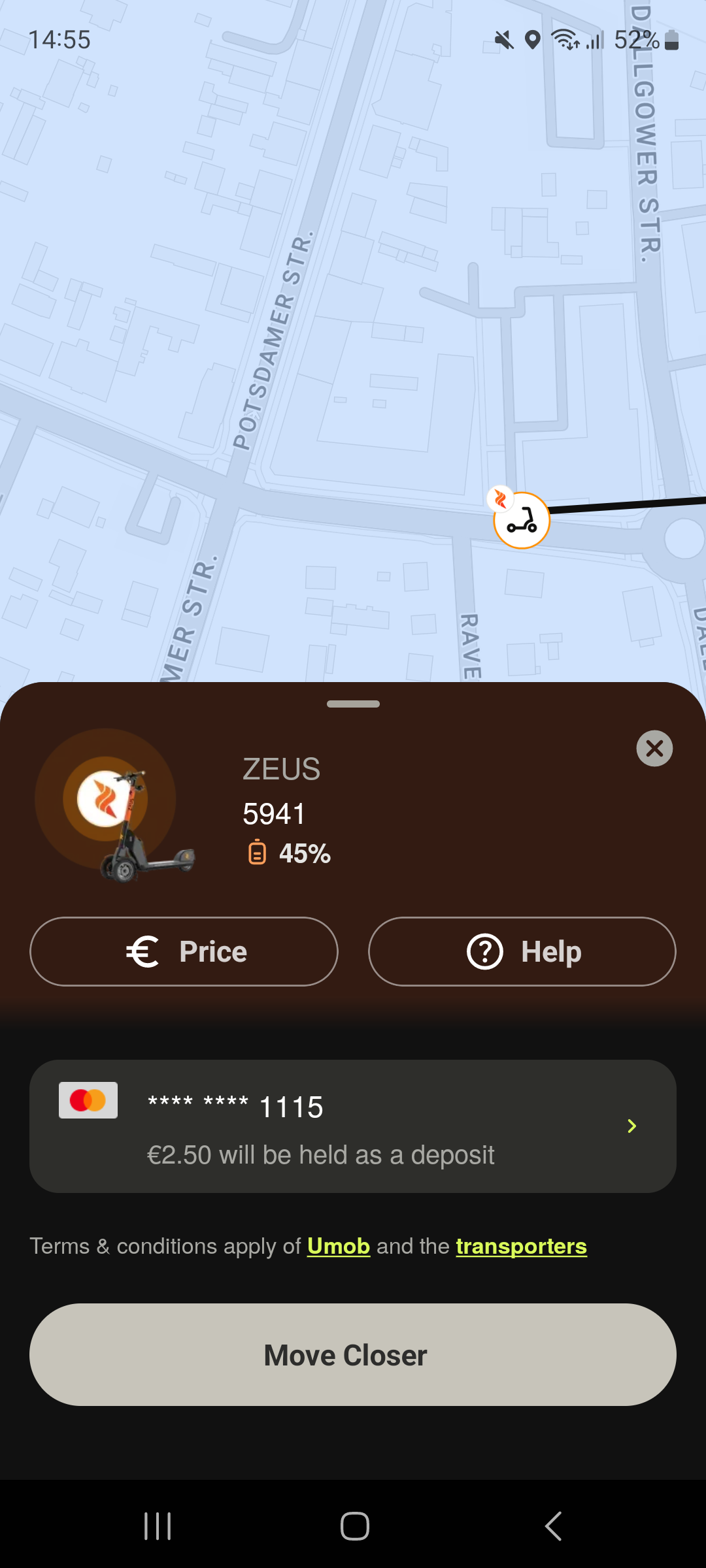
إذا كنت تدير بالفعل خدمة التنقل المشترك الخاصة بك على منصة ATOM Mobility، فإن الربط مع Umob قد يكون الخطوة التالية نحو الوصول إلى المزيد من المستخدمين وأن تصبح جزءاً من منظومة تنقل مترابطة حقاً.
إذا كنت مهتماً بتفعيل هذا التكامل أو معرفة المزيد حول كيفية عمله، تواصل مع فريقنا. نحن نتطلع إلى مساعدة المزيد من المشغلين على التواصل والتعاون وجعل التنقل المستدام أسهل للجميع.
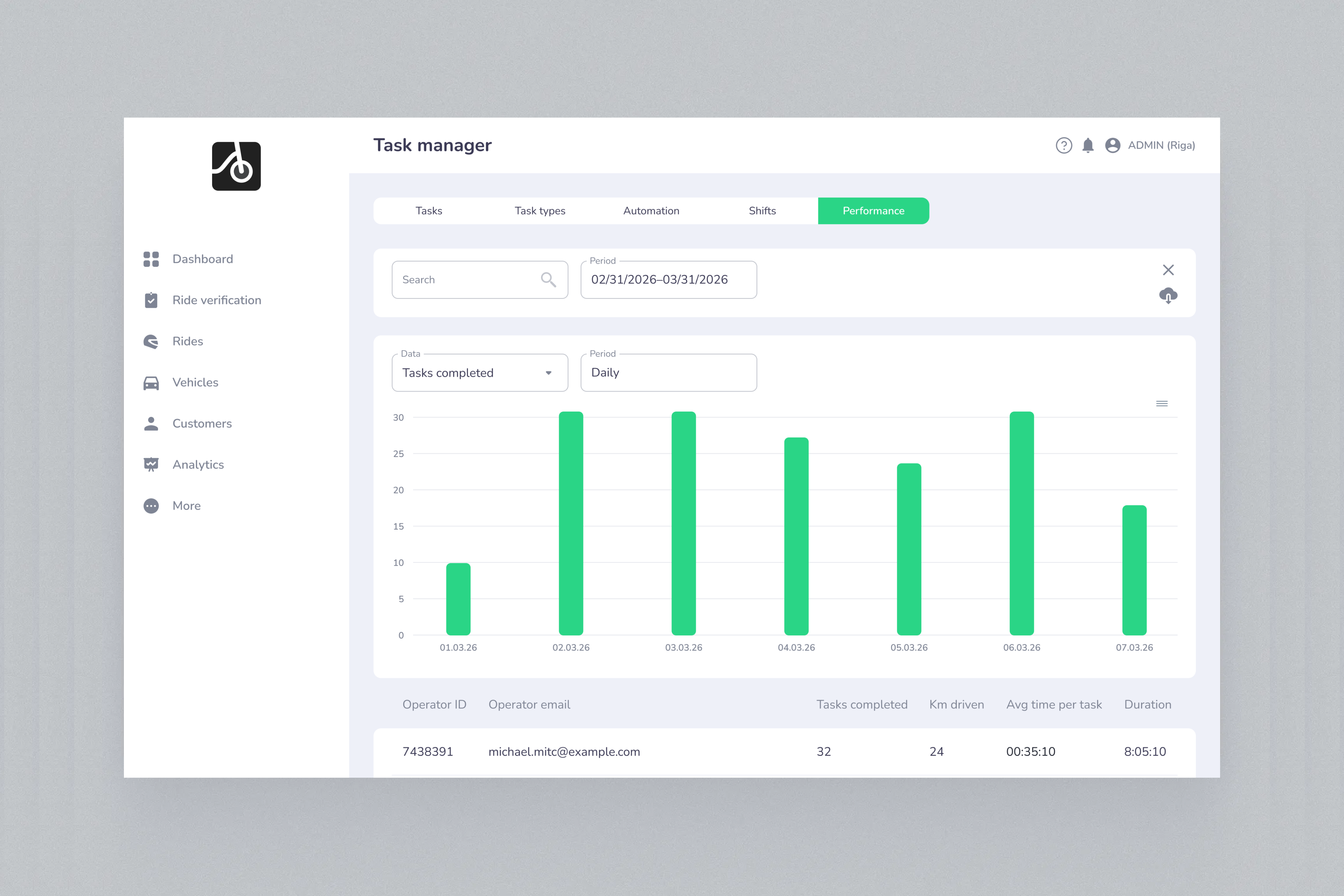
👷📊 يتجاوز مدير مهام ATOM الآن مجرد توزيع المهام بفضل وظائف الورديات وأداء المشغلين الجديدة. تتبع مسارات الورديات، والمسافة المقطوعة، والمهام المنجزة، والوقت المستغرق لكل مهمة، وأداء كل مشغل على حدة، مما يمنح مديري الأساطيل رؤية أوضح بكثير للعمليات الميدانية ومستوى الكفاءة.
لا تقتصر إدارة أسطول كبير للتنقل المشترك أو التأجير على معرفة المهام التي تم إنجازهافحسب، بل تتعلق أيضاً بفهم مدى كفاءة عمل الفرق الميدانية. لقد قمنا بتوسيع مدير مهام ATOM Mobility بشكل كبير بإضافة وظائف الورديات والأداء، مما يمنح مديري الأساطيل رؤية أفضل بكثير لنشاط المشغلين، وعبء العمل، والمسارات، ومستوى الأداء.
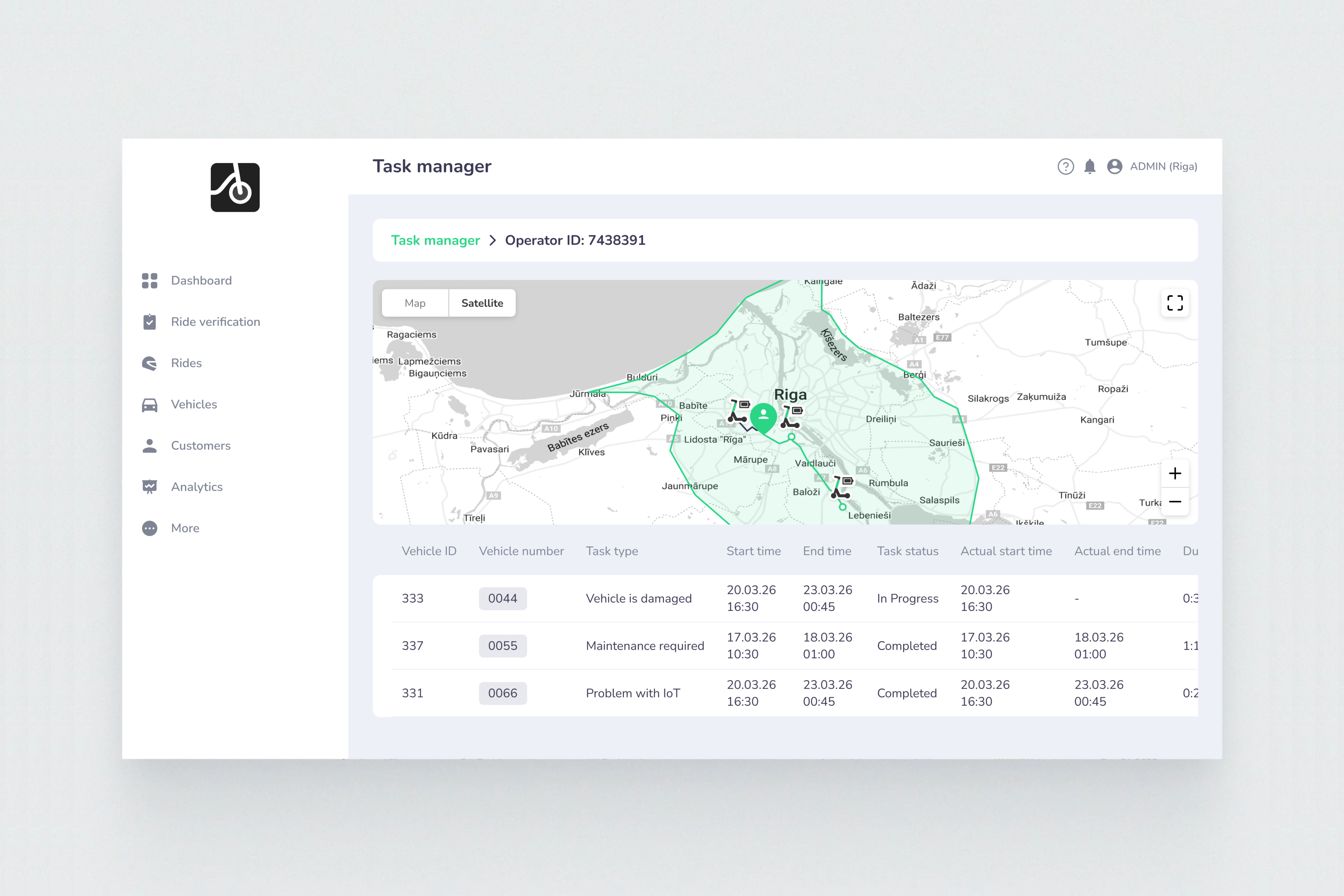
تمنحك علامة التبويب الورديات الجديدة للمديرين نظرة عامة مركزية على جميع ورديات المشغلين، بما في ذلك:
يمكن للمديرين فتح أي وردية فردية للاطلاع على الصورة التشغيلية الكاملة. فلكل مهمة، يمكنك رؤية المركبة، ونوع المهمة، ووقت البدء المخطط له والموعد النهائي، وأوقات البدء والانتهاء الفعلية، والحالة، والمدة الإجمالية للمهمة.
تتضمن كل وردية أيضاً خريطة توضح حركة المشغل الكاملة أثناء الوردية والمواقع التي تم تنفيذ المهام الفردية فيهابالنسبة للنوبات الجارية حالياً، يمكن للمديرين أيضاً الاطلاع على الموقع الحالي للمشغل.
وهذا يسهل كثيراً فهم المسار الفعلي، وحجم العمل، والقرارات المتخذة خلال كل نوبة، بالإضافة إلى تحديد فرص تحسين كيفية إدارة فرق العمل الميدانية لصيانة الأسطول وعملياته.
علامة التبويب الأداء الجديدة تجمع النتائج التشغيلية لكل مشغل خلال فترة زمنية محددة.
يمكن للمديرين تتبع:
بدلاً من مراجعة مئات المهام الفردية، يمكن للمديرين مقارنة المشغلين بسرعة، وتحديد أصحاب الأداء المتميز، ورصد المجالات التي قد تحتاج إلى تدريب إضافي أو تحسينات تشغيلية.
لجعل بيانات الأداء دقيقة ومفيدة، قدمنا أيضاً سير عمل جديد للنوبات والمهام في تطبيق ATOM للمشغلين. يبدأ المشغلون الآن نوبات عملهم وينهونها مباشرة من خلال التطبيق، بينما يتم تسجيل أوقات بدء المهام الفردية وإتمامها تلقائياً.
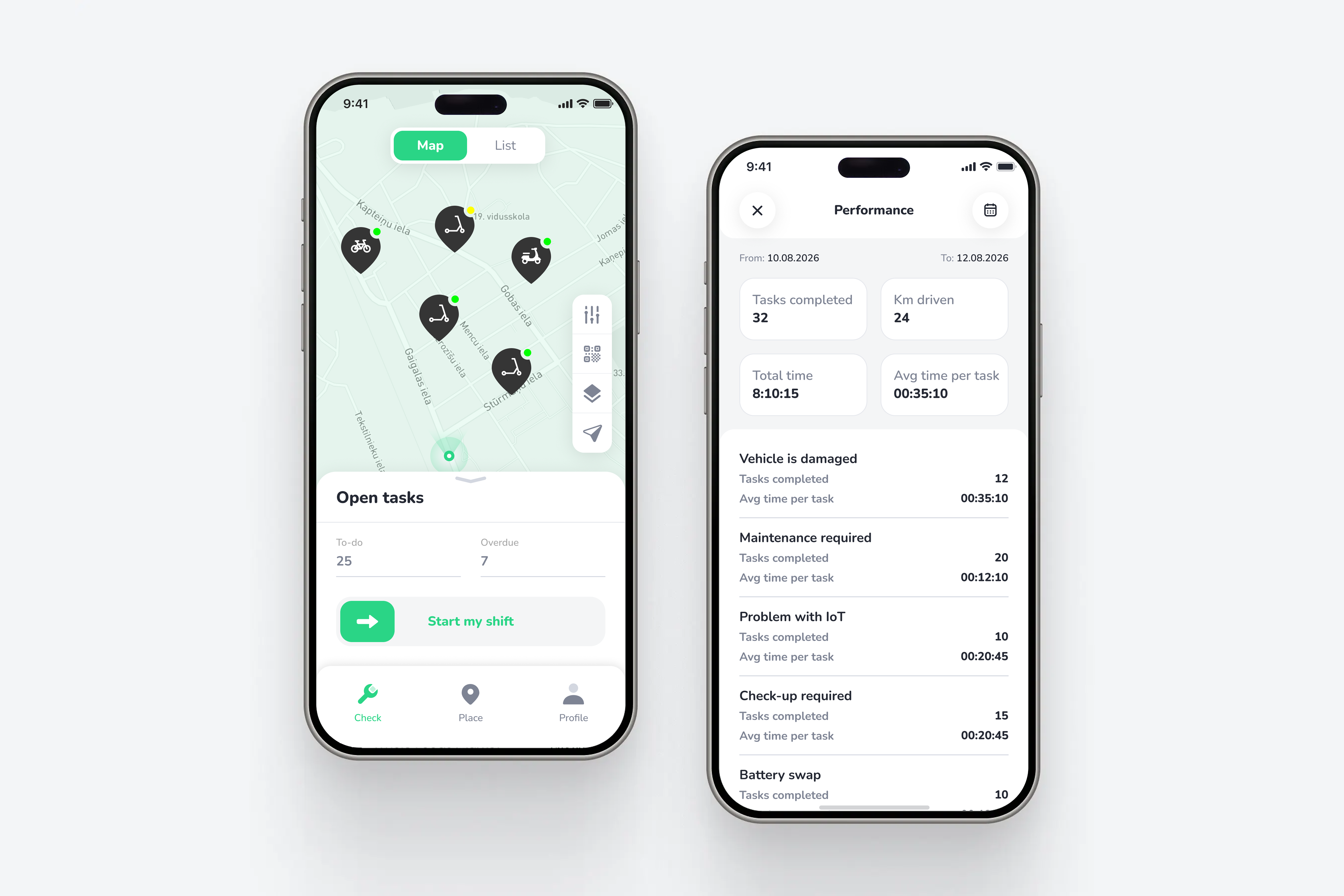
لقد أضفنا أيضاً:
معاً، تحول هذه التحديثات ATOM Task Manager من مجرد أداة لتوزيع المهام إلى نظام أكثر تكاملاً لأداء وتحسين العمليات الميدانية. يحصل المشغلون على سير عمل أوضح ورؤية أفضل لأدائهم الشخصي، بينما يحصل المديرون على البيانات التي يحتاجونها لفهم كيفية سير عملياتهم الميدانية فعلياً وتحديد مجالات تحسين الكفاءة.
الوظائف الجديدة متاحة لوحدات مشاركة المركبات و التأجير الرقمي في ATOM Mobility.
👉 اقرأ المزيد عن آخر تحديثات منصتنا:
https://www.atommobility.com/atomupdates
استخدم بيانات اعتماد الاختبار لتسجيل الدخول - رقم الهاتف: +1 123123123، الكود: 777777


بيانات اعتماد الإصدار التجريبي من تطبيق Driver - البريد الإلكتروني: test@atom.com، كلمة المرور: برنامج التشغيل