Miglioramento delle operazioni di sharing dei veicoli con le caratteristiche uniche di ATOM
October 7, 2023
lettura minima


Stai pensando di avviare un'attività di car sharing o forse sei già in gioco? A prescindere dal punto in cui vi trovate nel vostro percorso aziendale, è fondamentale capire che in questo settore, il software può essere un punto di svolta in termini di successo.
Una piattaforma facile da usare e intuitiva con un set completo di funzionalità può attirare clienti e farli tornare. Per gli operatori, si tratta di estrarre informazioni preziose dal software per gestire al meglio la propria attività.
La buona notizia è che ATOM Mobility ha una gamma di fantastiche funzionalità che possono portare la tua impresa di condivisione di veicoli a un livello superiore. In questo post del blog, approfondiremo queste funzionalità e scopriremo come possono migliorare la tua attività.
Cominciamo!
Con ATOM, le società di car sharing possono estendere i propri servizi ad altre aziende tramite account aziendali e fatturazione aziendale. Questa funzionalità facilita una partnership unica e reciprocamente vantaggiosa tra i fornitori di servizi di car sharing e le aziende interessate ai loro servizi.
Immagina, ad esempio, una banca lungimirante che mira a promuovere un approccio più verde e sostenibile alla mobilità per i suoi dipendenti. Invece di affidare ogni dipendente alla propria auto o ai metodi di trasporto tradizionali, la banca decide di collaborare con un operatore di car sharing. Questa collaborazione prevede la creazione di un account aziendale all'interno della piattaforma ATOM.

In questo scenario, i dipendenti hanno accesso a una flotta di veicoli condivisi registrati con questo account aziendale. Questi veicoli possono includere auto, biciclette, scooter o qualsiasi mezzo di trasporto disponibile nel rete di condivisione di veicoli. La direzione può anche decidere e impostare limitazioni all'utilizzo, ad esempio, fissare un limite massimo di 200 EUR/mese per dipendente per coprire le spese di trasporto o consentire l'utilizzo del metodo di pagamento aziendale solo durante i giorni feriali.
Questa funzionalità crea uno scenario vantaggioso per tutti, in cui le aziende possono promuovere pratiche sostenibili tra i propri dipendenti, mentre gli operatori di car sharing ottengono una fonte affidabile di entrate attraverso le partnership aziendali.
ATOM Mobility modulo fedeltà aggiunge una dimensione divertente alla sua piattaforma white-label personalizzabile. Questa integrazione con la gamification migliora l'esperienza utente complessiva e consente agli operatori di distinguersi dalla concorrenza.
.png)
Quindi, cosa rende la gamification una funzionalità così eccezionale?
Rende le app più divertenti aggiungendo elementi simili a giochi, aumentando la soddisfazione degli utenti. App popolari come Duolingo, Fitbit e Headspace hanno utilizzato con successo la gamification per coinvolgere gli utenti. ATOM Mobility ha guidato il settore della mobilità condivisa white label introducendo questa funzionalità per la prima volta nell'estate del 2023. In generale, la gamification offre:
Con il modulo fedeltà, gli operatori hanno accesso a una dashboard speciale per creare sfide. Questi possono essere personalizzati con titoli, obiettivi basati sui punti, durata e premi allettanti come sconti sulle corse. Le sfide a più livelli aggiungono entusiasmo e coinvolgono gli utenti.
Gli operatori possono personalizzare il modulo regolando i punti, la logica di calcolo dei punti, la durata della sfida e altro ancora. Quando gli utenti completano le sfide, ricevono dei premi. Gli approfondimenti sui dati aiutano gli operatori a valutare il coinvolgimento e l'efficacia dei loro sforzi.
I clienti di ATOM hanno notato un aumento del coinvolgimento dei clienti e un aumento delle corse non appena hanno iniziato a utilizzare il modulo fedeltà. Anche tu, come gli altri operatori, puoi usufruire di questi vantaggi scegliendo ATOM.
ATOM offre anche due caratteristiche uniche che offrono vantaggi sia ai clienti che agli operatori: sconti di gruppo e zone bonus.
La piattaforma di ATOM Mobility consente agli operatori di implementare sconti di gruppo. Che si tratti di studenti, aziende o altri gruppi specifici, gli operatori possono creare livelli di sconto personalizzati. Nel backend, possono gestire facilmente le appartenenze ai gruppi.
È semplice: quando i membri del gruppo accedono, vedono tariffe scontate su misura per il loro gruppo. Questa funzionalità non solo attira un pubblico più ampio, ma favorisce anche la fedeltà tra i gruppi mirati, rendendola una proposta interessante per vari gruppi demografici.
Per promuovere le aree ad alta richiesta e incentivare i ciclisti, ATOM Mobility ha introdotto il concetto di zone bonus. Queste zone incoraggiano gli utenti a terminare le corse in determinate località popolari. Quando gli utenti si conformano, ricevono dei bonus.
L'aspetto innovativo è che il bonus viene applicato prima dell'addebito della corsa, il che significa che gli utenti ottengono uno sconto immediato. Ad esempio, se la corsa di un utente costa 4 EUR e viene impostato un bonus del 10%, verranno addebitati solo 3,60 EUR, con 0,40 EUR detratti come bonus. Gli utenti possono inoltre utilizzare i bonus accumulati per pagare l'intero importo delle corse, il che rappresenta un modo convincente per incoraggiare gli acquisti ripetuti e premiare la fedeltà degli utenti.
I componenti aggiuntivi disponibili tramite la dashboard ATOM sono uno strumento versatile progettato per fornire ai motociclisti vari servizi, tra cui assicurazioni, donazioni, partecipazione a lotterie o qualsiasi altro servizio in linea con le tue offerte.
Ecco come funziona:
Prima di iniziare una corsa, gli utenti dell'app possono attivare i componenti aggiuntivi che hai creato, che verranno fatturati in aggiunta alle tariffe standard della corsa. La struttura dei prezzi per i componenti aggiuntivi comprende una tariffa fissa, una tariffa basata sul tempo e una tariffa basata sulla distanza e gli operatori possono modificare e combinare questi elementi come meglio credono.
.png)
I componenti aggiuntivi della piattaforma ATOM Mobility offrono vantaggi sia agli utenti che agli operatori. Dal punto di vista dell'utente, forniscono personalizzazione, valore e controllo, consentendo ai motociclisti di personalizzare la propria esperienza e scegliere servizi come assicurazioni o donazioni in base alle loro preferenze.
Per gli operatori, i componenti aggiuntivi possono creare nuovi flussi di entrate e differenziare i servizi. Forniscono inoltre preziose informazioni sul comportamento e sulle preferenze degli utenti, consentendo decisioni basate sui dati e la possibilità di collaborare con fornitori di servizi terzi, come le compagnie assicurative.
Ora puoi assicurarti che i prezzi dei tuoi servizi si adeguino automaticamente in base alle ore del giorno e ai giorni della settimana: questa funzione ti consente di automatizzare gli aggiustamenti dei prezzi impostando moltiplicatori sensibili al tempo che aumenteranno o diminuiranno il prezzo del tuo servizio, ad esempio il doppio del prezzo normale per le serate del fine settimana o uno sconto del 30% nelle prime ore di martedì e mercoledì mattina.
Come funziona?
Il sistema prenderà il prezzo standard per il modello di veicolo (modulo di condivisione del veicolo) o la classe del veicolo (modulo ride-hail) e lo moltiplicherà per il moltiplicatore impostato nella tariffa dinamica se la corsa viene iniziata/richiesta entro orari e giorni specificati.
.png)
Come più consumatori optando per un trasporto sostenibile, il settore del car sharing è destinato a vedere un aumento della domanda nei prossimi anni. Questa crescente domanda porterà più operatori sul campo, intensificando la concorrenza.
Un modo per distinguersi è offrire un'esperienza utente eccezionale tramite il software. Oltre alle caratteristiche uniche che abbiamo esplorato, ATOM Mobility fornisce anche tutto il necessario caratteristiche ti aspetteresti, tra cui un'app per motociclisti personalizzabile, un cruscotto operatore ricco di funzionalità, analisi dei veicoli basata sull'intelligenza artificiale e solidi strumenti di dati e analisi per supportare decisioni aziendali informate.
Non perdere l'occasione di conquistare i tuoi utenti e distinguerti nel settore della mobilità condivisa!
Fai clic qui sotto per saperne di più o richiedere una demo.

The micromobility industry doesn’t need another generic mobility conference. 🚫🎤 It needs real conversations between operators who are actually in the field. ⚙️ That’s exactly what ATOM Connect 2026 is built for. 🎯🤝
The shared mobility industry is evolving rapidly. Operators are navigating scaling challenges, regulatory complexity, hardware decisions, fleet optimization, and new integration models, all while aiming for sustainable growth.
That’s exactly why ATOM Mobility is organizing ATOM Connect 2026.
Our previous edition of ATOM Connect brought together professionals from the car sharing and rental industry for focused, high-quality discussions and networking. This year, we are narrowing the focus and dedicating the entire event to one fast-moving segment of the industry: shared micromobility.
ATOM Connect 2026 is designed specifically for operators, partners, and decision-makers working in shared micromobility. It is not a broad mobility conference or a public exhibition. It is a curated space for industry professionals to exchange practical experience, insights, and lessons learned.
On May 14th, 2026 in Riga, we will once again bring the community together, this time with a clear focus on micromobility.
This year’s agenda will address the real operational and strategic questions shaping shared micromobility today:
As usual, we aim to host both local and international operators from smaller, fast-growing fleets to established large-scale players alongside hardware providers and ecosystem partners.
On stage, you’ll hear from leading shared mobility companies - including Segway on hardware partnerships, Umob on MaaS integration, Anadue on data-driven fleet intelligence, Elerent on multi-vehicle operational realities and more insightful discussions.
The goal is simple: meaningful discussions with people who understand the operational realities of the industry.
ATOM Connect is free to attend, but participation is industry-focused (each submission is manually reviewed and verified). We are intentionally keeping the audience relevant and aligned to ensure high-quality conversations and valuable networking.
If you work in shared micromobility and would like to join the event, you can find the full agenda and register here:
👉 https://www.atommobility.com/atom-connect-2026
In the coming weeks, we will be revealing more speakers and additional agenda updates. We look forward to bringing the industry together again.
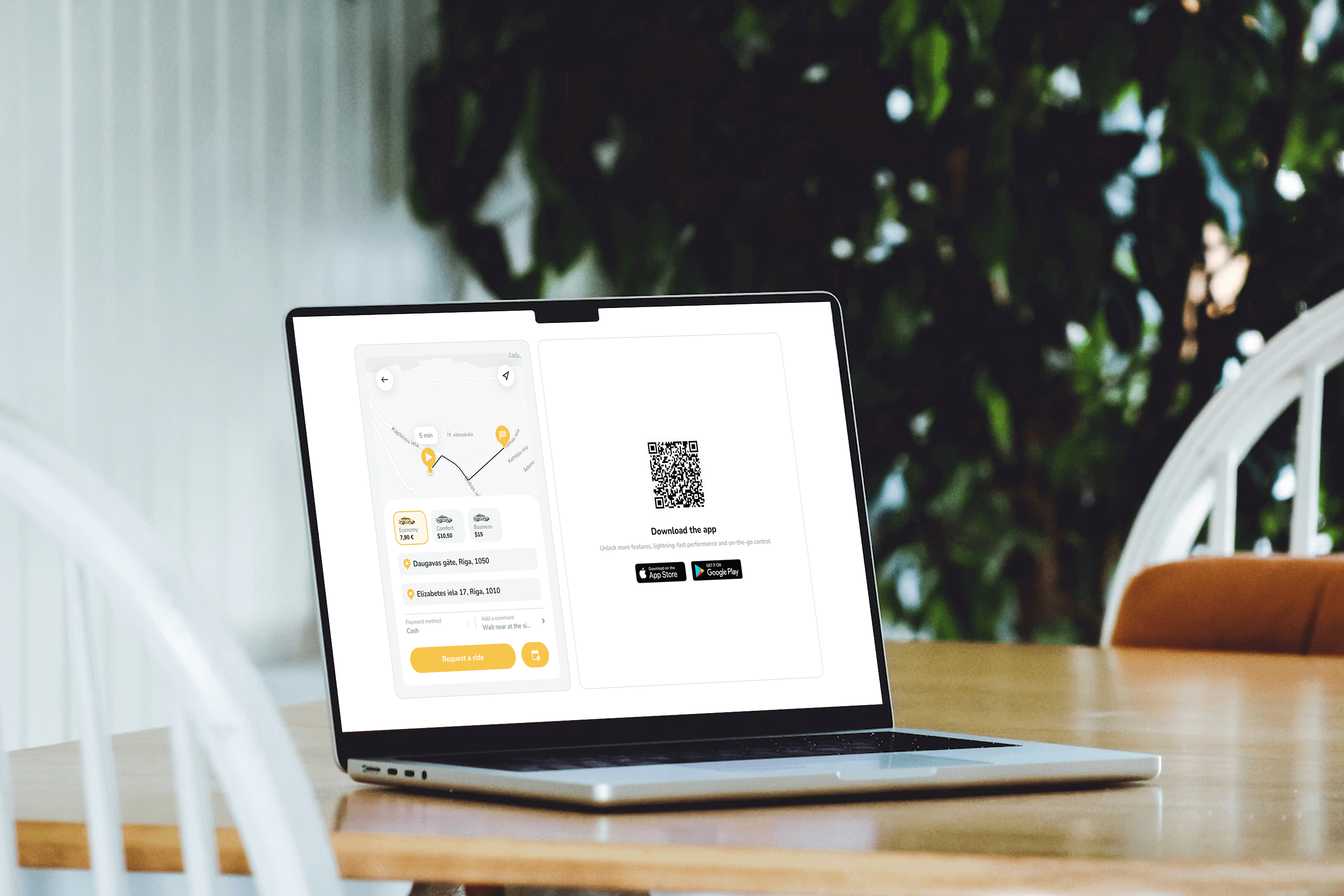
🚕 Web-booker is a lightweight ride-hail widget that lets users book rides directly from a website or mobile browser - no app install required. It reduces booking friction, supports hotel and partner demand, and keeps every ride fully synced with the taxi operator’s app and dashboard.
What if ordering a taxi was as easy as booking a room or clicking “Reserve table” on a website?
Meet Web-booker - a lightweight ride-hail booking widget that lets users request a cab directly from a website, without installing or opening the mobile app.
Perfect for hotels, business centers, event venues, airports, and corporate partners.
👉 Live demo: https://app.atommobility.com/taxi-widget
Web-booker is a browser-based ride-hail widget that operators can embed or link to from any website.
The booking happens on the web, but the ride is fully synchronized with the mobile app and operator dashboard.
No redirects. No app-store friction. No lost users.
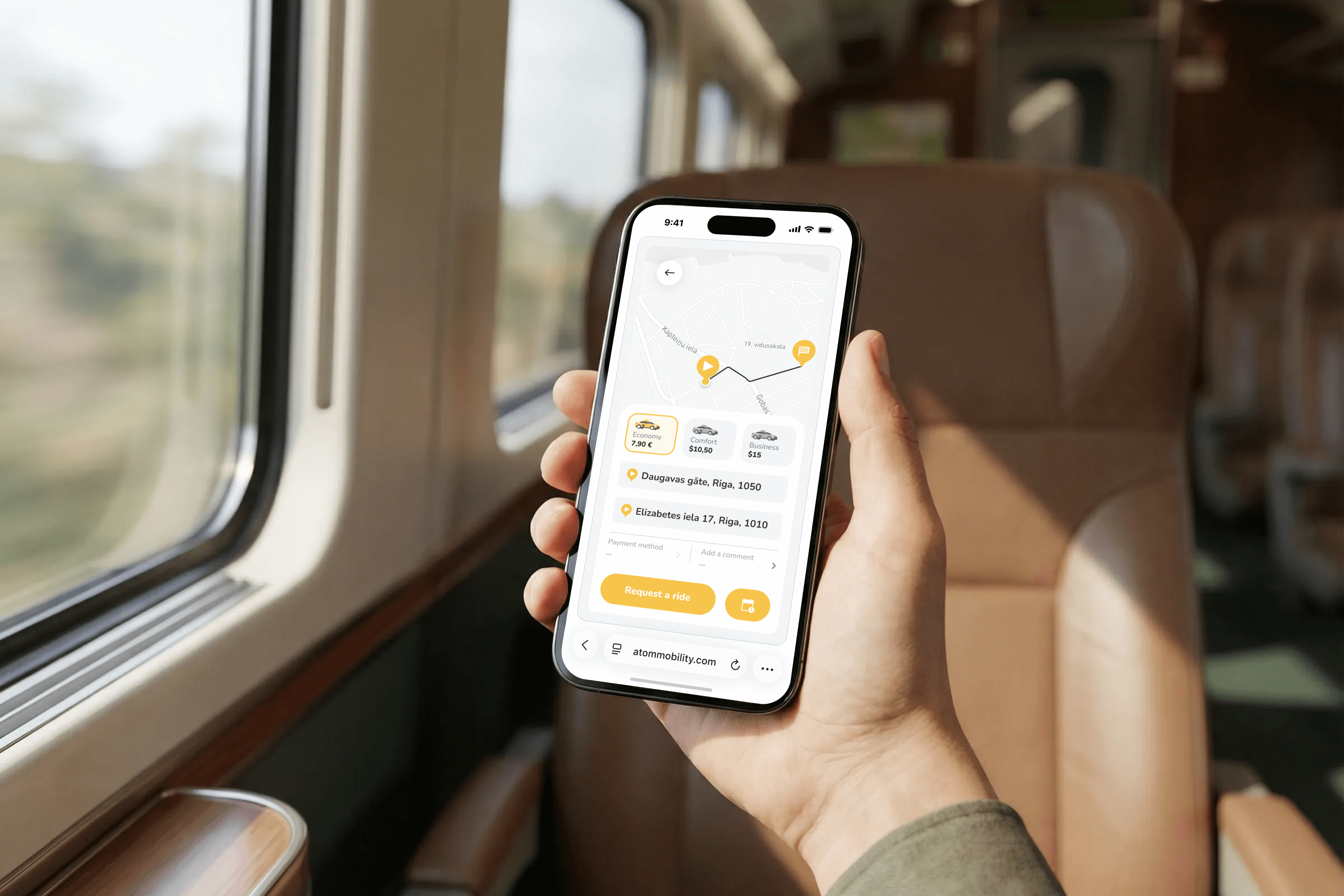
This keeps fraud low while preserving conversion.
Web-booker addresses one of the most common friction points in ride-hailing: users who need a ride now but are not willing to download an app first. By allowing bookings directly from a website, operators can capture high-intent demand at the exact moment it occurs - whether that is on a hotel website, an event page, or a partner landing page.
At the same time, Web-booker makes partnerships with hotels and venues significantly easier. Instead of complex integrations or manual ordering flows, partners can simply place a button or link and immediately enable ride ordering for their guests. Importantly, this approach does not block long-term app growth. The booking flow still promotes the mobile app through QR codes and store links, allowing operators to convert web users into app users over time - without forcing the install upfront.
Web-booker is not designed to replace the mobile app. It extends the acquisition funnel by adding a low-friction entry point, while keeping all bookings fully synchronized with the operator’s app and dashboard.
👉 Try the demo
https://app.atommobility.com/taxi-widget
Want to explore a ride-hail or taxi solution for your business - or migrate to a more flexible platform? Visit: https://www.atommobility.com/products/ride-hailing
Credenziali demo dell'app Driver - Email: test@atom.com, Password: autista

