رحلة أوبر الملهمة - وما يمكننا تعلمه منها
11/5/2023
الحد الأدنى للقراءة

.jpg)
في عام 2010، أحدثت شركة تدعى Uber ضجة في سان فرانسيسكو من خلال تغيير الطريقة التي يرحب بها الناس بسيارات الأجرة. اليوم، توسعت الشركة بسرعة في جميع أنحاء العالم. على مر السنين، ارتفع تقييم أوبر بشكل كبير، وتطورت من خدمة مشاركة الركوب إلى مؤسسة ضخمة تتنافس في أسواق توصيل الطعام وتأجير السيارات.
يمثل تطور أوبر من شركة ناشئة صغيرة إلى شركة عملاقة قصة رائعة لممارسات الأعمال ذات الرؤية التي أحدثت ثورة في صناعة بأكملها. دعونا نلقي نظرة فاحصة على كيفية تحقيق Uber لنجاحها.
كان لدى غاريت كامب، أحد مؤسسي أوبر، تجربة مباشرة عن المشكلات المتعلقة بخدمات سيارات الأجرة التقليدية في سان فرانسيسكو، حيث كان يكافح كثيرًا للعثور على رحلة موثوقة.
لعقود من الزمان، كان لدى سان فرانسيسكو عدد محدود من تراخيص سيارات الأجرة. تجاوز الطلب على سيارات الأجرة العرض، مما أدى إلى سوء الخدمة والانتظار الطويل. على الرغم من ذلك، عارض سائقو سيارات الأجرة والأساطيل في سان فرانسيسكو بشدة أي محاولات لزيادة عدد التصاريح، حيث كانوا مصممين على إبقاء المنافسة عند الحد الأدنى.
ابتكر كامب فكرة إنشاء خدمة سيارات عند الطلب يمكن للركاب تتبعها عبر هواتفهم. بالنظر إلى خدمات سيارات الأجرة الشهيرة التي لا يمكن الاعتماد عليها في سان فرانسيسكو، كانت فكرة كامب منطقية تمامًا لأنها قدمت حلاً لزيادة عدد الرحلات المتاحة وإبلاغ العملاء بوقت الانتظار المتوقع.
رأى كامب متجر تطبيقات iPhone الجديد كطريقة لجعله حقيقة واقعة. باستخدام مقياس التسارع الخاص بالهاتف، يمكنه شحن الركاب بالدقيقة أو الميل، على غرار عداد التاكسي. وبالتعاون مع زميل رائد الأعمال ترافيس كالانيك، عززوا فكرة مبتكرة: ماذا لو تمكن العملاء من استدعاء سيارة عن طريق هواتفهم الذكية دون عناء؟
تم إطلاق Uber رسميًا في سان فرانسيسكو في عام 2010. حقق التطبيق نجاحًا فوريًا نظرًا لسهولة استخدامه: يمكن للعملاء طلب رحلة وتحديد موقعهم باستخدام نظام تحديد المواقع العالمي (GPS) وتحميل الأجرة تلقائيًا إلى حساباتهم.
ارتفع تقييم أوبر إلى 51 مليار دولار بعد جولات التمويل في عام 2015، مما يجعلها الشركة العالمية الأكثر قيمة بدء التشغيل في ذلك الوقت. فيما يلي بعض المعالم الهامة الأخرى في تاريخ الشركة:
يقدم نهج Uber الاستراتيجي للتوسع عالميًا وتحسين تجارب المستخدم باستمرار دروسًا قيمة لأي شركة تعتمد على التكنولوجيا. لفهم المزيد حول البرنامج الذي يدعم هذه الخدمات، تعلم المزيد حول حلول حجز الرحلات الخاصة بنا.
على الرغم من أن نجاح أوبر يمكن أن يُعزى جزئيًا إلى الفكرة المبتكرة لمؤسسها، إلا أن هناك عوامل مهمة أخرى لعبت دورًا في إنجازات الشركة. بدون الإستراتيجية والتنفيذ المناسبين، لم تكن الشركة قد حققت مثل هذه الارتفاعات.
تدين أوبر بالكثير من نموها السريع إلى نموذج أعمالها الخفيف الأصول، مما سمح لها بالتوسع في العديد من الأسواق بسهولة. على الرغم من أن فرق المبيعات وأعمال الترجمة كانت ضرورية لدخول أسواق جديدة، إلا أن البرنامج - التطبيق الخاص بهم - كان الأصل الرئيسي الذي قدموه. نظرًا لأن السائقين يجلبون سياراتهم الخاصة والركاب الذين يستخدمون هواتفهم الذكية الخاصة، لم تضطر أوبر إلى القيام باستثمارات رأسمالية كبيرة للعمل في هذه الأسواق.
علاوة على ذلك، تشير التقديرات إلى أن تكلفة منصة Uber التكنولوجية أقل من 2 مليون دولار للتطوير، وهو استثمار صغير نسبيًا مقارنة بالتقييم الحالي للشركة. من خلال التركيز على إنشاء تطبيق بسيط وسهل الاستخدام، تمكنت Uber من إنشاء منصة قابلة للتطوير يمكنها تلبية احتياجات الركاب والسائقين على حد سواء بكفاءة.
بالنسبة لعملاء ATOM Mobility، فإن التطبيق موجود بالفعل - وهو قابل للتخصيص بدرجة كبيرة للتأكد من أنه يناسب عملك والسوق المستهدف. لذلك، لن تحتاج إلى استثمار أشهر وملايين الدولارات لتصنع بنفسك من الصفر
يبدو أن نموذج إيرادات Uber يعتمد على عادات العملاء بدلاً من الولاء للعلامة التجارية. في حين أنه من الصحيح أن العديد من الأشخاص يستخدمون Uber بانتظام، إلا أن أدوات التسويق الخاصة بالشركة تعتمد على الخصومات والأسعار المتزايدة أكثر من بناء صورة العلامة التجارية التقليدية.
استخدام أوبر لـ التسعير المفاجئ هو مثال جيد. من خلال تعديل الأسعار خلال فترات ارتفاع الطلب، يمكن للشركة تعظيم هوامشها مع الاستمرار في تقويض منافسيها عندما يكون الطلب منخفضًا.
على الرغم من عدم وجود برنامج الولاء التقليدي للعلامة التجارية، تمكنت Uber من تأسيس موطئ قدم في العديد من الأسواق حول العالم. وقد ساعد تطبيقه البسيط والفعال، إلى جانب أسعاره التنافسية والعروض الترويجية المستمرة، على أن يصبح خيارًا مفضلًا للعديد من المستهلكين.
بصفتك مستخدمًا لـ ATOM Mobility، يمكنك أيضًا تعديل أسعارك و/أو تقديم خصومات للمستخدمين النهائيين. بفضل الوظائف المضمنة، يمكن القيام بذلك في غضون ثوانٍ.
يمكن أن يُعزى نجاح Uber إلى قدرتها على حل مشكلة حقيقية كانت موجودة في صناعة النقل. في الماضي، كان العثور على سيارة أجرة في بعض المناطق مهمة شاقة، وكانت خدمات سيارات الأجرة التقليدية في كثير من الأحيان غير موثوقة وغير مريحة.
كان غاريت كامب، أحد مؤسسي أوبر، على دراية وثيقة بهذه الصعوبات بسبب خبرته في نظام النقل في سان فرانسيسكو. وبالتالي، كان يعرف بالضبط ما يريده كعميل - طريقة يمكن الاعتماد عليها لاستئجار سيارة في أي وقت وفي أي مكان في المدينة دون متاعب المال وإجراء المكالمات. يمكن أن يُعزى النمو السريع لشركة Uber إلى حقيقة أنها قدمت حلاً لمشكلة في العالم الحقيقي لعدد كبير من عملائها.
الآن، اسأل نفسك - ما هو الشيء الوحيد الذي يزعجك أكثر عندما يتعلق الأمر بنظام النقل في منطقتك أو مدينتك أو بلدك؟ إذا كانت هذه مشكلة بالنسبة لك، فقد تكون مشكلة للآخرين أيضًا. وربما يمكن حلها باستخدام حل التنقل المشترك.
لم تكتف أوبر بأمجادها بعد نجاح خدمة مشاركة الركوب. في مرحلة مبكرة، أدركت الشركة إمكانية تقديم خدمات إضافية متعلقة بالنقل. في الواقع، تعد أعمال توصيل الطعام في أوبر أكبر مصدر لإيرادات الشركة، في حين أن أعمال ركوب الخيل تولد معظم الأرباح.
وقد استكشفت الشركة مجالات عمل أخرى، مثل:
يعود نجاح أوبر إلى حد كبير إلى استخدامها المبتكر للتكنولوجيا لإعادة تشكيل التنقل الحضري. للمهتمين بالجانب التقني لخدمات النقل، يمكنك تعلم المزيد حول مدى أهمية البرامج الحديثة لهذه العمليات.
تعلمت الدرس؟ حتى إذا كنت قد أنشأت مشروعًا ناجحًا بالفعل، فاستمر في البحث عن فرص عمل جديدة. هل لديك نشاط تجاري لمشاركة السكوتر؟ ربما يمكنك إضافة مركبات أخرى إلى عرضك أو إطلاق حل لتأجير السيارات بالشراكة مع سائقي سيارات الأجرة المحليين، تمامًا مثل أوبر. حصلت على الفكرة.
كانت رحلة أوبر بعيدة عن الإبحار السلس. واجهت الشركة العديد الخلافاتسواء على الصعيد الداخلي أو مع السلطات في مختلف البلدان. إن الحفاظ على معنويات الفريق وزخمه أثناء محاولة مواجهة صناعة راسخة ليس بالأمر السهل، كما أثبتت تجربة أوبر.
ومع ذلك، فإن قصة أوبر في جوهرها قصة ملهمة. كان تأثير الشركة كبيرًا وتحويليًا، وهو بمثابة قصة أيقونية للموقف الرائد والتصميم لرواد الأعمال الطموحين الذين يسعون إلى حل مشاكل النقل. كمؤسس مشارك Kalanick بإيجاز قال، «أريد الضغط على زر والحصول على توصيلة.» وهذه هي بالضبط الخدمة التي أنشأوها.
وهذه بالضبط خدمة يمكنك تقديمها لمجتمعك المحلي برنامج أتوم موبيليتي.
ملاحظة لمزيد من الإلهام، ألق نظرة على العرض التقديمي الأول لشركة Uber - https://www.slideshare.net/kambosu/uber-pitch-deck
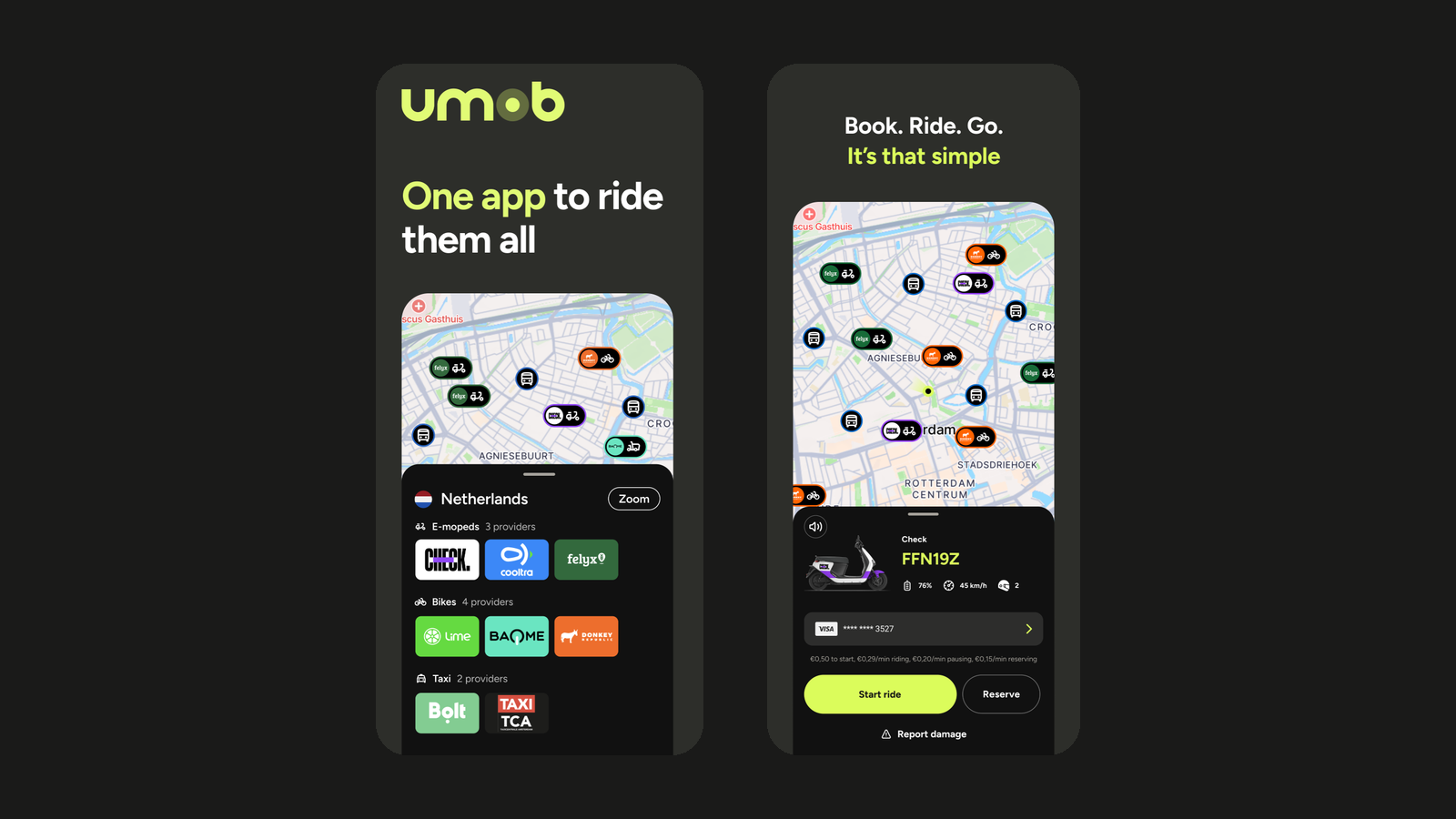
🌍 يمكنك الوصول إلى المزيد من الركاب مع ATOM Mobility وUmob. يمنح هذا التكامل مشغلي التنقل المشترك قناة توزيع إضافية، مما يساعد في جذب عملاء جدد، وزيادة الحجوزات، وتحسين معدلات استخدام الأسطول.
مستقبل التنقل لا يقتصر فقط على تشغيل المركبات، بل يتعلق بابتكار رحلات مريحة تجمع بين خيارات النقل المختلفة في تجربة مستخدم واحدة بسيطة.
ولهذا السبب يسعدنا تسليط الضوء على شراكتنا مع Umob، مما يساعد مشغلي التنقل على توسيع نطاق وصولهم وأن يصبحوا جزءاً من منظومة تنقل متعددة الوسائط متنامية.
سواء كنت تدير سيارات أو سكوترات أو دراجات هوائية أو دراجات نارية مشتركة عبر منصة ATOM Mobility، فإن التكامل مع Umob يجعل خدمتك متاحة لـ آلاف مستخدمي Umob الباحثين عن وسيلة تنقل مريحة.
يتوقع مستخدمو اليوم مرونة عالية؛ فهم لا يفكرون في مزودي خدمات التنقل بشكل منفصل، بل يريدون ببساطة أسرع وأسهل وأكثر الطرق ملاءمة للانتقال من النقطة (أ) إلى النقطة (ب).
تجمع Umob بين مختلف مزودي خدمات التنقل وخيارات النقل في تطبيق واحد. يمكن للمستخدمين العثور على خيارات التنقل المختلفة ومقارنتها وحجزها والدفع مقابلها دون الحاجة إلى تنزيل تطبيق منفصل أو إنشاء حساب جديد لكل مزود خدمة.
من خلال ربط أسطولك بـ Umob، يمكن للمشغلين:
بالنسبة لعملاء ATOM Mobility، صُمم هذا التكامل لتوفير طريقة مباشرة لفتح فرص توزيع جديدة مع الاستمرار في إدارة عملياتهم الأساسية من خلال منصة ATOM Mobility.
من خلال منصة ATOM Mobility، يمكن للمشغلين المشاركين ربط أساطيلهم بـ Umob، مما يتيح للمستخدمين اكتشاف المركبات المتاحة واستخدامها مباشرة عبر تطبيق Umob.
بمجرد الربط، ستظهر مركبات المشغلين المشاركين في Umob إلى جانب خيارات التنقل الأخرى المتاحة، مما يمنح المستخدمين نظرة عامة واضحة على الطرق المختلفة التي يمكنهم من خلالها الانتقال من النقطة (أ) إلى النقطة (ب).
يمكن للمستخدمين العثور على مركبة متاحة، وحجزها وفتح قفلها، وبدء رحلتهم وإنهائها، والدفع مباشرة من خلال تطبيق Umob.
صُمم هذا التكامل لدعم:
يواصل المشغلون إدارة أساطيلهم، وتسعيرهم، ومناطق الخدمة، والعمليات اليومية من خلال منصة ATOM Mobility، بينما توفر Umob قناة إضافية يمكن للمستخدمين من خلالها العثور على المركبات والوصول إليها.
بالنسبة لمشغلي التنقل، يتيح الربط مع Umob قناة توزيع إضافية دون تغيير الطريقة التي يديرون بها عملياتهم اليومية عبر ATOM Mobility.
من خلال إتاحة المركبات لآلاف مستخدمي Umob، يمكن للمشغلين زيادة ظهورهم في اللحظة التي يبحث فيها الأشخاص بنشاط عن وسيلة تنقل. وهذا يخلق إمكانية لجذب مستخدمين جدد، وتحقيق المزيد من الحجوزات، وتحسين معدل استخدام الأسطول بمرور الوقت.
يختلف كل سوق عن الآخر، لكن العديد من المشغلين يرون في شراكات "التنقل كخدمة" (MaaS) جزءاً مهماً من استراتيجية نموهم طويلة الأمد.
أحد أوائل مشغلي ATOM Mobility الذين انطلقوا من خلال تكامل Umob هو ZEUS Mobility، وهو مزود أوروبي طموح لخدمات مشاركة السكوتر الكهربائي، يركز بقوة على الابتكار، ويتبنى نهجاً ديناميكياً، ويسعى لمنافسة اللاعبين الراسخين في السوق.
ومن المناسب أن الشراكة بحد ذاتها بدأت من خلال شبكة ATOM Mobility.
التقت ZEUS وUmob لأول مرة في فعالية ATOM Mobility في ريغا. وعلى الرغم من أن التعارف الأولي حدث أثناء الفعالية، إلا أن المحادثة الجدية بدأت فعلياً خلال جلسة غير رسمية في وقت لاحق من ذلك المساء.
كانت ZEUS قد صادفت علامة Umob التجارية على مركبات التنقل أثناء السفر، وقد أُعجبت بالنهج المهني الذي تتبعه الشركة. وسرعان ما تحول ذلك التعرف إلى محادثة حول كيفية تعزيز الشركتين لعروضهما من خلال العمل معاً.
ومن هناك، تقدمت عملية التكامل بسرعة. وتصف ZEUS عملية الإعداد والتكامل حتى الآن بأنها "نظيفة واحترافية وسلسة."
بالنسبة لشركة ZEUS، تمثل هذه الشراكة فرصة لتعزيز حضور علامتها التجارية، والوصول إلى عملاء جدد، ودعم طموحاتها التوسعية في أوروبا.
عقب استحواذها على Superpedestrian في مايو 2026، تتطلع ZEUS إلى تسريع وتيرة نموها خلال عامي 2026 و2027، وتعد شراكتها مع Umob جزءاً من هذا الطموح.
"نحن في ZEUS سعداء للغاية بالشراكة مع Umob في الأسواق الأوروبية. فبعد استحواذنا على Superpedestrian في مايو 2026، نسعى في ZEUS إلى تحقيق نمو سريع خلال عامي 2026 و2027. ستساعدنا هذه الشراكة في دفع عجلة هذا النمو والوصول إلى عملاء جدد في أسواق جديدة. نتطلع إلى شراكة مثمرة." - داميان يونغ، ZEUS Mobility
تطبيق واحد لكل تنقلاتك. Umob هي منصة تنقل شاملة تجمع بين مختلف مزودي خدمات التنقل وخيارات النقل في تطبيق واحد.
يمكن للمستخدمين العثور على الدراجات المشتركة، والدراجات الكهربائية، والسكوتر، والدراجات النارية، ووسائل النقل العام، وسيارات الأجرة، وغيرها من خيارات التنقل المتاحة، ومقارنتها وحجزها والدفع مقابلها من خلال حساب واحد وتجربة دفع موحدة. فبدلاً من تنزيل تطبيق منفصل والتسجيل فيه لكل مزود خدمة أو في كل مدينة جديدة، يمكن للمستخدمين فتح تطبيق Umob والاطلاع على خيارات التنقل المتاحة من حولهم.
تتوفر Umob اليوم في أكثر من 28 دولة و300 مدينة، مما يتيح لآلاف المستخدمين طريقة أسهل للوصول إلى مختلف وسائل التنقل سواء في مدنهم أو أثناء السفر.
حقائق رئيسية
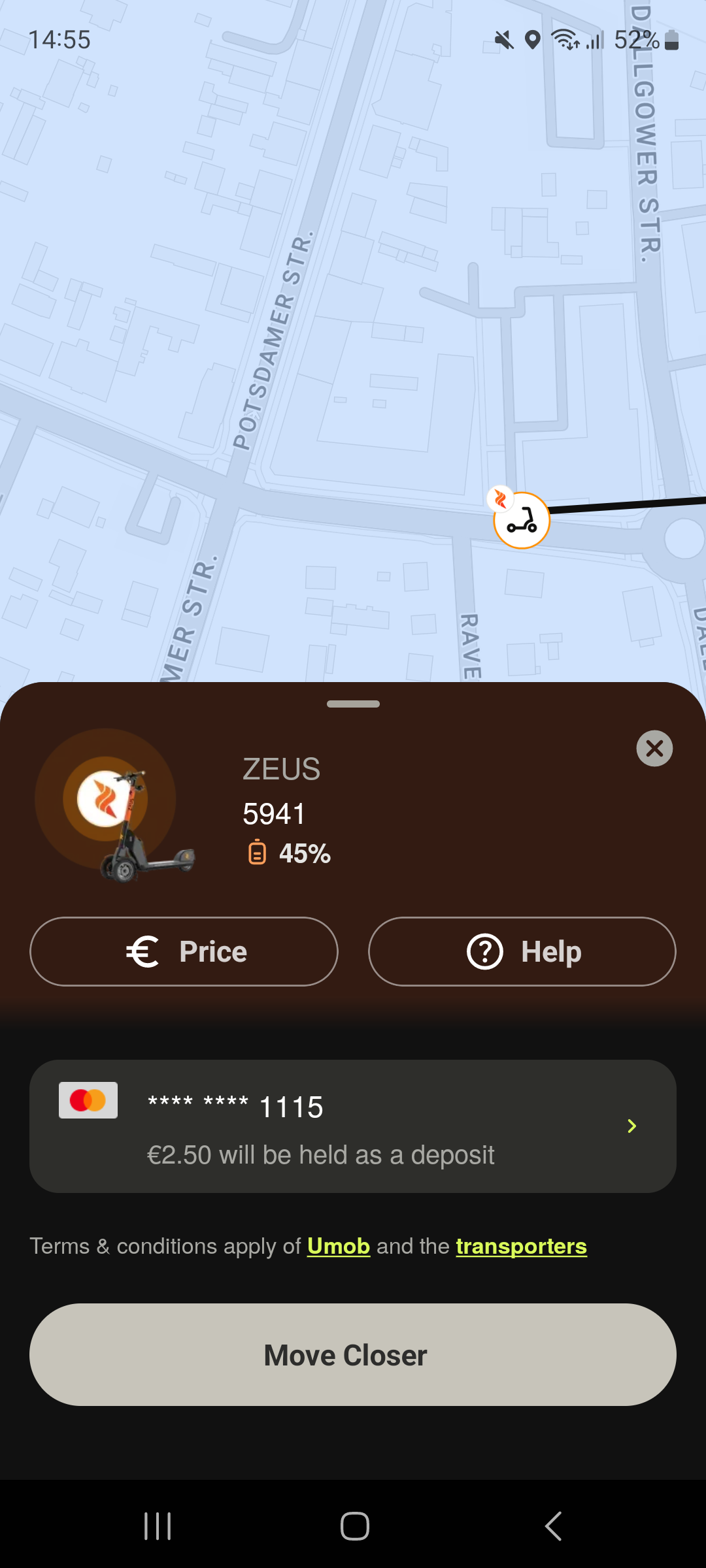
إذا كنت تدير بالفعل خدمة التنقل المشترك الخاصة بك على منصة ATOM Mobility، فإن الربط مع Umob قد يكون الخطوة التالية نحو الوصول إلى المزيد من المستخدمين وأن تصبح جزءاً من منظومة تنقل مترابطة حقاً.
إذا كنت مهتماً بتفعيل هذا التكامل أو معرفة المزيد حول كيفية عمله، تواصل مع فريقنا. نحن نتطلع إلى مساعدة المزيد من المشغلين على التواصل والتعاون وجعل التنقل المستدام أسهل للجميع.
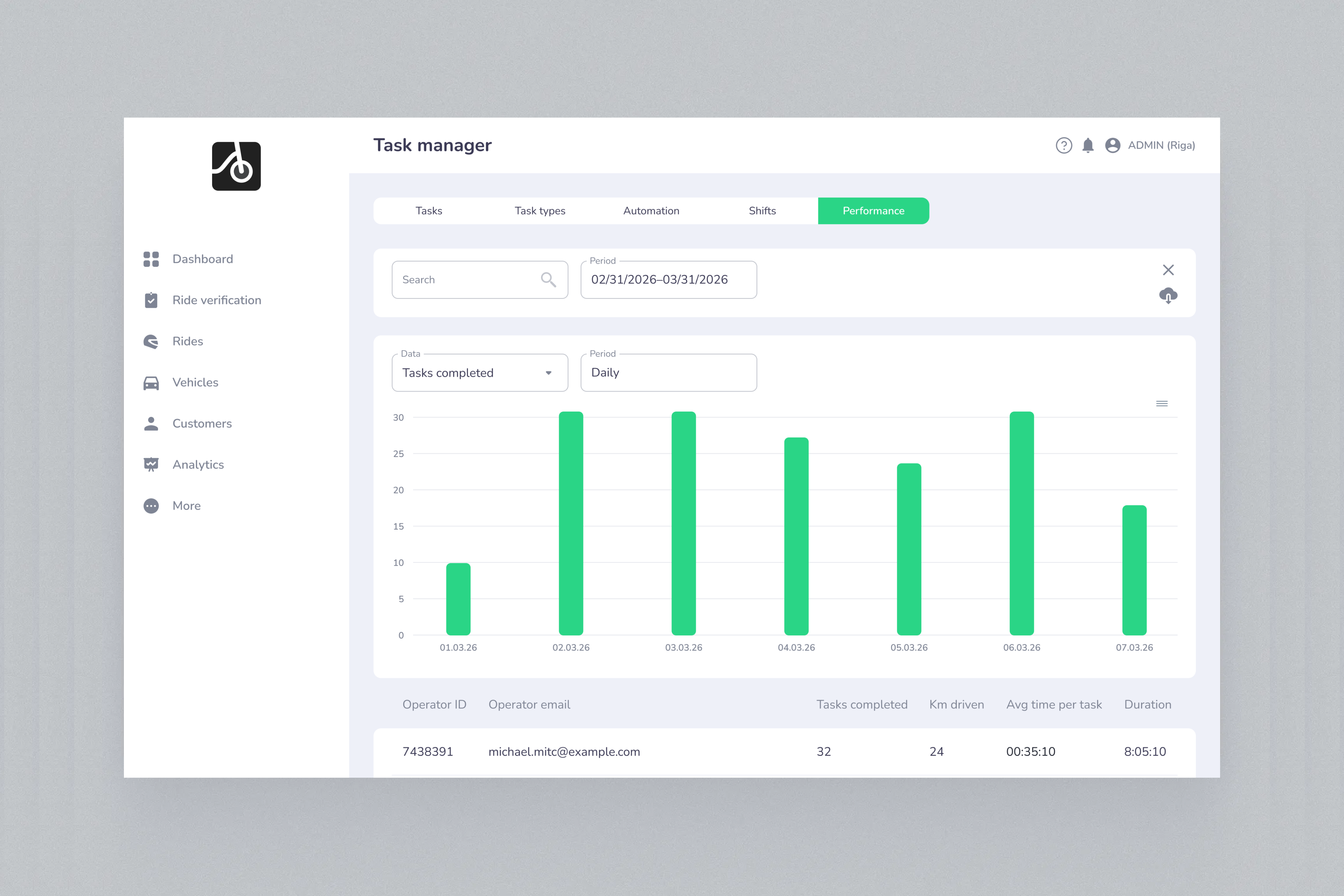
👷📊 يتجاوز مدير مهام ATOM الآن مجرد توزيع المهام بفضل وظائف الورديات وأداء المشغلين الجديدة. تتبع مسارات الورديات، والمسافة المقطوعة، والمهام المنجزة، والوقت المستغرق لكل مهمة، وأداء كل مشغل على حدة، مما يمنح مديري الأساطيل رؤية أوضح بكثير للعمليات الميدانية ومستوى الكفاءة.
لا تقتصر إدارة أسطول كبير للتنقل المشترك أو التأجير على معرفة المهام التي تم إنجازهافحسب، بل تتعلق أيضاً بفهم مدى كفاءة عمل الفرق الميدانية. لقد قمنا بتوسيع مدير مهام ATOM Mobility بشكل كبير بإضافة وظائف الورديات والأداء، مما يمنح مديري الأساطيل رؤية أفضل بكثير لنشاط المشغلين، وعبء العمل، والمسارات، ومستوى الأداء.
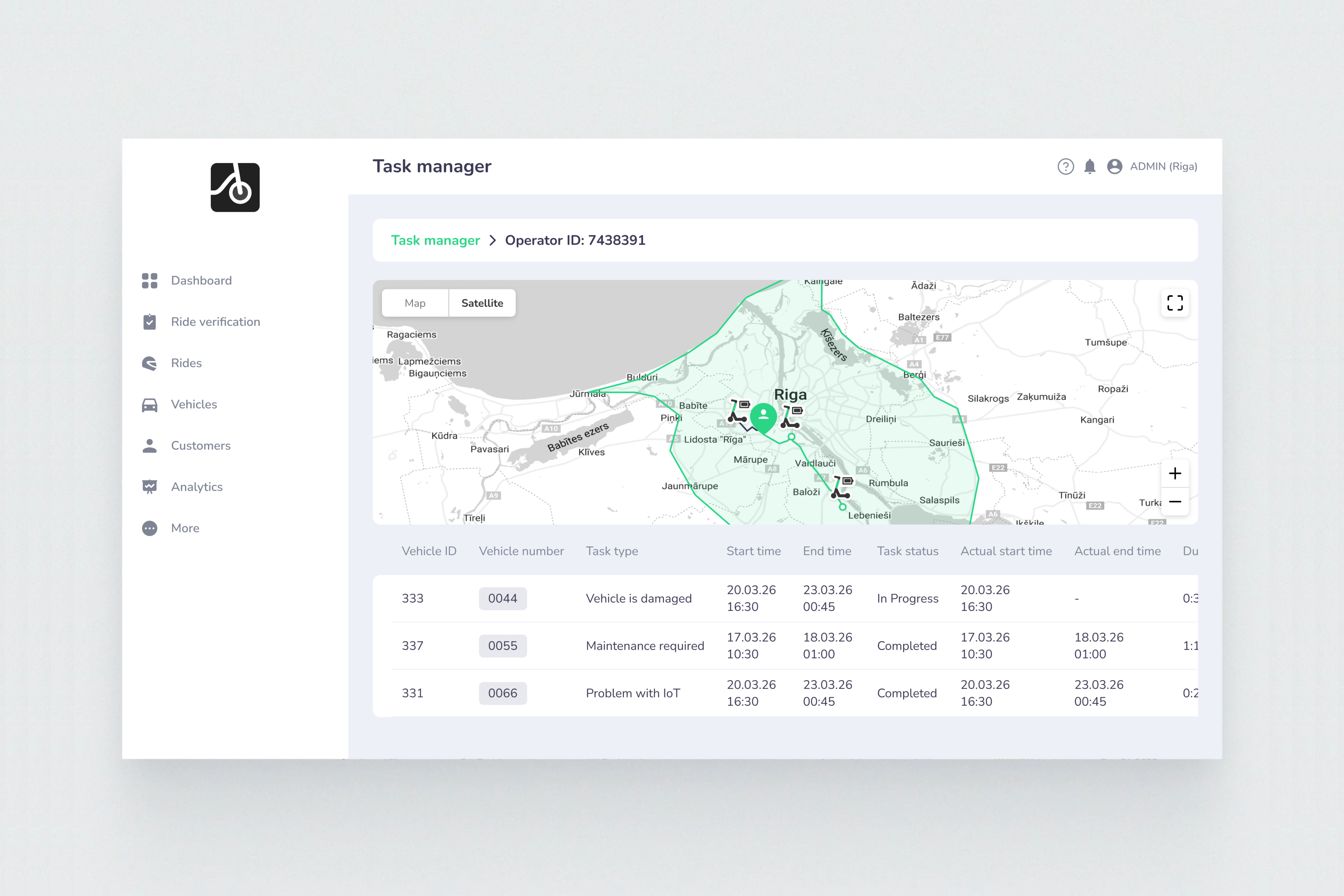
تمنحك علامة التبويب الورديات الجديدة للمديرين نظرة عامة مركزية على جميع ورديات المشغلين، بما في ذلك:
يمكن للمديرين فتح أي وردية فردية للاطلاع على الصورة التشغيلية الكاملة. فلكل مهمة، يمكنك رؤية المركبة، ونوع المهمة، ووقت البدء المخطط له والموعد النهائي، وأوقات البدء والانتهاء الفعلية، والحالة، والمدة الإجمالية للمهمة.
تتضمن كل وردية أيضاً خريطة توضح حركة المشغل الكاملة أثناء الوردية والمواقع التي تم تنفيذ المهام الفردية فيهابالنسبة للنوبات الجارية حالياً، يمكن للمديرين أيضاً الاطلاع على الموقع الحالي للمشغل.
وهذا يسهل كثيراً فهم المسار الفعلي، وحجم العمل، والقرارات المتخذة خلال كل نوبة، بالإضافة إلى تحديد فرص تحسين كيفية إدارة فرق العمل الميدانية لصيانة الأسطول وعملياته.
علامة التبويب الأداء الجديدة تجمع النتائج التشغيلية لكل مشغل خلال فترة زمنية محددة.
يمكن للمديرين تتبع:
بدلاً من مراجعة مئات المهام الفردية، يمكن للمديرين مقارنة المشغلين بسرعة، وتحديد أصحاب الأداء المتميز، ورصد المجالات التي قد تحتاج إلى تدريب إضافي أو تحسينات تشغيلية.
لجعل بيانات الأداء دقيقة ومفيدة، قدمنا أيضاً سير عمل جديد للنوبات والمهام في تطبيق ATOM للمشغلين. يبدأ المشغلون الآن نوبات عملهم وينهونها مباشرة من خلال التطبيق، بينما يتم تسجيل أوقات بدء المهام الفردية وإتمامها تلقائياً.
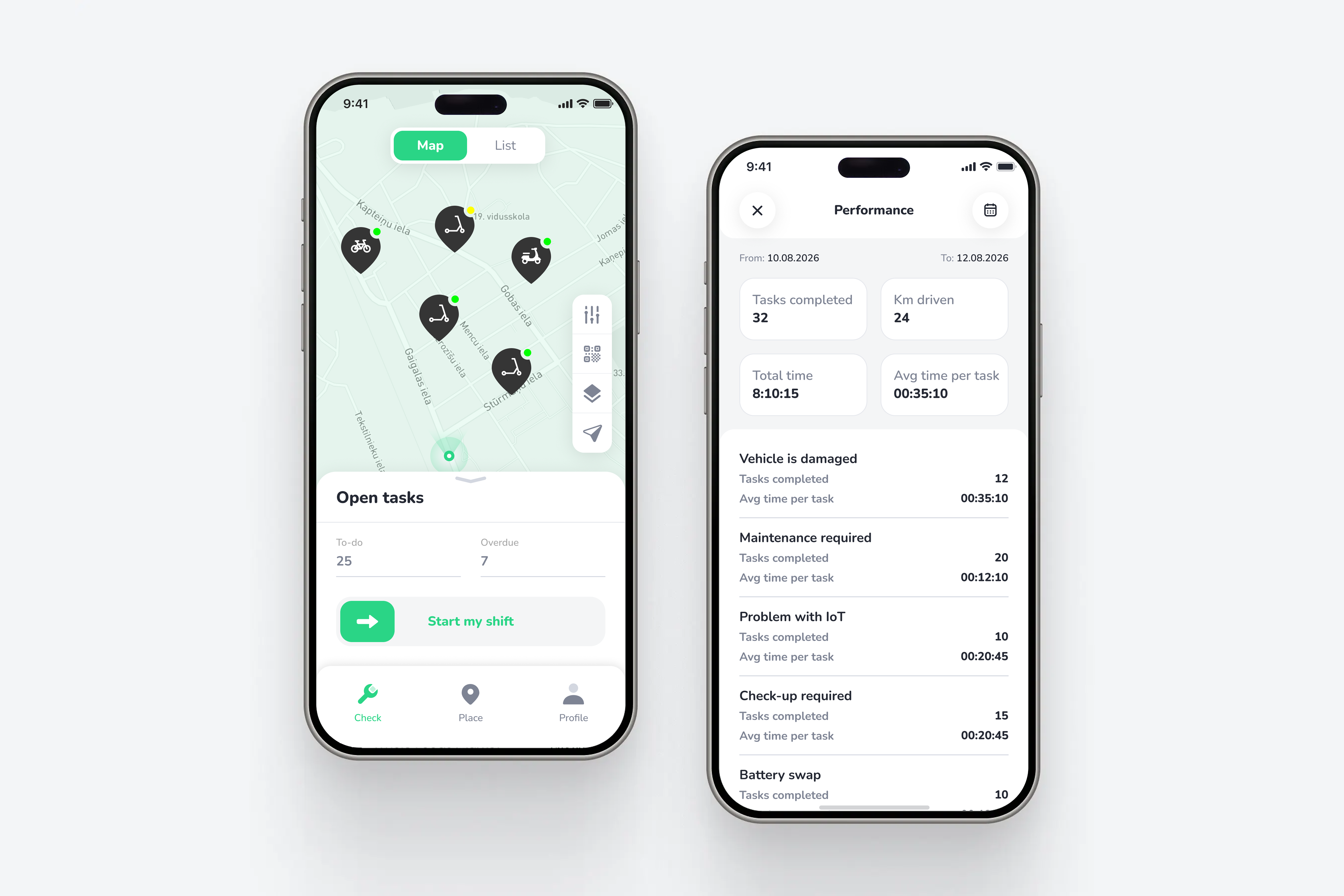
لقد أضفنا أيضاً:
معاً، تحول هذه التحديثات ATOM Task Manager من مجرد أداة لتوزيع المهام إلى نظام أكثر تكاملاً لأداء وتحسين العمليات الميدانية. يحصل المشغلون على سير عمل أوضح ورؤية أفضل لأدائهم الشخصي، بينما يحصل المديرون على البيانات التي يحتاجونها لفهم كيفية سير عملياتهم الميدانية فعلياً وتحديد مجالات تحسين الكفاءة.
الوظائف الجديدة متاحة لوحدات مشاركة المركبات و التأجير الرقمي في ATOM Mobility.
👉 اقرأ المزيد عن آخر تحديثات منصتنا:
https://www.atommobility.com/atomupdates
استخدم بيانات اعتماد الاختبار لتسجيل الدخول - رقم الهاتف: +1 123123123، الكود: 777777


بيانات اعتماد الإصدار التجريبي من تطبيق Driver - البريد الإلكتروني: test@atom.com، كلمة المرور: برنامج التشغيل