Il viaggio ispiratore di Uber e cosa possiamo imparare da esso
May 11, 2023
lettura minima

.jpg)
Nel 2010, una società chiamata Uber ha fatto scalpore a San Francisco cambiando il modo in cui le persone chiamavano i taxi. Oggi, l'azienda si è espansa rapidamente in tutto il mondo. Nel corso degli anni, la valutazione di Uber è salita alle stelle e si è evoluta da un servizio di ride-sharing a una grande impresa che compete nei mercati della consegna di cibo e del noleggio auto.
L'evoluzione di Uber da piccola startup a gigante è una storia straordinaria di pratiche commerciali visionarie che hanno rivoluzionato un intero settore. Diamo un'occhiata più da vicino a come Uber ha raggiunto il suo successo.
Garret Camp, uno dei co-fondatori di Uber, aveva un esperienza in prima persona dei problemi con i servizi di taxi convenzionali a San Francisco, dove spesso faticava a trovare una corsa affidabile.
Per decenni, San Francisco ha avuto un numero limitato di licenze di taxi. La domanda di taxi ha superato l'offerta, con conseguente servizio scadente e lunghe attese. Nonostante ciò, i tassisti e le flotte di San Francisco si sono opposti con veemenza a qualsiasi tentativo di aumentare il numero di permessi, poiché erano determinati a mantenere la concorrenza al minimo.
Camp ha avuto l'idea di creare un servizio di auto su richiesta che i passeggeri potessero tracciare tramite i loro telefoni. Considerando che i servizi di taxi di San Francisco sono notoriamente inaffidabili, l'idea di Camp aveva perfettamente senso in quanto forniva una soluzione per aumentare il numero di corse disponibili e informare i clienti sui tempi di attesa previsti.
Camp ha visto il nuovo app store per iPhone come un modo per trasformarlo in realtà. Con l'accelerometro del telefono, poteva caricare i passeggeri in base al minuto o al miglio, in modo simile a un tassametro. Collaborando con il collega imprenditore Travis Kalanick, hanno consolidato un'idea innovativa: e se i clienti potessero chiamare facilmente un passaggio tramite i loro smartphone?
Uber è stato lanciato ufficialmente a San Francisco nel 2010. L'app è stata un successo immediato grazie alla sua facilità d'uso: i clienti potevano ordinare una corsa, individuare la propria posizione con il GPS e far addebitare automaticamente la tariffa sul proprio account.
La valutazione di Uber è salita alle stelle a 51 miliardi di dollari dopo i round di finanziamento del 2015, rendendola la più più prezioso avvio in quel momento. Di seguito sono riportate alcune altre pietre miliari significative nella storia dell'azienda:
L'approccio strategico di Uber all'espansione globale e al miglioramento costante delle esperienze degli utenti offre lezioni preziose per qualsiasi azienda basata sulla tecnologia. Per saperne di più sul software alla base di tali servizi, scopri di più sulle nostre soluzioni di ride-hailing.
Sebbene il successo di Uber possa essere attribuito in parte all'idea innovativa del suo fondatore, ci sono altri fattori importanti che hanno avuto un ruolo nei risultati dell'azienda. Senza una strategia e un'esecuzione adeguate, l'azienda non avrebbe raggiunto tali livelli.
Uber deve gran parte della sua rapida crescita al suo modello di business asset-light, che le ha permesso di espandersi in numerosi mercati con facilità. Sebbene i team di vendita e il lavoro di traduzione fossero necessari per entrare in nuovi mercati, il software, la loro app, era la principale risorsa offerta. Con gli autisti che portavano i propri veicoli e gli utenti che utilizzavano i propri smartphone, Uber non ha dovuto effettuare investimenti di capitale significativi per operare in questi mercati.
Inoltre, si stima che la piattaforma tecnologica di Uber sia costata meno di $2 milioni sviluppare, un investimento relativamente piccolo rispetto alla valutazione attuale della società. Concentrandosi sulla creazione di un'app semplice e intuitiva, Uber è stata in grado di creare una piattaforma scalabile in grado di soddisfare in modo efficiente le esigenze di ciclisti e conducenti.
Per i clienti di ATOM Mobility, l'app è già disponibile ed è altamente personalizzabile per assicurarsi che si adatti alla tua attività e al tuo mercato di riferimento. Quindi, non avrai bisogno di investire mesi e milioni di dollari per crearne una tua con scrat
Il modello di fatturato di Uber sembra essere basato sulle abitudini dei clienti piuttosto che sulla fedeltà alla marca. Sebbene sia vero che molte persone utilizzano Uber regolarmente, gli strumenti di marketing dell'azienda si basano più sugli sconti e sull'aumento dei prezzi che sulla creazione di un'immagine di marca tradizionale.
L'uso da parte di Uber di aumento dei prezzi è un buon esempio. Adeguando i prezzi nei periodi di forte domanda, l'azienda può massimizzare i propri margini e allo stesso tempo offrire prezzi inferiori ai concorrenti quando la domanda è bassa.
Nonostante l'assenza di un tradizionale programma di fidelizzazione alla marca, Uber è riuscita a farsi strada in molti mercati in tutto il mondo. La sua app semplice ed efficiente, unita ai prezzi competitivi e alle promozioni costanti, l'ha aiutata a diventare la scelta ideale per molti consumatori.
In qualità di utente di ATOM Mobility, anche tu puoi modificare i prezzi e/o offrire sconti ai tuoi utenti finali. Grazie alle funzionalità integrate, può essere fatto in pochi secondi.
Il successo di Uber può essere attribuito alla sua capacità di risolvere un problema reale che esisteva nel settore dei trasporti. In passato, trovare un taxi in alcune aree era un compito arduo e i servizi di taxi convenzionali erano spesso inaffidabili e scomodi.
Uno dei co-fondatori di Uber, Garret Camp, conosceva bene queste difficoltà grazie alla sua esperienza con il sistema di trasporto di San Francisco. Di conseguenza, sapeva esattamente cosa voleva come cliente: un modo affidabile per noleggiare un'auto sempre e ovunque in città senza il fastidio di pagare in contanti e senza dover effettuare chiamate. La rapida crescita di Uber può essere attribuita al fatto che ha fornito una soluzione a un problema reale per un gran numero di suoi clienti.
Ora, chiediti: qual è l'unica cosa che ti infastidisce di più quando si tratta del sistema di trasporto nel tuo quartiere, città o paese? Se è un problema per te, potrebbe esserlo anche per gli altri. E forse può essere risolto con una soluzione di mobilità condivisa.
Uber non si è riposata sugli allori dopo il successo del suo servizio di ride-sharing. In una fase iniziale, l'azienda ha riconosciuto la possibilità di fornire servizi aggiuntivi relativi ai trasporti. In effetti, l'attività di consegna di cibo di Uber è la principale fonte di entrate dell'azienda, mentre il business delle corse genera il maggior profitto.
L'azienda ha esplorato altre aree di business, come:
Il successo di Uber è in gran parte dovuto al suo uso innovativo della tecnologia per rimodellare la mobilità urbana. Per chi è interessato al lato tecnico dei servizi di ride-hailing, puoi scopri di più su come un software all'avanguardia sia fondamentale per queste operazioni.
Lezione imparata? Anche se hai già costruito un'impresa di successo, continua a cercare nuove opportunità di business. Hai un'attività di condivisione di scooter? Forse puoi aggiungere altri veicoli alla tua offerta o lanciare una soluzione di ride-hailing in collaborazione con i tassisti locali, proprio come Uber. Ti è venuta l'idea.
Il viaggio di Uber è stato tutt'altro che tranquillo. L'azienda ha dovuto affrontare numerose polemiche, sia internamente che con le autorità di diversi paesi. Mantenere il morale e lo slancio del team mentre si cerca di conquistare un settore consolidato non è un'impresa facile, come ha dimostrato l'esperienza di Uber.
Tuttavia, fondamentalmente, la storia di Uber è fonte di ispirazione. L'impatto dell'azienda è stato significativo e trasformativo ed è una storia iconica di atteggiamento pionieristico e determinazione per aspiranti imprenditori che cercano di risolvere i problemi di trasporto. Come co-fondatore, Kalanick, sinteticamente disse, «Voglio premere un pulsante e farmi fare un giro». E questo è esattamente il servizio che hanno creato.
E questo è esattamente un servizio che puoi offrire alla tua comunità locale con Il software di ATOM Mobility.
P.S. Per ulteriore ispirazione, dai un'occhiata alla primissima presentazione di Uber - https://www.slideshare.net/kambosu/uber-pitch-deck
Fai clic qui sotto per saperne di più o richiedere una demo.

The micromobility industry doesn’t need another generic mobility conference. 🚫🎤 It needs real conversations between operators who are actually in the field. ⚙️ That’s exactly what ATOM Connect 2026 is built for. 🎯🤝
The shared mobility industry is evolving rapidly. Operators are navigating scaling challenges, regulatory complexity, hardware decisions, fleet optimization, and new integration models, all while aiming for sustainable growth.
That’s exactly why ATOM Mobility is organizing ATOM Connect 2026.
Our previous edition of ATOM Connect brought together professionals from the car sharing and rental industry for focused, high-quality discussions and networking. This year, we are narrowing the focus and dedicating the entire event to one fast-moving segment of the industry: shared micromobility.
ATOM Connect 2026 is designed specifically for operators, partners, and decision-makers working in shared micromobility. It is not a broad mobility conference or a public exhibition. It is a curated space for industry professionals to exchange practical experience, insights, and lessons learned.
On May 14th, 2026 in Riga, we will once again bring the community together, this time with a clear focus on micromobility.
This year’s agenda will address the real operational and strategic questions shaping shared micromobility today:
As usual, we aim to host both local and international operators from smaller, fast-growing fleets to established large-scale players alongside hardware providers and ecosystem partners.
On stage, you’ll hear from leading shared mobility companies - including Segway on hardware partnerships, Umob on MaaS integration, Anadue on data-driven fleet intelligence, Elerent on multi-vehicle operational realities and more insightful discussions.
The goal is simple: meaningful discussions with people who understand the operational realities of the industry.
ATOM Connect is free to attend, but participation is industry-focused (each submission is manually reviewed and verified). We are intentionally keeping the audience relevant and aligned to ensure high-quality conversations and valuable networking.
If you work in shared micromobility and would like to join the event, you can find the full agenda and register here:
👉 https://www.atommobility.com/atom-connect-2026
In the coming weeks, we will be revealing more speakers and additional agenda updates. We look forward to bringing the industry together again.
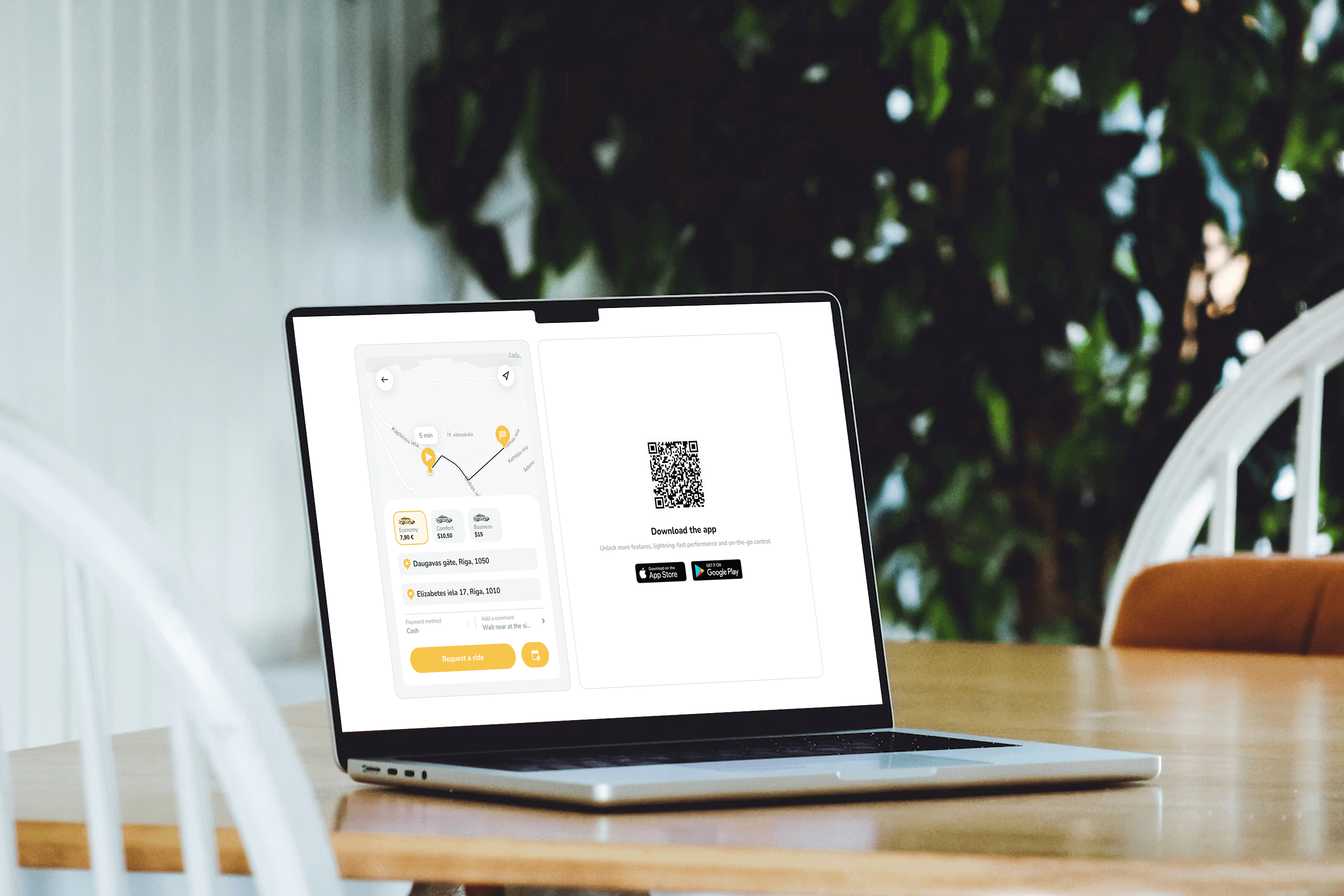
🚕 Web-booker is a lightweight ride-hail widget that lets users book rides directly from a website or mobile browser - no app install required. It reduces booking friction, supports hotel and partner demand, and keeps every ride fully synced with the taxi operator’s app and dashboard.
What if ordering a taxi was as easy as booking a room or clicking “Reserve table” on a website?
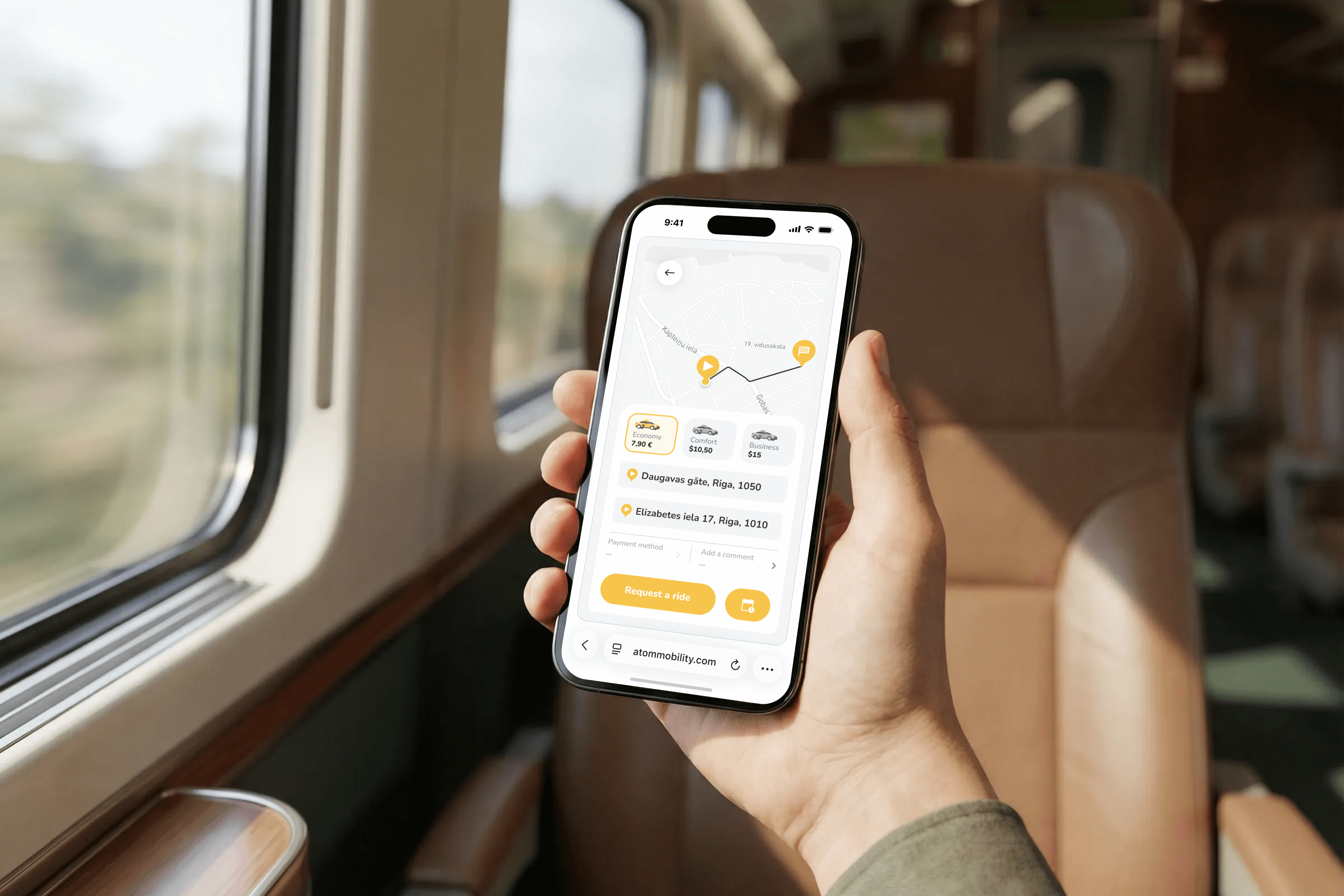
Meet Web-booker - a lightweight ride-hail booking widget that lets users request a cab directly from a website, without installing or opening the mobile app.
Perfect for hotels, business centers, event venues, airports, and corporate partners.
👉 Live demo: https://app.atommobility.com/taxi-widget
Web-booker is a browser-based ride-hail widget that operators can embed or link to from any website.
The booking happens on the web, but the ride is fully synchronized with the mobile app and operator dashboard.
No redirects. No app-store friction. No lost users.
This keeps fraud low while preserving conversion.
Web-booker addresses one of the most common friction points in ride-hailing: users who need a ride now but are not willing to download an app first. By allowing bookings directly from a website, operators can capture high-intent demand at the exact moment it occurs - whether that is on a hotel website, an event page, or a partner landing page.
At the same time, Web-booker makes partnerships with hotels and venues significantly easier. Instead of complex integrations or manual ordering flows, partners can simply place a button or link and immediately enable ride ordering for their guests. Importantly, this approach does not block long-term app growth. The booking flow still promotes the mobile app through QR codes and store links, allowing operators to convert web users into app users over time - without forcing the install upfront.
Web-booker is not designed to replace the mobile app. It extends the acquisition funnel by adding a low-friction entry point, while keeping all bookings fully synchronized with the operator’s app and dashboard.
👉 Try the demo
https://app.atommobility.com/taxi-widget
Want to explore a ride-hail or taxi solution for your business - or migrate to a more flexible platform? Visit: https://www.atommobility.com/products/ride-hailing
Credenziali demo dell'app Driver - Email: test@atom.com, Password: autista

