فتح مصادر إيرادات جديدة: أفكار شراكة B2B في التنقل المشترك
7/10/2024
الحد الأدنى للقراءة


في صناعة التنقل المشترك المتطورة باستمرار، يعد تنويع مصادر الإيرادات أمرًا ضروريًا للاستقرار والنمو على المدى الطويل. في ATOM Mobility، نحن ملتزمون بتزويد المشغلين بمنصة SaaS قوية لا تحافظ على سير عملك بكفاءة فحسب، بل تتكيف أيضًا مع التحديات الجديدة. من خلال استكشاف فرص B2B ضمن مساحة التنقل المشتركة، يمكنك توسيع حالة الاستخدام الخاصة بك والاستفادة من إمكانيات الإيرادات الجديدة. استغل قوة منصة SaaS الخاصة بنا جنبًا إلى جنب مع أفكارك المبتكرة لإطلاق فرص جديدة وتعزيز النمو المستدام.
هل أنت مستعد لزيادة إيرادات أسطولك؟ الطرق التقليدية رائعة، ولكن في بعض الأحيان يحين الوقت للتفكير خارج الصندوق - أو بالأحرى، خارج السيارة. دعنا نستكشف كيف يمكن أن يؤدي توسيع حالة الاستخدام الخاصة بك إلى B2B إلى زيادة الإيرادات داخل قطاع التنقل المشترك.
ما هو B2B في التنقل؟
غالبًا ما يستحضر التنقل المشترك صورًا لعمليات B2C حيث يقوم الأفراد بتأجير المركبات أو مشاركتها، ويمثل التنقل بين الشركات نهجًا مختلفًا. في هذا النموذج، تم تصميم الخدمات خصيصًا للاستخدام من قبل أعضاء الشركات أو المنظمات أو المجتمعات (الأعمال التجارية).
على سبيل المثال، قد يقدم الفندق دراجات بخارية للضيوف لاستكشاف المنطقة، أو يمكن للشركة أن توفر للموظفين وصولاً مخفضًا إلى المركبات المشتركة لرحلات العمل أو التنقل. تسلط هذه الأمثلة الضوء على التنقل بين الشركات، حيث يتعاون مشغل التنقل المشترك مع شركة أو مؤسسة. لا يؤدي هذا التعاون إلى تحقيق فوائد مالية لكلا الطرفين فحسب، بل يساعد الشركات أيضًا على تقليل بصمتها الكربونية وخلق تدفقات إيرادات جديدة لمشغلي التنقل.
فيما يلي بعض الأفكار الإبداعية لتعزيز إيرادات أسطولك من خلال شراكات B2B المبتكرة والفرص الجديدة:
الامتياز
في التنقل المشترك، يتضمن نهج الامتياز المشترك شراكة المشغلين مع مزودي خدمات التنقل الآخرين، مما يسمح لهم بالعمل تحت علامتك التجارية وبرنامجك. في هذا النموذج، يوفر مانح الامتياز نظام تشغيل شامل، بما في ذلك علامته التجارية ومنتجاته وخدماته وإطاره التشغيلي. يوفر هذا حلاً جاهزًا لإدارة أعمال التنقل المشتركة. يتلقى أصحاب الامتياز دعمًا مكثفًا، مثل اختيار الموقع وإرشادات التطوير والأدلة التشغيلية والتدريب واستراتيجيات التسويق والخدمات الاستشارية التجارية المستمرة.
استفد من أدوات ATOM للتنقل نظام الحساب الفرعي للوحة التحكم لمنح أصحاب الامتياز حق الوصول المقيد بعملياتهم المحددة والأسطول الذي تخصصه، مما يمكّن شركائك من إدارة مشاركة المركبات أو عمليات التأجير الرقمية بكفاءة تحت علامتك التجارية.
اكتشف حلول أسطول الشركات
تبحث العديد من الشركات عن حلول أسطول موثوقة وقابلة للتطوير لتلبية احتياجات الشركات. من خلال وضع أسطولك كحل مثالي لنقل الشركات، يمكنك فتح تدفقات إيرادات جديدة. على سبيل المثال، يمكنك الشراكة مع شركة أكبر والسماح لموظفيها باستخدام أسطولك بسعر خاص خلال أيام العمل. في الوقت نفسه، يمكن للشركة تخصيص ميزانيات تنقل مختلفة لمجموعات الموظفين المختلفة لاستخدامها في تطبيقك. في مثل هذه الحالات، ستقوم الشركة، شريكك، بتغطية رحلات موظفيها بأسعار متفق عليها بشكل خاص.
تحقق من موقعنا إدارة حسابات الشركات لمزيد من الأفكار حول كيفية البدء. غالبًا ما تحتاج الشركات إلى حلول النقل لتنقلات الموظفين وزيارات العملاء وحتى رحلات العمل. استفد من هذه الحاجة، وسترى إيرادات أسطولك ترتفع.
هناك نموذجان أساسيان للتعاون مع الشركات الكبيرة:
- السماح لموظفيها باستخدام المركبات المتاحة للجمهور في أوقات محددة عبر تطبيقك، مع تغطية جميع الرحلات من قبل الشركة.
- تخصيص جزء من أسطولك لشركة معينة وربما وضع علامة تجارية له، مما يجعله متاحًا حصريًا لهم ولموظفيهم. في هذا النموذج، يمكنك توفير الدعم والبرامج والصيانة، مما يضمن أن هذا الأسطول يمكن الوصول إليه فقط لتلك الشركة.
انضم إلى النقاط الساخنة المحلية
من خلال التعاون مع المقاهي المحلية أو متاجر البيع بالتجزئة أو أماكن الترفيه، يمكنك تقديم عروض ترويجية خاصة لعملائها. إنه فوز مربح للجانبين! تحصل الشركات المحلية على المزيد من حركة المرور على الأقدام، وتحصل على تدفق مستمر من الدراجين أو المستأجرين الجدد. هذا يعمل بشكل جيد للغاية في التنقل الجزئي.
على سبيل المثال، يمكنك تقديم خصم على تأجير السيارات لرواد مطعم محلي أو تقديم خدمات نقل مكوكية للأحداث في مسرح قريب. بالإضافة إلى ذلك، إنها طريقة رائعة لجعل أسطولك من المشاهير المحليين!

انغمس في قطاع التسليم والخدمات اللوجستية
مع انفجار التجارة الإلكترونية، هناك فرصة كبيرة في قطاع التسليم والخدمات اللوجستية. يمكنك الشراكة مع تجار التجزئة عبر الإنترنت أو الشركات المحلية التي تحتاج إلى خدمات التوصيل، وتقديم إما حل الخدمة الكاملة، بما في ذلك التسليم، أو ببساطة تأجير المركبات لهم.
من خلال توفير حلول توصيل مخصصة أو تقديم أسعار خاصة لعمليات التسليم بالجملة، يمكنك الاستفادة من سوق مربح والتوسع من هناك. يمكن أن يصبح أسطولك حل التسليم المفضل للمحلات التجارية عبر الإنترنت والمتاجر المحلية، مما يزيد من إيراداتك مع الحفاظ على استخدام مركباتك باستمرار.
إنشاء باقات سياحية حصرية
السياحة هي منجم ذهب آخر لإيرادات الأسطول. تعاون مع وكالات السفر أو الفنادق أو مناطق الجذب السياحي لتقديم حزم نقل حصرية. تخيل صفقة شاملة حيث يحصل السائحون على رحلة إلى جميع المواقع التي يجب مشاهدتها في المدينة بحجز واحد. إنه مناسب للسياح ومربح لك!
للحصول على الإلهام حول كيفية تلبية احتياجات الوجهات السياحية، تحقق من دليل مالكي أسطول المركبات للوجهات السياحية.
الاستفادة من شراكات الأحداث
تعتبر الأحداث، من مؤتمرات الشركات إلى المهرجانات المحلية، فرصًا مثالية لنمو إيرادات الأسطول. كن شريكًا مع منظمي الأحداث لتوفير خدمات النقل المكوكية أو نقل كبار الشخصيات أو الإيجارات الخاصة بالحدث.
يمكنك أيضًا تقديم سيارات تحمل علامات تجارية كجزء من تجربة الحدث. تخيل أن أسطولك يقود رواد الأحداث في جميع أنحاء المدينة، كل ذلك بينما يراك الآلاف من العملاء الجدد المحتملين.
تقديم خدمات الاشتراك في السيارة
خدمات الاشتراك آخذة في الارتفاع. لماذا لا تقدم نموذج اشتراك السيارة حيث يمكن للشركات الاشتراك للوصول إلى مجموعة متنوعة من المركبات بناءً على احتياجاتها؟ يمكن أن يوفر هذا النموذج إيرادات ثابتة ويمكن التنبؤ بها وجذب العملاء الذين يفضلون المرونة على الالتزامات طويلة الأجل.
يمكن تكييف خيارات الأسطول الخاص لـ ATOM Mobility بسهولة لتناسب نموذج الاشتراك. تعرف على المزيد حول حلول الأسطول الخاص لنرى كيف يمكن أن يعمل هذا من أجلك.
لضمان نجاح عرض B2B الجديد الخاص بك، اتبع هذه العملية السهلة المكونة من خمس خطوات لكل اتجاه جديد لإيرادات B2B تريد اختباره:
- تحديد الشركاء: ابحث وتواصل مع الشركات التي يمكن أن تستفيد من عروض B2B الخاصة بك. في هذه المرحلة، ستكون العروض التقديمية والنصوص كافية، والهدف الرئيسي هو جمع التعليقات وقياس الاهتمام.
- تخصيص الخدمات: استنادًا إلى التعليقات التي تم جمعها، قم بتخصيص عروضك لتلبية الاحتياجات المحددة لكل شريك ومعالجة نقاط الألم الخاصة بهم للحصول على قيمة أفضل. هذا هو الوقت المناسب لتوقيع اتفاقية معهم.
- قم بإعداد المنصة: تأكد من أن التكنولوجيا والأسطول جاهزان لـ B2B. كن شريكًا مع خبراء مثل ATOM Mobility للحصول على الدعم الفني السلس والإعداد السهل.
- تشغيل طيار: اختبر نهجك مع الطيارين الصغار لجمع التعليقات وتقييم النموذج المالي وتحسين الحل الخاص بك.
- توسيع النطاق: بمجرد نجاح البرامج التجريبية، قم بالتوسع إلى شركاء ومناطق جديدة باستخدام الأفكار المكتسبة.
هل أنت مستعد لزيادة إيراداتك؟
هناك عالم كامل من الفرص المتاحة لتعزيز إيرادات أسطولك المشترك من خلال الشراكات الإبداعية وحلول B2B المبتكرة. في ATOM Mobility، نحن هنا لمساعدتك في استكشاف هذه الاحتمالات المثيرة ونقل أسطولك إلى المستوى التالي.
هل أنت جاهز للبدء؟ انضم إلى ATOM Mobility اليوم واكتشف كيف يمكنك إنشاء أسطول لا يعمل فحسب، بل مربح أيضًا. دعونا نقود الابتكار والنجاح معًا!
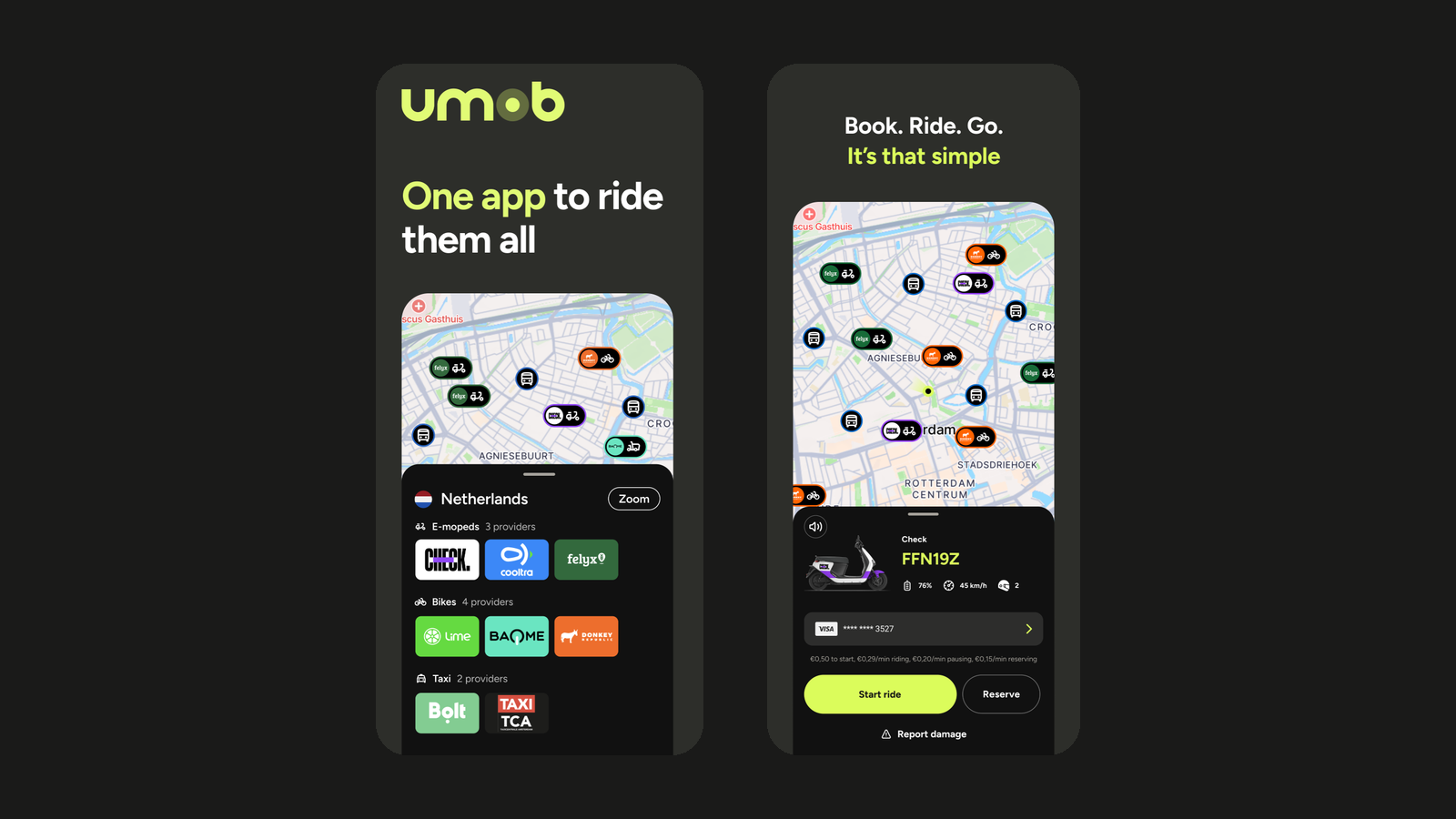
🌍 يمكنك الوصول إلى المزيد من الركاب مع ATOM Mobility وUmob. يمنح هذا التكامل مشغلي التنقل المشترك قناة توزيع إضافية، مما يساعد في جذب عملاء جدد، وزيادة الحجوزات، وتحسين معدلات استخدام الأسطول.
مستقبل التنقل لا يقتصر فقط على تشغيل المركبات، بل يتعلق بابتكار رحلات مريحة تجمع بين خيارات النقل المختلفة في تجربة مستخدم واحدة بسيطة.
ولهذا السبب يسعدنا تسليط الضوء على شراكتنا مع Umob، مما يساعد مشغلي التنقل على توسيع نطاق وصولهم وأن يصبحوا جزءاً من منظومة تنقل متعددة الوسائط متنامية.
سواء كنت تدير سيارات أو سكوترات أو دراجات هوائية أو دراجات نارية مشتركة عبر منصة ATOM Mobility، فإن التكامل مع Umob يجعل خدمتك متاحة لـ آلاف مستخدمي Umob الباحثين عن وسيلة تنقل مريحة.
يتوقع مستخدمو اليوم مرونة عالية؛ فهم لا يفكرون في مزودي خدمات التنقل بشكل منفصل، بل يريدون ببساطة أسرع وأسهل وأكثر الطرق ملاءمة للانتقال من النقطة (أ) إلى النقطة (ب).
تجمع Umob بين مختلف مزودي خدمات التنقل وخيارات النقل في تطبيق واحد. يمكن للمستخدمين العثور على خيارات التنقل المختلفة ومقارنتها وحجزها والدفع مقابلها دون الحاجة إلى تنزيل تطبيق منفصل أو إنشاء حساب جديد لكل مزود خدمة.
من خلال ربط أسطولك بـ Umob، يمكن للمشغلين:
بالنسبة لعملاء ATOM Mobility، صُمم هذا التكامل لتوفير طريقة مباشرة لفتح فرص توزيع جديدة مع الاستمرار في إدارة عملياتهم الأساسية من خلال منصة ATOM Mobility.
من خلال منصة ATOM Mobility، يمكن للمشغلين المشاركين ربط أساطيلهم بـ Umob، مما يتيح للمستخدمين اكتشاف المركبات المتاحة واستخدامها مباشرة عبر تطبيق Umob.
بمجرد الربط، ستظهر مركبات المشغلين المشاركين في Umob إلى جانب خيارات التنقل الأخرى المتاحة، مما يمنح المستخدمين نظرة عامة واضحة على الطرق المختلفة التي يمكنهم من خلالها الانتقال من النقطة (أ) إلى النقطة (ب).
يمكن للمستخدمين العثور على مركبة متاحة، وحجزها وفتح قفلها، وبدء رحلتهم وإنهائها، والدفع مباشرة من خلال تطبيق Umob.
صُمم هذا التكامل لدعم:
يواصل المشغلون إدارة أساطيلهم، وتسعيرهم، ومناطق الخدمة، والعمليات اليومية من خلال منصة ATOM Mobility، بينما توفر Umob قناة إضافية يمكن للمستخدمين من خلالها العثور على المركبات والوصول إليها.
بالنسبة لمشغلي التنقل، يتيح الربط مع Umob قناة توزيع إضافية دون تغيير الطريقة التي يديرون بها عملياتهم اليومية عبر ATOM Mobility.
من خلال إتاحة المركبات لآلاف مستخدمي Umob، يمكن للمشغلين زيادة ظهورهم في اللحظة التي يبحث فيها الأشخاص بنشاط عن وسيلة تنقل. وهذا يخلق إمكانية لجذب مستخدمين جدد، وتحقيق المزيد من الحجوزات، وتحسين معدل استخدام الأسطول بمرور الوقت.
يختلف كل سوق عن الآخر، لكن العديد من المشغلين يرون في شراكات "التنقل كخدمة" (MaaS) جزءاً مهماً من استراتيجية نموهم طويلة الأمد.
أحد أوائل مشغلي ATOM Mobility الذين انطلقوا من خلال تكامل Umob هو ZEUS Mobility، وهو مزود أوروبي طموح لخدمات مشاركة السكوتر الكهربائي، يركز بقوة على الابتكار، ويتبنى نهجاً ديناميكياً، ويسعى لمنافسة اللاعبين الراسخين في السوق.
ومن المناسب أن الشراكة بحد ذاتها بدأت من خلال شبكة ATOM Mobility.
التقت ZEUS وUmob لأول مرة في فعالية ATOM Mobility في ريغا. وعلى الرغم من أن التعارف الأولي حدث أثناء الفعالية، إلا أن المحادثة الجدية بدأت فعلياً خلال جلسة غير رسمية في وقت لاحق من ذلك المساء.
كانت ZEUS قد صادفت علامة Umob التجارية على مركبات التنقل أثناء السفر، وقد أُعجبت بالنهج المهني الذي تتبعه الشركة. وسرعان ما تحول ذلك التعرف إلى محادثة حول كيفية تعزيز الشركتين لعروضهما من خلال العمل معاً.
ومن هناك، تقدمت عملية التكامل بسرعة. وتصف ZEUS عملية الإعداد والتكامل حتى الآن بأنها "نظيفة واحترافية وسلسة."
بالنسبة لشركة ZEUS، تمثل هذه الشراكة فرصة لتعزيز حضور علامتها التجارية، والوصول إلى عملاء جدد، ودعم طموحاتها التوسعية في أوروبا.
عقب استحواذها على Superpedestrian في مايو 2026، تتطلع ZEUS إلى تسريع وتيرة نموها خلال عامي 2026 و2027، وتعد شراكتها مع Umob جزءاً من هذا الطموح.
"نحن في ZEUS سعداء للغاية بالشراكة مع Umob في الأسواق الأوروبية. فبعد استحواذنا على Superpedestrian في مايو 2026، نسعى في ZEUS إلى تحقيق نمو سريع خلال عامي 2026 و2027. ستساعدنا هذه الشراكة في دفع عجلة هذا النمو والوصول إلى عملاء جدد في أسواق جديدة. نتطلع إلى شراكة مثمرة." - داميان يونغ، ZEUS Mobility
تطبيق واحد لكل تنقلاتك. Umob هي منصة تنقل شاملة تجمع بين مختلف مزودي خدمات التنقل وخيارات النقل في تطبيق واحد.
يمكن للمستخدمين العثور على الدراجات المشتركة، والدراجات الكهربائية، والسكوتر، والدراجات النارية، ووسائل النقل العام، وسيارات الأجرة، وغيرها من خيارات التنقل المتاحة، ومقارنتها وحجزها والدفع مقابلها من خلال حساب واحد وتجربة دفع موحدة. فبدلاً من تنزيل تطبيق منفصل والتسجيل فيه لكل مزود خدمة أو في كل مدينة جديدة، يمكن للمستخدمين فتح تطبيق Umob والاطلاع على خيارات التنقل المتاحة من حولهم.
تتوفر Umob اليوم في أكثر من 28 دولة و300 مدينة، مما يتيح لآلاف المستخدمين طريقة أسهل للوصول إلى مختلف وسائل التنقل سواء في مدنهم أو أثناء السفر.
حقائق رئيسية
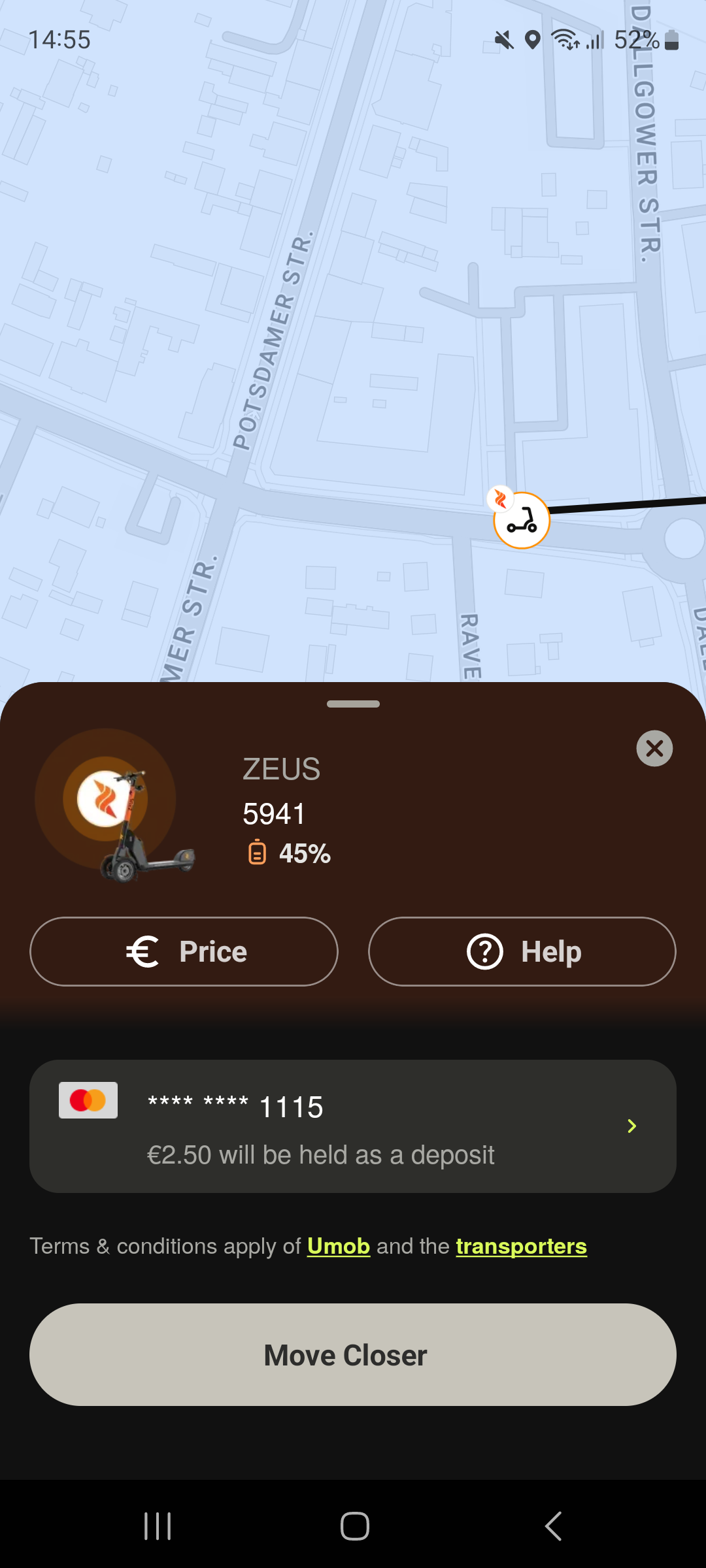
إذا كنت تدير بالفعل خدمة التنقل المشترك الخاصة بك على منصة ATOM Mobility، فإن الربط مع Umob قد يكون الخطوة التالية نحو الوصول إلى المزيد من المستخدمين وأن تصبح جزءاً من منظومة تنقل مترابطة حقاً.
إذا كنت مهتماً بتفعيل هذا التكامل أو معرفة المزيد حول كيفية عمله، تواصل مع فريقنا. نحن نتطلع إلى مساعدة المزيد من المشغلين على التواصل والتعاون وجعل التنقل المستدام أسهل للجميع.
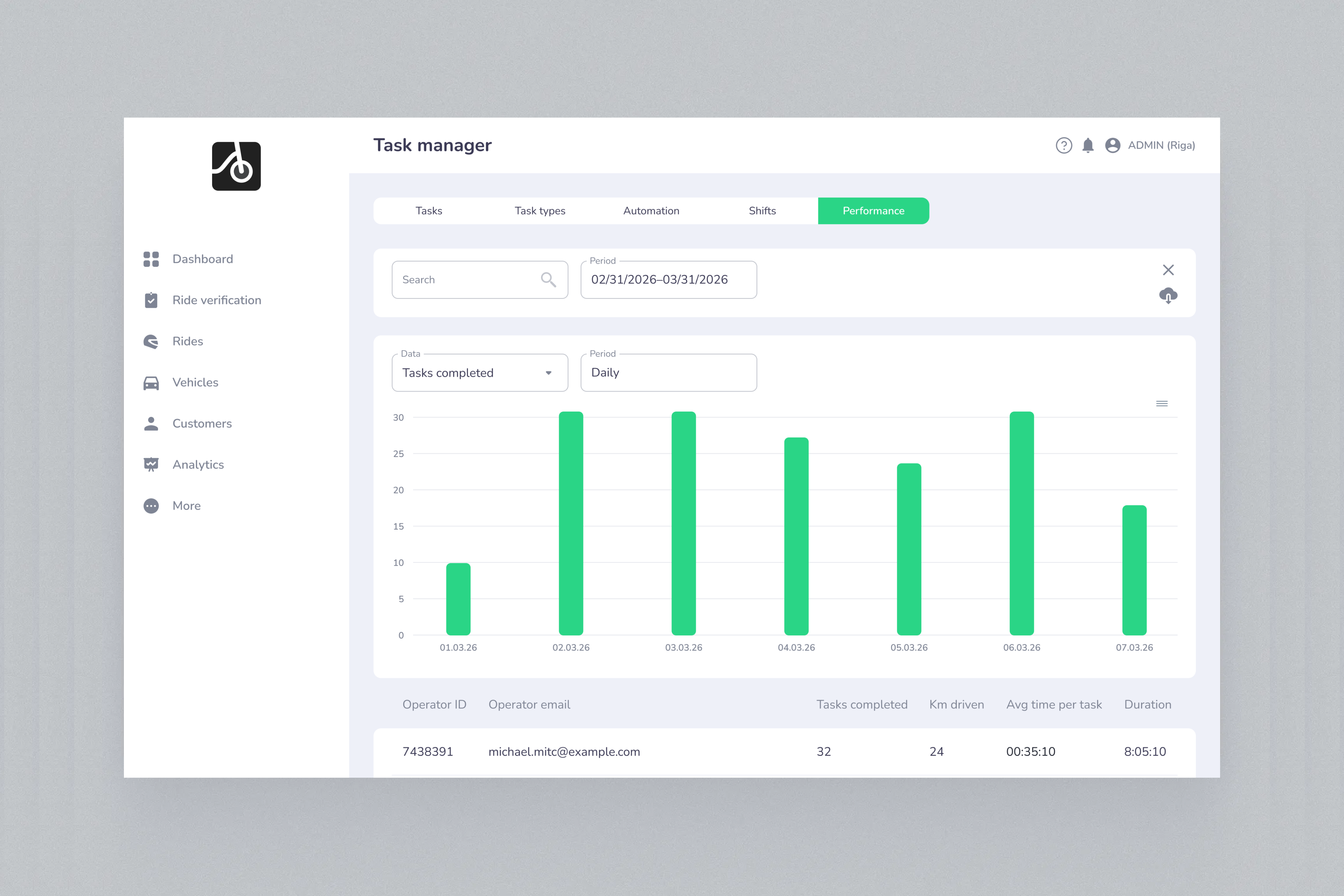
👷📊 يتجاوز مدير مهام ATOM الآن مجرد توزيع المهام بفضل وظائف الورديات وأداء المشغلين الجديدة. تتبع مسارات الورديات، والمسافة المقطوعة، والمهام المنجزة، والوقت المستغرق لكل مهمة، وأداء كل مشغل على حدة، مما يمنح مديري الأساطيل رؤية أوضح بكثير للعمليات الميدانية ومستوى الكفاءة.
لا تقتصر إدارة أسطول كبير للتنقل المشترك أو التأجير على معرفة المهام التي تم إنجازهافحسب، بل تتعلق أيضاً بفهم مدى كفاءة عمل الفرق الميدانية. لقد قمنا بتوسيع مدير مهام ATOM Mobility بشكل كبير بإضافة وظائف الورديات والأداء، مما يمنح مديري الأساطيل رؤية أفضل بكثير لنشاط المشغلين، وعبء العمل، والمسارات، ومستوى الأداء.
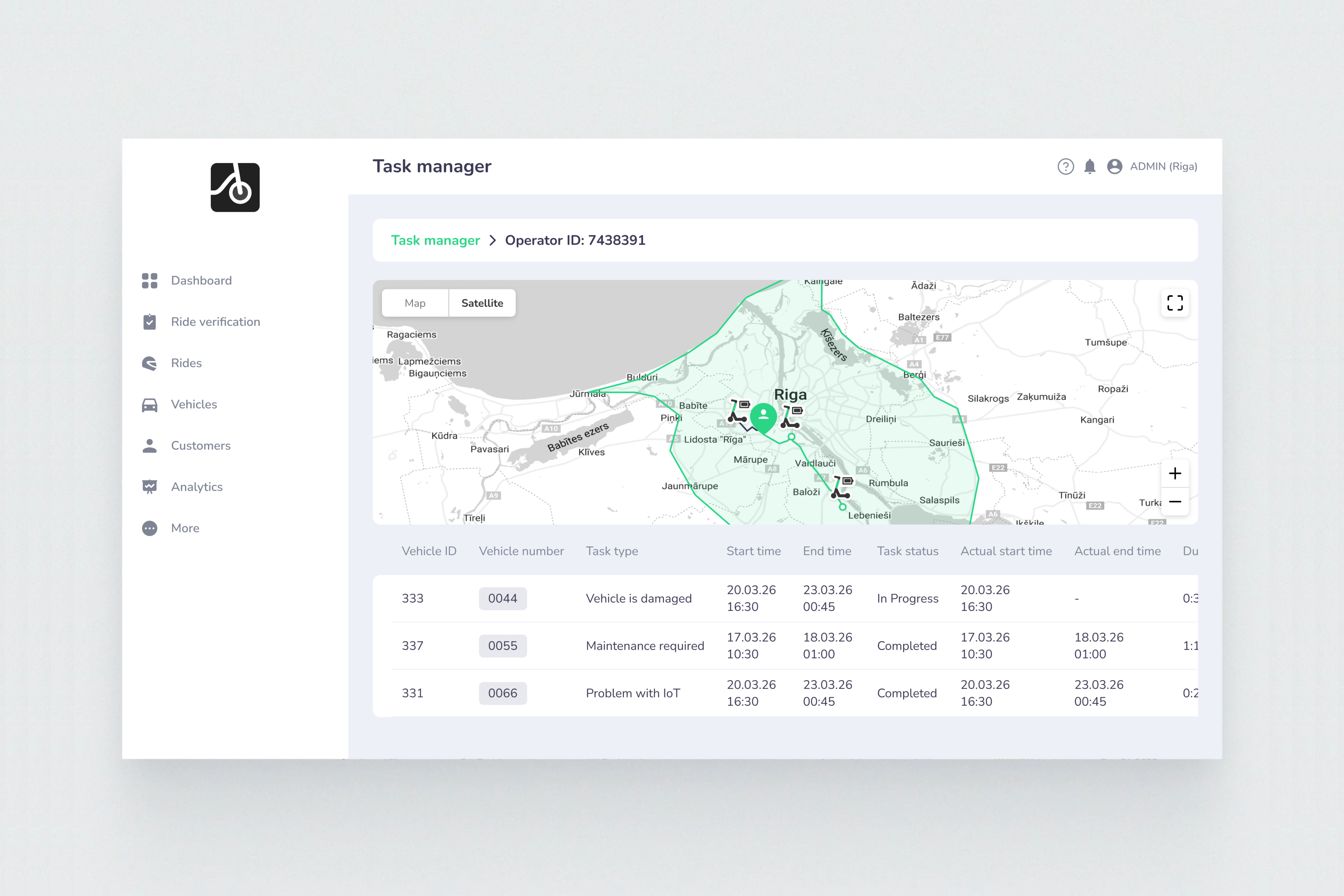
تمنحك علامة التبويب الورديات الجديدة للمديرين نظرة عامة مركزية على جميع ورديات المشغلين، بما في ذلك:
يمكن للمديرين فتح أي وردية فردية للاطلاع على الصورة التشغيلية الكاملة. فلكل مهمة، يمكنك رؤية المركبة، ونوع المهمة، ووقت البدء المخطط له والموعد النهائي، وأوقات البدء والانتهاء الفعلية، والحالة، والمدة الإجمالية للمهمة.
تتضمن كل وردية أيضاً خريطة توضح حركة المشغل الكاملة أثناء الوردية والمواقع التي تم تنفيذ المهام الفردية فيهابالنسبة للنوبات الجارية حالياً، يمكن للمديرين أيضاً الاطلاع على الموقع الحالي للمشغل.
وهذا يسهل كثيراً فهم المسار الفعلي، وحجم العمل، والقرارات المتخذة خلال كل نوبة، بالإضافة إلى تحديد فرص تحسين كيفية إدارة فرق العمل الميدانية لصيانة الأسطول وعملياته.
علامة التبويب الأداء الجديدة تجمع النتائج التشغيلية لكل مشغل خلال فترة زمنية محددة.
يمكن للمديرين تتبع:
بدلاً من مراجعة مئات المهام الفردية، يمكن للمديرين مقارنة المشغلين بسرعة، وتحديد أصحاب الأداء المتميز، ورصد المجالات التي قد تحتاج إلى تدريب إضافي أو تحسينات تشغيلية.
لجعل بيانات الأداء دقيقة ومفيدة، قدمنا أيضاً سير عمل جديد للنوبات والمهام في تطبيق ATOM للمشغلين. يبدأ المشغلون الآن نوبات عملهم وينهونها مباشرة من خلال التطبيق، بينما يتم تسجيل أوقات بدء المهام الفردية وإتمامها تلقائياً.
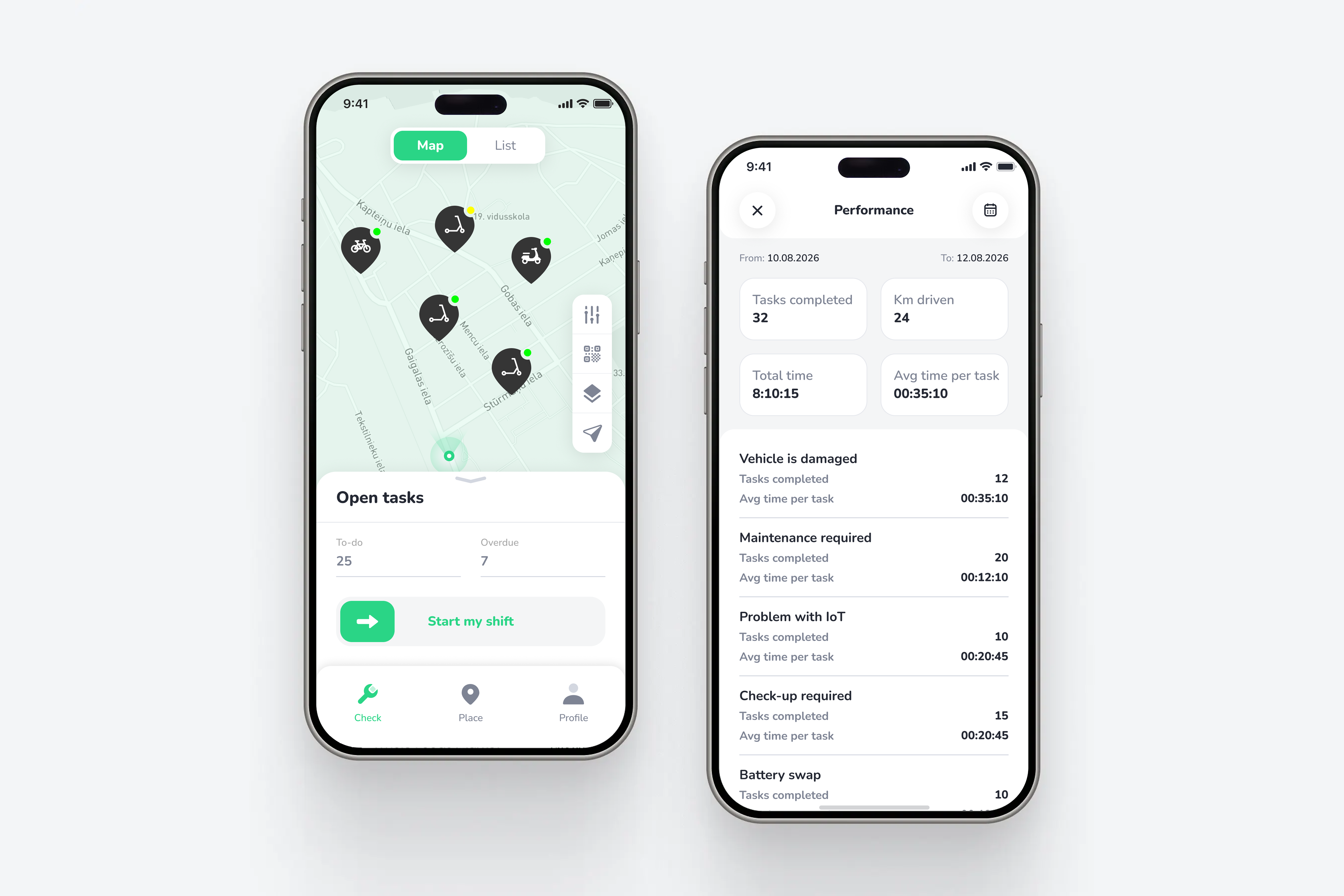
لقد أضفنا أيضاً:
معاً، تحول هذه التحديثات ATOM Task Manager من مجرد أداة لتوزيع المهام إلى نظام أكثر تكاملاً لأداء وتحسين العمليات الميدانية. يحصل المشغلون على سير عمل أوضح ورؤية أفضل لأدائهم الشخصي، بينما يحصل المديرون على البيانات التي يحتاجونها لفهم كيفية سير عملياتهم الميدانية فعلياً وتحديد مجالات تحسين الكفاءة.
الوظائف الجديدة متاحة لوحدات مشاركة المركبات و التأجير الرقمي في ATOM Mobility.
👉 اقرأ المزيد عن آخر تحديثات منصتنا:
https://www.atommobility.com/atomupdates
استخدم بيانات اعتماد الاختبار لتسجيل الدخول - رقم الهاتف: +1 123123123، الكود: 777777


بيانات اعتماد الإصدار التجريبي من تطبيق Driver - البريد الإلكتروني: test@atom.com، كلمة المرور: برنامج التشغيل