Sbloccare nuovi flussi di entrate: idee di partnership B2B nella mobilità condivisa
October 7, 2024
lettura minima


Nel settore della mobilità condivisa in continua evoluzione, la diversificazione dei flussi di entrate è essenziale per la stabilità e la crescita a lungo termine. In ATOM Mobility, ci impegniamo a fornire agli operatori una solida piattaforma SaaS che non solo mantenga la vostra azienda in modo efficiente, ma si adatti anche alle nuove sfide. Esplorando le opportunità B2B nell'ambito della mobilità condivisa, puoi ampliare il tuo caso d'uso e attingere a nuove possibilità di guadagno. Sfrutta la potenza della nostra piattaforma SaaS insieme alle tue idee innovative per sbloccare nuove opportunità e promuovere una crescita sostenibile.
Sei pronto a incrementare le entrate della tua flotta? I percorsi tradizionali sono ottimi, ma a volte è il momento di pensare fuori dagli schemi, o meglio, fuori dal veicolo. Scopriamo come estendere il tuo caso d'uso al B2B può aumentare le entrate nel settore della mobilità condivisa.
Cos'è il B2B nella mobilità?
La mobilità condivisa spesso evoca immagini di operazioni B2C in cui le persone noleggiano o condividono veicoli, la mobilità B2B rappresenta un approccio diverso. In questo modello, i servizi sono progettati specificamente per essere utilizzati da membri di società, organizzazioni o comunità (business-to-business).
Ad esempio, un hotel potrebbe offrire scooter per consentire agli ospiti di esplorare la zona, oppure un'azienda potrebbe offrire ai dipendenti un accesso scontato ai veicoli condivisi per viaggi di lavoro o pendolari. Questi esempi evidenziano la mobilità B2B, in cui un operatore di mobilità condivisa collabora con un'azienda o un'organizzazione. Questa collaborazione non solo genera vantaggi finanziari per entrambe le parti, ma aiuta anche le aziende a ridurre la propria impronta di carbonio e crea nuovi flussi di entrate per gli operatori di mobilità.
Ecco alcune idee creative per aumentare le entrate della tua flotta attraverso innovative partnership B2B e nuove opportunità:
Franchising
Nella mobilità condivisa, un approccio di franchising comune prevede che gli operatori collaborino con altri fornitori di mobilità, consentendo loro di operare con il tuo marchio e il tuo software. In questo modello, il franchisor fornisce un sistema operativo completo, che include il marchio, i prodotti, i servizi e il framework operativo. Ciò offre una soluzione chiavi in mano per la gestione di un'attività di mobilità condivisa. Gli affiliati ricevono un supporto completo, come la selezione del sito, la guida allo sviluppo, i manuali operativi, la formazione, le strategie di marketing e i servizi di consulenza aziendale continui.
Sfrutta ATOM Mobility sistema di subaccount dashboard per concedere agli affiliati un accesso limitato alle loro operazioni specifiche e alla flotta che assegni, consentendo ai tuoi partner di gestire in modo efficiente la condivisione dei veicoli o le operazioni di noleggio digitali con il tuo marchio.
Esplora le soluzioni per flotte aziendali
Molte aziende sono alla ricerca di soluzioni di flotta affidabili e scalabili per le loro esigenze aziendali. Posizionando la tua flotta come soluzione ideale per il trasporto aziendale, puoi aprire nuovi flussi di entrate. Ad esempio, puoi collaborare con un'azienda più grande e consentire ai suoi dipendenti di utilizzare la tua flotta a un prezzo speciale durante i giorni lavorativi. Allo stesso tempo, l'azienda può assegnare diversi budget per la mobilità a vari gruppi di dipendenti da utilizzare nella tua app. In questi casi, l'azienda, il vostro partner, coprirà i viaggi dei propri dipendenti a tariffe appositamente concordate.
Dai un'occhiata al nostro gestione degli account aziendali per ulteriori informazioni su come iniziare. Le aziende hanno spesso bisogno di soluzioni di trasporto per gli spostamenti dei dipendenti, le visite dei clienti e persino i viaggi di lavoro. Sfruttate questa esigenza e vedrete aumentare le entrate della vostra flotta.
Esistono due modelli di cooperazione fondamentali con le aziende più grandi:
- Consentire ai propri dipendenti di utilizzare veicoli disponibili al pubblico in orari specifici tramite la tua app, con tutte le corse coperte dall'azienda.
- Dedicare, e potenzialmente brandizzare, una parte della tua flotta per un'azienda specifica, rendendola disponibile esclusivamente a loro e ai loro dipendenti. In questo modello, fornisci il supporto, il software e la manutenzione, assicurando che questa flotta sia accessibile solo a quell'azienda.
Unisci le forze con gli hotspot locali
Collaborando con caffetterie, negozi al dettaglio o luoghi di intrattenimento locali, puoi offrire promozioni speciali ai loro clienti. È una soluzione vantaggiosa per tutti! Le attività commerciali locali ricevono più traffico pedonale e tu ottieni un flusso costante di nuovi motociclisti o affittuari. Funziona molto bene nella micromobilità.
Ad esempio, potresti offrire uno sconto sul noleggio di veicoli agli avventori di un ristorante locale o fornire servizi navetta per eventi in un teatro vicino. Inoltre, è un ottimo modo per rendere la tua flotta una celebrità locale!

Immergiti nel settore delle consegne e della logistica
Con l'esplosione dell'e-commerce, c'è un'opportunità significativa nel settore delle consegne e della logistica. Puoi collaborare con rivenditori online o aziende locali che necessitano di servizi di consegna, offrendo loro una soluzione completa, inclusa la consegna, o semplicemente noleggiando veicoli.
Fornendo soluzioni di consegna dedicate o offrendo tariffe speciali per le consegne all'ingrosso, puoi attingere a un mercato redditizio e scalare da lì. La tua flotta può diventare la soluzione di consegna preferita dai negozi online e dai negozi locali, aumentando le entrate e mantenendo i veicoli in uso costante.
Crea pacchetti turistici esclusivi
Il turismo è un'altra miniera d'oro per le entrate delle flotte. Collabora con agenzie di viaggio, hotel o attrazioni turistiche per offrire pacchetti di trasporto esclusivi. Immagina un pacchetto in cui i turisti possano raggiungere tutti i luoghi imperdibili della città con un'unica prenotazione. È conveniente per i turisti e redditizio per te!
Per ispirazione su come soddisfare le destinazioni turistiche, dai un'occhiata al nostro Guida alle destinazioni turistiche per i proprietari di flotte di veicoli.
Sfrutta le partnership per eventi
Gli eventi, dalle conferenze aziendali ai festival locali, sono opportunità perfette per la crescita dei ricavi della flotta. Collabora con gli organizzatori di eventi per fornire servizi navetta, trasporto VIP o noleggi specifici per eventi.
Potresti anche offrire veicoli di marca come parte dell'esperienza dell'evento. Immagina che la tua flotta porti i partecipanti agli eventi in giro per la città, il tutto mentre viene vista da migliaia di potenziali nuovi clienti.
Offri servizi di abbonamento per veicoli
I servizi in abbonamento sono in aumento. Perché non offrire un modello di abbonamento per veicoli in cui le aziende possono abbonarsi per accedere a una varietà di veicoli in base alle loro esigenze? Questo modello può fornire entrate costanti e prevedibili e attirare clienti che preferiscono la flessibilità rispetto agli impegni a lungo termine.
Le opzioni di flotta privata di ATOM Mobility possono essere facilmente adattate per adattarsi a un modello di abbonamento. Scopri di più sulle nostre soluzioni per flotte private per vedere come potrebbe funzionare per te.
Per garantire il successo della tua nuova offerta B2B, segui questa semplice procedura in cinque fasi per ogni nuova direzione delle entrate B2B che desideri testare:
- Identifica i partner: Ricerca e contatta le aziende che potrebbero trarre vantaggio dalla tua offerta B2B. In questa fase, le presentazioni e il testo saranno sufficienti e l'obiettivo principale è raccogliere feedback e valutare l'interesse.
- Personalizza i servizi: In base al feedback raccolto, personalizza le tue offerte per soddisfare le esigenze specifiche di ciascun partner e risolvere i loro punti deboli per ottenere un valore migliore. Questo è un buon momento per firmare un accordo con loro.
- Configura la piattaforma: Assicurati che la tua tecnologia e la tua flotta siano pronte per il B2B. Collabora con esperti come ATOM Mobility per un supporto tecnico senza interruzioni e un facile onboarding.
- Esegui un pilota: Metti alla prova il tuo approccio con progetti pilota su piccola scala per raccogliere feedback, valutare il modello finanziario e migliorare la tua soluzione.
- Scala verso l'alto: Una volta che i progetti pilota avranno successo, espanditi verso nuovi partner e regioni utilizzando le informazioni acquisite.
Sei pronto a incrementare le tue entrate?
Esiste un intero mondo di opportunità per aumentare le entrate della tua flotta condivisa attraverso partnership creative e soluzioni B2B innovative. Noi di ATOM Mobility siamo qui per aiutarvi a esplorare queste entusiasmanti possibilità e portare la vostra flotta a un livello superiore.
Pronto per iniziare? Entra in ATOM Mobility oggi e scopri come creare una flotta non solo funzionale ma anche redditizia. Guidiamo insieme l'innovazione e il successo!
Fai clic qui sotto per saperne di più o richiedere una demo.

The micromobility industry doesn’t need another generic mobility conference. 🚫🎤 It needs real conversations between operators who are actually in the field. ⚙️ That’s exactly what ATOM Connect 2026 is built for. 🎯🤝
The shared mobility industry is evolving rapidly. Operators are navigating scaling challenges, regulatory complexity, hardware decisions, fleet optimization, and new integration models, all while aiming for sustainable growth.
That’s exactly why ATOM Mobility is organizing ATOM Connect 2026.
Our previous edition of ATOM Connect brought together professionals from the car sharing and rental industry for focused, high-quality discussions and networking. This year, we are narrowing the focus and dedicating the entire event to one fast-moving segment of the industry: shared micromobility.
ATOM Connect 2026 is designed specifically for operators, partners, and decision-makers working in shared micromobility. It is not a broad mobility conference or a public exhibition. It is a curated space for industry professionals to exchange practical experience, insights, and lessons learned.
On May 14th, 2026 in Riga, we will once again bring the community together, this time with a clear focus on micromobility.
This year’s agenda will address the real operational and strategic questions shaping shared micromobility today:
As usual, we aim to host both local and international operators from smaller, fast-growing fleets to established large-scale players alongside hardware providers and ecosystem partners.
On stage, you’ll hear from leading shared mobility companies - including Segway on hardware partnerships, Umob on MaaS integration, Anadue on data-driven fleet intelligence, Elerent on multi-vehicle operational realities and more insightful discussions.
The goal is simple: meaningful discussions with people who understand the operational realities of the industry.
ATOM Connect is free to attend, but participation is industry-focused (each submission is manually reviewed and verified). We are intentionally keeping the audience relevant and aligned to ensure high-quality conversations and valuable networking.
If you work in shared micromobility and would like to join the event, you can find the full agenda and register here:
👉 https://www.atommobility.com/atom-connect-2026
In the coming weeks, we will be revealing more speakers and additional agenda updates. We look forward to bringing the industry together again.
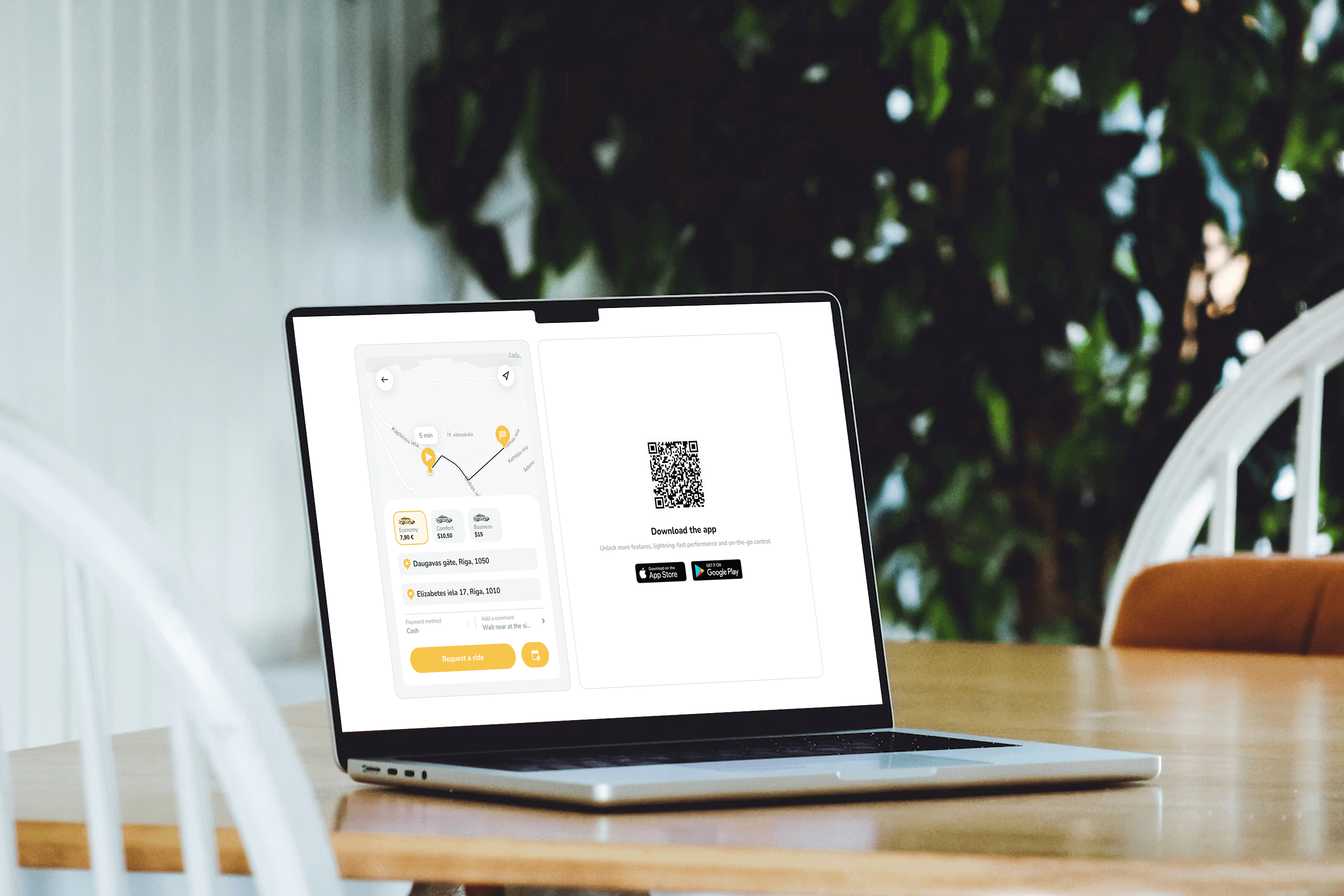
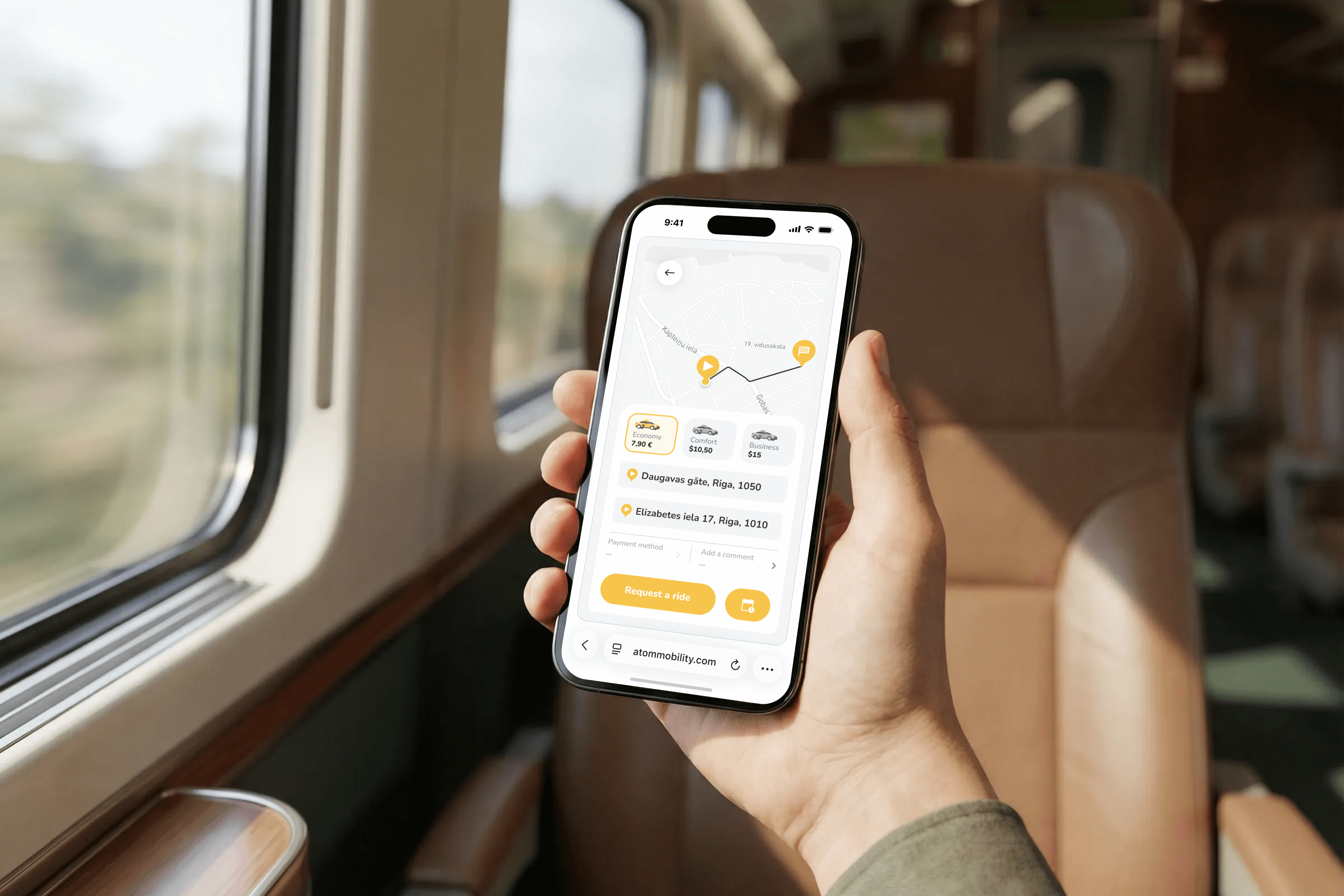
🚕 Web-booker is a lightweight ride-hail widget that lets users book rides directly from a website or mobile browser - no app install required. It reduces booking friction, supports hotel and partner demand, and keeps every ride fully synced with the taxi operator’s app and dashboard.
What if ordering a taxi was as easy as booking a room or clicking “Reserve table” on a website?
Meet Web-booker - a lightweight ride-hail booking widget that lets users request a cab directly from a website, without installing or opening the mobile app.
Perfect for hotels, business centers, event venues, airports, and corporate partners.
👉 Live demo: https://app.atommobility.com/taxi-widget
Web-booker is a browser-based ride-hail widget that operators can embed or link to from any website.
The booking happens on the web, but the ride is fully synchronized with the mobile app and operator dashboard.
No redirects. No app-store friction. No lost users.
This keeps fraud low while preserving conversion.
Web-booker addresses one of the most common friction points in ride-hailing: users who need a ride now but are not willing to download an app first. By allowing bookings directly from a website, operators can capture high-intent demand at the exact moment it occurs - whether that is on a hotel website, an event page, or a partner landing page.
At the same time, Web-booker makes partnerships with hotels and venues significantly easier. Instead of complex integrations or manual ordering flows, partners can simply place a button or link and immediately enable ride ordering for their guests. Importantly, this approach does not block long-term app growth. The booking flow still promotes the mobile app through QR codes and store links, allowing operators to convert web users into app users over time - without forcing the install upfront.
Web-booker is not designed to replace the mobile app. It extends the acquisition funnel by adding a low-friction entry point, while keeping all bookings fully synchronized with the operator’s app and dashboard.
👉 Try the demo
https://app.atommobility.com/taxi-widget
Want to explore a ride-hail or taxi solution for your business - or migrate to a more flexible platform? Visit: https://www.atommobility.com/products/ride-hailing
Credenziali demo dell'app Driver - Email: test@atom.com, Password: autista

