Ist Carsharing 2025 rentabel?

Ist Carsharing 2025 rentabel?

Im Jahr 2024 wurde der globale Carsharing-Markt auf ca. 8,9 Milliarden €, wobei auf Europa über 50,2% dieser Gesamtzahl entfallen. Analysten gehen davon aus, dass es zwischen 2025 und 2033 mit einer jährlichen Wachstumsrate von 11,8% wachsen wird und bis 2033 rund 24,4 Milliarden Euro erreichen wird. Diese Mischung aus Urbanisierung, Umweltregulierung und einer wachsenden Präferenz für flexible Mobilität schafft für Betreiber weiterhin einen fruchtbaren Boden — doch nicht jeder Dienst findet einen klaren Weg zur Rentabilität.

Der Erfolg hängt von Ihrem Standort, Ihrem Geschäftsmodell, Ihrer Flotte, Ihrem Betrieb und der lokalen Marktdynamik ab. Es gibt starke Erfolgsgeschichten, aber auch viele aufsehenerregende Misserfolge. Schauen Sie sich genauer an, was sich auf dem heutigen Carsharing-Markt wirklich auf die Rentabilität auswirkt — und was Sie aus realen Fällen lernen können.

Was macht ein Carsharing-Geschäft rentabel?

Die Rentabilität von Carsharing läuft darauf hinaus, eine ausreichende kostenpflichtige Nutzung sicherzustellen und gleichzeitig die Kosten unter Kontrolle zu halten. Jede ungenutzte Stunde oder jede unnötige Ausgabe schmälert die Gewinnmargen.

Die wichtigsten Faktoren:

  • Flottenauslastung — die wichtigste Kennzahl. Autos müssen täglich mehrere Stunden im Einsatz sein, um die Fixkosten zu decken.
  • Betriebliche Effizienz — Reinigung, Laden, Umzug, Wartung und Versicherung summieren sich schnell.
  • Flottenbeschaffung — Leasing optimiert in der Regel den Cashflow und die Skalierbarkeit, ist aber dennoch mit festen monatlichen Kosten verbunden.
  • Preisgestaltung und Wettbewerb — zu niedrige Kürzungsmargen; zu hohe Margen verdrängen die Nutzer. Es ist wichtig, das richtige Gleichgewicht zu finden.
  • Technischer Stack — Eine robuste Plattform automatisiert den Betrieb, verbessert das Kundenerlebnis und senkt die Supportkosten.

Die Betreiber, die gewinnen, sind diejenigen, die eine solide tägliche Nutzung mit schlanken Abläufen kombinieren.

❌ PANEK S.A. stellt seinen Carsharing-Dienst ein, um sich auf die Vermietung zu konzentrieren

29. März 2025 markierte das Ende von Paneks Carsharing-Experiment. Obwohl er seinen Höhepunkt erreichte 2 700—3 000 Fahrzeuge, Panek hat seit über sieben Jahren keinen Gewinn mehr erzielt.

Über Panek

  • Markteinführung: Carsharing wurde 2017 von Maciej Panek hinzugefügt, vollständig intern finanziert (kein VC)
  • Flottenmix: Stadtautos, Hybriden, Elektrofahrzeuge, Transporter und Vintage-Modelle
  • Übernahme 2023: Regional Rent (+ 45% Flotte), damit ist Panek Polens größter integrierter Vermieter/Betreiber

Aufführung 2024

  • Umsatzverteilung: Carsharing ≈ 20% des Gesamtbetrags. Traditionelle Vermietung 80%
  • Auslastung: 0,7—1,0 Fahrten/Auto/Tag
  • Wartung und Gemeinkosten: Bis zu 690 €/Automonat
  • Rentabilität: Negativ seit der Gründung

Warum es gescheitert ist

  1. Unterauslastung: < 1 Fahrt/Tag im Vergleich zu ~ 2-4 Fahrten pro Tag, die zur Deckung der Fixkosten erforderlich sind
  2. Preiskriege: Der harte Wettbewerb in Warschau schmälerte die Margen und trieb die Kosten für die Kundengewinnung in die Höhe
  3. Hohe Betriebskosten: Parken, Wartung, Versicherung und Vandalismus haben die Kosten auf über 690€ pro Auto pro Monat erhöht
  4. Technischer Widerstand: Ein zweijähriger Entwicklungszyklus für ausgelagerte Apps bedeutete eine schlechte Benutzererfahrung und eine langsame Bereitstellung von Funktionen
  5. Keine öffentliche Unterstützung: Sie haben Parkanreize oder Subventionen für Elektrofahrzeuge verpasst

Angesichts anhaltender Verluste konzentrierte sich die Führung von Panek wieder auf profitable Kernsegmente: tägliche/wöchentliche Vermietung, Firmenleasing und Fleet-as-a-Service.

🚗 WiBLE Spain findet seine profitable Spur in Madrid

Wible (50/50-Joint Venture zwischen Kia Europe und Repsol) wurde 2018 gegründet und hat gerade das zweite Jahr in Folge mit einem positiven EBITDA abgeschlossen.

  • Flotte: Über 600 Plug-in-Hybride (Kia Niro, XCeed, Ceed Tourer)
  • Umsatz 2024: 6,93 Millionen € (+ 5% gegenüber 2023)
  • Verwendungszweck: ~1 500 Fahrten/Tag ⇒ 2,5 Fahrten/Auto/Tag
  • Diversifikation: Monatliche Mieten (ab 599€) jetzt 5% des Umsatzes
  • Marktanteil: ~ 19% des Madrider Carsharing-Marktes

Wichtige Wegbereiter:

  1. Höhere Auslastung — steigt im Jahresvergleich um 15%, was zu einer Steigerung des Kernumsatzes um 10% führt
  2. Effizienz der Flottenwaage — innerhalb von 2 Jahren wurden 150 Fahrzeuge hinzugefügt, wodurch die Stückkosten gesenkt wurden
  3. Diversifizierung der Dienstleistungen — Mehrtägige und monatliche Mietoptionen eröffneten neue Einnahmequellen

Nach fünf Jahren, in denen WiBLE Belastungen und Abschreibungen zu den Fixkosten abgefangen hat, nutzt das Unternehmen nun das regulatorische Umfeld Madrids (emissionsarme Zonen, Parkvorteile) und sorgt für einen schlanken, technologieorientierten Betrieb.

🚗 SOCAR Südkorea: Skala + längere Anmietungen

SOCAR (unterstützt von SoftBank, SK Inc. und Lotte Group) betreibt 20.000 Fahrzeuge, erwirtschaftet einen Jahresumsatz von fast 300 Millionen Euro und hat 20% von Südkoreanern haben sich angemeldet.

  • Modell: Stationsbasiert, Pay-per-Minute mit einer durchschnittlichen Mietdauer von satten 12 Stunden
  • Segmentierungstrick: Veraltete Autos werden von On-Demand-Sharing auf langfristige monatliche Mieten umgestellt (10% des Umsatzes), wodurch die Nutzungsdauer des Wiederverkaufs verlängert wird, ohne dass sich die Abschreibung negativ auswirkt

Durch die Kombination von großem Umfang mit einem ausgeklügelten Lebenszyklusmanagement und einer besonders langen Mietdauer wandelt SOCAR eine hohe Auslastung in eine robuste Rentabilität um.

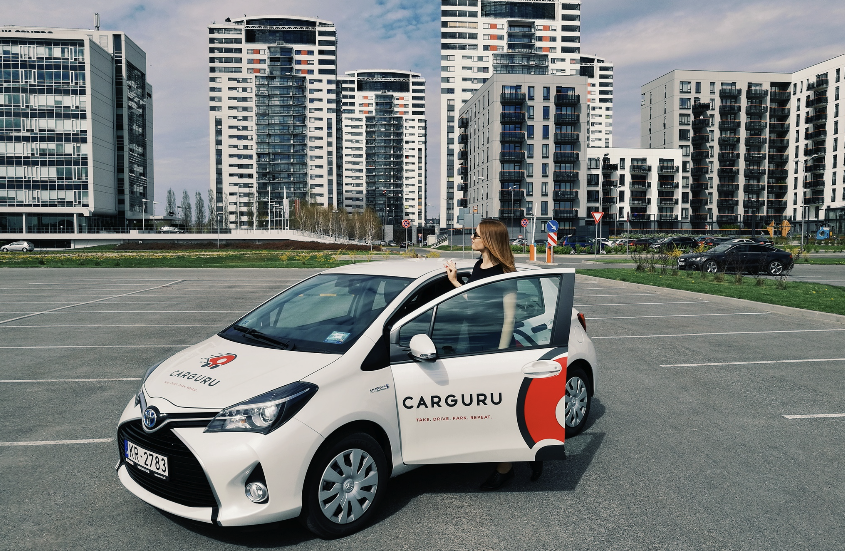
🚗 Carguru (Lettland)

30. August 2024: Carguru (gegründet 2017) erwarb OX Drive, das auf Elektrofahrzeuge spezialisiert ist (Stand 2021), Erweiterung der Flotte um mehr als 200 Tesla.

  • Wachstum: Von nur 30 Autos und einem Gesamtbudget von unter 500.000 EUR (2017) auf über 1.000 Autos (Mitte 2025) durch Leasing und strategische Partnerschaften
  • Umsatz 2023: 4 Millionen €; 435 000 Fahrten (+35,9%); 7 Millionen gefahrene km; Gewinn 375 600€

Ergebnis: Eine kombinierte ICE-, Hybrid- und Elektrofahrzeugflotte — unterstützt durch lokales Fachwissen und strategische Akquisitionen — hat zu einem starken Wachstum und einer hohen Auslastung geführt.

🎯 Kernvorschläge für angehende Betreiber

  1. Ziel: 2—4 Fahrten/Tag pro Fahrzeug
    • Nutzen Sie dynamische Preisgestaltung und Preise außerhalb der Spitzenzeiten, B2B-Partnerschaften (Hotels, Büros) und Event-Partnerschaften.
  2. OPEX durch Automatisierung eindämmen
    • Nutzen Sie vorausschauende Wartung, Ferndiagnose und Gig-Economy-Reinigung/Umzug.
  3. Kommunale Unterstützung frühzeitig sichern
    • Verhandeln Sie Parkanreize, Lademöglichkeiten für Elektrofahrzeuge und Genehmigungen für emissionsarme Zonen.
  4. Wählen Sie Ihre Technologie mit Bedacht
    • Stellen Sie ein internes Entwicklungsteam zusammen, um bei höheren Kosten die volle Kontrolle zu haben, oder führen Sie ein bewährte White-Label-Plattform für schnelle Markteinführung, Stabilität und niedrigere Kosten.
  5. Überprüfen Sie die Einheitenökonomie vor der Skalierung
    • Stellen Sie sicher, dass in einer Zone die Gewinnschwelle erreicht ist, bevor Sie sie auf andere ausweiten.

Mit klaren Benchmarks und intelligenter Umsetzung — aufbauend auf den Erfahrungen von Panek, Wible, SOCAR und Autoguru - Carsharing kann immer noch ein hochprofitabler Bestandteil eines modernen Mobilitätsportfolios sein.

Wenn Sie planen, Ihren Service zu starten oder zu verbessern, ATOM-Mobilität ist bereit zu helfen. Wir haben die Plattform aufgebaut und Dutzende von Teams weltweit unterstützt. Nehmen Sie Kontakt auf und wir teilen Ihnen mit, was wir gelernt haben.

Bildquelle: https://kursors.lv/2018/03/13/carguru-palielina-autoparku-un-paplasina-darbibas-zonas-mikrorajonos

Interessiert daran, Ihre eigene Mobilitätsplattform auf den Markt zu bringen?

Klicken Sie unten, um mehr zu erfahren oder eine Demo anzufordern.

Verwandte Beiträge

Weitere Fallstudien

Alles ansehenAlle Fallstudien ansehen
Blog
🚀 New feature alert: Web-booker for ride-hail

🚕 Web-booker is a lightweight ride-hail widget that lets users book rides directly from a website or mobile browser - no app install required. It reduces booking friction, supports hotel and partner demand, and keeps every ride fully synced with the taxi operator’s app and dashboard.

Beitrag lesen

What if ordering a taxi was as easy as booking a room or clicking “Reserve table” on a website?

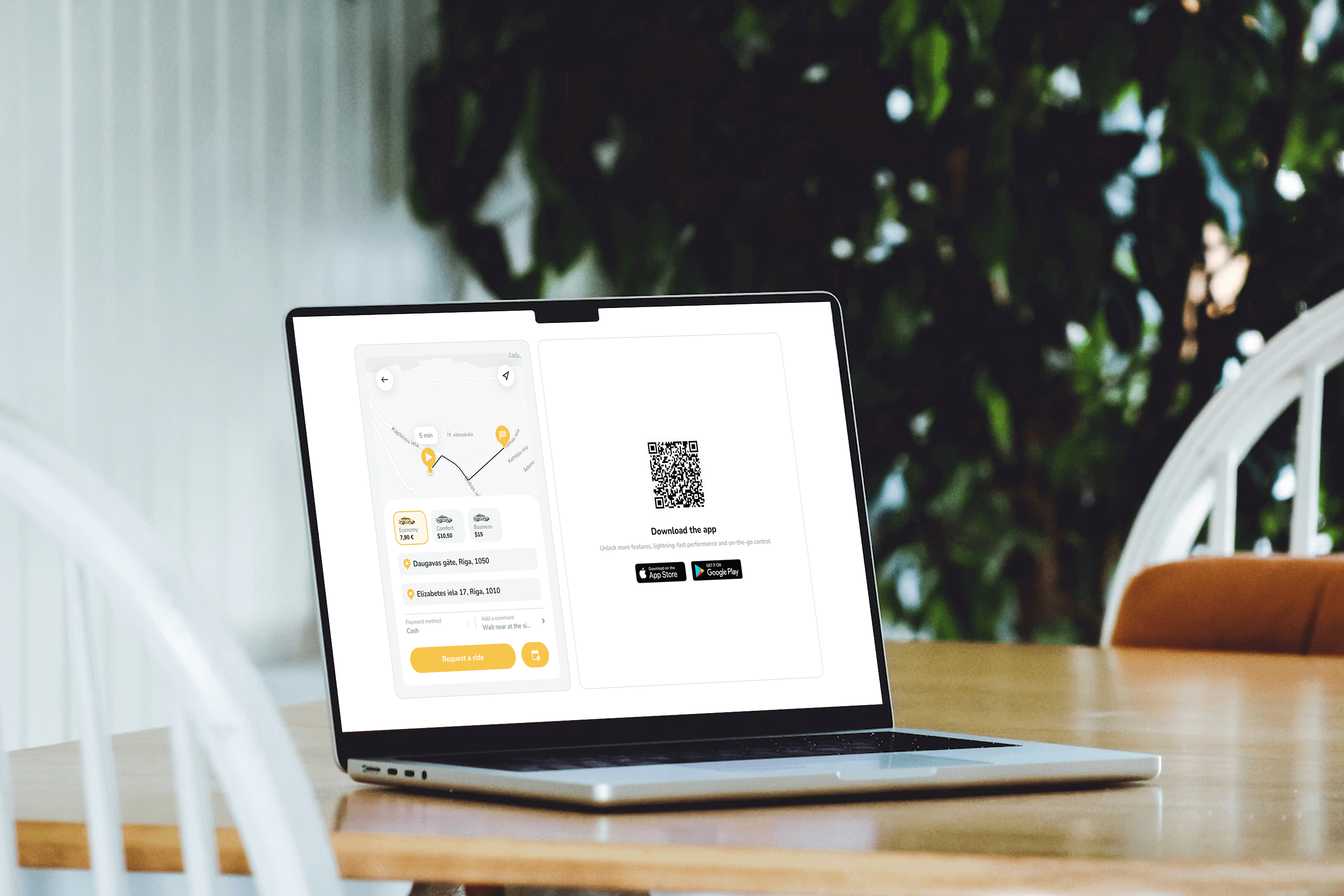
Meet Web-booker - a lightweight ride-hail booking widget that lets users request a cab directly from a website, without installing or opening the mobile app.
Perfect for hotels, business centers, event venues, airports, and corporate partners.

👉 Live demo: https://app.atommobility.com/taxi-widget

What is Web-booker?

Web-booker is a browser-based ride-hail widget that operators can embed or link to from any website.
The booking happens on the web, but the ride is fully synchronized with the mobile app and operator dashboard.

How it works (simple by design)
  • Client places a button or link on their website
  • Clicking it opens a new window with the ride-hail widget
  • The widget is branded, localized, and connected directly to the operator’s system
  • Booking instantly appears in the dashboard and mobile app

No redirects. No app-store friction. No lost users.
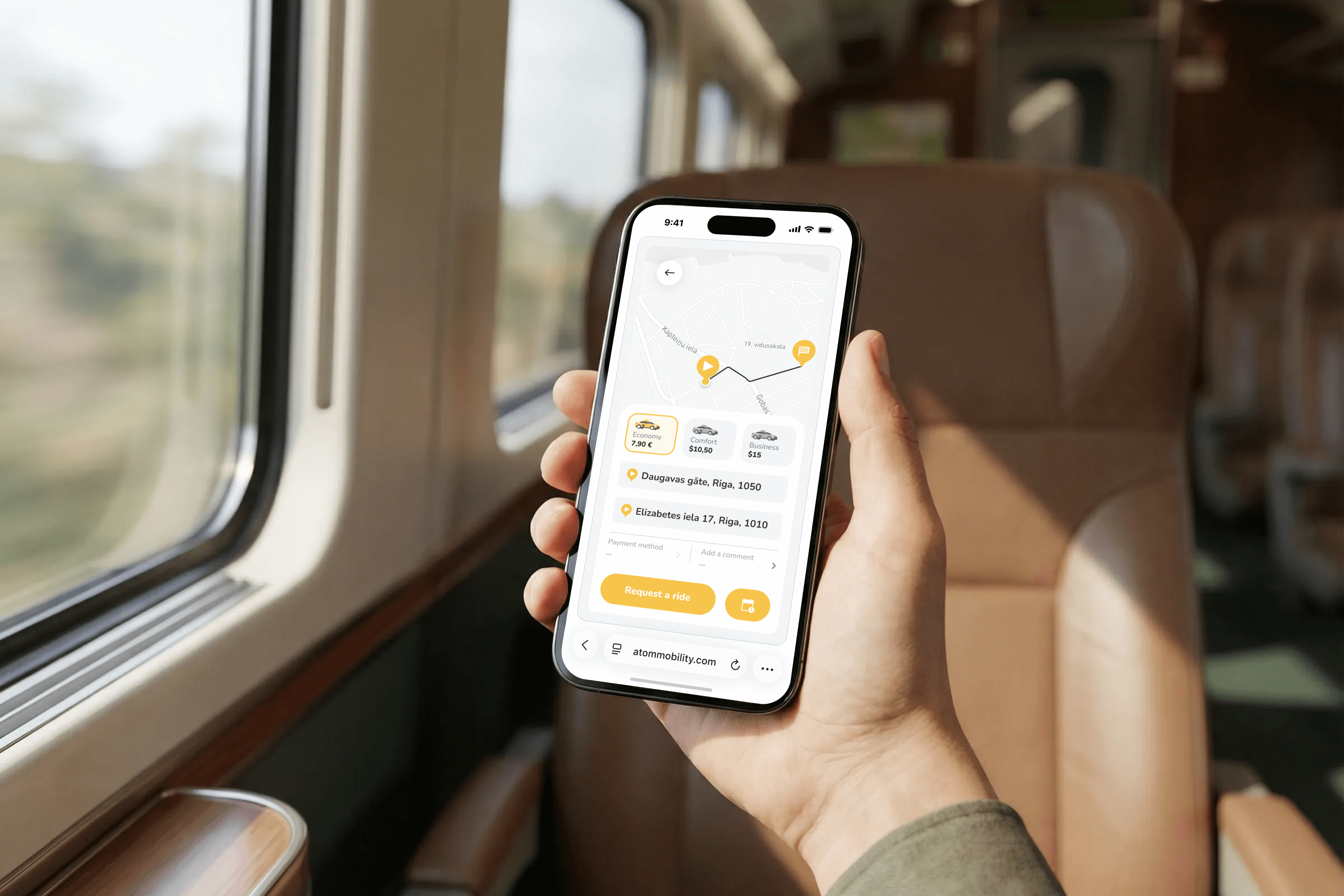
Key capabilities operators care about
🎨 Branded & consistent
  • Widget color automatically matches the client’s app branding
  • Feels like a natural extension of the operator’s ecosystem
  • Fully responsive and optimized for mobile browsers, so users can book a ride directly from their phone without installing the app
📱 App growth built in
  • QR code and App Store / Google Play links shown directly in the widget
  • Smooth upgrade path from web → app
🔄 Fully synced ecosystem
  • Country code auto-selected based on user location
  • Book via web → see the ride in the app (same user credentials)
  • Dashboard receives booking data instantly
  • Every booking is tagged with Source:
    - App
    - Web (dashboard bookings)
    - Booker (website widget)
    - API
🔐 Clean & secure session handling
  • User is logged out automatically when leaving the page
  • No persistent browser sessions
💵 Payments logic
  • New users: cash only
  • Existing users: can choose saved payment methods
  • If cash is not enabled → clear message prompts booking via the app

This keeps fraud low while preserving conversion.

✅ Default rollout
  • Enabled by default for all ride-hail merchants
  • No extra setup required
  • Operators decide where and how to use it (hotel partners, landing pages, QR posters, etc.)
Why this matters in practice

Web-booker addresses one of the most common friction points in ride-hailing: users who need a ride now but are not willing to download an app first. By allowing bookings directly from a website, operators can capture high-intent demand at the exact moment it occurs - whether that is on a hotel website, an event page, or a partner landing page.

At the same time, Web-booker makes partnerships with hotels and venues significantly easier. Instead of complex integrations or manual ordering flows, partners can simply place a button or link and immediately enable ride ordering for their guests. Importantly, this approach does not block long-term app growth. The booking flow still promotes the mobile app through QR codes and store links, allowing operators to convert web users into app users over time - without forcing the install upfront.

Web-booker is not designed to replace the mobile app. It extends the acquisition funnel by adding a low-friction entry point, while keeping all bookings fully synchronized with the operator’s app and dashboard.

👉 Try the demo
https://app.atommobility.com/taxi-widget

Blog
How bike-sharing apps encourage eco-friendly urban travel

🚲 Cleaner air, less traffic, and better city living - bike-sharing apps are making it happen. With seamless apps, smart integration, and the right infrastructure, shared bikes are becoming a real alternative to cars in cities across Europe.💡 See how bike-sharing supports sustainable mobility and what cities and operators can do to get it right.

Beitrag lesen

Bike-sharing apps are reshaping urban mobility. What began as a practical way to get around without owning a bike is now part of a bigger shift toward sustainable transport. 

These services are doing more than replacing short car trips. They help cities cut emissions, reduce congestion, improve health, and connect better with public transport. 

As more cities rethink how people move, bike sharing continues to grow as one of the fastest and most affordable tools to support this change.

Why bike sharing is important

Bike-sharing services now operate in over 150 European cities, with more than 438,000 bikes in circulation. These systems help prevent around 46,000 tonnes of CO₂ emissions annually and reduce reliance on private cars in dense urban areas. They also improve air quality, lower noise levels, and make cities more pleasant to live in.

A recent study by EIT Urban Mobility and Cycling Industries Europe, carried out by EY, found that bike-sharing services generate around €305 million in annual benefits across Europe. This includes reduced emissions, lower healthcare costs, time saved from less congestion, and broader access to jobs and services.

For cities, the numbers speak for themselves: every euro invested yields a 10% annual return, generating €1.10 in positive externalities. By 2030, these benefits could triple to €1 billion if bike-sharing is prioritized.

Connecting with public transport

Bike sharing works best when it fits into the wider transport system. Most car trips that bike sharing replaces are short and often happen when public transport doesn’t quite reach the destination. That last kilometer between a bus stop and your home or office can be enough to make people choose the car instead.

Placing shared bikes near metro stations, tram stops, or bus terminals makes it easier for people to leave their cars behind. This “last-mile” connection helps more people use public transport for the long part of their trip and hop on a bike for the short part. Over time, that encourages more consistent use of both bikes and transit.

In cities where bike sharing is integrated into travel passes or mobility platforms, users can combine modes in a single journey. That flexibility supports wider access and makes shared bikes part of everyday mobility, not just something used occasionally.

What the app brings to the experience

The digital experience behind bike sharing is a big part of why it works. People can check availability, unlock a bike, pay, and end their trip – all in one app. This makes it quick, simple, and consistent.

Good bike-sharing apps also offer:

  • Real-time vehicle status
  • Contactless ID verification and onboarding
  • Support for short trips and subscriptions
  • Usage history and cost tracking
  • Optional features like carbon savings or route suggestions

When users don’t need to think twice about how the system works, they’re more likely to build regular habits around it. That habit shift is what makes a long-term difference for both users and cities.

Wider city-level benefits

Bike sharing isn’t just a transport service. It helps cities meet public goals – cleaner air, lower traffic, healthier residents, and better access to services. When someone chooses a bike instead of a car, it reduces the demand for fuel, parking, and space on the road.

The €305 million annual benefit includes health savings due to increased physical activity, avoided emissions, time gained from reduced congestion, and the creation of jobs tied to fleet operations. Many bike-sharing schemes also improve equity by giving people access to mobility in areas that are underserved by public transport or where car ownership isn’t affordable.

Shared bikes are especially useful in mid-sized cities where distances are manageable and car traffic still dominates. With the right policy support, even small fleets can have a noticeable impact on mobility patterns and public health.

What makes a system work well

Not every bike-sharing system succeeds. To be reliable and scalable, a few things must work together:

  • Safe, protected bike lanes
  • Well-placed stations near high-demand areas
  • Bikes that are easy to maintain and manage
  • Operators that monitor usage and shift bikes to where they’re needed
  • City policies that support cycling and reduce reliance on cars

Successful systems often grow in partnership with city governments, public transport agencies, and private operators who bring technology, logistics, and know-how.

The role of software and operations

Reliable software is what keeps all parts of the system connected. From unlocking a bike to seeing usage trends across the city, operators need tools that are stable, flexible, and easy to manage. For those launching or scaling a fleet, platforms like ATOM Mobility offer ready-made solutions that handle booking, payments, ID checks, live tracking, and fleet control in one place.

The platform supports both electric and mechanical bikes, offers branded apps, and integrates with smart locks or IoT modules for remote vehicle access. It also lets operators adjust pricing, monitor vehicle health, and manage customer support in real time. That means smaller teams can launch faster and scale smarter, without having to build every tool from scratch.

A small change with a big effect

Bike sharing won’t replace all car trips, but even a small shift makes a difference. A few short rides per week can reduce emissions, improve fitness, and save time spent in traffic. When these trips are supported by good infrastructure, public awareness, and seamless apps, the impact grows.

As cities continue to prioritise sustainability, shared micromobility will play a bigger role in helping people move in cleaner, healthier, and more flexible ways. With the right technology and planning, bike sharing becomes more than a service – it becomes a habit that supports better cities for everyone.

Starte deine Mobilitätsplattform in 20 Tagen!

Mehrere Fahrzeuge. Skalierbar. Bewährt.