Descifrando el código del uso compartido de vehículos: la mejor tecnología para el negocio de vehículos compartidos
November 27, 2024
lectura mínima


El uso compartido del automóvil es más que una tendencia: es un punto de inflexión para la movilidad urbana, ya que ayuda a las personas a acceder a los vehículos sin el dolor de cabeza de ser propietario de ellos. Pero, ¿qué hace que todo funcione? Permítanos presentarle la tecnología que sustenta el uso compartido del automóvil y explorar cómo empresas como ATOM Mobility facilitan la puesta en marcha y amplíe su negocio de movilidad compartida de forma rentable.
En el centro de cada operación de vehículos compartidos hay tres tecnologías clave que conectan los vehículos con las plataformas: CAN bus, OBD y telemática OEM. Esto es lo que hacen y por qué son importantes:
El bus de red de área del controlador (CAN) actúa como el sistema nervioso central de un automóvil y permite que los diferentes componentes se comuniquen entre sí. Proporciona datos detallados (niveles de combustible, estado de la batería o incluso la presión de los neumáticos) directamente a tu plataforma de vehículos compartidos. Esta profunda integración también permite realizar acciones remotas, como bloquear o arrancar el vehículo.
Sin embargo, los sistemas CAN requieren una instalación profesional, lo que puede significar mayores costos iniciales. Para los operadores más grandes con flotas que necesitan un control granular y un diagnóstico detallado, es imprescindible.
Los dispositivos de diagnóstico a bordo (OBD) son los héroes del uso compartido de vehículos listos para usar. Solo tienes que conectarlos al puerto de diagnóstico del coche y tendrás acceso instantáneo a la ubicación, la velocidad y el estado del motor. Son asequibles, rápidos de configurar e ideales para operadores pequeños y medianos que recién comienzan.
Dicho esto, los dispositivos OBD ofrecen menos funcionalidad en comparación con los CAN. Son perfectos para una configuración más básica, pero es posible que no sean adecuados para los operadores que necesitan datos avanzados o controles remotos del vehículo.
Los sistemas telemáticos OEM vienen preinstalados en muchos automóviles modernos. Estos sistemas proporcionan una conectividad perfecta y son altamente confiables, ya que permiten funciones como el seguimiento en tiempo real, el diagnóstico y el bloqueo remoto.
¿La desventaja? La telemática OEM lo vincula al sistema del fabricante del automóvil, lo que puede limitar la personalización. Si su flota es de una sola marca, esta es una opción fantástica. Para las flotas de marcas mixtas, la integración de otros dispositivos podría tener más sentido.

Además de estas tres tecnologías principales, los proveedores de IoT ofrecen herramientas adicionales para impulsar sus operaciones de vehículos compartidos. Estos son cuatro nombres destacados que están causando sensación en la industria:
WEB: https://teltonika-gps.com
Con sede en Lituania, Teltonika ha estado a la vanguardia del IoT desde 1998. Con más de 1600 empleados, la empresa se especializa en rastreadores GPS y otros dispositivos conectados que brindan a su flota el seguimiento, la seguridad y el análisis del comportamiento de los conductores en tiempo real. Sus soluciones escalables son ideales para las empresas de vehículos compartidos en crecimiento.
WEB: https://www.geotab.com
Con sede en Canadá, Geotab da soporte a más de 2 millones de vehículos en todo el mundo con sus herramientas avanzadas de gestión de flotas. Sus dispositivos telemáticos no solo rastrean los vehículos, sino que también proporcionan información sobre la eficiencia del combustible, las necesidades de mantenimiento y la seguridad. Para los operadores que se centran en la optimización basada en datos, Geotab es la mejor opción.
WEB: https://invers.com/en/solutions/cloudboxx
La empresa alemana INVERS es líder en tecnología de movilidad compartida y ofrece el dispositivo CloudBoxx para conectar vehículos con plataformas de vehículos compartidos. Fácil de integrar y fiable, CloudBoxx garantiza una experiencia fluida tanto para los operadores como para los usuarios. Con una fuerte presencia en Europa y Norteamérica, INVERS es un nombre de confianza en la industria.
WEB: https://www.acacusgroup.com
Acacus, que opera en los Emiratos Árabes Unidos, combina IoT e IA para ofrecer soluciones de movilidad inteligentes. Su tecnología se usa ampliamente en proyectos gubernamentales y flotas privadas, especialmente en las regiones que adoptan ciudades inteligentes. Acacus aporta innovación y fiabilidad a los operadores de movilidad compartida que buscan soluciones de vanguardia.
La tecnología es tan buena como la plataforma que lo conecta todo. Ahí es donde Movilidad ATOM brilla.
El software de ATOM se integra a la perfección con los dispositivos de Teltonika, Geotab, INVERS y otros, lo que facilita la conexión de su flota y la gestión de todo desde un único panel de control. No importa el tamaño de su operación, ATOM ofrece herramientas para el seguimiento en tiempo real, la gestión de usuarios y los pagos seguros, todo ello con un diseño intuitivo y un soporte completo.
Ya sea que estés lanzando tu primera flota de vehículos compartidos o expandiéndote por varias ciudades, ATOM te ayuda a escalar de forma rentable y con confianza. Facilitamos los aspectos técnicos para que puedas concentrarte en hacer crecer tu negocio.
La vida urbana está cambiando. La gente está dejando de ser propietario de un automóvil y opta en su lugar por soluciones flexibles y bajo demanda, como el uso compartido del automóvil. Es práctico, rentable y más respetuoso con el planeta.
Con tecnologías como CAN, OBD, telemática OEM y dispositivos de IoT que impulsan el sector, el potencial de la movilidad compartida es enorme. Sin embargo, para tener éxito, los operadores necesitan las herramientas adecuadas para gestionar las flotas, optimizar el rendimiento y ofrecer una excelente experiencia de usuario.
¿Estás listo para empezar tu viaje de coche compartido? Reserve una demostración con ATOM Mobility ¡y pongámonos en marcha!
Haga clic a continuación para obtener más información o solicitar una demostración.

The micromobility industry doesn’t need another generic mobility conference. 🚫🎤 It needs real conversations between operators who are actually in the field. ⚙️ That’s exactly what ATOM Connect 2026 is built for. 🎯🤝
The shared mobility industry is evolving rapidly. Operators are navigating scaling challenges, regulatory complexity, hardware decisions, fleet optimization, and new integration models, all while aiming for sustainable growth.
That’s exactly why ATOM Mobility is organizing ATOM Connect 2026.
Our previous edition of ATOM Connect brought together professionals from the car sharing and rental industry for focused, high-quality discussions and networking. This year, we are narrowing the focus and dedicating the entire event to one fast-moving segment of the industry: shared micromobility.
ATOM Connect 2026 is designed specifically for operators, partners, and decision-makers working in shared micromobility. It is not a broad mobility conference or a public exhibition. It is a curated space for industry professionals to exchange practical experience, insights, and lessons learned.
On May 14th, 2026 in Riga, we will once again bring the community together, this time with a clear focus on micromobility.
This year’s agenda will address the real operational and strategic questions shaping shared micromobility today:
As usual, we aim to host both local and international operators from smaller, fast-growing fleets to established large-scale players alongside hardware providers and ecosystem partners.
On stage, you’ll hear from leading shared mobility companies - including Segway on hardware partnerships, Umob on MaaS integration, Anadue on data-driven fleet intelligence, Elerent on multi-vehicle operational realities and more insightful discussions.
The goal is simple: meaningful discussions with people who understand the operational realities of the industry.
ATOM Connect is free to attend, but participation is industry-focused (each submission is manually reviewed and verified). We are intentionally keeping the audience relevant and aligned to ensure high-quality conversations and valuable networking.
If you work in shared micromobility and would like to join the event, you can find the full agenda and register here:
👉 https://www.atommobility.com/atom-connect-2026
In the coming weeks, we will be revealing more speakers and additional agenda updates. We look forward to bringing the industry together again.
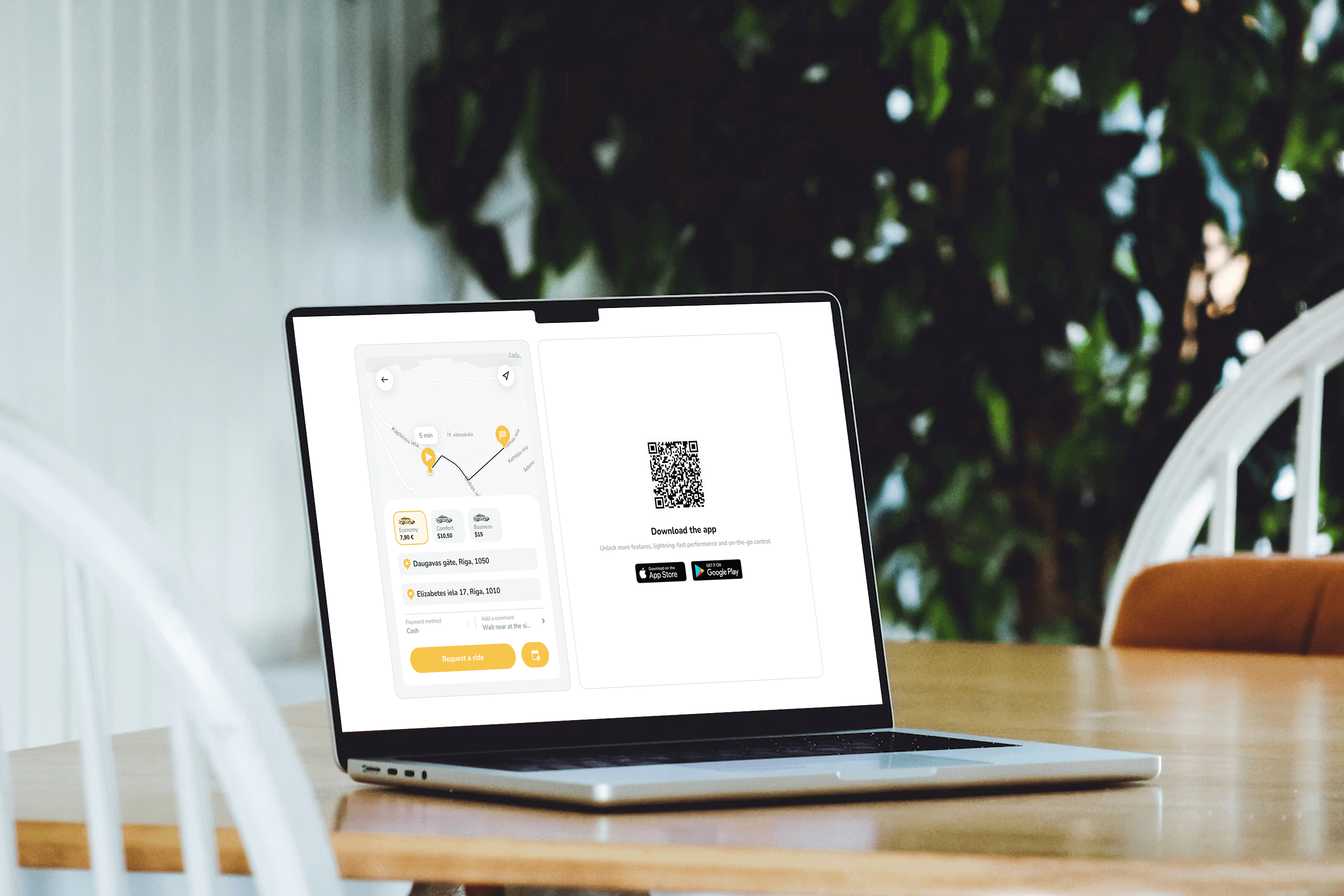
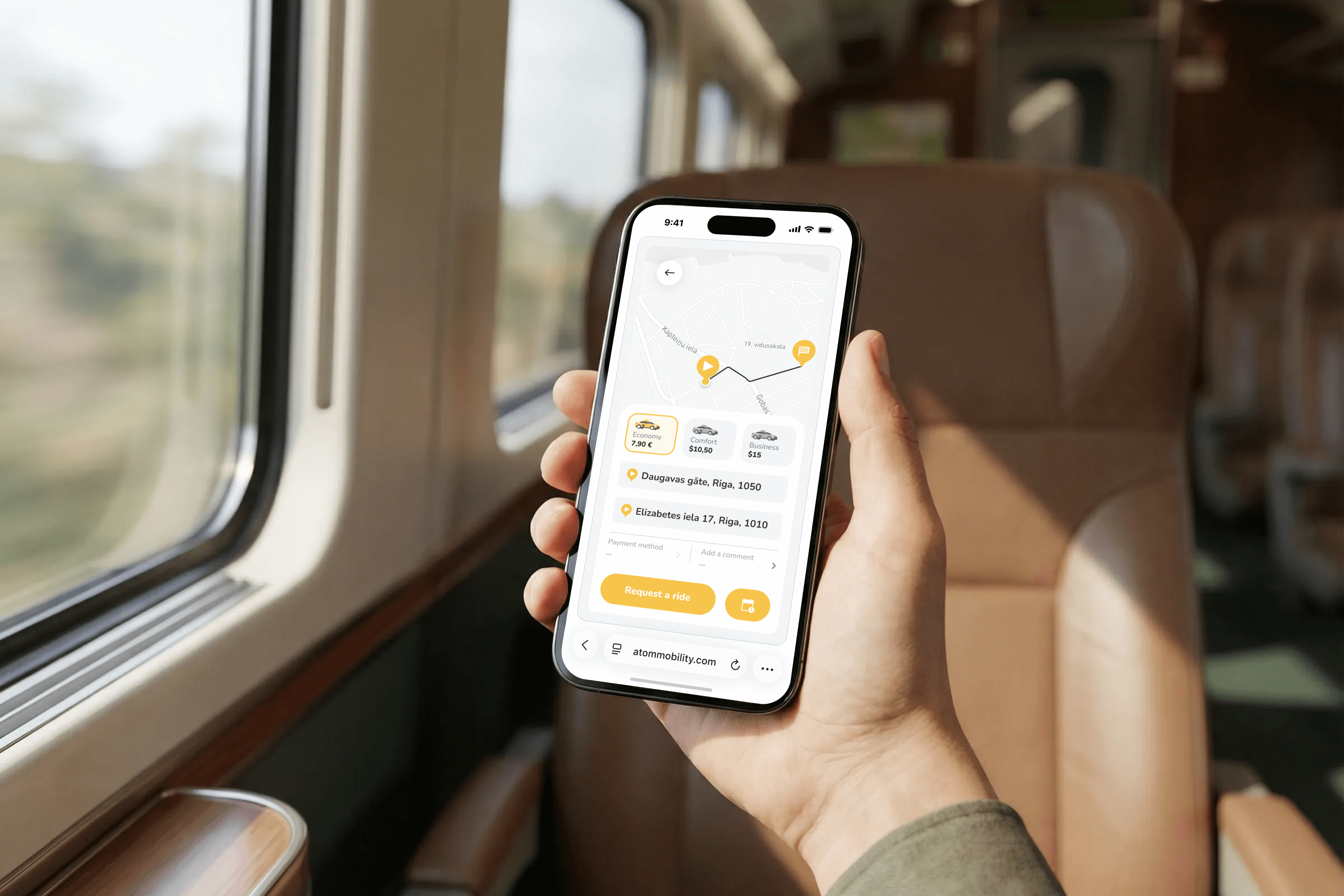
🚕 Web-booker is a lightweight ride-hail widget that lets users book rides directly from a website or mobile browser - no app install required. It reduces booking friction, supports hotel and partner demand, and keeps every ride fully synced with the taxi operator’s app and dashboard.
What if ordering a taxi was as easy as booking a room or clicking “Reserve table” on a website?
Meet Web-booker - a lightweight ride-hail booking widget that lets users request a cab directly from a website, without installing or opening the mobile app.
Perfect for hotels, business centers, event venues, airports, and corporate partners.
👉 Live demo: https://app.atommobility.com/taxi-widget
Web-booker is a browser-based ride-hail widget that operators can embed or link to from any website.
The booking happens on the web, but the ride is fully synchronized with the mobile app and operator dashboard.
No redirects. No app-store friction. No lost users.
This keeps fraud low while preserving conversion.
Web-booker addresses one of the most common friction points in ride-hailing: users who need a ride now but are not willing to download an app first. By allowing bookings directly from a website, operators can capture high-intent demand at the exact moment it occurs - whether that is on a hotel website, an event page, or a partner landing page.
At the same time, Web-booker makes partnerships with hotels and venues significantly easier. Instead of complex integrations or manual ordering flows, partners can simply place a button or link and immediately enable ride ordering for their guests. Importantly, this approach does not block long-term app growth. The booking flow still promotes the mobile app through QR codes and store links, allowing operators to convert web users into app users over time - without forcing the install upfront.
Web-booker is not designed to replace the mobile app. It extends the acquisition funnel by adding a low-friction entry point, while keeping all bookings fully synchronized with the operator’s app and dashboard.
👉 Try the demo
https://app.atommobility.com/taxi-widget
Want to explore a ride-hail or taxi solution for your business - or migrate to a more flexible platform? Visit: https://www.atommobility.com/products/ride-hailing
Credenciales de demostración de Driver App - Correo electrónico: test@atom.com, contraseña: conductor

