Den Carsharing-Code knacken: Beste Technologie für das Carsharing-Geschäft
November 27, 2024
min. Lesedauer


Carsharing ist mehr als nur ein Trend — es revolutioniert die urbane Mobilität und hilft Menschen, auf Fahrzeuge zuzugreifen, ohne sie besitzen zu müssen. Aber wie funktioniert das alles? Lassen Sie uns die Technologie hinter Carsharing vorstellen und untersuchen, wie Unternehmen wie ATOM Mobility den Start erleichtern und skalieren Sie Ihr Shared-Mobility-Geschäft gewinnbringend.
Im Mittelpunkt jedes Carsharing-Betriebs stehen drei Schlüsseltechnologien, die Fahrzeuge mit Plattformen verbinden: CAN-Bus, OBD und OEM-Telematik. Hier erfahren Sie, was sie tun und warum sie wichtig sind:
Der Controller Area Network (CAN) -Bus fungiert wie das zentrale Nervensystem eines Autos und ermöglicht es verschiedenen Komponenten, miteinander zu kommunizieren. Er liefert detaillierte Daten — Kraftstoffstand, Batteriestatus oder sogar Reifendruck — direkt an Ihre Carsharing-Plattform. Diese tiefe Integration ermöglicht auch Fernaktionen wie das Sperren oder Starten des Fahrzeugs.
CAN-Systeme erfordern jedoch eine professionelle Installation, was höhere Vorabkosten bedeuten kann. Für größere Betreiber mit Flotten, die eine detaillierte Steuerung und detaillierte Diagnosen benötigen, ist dies ein Muss.
OBD-Geräte (On-Board Diagnostics) sind die Plug-and-Play-Helden des Carsharings. Schließen Sie sie einfach an den Diagnoseanschluss des Fahrzeugs an und schon haben Sie sofortigen Zugriff auf Standort, Geschwindigkeit und Motorzustand. Sie sind erschwinglich, schnell einzurichten und ideal für kleine bis mittlere Betreiber, die gerade erst anfangen.
OBD-Geräte bieten jedoch im Vergleich zu CAN weniger Funktionen. Sie eignen sich perfekt für eine einfachere Einrichtung, eignen sich jedoch möglicherweise nicht für Bediener, die erweiterte Daten oder Fahrzeugfernsteuerungen benötigen.
OEM-Telematiksysteme sind in vielen modernen Autos vorinstalliert. Diese Systeme bieten eine nahtlose Konnektivität und sind äußerst zuverlässig. Sie ermöglichen Funktionen wie Ortung, Diagnose und Fernverriegelung in Echtzeit.
Der Nachteil? OEM-Telematik bindet Sie an das System des Autoherstellers an, was die Anpassung einschränken kann. Wenn Ihre Flotte von einer einzigen Marke stammt, ist dies eine fantastische Option. Bei Flotten verschiedener Marken könnte die Integration anderer Geräte sinnvoller sein.

Neben diesen drei Kerntechnologien bieten IoT-Anbieter zusätzliche Tools an, mit denen Sie Ihren Carsharing-Betrieb optimieren können. Hier sind vier herausragende Namen, die in der Branche für Aufsehen sorgen:
NETZ: https://teltonika-gps.com
Teltonika hat seinen Hauptsitz in Litauen und steht seit 1998 an der Spitze des IoT. Mit über 1.600 Mitarbeitern ist das Unternehmen auf GPS-Tracker und andere vernetzte Geräte spezialisiert, mit denen Sie Ihre Flotte in Echtzeit verfolgen, Sicherheit und Fahrerverhalten analysieren können. Ihre skalierbaren Lösungen sind ideal für wachsende Carsharing-Unternehmen.
NETZ: https://www.geotab.com
Geotab hat seinen Sitz in Kanada und unterstützt mit seinen fortschrittlichen Flottenmanagement-Tools über 2 Millionen Fahrzeuge weltweit. Ihre Telematikgeräte verfolgen nicht nur Fahrzeuge — sie bieten auch Einblicke in die Kraftstoffeffizienz, den Wartungsbedarf und die Sicherheit. Für Betreiber, die sich auf datengestützte Optimierung konzentrieren, ist Geotab die erste Wahl.
NETZ: https://invers.com/en/solutions/cloudboxx
Das deutsche Unternehmen INVERS ist ein führendes Unternehmen im Bereich Shared-Mobility-Technologie und bietet das CloudBoxx-Gerät an, um Fahrzeuge mit Carsharing-Plattformen zu verbinden. CloudBoxx ist einfach zu integrieren und zuverlässig und sorgt für ein reibungsloses Erlebnis für Betreiber und Nutzer gleichermaßen. Mit einer starken Präsenz in Europa und Nordamerika ist INVERS ein vertrauenswürdiger Name in der Branche.
NETZ: https://www.acacusgroup.com
Acacus ist von den Vereinigten Arabischen Emiraten aus tätig und kombiniert IoT und KI, um intelligente Mobilitätslösungen anzubieten. Ihre Technologie wird häufig in Regierungsprojekten und privaten Flotten eingesetzt, insbesondere in Regionen, in denen intelligente Städte im Mittelpunkt stehen. Acacus bietet Betreibern gemeinsam genutzter Mobilität, die nach modernsten Lösungen suchen, Innovation und Zuverlässigkeit.
Technologie ist nur so gut wie die Plattform, die alles miteinander verbindet. Das ist wo ATOM-Mobilität leuchtet.
Die Software von ATOM lässt sich nahtlos in Geräte von Teltonika, Geotab, INVERS und anderen integrieren, sodass Sie Ihre Flotte ganz einfach verbinden und alles von einem einzigen Dashboard aus verwalten können. Unabhängig von der Größe Ihres Unternehmens bietet ATOM Werkzeuge für Echtzeit-Tracking, Benutzerverwaltung und sichere Zahlungen — alles mit intuitivem Design und umfassender Unterstützung.
Ganz gleich, ob Sie Ihre erste Carsharing-Flotte auf den Markt bringen oder auf mehrere Städte expandieren, ATOM hilft Ihnen dabei, profitabel und mit Zuversicht zu skalieren. Wir machen die technischen Dinge einfach, damit Sie sich auf das Wachstum Ihres Unternehmens konzentrieren können.
Das urbane Leben verändert sich. Die Menschen wenden sich vom Besitz eines Autos ab und entscheiden sich stattdessen für flexible On-Demand-Lösungen wie Carsharing. Das ist praktisch, kostengünstig und umweltfreundlich.
Angesichts der Tatsache, dass Technologien wie CAN, OBD, OEM-Telematik und IoT-Geräte die Branche vorantreiben, ist das Potenzial für geteilte Mobilität enorm. Um erfolgreich zu sein, benötigen Betreiber jedoch die richtigen Tools, um Flotten zu verwalten, die Leistung zu optimieren und ein hervorragendes Benutzererlebnis zu bieten.
Bereit, deine Carsharing-Reise zu beginnen? Buchen Sie eine Demo mit ATOM Mobility und lass uns loslegen!
Klicken Sie unten, um mehr zu erfahren oder eine Demo anzufordern.

The micromobility industry doesn’t need another generic mobility conference. 🚫🎤 It needs real conversations between operators who are actually in the field. ⚙️ That’s exactly what ATOM Connect 2026 is built for. 🎯🤝
The shared mobility industry is evolving rapidly. Operators are navigating scaling challenges, regulatory complexity, hardware decisions, fleet optimization, and new integration models, all while aiming for sustainable growth.
That’s exactly why ATOM Mobility is organizing ATOM Connect 2026.
Our previous edition of ATOM Connect brought together professionals from the car sharing and rental industry for focused, high-quality discussions and networking. This year, we are narrowing the focus and dedicating the entire event to one fast-moving segment of the industry: shared micromobility.
ATOM Connect 2026 is designed specifically for operators, partners, and decision-makers working in shared micromobility. It is not a broad mobility conference or a public exhibition. It is a curated space for industry professionals to exchange practical experience, insights, and lessons learned.
On May 14th, 2026 in Riga, we will once again bring the community together, this time with a clear focus on micromobility.
This year’s agenda will address the real operational and strategic questions shaping shared micromobility today:
As usual, we aim to host both local and international operators from smaller, fast-growing fleets to established large-scale players alongside hardware providers and ecosystem partners.
On stage, you’ll hear from leading shared mobility companies - including Segway on hardware partnerships, Umob on MaaS integration, Anadue on data-driven fleet intelligence, Elerent on multi-vehicle operational realities and more insightful discussions.
The goal is simple: meaningful discussions with people who understand the operational realities of the industry.
ATOM Connect is free to attend, but participation is industry-focused (each submission is manually reviewed and verified). We are intentionally keeping the audience relevant and aligned to ensure high-quality conversations and valuable networking.
If you work in shared micromobility and would like to join the event, you can find the full agenda and register here:
👉 https://www.atommobility.com/atom-connect-2026
In the coming weeks, we will be revealing more speakers and additional agenda updates. We look forward to bringing the industry together again.
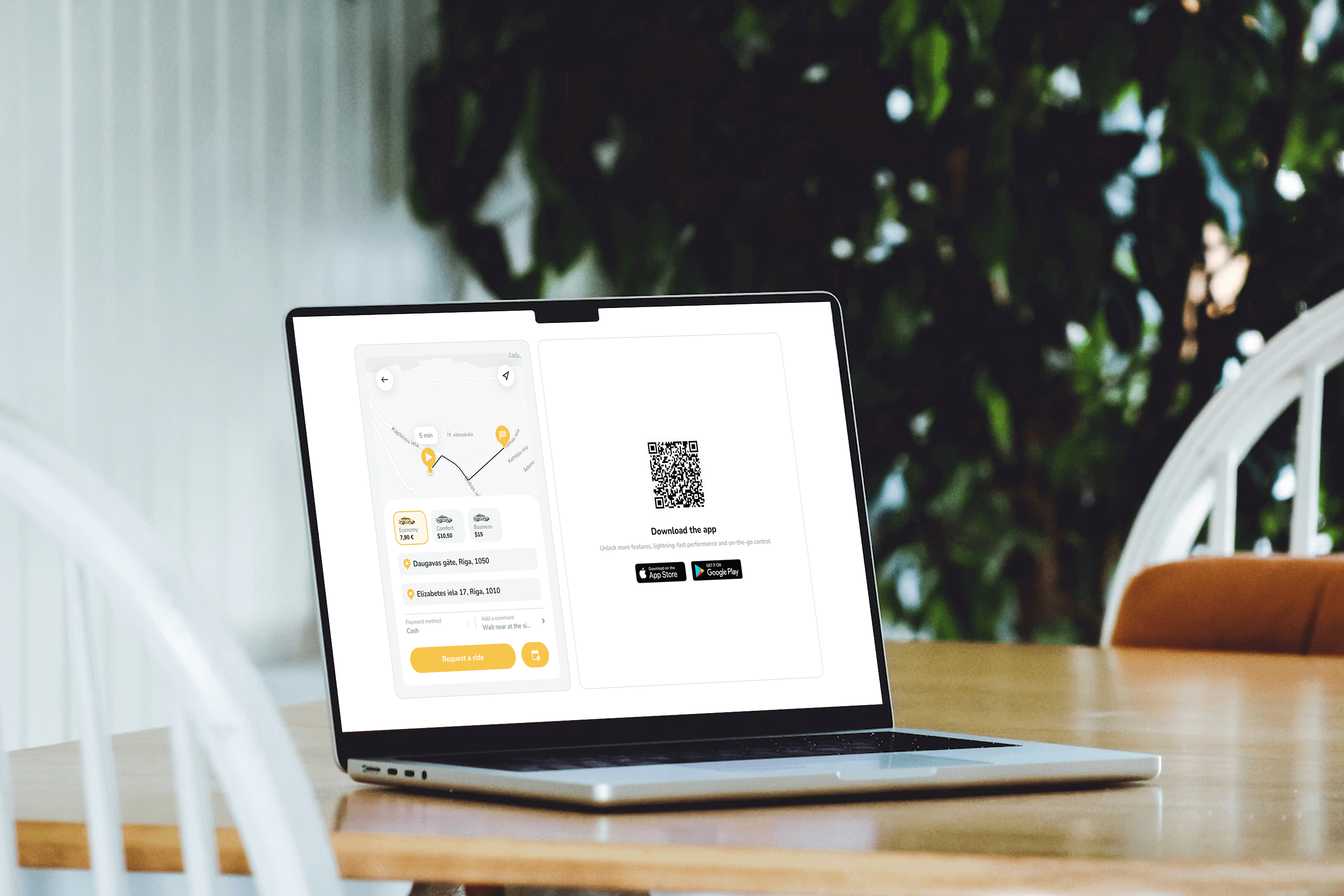
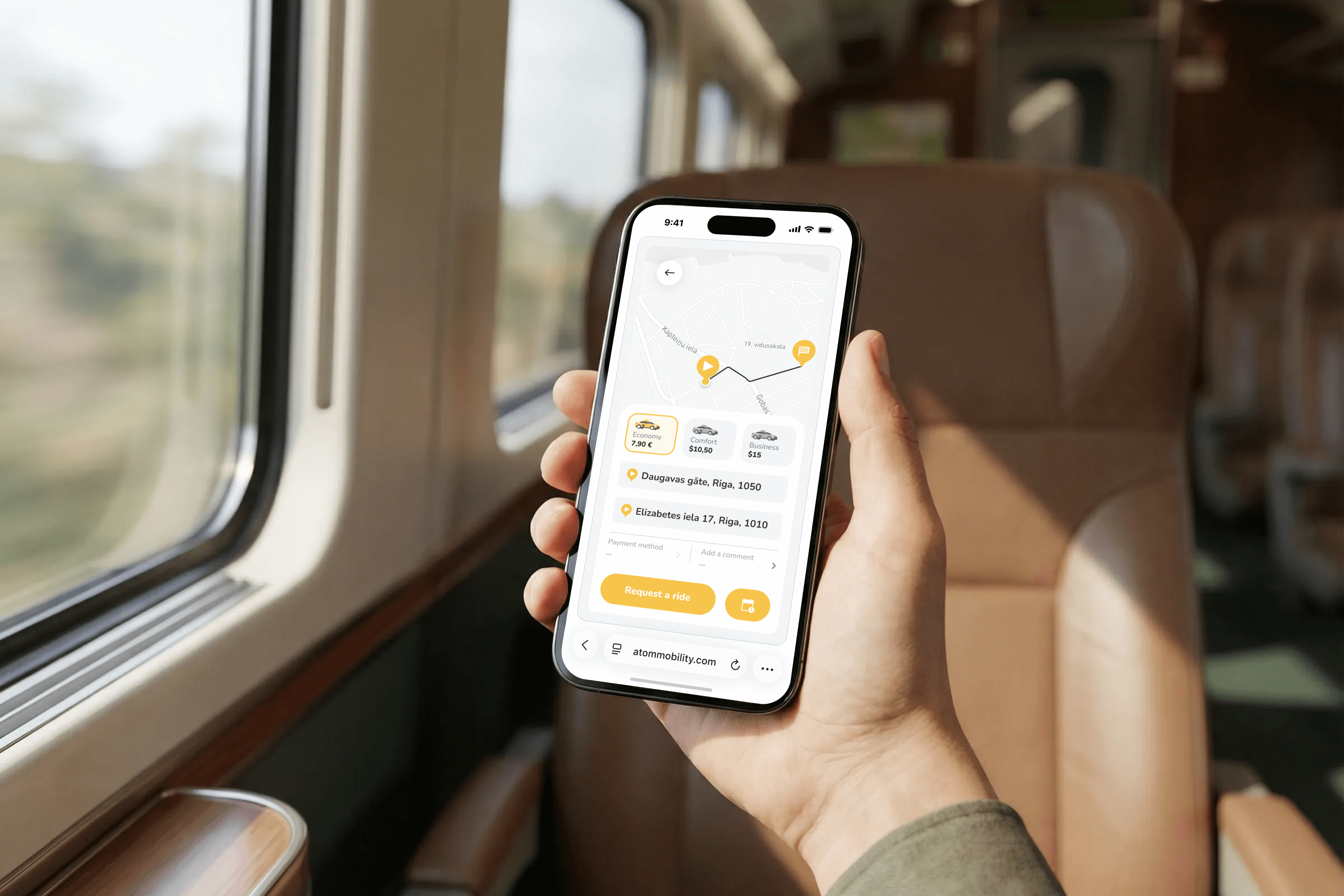
🚕 Web-booker is a lightweight ride-hail widget that lets users book rides directly from a website or mobile browser - no app install required. It reduces booking friction, supports hotel and partner demand, and keeps every ride fully synced with the taxi operator’s app and dashboard.
What if ordering a taxi was as easy as booking a room or clicking “Reserve table” on a website?
Meet Web-booker - a lightweight ride-hail booking widget that lets users request a cab directly from a website, without installing or opening the mobile app.
Perfect for hotels, business centers, event venues, airports, and corporate partners.
👉 Live demo: https://app.atommobility.com/taxi-widget
Web-booker is a browser-based ride-hail widget that operators can embed or link to from any website.
The booking happens on the web, but the ride is fully synchronized with the mobile app and operator dashboard.
No redirects. No app-store friction. No lost users.
This keeps fraud low while preserving conversion.
Web-booker addresses one of the most common friction points in ride-hailing: users who need a ride now but are not willing to download an app first. By allowing bookings directly from a website, operators can capture high-intent demand at the exact moment it occurs - whether that is on a hotel website, an event page, or a partner landing page.
At the same time, Web-booker makes partnerships with hotels and venues significantly easier. Instead of complex integrations or manual ordering flows, partners can simply place a button or link and immediately enable ride ordering for their guests. Importantly, this approach does not block long-term app growth. The booking flow still promotes the mobile app through QR codes and store links, allowing operators to convert web users into app users over time - without forcing the install upfront.
Web-booker is not designed to replace the mobile app. It extends the acquisition funnel by adding a low-friction entry point, while keeping all bookings fully synchronized with the operator’s app and dashboard.
👉 Try the demo
https://app.atommobility.com/taxi-widget
Want to explore a ride-hail or taxi solution for your business - or migrate to a more flexible platform? Visit: https://www.atommobility.com/products/ride-hailing
Anmeldedaten für die Driver App-Demo - E-Mail: test@atom.com, Passwort: Treiber

