Decifrando o código do compartilhamento de carros: a melhor tecnologia para negócios de compartilhamento de carros
November 27, 2024
leitura mínima


O compartilhamento de carros é mais do que apenas uma tendência: é um divisor de águas para a mobilidade urbana, ajudando as pessoas a acessar veículos sem a dor de cabeça de possuí-los. Mas o que faz tudo funcionar? Vamos apresentar a tecnologia por trás do compartilhamento de carros e explorar como empresas como a ATOM Mobility facilitam o início e expanda seu negócio de mobilidade compartilhada de forma lucrativa.
No centro de cada operação de compartilhamento de carros estão três tecnologias-chave que conectam veículos a plataformas: barramento CAN, OBD e telemática OEM. Veja o que eles fazem e por que são importantes:
O barramento CAN (Controller Area Network) atua como o sistema nervoso central de um carro, permitindo que diferentes componentes conversem entre si. Ele fornece dados detalhados — níveis de combustível, status da bateria ou até mesmo pressão dos pneus — diretamente na sua plataforma de compartilhamento de carros. Essa integração profunda também permite ações remotas, como trancar ou ligar o veículo.
No entanto, os sistemas CAN exigem instalação profissional, o que pode significar maiores custos iniciais. Para operadores maiores com frotas que precisam de controle granular e diagnósticos detalhados, é essencial.
Os dispositivos de diagnóstico a bordo (OBD) são os heróis plug-and-play do compartilhamento de carros. Basta conectá-los à porta de diagnóstico do carro e você terá acesso instantâneo à localização, velocidade e integridade do motor. Eles são acessíveis, rápidos de configurar e ideais para operadoras de pequeno a médio porte que estão começando.
Dito isso, os dispositivos OBD oferecem menos funcionalidade em comparação com o CAN. Eles são perfeitos para uma configuração mais básica, mas podem não ser adequados para operadores que precisam de dados avançados ou controles remotos do veículo.
Os sistemas telemáticos OEM vêm pré-instalados em muitos carros modernos. Esses sistemas fornecem conectividade perfeita e são altamente confiáveis, permitindo recursos como rastreamento em tempo real, diagnóstico e bloqueio remoto.
A desvantagem? A telemática OEM vincula você ao sistema do fabricante do carro, o que pode limitar a personalização. Se sua frota é de uma única marca, essa é uma opção fantástica. Para frotas de marcas mistas, integrar outros dispositivos pode fazer mais sentido.

Além dessas três tecnologias principais, os provedores de IoT oferecem ferramentas adicionais para turbinar suas operações de compartilhamento de carros. Aqui estão quatro nomes de destaque que estão fazendo sucesso no setor:
WEB: https://teltonika-gps.com
Com sede na Lituânia, a Teltonika está na vanguarda da IoT desde 1998. Com mais de 1.600 funcionários, a empresa é especializada em rastreadores GPS e outros dispositivos conectados que trazem rastreamento em tempo real, segurança e análise do comportamento do motorista para sua frota. Suas soluções escaláveis são ideais para empresas de compartilhamento de carros em crescimento.
WEB: https://www.geotab.com
Com sede no Canadá, a Geotab oferece suporte a mais de 2 milhões de veículos em todo o mundo com suas ferramentas avançadas de gerenciamento de frota. Seus dispositivos telemáticos não se limitam a rastrear veículos, eles fornecem informações sobre eficiência de combustível, necessidades de manutenção e segurança. Para operadores focados na otimização baseada em dados, o Geotab é a melhor escolha.
WEB: https://invers.com/en/solutions/cloudboxx
A INVERS da Alemanha é líder em tecnologia de mobilidade compartilhada, oferecendo o dispositivo CloudBoxx para conectar veículos a plataformas de compartilhamento de carros. Fácil de integrar e confiável, o CloudBoxx garante uma experiência tranquila para operadores e usuários. Com uma forte presença na Europa e na América do Norte, a INVERS é um nome confiável no setor.
WEB: https://www.acacusgroup.com
Operando fora dos Emirados Árabes Unidos, a Acacus combina IoT e IA para oferecer soluções inteligentes de mobilidade. Sua tecnologia é amplamente usada em projetos governamentais e frotas privadas, especialmente em regiões que abrangem cidades inteligentes. A Acacus traz inovação e confiabilidade para operadoras de mobilidade compartilhada que buscam soluções de ponta.
A tecnologia é tão boa quanto a plataforma que conecta tudo. É aí que Mobilidade ATOM brilha.
O software da ATOM se integra perfeitamente aos dispositivos da Teltonika, Geotab, INVERS e outros, simplificando a conexão de sua frota e o gerenciamento de tudo em um único painel. Não importa o tamanho da sua operação, o ATOM fornece ferramentas para rastreamento em tempo real, gerenciamento de usuários e pagamentos seguros, tudo com design intuitivo e suporte completo.
Se você está lançando sua primeira frota de compartilhamento de carros ou se expandindo em várias cidades, o ATOM ajuda você a escalar de forma lucrativa e com confiança. Facilitamos o material técnico para que você possa se concentrar no crescimento de seus negócios.
A vida urbana está mudando. As pessoas estão se afastando da propriedade de um carro, optando por soluções flexíveis e sob demanda, como o compartilhamento de carros. É conveniente, econômico e mais gentil com o planeta.
Com tecnologias como CAN, OBD, telemática OEM e dispositivos de IoT impulsionando o setor, o potencial de mobilidade compartilhada é enorme. Mas, para ter sucesso, os operadores precisam das ferramentas certas para gerenciar frotas, otimizar o desempenho e oferecer uma ótima experiência ao usuário.
Pronto para começar sua jornada de compartilhamento de carros? Agende uma demonstração com o ATOM Mobility e vamos começar!
Clique abaixo para saber mais ou solicitar uma demonstração.

The micromobility industry doesn’t need another generic mobility conference. 🚫🎤 It needs real conversations between operators who are actually in the field. ⚙️ That’s exactly what ATOM Connect 2026 is built for. 🎯🤝
The shared mobility industry is evolving rapidly. Operators are navigating scaling challenges, regulatory complexity, hardware decisions, fleet optimization, and new integration models, all while aiming for sustainable growth.
That’s exactly why ATOM Mobility is organizing ATOM Connect 2026.
Our previous edition of ATOM Connect brought together professionals from the car sharing and rental industry for focused, high-quality discussions and networking. This year, we are narrowing the focus and dedicating the entire event to one fast-moving segment of the industry: shared micromobility.
ATOM Connect 2026 is designed specifically for operators, partners, and decision-makers working in shared micromobility. It is not a broad mobility conference or a public exhibition. It is a curated space for industry professionals to exchange practical experience, insights, and lessons learned.
On May 14th, 2026 in Riga, we will once again bring the community together, this time with a clear focus on micromobility.
This year’s agenda will address the real operational and strategic questions shaping shared micromobility today:
As usual, we aim to host both local and international operators from smaller, fast-growing fleets to established large-scale players alongside hardware providers and ecosystem partners.
On stage, you’ll hear from leading shared mobility companies - including Segway on hardware partnerships, Umob on MaaS integration, Anadue on data-driven fleet intelligence, Elerent on multi-vehicle operational realities and more insightful discussions.
The goal is simple: meaningful discussions with people who understand the operational realities of the industry.
ATOM Connect is free to attend, but participation is industry-focused (each submission is manually reviewed and verified). We are intentionally keeping the audience relevant and aligned to ensure high-quality conversations and valuable networking.
If you work in shared micromobility and would like to join the event, you can find the full agenda and register here:
👉 https://www.atommobility.com/atom-connect-2026
In the coming weeks, we will be revealing more speakers and additional agenda updates. We look forward to bringing the industry together again.
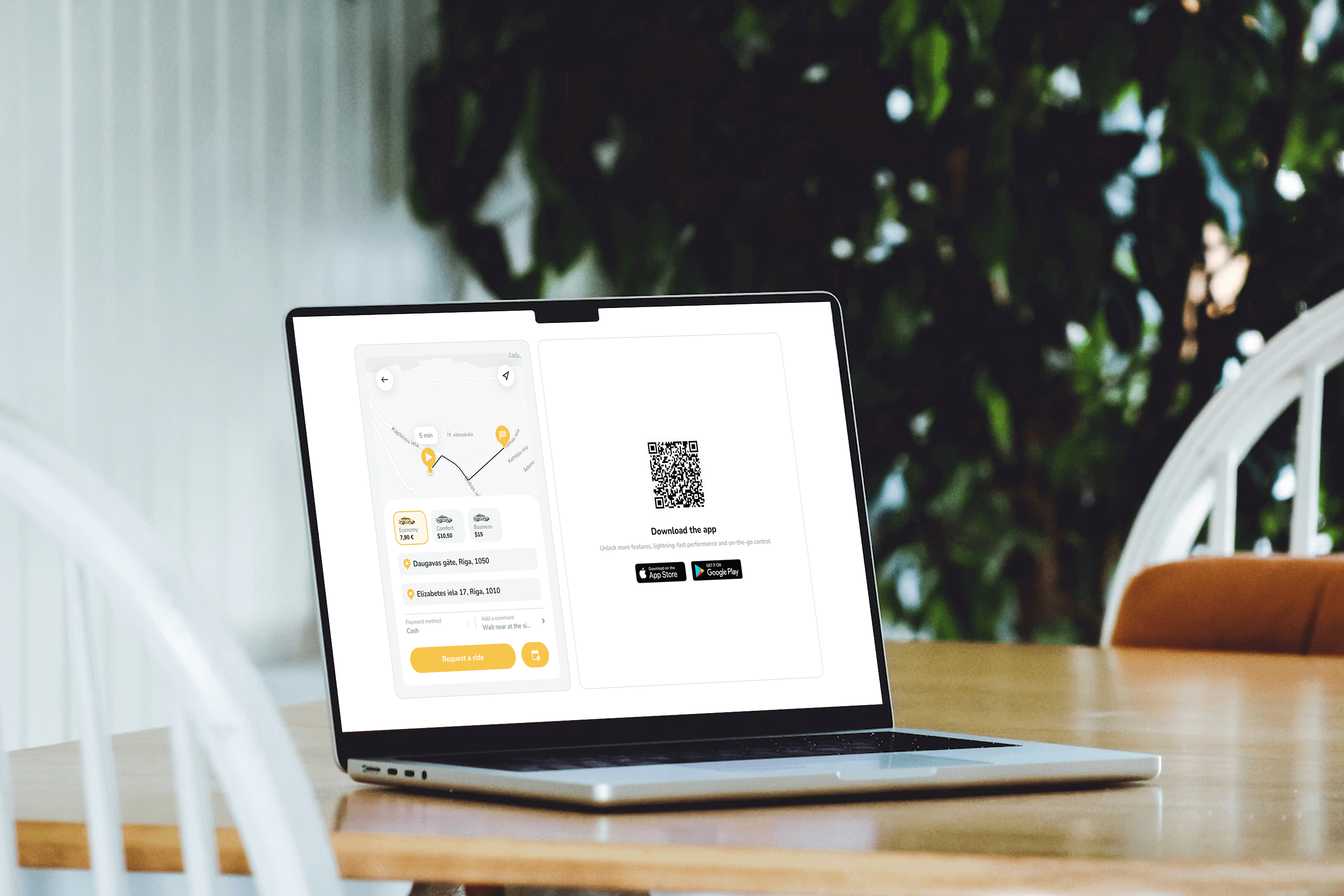
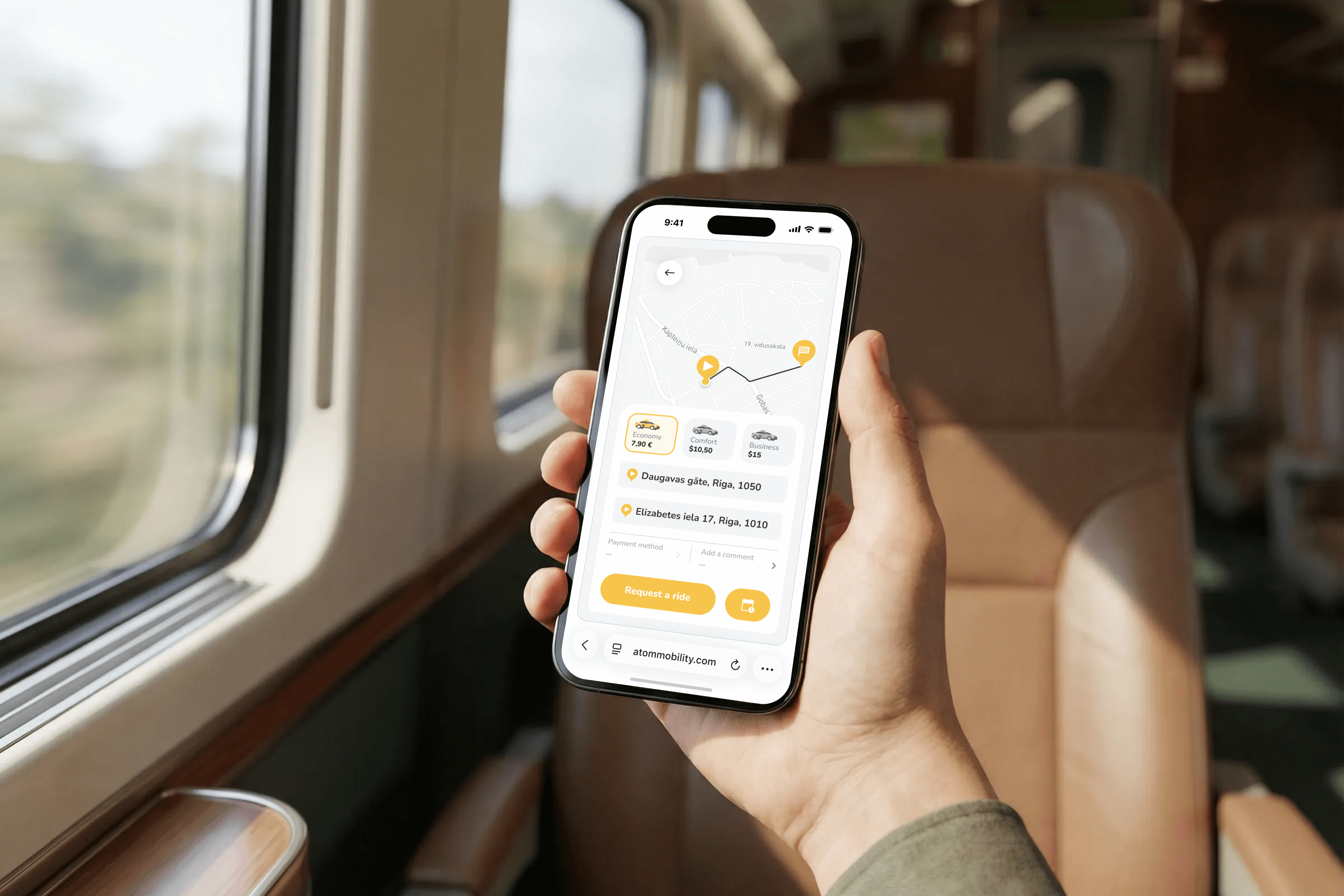
🚕 Web-booker is a lightweight ride-hail widget that lets users book rides directly from a website or mobile browser - no app install required. It reduces booking friction, supports hotel and partner demand, and keeps every ride fully synced with the taxi operator’s app and dashboard.
What if ordering a taxi was as easy as booking a room or clicking “Reserve table” on a website?
Meet Web-booker - a lightweight ride-hail booking widget that lets users request a cab directly from a website, without installing or opening the mobile app.
Perfect for hotels, business centers, event venues, airports, and corporate partners.
👉 Live demo: https://app.atommobility.com/taxi-widget
Web-booker is a browser-based ride-hail widget that operators can embed or link to from any website.
The booking happens on the web, but the ride is fully synchronized with the mobile app and operator dashboard.
No redirects. No app-store friction. No lost users.
This keeps fraud low while preserving conversion.
Web-booker addresses one of the most common friction points in ride-hailing: users who need a ride now but are not willing to download an app first. By allowing bookings directly from a website, operators can capture high-intent demand at the exact moment it occurs - whether that is on a hotel website, an event page, or a partner landing page.
At the same time, Web-booker makes partnerships with hotels and venues significantly easier. Instead of complex integrations or manual ordering flows, partners can simply place a button or link and immediately enable ride ordering for their guests. Importantly, this approach does not block long-term app growth. The booking flow still promotes the mobile app through QR codes and store links, allowing operators to convert web users into app users over time - without forcing the install upfront.
Web-booker is not designed to replace the mobile app. It extends the acquisition funnel by adding a low-friction entry point, while keeping all bookings fully synchronized with the operator’s app and dashboard.
👉 Try the demo
https://app.atommobility.com/taxi-widget
Want to explore a ride-hail or taxi solution for your business - or migrate to a more flexible platform? Visit: https://www.atommobility.com/products/ride-hailing
Credenciais de demonstração do Driver App - E-mail: test@atom.com, Senha: motorista

