Violare il codice del car sharing: la migliore tecnologia per le attività di car sharing
November 27, 2024
lettura minima


Il car sharing è più di una semplice tendenza: è un punto di svolta per la mobilità urbana, che aiuta le persone ad accedere ai veicoli senza il mal di testa di possederli. Ma cosa fa funzionare tutto? Presentiamo la tecnologia alla base del car sharing ed esploriamo come aziende come ATOM Mobility semplificano l'avvio e espandi la tua attività di mobilità condivisa in modo redditizio.
Al centro di ogni operazione di car sharing ci sono tre tecnologie chiave che collegano i veicoli alle piattaforme: bus CAN, OBD e telematica OEM. Ecco cosa fanno e perché sono importanti:
Il bus Controller Area Network (CAN) funziona come il sistema nervoso centrale di un'auto, permettendo ai diversi componenti di parlare tra loro. Fornisce dati dettagliati (livelli di carburante, stato della batteria o persino pressione dei pneumatici) direttamente alla piattaforma di car sharing. Questa profonda integrazione consente anche azioni remote come il blocco o l'avviamento del veicolo.
Tuttavia, i sistemi CAN richiedono un'installazione professionale, il che può comportare costi iniziali più elevati. Per gli operatori più grandi con flotte che necessitano di un controllo granulare e di una diagnostica dettagliata, è un must.
I dispositivi di diagnostica di bordo (OBD) sono gli eroi plug-and-play del car sharing. Basta collegarli alla porta diagnostica dell'auto e avrai accesso immediato alla posizione, alla velocità e allo stato del motore. Sono convenienti, veloci da configurare e ideali per operatori di piccole e medie dimensioni che hanno appena iniziato.
Detto questo, i dispositivi OBD offrono meno funzionalità rispetto al CAN. Sono perfetti per una configurazione più semplice, ma potrebbero non essere adatti agli operatori che necessitano di dati avanzati o controlli remoti del veicolo.
I sistemi telematici OEM sono preinstallati in molte auto moderne. Questi sistemi offrono una connettività perfetta e sono altamente affidabili e consentono funzionalità come il tracciamento in tempo reale, la diagnostica e il blocco remoto.
Il rovescio della medaglia? La telematica OEM ti lega al sistema del produttore dell'auto, il che può limitare la personalizzazione. Se la tua flotta è di un unico marchio, questa è un'opzione fantastica. Per le flotte di marchi misti, l'integrazione di altri dispositivi potrebbe avere più senso.

Oltre a queste tre tecnologie di base, i provider IoT offrono strumenti aggiuntivi per potenziare le operazioni di car sharing. Ecco quattro nomi di spicco che stanno facendo scalpore nel settore:
SITO WEB: https://teltonika-gps.com
Con sede in Lituania, Teltonika è all'avanguardia nell'IoT dal 1998. Con oltre 1.600 dipendenti, l'azienda è specializzata in localizzatori GPS e altri dispositivi connessi che forniscono tracciamento in tempo reale, sicurezza e analisi del comportamento dei conducenti alla vostra flotta. Le loro soluzioni scalabili sono ideali per le aziende di car sharing in crescita.
SITO WEB: https://www.geotab.com
Con sede in Canada, Geotab supporta oltre 2 milioni di veicoli in tutto il mondo con i suoi strumenti avanzati di gestione della flotta. I loro dispositivi telematici non si limitano a tracciare i veicoli, ma forniscono informazioni sull'efficienza del carburante, sulle esigenze di manutenzione e sulla sicurezza. Per gli operatori focalizzati sull'ottimizzazione basata sui dati, Geotab è la scelta migliore.
SITO WEB: https://invers.com/en/solutions/cloudboxx
La tedesca INVERS è leader nella tecnologia di mobilità condivisa e offre il dispositivo CloudBoxx per connettere i veicoli con piattaforme di car sharing. Facile da integrare e affidabile, CloudBoxx garantisce un'esperienza fluida sia per gli operatori che per gli utenti. Con una forte presenza in Europa e Nord America, INVERS è un nome affidabile nel settore.
SITO WEB: https://www.acacusgroup.com
Operando fuori dagli Emirati Arabi Uniti, Acacus combina IoT e AI per fornire soluzioni di mobilità intelligente. La loro tecnologia è ampiamente utilizzata nei progetti governativi e nelle flotte private, specialmente nelle regioni che abbracciano le città intelligenti. Acacus apporta innovazione e affidabilità agli operatori di mobilità condivisa che puntano a soluzioni all'avanguardia.
La tecnologia è valida solo quanto la piattaforma che collega tutto. Ecco dove Mobilità ATOM brilla.
Il software ATOM si integra perfettamente con i dispositivi di Teltonika, Geotab, INVERS e altri, semplificando la connessione della flotta e la gestione di tutto da un'unica dashboard. Indipendentemente dalle dimensioni della tua attività, ATOM fornisce utensili per il monitoraggio in tempo reale, la gestione degli utenti e i pagamenti sicuri, il tutto con un design intuitivo e un supporto completo.
Che tu stia lanciando la tua prima flotta di car sharing o espandendo la tua attività in più città, ATOM ti aiuta a scalare in modo redditizio e sicuro. Semplifichiamo le cose tecniche in modo che tu possa concentrarti sulla crescita della tua attività.
La vita urbana sta cambiando. Le persone stanno abbandonando la proprietà dell'auto, optando invece per soluzioni flessibili e su richiesta come il car sharing. È conveniente, conveniente e più rispettoso del pianeta.
Con tecnologie come CAN, OBD, telematica OEM e dispositivi IoT che fanno avanzare il settore, il potenziale della mobilità condivisa è enorme. Ma per avere successo, gli operatori hanno bisogno degli strumenti giusti per gestire le flotte, ottimizzare le prestazioni e offrire un'esperienza utente eccezionale.
Pronto per iniziare il tuo viaggio nel car sharing? Prenota una demo con ATOM Mobility e muoviamoci!
Fai clic qui sotto per saperne di più o richiedere una demo.

The micromobility industry doesn’t need another generic mobility conference. 🚫🎤 It needs real conversations between operators who are actually in the field. ⚙️ That’s exactly what ATOM Connect 2026 is built for. 🎯🤝
The shared mobility industry is evolving rapidly. Operators are navigating scaling challenges, regulatory complexity, hardware decisions, fleet optimization, and new integration models, all while aiming for sustainable growth.
That’s exactly why ATOM Mobility is organizing ATOM Connect 2026.
Our previous edition of ATOM Connect brought together professionals from the car sharing and rental industry for focused, high-quality discussions and networking. This year, we are narrowing the focus and dedicating the entire event to one fast-moving segment of the industry: shared micromobility.
ATOM Connect 2026 is designed specifically for operators, partners, and decision-makers working in shared micromobility. It is not a broad mobility conference or a public exhibition. It is a curated space for industry professionals to exchange practical experience, insights, and lessons learned.
On May 14th, 2026 in Riga, we will once again bring the community together, this time with a clear focus on micromobility.
This year’s agenda will address the real operational and strategic questions shaping shared micromobility today:
As usual, we aim to host both local and international operators from smaller, fast-growing fleets to established large-scale players alongside hardware providers and ecosystem partners.
On stage, you’ll hear from leading shared mobility companies - including Segway on hardware partnerships, Umob on MaaS integration, Anadue on data-driven fleet intelligence, Elerent on multi-vehicle operational realities and more insightful discussions.
The goal is simple: meaningful discussions with people who understand the operational realities of the industry.
ATOM Connect is free to attend, but participation is industry-focused (each submission is manually reviewed and verified). We are intentionally keeping the audience relevant and aligned to ensure high-quality conversations and valuable networking.
If you work in shared micromobility and would like to join the event, you can find the full agenda and register here:
👉 https://www.atommobility.com/atom-connect-2026
In the coming weeks, we will be revealing more speakers and additional agenda updates. We look forward to bringing the industry together again.
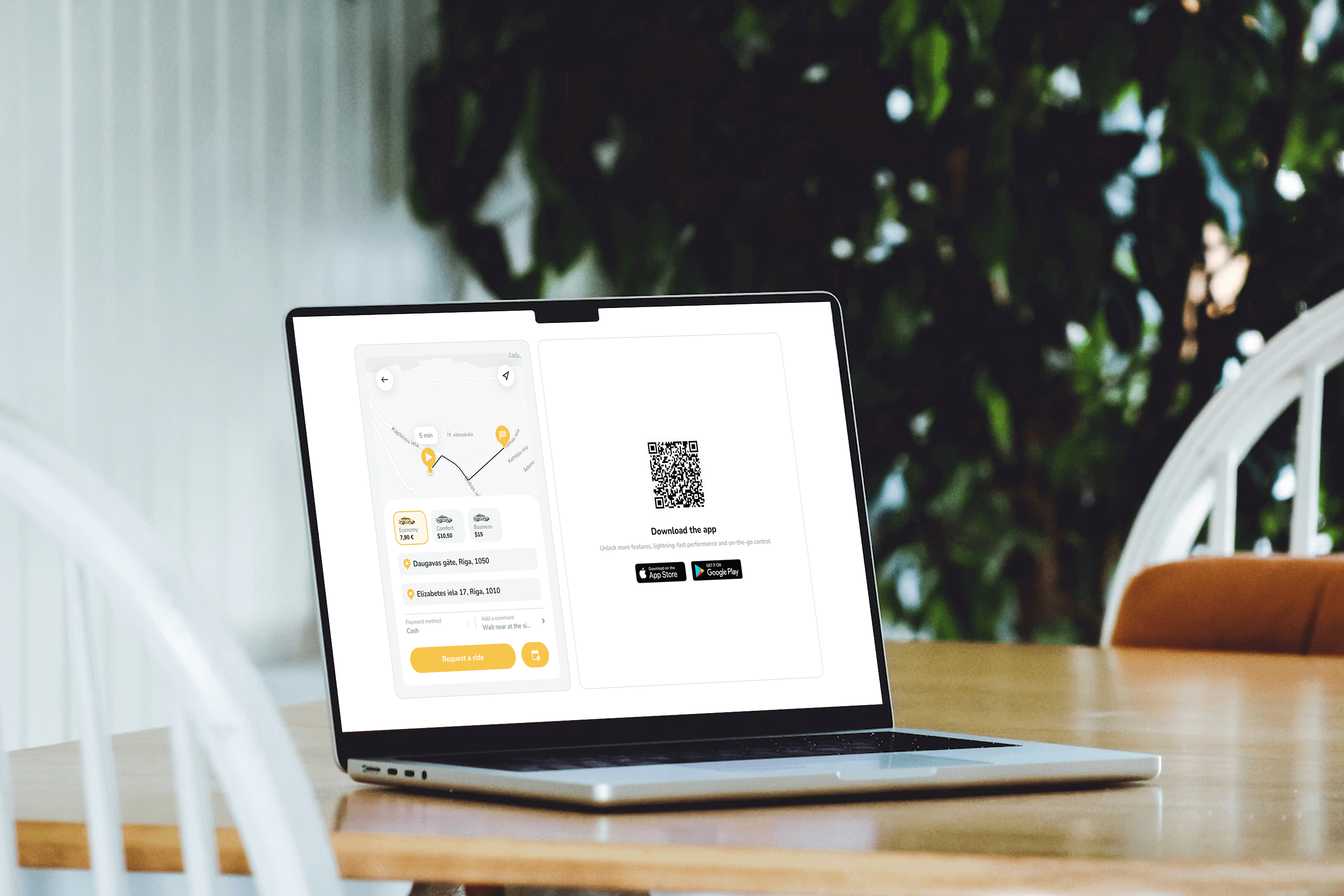
🚕 Web-booker is a lightweight ride-hail widget that lets users book rides directly from a website or mobile browser - no app install required. It reduces booking friction, supports hotel and partner demand, and keeps every ride fully synced with the taxi operator’s app and dashboard.
What if ordering a taxi was as easy as booking a room or clicking “Reserve table” on a website?
Meet Web-booker - a lightweight ride-hail booking widget that lets users request a cab directly from a website, without installing or opening the mobile app.
Perfect for hotels, business centers, event venues, airports, and corporate partners.
👉 Live demo: https://app.atommobility.com/taxi-widget
Web-booker is a browser-based ride-hail widget that operators can embed or link to from any website.
The booking happens on the web, but the ride is fully synchronized with the mobile app and operator dashboard.
No redirects. No app-store friction. No lost users.
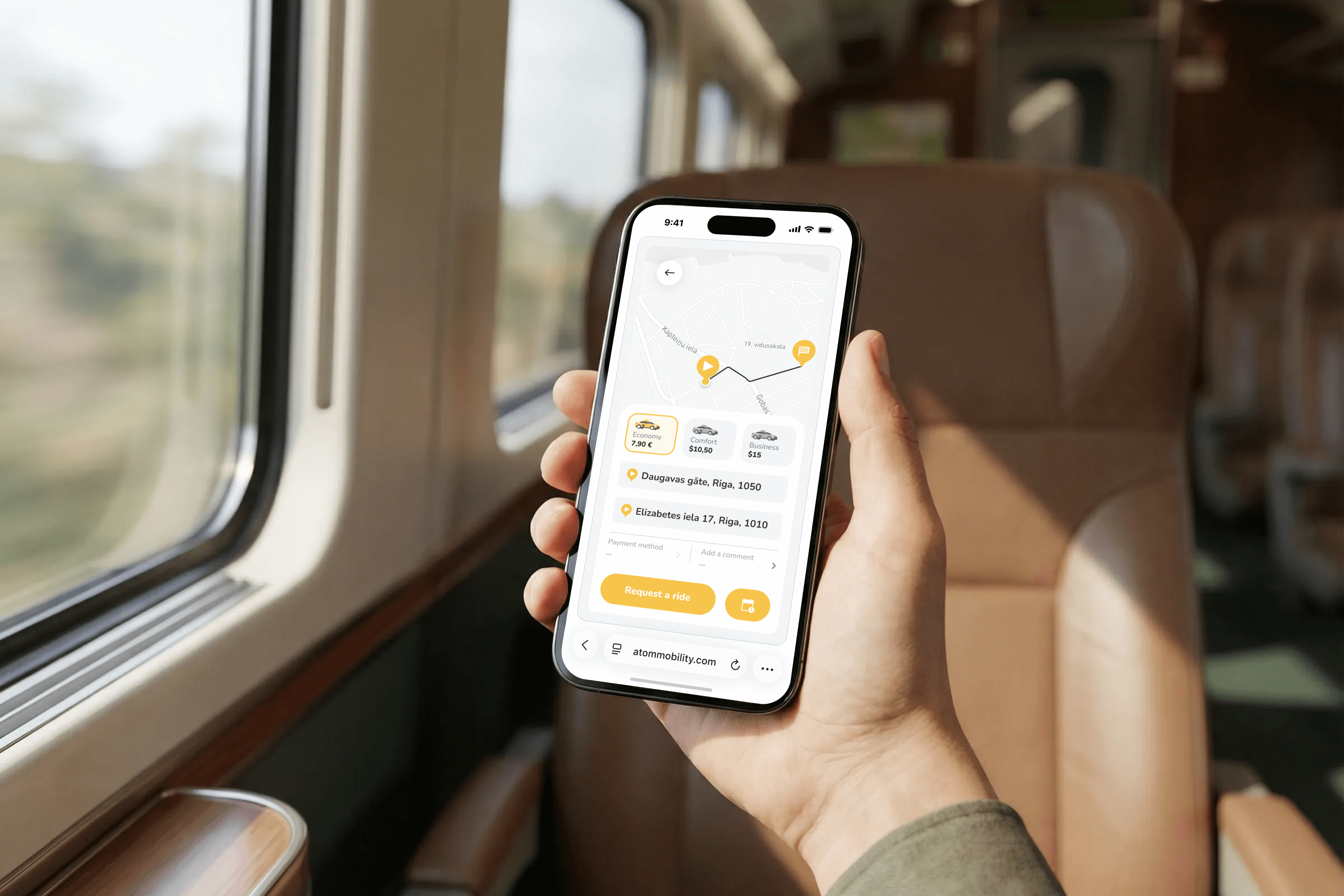
This keeps fraud low while preserving conversion.
Web-booker addresses one of the most common friction points in ride-hailing: users who need a ride now but are not willing to download an app first. By allowing bookings directly from a website, operators can capture high-intent demand at the exact moment it occurs - whether that is on a hotel website, an event page, or a partner landing page.
At the same time, Web-booker makes partnerships with hotels and venues significantly easier. Instead of complex integrations or manual ordering flows, partners can simply place a button or link and immediately enable ride ordering for their guests. Importantly, this approach does not block long-term app growth. The booking flow still promotes the mobile app through QR codes and store links, allowing operators to convert web users into app users over time - without forcing the install upfront.
Web-booker is not designed to replace the mobile app. It extends the acquisition funnel by adding a low-friction entry point, while keeping all bookings fully synchronized with the operator’s app and dashboard.
👉 Try the demo
https://app.atommobility.com/taxi-widget
Want to explore a ride-hail or taxi solution for your business - or migrate to a more flexible platform? Visit: https://www.atommobility.com/products/ride-hailing
Credenziali demo dell'app Driver - Email: test@atom.com, Password: autista

