ATOM Mobility lance un produit unique : la micromobility academy
February 28, 2022
min. de lecture


ATOM mobility, la société qui contribue à la création d'une entreprise de micromobilité, vient de lancer l'ATOM Academy. L'objectif est d'éduquer les personnes désireuses de créer une entreprise dans ce domaine spécifique ou d'améliorer les opérations.
« L'idée d'ATOM est de fournir bien plus qu'un simple logiciel. Et l'ATOM Academy fait un pas de plus vers cet objectif. Nous voulons informer nos clients, leur faire comprendre ce qui est disponible sur le marché et comment toutes ces technologies peuvent les aider à être plus efficaces dans leurs activités », déclare Jürgen Sahtel, directeur de l'ATOM Academy.
Le contenu est basé sur une connaissance approfondie de divers leaders de l'industrie ainsi que sur les propres connaissances d'ATOM lors de l'exploitation de la première entreprise de partage de scooters à Riga, en Lettonie. De plus, au cours du processus de création du programme d'académie, ATOM a interviewé sa clientèle afin d'obtenir des commentaires précieux sur les sujets susceptibles d'intéresser ses clients. Cependant, l'accent est mis sur des sujets qui pourraient permettre aux clients de gagner du temps et de l'argent dans ce secteur.
Aide aux débutants, utile à tout moment
Au départ, l'idée était que l'ATOM Academy serait d'une grande aide pour les clients d'ATOM. La plupart d'entre eux n'en sont qu'à leurs débuts : ils achètent des logiciels et du matériel auprès du fabricant. Cependant, ils ne savent peut-être toujours pas exactement comment gérer cette entreprise. L'ATOM Academy est là pour les aider à le comprendre : « Dans certaines situations, des personnes à l'esprit d'entreprise visitent une ville et voient des scooters. Ils retournent ensuite dans leur ville et décident que le partage de véhicules devrait également être disponible dans leur petite communauté. Alors, comment peuvent-ils y parvenir ? Dans la plupart des cas, ils ne savent rien des procédures ou des meilleures pratiques, ni de ce qui est réellement nécessaire pour faire de ce scénario une réalité. L'ATOM Academy a pour but d'y contribuer. Ainsi, lorsqu'un nouveau client arrive, il peut avoir un plan à suivre basé sur les normes et les connaissances du secteur, ainsi que les contacts de personnes susceptibles de l'aider », explique Jürgen.
Le contenu est adapté à toutes les étapes des entreprises, y compris les plus grandes qui souhaitent étendre leurs activités dans différentes villes et pays. Tout le contenu de l'ATOM Academy est disponible en format vidéo via le site. Il existe actuellement trois blocs de contenu : démarrage, lancement et opérations, ainsi que optimisation et croissance. Au total, plus de 15 unités sont disponibles, d'une durée moyenne de 35 minutes. Il faudrait donc de quelques semaines à un mois pour suivre tous les cours de l'ATOM Academy. Il est recommandé aux participants de regarder au moins une vidéo tous les deux jours et de prendre des notes. Ensuite, il est possible de fixer un rendez-vous avec Jürgen à tout moment pour discuter des questions qui se poseront en cours de route.
Des experts du secteur disponibles gratuitement
Toutes les conférences prennent la forme de conversations avec les principaux experts de la micromobilité partagée. Ils ont tous lancé des entreprises prospères dans ce domaine. Par exemple, Polina Mikhaylova est cofondatrice de KNOT, la société qui conçoit, produit et installe des stations d'accueil pour les services de scooters. Sébastien Marteau est responsable du développement commercial chez Fluctuo. La société regroupe plus de 200 flottes de mobilité partagée et fournit des informations sur les indicateurs et les tendances en matière de mobilité partagée d'une ville cible, permettant aux opérateurs de préparer des lancements réussis. Visitez le site web de l'ATOM Academy, où vous trouverez la liste des experts.
Et ce n'est pas tout. Selon Jürgen, étant donné que le secteur de la mobilité partagée évolue rapidement, il y aura de nouvelles façons d'optimiser les opérations, et l'ATOM Academy veillera à tenir ses étudiants informés. « Par exemple, aujourd'hui, le MaaS prend de l'ampleur. En outre, nous avons créé un système de feedback pour les utilisateurs de l'ATOM Academy afin qu'ils puissent fournir des commentaires sur des sujets sur lesquels ils souhaiteraient en savoir plus », explique Jürgen. En outre, il souligne que tous ces contenus pourraient être utiles à ceux qui envisagent encore de créer une entreprise de partage de micromobilité.
L'ATOM Academy est gratuite pour les clients existants. « Mais si quelqu'un envisage sérieusement de créer une entreprise, nous avons la possibilité de lui proposer de parcourir le contenu de l'ATOM Academy moyennant un petit investissement ponctuel, qui sera ensuite déduit du prix du logiciel. Il s'agit donc à la fois d'un investissement et d'un engagement », explique Jürgen.
Inscrivez-vous à l'ATOM Academy en en remplissant le formulaire de candidature ici.
Cliquez ci-dessous pour en savoir plus ou demander une démonstration.

The micromobility industry doesn’t need another generic mobility conference. 🚫🎤 It needs real conversations between operators who are actually in the field. ⚙️ That’s exactly what ATOM Connect 2026 is built for. 🎯🤝
The shared mobility industry is evolving rapidly. Operators are navigating scaling challenges, regulatory complexity, hardware decisions, fleet optimization, and new integration models, all while aiming for sustainable growth.
That’s exactly why ATOM Mobility is organizing ATOM Connect 2026.
Our previous edition of ATOM Connect brought together professionals from the car sharing and rental industry for focused, high-quality discussions and networking. This year, we are narrowing the focus and dedicating the entire event to one fast-moving segment of the industry: shared micromobility.
ATOM Connect 2026 is designed specifically for operators, partners, and decision-makers working in shared micromobility. It is not a broad mobility conference or a public exhibition. It is a curated space for industry professionals to exchange practical experience, insights, and lessons learned.
On May 14th, 2026 in Riga, we will once again bring the community together, this time with a clear focus on micromobility.
This year’s agenda will address the real operational and strategic questions shaping shared micromobility today:
As usual, we aim to host both local and international operators from smaller, fast-growing fleets to established large-scale players alongside hardware providers and ecosystem partners.
On stage, you’ll hear from leading shared mobility companies - including Segway on hardware partnerships, Umob on MaaS integration, Anadue on data-driven fleet intelligence, Elerent on multi-vehicle operational realities and more insightful discussions.
The goal is simple: meaningful discussions with people who understand the operational realities of the industry.
ATOM Connect is free to attend, but participation is industry-focused (each submission is manually reviewed and verified). We are intentionally keeping the audience relevant and aligned to ensure high-quality conversations and valuable networking.
If you work in shared micromobility and would like to join the event, you can find the full agenda and register here:
👉 https://www.atommobility.com/atom-connect-2026
In the coming weeks, we will be revealing more speakers and additional agenda updates. We look forward to bringing the industry together again.
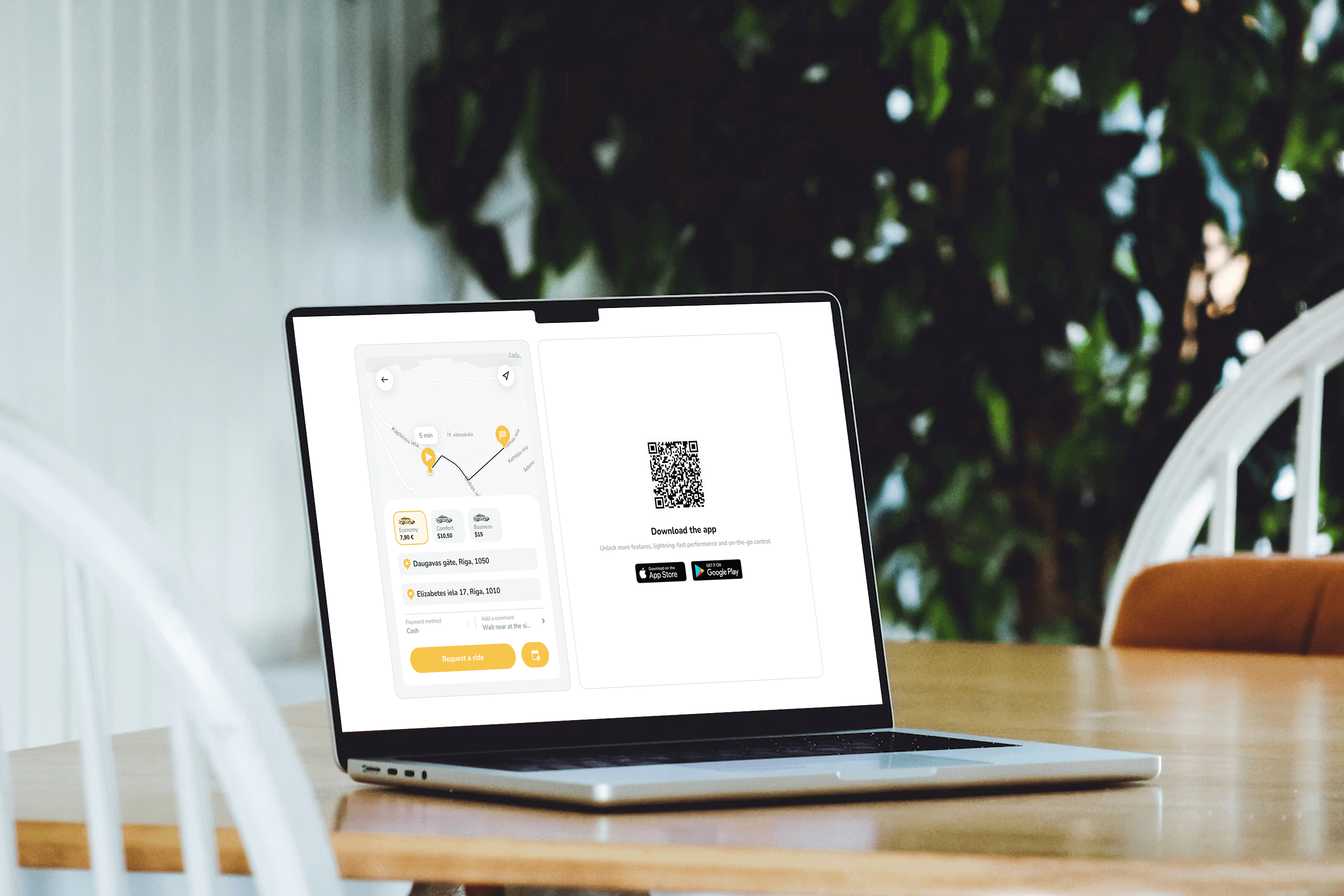
🚕 Web-booker is a lightweight ride-hail widget that lets users book rides directly from a website or mobile browser - no app install required. It reduces booking friction, supports hotel and partner demand, and keeps every ride fully synced with the taxi operator’s app and dashboard.
What if ordering a taxi was as easy as booking a room or clicking “Reserve table” on a website?
Meet Web-booker - a lightweight ride-hail booking widget that lets users request a cab directly from a website, without installing or opening the mobile app.
Perfect for hotels, business centers, event venues, airports, and corporate partners.
👉 Live demo: https://app.atommobility.com/taxi-widget
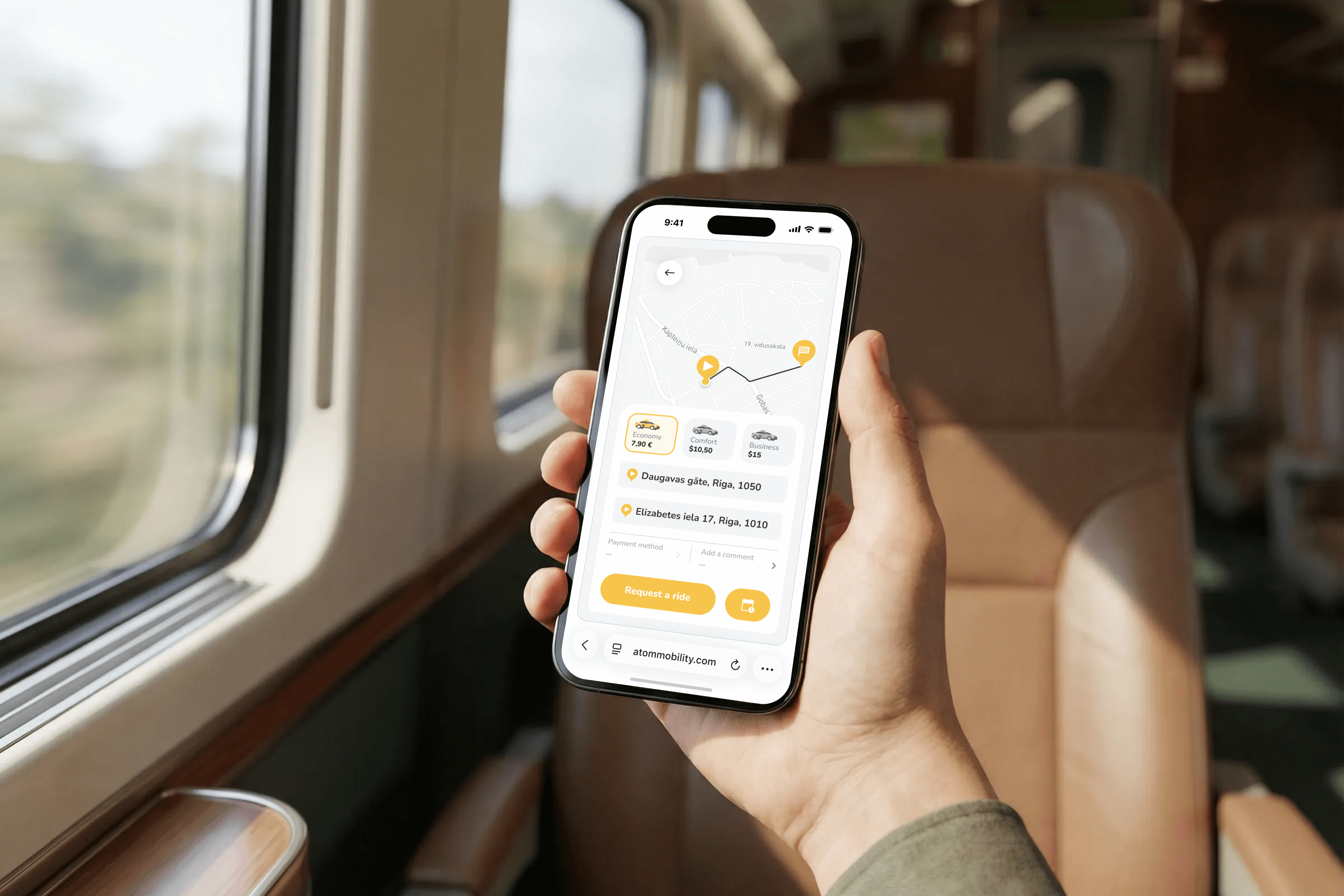
Web-booker is a browser-based ride-hail widget that operators can embed or link to from any website.
The booking happens on the web, but the ride is fully synchronized with the mobile app and operator dashboard.
No redirects. No app-store friction. No lost users.
This keeps fraud low while preserving conversion.
Web-booker addresses one of the most common friction points in ride-hailing: users who need a ride now but are not willing to download an app first. By allowing bookings directly from a website, operators can capture high-intent demand at the exact moment it occurs - whether that is on a hotel website, an event page, or a partner landing page.
At the same time, Web-booker makes partnerships with hotels and venues significantly easier. Instead of complex integrations or manual ordering flows, partners can simply place a button or link and immediately enable ride ordering for their guests. Importantly, this approach does not block long-term app growth. The booking flow still promotes the mobile app through QR codes and store links, allowing operators to convert web users into app users over time - without forcing the install upfront.
Web-booker is not designed to replace the mobile app. It extends the acquisition funnel by adding a low-friction entry point, while keeping all bookings fully synchronized with the operator’s app and dashboard.
👉 Try the demo
https://app.atommobility.com/taxi-widget
Want to explore a ride-hail or taxi solution for your business - or migrate to a more flexible platform? Visit: https://www.atommobility.com/products/ride-hailing
Informations d'identification pour la démonstration de Driver App - E-mail : test@atom.com, mot de passe : chauffeur

