ATOM Mobility lança um produto exclusivo - academia de micromobilidade
February 28, 2022
leitura mínima


A ATOM mobility, a empresa que ajuda a construir um negócio de micromobilidade, acaba de lançar a ATOM Academy. O objetivo é educar pessoas que estejam dispostas a iniciar um negócio nesse campo específico ou melhorar as operações.
“A ideia geral do ATOM é fornecer mais do que apenas software. E a ATOM Academy está um passo mais perto da meta. Queremos educar nossos clientes, além de fornecer a eles uma compreensão do que está disponível no mercado e como todas essas tecnologias podem ajudá-los a serem mais eficientes em seus negócios”, diz Jürgen Sahtel, diretor da ATOM Academy.
O conteúdo é baseado no amplo conhecimento de vários líderes do setor, bem como nos próprios insights da ATOM sobre a operação do primeiro negócio de compartilhamento de scooters em Riga, Letônia. Além disso, durante o processo de criação do programa acadêmico, a ATOM entrevistou sua base de clientes para obter um feedback valioso sobre o que interessaria a seus clientes. No entanto, o foco está em tópicos que podem economizar tempo e dinheiro para os clientes nesse negócio.
Ajuda para iniciantes, valiosa em qualquer estágio
No início, a ideia era que a ATOM Academy fosse uma grande ajuda para os clientes da ATOM. A maioria deles está em um estágio muito inicial - eles compram software e hardware do fabricante. No entanto, talvez eles ainda não saibam exatamente como administrar esse negócio. A ATOM Academy está lá para ajudá-los a descobrir isso: “Há situações em que pessoas com mentalidade empreendedora visitam uma cidade e veem scooters. Em seguida, eles voltam para a cidade e decidem que o compartilhamento de veículos também deve estar disponível em sua pequena comunidade. Então, como eles podem fazer isso acontecer? Na maioria dos casos, eles não sabem nada sobre procedimentos ou melhores práticas ou o que é realmente necessário para tornar esse cenário uma realidade. A ATOM Academy tem como objetivo ajudar com isso. Então, quando surge um novo cliente, ele pode ter um plano a seguir com base nos padrões e conhecimentos do setor, bem como nos contatos de pessoas que possam ajudar”, diz Jürgen.
O conteúdo é personalizado para todos os estágios das empresas, incluindo as maiores que desejam expandir seus negócios para diferentes cidades e países. Todo o conteúdo da ATOM Academy está disponível em formato de vídeo através do site. Atualmente, existem três blocos de conteúdo: introdução, lançamento e operações, além de otimização e crescimento. No geral, mais de 15 unidades estão disponíveis com uma duração média de 35 minutos, portanto, levaria de algumas semanas a um mês para concluir todos os cursos da ATOM Academy. É recomendável que os participantes assistam a pelo menos um vídeo em dois dias e façam anotações. Depois disso, é possível marcar uma reunião com Jürgen a qualquer momento para discutir as questões que surgirem ao longo do caminho.
Especialistas do setor disponíveis gratuitamente
Todas as palestras são no formato de conversas com os principais especialistas em micromobilidade compartilhada. Todos eles lançaram negócios de sucesso no campo. Por exemplo, Polina Mikhaylova é cofundadora da KNOT - a empresa que projeta, produz e instala docking stations para serviços de scooters. Sébastien Marteau é responsável pelo desenvolvimento de negócios na Fluctuo. A empresa agrega mais de 200 frotas de mobilidade compartilhada e fornece informações sobre as métricas e tendências de mobilidade compartilhada de uma cidade-alvo, permitindo que as operadoras preparem lançamentos bem-sucedidos. Visite o site da ATOM Academy, onde você encontrará a lista de especialistas.
E isso não é tudo. Jürgen diz que, como o setor de mobilidade compartilhada está evoluindo rapidamente, haverá novas maneiras de otimizar as operações, e a ATOM Academy garantirá que seus alunos estejam atualizados. “Por exemplo, agora o MaaS é uma grande coisa. Além disso, criamos um sistema de feedback para os usuários da ATOM Academy, para que eles possam fornecer feedback sobre assuntos sobre os quais gostariam de saber mais”, diz Jürgen. Além disso, ele enfatiza que todo esse conteúdo pode ser útil para quem ainda está pensando em montar um negócio de compartilhamento de micromobilidade.
A ATOM Academy é gratuita para os clientes existentes. “Mas, se houver alguém que esteja pensando seriamente em começar um negócio, temos a opção de oferecer a visualização do conteúdo da ATOM Academy com um pequeno investimento único, que posteriormente será deduzido do preço do software. Portanto, é um investimento e também um compromisso”, explica Jürgen.
Inscreva-se na ATOM Academy até preenchendo o formulário de inscrição aqui.
Clique abaixo para saber mais ou solicitar uma demonstração.

The micromobility industry doesn’t need another generic mobility conference. 🚫🎤 It needs real conversations between operators who are actually in the field. ⚙️ That’s exactly what ATOM Connect 2026 is built for. 🎯🤝
The shared mobility industry is evolving rapidly. Operators are navigating scaling challenges, regulatory complexity, hardware decisions, fleet optimization, and new integration models, all while aiming for sustainable growth.
That’s exactly why ATOM Mobility is organizing ATOM Connect 2026.
Our previous edition of ATOM Connect brought together professionals from the car sharing and rental industry for focused, high-quality discussions and networking. This year, we are narrowing the focus and dedicating the entire event to one fast-moving segment of the industry: shared micromobility.
ATOM Connect 2026 is designed specifically for operators, partners, and decision-makers working in shared micromobility. It is not a broad mobility conference or a public exhibition. It is a curated space for industry professionals to exchange practical experience, insights, and lessons learned.
On May 14th, 2026 in Riga, we will once again bring the community together, this time with a clear focus on micromobility.
This year’s agenda will address the real operational and strategic questions shaping shared micromobility today:
As usual, we aim to host both local and international operators from smaller, fast-growing fleets to established large-scale players alongside hardware providers and ecosystem partners.
On stage, you’ll hear from leading shared mobility companies - including Segway on hardware partnerships, Umob on MaaS integration, Anadue on data-driven fleet intelligence, Elerent on multi-vehicle operational realities and more insightful discussions.
The goal is simple: meaningful discussions with people who understand the operational realities of the industry.
ATOM Connect is free to attend, but participation is industry-focused (each submission is manually reviewed and verified). We are intentionally keeping the audience relevant and aligned to ensure high-quality conversations and valuable networking.
If you work in shared micromobility and would like to join the event, you can find the full agenda and register here:
👉 https://www.atommobility.com/atom-connect-2026
In the coming weeks, we will be revealing more speakers and additional agenda updates. We look forward to bringing the industry together again.
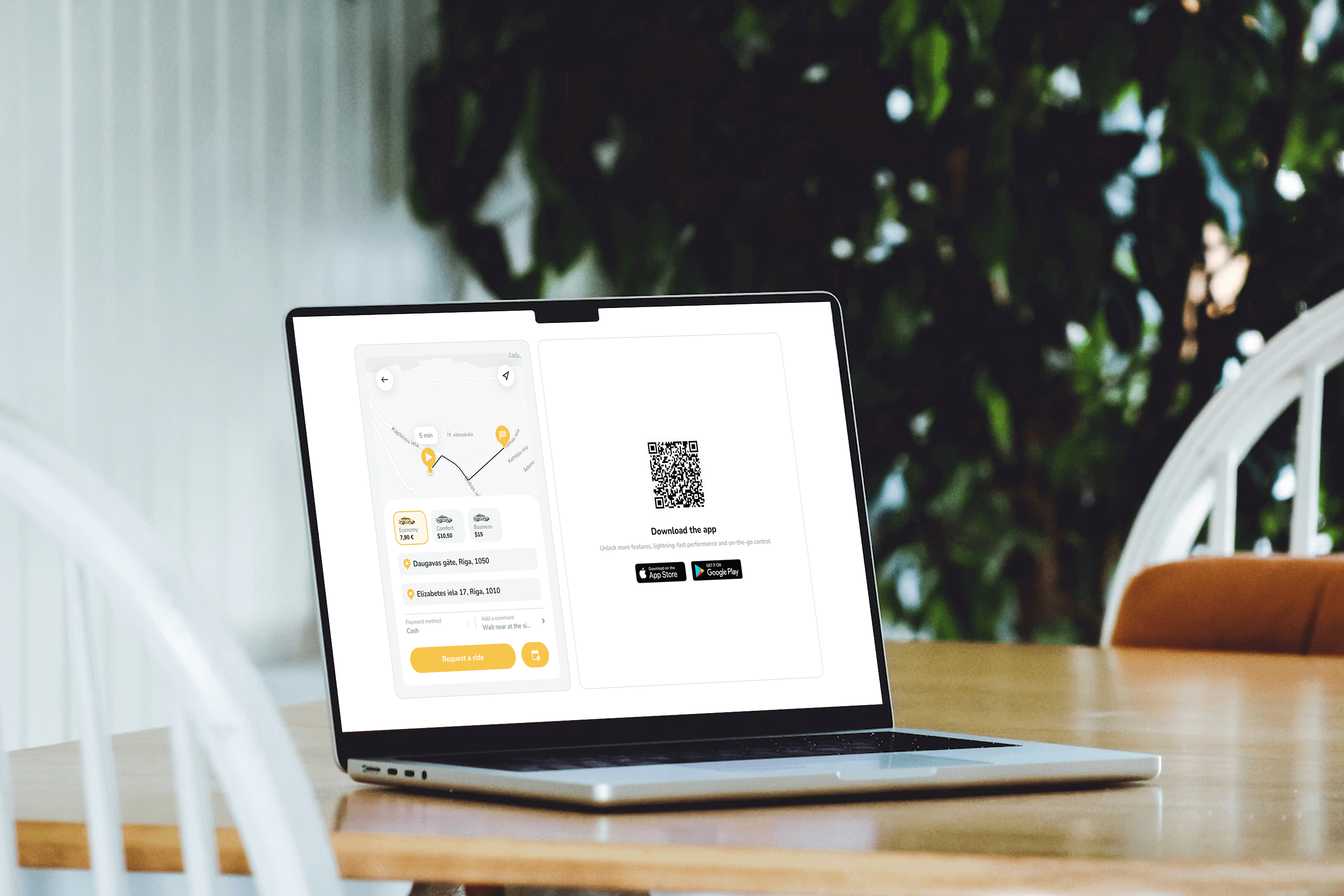
🚕 Web-booker is a lightweight ride-hail widget that lets users book rides directly from a website or mobile browser - no app install required. It reduces booking friction, supports hotel and partner demand, and keeps every ride fully synced with the taxi operator’s app and dashboard.
What if ordering a taxi was as easy as booking a room or clicking “Reserve table” on a website?
Meet Web-booker - a lightweight ride-hail booking widget that lets users request a cab directly from a website, without installing or opening the mobile app.
Perfect for hotels, business centers, event venues, airports, and corporate partners.
👉 Live demo: https://app.atommobility.com/taxi-widget
Web-booker is a browser-based ride-hail widget that operators can embed or link to from any website.
The booking happens on the web, but the ride is fully synchronized with the mobile app and operator dashboard.
No redirects. No app-store friction. No lost users.
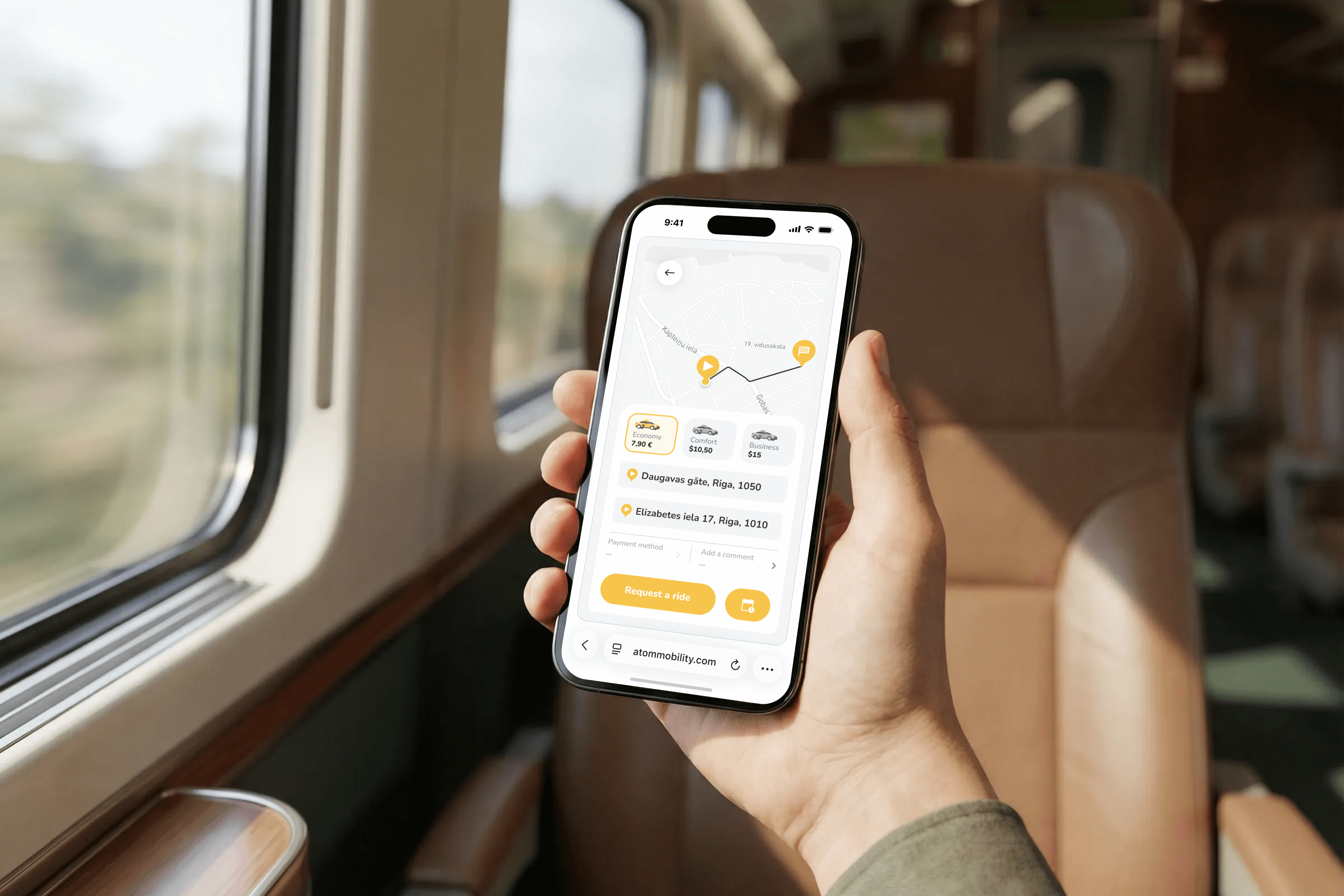
This keeps fraud low while preserving conversion.
Web-booker addresses one of the most common friction points in ride-hailing: users who need a ride now but are not willing to download an app first. By allowing bookings directly from a website, operators can capture high-intent demand at the exact moment it occurs - whether that is on a hotel website, an event page, or a partner landing page.
At the same time, Web-booker makes partnerships with hotels and venues significantly easier. Instead of complex integrations or manual ordering flows, partners can simply place a button or link and immediately enable ride ordering for their guests. Importantly, this approach does not block long-term app growth. The booking flow still promotes the mobile app through QR codes and store links, allowing operators to convert web users into app users over time - without forcing the install upfront.
Web-booker is not designed to replace the mobile app. It extends the acquisition funnel by adding a low-friction entry point, while keeping all bookings fully synchronized with the operator’s app and dashboard.
👉 Try the demo
https://app.atommobility.com/taxi-widget
Want to explore a ride-hail or taxi solution for your business - or migrate to a more flexible platform? Visit: https://www.atommobility.com/products/ride-hailing
Credenciais de demonstração do Driver App - E-mail: test@atom.com, Senha: motorista

