Explorez l'avenir de la mobilité : les événements à ne pas manquer au quatrième trimestre 2024
October 14, 2024
min. de lecture


ATOM Mobility participera à trois événements majeurs axés sur la micro-mobilité, la location de voitures et le secteur des taxis. Nous sommes impatients d'établir de nouveaux liens, de rencontrer des partenaires potentiels et de montrer comment notre plateforme peut révolutionner la mobilité partagée. Voici où nous serons et pourquoi vous devriez vous joindre à nous !
World Travel Market (WTM) Londres 2024
Le WTM London est l'un des plus grands événements de l'industrie du voyage et du tourisme, mais il n'est pas réservé aux passionnés de voyages ! L'accent est de plus en plus mis sur la mobilité urbaine durable, ce qui en fait un événement passionnant pour les entreprises du secteur de la micro-mobilité et du partage de véhicules.
Avec des leaders du secteur du monde entier, c'est une occasion fantastique de nouer des contacts et de découvrir comment la mobilité devient un élément clé des expériences de voyage.
EU Taximesse 2024
L'EU Taximesse est le principal événement européen pour les services de taxi et de transport, mais il ne s'agit plus uniquement de taxis. Cet événement est également l'endroit idéal pour explorer les nouvelles technologies de mobilité, notamment les solutions de partage de véhicules et de gestion de flotte. Si vous travaillez dans ces secteurs ou aux côtés de ceux-ci, c'est l'événement à ne pas manquer.
Micromobility America 2024
Si vous aimez la micro-mobilité, c'est l'événement qu'il vous faut ! Organisé en Californie, cet événement réunit des leaders de l'industrie, des startups et des urbanistes pour discuter des dernières tendances en matière de transport urbain. Des trottinettes électriques aux vélos électriques, c'est une plaque tournante pour tout ce qui concerne la micro-mobilité. Nous sommes ravis de participer à cet événement pour découvrir comment les villes peuvent créer des solutions de transport plus intelligentes et plus écologiques. Que vous soyez une start-up, un investisseur ou un urbaniste, nous aimerions vous rencontrer et discuter de la manière dont nous pouvons collaborer pour transformer la mobilité urbaine.
Pourquoi ces événements sont-ils indispensables si vous travaillez sur le terrain ?
Entrez en contact avec les leaders du secteur : ces événements sont l'endroit idéal pour rencontrer les principaux acteurs du secteur de la mobilité. Discutons et voyons comment nous pouvons travailler ensemble pour stimuler l'innovation en matière de micro-mobilité et de partage de véhicules.
Découvrez les dernières tendances : Gardez une longueur d'avance en découvrant les dernières technologies et les nouveaux modèles commerciaux qui façonnent l'avenir des transports.
Développez votre activité : que vous soyez une start-up à la recherche de partenaires ou une entreprise établie souhaitant se développer, ces événements offrent d'incroyables opportunités de collaboration.
Devons-nous nous rencontrer ?
Envisagez-vous de participer à l'un de ces événements ? Communiquez avec nous — nous sommes impatients de nous connecter !
Ne manquez pas ces incroyables événements sur la mobilité au cours du dernier trimestre 2024 ! Que vous soyez à Cologne, à Londres ou en Californie, ces événements offrent une occasion unique d'apprendre, de réseauter et d'explorer l'avenir du transport urbain.
Cliquez ci-dessous pour en savoir plus ou demander une démonstration.

The micromobility industry doesn’t need another generic mobility conference. 🚫🎤 It needs real conversations between operators who are actually in the field. ⚙️ That’s exactly what ATOM Connect 2026 is built for. 🎯🤝
The shared mobility industry is evolving rapidly. Operators are navigating scaling challenges, regulatory complexity, hardware decisions, fleet optimization, and new integration models, all while aiming for sustainable growth.
That’s exactly why ATOM Mobility is organizing ATOM Connect 2026.
Our previous edition of ATOM Connect brought together professionals from the car sharing and rental industry for focused, high-quality discussions and networking. This year, we are narrowing the focus and dedicating the entire event to one fast-moving segment of the industry: shared micromobility.
ATOM Connect 2026 is designed specifically for operators, partners, and decision-makers working in shared micromobility. It is not a broad mobility conference or a public exhibition. It is a curated space for industry professionals to exchange practical experience, insights, and lessons learned.
On May 14th, 2026 in Riga, we will once again bring the community together, this time with a clear focus on micromobility.
This year’s agenda will address the real operational and strategic questions shaping shared micromobility today:
As usual, we aim to host both local and international operators from smaller, fast-growing fleets to established large-scale players alongside hardware providers and ecosystem partners.
On stage, you’ll hear from leading shared mobility companies - including Segway on hardware partnerships, Umob on MaaS integration, Anadue on data-driven fleet intelligence, Elerent on multi-vehicle operational realities and more insightful discussions.
The goal is simple: meaningful discussions with people who understand the operational realities of the industry.
ATOM Connect is free to attend, but participation is industry-focused (each submission is manually reviewed and verified). We are intentionally keeping the audience relevant and aligned to ensure high-quality conversations and valuable networking.
If you work in shared micromobility and would like to join the event, you can find the full agenda and register here:
👉 https://www.atommobility.com/atom-connect-2026
In the coming weeks, we will be revealing more speakers and additional agenda updates. We look forward to bringing the industry together again.
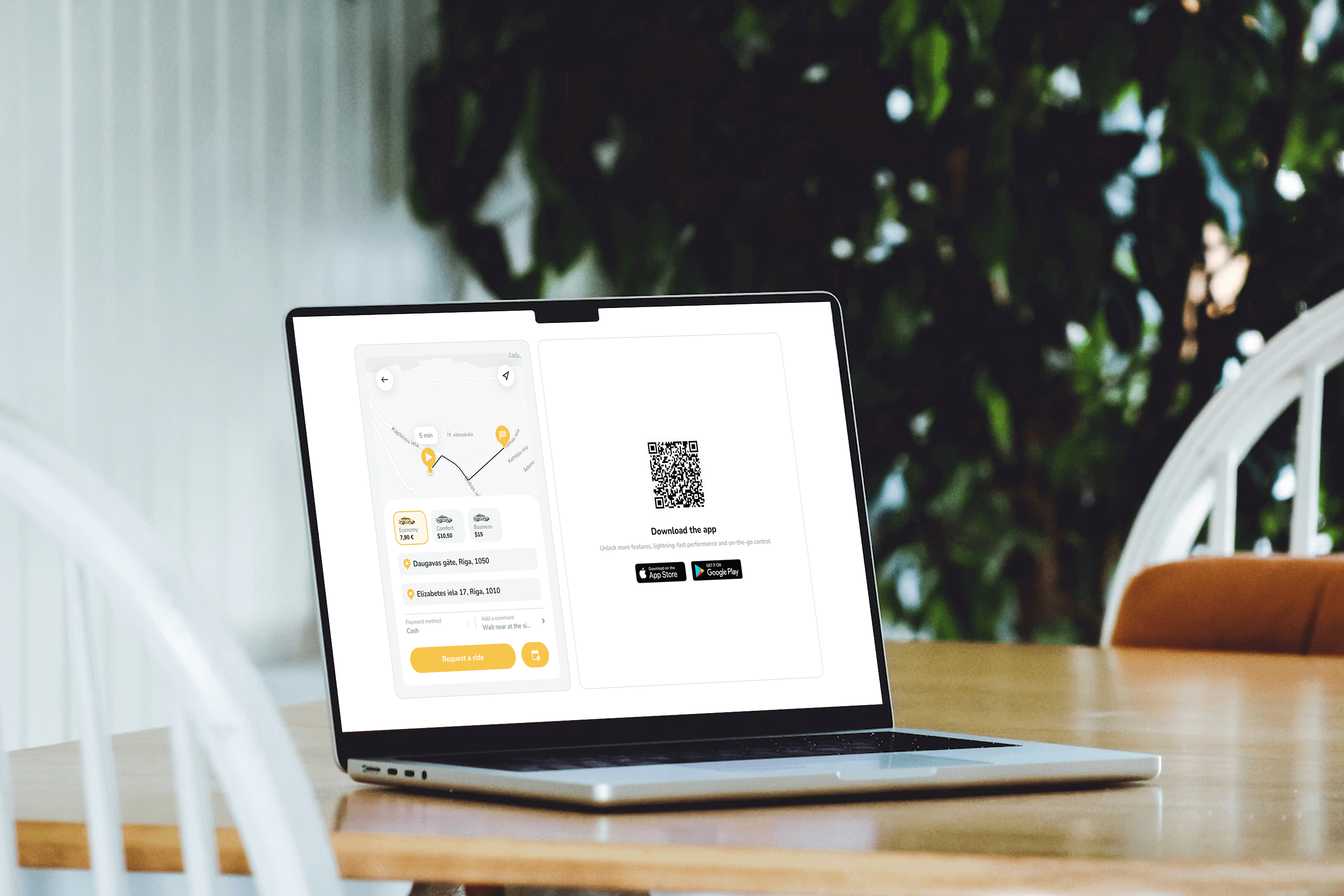
🚕 Web-booker is a lightweight ride-hail widget that lets users book rides directly from a website or mobile browser - no app install required. It reduces booking friction, supports hotel and partner demand, and keeps every ride fully synced with the taxi operator’s app and dashboard.
What if ordering a taxi was as easy as booking a room or clicking “Reserve table” on a website?
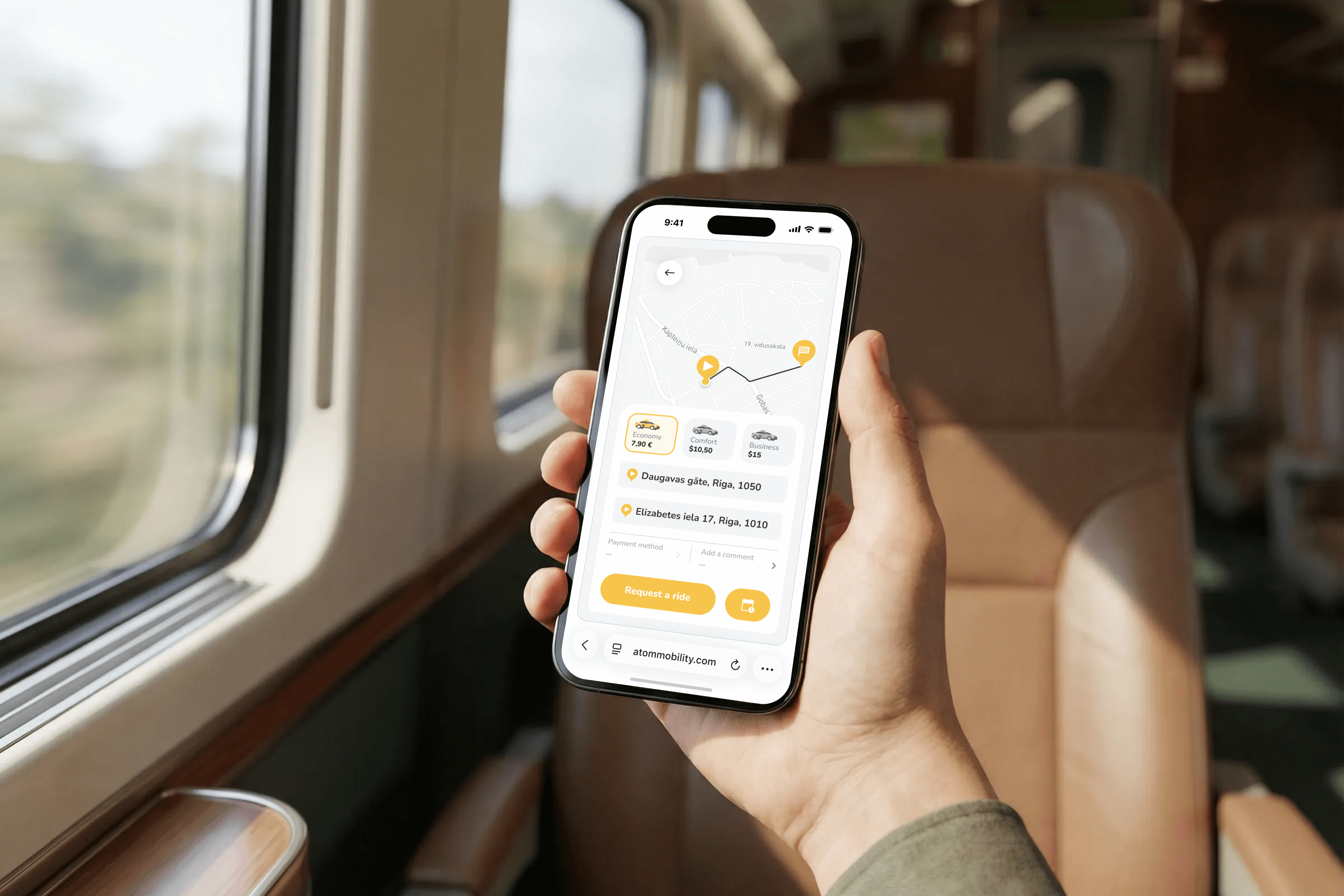
Meet Web-booker - a lightweight ride-hail booking widget that lets users request a cab directly from a website, without installing or opening the mobile app.
Perfect for hotels, business centers, event venues, airports, and corporate partners.
👉 Live demo: https://app.atommobility.com/taxi-widget
Web-booker is a browser-based ride-hail widget that operators can embed or link to from any website.
The booking happens on the web, but the ride is fully synchronized with the mobile app and operator dashboard.
No redirects. No app-store friction. No lost users.
This keeps fraud low while preserving conversion.
Web-booker addresses one of the most common friction points in ride-hailing: users who need a ride now but are not willing to download an app first. By allowing bookings directly from a website, operators can capture high-intent demand at the exact moment it occurs - whether that is on a hotel website, an event page, or a partner landing page.
At the same time, Web-booker makes partnerships with hotels and venues significantly easier. Instead of complex integrations or manual ordering flows, partners can simply place a button or link and immediately enable ride ordering for their guests. Importantly, this approach does not block long-term app growth. The booking flow still promotes the mobile app through QR codes and store links, allowing operators to convert web users into app users over time - without forcing the install upfront.
Web-booker is not designed to replace the mobile app. It extends the acquisition funnel by adding a low-friction entry point, while keeping all bookings fully synchronized with the operator’s app and dashboard.
👉 Try the demo
https://app.atommobility.com/taxi-widget
Want to explore a ride-hail or taxi solution for your business - or migrate to a more flexible platform? Visit: https://www.atommobility.com/products/ride-hailing
Informations d'identification pour la démonstration de Driver App - E-mail : test@atom.com, mot de passe : chauffeur

