Explore el futuro de la movilidad: eventos imprescindibles en el cuarto trimestre de 2024
October 14, 2024
lectura mínima


ATOM Mobility asistirá a tres eventos importantes que se centran en la industria de la micromovilidad, el alquiler de vehículos y los taxis. Esperamos establecer nuevas conexiones, conocer socios potenciales y mostrar cómo nuestra plataforma puede revolucionar la movilidad compartida. ¡Aquí es donde estaremos y por qué deberías unirte a nosotros!
World Travel Market (WTM) Londres 2024
WTM London es uno de los eventos más importantes de la industria de viajes y turismo, ¡pero no es solo para los amantes de los viajes! Cada vez se presta más atención a la movilidad urbana sostenible, lo que lo convierte en un evento emocionante para las empresas del sector de la micromovilidad y el uso compartido de vehículos.
Con líderes de la industria de todo el mundo, esta es una oportunidad fantástica para establecer contactos y aprender cómo la movilidad se está convirtiendo en una parte clave de las experiencias de viaje.
Taximesse UE 2024
El EU Taximesse es el evento más importante de Europa para los servicios de taxi y transporte, pero ya no se trata solo de taxis. Este evento también es un excelente lugar para explorar nuevas tecnologías de movilidad, incluidas las soluciones de gestión de flotas y vehículos compartidos. Si trabajas en estas industrias o colaboras con ellas, este es el evento que debes visitar.
Micromobility America 2024
Si te gusta la micromovilidad, ¡es el evento al que debes asistir! Este evento, que se celebra en California, reúne a líderes de la industria, empresas emergentes y urbanistas para analizar las últimas tendencias en transporte urbano. Desde patinetes eléctricos hasta bicicletas eléctricas, es un centro para todo lo relacionado con la micromovilidad. Nos entusiasma asistir a este evento para explorar cómo las ciudades pueden crear soluciones de transporte más inteligentes y ecológicas. Ya seas una empresa emergente, un inversor o un urbanista, nos encantaría comunicarnos y hablar sobre cómo podemos colaborar para transformar la movilidad urbana.
¿Por qué son imprescindibles estos eventos si trabajas en el campo?
Conéctese con los líderes de la industria: estos eventos son el lugar perfecto para conocer a los principales actores de la industria de la movilidad. Charlemos y veamos cómo podemos trabajar juntos para impulsar la innovación en la micromovilidad y el uso compartido de vehículos.
Descubra las últimas tendencias: manténgase a la vanguardia aprendiendo sobre las tecnologías y los modelos de negocio más recientes que configuran el futuro del transporte.
Haga crecer su negocio: ya sea que sea una empresa emergente que busca socios o una empresa establecida que busca expandirse, estos eventos ofrecen increíbles oportunidades de colaboración.
¿Nos vemos?
¿Planea asistir a alguno de estos eventos? Comunícate con nosotros — ¡estamos ansiosos por conectarnos!
¡No se pierda estos increíbles eventos de movilidad en el último trimestre de 2024! Ya sea que se encuentre en Colonia, Londres o California, estos eventos ofrecen una oportunidad inmejorable para aprender, establecer contactos y explorar el futuro del transporte urbano.
Haga clic a continuación para obtener más información o solicitar una demostración.

The micromobility industry doesn’t need another generic mobility conference. 🚫🎤 It needs real conversations between operators who are actually in the field. ⚙️ That’s exactly what ATOM Connect 2026 is built for. 🎯🤝
The shared mobility industry is evolving rapidly. Operators are navigating scaling challenges, regulatory complexity, hardware decisions, fleet optimization, and new integration models, all while aiming for sustainable growth.
That’s exactly why ATOM Mobility is organizing ATOM Connect 2026.
Our previous edition of ATOM Connect brought together professionals from the car sharing and rental industry for focused, high-quality discussions and networking. This year, we are narrowing the focus and dedicating the entire event to one fast-moving segment of the industry: shared micromobility.
ATOM Connect 2026 is designed specifically for operators, partners, and decision-makers working in shared micromobility. It is not a broad mobility conference or a public exhibition. It is a curated space for industry professionals to exchange practical experience, insights, and lessons learned.
On May 14th, 2026 in Riga, we will once again bring the community together, this time with a clear focus on micromobility.
This year’s agenda will address the real operational and strategic questions shaping shared micromobility today:
As usual, we aim to host both local and international operators from smaller, fast-growing fleets to established large-scale players alongside hardware providers and ecosystem partners.
On stage, you’ll hear from leading shared mobility companies - including Segway on hardware partnerships, Umob on MaaS integration, Anadue on data-driven fleet intelligence, Elerent on multi-vehicle operational realities and more insightful discussions.
The goal is simple: meaningful discussions with people who understand the operational realities of the industry.
ATOM Connect is free to attend, but participation is industry-focused (each submission is manually reviewed and verified). We are intentionally keeping the audience relevant and aligned to ensure high-quality conversations and valuable networking.
If you work in shared micromobility and would like to join the event, you can find the full agenda and register here:
👉 https://www.atommobility.com/atom-connect-2026
In the coming weeks, we will be revealing more speakers and additional agenda updates. We look forward to bringing the industry together again.
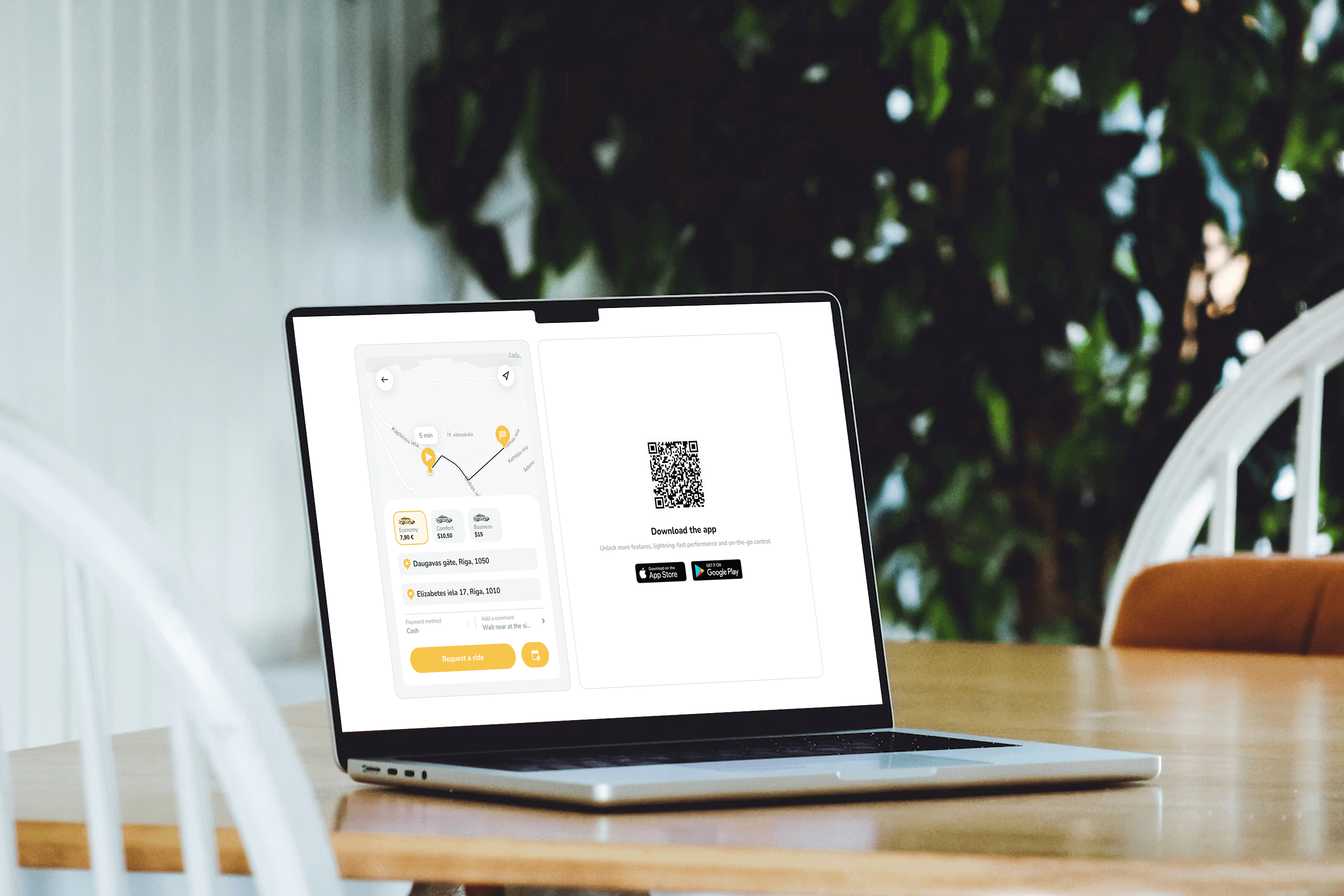
🚕 Web-booker is a lightweight ride-hail widget that lets users book rides directly from a website or mobile browser - no app install required. It reduces booking friction, supports hotel and partner demand, and keeps every ride fully synced with the taxi operator’s app and dashboard.
What if ordering a taxi was as easy as booking a room or clicking “Reserve table” on a website?
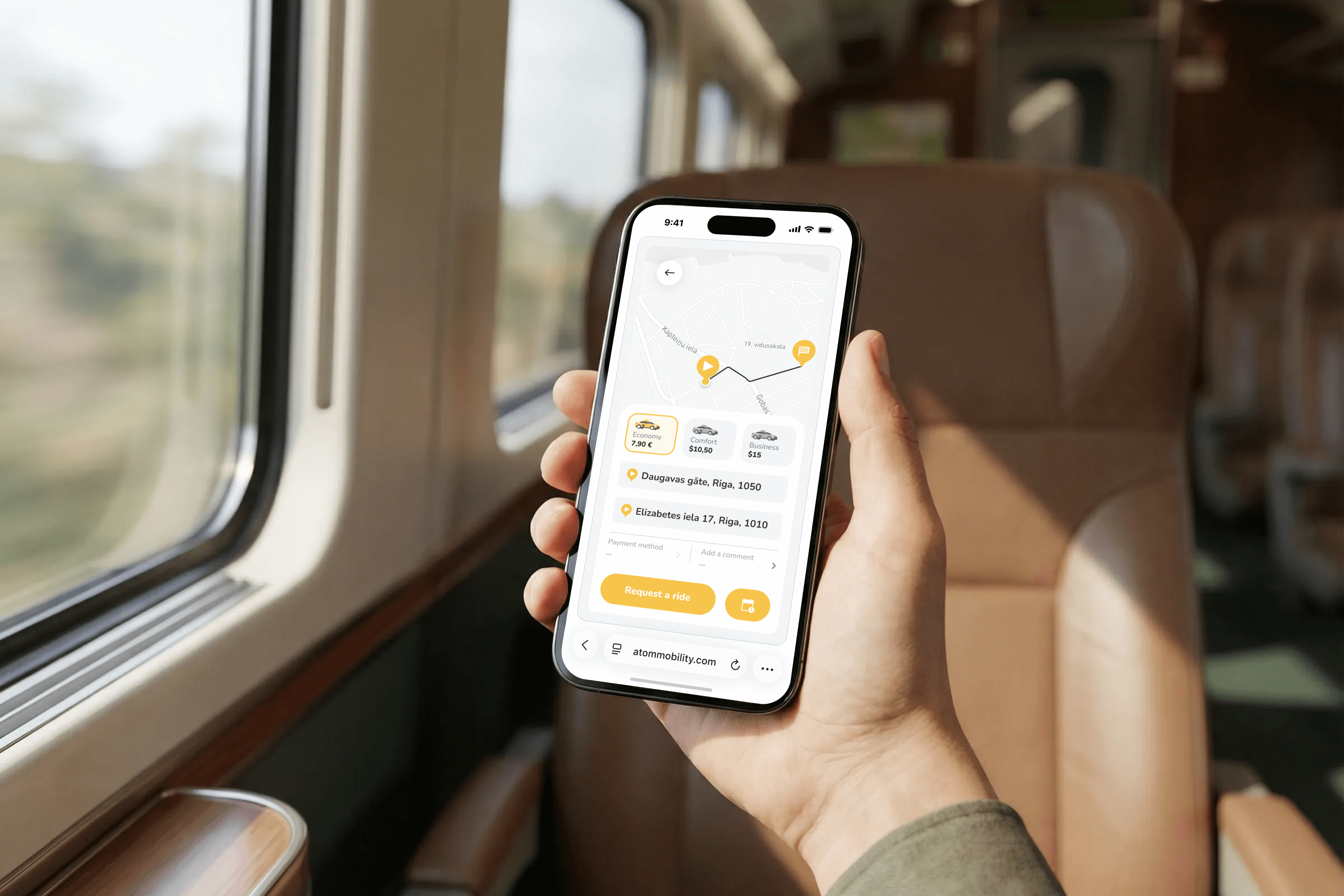
Meet Web-booker - a lightweight ride-hail booking widget that lets users request a cab directly from a website, without installing or opening the mobile app.
Perfect for hotels, business centers, event venues, airports, and corporate partners.
👉 Live demo: https://app.atommobility.com/taxi-widget
Web-booker is a browser-based ride-hail widget that operators can embed or link to from any website.
The booking happens on the web, but the ride is fully synchronized with the mobile app and operator dashboard.
No redirects. No app-store friction. No lost users.
This keeps fraud low while preserving conversion.
Web-booker addresses one of the most common friction points in ride-hailing: users who need a ride now but are not willing to download an app first. By allowing bookings directly from a website, operators can capture high-intent demand at the exact moment it occurs - whether that is on a hotel website, an event page, or a partner landing page.
At the same time, Web-booker makes partnerships with hotels and venues significantly easier. Instead of complex integrations or manual ordering flows, partners can simply place a button or link and immediately enable ride ordering for their guests. Importantly, this approach does not block long-term app growth. The booking flow still promotes the mobile app through QR codes and store links, allowing operators to convert web users into app users over time - without forcing the install upfront.
Web-booker is not designed to replace the mobile app. It extends the acquisition funnel by adding a low-friction entry point, while keeping all bookings fully synchronized with the operator’s app and dashboard.
👉 Try the demo
https://app.atommobility.com/taxi-widget
Want to explore a ride-hail or taxi solution for your business - or migrate to a more flexible platform? Visit: https://www.atommobility.com/products/ride-hailing
Credenciales de demostración de Driver App - Correo electrónico: test@atom.com, contraseña: conductor

