7 caratteristiche chiave da cercare nel software di car sharing aziendale
January 4, 2023
lettura minima


I sistemi di car sharing aziendale stanno diventando un modo sempre più popolare per le aziende di fornire il trasporto ai propri dipendenti riducendo al contempo i costi e migliorando la sostenibilità. In questo post del blog, esamineremo i vantaggi dei sistemi di car sharing aziendale e come il software ATOM Mobility può aiutare le aziende a implementare il proprio programma di car sharing per i propri dipendenti.
Il car sharing aziendale è una soluzione di trasporto che consente alle aziende di fornire l'accesso a una flotta di veicoli condivisi per i propri dipendenti. I dipendenti possono prenotare un'auto per un periodo di tempo specifico e utilizzarla per viaggi di lavoro. Il costo del noleggio è in genere a carico dell'azienda.
Esistono 2 modi principali in cui è possibile implementare il car sharing aziendale:
In entrambi i casi, l'azienda dovrà configurare il software per la gestione del sistema di car sharing, inclusa la prenotazione e la prenotazione dei veicoli, il monitoraggio dell'utilizzo e la gestione dell'elaborazione dei pagamenti. Questo può essere fatto tramite una piattaforma software ATOM Mobility.
Il car sharing aziendale può aiutare a risolvere una serie di sfide che le aziende possono affrontare:
1) Prenotazione e prenotazione del veicolo: i dipendenti dovrebbero essere in grado di visualizzare i veicoli disponibili ed effettuare prenotazioni per i tempi necessari per utilizzare un'auto. Questo può essere fatto tramite un'app mobile.
2) Keyless go tramite l'app: il software dovrebbe consentire ai dipendenti di localizzare i veicoli disponibili, sbloccarli e utilizzarli senza dover andare a ritirare le chiavi da chissà dove.
3) Elaborazione dei pagamenti: il software dovrebbe gestire l'elaborazione dei pagamenti se l'azienda compensa parzialmente i viaggi, incluso il calcolo degli addebiti in base alla distanza o al tempo.
4) Registro di manutenzione e riparazione del veicolo: il software dovrebbe consentire all'azienda di inserire qualsiasi informazione sulle auto e tenere traccia delle esigenze di manutenzione e riparazione dei veicoli condivisi. Queste informazioni dovrebbero essere facilmente accessibili anche dal fornitore di servizi auto.
5) Monitoraggio e reportistica dell'utilizzo: il software dovrebbe fornire un monitoraggio e una reportistica dettagliati sull'utilizzo dei veicoli condivisi, comprese metriche come il numero di viaggi, la distanza percorsa e l'utilizzo della flotta per ore. Queste informazioni possono essere utilizzate per ottimizzare il sistema di car sharing e ridurre i costi.
6) Gestione degli utenti: il software dovrebbe consentire all'azienda di gestire gli utenti del sistema di car sharing, inclusa l'aggiunta di nuovi utenti e diversi ruoli utente e la revoca dell'accesso se necessario.
7) Controlli amministrativi: il software dovrebbe fornire all'azienda i controlli amministrativi per gestire il sistema di car sharing, inclusa la possibilità di stabilire regole e linee guida, fissare le tariffe di noleggio e così via.
Nel complesso, le funzionalità incluse nel software di car sharing dipenderanno dalle esigenze e dagli obiettivi specifici dell'azienda e dal programma di car sharing.
Se desideri saperne di più su come creare un programma di car sharing aziendale per la tua azienda, contatta il nostro team qui: prenota una chiamata.
ATOM Mobility è un fornitore di software con software di car sharing aziendale che aiuta le aziende a implementare il proprio programma di car sharing per i propri dipendenti. Il nostro software include una serie di funzionalità per supportare il car sharing aziendale, tra cui prenotazione online, tracciamento dei veicoli, elaborazione dei pagamenti, report sull'utilizzo e gestione degli utenti.
Fai clic qui sotto per saperne di più o richiedere una demo.

The micromobility industry doesn’t need another generic mobility conference. 🚫🎤 It needs real conversations between operators who are actually in the field. ⚙️ That’s exactly what ATOM Connect 2026 is built for. 🎯🤝
The shared mobility industry is evolving rapidly. Operators are navigating scaling challenges, regulatory complexity, hardware decisions, fleet optimization, and new integration models, all while aiming for sustainable growth.
That’s exactly why ATOM Mobility is organizing ATOM Connect 2026.
Our previous edition of ATOM Connect brought together professionals from the car sharing and rental industry for focused, high-quality discussions and networking. This year, we are narrowing the focus and dedicating the entire event to one fast-moving segment of the industry: shared micromobility.
ATOM Connect 2026 is designed specifically for operators, partners, and decision-makers working in shared micromobility. It is not a broad mobility conference or a public exhibition. It is a curated space for industry professionals to exchange practical experience, insights, and lessons learned.
On May 14th, 2026 in Riga, we will once again bring the community together, this time with a clear focus on micromobility.
This year’s agenda will address the real operational and strategic questions shaping shared micromobility today:
As usual, we aim to host both local and international operators from smaller, fast-growing fleets to established large-scale players alongside hardware providers and ecosystem partners.
On stage, you’ll hear from leading shared mobility companies - including Segway on hardware partnerships, Umob on MaaS integration, Anadue on data-driven fleet intelligence, Elerent on multi-vehicle operational realities and more insightful discussions.
The goal is simple: meaningful discussions with people who understand the operational realities of the industry.
ATOM Connect is free to attend, but participation is industry-focused (each submission is manually reviewed and verified). We are intentionally keeping the audience relevant and aligned to ensure high-quality conversations and valuable networking.
If you work in shared micromobility and would like to join the event, you can find the full agenda and register here:
👉 https://www.atommobility.com/atom-connect-2026
In the coming weeks, we will be revealing more speakers and additional agenda updates. We look forward to bringing the industry together again.
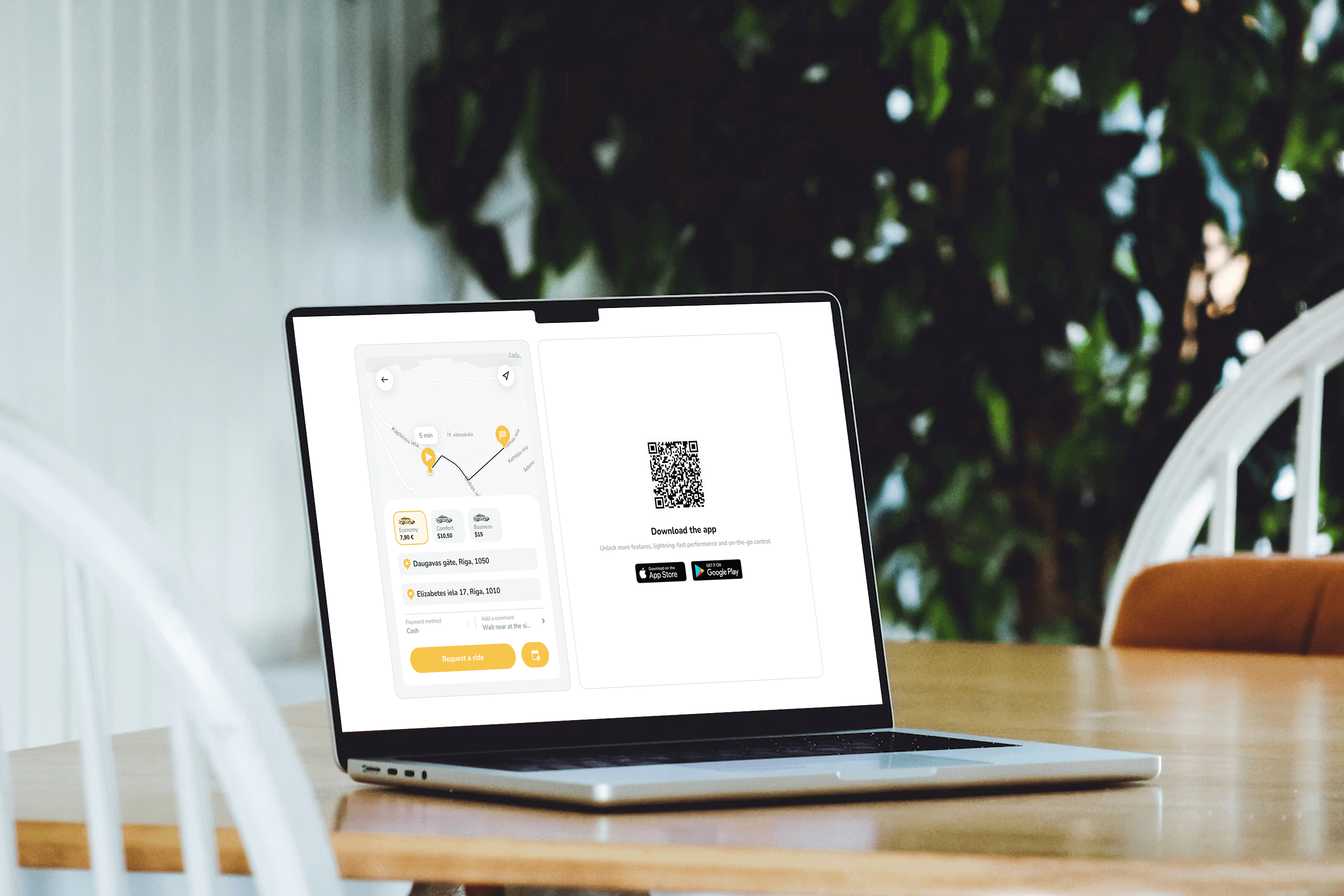
🚕 Web-booker is a lightweight ride-hail widget that lets users book rides directly from a website or mobile browser - no app install required. It reduces booking friction, supports hotel and partner demand, and keeps every ride fully synced with the taxi operator’s app and dashboard.
What if ordering a taxi was as easy as booking a room or clicking “Reserve table” on a website?
Meet Web-booker - a lightweight ride-hail booking widget that lets users request a cab directly from a website, without installing or opening the mobile app.
Perfect for hotels, business centers, event venues, airports, and corporate partners.
👉 Live demo: https://app.atommobility.com/taxi-widget
Web-booker is a browser-based ride-hail widget that operators can embed or link to from any website.
The booking happens on the web, but the ride is fully synchronized with the mobile app and operator dashboard.
No redirects. No app-store friction. No lost users.
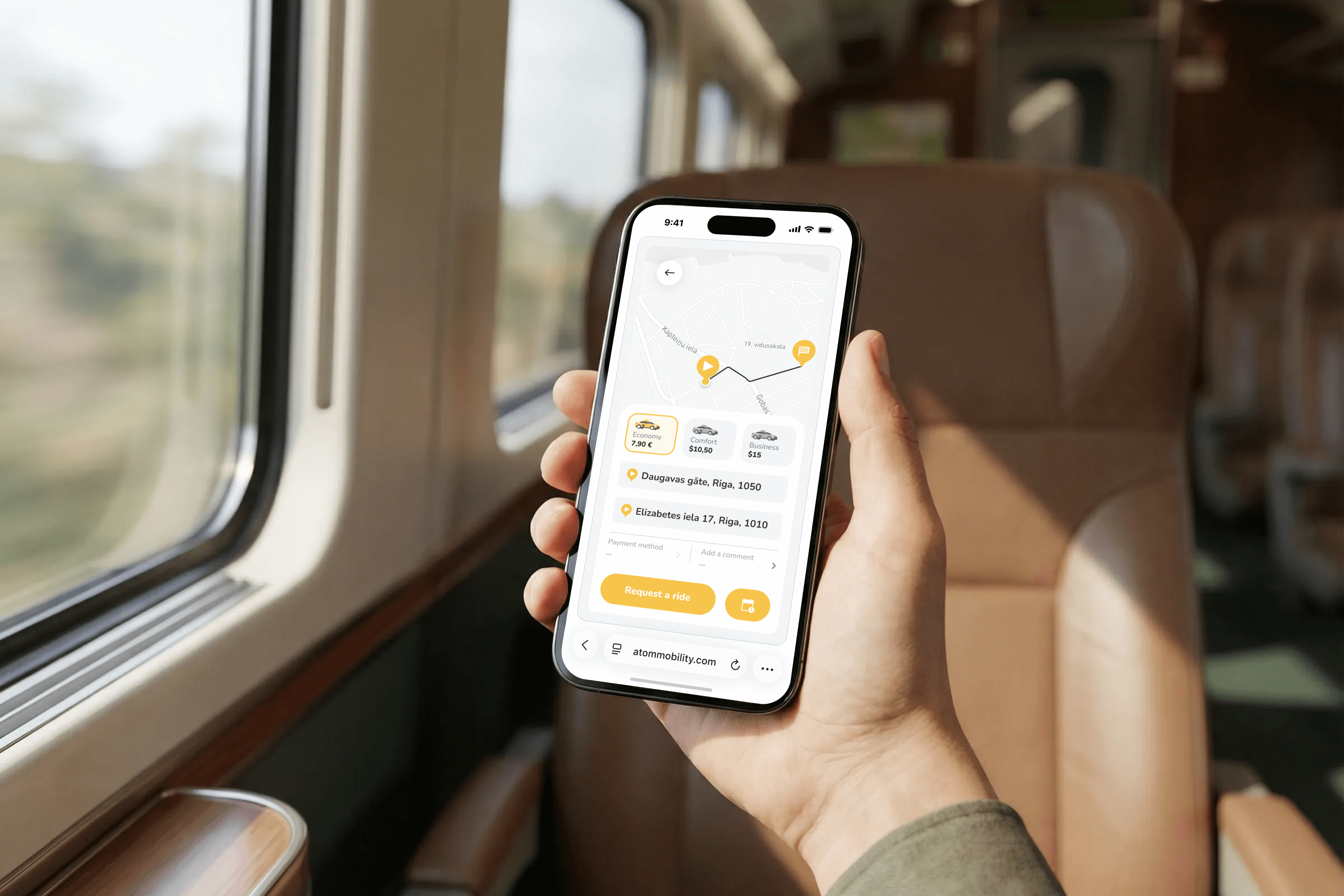
This keeps fraud low while preserving conversion.
Web-booker addresses one of the most common friction points in ride-hailing: users who need a ride now but are not willing to download an app first. By allowing bookings directly from a website, operators can capture high-intent demand at the exact moment it occurs - whether that is on a hotel website, an event page, or a partner landing page.
At the same time, Web-booker makes partnerships with hotels and venues significantly easier. Instead of complex integrations or manual ordering flows, partners can simply place a button or link and immediately enable ride ordering for their guests. Importantly, this approach does not block long-term app growth. The booking flow still promotes the mobile app through QR codes and store links, allowing operators to convert web users into app users over time - without forcing the install upfront.
Web-booker is not designed to replace the mobile app. It extends the acquisition funnel by adding a low-friction entry point, while keeping all bookings fully synchronized with the operator’s app and dashboard.
👉 Try the demo
https://app.atommobility.com/taxi-widget
Want to explore a ride-hail or taxi solution for your business - or migrate to a more flexible platform? Visit: https://www.atommobility.com/products/ride-hailing
Credenziali demo dell'app Driver - Email: test@atom.com, Password: autista

