Gestione della flotta con ATOM Mobility: il futuro dell'automazione delle attività
November 11, 2024
lettura minima

.png)
Automatizzare la gestione della flotta con ATOM Mobility: il futuro dell'automazione delle attività
La gestione di una flotta comporta molte fasi, dalla garanzia che i veicoli siano sottoposti a manutenzione regolare alla risposta al feedback e alle esigenze operative. La novità di ATOM Mobility Automazione delle attività la funzionalità ottimizza questo processo creando automaticamente attività basate sui parametri in tempo reale di ciascun veicolo, ad esempio chilometraggio, tempo, utente feedbacke numero di corse. Ciò consente agli operatori di flotte di concentrarsi sulla crescita strategica mentre la manutenzione ordinaria e la risoluzione dei problemi vengono automatizzate. Ecco come questa funzionalità potrebbe rendere le operazioni della flotta più fluide, efficienti e scalabili per le attività di mobilità condivisa e di noleggio.

La funzionalità Task Automation di ATOM Mobility si basa sulla sua costante attenzione alla semplificazione della gestione della flotta. Questa nuova aggiunta consente agli operatori di automatizzare la creazione delle attività in base a metriche specifiche del veicolo, riducendo lo sforzo manuale e migliorando l'efficienza complessiva della flotta.
L'idea è straordinariamente semplice: invece di creare attività manualmente (operazione che può essere noiosa e richiedere molto tempo), questo strumento creerà automaticamente attività per te in base a condizioni preimpostate.
Con Task Automation, puoi impostare parametri specifici che attiveranno la creazione di attività, come chilometraggio, numero di corse, valutazioni o tempo. Immagina questo: ogni 5.000 chilometri percorsi, il sistema può creare automaticamente un'attività di «Tire Check». Oppure, se un veicolo specifico riceve valutazioni degli utenti inferiori a due stelle, può essere attivata l'attività «Valutazione minima da parte degli utenti, controllo richiesto». Questo approccio alla generazione delle attività non solo consente di risparmiare tempo prezioso, ma garantisce anche che i veicoli ricevano un'assistenza costante basata sull'utilizzo e sulle prestazioni reali, non su supposizioni.
La configurazione di Task Automation nella dashboard di ATOM Mobility è progettata per essere il più semplice possibile. Il processo si riduce essenzialmente a tre semplici passaggi:
Una volta impostato tutto, il sistema terrà traccia di questi parametri per ogni veicolo, assicurando che quando viene raggiunto un trigger, un'attività venga creata automaticamente e aggiunta al cruscotto. Avrai tutto ciò di cui hai bisogno per mantenere ogni veicolo in perfetta forma senza supervisione manuale.
Non è un segreto che tenere il passo con la manutenzione della flotta può essere un lavoro a tempo pieno, e anche di più. Task Automation è stata progettata per consentirti di dedicare più tempo alla tua giornata e migliorare lo stato della flotta senza un eccessivo lavoro manuale. Ecco come brilla:
Per illustrare quanto possa essere potente la Task Automation, ecco alcuni scenari in cui potrebbe fare davvero la differenza per gli operatori di flotte:
Per qualsiasi azienda con una flotta in crescita, Task Automation offre un chiaro vantaggio. Utilizzando i parametri per generare attività, è possibile scalare senza bisogno di manodopera aggiuntiva solo per gestire la pianificazione. Man mano che la tua flotta cresce, Task Automation si adatta a te, gestendo più veicoli e tenendoti aggiornato sullo stato di salute e sulle prestazioni di ciascuno.
Consideralo come un responsabile della manutenzione che cresce insieme alla tua flotta senza aumentare i costi operativi. Non si tratta più di controllare manualmente ogni veicolo ad ogni chilometro; si tratta di lasciare che il sistema gestisca gli avvisi di manutenzione mantenendo l'attenzione sulla crescita strategica.
.png)
Configurare Task Automation è semplice, ma non esitate a chiedere al team di ATOM Mobility una guida più dettagliata. Ecco una breve panoramica per iniziare:
L'impegno di ATOM Mobility per l'innovazione significa che aggiorniamo costantemente le nostre funzionalità per rendere la gestione della flotta più efficiente e automatizzata. L'automazione delle attività non è solo una comodità: è un'opportunità per migliorare il modo in cui gestisci e fai crescere la tua flotta in modo sostenibile. Con l'automazione che si occupa delle attività ripetitive, il tuo team può concentrarsi su ciò che conta davvero: offrire un'esperienza eccezionale a ogni ciclista.
Il settore della mobilità condivisa si sta muovendo più velocemente che mai e rimanere competitivi significa adottare strumenti che rendano le operazioni più fluide ed efficienti. La funzionalità Task Automation di ATOM Mobility è un punto di svolta che porta l'automazione in primo piano, consentendo agli operatori di concentrarsi su lavori ad alto impatto lasciando le attività di routine alla piattaforma.
Che tu gestisca una flotta di e-bike, scooter o veicoli, la manutenzione automatizzata può semplificare le tue operazioni, prevenire i problemi prima che si presentino e consentire al tuo team di lavorare in modo più intelligente, non più duro.
Scopri di più sulle soluzioni di gestione della flotta di ATOM Mobility sul loro blog e scopri altri prodotti che possono aiutarti nel tuo percorso creando una flotta di micromobilità!
Fai clic qui sotto per saperne di più o richiedere una demo.

The micromobility industry doesn’t need another generic mobility conference. 🚫🎤 It needs real conversations between operators who are actually in the field. ⚙️ That’s exactly what ATOM Connect 2026 is built for. 🎯🤝
The shared mobility industry is evolving rapidly. Operators are navigating scaling challenges, regulatory complexity, hardware decisions, fleet optimization, and new integration models, all while aiming for sustainable growth.
That’s exactly why ATOM Mobility is organizing ATOM Connect 2026.
Our previous edition of ATOM Connect brought together professionals from the car sharing and rental industry for focused, high-quality discussions and networking. This year, we are narrowing the focus and dedicating the entire event to one fast-moving segment of the industry: shared micromobility.
ATOM Connect 2026 is designed specifically for operators, partners, and decision-makers working in shared micromobility. It is not a broad mobility conference or a public exhibition. It is a curated space for industry professionals to exchange practical experience, insights, and lessons learned.
On May 14th, 2026 in Riga, we will once again bring the community together, this time with a clear focus on micromobility.
This year’s agenda will address the real operational and strategic questions shaping shared micromobility today:
As usual, we aim to host both local and international operators from smaller, fast-growing fleets to established large-scale players alongside hardware providers and ecosystem partners.
On stage, you’ll hear from leading shared mobility companies - including Segway on hardware partnerships, Umob on MaaS integration, Anadue on data-driven fleet intelligence, Elerent on multi-vehicle operational realities and more insightful discussions.
The goal is simple: meaningful discussions with people who understand the operational realities of the industry.
ATOM Connect is free to attend, but participation is industry-focused (each submission is manually reviewed and verified). We are intentionally keeping the audience relevant and aligned to ensure high-quality conversations and valuable networking.
If you work in shared micromobility and would like to join the event, you can find the full agenda and register here:
👉 https://www.atommobility.com/atom-connect-2026
In the coming weeks, we will be revealing more speakers and additional agenda updates. We look forward to bringing the industry together again.
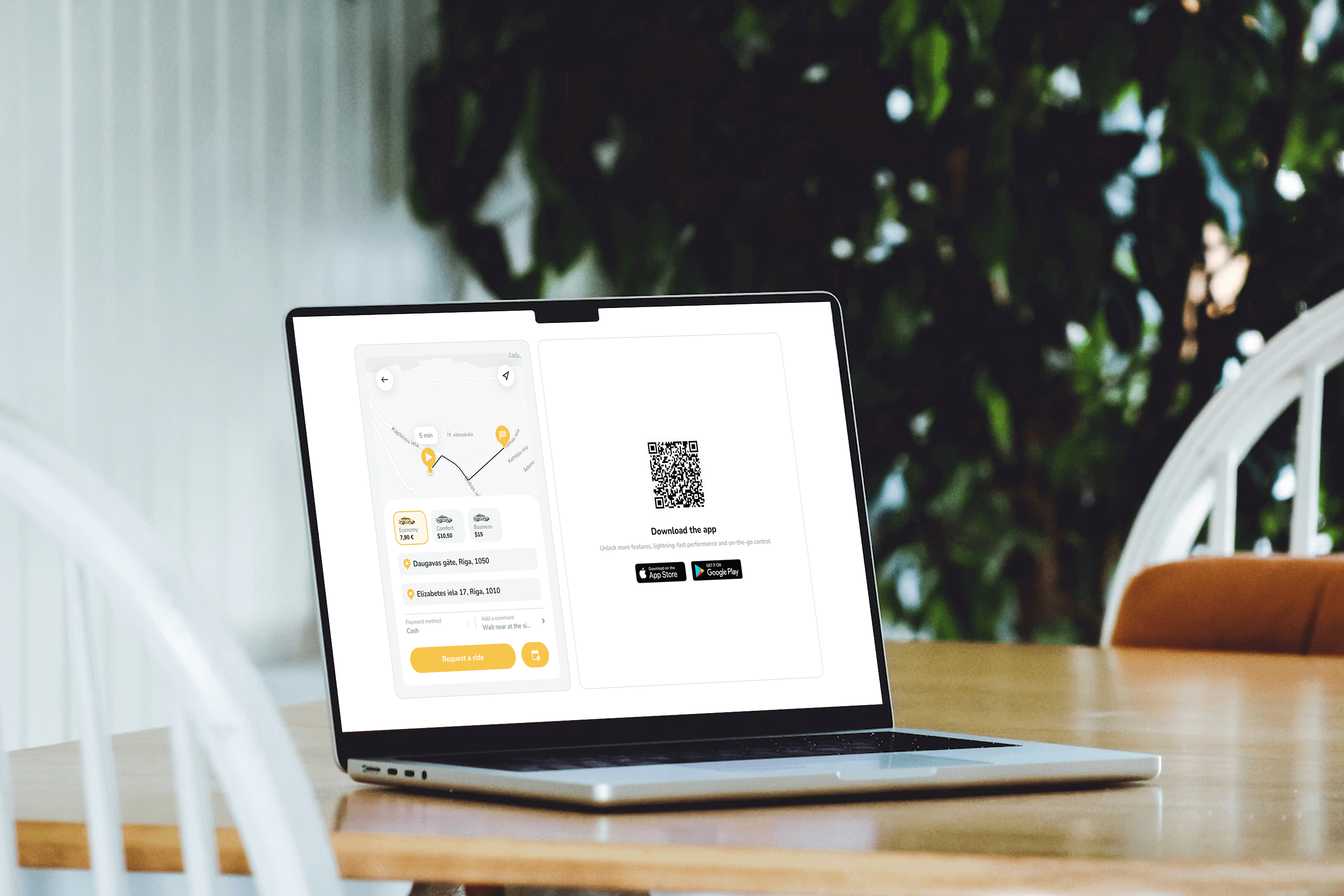
🚕 Web-booker is a lightweight ride-hail widget that lets users book rides directly from a website or mobile browser - no app install required. It reduces booking friction, supports hotel and partner demand, and keeps every ride fully synced with the taxi operator’s app and dashboard.
What if ordering a taxi was as easy as booking a room or clicking “Reserve table” on a website?
Meet Web-booker - a lightweight ride-hail booking widget that lets users request a cab directly from a website, without installing or opening the mobile app.
Perfect for hotels, business centers, event venues, airports, and corporate partners.
👉 Live demo: https://app.atommobility.com/taxi-widget
Web-booker is a browser-based ride-hail widget that operators can embed or link to from any website.
The booking happens on the web, but the ride is fully synchronized with the mobile app and operator dashboard.
No redirects. No app-store friction. No lost users.
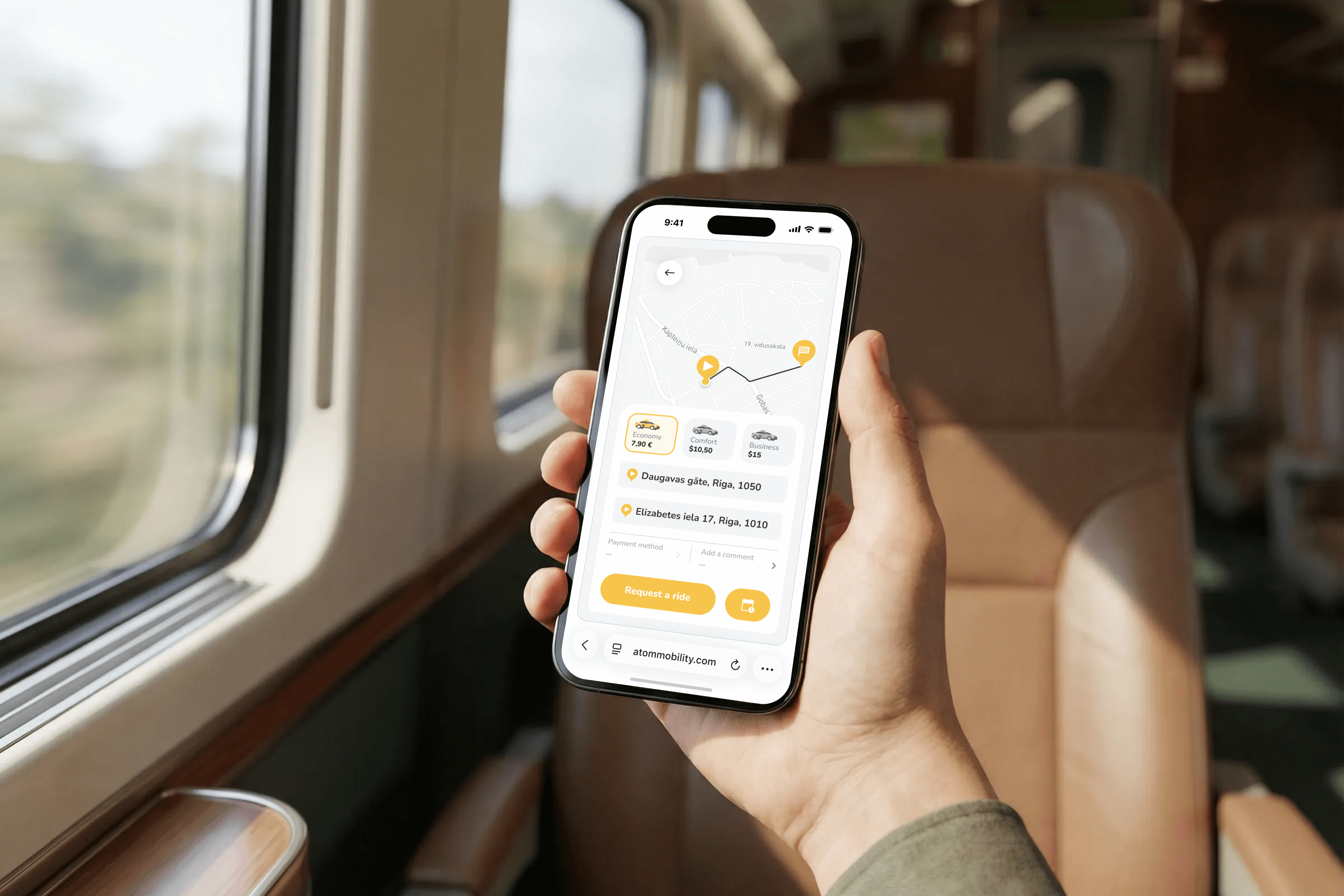
This keeps fraud low while preserving conversion.
Web-booker addresses one of the most common friction points in ride-hailing: users who need a ride now but are not willing to download an app first. By allowing bookings directly from a website, operators can capture high-intent demand at the exact moment it occurs - whether that is on a hotel website, an event page, or a partner landing page.
At the same time, Web-booker makes partnerships with hotels and venues significantly easier. Instead of complex integrations or manual ordering flows, partners can simply place a button or link and immediately enable ride ordering for their guests. Importantly, this approach does not block long-term app growth. The booking flow still promotes the mobile app through QR codes and store links, allowing operators to convert web users into app users over time - without forcing the install upfront.
Web-booker is not designed to replace the mobile app. It extends the acquisition funnel by adding a low-friction entry point, while keeping all bookings fully synchronized with the operator’s app and dashboard.
👉 Try the demo
https://app.atommobility.com/taxi-widget
Want to explore a ride-hail or taxi solution for your business - or migrate to a more flexible platform? Visit: https://www.atommobility.com/products/ride-hailing
Credenziali demo dell'app Driver - Email: test@atom.com, Password: autista

