Presentazione di ATOM Mobility OpenAPI: potenziamento degli operatori di mobilità con integrazioni perfette
July 9, 2025
lettura minima


Siamo entusiasti di annunciare il lancio di ATOM Mobility OpenAPI v1 - un passo importante per consentire agli operatori di mobilità di integrare perfettamente i propri servizi con piattaforme di terze parti, sistemi partner e applicazioni personalizzate.
Con OpenAPI, ATOM Mobility apre nuove possibilità per le aziende che operano condivisione di veicoli, noleggioe ride-hailing servizi per estendere la loro portata digitale, migliorare l'esperienza del cliente e sbloccare nuovi flussi di entrate.
Un API aperta (o interfaccia di programmazione delle applicazioni) è un set di protocolli standardizzati che consente ai sistemi software esterni di interagire con la piattaforma. In parole povere, funge da ponte tra il servizio di mobilità e il mondo esterno, consentendo una condivisione sicura dei dati e un'integrazione funzionale.
Per le aziende che si occupano di mobilità, le OpenAPI sono diventate uno strumento chiave per:
Mentre molti fornitori di servizi di mobilità offrono GBFS (Specifica generale di alimentazione Bikeshare) per condividere dati di sola lettura (ATOM Mobility continuerà a supportare GBFS), come la posizione e la disponibilità dei veicoli, questi feed sono in genere limitati alla visibilità. Gli utenti devono comunque passare all'app di un fornitore per completare la corsa.
L'OpenAPI di ATOM Mobility è diversa. Offre accesso completo in lettura/scrittura alle funzioni principali della tua piattaforma, in modo simile a ciò che gli operatori possono già fare nella dashboard del back-office. Ciò significa che le app di terze parti possono non solo visualizzano i tuoi veicoli, ma gestiscono anche prenotazioni, pagamenti e gestione delle corse interamente all'interno della propria interfaccia.
Questo è un punto di svolta per espandere la tua impronta di servizio oltre la tua app.
La prima versione di OpenAPI supporta tutti i moduli principali: Condivisione di veicoli, Noleggio digitalee Ride-Hailing — con endpoint pubblici e privati per:
Ecco alcuni esempi di come gli operatori di mobilità stanno già pianificando di utilizzare ATOM OpenAPI:
Connetti la tua flotta a piattaforme MaaS in rapida crescita, ad esempio:
Consenti agli utenti di prenotare noleggi o corse direttamente dal tuo sito web senza dover scaricare un'app in anticipo. Ciò è particolarmente utile per i turisti, gli utenti alle prime armi o gli hotel. L'app sarebbe necessaria solo per sbloccare il veicolo o tracciare il conducente (in caso di ride-hailing).
Vuoi offrire mobilità attraverso hotel, uffici o piattaforme immobiliari? Ora possono mostrare i tuoi veicoli e completare le prenotazioni all'interno delle loro app, favorendo un utilizzo B2B di alto valore senza spese manuali.
Gli agenti dell'assistenza possono recuperare i dati di viaggio attivi di un ciclista in strumenti di helpdesk esterni utilizzando gli endpoint ride ID, migliorando l'efficienza e la velocità di risoluzione.
Crea il tuo livello di reportistica inserendo dati storici e in tempo reale su percorsi, utenti e ricavi in strumenti come Power BI, Tableau o CRM personalizzati.
L'OpenAPI è disponibile per tutti i client ATOM su Piano Premium, che include:
Che tu stia esplorando nuovi canali, cercando integrazioni B2B o aderendo a una piattaforma MaaS, ATOM OpenAPI ti offre gli strumenti per scalare in modo più rapido e intelligente. Vuoi saperne di più o programmare una chiamata con il nostro team addetto alle integrazioni?
Contattaci: https://www.atommobility.com/ask
Fai clic qui sotto per saperne di più o richiedere una demo.

The micromobility industry doesn’t need another generic mobility conference. 🚫🎤 It needs real conversations between operators who are actually in the field. ⚙️ That’s exactly what ATOM Connect 2026 is built for. 🎯🤝
The shared mobility industry is evolving rapidly. Operators are navigating scaling challenges, regulatory complexity, hardware decisions, fleet optimization, and new integration models, all while aiming for sustainable growth.
That’s exactly why ATOM Mobility is organizing ATOM Connect 2026.
Our previous edition of ATOM Connect brought together professionals from the car sharing and rental industry for focused, high-quality discussions and networking. This year, we are narrowing the focus and dedicating the entire event to one fast-moving segment of the industry: shared micromobility.
ATOM Connect 2026 is designed specifically for operators, partners, and decision-makers working in shared micromobility. It is not a broad mobility conference or a public exhibition. It is a curated space for industry professionals to exchange practical experience, insights, and lessons learned.
On May 14th, 2026 in Riga, we will once again bring the community together, this time with a clear focus on micromobility.
This year’s agenda will address the real operational and strategic questions shaping shared micromobility today:
As usual, we aim to host both local and international operators from smaller, fast-growing fleets to established large-scale players alongside hardware providers and ecosystem partners.
On stage, you’ll hear from leading shared mobility companies - including Segway on hardware partnerships, Umob on MaaS integration, Anadue on data-driven fleet intelligence, Elerent on multi-vehicle operational realities and more insightful discussions.
The goal is simple: meaningful discussions with people who understand the operational realities of the industry.
ATOM Connect is free to attend, but participation is industry-focused (each submission is manually reviewed and verified). We are intentionally keeping the audience relevant and aligned to ensure high-quality conversations and valuable networking.
If you work in shared micromobility and would like to join the event, you can find the full agenda and register here:
👉 https://www.atommobility.com/atom-connect-2026
In the coming weeks, we will be revealing more speakers and additional agenda updates. We look forward to bringing the industry together again.
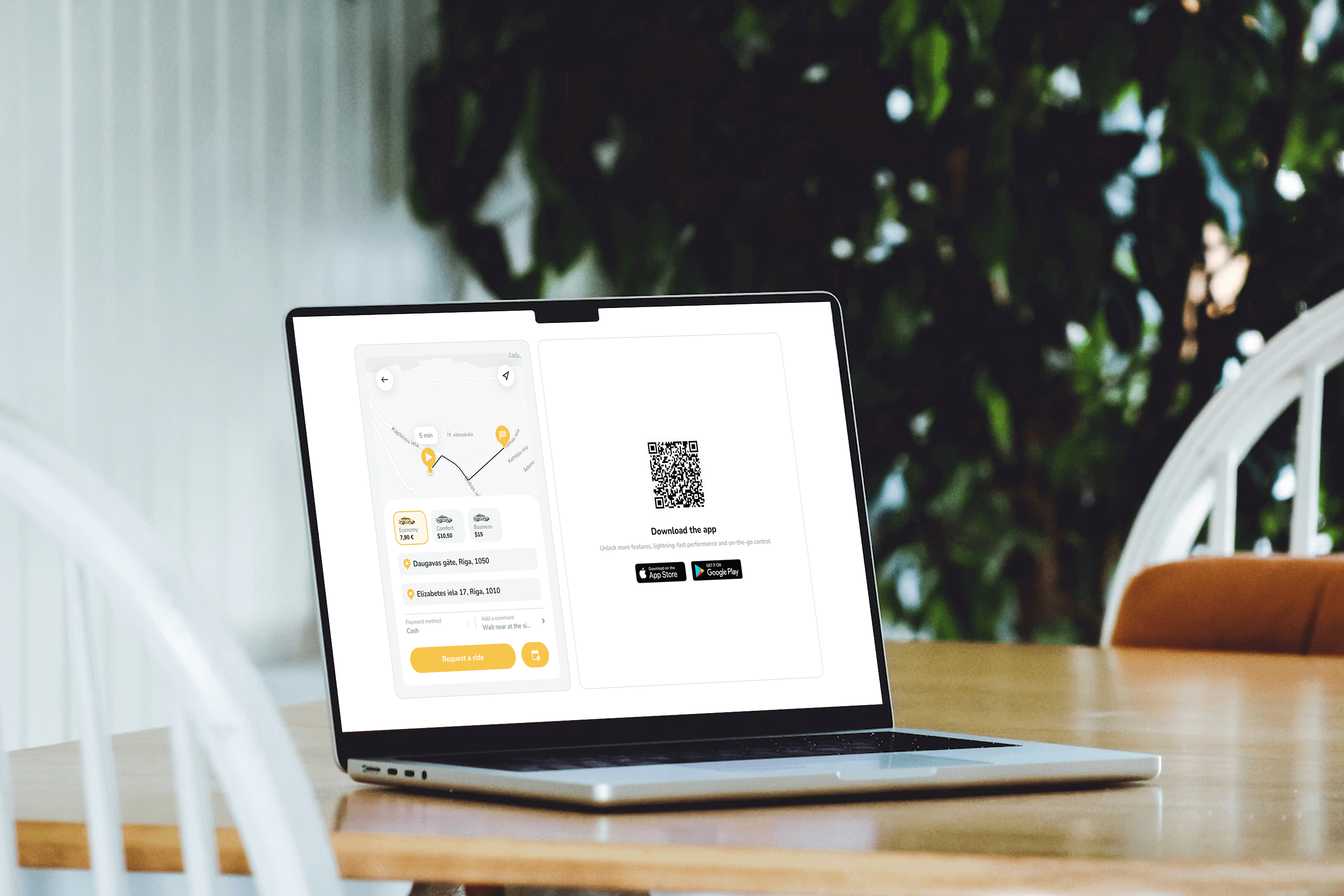
🚕 Web-booker is a lightweight ride-hail widget that lets users book rides directly from a website or mobile browser - no app install required. It reduces booking friction, supports hotel and partner demand, and keeps every ride fully synced with the taxi operator’s app and dashboard.
What if ordering a taxi was as easy as booking a room or clicking “Reserve table” on a website?
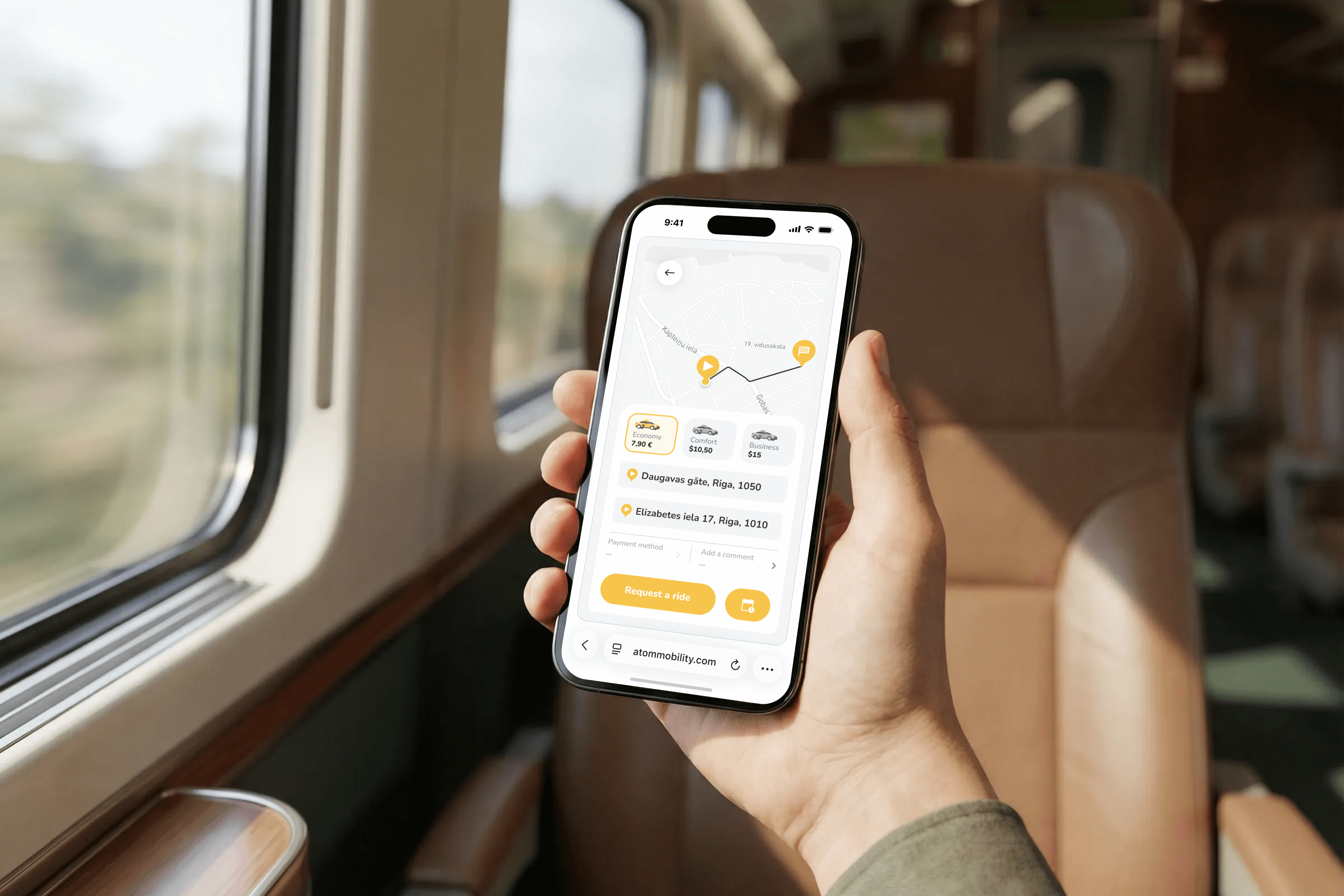
Meet Web-booker - a lightweight ride-hail booking widget that lets users request a cab directly from a website, without installing or opening the mobile app.
Perfect for hotels, business centers, event venues, airports, and corporate partners.
👉 Live demo: https://app.atommobility.com/taxi-widget
Web-booker is a browser-based ride-hail widget that operators can embed or link to from any website.
The booking happens on the web, but the ride is fully synchronized with the mobile app and operator dashboard.
No redirects. No app-store friction. No lost users.
This keeps fraud low while preserving conversion.
Web-booker addresses one of the most common friction points in ride-hailing: users who need a ride now but are not willing to download an app first. By allowing bookings directly from a website, operators can capture high-intent demand at the exact moment it occurs - whether that is on a hotel website, an event page, or a partner landing page.
At the same time, Web-booker makes partnerships with hotels and venues significantly easier. Instead of complex integrations or manual ordering flows, partners can simply place a button or link and immediately enable ride ordering for their guests. Importantly, this approach does not block long-term app growth. The booking flow still promotes the mobile app through QR codes and store links, allowing operators to convert web users into app users over time - without forcing the install upfront.
Web-booker is not designed to replace the mobile app. It extends the acquisition funnel by adding a low-friction entry point, while keeping all bookings fully synchronized with the operator’s app and dashboard.
👉 Try the demo
https://app.atommobility.com/taxi-widget
Want to explore a ride-hail or taxi solution for your business - or migrate to a more flexible platform? Visit: https://www.atommobility.com/products/ride-hailing
Credenziali demo dell'app Driver - Email: test@atom.com, Password: autista

