Apresentando o ATOM Mobility OpenAPI: capacitando operadores de mobilidade com integrações perfeitas
July 9, 2025
leitura mínima


Estamos entusiasmados em anunciar o lançamento do ATOM Mobility OpenAPI v1 - um grande passo para permitir que as operadoras de mobilidade integrem perfeitamente seus serviços a plataformas de terceiros, sistemas de parceiros e aplicativos personalizados.
Com o OpenAPI, o ATOM Mobility abre novas possibilidades para empresas que operam compartilhamento de veículos, aluguel, e carona serviços para ampliar seu alcance digital, aprimorar a experiência do cliente e desbloquear novos fluxos de receita.
Um API aberta (ou interface de programação de aplicativos) é um conjunto de protocolos padronizados que permite que sistemas de software externos interajam com sua plataforma. Em termos simples, ele funciona como uma ponte entre seu serviço de mobilidade e o mundo exterior, permitindo o compartilhamento seguro de dados e a integração funcional.
Para empresas de mobilidade, as OpenAPIs se tornaram uma ferramenta fundamental para:
Embora muitos provedores de mobilidade ofereçam GBFS (Especificação geral de alimentação de bicicletas compartilhadas) para compartilhar dados somente para leitura (o ATOM Mobility continuará oferecendo suporte ao GBFS) - como localização e disponibilidade de veículos - esses feeds normalmente são limitados à visibilidade. Os usuários ainda precisam mudar para o aplicativo de um provedor para concluir a viagem.
O OpenAPI da ATOM Mobility é diferente. Oferece acesso total de leitura e gravação às funções principais da sua plataforma, de forma semelhante ao que os operadores já podem fazer no painel administrativo. Isso significa que aplicativos de terceiros podem não apenas exiba seus veículos, mas também gerencie reservas, pagamentos e gerenciamento de viagens inteiramente em sua própria interface.
Isso é um divisor de águas para expandir sua presença de serviço além do seu aplicativo.
A primeira versão do OpenAPI suporta todos os módulos principais — Compartilhamento de veículos, Aluguel digital, e Carona compartilhada — com endpoints públicos e privados para:
Aqui estão alguns exemplos de como as operadoras de mobilidade já planejam usar o ATOM OpenAPI:
Conecte sua frota a plataformas MaaS de rápido crescimento, por exemplo:
Permita que os usuários reservem aluguéis ou viagens diretamente do seu site sem precisar baixar um aplicativo antecipadamente. Isso é especialmente útil para turistas, usuários iniciantes ou hotéis. O aplicativo só seria necessário para destravar o veículo ou rastrear o motorista (no caso de carona).
Quer oferecer mobilidade por meio de hotéis, escritórios ou plataformas imobiliárias? Agora eles podem mostrar seus veículos e concluir reservas em seus aplicativos, impulsionando o uso de B2B de alto valor sem sobrecarga manual.
Os agentes de suporte podem obter os dados ativos da viagem de um passageiro em ferramentas externas de helpdesk usando endpoints de identificação de viagem, melhorando a eficiência e a velocidade de resolução.
Crie sua própria camada de relatórios inserindo dados históricos e de viagens, usuários e receitas em tempo real em ferramentas como Power BI, Tableau ou CRMs personalizados.
O OpenAPI está disponível para todos os clientes ATOM no Plano Premium, que inclui:
Se você está explorando novos canais, buscando integrações B2B ou ingressando em uma plataforma MaaS, o ATOM OpenAPI oferece as ferramentas para escalar de forma mais rápida e inteligente. Quer saber mais ou agendar uma ligação com nossa equipe de integrações?
Entre em contato conosco: https://www.atommobility.com/ask
Clique abaixo para saber mais ou solicitar uma demonstração.

The micromobility industry doesn’t need another generic mobility conference. 🚫🎤 It needs real conversations between operators who are actually in the field. ⚙️ That’s exactly what ATOM Connect 2026 is built for. 🎯🤝
The shared mobility industry is evolving rapidly. Operators are navigating scaling challenges, regulatory complexity, hardware decisions, fleet optimization, and new integration models, all while aiming for sustainable growth.
That’s exactly why ATOM Mobility is organizing ATOM Connect 2026.
Our previous edition of ATOM Connect brought together professionals from the car sharing and rental industry for focused, high-quality discussions and networking. This year, we are narrowing the focus and dedicating the entire event to one fast-moving segment of the industry: shared micromobility.
ATOM Connect 2026 is designed specifically for operators, partners, and decision-makers working in shared micromobility. It is not a broad mobility conference or a public exhibition. It is a curated space for industry professionals to exchange practical experience, insights, and lessons learned.
On May 14th, 2026 in Riga, we will once again bring the community together, this time with a clear focus on micromobility.
This year’s agenda will address the real operational and strategic questions shaping shared micromobility today:
As usual, we aim to host both local and international operators from smaller, fast-growing fleets to established large-scale players alongside hardware providers and ecosystem partners.
On stage, you’ll hear from leading shared mobility companies - including Segway on hardware partnerships, Umob on MaaS integration, Anadue on data-driven fleet intelligence, Elerent on multi-vehicle operational realities and more insightful discussions.
The goal is simple: meaningful discussions with people who understand the operational realities of the industry.
ATOM Connect is free to attend, but participation is industry-focused (each submission is manually reviewed and verified). We are intentionally keeping the audience relevant and aligned to ensure high-quality conversations and valuable networking.
If you work in shared micromobility and would like to join the event, you can find the full agenda and register here:
👉 https://www.atommobility.com/atom-connect-2026
In the coming weeks, we will be revealing more speakers and additional agenda updates. We look forward to bringing the industry together again.
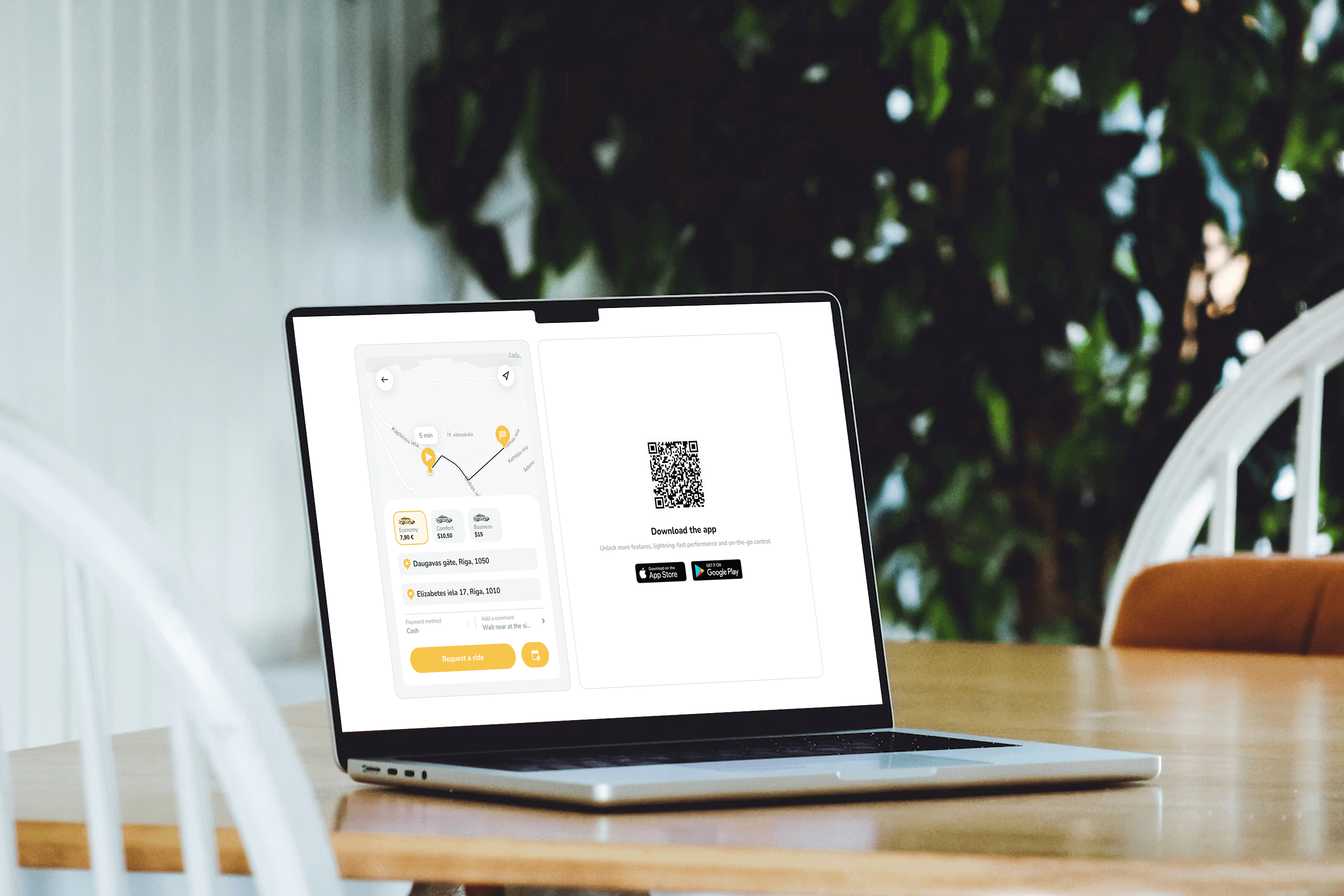
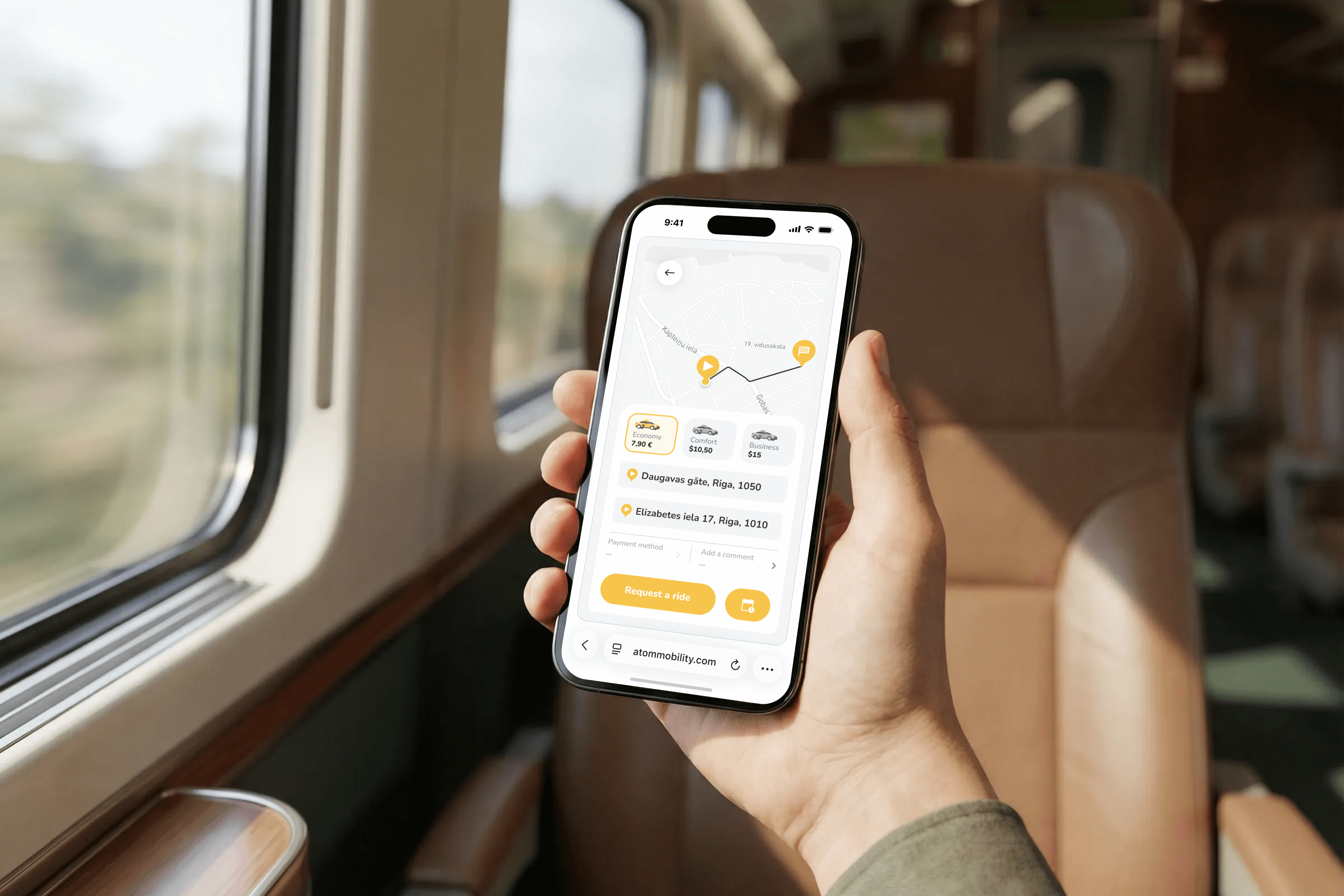
🚕 Web-booker is a lightweight ride-hail widget that lets users book rides directly from a website or mobile browser - no app install required. It reduces booking friction, supports hotel and partner demand, and keeps every ride fully synced with the taxi operator’s app and dashboard.
What if ordering a taxi was as easy as booking a room or clicking “Reserve table” on a website?
Meet Web-booker - a lightweight ride-hail booking widget that lets users request a cab directly from a website, without installing or opening the mobile app.
Perfect for hotels, business centers, event venues, airports, and corporate partners.
👉 Live demo: https://app.atommobility.com/taxi-widget
Web-booker is a browser-based ride-hail widget that operators can embed or link to from any website.
The booking happens on the web, but the ride is fully synchronized with the mobile app and operator dashboard.
No redirects. No app-store friction. No lost users.
This keeps fraud low while preserving conversion.
Web-booker addresses one of the most common friction points in ride-hailing: users who need a ride now but are not willing to download an app first. By allowing bookings directly from a website, operators can capture high-intent demand at the exact moment it occurs - whether that is on a hotel website, an event page, or a partner landing page.
At the same time, Web-booker makes partnerships with hotels and venues significantly easier. Instead of complex integrations or manual ordering flows, partners can simply place a button or link and immediately enable ride ordering for their guests. Importantly, this approach does not block long-term app growth. The booking flow still promotes the mobile app through QR codes and store links, allowing operators to convert web users into app users over time - without forcing the install upfront.
Web-booker is not designed to replace the mobile app. It extends the acquisition funnel by adding a low-friction entry point, while keeping all bookings fully synchronized with the operator’s app and dashboard.
👉 Try the demo
https://app.atommobility.com/taxi-widget
Want to explore a ride-hail or taxi solution for your business - or migrate to a more flexible platform? Visit: https://www.atommobility.com/products/ride-hailing
Credenciais de demonstração do Driver App - E-mail: test@atom.com, Senha: motorista

