A consolidação do mercado de micromobilidade esquenta: ATOM Mobility adquire a ScootAPI
June 16, 2025
leitura mínima


Em um movimento significativo que sinaliza uma maior consolidação no setor de software de micromobilidade, a líder do setor ATOM Mobility anunciou sua aquisição estratégica da ScootAPI.
O acordo, finalizado em 1º de junho de 2025, fortalece Posição dominante da ATOM Mobility no mercado de micromobilidade SaaS B2B. Esse acordo também marca uma saída bem-sucedida e oportuna para o fundador da ScootAPI, George Kachanouski, que já está canalizando sua energia empreendedora para um novo empreendimento de IA em modo furtivo por enquanto.
Durante anos, tanto a ATOM Mobility quanto a ScootAPI foram os principais players, fornecendo soluções de software essenciais para operadoras de micromobilidade em todo o mundo. Com essa aquisição, a ATOM Mobility, liderada pelo CEO Arturs Burnins, solidifica proativamente sua liderança de mercado. A mudança foi impulsionada por um imperativo estratégico de conquistar o primeiro lugar em um cenário competitivo, integrando os valiosos ativos e a base de clientes da ScootAPI.
Sobre a ATOM Mobility:

Fundada em 2018 por Arturs Nikiforovs e pelo CEO Arturs Burnins, a ATOM Mobility capacita empreendedores a lançar e escalar plataformas de mobilidade em todo o mundo, incluindo negócios de compartilhamento de veículos (scooters, bicicletas, ciclomotores, carros), aluguel digital e carona compartilhada. Com um conjunto de produtos, incluindo aplicativos personalizáveis para passageiros, painéis abrangentes, aplicativos para operadores e análises robustas, o ATOM Mobility suporta mais de 200 projetos e 35.000 veículos, facilitando mais de 1.000.000 de viagens mensais. A empresa está comprometida em fornecer tecnologia confiável, ágil e bem projetada, com um forte foco no crescimento da receita do cliente e na estabilidade do sistema, com o objetivo de ser líder em SaaS B2B para micromobilidade.
Sobre a ScootAPI:

Fundada em 2019 pelo CEO George Kachanouski, API Scoot estabeleceu-se como um player significativo no espaço de software de micromobilidade. A empresa entregou uma plataforma SaaS robusta de marca branca que capacitou empreendedores e operadores em todo o mundo, com sucesso lançando mais de 50 projetos distintos de micromobilidade em diversos mercados internacionais. A ScootAPI se dedicou a promover o transporte urbano “inteligente”, contribuindo assim para reduzir as emissões de CO2 e melhorar a qualidade de vida urbana das comunidades em todo o mundo.
“Este é um aceleração momento para a ATOM Mobility e para o mercado SaaS de micromobilidade como um todo”, disse Arturs Burnins, CEO da ATOM Mobility. “A aquisição da ScootAPI se alinha à nossa estratégia de liderar o setor e fornecer as soluções mais abrangentes, confiáveis e inovadoras para operadoras em todo o mundo. Estamos entusiasmados em receber os clientes da ScootAPI na plataforma ATOM Mobility, acelerando ainda mais o crescimento e a eficiência da mobilidade compartilhada em todo o mundo.”

Para George, essa mudança não estava inicialmente em seu roteiro. Ele investiu no crescimento da ScootAPI. No entanto, a recente explosão na tecnologia de IA despertou uma paixão nova e convincente. “Vender a ScootAPI não era algo que eu planejava fazer”, admitiu George. “Construímos um bom produto e a jornada estava longe de terminar em minha mente. Mas então a revolução da IA realmente decolou e eu me vi completamente cativado pelo potencial dos fluxos de trabalho agentes para automatizar os processos de negócios. A ideia de construir uma nova empresa no espaço da IA, algo potencialmente ainda maior e em uma nova fronteira, tornou-se incrivelmente empolgante.”
À medida que a transição avança, George continua confiante de que os clientes da ScootAPI estão em boas mãos. “A ATOM Mobility tem uma visão clara e a profundidade técnica para apoiar os operadores a longo prazo”, disse ele. “Isso foi importante para mim. Eu não queria entregar as coisas para qualquer um — queria ter certeza de que as pessoas que confiavam em nossa plataforma ainda teriam suporte e poderiam crescer.”
A integração da ScootAPI à ATOM Mobility promete uma transição suave para os clientes, que agora se beneficiarão de um conjunto expandido de recursos e suporte robusto sob a égide da ATOM Mobility, simplificando ainda mais as operações para empreendedores de micromobilidade em todo o mundo.
Clique abaixo para saber mais ou solicitar uma demonstração.

The micromobility industry doesn’t need another generic mobility conference. 🚫🎤 It needs real conversations between operators who are actually in the field. ⚙️ That’s exactly what ATOM Connect 2026 is built for. 🎯🤝
The shared mobility industry is evolving rapidly. Operators are navigating scaling challenges, regulatory complexity, hardware decisions, fleet optimization, and new integration models, all while aiming for sustainable growth.
That’s exactly why ATOM Mobility is organizing ATOM Connect 2026.
Our previous edition of ATOM Connect brought together professionals from the car sharing and rental industry for focused, high-quality discussions and networking. This year, we are narrowing the focus and dedicating the entire event to one fast-moving segment of the industry: shared micromobility.
ATOM Connect 2026 is designed specifically for operators, partners, and decision-makers working in shared micromobility. It is not a broad mobility conference or a public exhibition. It is a curated space for industry professionals to exchange practical experience, insights, and lessons learned.
On May 14th, 2026 in Riga, we will once again bring the community together, this time with a clear focus on micromobility.
This year’s agenda will address the real operational and strategic questions shaping shared micromobility today:
As usual, we aim to host both local and international operators from smaller, fast-growing fleets to established large-scale players alongside hardware providers and ecosystem partners.
On stage, you’ll hear from leading shared mobility companies - including Segway on hardware partnerships, Umob on MaaS integration, Anadue on data-driven fleet intelligence, Elerent on multi-vehicle operational realities and more insightful discussions.
The goal is simple: meaningful discussions with people who understand the operational realities of the industry.
ATOM Connect is free to attend, but participation is industry-focused (each submission is manually reviewed and verified). We are intentionally keeping the audience relevant and aligned to ensure high-quality conversations and valuable networking.
If you work in shared micromobility and would like to join the event, you can find the full agenda and register here:
👉 https://www.atommobility.com/atom-connect-2026
In the coming weeks, we will be revealing more speakers and additional agenda updates. We look forward to bringing the industry together again.
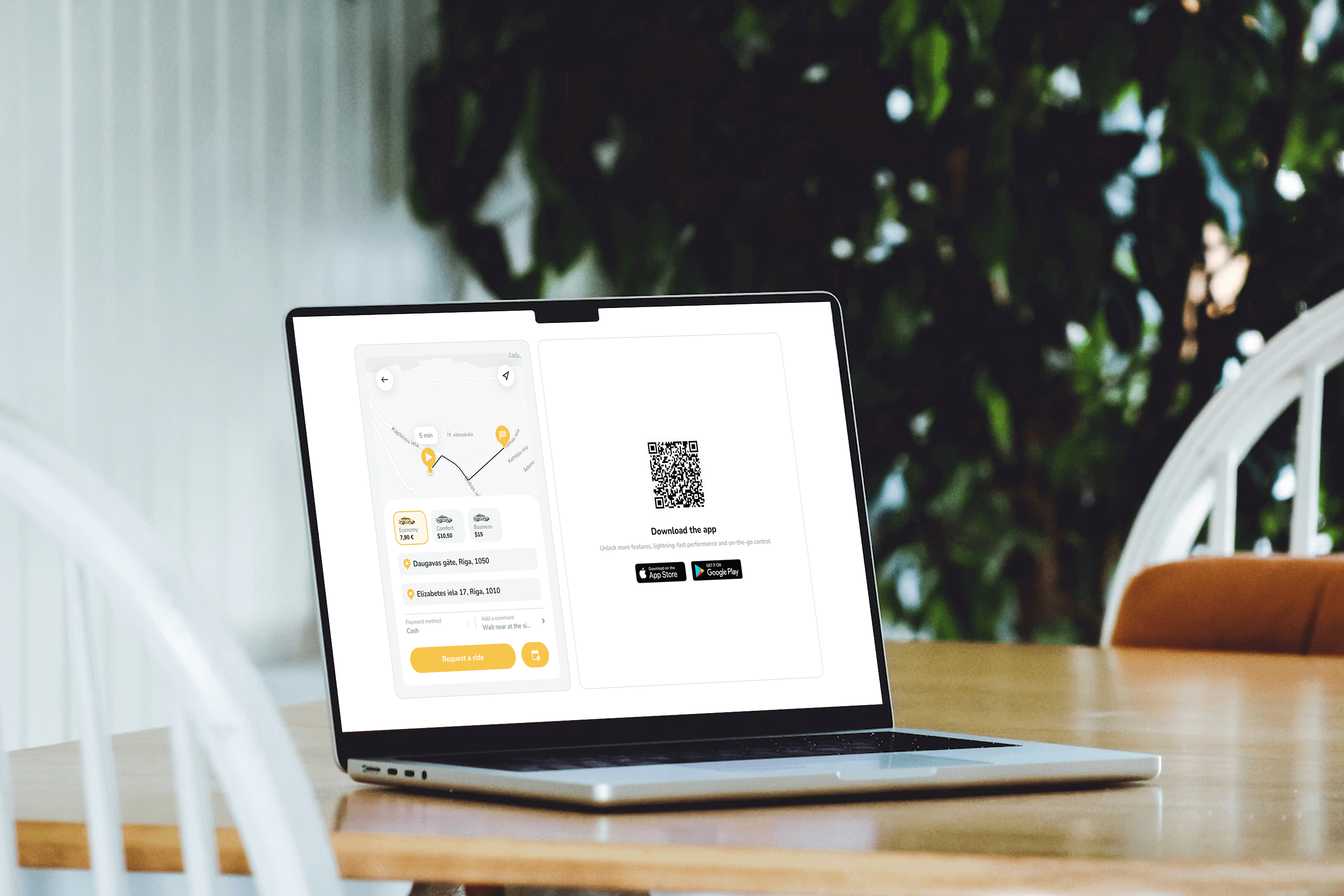
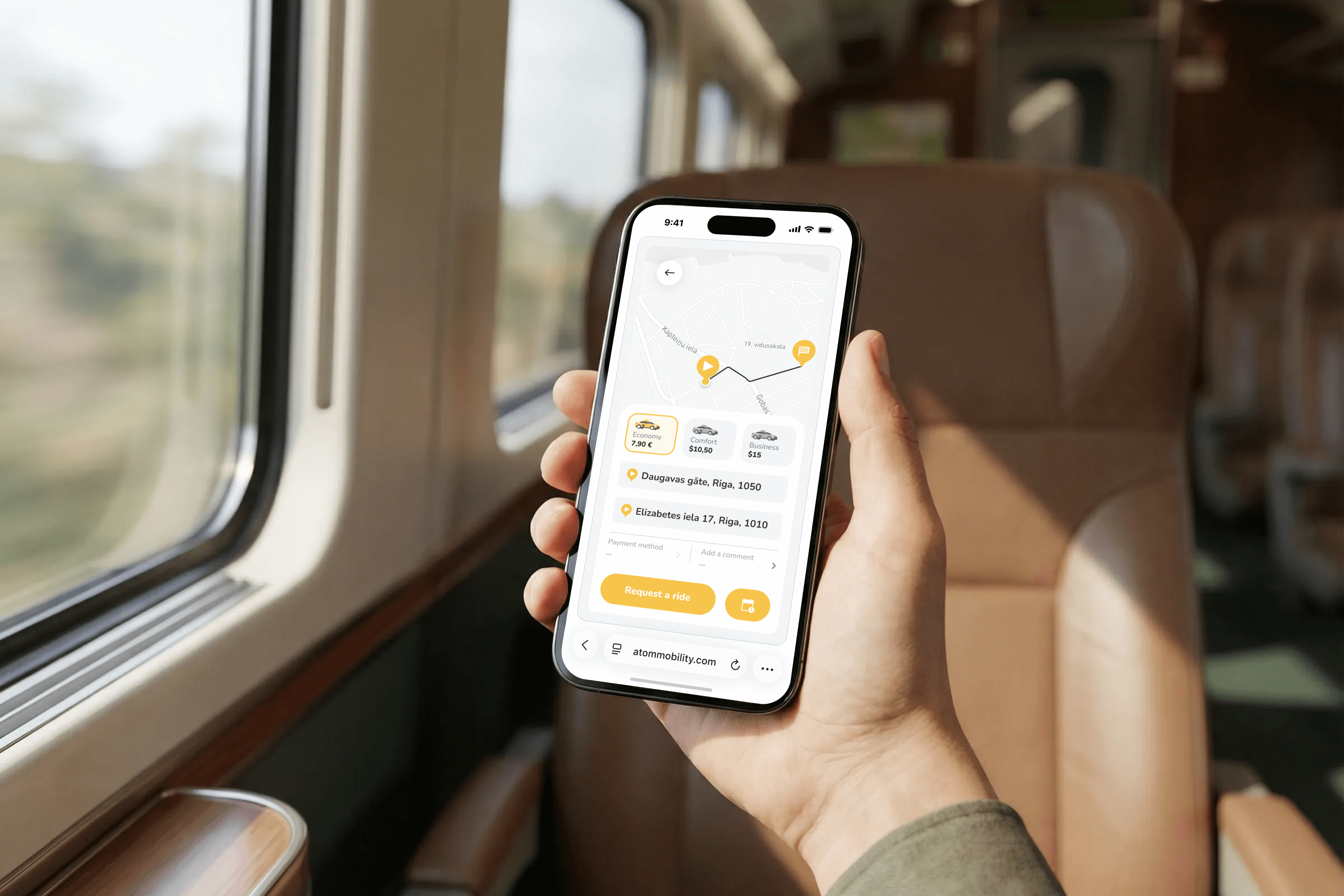
🚕 Web-booker is a lightweight ride-hail widget that lets users book rides directly from a website or mobile browser - no app install required. It reduces booking friction, supports hotel and partner demand, and keeps every ride fully synced with the taxi operator’s app and dashboard.
What if ordering a taxi was as easy as booking a room or clicking “Reserve table” on a website?
Meet Web-booker - a lightweight ride-hail booking widget that lets users request a cab directly from a website, without installing or opening the mobile app.
Perfect for hotels, business centers, event venues, airports, and corporate partners.
👉 Live demo: https://app.atommobility.com/taxi-widget
Web-booker is a browser-based ride-hail widget that operators can embed or link to from any website.
The booking happens on the web, but the ride is fully synchronized with the mobile app and operator dashboard.
No redirects. No app-store friction. No lost users.
This keeps fraud low while preserving conversion.
Web-booker addresses one of the most common friction points in ride-hailing: users who need a ride now but are not willing to download an app first. By allowing bookings directly from a website, operators can capture high-intent demand at the exact moment it occurs - whether that is on a hotel website, an event page, or a partner landing page.
At the same time, Web-booker makes partnerships with hotels and venues significantly easier. Instead of complex integrations or manual ordering flows, partners can simply place a button or link and immediately enable ride ordering for their guests. Importantly, this approach does not block long-term app growth. The booking flow still promotes the mobile app through QR codes and store links, allowing operators to convert web users into app users over time - without forcing the install upfront.
Web-booker is not designed to replace the mobile app. It extends the acquisition funnel by adding a low-friction entry point, while keeping all bookings fully synchronized with the operator’s app and dashboard.
👉 Try the demo
https://app.atommobility.com/taxi-widget
Want to explore a ride-hail or taxi solution for your business - or migrate to a more flexible platform? Visit: https://www.atommobility.com/products/ride-hailing
Credenciais de demonstração do Driver App - E-mail: test@atom.com, Senha: motorista

