Die Marktkonsolidierung für Mikromobilität verschärft sich: ATOM Mobility erwirbt ScootAPI
June 16, 2025
min. Lesedauer


In einem wichtigen Schritt, der eine weitere Konsolidierung im Bereich Mikromobilitätssoftware signalisiert, kündigte der Branchenführer ATOM Mobility die strategische Übernahme von ScootAPI an.
Der Deal, der am 1. Juni 2025 abgeschlossen wurde, stärkt Die beherrschende Stellung von ATOM Mobility auf dem B2B-SaaS-Mikromobilitätsmarkt. Dieser Deal markiert auch einen erfolgreichen und rechtzeitigen Ausstieg für den Gründer von ScootAPI, George Kachanouski, der seine unternehmerische Energie bereits vorerst im Stealth-Modus in ein neues KI-Projekt steckt.
Seit Jahren sind sowohl ATOM Mobility als auch ScootAPI wichtige Akteure und bieten unverzichtbare Softwarelösungen für Mikromobilitätsbetreiber weltweit. Mit dieser Übernahme festigt ATOM Mobility unter der Leitung von CEO Arturs Burnins proaktiv seine Marktführerschaft. Dieser Schritt wurde durch die strategische Notwendigkeit vorangetrieben, sich durch die Integration der wertvollen Ressourcen und des Kundenstamms von ScootAPI den Spitzenplatz in einem wettbewerbsintensiven Umfeld zu sichern.
Über ATOM Mobility:

ATOM Mobility wurde 2018 von Arturs Nikiforovs und CEO Arturs Burnins gegründet und ermöglicht Unternehmern, Mobilitätsplattformen weltweit zu lancieren und zu skalieren, darunter Fahrzeugsharing (Roller, Fahrräder, Mopeds, Autos), digitale Vermietung und Ride-Hailing-Unternehmen. Mit einer Reihe von Produkten, darunter anpassbare Fahrer-Apps, umfassende Dashboards, Bediener-Apps und robuste Analysen, unterstützt ATOM Mobility über 200 Projekte und 35.000 Fahrzeuge und ermöglicht monatlich über 1.000.000 Fahrten. Das Unternehmen hat sich der Bereitstellung zuverlässiger, agiler und durchdachter Technologie verschrieben, wobei der Schwerpunkt stark auf dem Umsatzwachstum und der Systemstabilität liegt. Ziel ist es, Marktführer im B2B-SaaS-Bereich für Mikromobilität zu werden.
Über ScootAPI:

2019 von CEO George Kachanouski gegründet, Scoot API etablierte sich als bedeutender Akteur im Bereich Mikromobilitätssoftware. Das Unternehmen lieferte eine robuste White-Label-SaaS-Plattform, mit der Unternehmer und Betreiber weltweit erfolgreich unterstützt wurden Start von mehr als 50 verschiedenen Mikromobilitätsprojekten auf verschiedenen internationalen Märkten. ScootAPI widmete sich der Förderung des „intelligenten“ Stadtverkehrs und trug so zur Reduzierung der CO2-Emissionen und einer verbesserten städtischen Lebensqualität für Gemeinden auf der ganzen Welt bei.
„Das ist ein beschleunigung Ein Moment für ATOM Mobility und den SaaS-Markt für Mikromobilität insgesamt „, sagte Arturs Burnins, CEO von ATOM Mobility. „Die Übernahme von ScootAPI steht im Einklang mit unserer Strategie, in der Branche führend zu sein und Betreibern weltweit die umfassendsten, zuverlässigsten und innovativsten Lösungen zu bieten. Wir freuen uns, die Kunden von ScootAPI auf der ATOM Mobility-Plattform begrüßen zu dürfen, was das Wachstum und die Effizienz von Shared Mobility weltweit weiter beschleunigt.“

Für George stand dieser Schritt ursprünglich nicht auf seiner Roadmap. Er war in das Wachstum von ScootAPI investiert. Die jüngste Explosion der KI-Technologie löste jedoch eine neue, überzeugende Leidenschaft aus. „Ich hatte nicht vor, ScootAPI zu verkaufen“, gab George zu. „Wir hatten ein gutes Produkt gebaut, und die Reise war in meinen Gedanken noch lange nicht vorbei. Aber dann nahm die KI-Revolution wirklich Fahrt auf, und ich war völlig fasziniert von dem Potenzial agentischer Workflows zur Automatisierung von Geschäftsprozessen. Die Idee, ein neues Unternehmen im KI-Bereich aufzubauen, etwas potenziell noch Größeres und an einer völlig neuen Grenze, wurde unglaublich aufregend.“
Während der Übergang voranschreitet, ist George weiterhin zuversichtlich, dass die Kunden von ScootAPI in guten Händen sind. „ATOM Mobility hat eine klare Vision und die technische Tiefe, um Betreiber langfristig zu unterstützen“, sagte er. „Das war mir wichtig. Ich wollte die Dinge nicht irgendjemandem überlassen — ich wollte sichergehen, dass die Leute, die sich auf unsere Plattform verlassen, weiterhin unterstützt werden und wachsen können.“
Die Integration von ScootAPI in ATOM Mobility verspricht einen reibungslosen Übergang für Kunden, die nun von einer erweiterten Palette von Funktionen und robustem Support unter dem Dach von ATOM Mobility profitieren werden, wodurch die Abläufe für Mikromobilitätsunternehmer weltweit weiter optimiert werden.
Klicken Sie unten, um mehr zu erfahren oder eine Demo anzufordern.

The micromobility industry doesn’t need another generic mobility conference. 🚫🎤 It needs real conversations between operators who are actually in the field. ⚙️ That’s exactly what ATOM Connect 2026 is built for. 🎯🤝
The shared mobility industry is evolving rapidly. Operators are navigating scaling challenges, regulatory complexity, hardware decisions, fleet optimization, and new integration models, all while aiming for sustainable growth.
That’s exactly why ATOM Mobility is organizing ATOM Connect 2026.
Our previous edition of ATOM Connect brought together professionals from the car sharing and rental industry for focused, high-quality discussions and networking. This year, we are narrowing the focus and dedicating the entire event to one fast-moving segment of the industry: shared micromobility.
ATOM Connect 2026 is designed specifically for operators, partners, and decision-makers working in shared micromobility. It is not a broad mobility conference or a public exhibition. It is a curated space for industry professionals to exchange practical experience, insights, and lessons learned.
On May 14th, 2026 in Riga, we will once again bring the community together, this time with a clear focus on micromobility.
This year’s agenda will address the real operational and strategic questions shaping shared micromobility today:
As usual, we aim to host both local and international operators from smaller, fast-growing fleets to established large-scale players alongside hardware providers and ecosystem partners.
On stage, you’ll hear from leading shared mobility companies - including Segway on hardware partnerships, Umob on MaaS integration, Anadue on data-driven fleet intelligence, Elerent on multi-vehicle operational realities and more insightful discussions.
The goal is simple: meaningful discussions with people who understand the operational realities of the industry.
ATOM Connect is free to attend, but participation is industry-focused (each submission is manually reviewed and verified). We are intentionally keeping the audience relevant and aligned to ensure high-quality conversations and valuable networking.
If you work in shared micromobility and would like to join the event, you can find the full agenda and register here:
👉 https://www.atommobility.com/atom-connect-2026
In the coming weeks, we will be revealing more speakers and additional agenda updates. We look forward to bringing the industry together again.
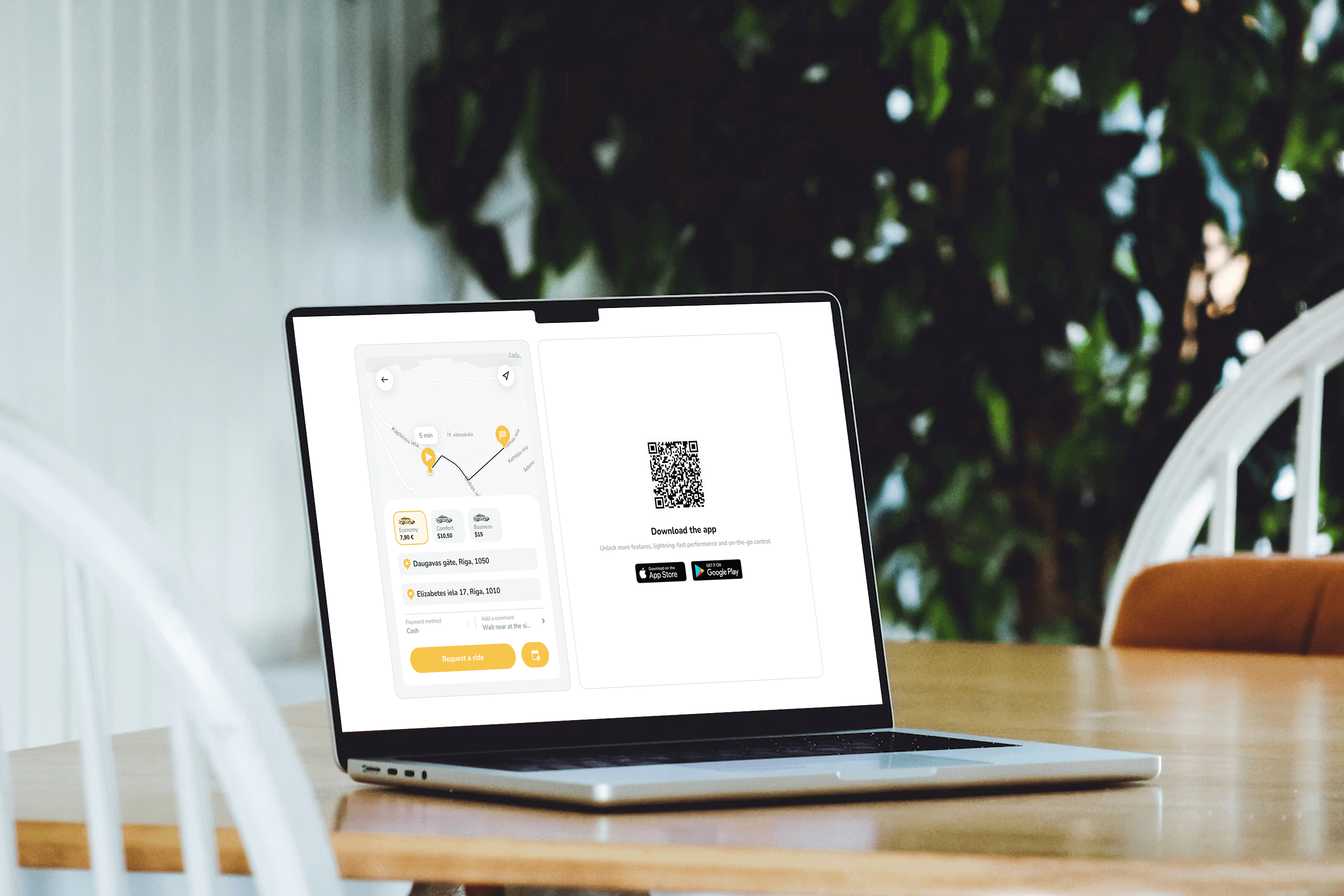
🚕 Web-booker is a lightweight ride-hail widget that lets users book rides directly from a website or mobile browser - no app install required. It reduces booking friction, supports hotel and partner demand, and keeps every ride fully synced with the taxi operator’s app and dashboard.
What if ordering a taxi was as easy as booking a room or clicking “Reserve table” on a website?
Meet Web-booker - a lightweight ride-hail booking widget that lets users request a cab directly from a website, without installing or opening the mobile app.
Perfect for hotels, business centers, event venues, airports, and corporate partners.
👉 Live demo: https://app.atommobility.com/taxi-widget
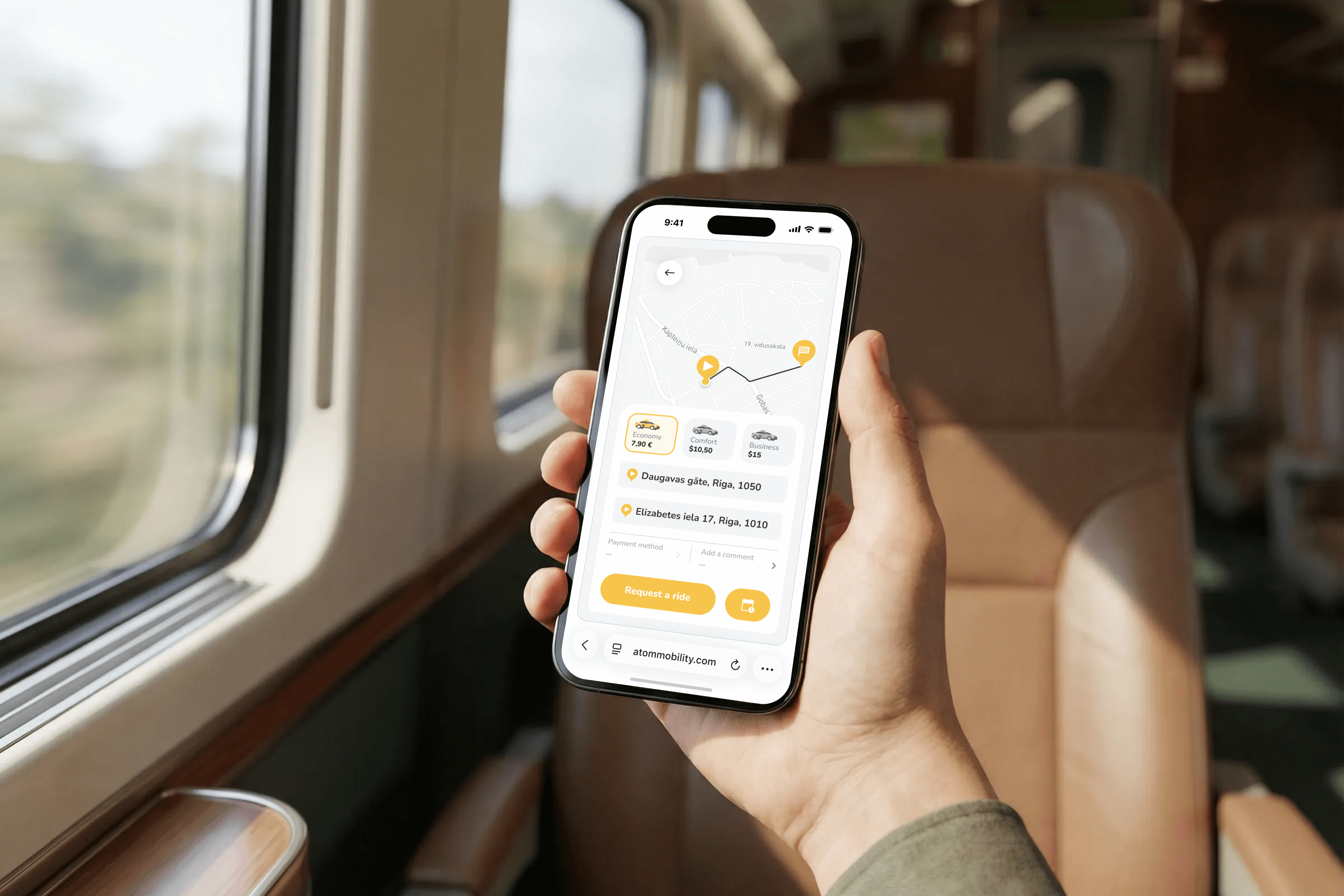
Web-booker is a browser-based ride-hail widget that operators can embed or link to from any website.
The booking happens on the web, but the ride is fully synchronized with the mobile app and operator dashboard.
No redirects. No app-store friction. No lost users.
This keeps fraud low while preserving conversion.
Web-booker addresses one of the most common friction points in ride-hailing: users who need a ride now but are not willing to download an app first. By allowing bookings directly from a website, operators can capture high-intent demand at the exact moment it occurs - whether that is on a hotel website, an event page, or a partner landing page.
At the same time, Web-booker makes partnerships with hotels and venues significantly easier. Instead of complex integrations or manual ordering flows, partners can simply place a button or link and immediately enable ride ordering for their guests. Importantly, this approach does not block long-term app growth. The booking flow still promotes the mobile app through QR codes and store links, allowing operators to convert web users into app users over time - without forcing the install upfront.
Web-booker is not designed to replace the mobile app. It extends the acquisition funnel by adding a low-friction entry point, while keeping all bookings fully synchronized with the operator’s app and dashboard.
👉 Try the demo
https://app.atommobility.com/taxi-widget
Want to explore a ride-hail or taxi solution for your business - or migrate to a more flexible platform? Visit: https://www.atommobility.com/products/ride-hailing
Anmeldedaten für die Driver App-Demo - E-Mail: test@atom.com, Passwort: Treiber

