Il consolidamento del mercato della micromobilità si surriscalda: ATOM Mobility acquisisce ScootAPI
June 16, 2025
lettura minima


Con una mossa significativa che segna un ulteriore consolidamento nel settore del software di micromobilità, il leader del settore ATOM Mobility ha annunciato l'acquisizione strategica di ScootAPI.
L'accordo, finalizzato il 1 giugno 2025, rafforza La posizione dominante di ATOM Mobility nel mercato della micromobilità SaaS B2B. Questo accordo segna anche un'uscita di scena positiva e tempestiva per il fondatore di ScootAPI, George Kachanouski, che per ora sta già incanalando la sua energia imprenditoriale in una nuova iniziativa di intelligenza artificiale in modalità invisibile.
Per anni, sia ATOM Mobility che ScootAPI sono stati attori chiave, fornendo soluzioni software essenziali per gli operatori di micromobilità di tutto il mondo. Questa acquisizione vede ATOM Mobility, guidata dal CEO Arturs Burnins, consolidare in modo proattivo la propria leadership di mercato. La mossa è stata guidata dall'imperativo strategico di conquistare il primo posto in un panorama competitivo integrando le preziose risorse e la base clienti di ScootAPI.
Informazioni su ATOM Mobility:

Fondata nel 2018 da Arturs Nikiforovs e dal CEO Arturs Burnins, ATOM Mobility consente agli imprenditori di lanciare e scalare piattaforme di mobilità in tutto il mondo, tra cui la condivisione di veicoli (scooter, biciclette, ciclomotori, auto), il noleggio digitale e le attività di ride-hailing. Con una suite di prodotti che include app per motociclisti personalizzabili, dashboard complete, app per gli operatori e analisi affidabili, ATOM Mobility supporta oltre 200 progetti e 35.000 veicoli, facilitando oltre 1.000.000 di viaggi al mese. L'azienda si impegna a fornire una tecnologia affidabile, agile e ben progettata con una forte attenzione alla crescita dei ricavi dei clienti e alla stabilità del sistema, con l'obiettivo di essere il leader nel SaaS B2B per la micromobilità.
Informazioni su ScootAPI:

Fondata nel 2019 dal CEO George Kachanouski, API Scoot si è affermata come un attore significativo nel settore dei software per la micromobilità. L'azienda ha fornito una solida piattaforma SaaS white label che ha consentito a imprenditori e operatori di tutto il mondo di lavorare con successo lanciando più di 50 distinti progetti di micromobilità in diversi mercati internazionali. ScootAPI si è dedicata alla promozione del trasporto urbano «intelligente», contribuendo così alla riduzione delle emissioni di CO2 e al miglioramento della qualità della vita urbana per le comunità di tutto il mondo.
«Questa è una accelerazione Un momento importante per ATOM Mobility e per il mercato SaaS della micromobilità nel suo complesso», ha dichiarato Arturs Burnins, CEO di ATOM Mobility. «L'acquisizione di ScootAPI è in linea con la nostra strategia di guidare il settore e fornire le soluzioni più complete, affidabili e innovative agli operatori di tutto il mondo. Siamo entusiasti di accogliere i clienti di ScootAPI nella piattaforma ATOM Mobility, accelerando ulteriormente la crescita e l'efficienza della mobilità condivisa in tutto il mondo».

Per George, questa mossa inizialmente non era nella sua tabella di marcia. Ha investito nella crescita di ScootAPI. Tuttavia, la recente esplosione della tecnologia AI ha suscitato una nuova e avvincente passione. «Vendere ScootAPI non era qualcosa che avevo intenzione di fare», ha ammesso George. «Avevamo creato un buon prodotto e per me il viaggio era tutt'altro che finito. Ma poi la rivoluzione dell'IA è davvero decollata e mi sono ritrovato completamente affascinato dal potenziale dei flussi di lavoro agentici per automatizzare i processi aziendali. L'idea di creare una nuova società nel settore dell'intelligenza artificiale, qualcosa di potenzialmente ancora più grande e su una nuova frontiera, è diventata incredibilmente entusiasmante».
Mentre la transizione procede, George rimane fiducioso che i clienti di ScootAPI siano in buone mani. «ATOM Mobility ha una visione chiara e la profondità tecnica per supportare gli operatori a lungo termine», ha affermato. «Era importante per me. Non volevo affidare le cose a chiunque: volevo essere sicuro che le persone che si affidano alla nostra piattaforma fossero ancora supportate e in grado di crescere».
L'integrazione di ScootAPI in ATOM Mobility promette una transizione senza intoppi per i clienti, che ora beneficeranno di una suite ampliata di funzionalità e di un solido supporto sotto l'egida di ATOM Mobility, semplificando ulteriormente le operazioni per gli imprenditori della micromobilità a livello globale.
Fai clic qui sotto per saperne di più o richiedere una demo.

The micromobility industry doesn’t need another generic mobility conference. 🚫🎤 It needs real conversations between operators who are actually in the field. ⚙️ That’s exactly what ATOM Connect 2026 is built for. 🎯🤝
The shared mobility industry is evolving rapidly. Operators are navigating scaling challenges, regulatory complexity, hardware decisions, fleet optimization, and new integration models, all while aiming for sustainable growth.
That’s exactly why ATOM Mobility is organizing ATOM Connect 2026.
Our previous edition of ATOM Connect brought together professionals from the car sharing and rental industry for focused, high-quality discussions and networking. This year, we are narrowing the focus and dedicating the entire event to one fast-moving segment of the industry: shared micromobility.
ATOM Connect 2026 is designed specifically for operators, partners, and decision-makers working in shared micromobility. It is not a broad mobility conference or a public exhibition. It is a curated space for industry professionals to exchange practical experience, insights, and lessons learned.
On May 14th, 2026 in Riga, we will once again bring the community together, this time with a clear focus on micromobility.
This year’s agenda will address the real operational and strategic questions shaping shared micromobility today:
As usual, we aim to host both local and international operators from smaller, fast-growing fleets to established large-scale players alongside hardware providers and ecosystem partners.
On stage, you’ll hear from leading shared mobility companies - including Segway on hardware partnerships, Umob on MaaS integration, Anadue on data-driven fleet intelligence, Elerent on multi-vehicle operational realities and more insightful discussions.
The goal is simple: meaningful discussions with people who understand the operational realities of the industry.
ATOM Connect is free to attend, but participation is industry-focused (each submission is manually reviewed and verified). We are intentionally keeping the audience relevant and aligned to ensure high-quality conversations and valuable networking.
If you work in shared micromobility and would like to join the event, you can find the full agenda and register here:
👉 https://www.atommobility.com/atom-connect-2026
In the coming weeks, we will be revealing more speakers and additional agenda updates. We look forward to bringing the industry together again.
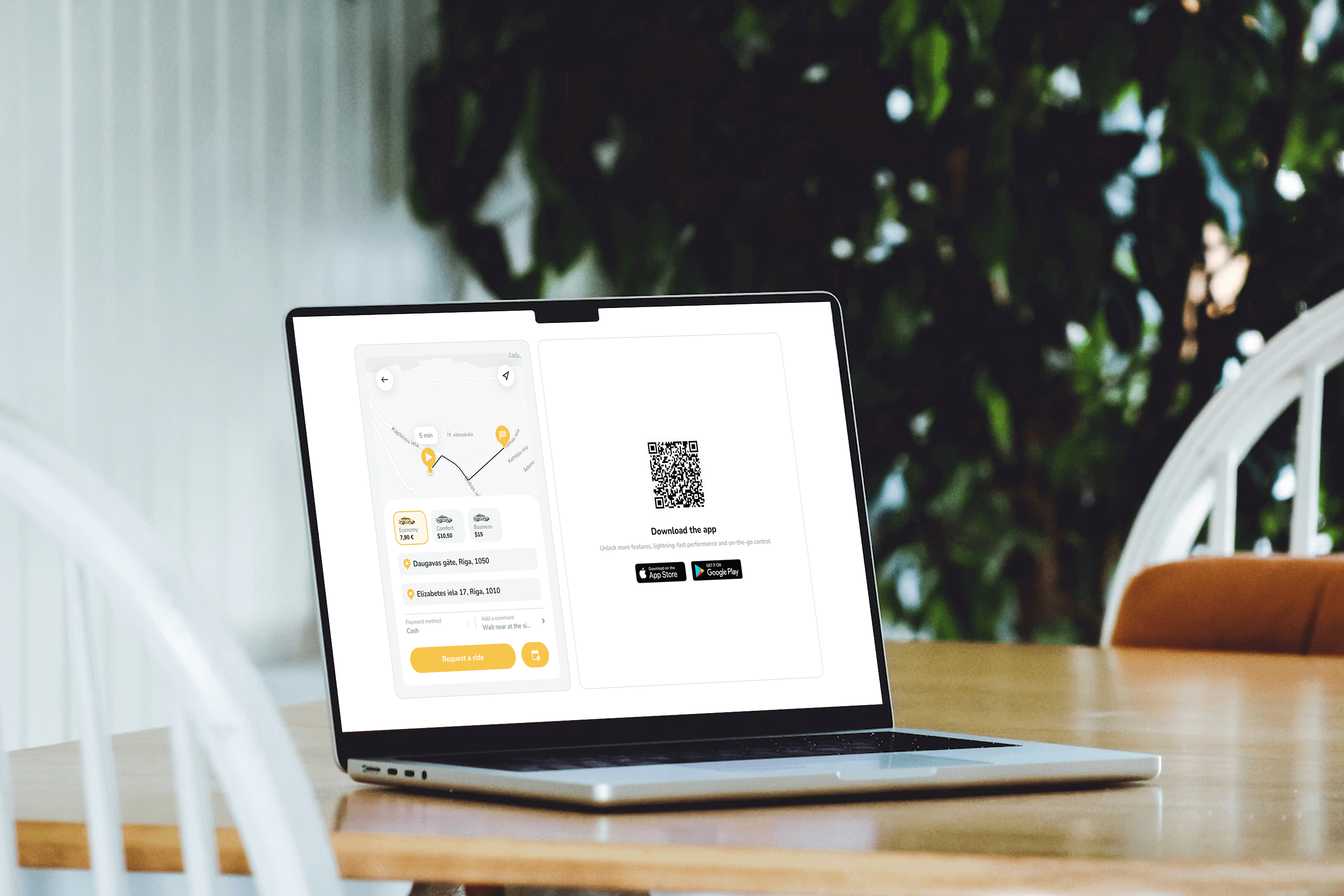
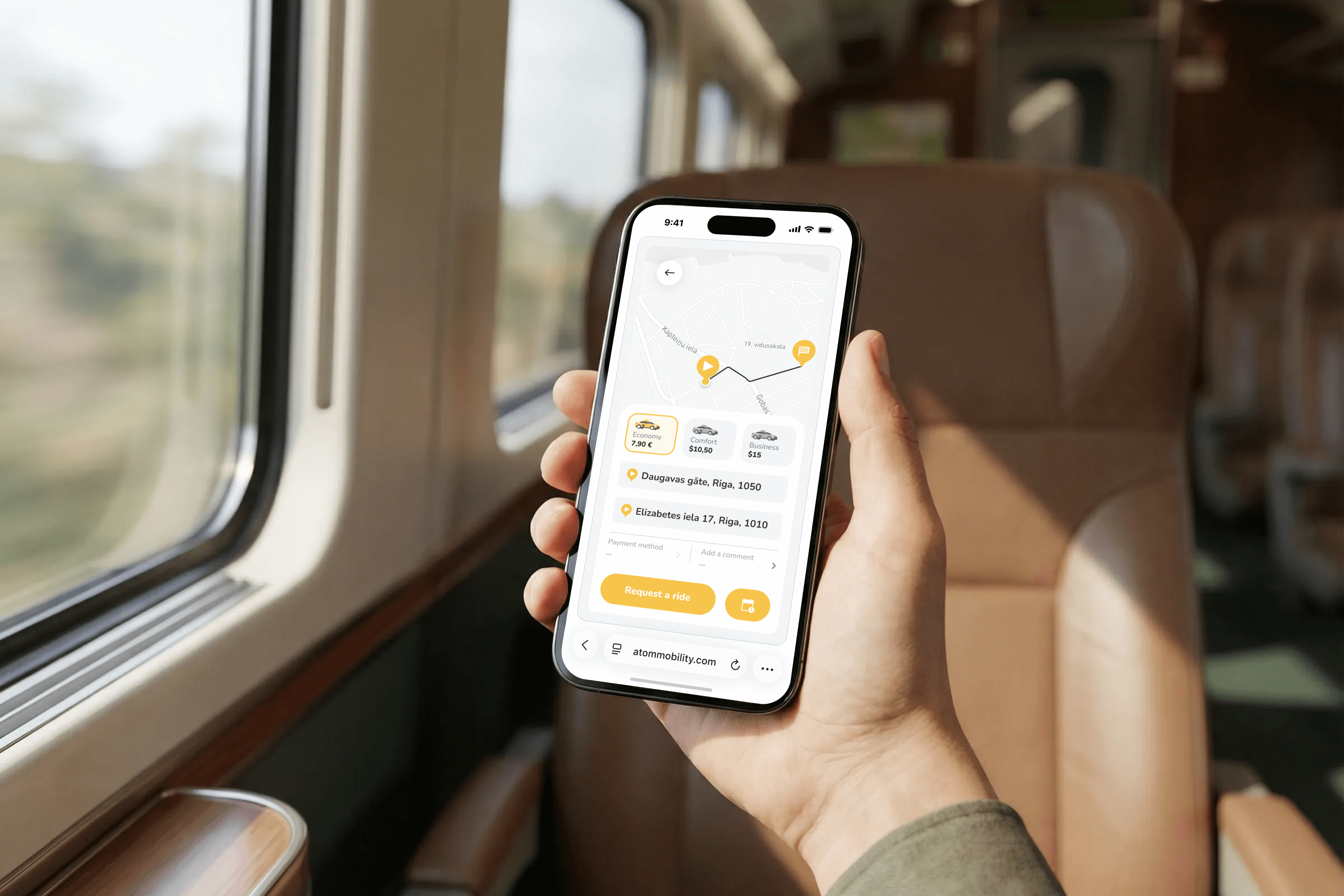
🚕 Web-booker is a lightweight ride-hail widget that lets users book rides directly from a website or mobile browser - no app install required. It reduces booking friction, supports hotel and partner demand, and keeps every ride fully synced with the taxi operator’s app and dashboard.
What if ordering a taxi was as easy as booking a room or clicking “Reserve table” on a website?
Meet Web-booker - a lightweight ride-hail booking widget that lets users request a cab directly from a website, without installing or opening the mobile app.
Perfect for hotels, business centers, event venues, airports, and corporate partners.
👉 Live demo: https://app.atommobility.com/taxi-widget
Web-booker is a browser-based ride-hail widget that operators can embed or link to from any website.
The booking happens on the web, but the ride is fully synchronized with the mobile app and operator dashboard.
No redirects. No app-store friction. No lost users.
This keeps fraud low while preserving conversion.
Web-booker addresses one of the most common friction points in ride-hailing: users who need a ride now but are not willing to download an app first. By allowing bookings directly from a website, operators can capture high-intent demand at the exact moment it occurs - whether that is on a hotel website, an event page, or a partner landing page.
At the same time, Web-booker makes partnerships with hotels and venues significantly easier. Instead of complex integrations or manual ordering flows, partners can simply place a button or link and immediately enable ride ordering for their guests. Importantly, this approach does not block long-term app growth. The booking flow still promotes the mobile app through QR codes and store links, allowing operators to convert web users into app users over time - without forcing the install upfront.
Web-booker is not designed to replace the mobile app. It extends the acquisition funnel by adding a low-friction entry point, while keeping all bookings fully synchronized with the operator’s app and dashboard.
👉 Try the demo
https://app.atommobility.com/taxi-widget
Want to explore a ride-hail or taxi solution for your business - or migrate to a more flexible platform? Visit: https://www.atommobility.com/products/ride-hailing
Credenziali demo dell'app Driver - Email: test@atom.com, Password: autista

