Inscrição facilitada: ATOM Mobility adiciona opções de login da Apple e do Google
March 11, 2025
leitura mínima


A maioria dos aplicativos móveis depende da verificação do número de telefone para inscrições e logins. Esse também é o caso do ATOM Mobility, em que os usuários verificam seu número de telefone usando uma senha de uso único (OTP). Usamos parceiros confiáveis como Twilio, Dexatele outros para garantir a verificação segura por telefone. Grandes empresas como Uber, Bolt e InDrive também seguem esse método porque ajuda a evitar fraudes e acesso não autorizado.
No entanto, sabemos que nem todo mundo quer usar seu número de telefone toda vez que faz login. Alguns usuários preferem opções mais rápidas, especialmente se já usam a Apple ou o Google em seus dispositivos. É por isso que agora adicionamos essas alternativas.

De acordo com dados globais, um número significativo de pessoas prefere fazer login com suas contas existentes em vez de digitar um número de telefone. Pesquisas mostram que cerca de 60 a 80% dos usuários escolhem logins sociais se tiverem a opção. Esse é um número enorme! Ao adicionar o login da Apple e do Google, estamos tornando ainda mais fácil para os usuários se inscreverem e começarem a usar seu aplicativo instantaneamente.
Muitos aplicativos e plataformas populares já oferecem essas opções de login porque elas reduzem o tempo necessário para que os usuários acessem os serviços. Quanto menos etapas envolvidas, maior a probabilidade de os usuários concluírem o registro em vez de abandonarem o processo no meio do caminho. Para empresas, isso se traduz em taxas de conversão mais altas e usuários mais engajados.
Adicionar opções de login da Apple e do Google não é apenas uma questão de conveniência. Também traz benefícios reais para os operadores:
É importante observar que a verificação do número de telefone ainda desempenha um papel importante na prevenção de fraudes. Se os usuários fizerem login sem verificar seu número, há um risco maior de contas falsas. É por isso que estamos mantendo o método OTP como padrão e, ao mesmo tempo, oferecendo o login da Apple e do Google como alternativa.
Muitas empresas, incluindo a ATOM Mobility, priorizam a prevenção de fraudes. Embora o login da Apple e do Google reduza o risco de falhas no login, eles também exigem monitoramento adicional para garantir que a plataforma permaneça segura. A implementação de medidas de detecção de fraudes junto com essas opções de login pode ajudar a manter um equilíbrio entre a conveniência do usuário e a segurança da plataforma.
A tela de login atualizada agora incluirá os botões de login da Apple e do Google junto com a opção de número de telefone. Os usuários podem escolher seu método preferido, tornando o processo mais rápido e flexível.
Se você for um cliente da ATOM Mobility, habilitar esse recurso nas configurações do seu aplicativo é simples. Depois de ativados, os usuários verão os botões de login da Apple e do Google imediatamente ao abrirem o aplicativo. Essa mudança pequena, mas poderosa, pode levar a registros mais completos e a uma experiência de integração mais tranquila.
Essa é apenas uma das muitas melhorias que estamos trazendo para o ATOM Mobility. Estamos trabalhando constantemente em novos recursos para aprimorar a experiência do usuário e agilizar as operações. Confira nossos outros recursos principais:
Na ATOM Mobility, acreditamos na inovação contínua. Agora que as opções de login da Apple e do Google estão ativas, estamos explorando outras formas de simplificar o acesso do usuário e melhorar a segurança. Alguns desenvolvimentos futuros em potencial incluem:
Com o login da Apple e do Google agora disponível, inscrever-se em aplicativos com tecnologia ATOM Mobility está mais fácil do que nunca. Se os usuários preferem a verificação OTP ou um simples login com um toque, agora eles têm mais opções. Esta atualização visa tornar a experiência mais fácil e aumentar o número de registros bem-sucedidos.
Se você for cliente da ATOM Mobility, certifique-se de ativar esse recurso e oferecer aos usuários a flexibilidade que eles desejam. E se precisar de ajuda, sinta-se à vontade para entrar em contato com nossa equipe!
Fique ligado para mais atualizações à medida que continuamos aprimorando a plataforma!
Clique abaixo para saber mais ou solicitar uma demonstração.

The micromobility industry doesn’t need another generic mobility conference. 🚫🎤 It needs real conversations between operators who are actually in the field. ⚙️ That’s exactly what ATOM Connect 2026 is built for. 🎯🤝
The shared mobility industry is evolving rapidly. Operators are navigating scaling challenges, regulatory complexity, hardware decisions, fleet optimization, and new integration models, all while aiming for sustainable growth.
That’s exactly why ATOM Mobility is organizing ATOM Connect 2026.
Our previous edition of ATOM Connect brought together professionals from the car sharing and rental industry for focused, high-quality discussions and networking. This year, we are narrowing the focus and dedicating the entire event to one fast-moving segment of the industry: shared micromobility.
ATOM Connect 2026 is designed specifically for operators, partners, and decision-makers working in shared micromobility. It is not a broad mobility conference or a public exhibition. It is a curated space for industry professionals to exchange practical experience, insights, and lessons learned.
On May 14th, 2026 in Riga, we will once again bring the community together, this time with a clear focus on micromobility.
This year’s agenda will address the real operational and strategic questions shaping shared micromobility today:
As usual, we aim to host both local and international operators from smaller, fast-growing fleets to established large-scale players alongside hardware providers and ecosystem partners.
On stage, you’ll hear from leading shared mobility companies - including Segway on hardware partnerships, Umob on MaaS integration, Anadue on data-driven fleet intelligence, Elerent on multi-vehicle operational realities and more insightful discussions.
The goal is simple: meaningful discussions with people who understand the operational realities of the industry.
ATOM Connect is free to attend, but participation is industry-focused (each submission is manually reviewed and verified). We are intentionally keeping the audience relevant and aligned to ensure high-quality conversations and valuable networking.
If you work in shared micromobility and would like to join the event, you can find the full agenda and register here:
👉 https://www.atommobility.com/atom-connect-2026
In the coming weeks, we will be revealing more speakers and additional agenda updates. We look forward to bringing the industry together again.
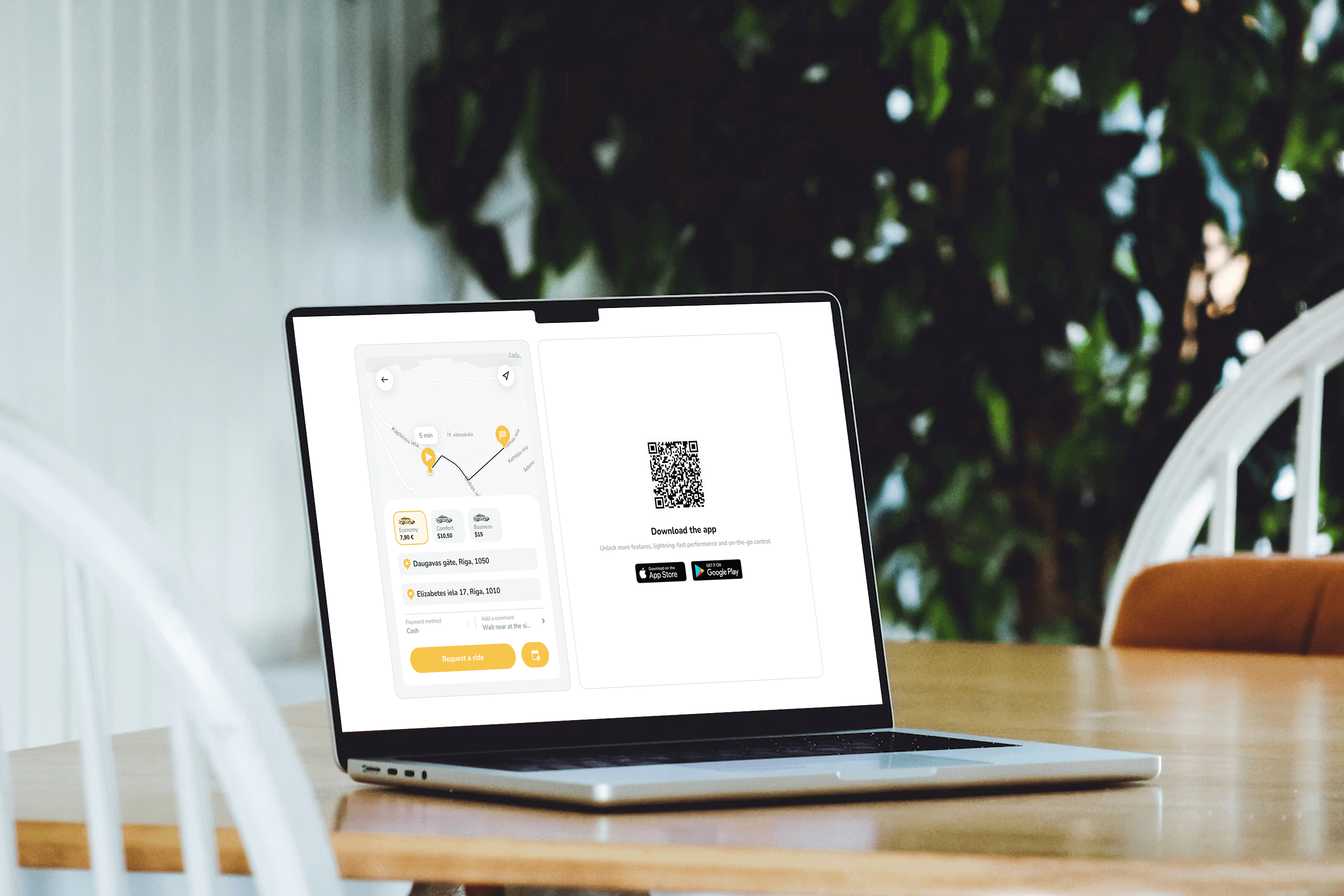
🚕 Web-booker is a lightweight ride-hail widget that lets users book rides directly from a website or mobile browser - no app install required. It reduces booking friction, supports hotel and partner demand, and keeps every ride fully synced with the taxi operator’s app and dashboard.
What if ordering a taxi was as easy as booking a room or clicking “Reserve table” on a website?
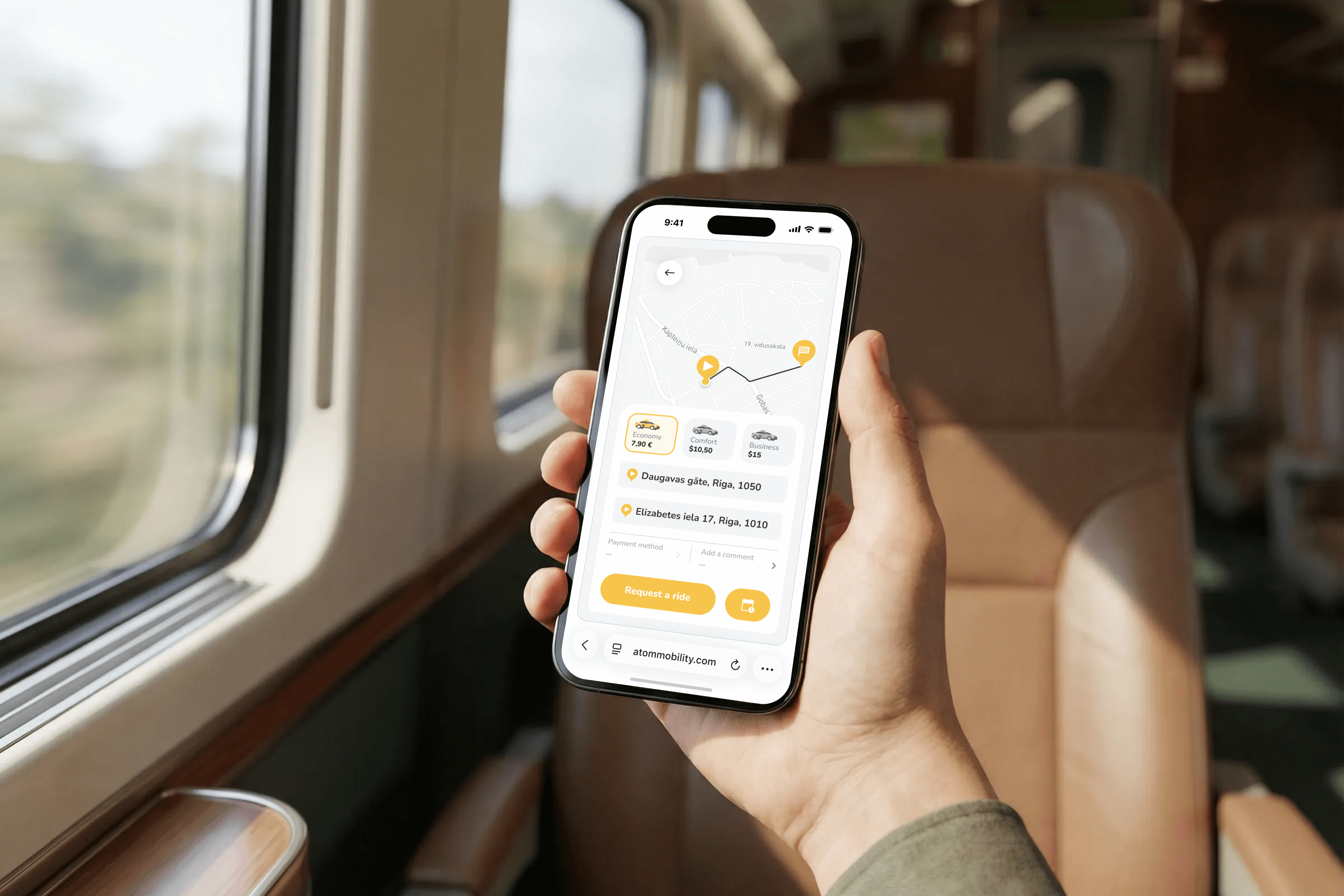
Meet Web-booker - a lightweight ride-hail booking widget that lets users request a cab directly from a website, without installing or opening the mobile app.
Perfect for hotels, business centers, event venues, airports, and corporate partners.
👉 Live demo: https://app.atommobility.com/taxi-widget
Web-booker is a browser-based ride-hail widget that operators can embed or link to from any website.
The booking happens on the web, but the ride is fully synchronized with the mobile app and operator dashboard.
No redirects. No app-store friction. No lost users.
This keeps fraud low while preserving conversion.
Web-booker addresses one of the most common friction points in ride-hailing: users who need a ride now but are not willing to download an app first. By allowing bookings directly from a website, operators can capture high-intent demand at the exact moment it occurs - whether that is on a hotel website, an event page, or a partner landing page.
At the same time, Web-booker makes partnerships with hotels and venues significantly easier. Instead of complex integrations or manual ordering flows, partners can simply place a button or link and immediately enable ride ordering for their guests. Importantly, this approach does not block long-term app growth. The booking flow still promotes the mobile app through QR codes and store links, allowing operators to convert web users into app users over time - without forcing the install upfront.
Web-booker is not designed to replace the mobile app. It extends the acquisition funnel by adding a low-friction entry point, while keeping all bookings fully synchronized with the operator’s app and dashboard.
👉 Try the demo
https://app.atommobility.com/taxi-widget
Want to explore a ride-hail or taxi solution for your business - or migrate to a more flexible platform? Visit: https://www.atommobility.com/products/ride-hailing
Credenciais de demonstração do Driver App - E-mail: test@atom.com, Senha: motorista

